Truck Bed Cover Net
A truck bed cover net is an essential accessory for anyone who frequently hauls loose cargo in their pickup truck. Unlike rigid covers, these lightweight nets stretch across the open bed, keeping tools, equipment, or outdoor gear contained and secure without blocking visibility or airflow. Whether you’re transporting firewood, sports gear, or landscaping supplies, a high-quality bed net ensures your load stays put—no matter the road conditions.
If you’ve ever hauled a pile of lumber, bags of mulch, or fishing gear in your pickup truck, you know how frustrating it can be when everything starts sliding around the bed—or worse, flying out on the highway. That’s where a truck bed cover net comes in. It’s not as flashy as a fancy tonneau cover or as heavy-duty as a roll-up canopy, but it plays a crucial role in keeping your cargo secure, organized, and safe.
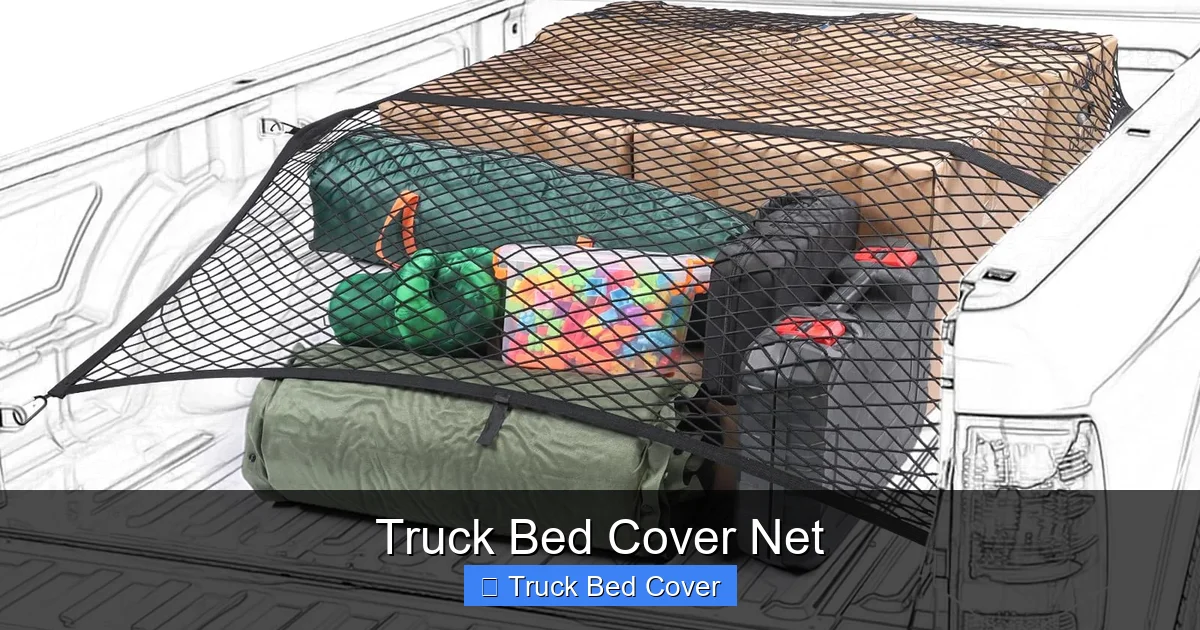
Think of a truck bed cover net as the invisible guardian of your load. Unlike rigid or soft covers that enclose the entire bed, a net stretches across the top like a spiderweb, catching anything that might otherwise shift or fall out. It’s lightweight, breathable, and surprisingly tough—perfect for everyday hauling jobs, weekend adventures, or commercial use.
In this guide, we’ll walk you through everything you need to know about truck bed cover nets: what they are, how they work, why you should consider one, and how to pick the right one for your truck. Whether you’re a contractor loading tools, a dad heading to the beach with surfboards, or a farmer moving hay bales, this article will help you make the smartest choice.
Key Takeaways
- Versatile Protection: A truck bed cover net secures loose items in place while allowing full visibility and airflow—perfect for open-bed trucks.
- Easy Installation: Most models use simple bungee cords, hooks, or ratchet straps, making them quick to install and remove without tools.
- Durable & Weather-Resistant: Made from UV-resistant, tear-proof materials like polyester mesh, these nets hold up against sun, rain, and rough handling.
- Saves Time & Money: Prevents cargo from shifting or falling off during transit, reducing roadside cleanup and potential fines.
- Universal Fit: Designed to adapt to various truck bed sizes using adjustable straps or modular systems for a snug fit.
- Cost-Effective Alternative: More affordable than hard or soft tonneau covers while offering similar load-securing benefits.
- Ideal for Outdoor Enthusiasts: Great for campers, contractors, farmers, and weekend warriors who need reliable cargo control.
Quick Answers to Common Questions
Can a truck bed cover net hold heavy items securely?
Yes, especially models with ratchet straps or integrated tie-downs. These allow you to tighten the net firmly around bulky or heavy loads, minimizing movement during transit.
Will a net keep water out of my truck bed?
Not completely—nets aren’t waterproof. However, they do shield light rain and windblown moisture better than leaving the bed fully exposed.
Do I need special tools to install a bed cover net?
Most modern nets install without tools using bungee cords, hooks, or cam buckles. Only premium models with ratchet systems may require basic hardware.
How long do truck bed cover nets last?
With proper care, high-quality nets last 3–7 years. UV-resistant materials and regular cleaning extend lifespan significantly.
Can I use a net on a truck with a bedliner?
Yes, but ensure the liner doesn’t interfere with net attachment points. Some users remove liners temporarily for better grip.
📑 Table of Contents
What Is a Truck Bed Cover Net?
A truck bed cover net is a flexible, mesh-style tarp designed specifically for pickup truck beds. It typically features a strong, woven fabric—often made from high-tenacity polyester or polypropylene—stretched taut over the bed rails or attached to corner grommets. The netting allows air to pass through while physically containing your cargo.
Unlike solid tarps or hard shells, a bed cover net doesn’t block your view of the road or trap heat inside the cab. Instead, it acts more like a safety net—catching items if they start to slide forward or backward. This makes it ideal for transporting loose goods that don’t need complete enclosure but still require restraint.
Most truck bed cover nets come in universal sizes (like 5’x10′, 6’x10′, or 8’x12′) and use elastic bungee cords, ratchet straps, or cam buckles to anchor to the truck bed corners or tailgate. Some advanced models include reinforced edges, quick-release clips, or even integrated tie-down points for added security.
The Difference Between a Net and Other Covers
You might wonder: isn’t a regular tarp just like a net? Not quite. While both serve protective purposes, there are key differences:
– Solid Tarps: Made from waterproof polyethylene or canvas. They fully cover the bed and protect against rain, dust, and dirt—but they’re bulky, trap moisture, and can’t contain shifting cargo.
– Hard Tonneau Covers: Metal or aluminum panels that fold or slide shut. They offer excellent security and weather protection but add weight and cost.
– Soft Roll-Up Covers: Fabric that rolls onto a metal frame. Better than tarps but still less effective at preventing lateral movement.
– Truck Bed Cover Nets: Lightweight, breathable, and highly effective at restraining loose loads without compromising airflow or visibility.
For many users, especially those carrying irregularly shaped or bulky items, a net strikes the perfect balance between function and convenience.
Why You Need a Truck Bed Cover Net
Let’s face it: hauling stuff in your truck bed is part of life. But without proper restraints, you’re playing Russian roulette with your cargo—and maybe even other drivers. Here’s why investing in a quality truck bed cover net pays off big time.
Prevents Cargo Shift and Loss
One of the biggest headaches for truck owners is cargo that slides around during transit. When you’re driving on winding mountain roads or stop-and-go city traffic, even small vibrations can cause items to shift. Over time, this leads to:
– Scratched paint on your truck bed
– Damaged goods due to impact
– Items flying off the bed and becoming hazards
A well-fitted net keeps everything anchored in place. Think of it like seatbelts for your truck bed—it won’t stop sudden stops, but it dramatically reduces the risk of things going airborne.
Protects Your Load from the Elements
While nets aren’t waterproof, they do shield lighter materials from windblown debris, light rain, and dust. For example, if you’re carrying dry leaves, pet food, or camping equipment, a net keeps the bulk of dirt and moisture out better than leaving the bed wide open. Plus, the breathability prevents condensation buildup—a common issue with enclosed covers.
Improves Safety on the Road
Loose cargo is dangerous. According to the National Highway Traffic Safety Administration (NHTSA), improperly secured loads contribute to thousands of accidents each year. Flying debris from open truck beds has caused windshield damage, vehicle collisions, and pedestrian injuries.
By using a truck bed cover net, you reduce the chance of something tumbling onto the highway. It’s a simple, low-cost way to stay compliant with local laws and avoid costly tickets or liability claims.
Keeps Your Truck Cleaner
Ever noticed how quickly dirt, gravel, and mud accumulate under open loads? A net acts as a barrier, keeping most grime from settling into your truck bed. That means less cleaning after every trip—especially helpful if you’re hauling gardening supplies, construction materials, or outdoor furniture.
Types of Truck Bed Cover Nets
Not all nets are created equal. Depending on your needs, you may want different features. Let’s break down the main types available today.
Elastic Bungee Net Systems
These are the most common type—lightweight, easy to install, and budget-friendly. They feature four corner grommets connected by thick bungee cords that stretch over the bed. Ideal for casual users who need basic coverage.
Pros:
– Quick setup (< 2 minutes)
- Inexpensive (typically $30–$70)
- Lightweight and compact for storage
Cons:
- Less secure for heavy or dense loads
- Can loosen over time due to stretching
Best for: Occasional use, light cargo like lawn tools, picnic coolers, or folded tarps.
Ratchet Strap Tension Nets
Upgraded version with industrial-grade polyester mesh and heavy-duty ratchet straps. These allow you to pull the net tight across the bed, creating a firm hold even with bulky items.
Pros:
– Highly secure and stable
– Adjustable tension for custom fits
– Durable construction
Cons:
– Slightly heavier and more expensive ($70–$150)
– Takes longer to install (5–10 minutes)
Best for: Frequent haulers, contractors, or anyone carrying heavy, shifting loads.
Modular or Sectional Nets
Some premium nets come in multiple panels that connect together. This lets you customize coverage based on your cargo shape. For instance, you might use two smaller nets instead of one large one for a shorter bed.
Pros:
– Flexible sizing
– Reduces sag in large beds
– Easier to store when not in use
Cons:
– Higher cost
– Requires extra straps to secure seams
Best for: Trucks with non-standard bed lengths or mixed-use scenarios.
Integrated Tie-Down Net Systems
Top-tier option featuring built-in D-rings, loops, or clip points along the net’s edge. These let you lash down specific items directly to the net itself, adding another layer of security.
Pros:
– Maximum load control
– Compatible with standard truck bed tie-down anchors
– Professional-grade performance
Cons:
– Premium price ($150+)
– Overkill for light use
Best for: Commercial operators, landscapers, or tow truck drivers.
How to Choose the Right Truck Bed Cover Net
With so many options out there, picking the best truck bed cover net can feel overwhelming. Use these tips to narrow it down.
Measure Your Truck Bed
Accurate measurements are crucial. Most manufacturers list compatible truck models or provide sizing charts. Measure the length and width of your open bed (not including the tailgate). If your truck has a toolbox or bedliner, factor that in too.
Pro tip: Always choose a net slightly larger than your bed to ensure full coverage.
Consider Your Cargo Type
Different loads demand different levels of security:
– Loose, lightweight items: Elastic net is fine.
– Bulky but fragile items: Ratchet strap net gives you control.
– Heavy, shifting materials: Integrated tie-down system recommended.
Think about how often you haul what—this helps determine durability needs.
Check Material Quality
Look for:
– UV-resistant coating: Prevents fading and material breakdown.
– Tear-resistant weave: Polyester blends handle abrasion better than plain nylon.
– Reinforced grommets: Metal or double-layered fabric at corners resists ripping.
Avoid thin, flimsy nets labeled “ultra-lightweight”—they’ll fail fast.
Evaluate Installation Ease
If you’re installing it daily, simplicity matters. Look for:
– No-tool installation
– Quick-release mechanisms
– Clear instructions or video guides
Some brands even offer magnetic corner clips or hook-and-loop fasteners for faster setup.
Read Reviews and Brand Reputation
Stick with trusted brands known for quality. Check Amazon, REI, or specialty truck accessory stores. Pay attention to real-world feedback—especially notes about durability after months of use.
Installation Tips and Best Practices
Even the best truck bed cover net won’t perform well if installed incorrectly. Follow these steps for maximum effectiveness.
Step-by-Step Setup Guide
1. Clear the bed: Remove any obstacles like toolboxes or bedliners.
2. Unroll the net: Lay it flat over the bed, ensuring it hangs evenly over all sides.
3. Attach corners: Hook the net’s grommets to the bed rails or use included straps.
4. Tighten gradually: Pull each side taut but not overly stretched—this prevents tearing.
5. Double-check: Shake the net gently to test stability before driving.
Pro tip: Leave a little slack in the center so the net doesn’t flap in the wind.
Maintenance and Storage
After each use:
– Rinse off dirt and salt (if used in winter).
– Allow to air dry completely before folding.
– Store in a cool, dry place away from direct sunlight.
Never machine wash unless specified by the manufacturer—most nets can’t handle agitation.
When Not to Use a Net
There are cases where a net simply won’t cut it:
– Transporting live animals (use proper animal carriers)
– Hauling flammable liquids (requires sealed containers)
– Long-haul freight with legal weight limits (check DOT regulations)
Always follow local transportation laws regarding uncovered loads.
Real-World Applications and Success Stories
To show how versatile a truck bed cover net really is, let’s look at some practical examples.
The Weekend Camper
Mike owns a 2018 Ford F-150 and uses his truck for camping trips. He regularly carries kayaks, coolers, and sleeping bags. Before buying a net, his gear would slide forward whenever he braked hard. Now, he uses a ratchet strap net and secures each item with bungee cords tied to the net’s edge. “No more waking up to a flipped cooler,” he says. “And I love that I can see my gear the whole drive.”
The Landscaper
Jenna runs a small landscaping business. Every day, she loads shovels, rakes, bags of fertilizer, and grass seed into her Toyota Tacoma. Her old method? A cheap tarp that kept water out but let everything slide around. After switching to an elastic bungee net, she noticed less wear on her truck bed and fewer lost tools. “It’s saved me hours of cleanup,” she shares. “Plus, customers appreciate that my truck looks professional.”
The Rancher
Carlos raises cattle and moves hay bales weekly. His diesel dually can carry several large round bales at once. He uses a sectional net system with integrated tie-downs to anchor each bale securely. “Before, I had to drive slow and careful,” he explains. “Now I can go full speed without worrying about the load shifting. Safety first!”
These stories prove that a truck bed cover net adapts to nearly any lifestyle—whether you’re chasing waves, growing gardens, or feeding livestock.
Common Mistakes to Avoid
Even experienced truck owners make errors when using bed nets. Steer clear of these pitfalls:
– Over-tightening: Stretching the net too far strains the material and weakens grommets.
– Ignoring weather prep: Heavy rain can weigh down the net and cause sagging.
– Using it as a full roof: Nets aren’t designed to support standing weight—don’t climb on them!
– Neglecting inspections: Check for frayed edges or loose straps before each trip.
– Picking the wrong size: A net too small won’t cover the bed; one too large flaps and tangles.
Remember: prevention beats repair. Regular maintenance extends your net’s lifespan significantly.
Final Thoughts: Is a Truck Bed Cover Net Worth It?
Absolutely. For the price of a single gas fill-up, a quality truck bed cover net delivers peace of mind, protects your investment, and enhances safety for everyone on the road. It’s not just a gadget—it’s a functional tool that solves real problems faced by millions of truck owners.
Whether you’re hauling groceries, building materials, or adventure gear, a net keeps chaos at bay without sacrificing convenience. And with so many styles and price points available, there’s one that fits your budget and rig perfectly.
So next time you’re loading up your truck, skip the makeshift solutions and grab a proper bed cover net. Your future self—and your truck—will thank you.
Frequently Asked Questions
Are truck bed cover nets legal?
In most states, as long as the net doesn’t obstruct driver visibility or exceed height limits, it’s legal. Always check local transportation codes before hauling uncovered loads.
Can I wash my truck bed cover net?
Yes, but hand-wash gently with mild soap and cold water. Avoid bleach or harsh detergents. Never machine dry—air dry only.
What’s the difference between a net and a tarp?
A tarp is solid and blocks weather; a net is open-weave and focuses on containment. Nets allow airflow and visibility while securing loose cargo.
Do I need to remove the net after each trip?
Not necessarily. Many people leave it on for convenience. Just ensure it’s dry before storing to prevent mold or mildew.
Can a net fit any truck model?
Most nets are universal and adjustable, but always verify compatibility using your truck’s year, make, and bed size before purchasing.
Is a net better than a tonneau cover?
It depends on your needs. Nets are cheaper, lighter, and allow full access—ideal for loose cargo. Tonneau covers offer full weatherproofing but limit bed access and cost more.