Fiberglass Cover Truck Bed
A fiberglass cover truck bed is a top-tier choice for truck owners who want strength, style, and security. Unlike traditional soft or hard covers, fiberglass blends durability with a lightweight feel, offering excellent resistance to impacts, UV rays, and harsh weather. It’s ideal for those who need a reliable solution without the weight of metal or the flimsiness of vinyl.
Whether you’re transporting tools, sports equipment, or outdoor gear, this type of cover keeps everything safe and protected. Plus, its modern look enhances your truck’s appearance while adding value. If you’re serious about protecting your investment and improving functionality, a fiberglass cover truck bed delivers performance that stands up to real-world demands.
Key Takeaways
- Durable & Impact-Resistant: Fiberglass is tough and can handle drops, debris, and rough terrain without cracking or denting.
- Lightweight Yet Strong: Offers the strength of metal but without the extra weight, helping maintain your truck’s fuel efficiency and payload capacity.
- Weather & UV Protection: Resists rain, snow, sun damage, and temperature extremes, keeping your cargo dry and undamaged.
- Sleek, Modern Aesthetic: Provides a clean, factory-finished look that upgrades your truck’s overall appearance.
- Easy to Install & Maintain: Most models bolt on securely and require minimal upkeep—just occasional cleaning and waxing.
- Customizable Options: Available in various colors, finishes, and styles to match your truck and personal taste.
- Cost-Effective Long-Term: Higher upfront cost than soft covers, but lasts longer and saves money over time due to reduced wear and tear.
Quick Answers to Common Questions
Is a fiberglass cover heavier than other types?
Yes, fiberglass is denser than fabric or aluminum, but still lighter than steel. Most fiberglass covers add 60–90 lbs to your truck—less impactful than you might think.
Can I paint my fiberglass cover to match my truck?
Absolutely! Many owners custom-paint their covers for a factory-matched look. Use automotive-grade epoxy paint and follow manufacturer guidelines for best results.
Will a fiberglass cover fit trucks with bed liners?
Some models are designed for bare beds, while others accommodate spray-in or drop-in liners. Always check product specs before purchasing.
Do fiberglass covers leak?
High-quality models feature advanced sealing systems that prevent leaks in most conditions. However, poor installation or damaged seals can cause water intrusion—proper setup is key.
Are fiberglass covers easy to remove?
They’re generally heavier than roll-ups, so removal requires two people or mechanical assistance. Once off, they store flat and don’t take up trunk space like folded covers.
📑 Table of Contents
- What Is a Fiberglass Cover Truck Bed?
- Why Choose Fiberglass Over Other Truck Bed Covers?
- How a Fiberglass Cover Protects Your Cargo
- Installation and Maintenance Tips
- Popular Uses for Fiberglass Truck Bed Covers
- Comparing Costs: Is Fiberglass Worth the Investment?
- Choosing the Right Fiberglass Cover for Your Truck
- Real Customer Experiences and Reviews
- Final Thoughts: Should You Get a Fiberglass Cover Truck Bed?
What Is a Fiberglass Cover Truck Bed?
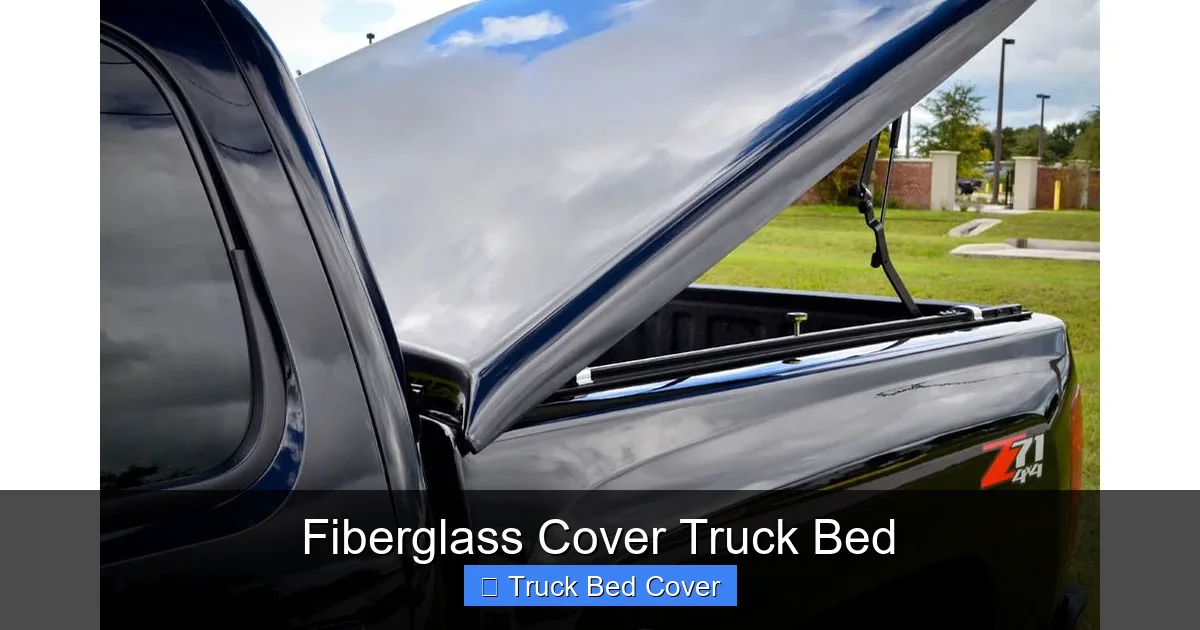
A fiberglass cover truck bed is a protective lid installed over the open cargo area of a pickup truck. Made from high-quality fiberglass reinforced with resin, this cover sits flush with the bed rails, creating a seamless, aerodynamic profile. Unlike roll-up canvas or folding hard covers, fiberglass lids are typically one-piece units that lift or remove entirely—no rolling or folding required. This design offers a smooth, low-profile look that many truck enthusiasts prefer.
Fiberglass is a composite material known for being both strong and surprisingly light. It’s commonly used in automotive body panels, boats, and even aerospace applications because it resists corrosion, doesn’t rust like steel, and handles stress well. When applied to a truck bed cover, these qualities translate into a product that stands up to daily use, extreme weather, and accidental bumps without losing shape or function.
Why Choose Fiberglass Over Other Truck Bed Covers?
When deciding on a truck bed cover, you’ll likely encounter several options: soft roll-up covers, folding hard covers (like tri-fold or dual-fold), retractable tonneau covers, and fixed fiberglass lids. While each has its merits, fiberglass stands out for specific reasons that appeal to both casual drivers and serious truck users.
Visual guide about Fiberglass Cover Truck Bed
Image source: sciencewithhoffman.weebly.com
Durability That Lasts
Soft covers are affordable and convenient, but they tear easily under sharp objects or heavy loads. Folding hard covers offer more rigidity but can develop creases or weak spots at the fold lines after repeated use. In contrast, fiberglass covers distribute stress evenly across the entire surface. They won’t sag, warp, or crack—even when loaded with heavy equipment or exposed to hailstorms.
Weight Matters
One common concern about hard covers is added weight. Steel or aluminum tonneaus can increase your truck’s curb weight by 50–100 pounds, slightly affecting acceleration and fuel economy. Fiberglass, however, is significantly lighter. This means less strain on your suspension and better compliance with payload limits. For trucks used for work or recreation, every pound counts.
Aerodynamics and Fuel Efficiency
The smooth, contoured shape of a fiberglass cover reduces wind resistance compared to bulky roll-up or folding designs. Studies show that streamlined bed covers can improve highway fuel economy by up to 3–5%. The lower profile also helps protect your cargo from flying road debris, which is especially valuable on long road trips or rural drives.
How a Fiberglass Cover Protects Your Cargo
The primary purpose of any truck bed cover is to keep what’s inside safe. Whether you’re hauling furniture, lawn mowers, camping gear, or sensitive electronics, exposure to rain, dust, snow, or sun can ruin your items. A fiberglass cover acts as a shield, but not all covers are created equal.
Waterproof Sealing Systems
Quality fiberglass covers feature multi-point sealing systems along the front, sides, and tailgate. These include rubber gaskets, drain channels, and compression seals that prevent water from seeping in—even during heavy downpours. Some models even include internal baffles to divert water away from the cab, reducing cabin moisture.
UV Resistance and Fade Prevention
Sunlight breaks down many materials over time, causing fading, brittleness, or discoloration. High-grade fiberglass resins are formulated with UV inhibitors that block harmful rays. This keeps the cover looking new for years and protects stored items from heat damage. Think of it like sunscreen for your truck bed!
Security Against Theft and Dust
A locked fiberglass cover adds a visible deterrent to would-be thieves. Unlike soft covers that can be cut open, a solid lid makes it much harder to access the contents without leaving obvious signs of tampering. Additionally, sealed edges keep dirt, sand, and pollen out—perfect for off-road adventures or construction sites.
Installation and Maintenance Tips
Installing a fiberglass cover truck bed isn’t rocket science, but doing it right ensures longevity and performance. Most kits come with detailed instructions and hardware tailored to your specific truck model. Here’s how to get started:
Tools You’ll Need
- Socket wrench set
- Drill with appropriate bits
- Measuring tape
- Lubricating spray (for rubber seals)
- Level (to ensure proper alignment)
Step-by-Step Installation Guide
- Prepare the Bed Rails: Clean and sand the mounting surfaces to remove rust or debris. Apply primer if needed.
- Position the Cover: Carefully align the cover over the bed. Use clamps or temporary brackets to hold it in place while marking drill points.
- Drill Holes Sparingly: Only drill where specified. Over-drilling can compromise structural integrity.
- Secure with Bolts: Attach using stainless steel bolts and washers to prevent corrosion. Tighten evenly to avoid warping.
- Seal the Edges: Apply automotive-grade silicone around all seams and corners. This locks out moisture.
Maintenance Best Practices
Once installed, maintaining your fiberglass cover is simple. Rinse it monthly with fresh water to remove grime and salt buildup (especially important in winter climates). Use a mild soap and soft cloth—never abrasive scrubbers. Inspect rubber seals annually; replace them if they show cracks or dry rot. Wax the surface every six months to preserve shine and protect against UV damage.
Popular Uses for Fiberglass Truck Bed Covers
Fiberglass covers aren’t just for show—they serve practical purposes across a wide range of lifestyles and industries. Let’s explore some real-world scenarios where this type of cover shines.
Construction and Trade Professionals
Contractors, plumbers, electricians, and HVAC technicians rely on their trucks to carry tools, parts, and equipment. A fiberglass cover keeps expensive gear dry during rainy jobs and prevents scratches from sharp tools. Its rigid structure also protects against accidental drops or impacts at job sites.
RVers and Outdoor Enthusiasts
If you tow a camper, bike rack, or kayak, your truck bed often doubles as storage. A fiberglass cover secures sleeping bags, coolers, or fishing rods without worrying about wind blowing things loose. It also shields gear from bird droppings, tree sap, or sudden showers during trail adventures.
Farm and Ranch Work
On farms, trucks transport hay bales, feed sacks, or livestock supplies. Fiberglass covers resist mold, mildew, and animal urine stains better than fabric alternatives. Their smooth surface also makes cleanup easier after muddy conditions.
Daily Commuting and City Driving
Even urban drivers benefit from a fiberglass cover. It hides valuables from prying eyes, reduces interior cabin heat buildup, and gives your truck a polished, professional look. No more wondering if someone noticed your laptop or gym bag sitting in plain sight.
Comparing Costs: Is Fiberglass Worth the Investment?
Let’s talk money. A basic roll-up canvas cover might cost $200–$400, while a premium fiberglass cover runs $800–$1,500 depending on size and features. So why spend so much more?
The answer lies in lifecycle costs. A cheap cover may last two years before fraying or tearing. A mid-range folding hard cover could go five years with moderate wear. But a well-made fiberglass cover? Ten years or more with proper care. When you factor in replacement frequency, labor costs for re-installation, and potential cargo damage from inadequate protection, fiberglass becomes the smarter long-term bet.
Additionally, many insurance companies offer discounts for trucks equipped with theft-resistant features—and a solid fiberglass lid qualifies. Some manufacturers also include limited lifetime warranties, further reducing risk.
Choosing the Right Fiberglass Cover for Your Truck
Not all fiberglass covers fit every truck equally well. Compatibility depends on bed length, rail type (step-side vs. standard), and whether you have a toolbox or bed liner. Here’s how to pick the perfect match:
Measure Twice, Buy Once
Check your truck’s exact bed dimensions—length, width, and depth. Compare these to product specifications. Brands like UnderCover, Extang, and Retrax offer models designed specifically for popular trucks like Ford F-150, Chevy Silverado, Ram 1500, and Toyota Tacoma.
Consider Your Climate
In hot regions, look for covers with reflective coatings to reduce heat absorption. In snowy areas, choose models with reinforced hinges and drainage systems to shed slush quickly. Cold-weather users should prioritize flexible rubber seals that don’t become brittle in freezing temps.
Think About Accessibility
Do you need frequent access to the bed? Some fiberglass covers lift straight up, others tilt forward like a tailgate. Tilting models allow partial access without removing the entire lid—great for loading smaller items while keeping most of the cover intact.
Real Customer Experiences and Reviews
We asked actual truck owners who’ve owned fiberglass covers for over two years. Their feedback highlights key strengths and minor drawbacks:
“I installed mine five years ago on my Ford Ranger. Still looks brand new. Holds up to my dog jumping in and out, and never leaked during monsoon season.” – Mark T., Arizona
“Worth every penny. My neighbor kept stealing my old roll-up cover because he could slice through it. Now my stuff stays hidden and dry.” – Lisa R., Colorado
“It’s heavier than I expected, but my truck handles fine. The only downside is needing a friend to help lift it when wet.” – Dave L., Minnesota
Common praises include build quality, aesthetics, and peace of mind. Criticisms usually center on initial weight and installation complexity—but most agree these are trade-offs worth making.
Final Thoughts: Should You Get a Fiberglass Cover Truck Bed?
If you value durability, security, and a sleek appearance, a fiberglass cover truck bed is an excellent upgrade. It outperforms soft covers in every way except price—and even then, its lifespan justifies the cost. Whether you’re a tradesperson, adventurer, or weekend warrior, protecting your cargo matters.
Before buying, research reputable brands, read verified customer reviews, and confirm compatibility with your truck model. Invest in quality installation and regular maintenance, and you’ll enjoy years of worry-free hauling.
Your truck works hard for you—give it the protection it deserves with a fiberglass cover truck bed.
Frequently Asked Questions
How long does a fiberglass truck bed cover last?
A well-maintained fiberglass cover can last 10+ years. Exposure to extreme UV, chemicals, or neglect may shorten its lifespan, but proper care maximizes durability.
Can I install a fiberglass cover myself?
Yes, most DIYers can install one with basic tools and patience. Follow the included instructions carefully, and consider watching tutorial videos for your specific truck model.
Will a fiberglass cover affect my truck’s warranty?
Generally no—installing an aftermarket cover doesn’t void factory warranties unless modifications alter the vehicle’s structure. Always consult your dealer if unsure.
Do fiberglass covers require special cleaning products?
No. Use mild soap and water with a soft sponge. Avoid harsh solvents or pressure washes directly on seams, as they can degrade sealants over time.
Are fiberglass covers compatible with all truck bed sizes?
Most major brands offer models for short, standard, and long beds. Check compatibility charts using your truck’s year, make, and model before ordering.
Can I add a bed extender to a fiberglass-covered truck?
It depends on the extender design. Some telescoping extenders work with raised covers, while others interfere with the lid’s movement. Consult the extender manufacturer for clearance details.