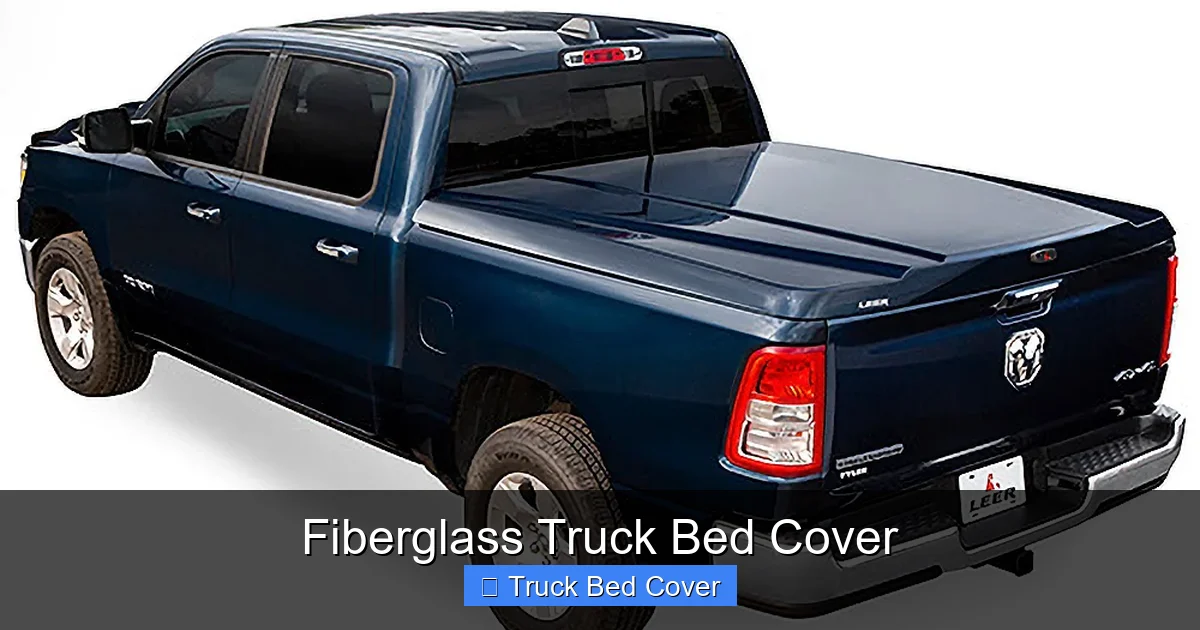
Fiberglass Truck Bed Cover
A fiberglass truck bed cover offers unmatched durability and weather resistance, making it ideal for protecting your truck bed from damage and theft. Unlike traditional covers, this lightweight yet strong option provides excellent UV protection and a smooth finish that resists scratches and dents. Whether you’re hauling gear, tools, or just want to enhance your truck’s appearance, a fiberglass bed cover delivers both style and function.
If you’re serious about upgrading your truck’s functionality and style, a fiberglass truck bed cover might be exactly what you need. These covers aren’t just another accessory—they’re a game-changer for truck owners who demand both protection and performance. Whether you’re hauling equipment across rugged terrain, commuting through city traffic, or simply want to keep your gear safe and out of sight, a fiberglass bed cover delivers on all fronts.
Unlike flimsy plastic tarpaulins or heavy-duty metal lids, fiberglass strikes the perfect balance between strength, weight, and aesthetics. It’s engineered to withstand the elements—rain, snow, sleet, and scorching sun—without warping, cracking, or fading. Plus, its smooth surface makes it easy to clean and maintain, saving you time and effort over the years. And let’s not forget the curb appeal: a fiberglass cover gives your truck a polished, custom look that turns heads at the job site or the car show.
In this comprehensive guide, we’ll dive deep into everything you need to know about fiberglass truck bed covers. From how they’re made and installed to their pros, cons, and best uses, we’ll walk you through every detail so you can make an informed decision. So buckle up—your next truck upgrade starts here.
Key Takeaways
- Durability: Fiberglass is stronger than plastic and more impact-resistant than aluminum, making it ideal for long-term use.
- Weather Resistance: Naturally resistant to rust, corrosion, and UV rays, ensuring the cover lasts in harsh conditions.
- Lightweight Design: Despite its strength, fiberglass is lighter than metal alternatives, reducing strain on your truck’s suspension.
- Sleek Aesthetics: Offers a smooth, glossy finish that enhances your truck’s look and can be painted to match any color.
- Security Benefits: Provides a locked, enclosed space that deters theft and protects cargo from prying eyes.
- Easy Maintenance: Requires minimal upkeep—just occasional cleaning with mild soap and water.
- Custom Fit Options: Available for most truck models, with aftermarket options offering tailored installation and performance.
Quick Answers to Common Questions
Is a fiberglass truck bed cover worth the money?
Absolutely. While pricier than plastic or vinyl, fiberglass offers superior durability, weather resistance, and resale value, making it a long-term investment for serious truck users.
Can I paint my fiberglass bed cover?
Yes! Many fiberglass covers accept automotive paint. Just sand the surface lightly, apply primer, and use high-quality paint for a factory-finish look.
Will a fiberglass cover fit my truck?
Most covers are model-specific. Check your truck’s year, make, and bed size before ordering. Custom-fit options ensure optimal performance and ease of installation.
Do fiberglass covers rust?
No. Unlike metal, fiberglass is non-porous and immune to rust and corrosion, even in salty or humid environments.
Are fiberglass bed covers noisy at high speeds?
Not typically. Modern designs include foam insulation and rubber seals that minimize wind noise. At highway speeds, you’ll likely hear road noise, not cover vibration.
📑 Table of Contents
What Is a Fiberglass Truck Bed Cover?
A fiberglass truck bed cover is a protective lid made from reinforced fiberglass material that fits securely over the open bed of a pickup truck. Think of it as a hard shell that snaps, bolts, or clamps onto the truck bed rails, creating a fully enclosed space when closed. This design not only keeps your cargo dry and secure but also improves aerodynamics and fuel efficiency.
Fiberglass, a composite material made of fine glass fibers embedded in resin, is known for its exceptional strength-to-weight ratio. That means it’s tough enough to resist impacts and heavy loads but light enough not to overload your truck. Most fiberglass bed covers are molded to fit specific truck models, ensuring a snug, factory-like appearance.
These covers come in various styles—ranch-style (full-length), tilt-back (hinged in the middle), and retractable (roll-up)—but all share one thing in common: superior durability compared to traditional materials like vinyl or soft cloth.
How Fiberglass Compares to Other Materials
When choosing a bed cover, material matters. Let’s compare fiberglass to other popular options:
– Vinyl/Tarp Covers: Lightweight and affordable, but prone to tearing, UV degradation, and poor sealing against water.
– Aluminum Covers: Strong and rigid, but heavier than fiberglass and susceptible to denting and corrosion over time.
– Plastic (ABS/Polycarbonate): Budget-friendly and shatter-resistant, but often less durable under extreme temperatures and prone to yellowing.
Fiberglass outperforms all of these in terms of longevity, resistance to environmental stress, and overall value. While it may cost slightly more upfront, the long-term savings from reduced wear and tear make it a smart investment.
Benefits of Installing a Fiberglass Truck Bed Cover
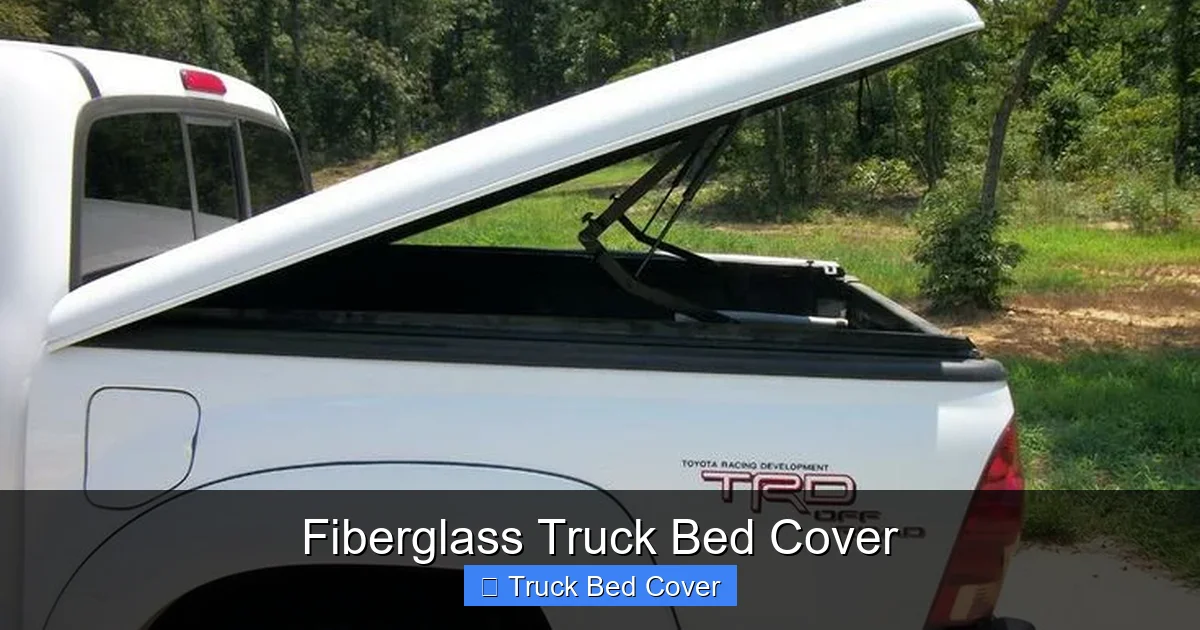
Visual guide about Fiberglass Truck Bed Cover
Image source: i.pinimg.com
Investing in a fiberglass truck bed cover isn’t just about looks—it’s about practicality, safety, and peace of mind. Here’s why thousands of truck owners swear by them:
1. Superior Protection Against the Elements
One of the biggest advantages of a fiberglass bed cover is its ability to shield your cargo from rain, snow, dirt, and dust. The sealed design prevents moisture from seeping in, which is especially important if you’re transporting sensitive tools, electronics, or outdoor gear. No more soggy equipment or muddy floors!
Additionally, fiberglass naturally resists UV radiation, meaning the cover won’t fade or become brittle from prolonged sun exposure. That translates to a longer lifespan and consistent performance, even in hot climates like Arizona or Nevada.
2. Enhanced Security and Privacy
Ever had someone eyeing your tools from across the parking lot? A fiberglass bed cover solves that problem. With no visible gaps or loose flaps, it creates a locked compartment that’s nearly impossible to access without the right key or code.
Many models include advanced locking mechanisms—central locks, side latches, or even electronic keypads—that give you full control over who opens your bed. Whether you’re storing expensive work tools or personal items, this added layer of security is priceless.
3. Improved Fuel Efficiency
Did you know that an uncovered truck bed creates drag, reducing gas mileage? Studies show that adding a streamlined bed cover can improve aerodynamics by up to 8%, resulting in noticeable fuel savings on long highway drives. Over time, those extra miles per gallon add up—literally.
The smooth, aerodynamic shape of a fiberglass cover helps direct airflow over the cab and tailgate, minimizing turbulence. That’s why fleet operators and long-haul drivers often choose fiberglass over bulkier alternatives.
4. Scratch and Dent Resistance
Truck beds take a beating—especially when loaded with heavy equipment or hauled through rough trails. Fiberglass is inherently resistant to minor impacts, scratches, and dings. Unlike painted metal, which can chip easily, fiberglass maintains its flawless finish unless severely damaged.
This durability is crucial for contractors, landscapers, and off-road enthusiasts who rely on their trucks daily. You won’t have to worry about cosmetic damage ruining your vehicle’s resale value.
5. Easy Installation and Customization
Most fiberglass bed covers are designed for bolt-on installation, meaning no welding or permanent modifications are needed. They typically attach to existing bed rails using clamps or brackets, making DIY setup quick and hassle-free—often completed in under an hour.
Once installed, many covers can be painted to match your truck’s color, giving it a truly custom look. Some brands even offer textured finishes or matte options for a stealthy appearance.
Types of Fiberglass Truck Bed Covers
Not all fiberglass bed covers are created equal. Depending on your needs, you can choose from several styles:
Ranch Style (Full-Length)
This is the classic, full-coverage model that spans the entire bed. Ranch-style covers are ideal for maximum protection and security. They’re commonly used by farmers, ranchers, and tradespeople who need to transport large items like ladders, pipes, or furniture.
Pros:
– Complete enclosure
– Excellent wind resistance
– High resale value
Cons:
– Slightly harder to load/unload from the sides
– May require a step or ladder to access the cab
Tilt-Back (Hinged Center)
As the name suggests, this type tilts open from the center, allowing you to access the full bed without removing the cover entirely. Perfect for trucks where rear visibility is limited.
Pros:
– Quick access to cargo
– No need to lift the entire cover
– Good balance of convenience and coverage
Cons:
– Center hinge can collect debris
– Less secure than fully enclosed designs
Retractable (Roll-Up)
Retractable fiberglass covers roll back along internal tracks, revealing the bed in seconds. They’re sleek, modern, and great for urban drivers who want both style and accessibility.
Pros:
– Fast operation
– Clean, low-profile design
– Minimal obstruction when open
Cons:
– More complex mechanism
– Higher price point
Custom-Fit vs. Universal
While most fiberglass covers are custom-fit for specific truck models (e.g., Ford F-150, Toyota Tacoma), some universal models offer adjustable mounting systems. Custom-fit covers provide better seals and easier installation, so if you prioritize performance, go with a model designed for your exact year, make, and model.
Installation Tips and Best Practices
Installing a fiberglass truck bed cover doesn’t require professional help—many owners do it themselves. Follow these steps for a smooth process:
1. Clean the Bed Rails: Remove dirt, grease, and debris from the bed rails to ensure proper adhesion and alignment.
2. Check for Obstructions: Make sure the tailgate latch and any trailer hitch receivers are clear before mounting.
3. Align the Cover Carefully: Position the cover squarely over the bed, ensuring even contact with the rails.
4. Tighten Clamps Firmly: Use a torque wrench if possible to avoid over-tightening, which can crack the fiberglass.
5. Test the Latch Mechanism: Open and close the cover several times to confirm smooth operation.
6. Inspect Seals: Apply weather stripping if needed to prevent leaks during rain.
Pro Tip: If you’re unsure about compatibility, consult your truck’s manual or contact the manufacturer before purchasing.
Maintenance and Longevity
With proper care, a fiberglass truck bed cover can last 10+ years. Here’s how to keep it looking new:
– Wash Regularly: Use mild soap and water every few months to remove grime and bird droppings.
– Avoid Harsh Chemicals: Bleach or ammonia-based cleaners can weaken the resin over time.
– Inspect for Cracks: Check annually for hairline fractures near edges or mounting points.
– Lubricate Hinges: Apply silicone spray to moving parts to prevent sticking.
– Park in Shade When Possible: Prolonged sun exposure accelerates aging, even with UV protection.
Avoid dragging heavy objects across the surface—always lift items instead of sliding them.
Cost Considerations
Fiberglass truck bed covers typically range from $800 to $2,000+, depending on brand, features, and style. While this may seem steep compared to plastic covers ($200–$500), remember that fiberglass offers far greater durability and resale value.
Budget-conscious buyers should look for reputable brands offering warranties (5–10 years) and free shipping. Financing options are also available through select retailers.
Top Brands to Consider
Here are some of the most trusted names in fiberglass bed covers:
– Leer: Known for premium construction and OEM-quality fit.
– BakFlip: Offers reliable retractable and folding models.
– UnderCover: Popular for ranch-style and tilt-back designs.
– Thule: Combines European engineering with American durability.
– DeFender: Affordable yet high-performing option for DIY installers.
Always read customer reviews and check warranty terms before buying.
Conclusion
A fiberglass truck bed cover is more than just a protective lid—it’s a smart upgrade that boosts security, efficiency, and style. Its unmatched strength, lightweight design, and resistance to the elements make it the gold standard among truck accessories. Whether you’re a contractor, adventurer, or everyday driver, investing in a quality fiberglass cover pays off in reliability and peace of mind.
From improved aerodynamics to scratch-resistant surfaces, every feature is designed with real-world use in mind. And with easy maintenance and customization options, you’ll enjoy years of trouble-free service. So why settle for anything less? Elevate your truck today with a fiberglass bed cover—you won’t regret it.
Frequently Asked Questions
===
How long does a fiberglass truck bed cover last?
With proper care, a fiberglass bed cover can last 10–15 years. Exposure to extreme heat or neglect may shorten its lifespan, but regular cleaning and inspections help maintain performance.
Can I install a fiberglass bed cover myself?
Yes, most fiberglass covers are designed for DIY installation using included hardware. Clear instructions and video guides make the process straightforward for average truck owners.
Does a fiberglass cover reduce fuel economy?
Actually, it improves it! By streamlining airflow over the truck bed, a well-designed cover reduces drag, potentially boosting fuel efficiency by 5–8% on highways.
Are fiberglass covers compatible with toolboxes?
Some models allow integrated toolboxes, while others require aftermarket solutions. Always verify compatibility with your specific cover and truck model before purchasing.
Can I drive with the cover open?
It depends on the type. Retractable and tilt-back covers can be opened while driving safely. However, fully enclosed ranch-style covers must remain closed for legal compliance and safety.
What’s the difference between fiberglass and carbon fiber covers?
Carbon fiber is lighter and stronger but significantly more expensive. Fiberglass offers similar durability at a fraction of the cost, making it the preferred choice for most truck owners.