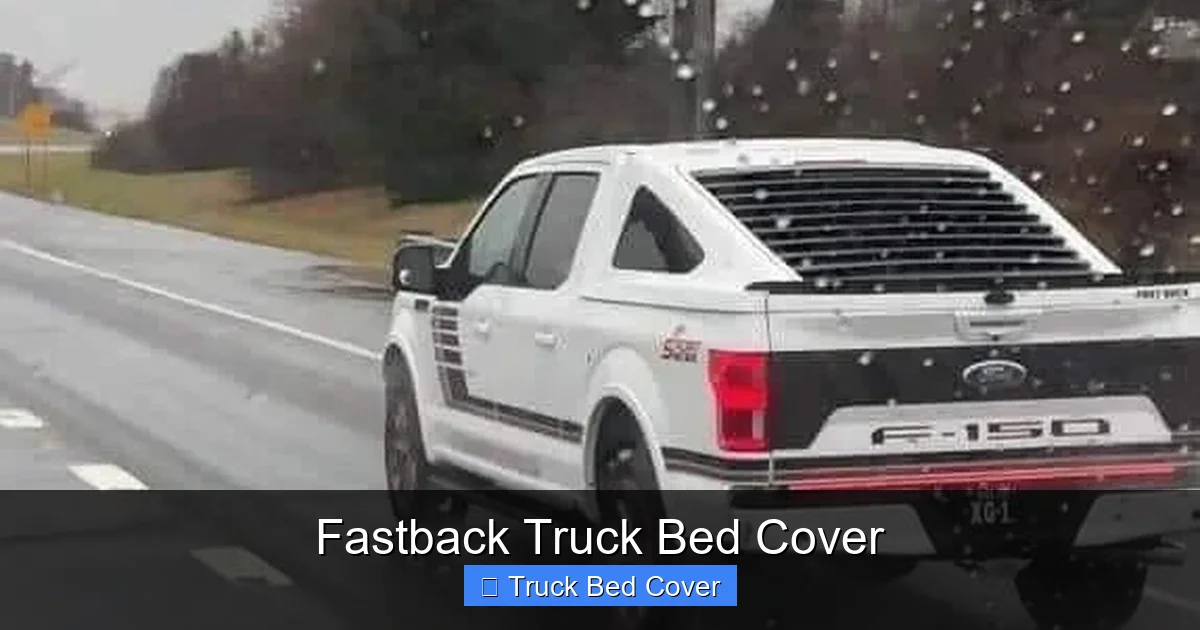
Fastback Truck Bed Cover
A fastback truck bed cover blends performance and style, offering a low-profile design that enhances your truck’s aerodynamics while protecting your cargo from rain, sun, and theft. Ideal for daily drivers and weekend warriors, these covers are easy to install and built to last.
If you’re looking to upgrade your truck without breaking the bank or altering its structure, a fastback truck bed cover might be just what you need. This sleek, low-profile accessory isn’t just about looks—it’s a practical addition that boosts security, protects cargo, and even helps with fuel efficiency. Whether you’re hauling gear for a camping trip, transporting tools to a job site, or simply want your truck to look more aggressive, the fastback style stands out in a sea of boxy designs. In this article, we’ll dive deep into everything you need to know about fastback truck bed covers: how they work, why they’re popular, what to consider when buying, and how to maintain them like a pro.
The fastback truck bed cover has become a fan favorite among truck owners who value both form and function. Unlike traditional tonneau covers that sit flat across the bed, the fastback design slopes downward toward the cab, creating a smooth, aerodynamic profile. This not only gives your truck a custom, sporty appearance but also improves airflow dynamics. Less wind noise, smoother ride quality, and better gas mileage? Yes, please. But beyond the performance benefits, the fastback cover offers real-world advantages—like keeping your bed dry during sudden downpours or preventing tools from sliding around during bumpy drives.
What makes the fastback style so appealing is its universal fit and adaptability. It works with most pickup trucks—from full-size models like the Ford F-150 and Chevy Silverado to mid-size options like the Toyota Tacoma and Nissan Frontier. And because it doesn’t require drilling or permanent mounting, you can remove it quickly if you need full bed access for larger items like furniture or ATVs. Plus, many models come with built-in locking mechanisms that secure the tailgate and the cover itself, turning your truck bed into a hidden storage compartment.
Now let’s break down the key features, benefits, and considerations so you can make an informed decision.
Key Takeaways
- Fastback Design: The fastback truck bed cover features a sloped rear edge that improves airflow and reduces wind resistance, giving your truck a sporty, aerodynamic look.
- Weather Protection: These covers seal tightly over the bed, shielding your belongings from moisture, UV rays, and dirt—keeping cargo dry and secure in any season.
- Security Boost: With a lockable tailgate and concealed clamps, the fastback cover adds an extra layer of theft deterrence, protecting valuables from prying eyes.
- Easy Installation: Most fastback covers use a clamp-on system that requires no drilling or permanent modifications—perfect for DIY enthusiasts.
- Fuel Efficiency: The streamlined shape reduces drag, which can improve fuel economy by up to 3% on highway driving.
- Style & Versatility: Available in materials like tri-fold, one-piece fiberglass, and aluminum, fastback covers suit both utility needs and personal aesthetics.
- Maintenance-Free Options: High-quality models resist cracking, fading, and warping, requiring minimal upkeep over time.
Quick Answers to Common Questions
Is a fastback truck bed cover worth it?
Yes! It offers a great mix of style, security, and functionality. The aerodynamic design improves fuel efficiency and reduces wind noise, while keeping your cargo safe from weather and theft.
Can I install a fastback cover myself?
Absolutely. Most fastback covers use a clamp-on system that takes under an hour to install without drilling or permanent modifications.
Do fastback covers work in winter?
They do—but choose materials like ABS plastic or aluminum instead of vinyl to avoid cracking in freezing temperatures.
Will the cover hold weight?
Some models can support up to 300 pounds. Check the specs, but avoid stacking heavy items unless the manufacturer confirms it’s safe.
How long do they last?
With proper care, high-quality fastback covers last 5–10 years or more. Regular cleaning and seal maintenance extend lifespan significantly.
📑 Table of Contents
Understanding the Fastback Design
The term “fastback” comes from automotive styling, where it refers to a roofline that curves smoothly from the windshield to the trunk. Applied to truck bed covers, this means the cover tapers toward the cab instead of ending abruptly at the tailgate. This subtle slope does more than look cool—it plays a role in reducing drag and improving overall vehicle efficiency.
When air flows over a flat or boxy cover, it creates turbulence and noise. But with a fastback design, the airflow stays smoother, quieter, and more predictable. That translates to less cabin noise on the highway and a more comfortable driving experience. For long-distance truckers or daily commuters alike, that’s a big win.
Another advantage of the fastback shape is its compatibility with most truck bed accessories. If you use a bed liner or have toolboxes installed, the sloped edge won’t interfere as much as a flat cover might. It also allows for easier access when loading tall items—like ladders or pipes—without having to lift the entire cover.
Aerodynamic Performance
Reducing drag isn’t just for race cars. Every gram of resistance costs fuel. Studies show that properly fitted tonneau covers can improve fuel economy by 2–5%, depending on driving conditions. The fastback’s tapered profile helps minimize this resistance, especially at higher speeds.
Sleek Aesthetic Appeal
Let’s face it—trucks are meant to stand out. A fastback cover gives your rig a customized, upscale look without the high cost of a full body kit. It says, “I take pride in my truck,” without going overboard.
Types of Fastback Truck Bed Covers
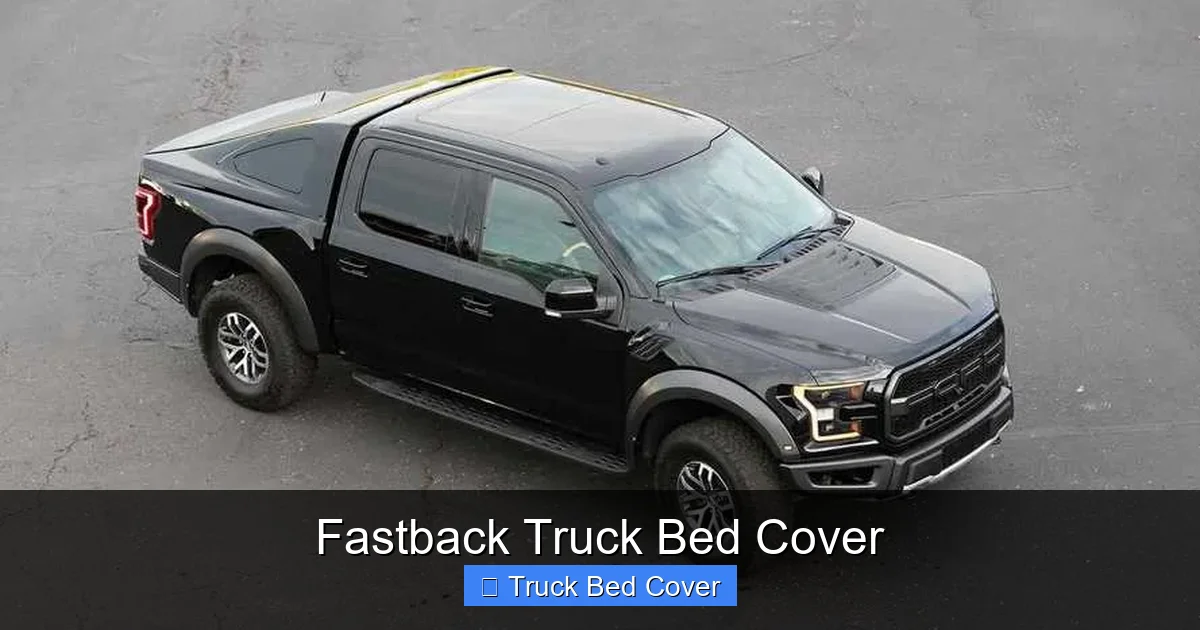
Visual guide about Fastback Truck Bed Cover
Image source: cdn.motor1.com
Not all fastback covers are created equal. They come in different styles, materials, and price points. Choosing the right one depends on your priorities: durability, ease of use, budget, or specific truck model.
Tonneau Cloth Covers
Made from heavy-duty vinyl or polyester fabric, these covers roll up or fold back easily and are often the most affordable option. Brands like Undercover and BAK offer soft tonneau covers with fastback profiles. They’re lightweight, waterproof, and great for light-duty users.
Pros:
– Easy to open and close
– Affordable
– Doesn’t add much weight
Cons:
– Less rigid than hard covers
– Can stretch or sag over time
– Not ideal for heavy loads
Hard Tri-Fold Covers
These are made from reinforced fiberglass or ABS plastic and fold into three sections. The fastback version keeps the rear section lower, matching the slope of the cab. Popular brands include Extang and Retrax.
Pros:
– Rigid and durable
– Holds weight (up to 300 lbs)
– Looks premium
Cons:
– Slightly heavier
– More expensive than soft covers
– May require help to lift fully
One-Piece Fiberglass Covers
For maximum style and protection, some manufacturers offer molded fiberglass fastback covers that blend seamlessly with the truck bed. These are typically custom-fit and painted to match your truck’s color.
Pros:
– Ultra-sleek appearance
– Excellent weather sealing
– Highly durable
Cons:
– Expensive ($800–$1,500+)
– Professional installation recommended
– Hard to replace if damaged
Aluminum Panel Covers
Made from lightweight yet strong aluminum panels, these offer a balance between durability and affordability. They’re resistant to dents and corrosion, making them great for harsh environments.
Pros:
– Rust-proof
– Lightweight
– Easy to clean
Cons:
– Can dent under heavy impact
– Limited availability for older truck models
Installation Made Simple
One of the best things about most fastback covers is how easy they are to install. Most models use a clamp-on system that attaches directly to the bed rails. No drilling. No welding. No special tools required.
Here’s a quick step-by-step guide:
1. **Clean the Bed Rails** – Remove dirt, rust, or debris from the bed rails to ensure a tight seal.
2. **Attach the Side Rails** – Slide the clamps onto the rails and tighten using the included hardware.
3. **Position the Cover** – Lay the cover over the bed and align it with the rails.
4. **Secure the Front and Rear** – Use the provided brackets to lock the cover in place.
5. **Test the Seal** – Close the tailgate and check for gaps. Adjust if needed.
Most installations take under an hour, even for beginners. Some covers even come with detailed video tutorials or customer support to walk you through the process.
Pro Tip: Always read the manufacturer’s instructions carefully. Even minor misalignments can affect how well the cover seals against the elements.
DIY vs. Professional Install
While DIY is totally doable, professional installation ensures perfect alignment and optimal sealing—especially important if you live in areas with heavy rain or snow. Many retailers offer installation services for a small fee.
Benefits Beyond Looks
You might think a truck bed cover is just another accessory, but the right one—especially a fastback model—delivers serious real-world benefits.
Cargo Security
Thieves often target truck beds because they’re exposed. A locked fastback cover turns your bed into a blind spot. Combine it with a tailgate lock and bed liner, and you’ve got layered protection. Valuables like laptops, cameras, or power tools stay out of sight and out of reach.
Weather Resistance
Rain, snow, sleet, or shine—your cargo stays dry. The tight seal prevents water from seeping in during storms. That means no soaked fishing rods after a morning on the lake or muddy boots ruining your interior.
Fuel Economy Gains
As mentioned earlier, reducing drag saves fuel. Over thousands of miles, that adds up. According to the Department of Energy, even a modest 2% improvement in fuel efficiency can save hundreds of dollars annually.
Noise Reduction
Wind whipping around a flat bed cover creates noise. The fastback design minimizes this, giving you a quieter cabin—ideal for highway driving or long road trips.
Bed Protection
Scratches, dings, and UV damage wear down your truck bed over time. A cover acts as a shield, preserving the factory finish and increasing resale value.
Choosing the Right Fastback Cover for Your Truck
With so many options, how do you pick? Start with these factors:
Your Truck Model
Make sure the cover is compatible with your make, model, year, and bed size (short, standard, or long). Measure your bed rails before ordering.
Usage Needs
– **Daily Driver?** Go for a soft or tri-fold cover—easy access and affordable.
– **Heavy Work Truck?** Choose a hard, durable model that supports weight.
– **Off-Roader or Builder?** Consider aluminum or fiberglass for rugged use.
Budget
Soft covers start around $200. Hard covers range from $400 to $1,200+. Factor in installation and potential upgrades like LED lights or lock kits.
Climate Considerations
In cold climates, avoid vinyl covers that can crack in freezing temps. Opt for ABS plastic or aluminum. In hot regions, choose UV-resistant materials to prevent fading.
Warranty & Support
Look for brands offering at least a 2-year warranty. Good customer service matters when you run into issues.
Popular trusted brands include:
– Extang (soft and hard covers)
– BAK (tri-fold and Revolver models)
– UnderCover (soft and hard options)
– DiamondBack (one-piece hard covers)
Maintenance Tips for Longevity
Even the best fastback cover needs a little care to keep performing well.
Regular Cleaning
Use mild soap and water to wipe down the surface. Avoid abrasive cleaners that can scratch or degrade the material.
Check Seals Annually
Inspect rubber gaskets and weatherstripping for cracks or wear. Replace if necessary to maintain a watertight seal.
Lubricate Moving Parts
For folding or rolling covers, apply silicone spray to hinges and tracks once a year to prevent sticking.
Store Properly When Not in Use
If you remove the cover temporarily, store it in a dry place away from direct sunlight.
Avoid Overloading
Even hard covers have weight limits. Don’t stack heavy items on top unless specified by the manufacturer.
Following these simple steps will keep your fastback cover looking and functioning like new for years.
Real-World Examples & User Experiences
Don’t just take our word for it—here’s how real truck owners benefit from switching to a fastback cover:
Sarah, a contractor in Colorado, uses a tri-fold fastback cover on her Ford F-150 to protect expensive power tools. “Before, I had to cover everything with a tarp every time it rained. Now, everything stays dry and secure. Plus, I don’t have to climb into the bed every time I want to grab something.”
Jake, a weekend camper from Arizona, upgraded to a one-piece fiberglass fastback cover for his Toyota Tacoma. “It looks incredible, and I’ve noticed less wind noise on the highway. I even got better gas mileage on my last cross-country trip.”
And Mike, a mechanic who drives a Chevy Silverado, chose an aluminum panel cover for its rust resistance. “I work near salt roads in winter, so durability was key. This thing hasn’t shown a single sign of corrosion.”
These stories highlight how the right fastback cover adapts to different lifestyles—proving it’s not just a luxury, but a smart investment.
Common Myths Debunked
Let’s clear up some misconceptions about fastback truck bed covers.
Myth 1: They’re Only for Show
False. While they do enhance appearance, their primary purpose is protection and security. A poorly sealed cover defeats the whole point.
Myth 2: They’re Too Heavy
Modern materials like ABS plastic and reinforced fabric keep weight manageable. A typical tri-fold fastback weighs under 50 pounds.
Myth 3: You Can’t Open Them Quickly
Most models allow one-handed operation. Roll-up or fold-back designs mean instant access when you need it.
Myth 4: They Damage the Truck Bed
Clamp-on systems don’t require drilling, so there’s no risk of rust or paint damage—when installed correctly.
Myth 5: All Covers Are the Same
Absolutely not. Material, design, and build quality vary widely. Investing in a reputable brand pays off in reliability.
Frequently Asked Questions
What is a fastback truck bed cover?
A fastback truck bed cover is a low-profile tonneau cover with a sloped rear edge that tapers toward the cab. It combines style, aerodynamics, and protection for your truck bed.
Are fastback covers waterproof?
Yes, most high-quality fastback covers create a tight seal around the bed rails and tailgate, effectively blocking rain and snow. Regular inspection of seals ensures long-term waterproofing.
Can I drive with the fastback cover closed?
Yes, and it’s actually recommended. The streamlined shape improves aerodynamics and fuel efficiency, and keeps your cargo secure during transit.
Do I need to drill my truck bed to install one?
No. Most modern fastback covers use clamp-on systems that attach directly to the bed rails without drilling or permanent alterations.
Which type is best for towing?
Tri-fold or rolling covers are ideal for towing because they allow full rear visibility and easy access to the hitch area. Just ensure the cover is fully removed or folded out of the way.
How do I clean my fastback cover?
Use mild soap and water with a soft cloth. Avoid harsh chemicals or scrubbing pads that can damage the surface. Dry thoroughly after cleaning to prevent water spots.