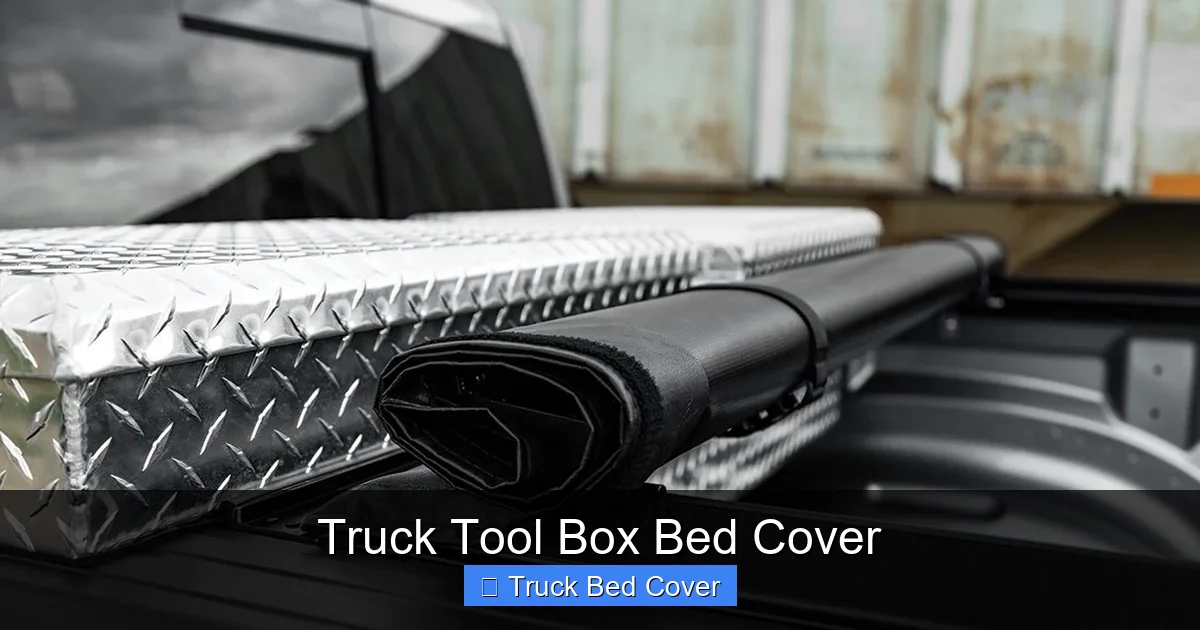
Truck Tool Box Bed Cover
A truck tool box bed cover offers both secure storage and full-bed protection in one sleek package. It’s ideal for professionals, DIYers, and outdoor enthusiasts who need organized, accessible gear. With options like locking lids and waterproof seals, you get peace of mind whether you’re hauling equipment or commuting.
Have you ever loaded up your truck bed only to find it soaked after a sudden rainstorm? Or worse—come back to find your expensive tools missing? If so, you’re not alone. Truck owners know the struggle of balancing utility, security, and convenience. Enter the truck tool box bed cover—a game-changing accessory that merges the best of two worlds: a heavy-duty storage box and a protective bed cover.
Imagine having a secure compartment right where you need it—on top of your truck bed—while keeping everything underneath dry and protected. Whether you’re a contractor hauling gear, an outdoorsy weekend warrior, or someone who just wants their truck to look sharp and stay organized, this setup delivers. In this guide, we’ll walk you through what makes a truck tool box bed cover worth every penny, how to choose the right one, and why it’s quickly becoming a must-have upgrade.
Key Takeaways
- Dual Functionality: A truck tool box bed cover combines storage and full-bed coverage, protecting cargo from rain, sun, and theft.
- Security Features: Most models include lockable lids, reinforced frames, and anti-theft hardware to keep tools and valuables safe.
- Weather Resistance: High-quality covers use UV-resistant, waterproof materials to protect against moisture, dust, and extreme temperatures.
- Easy Installation: Most truck tool box bed covers bolt on quickly without drilling or complex tools—perfect for DIY installation.
- Style Meets Utility: Available in sleek designs that complement modern trucks while offering functional advantages over traditional tonneau covers.
- Custom Fit Options: Many brands offer vehicle-specific models for precise fitment and maximum performance.
- Maintenance Tips: Regular cleaning and lubrication of latches and seals extend lifespan and ensure smooth operation.
Quick Answers to Common Questions
Can a truck tool box bed cover fit any pickup?
No, compatibility depends on your truck’s make, model, year, and bed size. Always check manufacturer fit guides before purchasing to ensure proper installation.
Are truck tool box bed covers waterproof?
Most high-quality models feature rubber seals and watertight designs that resist rain and splashes. However, no cover is 100% impervious—proper installation and maintenance are key to minimizing leaks.
Do I need special tools to install one?
Usually no. Most kits include everything needed and use standard socket wrenches. Some require drilling, but many are designed for no-drill installation.
Can I still use my tailgate step or bed extender?
It depends on the model. Full-length hard covers may interfere, but tri-fold and roll-up designs typically allow tailgate use. Check compatibility details with your kit.
How much do truck tool box bed covers cost?
Prices range from $300 for basic soft models to over $1,200 for premium hard covers with advanced security and custom fits. Budget accordingly based on your needs.
📑 Table of Contents
What Is a Truck Tool Box Bed Cover?
At its core, a truck tool box bed cover is a hybrid accessory that sits in the bed of your pickup truck. Unlike standard tonneau covers that simply close over the bed, this type integrates a built-in, lockable toolbox into the cover itself. Think of it as a roof over your bed with a hidden chest right in the middle.
These covers are typically made from durable aluminum or fiberglass-reinforced plastic, designed to withstand heavy loads, harsh weather, and daily wear. The tool box lid often opens upward or slides open, providing easy access to tools, equipment, or emergency supplies. Meanwhile, the rest of the bed remains fully enclosed—protecting your cargo from dirt, rain, wind, and prying eyes.
The beauty lies in the simplicity. You don’t have to choose between storage and protection. Instead, you get both in a single, space-efficient design. And because it’s integrated, there are fewer moving parts than with separate boxes and covers, which means less maintenance and higher reliability.
How Does It Work?
Most truck tool box bed covers are installed using pre-drilled mounting points on the truck bed rails. Once bolted into place, they sit flush with the bed’s surface. The tool box portion is usually centered or offset depending on the model, with a robust latch system securing the lid shut. Some even feature dual locks—one mechanical key and one electronic option—for added security.
When you need to access your tools, simply unlock the box and lift or slide the lid. The main bed area stays sealed underneath, thanks to rubber seals around the edges. These seals prevent water from seeping in during storms and keep dust out on dusty trails.
Some advanced models also include features like:
- Integrated LED lighting inside the box for visibility
- Drainage channels to direct water away from sensitive items
- Custom foam inserts to organize smaller tools
It’s a small detail, but these extras make a big difference when you’re working late or in low-light conditions.
Benefits of Installing a Truck Tool Box Bed Cover
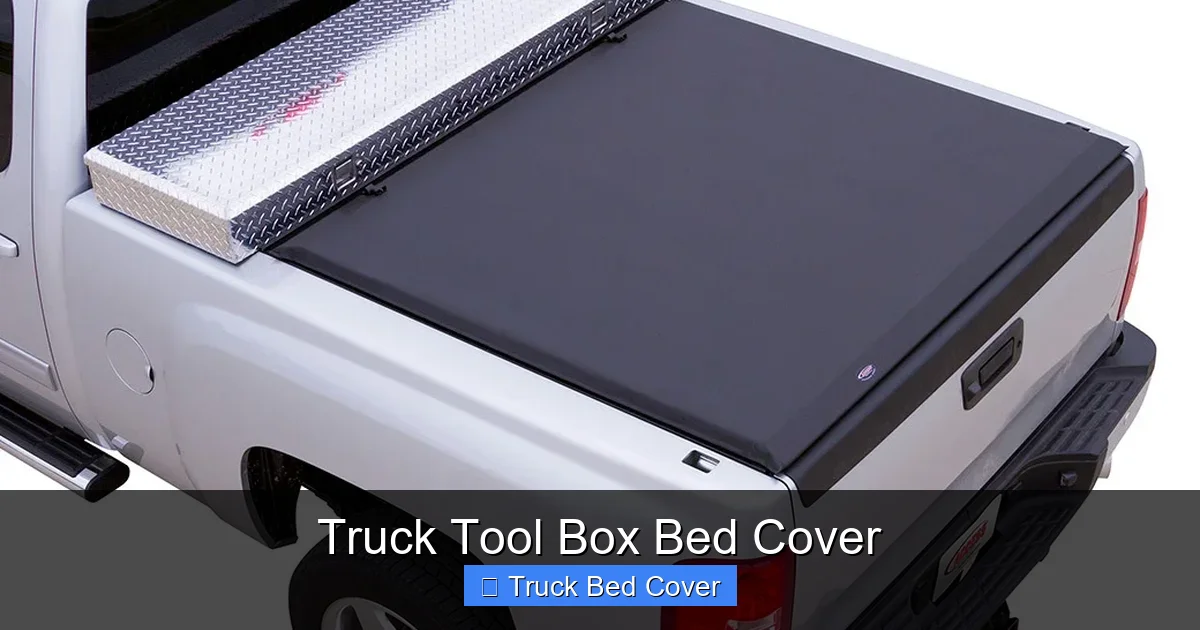
Visual guide about Truck Tool Box Bed Cover
Image source: autoaccessoriesgarage.com
Why go through the trouble of installing a truck tool box bed cover? Let’s break down the real-world advantages.
Enhanced Security
One of the biggest reasons people invest in this setup is safety. Standard open beds are easy targets for opportunistic thieves. Even if you’ve locked your cab, loose items in the bed can still be grabbed in seconds. A truck tool box bed cover eliminates that risk by keeping everything locked down.
The toolbox itself is often made from thick-gauge steel or reinforced composites, making it nearly impossible to pry open without the right tools. Combined with high-security locks, this creates a fortress-like barrier for your belongings.
Full-Bed Protection
Rain, snow, mud, and sun damage don’t discriminate. Over time, exposure degrades materials, fades paint, and rusts metal components. A solid bed cover acts as a shield, preserving your truck bed and its contents.
For example, if you’re transporting paint cans, power tools, or camping gear, moisture can ruin them in minutes. With a watertight seal, your cargo stays dry no matter the forecast. Plus, UV-resistant coatings prevent fading and cracking on plastics and fabrics left in the bed.
Better Fuel Efficiency
You might not think airflow affects your gas mileage much—but aerodynamics do matter, especially at highway speeds. An open truck bed creates drag, reducing fuel economy by several miles per gallon. A streamlined bed cover smooths the airflow behind the cab, improving efficiency.
According to some studies, a well-designed tonneau-style cover can improve MPG by up to 10%. That adds up over long road trips or daily commutes.
Increased Storage Capacity
Here’s where the tool box really shines. While regular bed liners or caps limit vertical space, a truck tool box bed cover frees up usable area underneath. You can stack gear, tie down loads, or even install a bed mat without obstruction.
And because the box sits elevated, it doesn’t interfere with tailgate operations or bed liner functionality. It’s truly additive—not competitive—with existing bed accessories.
Aesthetic Appeal
Let’s face it: trucks are personal statements. A sleek, professionally installed tool box bed cover gives your rig a polished, purposeful look. It says, “I take my work seriously”—whether you’re a mechanic, landscaper, or delivery driver.
Many models come in black, silver, or even custom colors to match your truck’s exterior. Some include subtle logos or branding options for fleet vehicles.
Types of Truck Tool Box Bed Covers
Not all truck tool box bed covers are created equal. Manufacturers offer various styles to suit different needs, budgets, and truck models. Understanding the differences helps you pick the best fit.
Hard Tri-Fold Covers with Integrated Boxes
This is probably the most popular configuration. The cover folds into three sections, allowing partial access to the bed without removing the entire unit. The tool box is mounted either under the fold or as part of the center panel.
Pros:
- Quick access to rear cargo
- Lightweight yet strong
- Good balance of price and performance
Cons:
- Lid may not lock securely during folding
- Limited space compared to full-length boxes
Best for: Light-duty users who want flexibility and affordability.
Hard Roll-Up Covers with Side-Mounted Toolboxes
Roll-up models unfold like a roll-top desk. They’re compact when stored and provide full bed coverage when rolled tight. The tool box is usually attached to the side rail, separate but integrated into the overall system.
Pros:
- Excellent for full-bed access
- Easy to remove entirely if needed
- Often lighter than tri-fold options
Cons:
- Side-mounted boxes may shift during off-road use
- Less rigid than fixed hard panels
Best for: Off-road enthusiasts who value quick removal and versatility.
Full-Length Hard Covers with Central Tool Box
These are the premium option. The cover spans the entire width of the bed with no gaps, and the tool box sits dead center. Made from heavy-duty materials, they’re built for extreme durability.
Pros:
- Maximum security and protection
- Clean, factory-installed appearance
- Handles heavy loads and frequent use
Cons:
- Higher cost
- Slightly harder to access rear cargo
Best for: Commercial users, contractors, or anyone needing rugged, reliable performance.
Soft Folding Covers with Attached Storage Compartments
While less common, some soft covers integrate small pouches or compartments along the sides or under the flap. These aren’t true toolboxes but offer basic organization.
Pros:
- Ultra-low profile
- Inexpensive entry point
- Minimal weight impact
Cons:
- Limited capacity
- Not suitable for heavy tools
- Lower security and weather resistance
Best for: Casual drivers prioritizing aesthetics over functionality.
How to Choose the Right Truck Tool Box Bed Cover
With so many options available, choosing the right one can feel overwhelming. Here’s a step-by-step guide to help you decide.
Step 1: Know Your Truck Model
Compatibility is non-negotiable. Measure your bed length (short, standard, long), width, and whether you have a bedliner. Brands like BakBox, UnderCover, and Extang offer vehicle-specific kits. Using the wrong size leads to poor fit, leaks, or installation headaches.
Pro tip: Check manufacturer websites for fit guides or consult with local dealers.
Step 2: Assess Your Needs
Ask yourself:
- Do I carry large tools regularly?
- Will I be driving through wet or dusty environments?
- Is theft prevention a major concern?
- Can I afford professional installation?
If you answer “yes” to most of these, lean toward a hard, lockable, full-coverage model. For occasional use or light loads, a soft or tri-fold option may suffice.
Step 3: Compare Materials
– Aluminum: Lightweight, rust-proof, good strength-to-weight ratio. Common in mid-range models.
– Fiberglass-Reinforced Plastic: Very rigid, excellent UV resistance, but heavier.
– Plastic Composite: Affordable, but prone to warping in heat.
Choose based on climate and expected usage intensity.
Step 4: Evaluate Security Features
Look for:
- Double-locking mechanisms
- Punch-resistant latches
- Tamper-evident seals
- Reinforced mounting brackets
Cheap versions use flimsy latches that bend easily—avoid those.
Step 5: Consider Maintenance Requirements
Hard covers generally require less upkeep than soft ones. Still, clean rubber seals annually, lubricate hinges, and inspect fasteners. Neglect leads to premature failure.
Installation Tips and Tricks
Even if you’re handy, proper installation ensures longevity and performance. Most truck tool box bed covers claim “no-drill” installation, but double-check your kit.
Gather Tools First
You’ll likely need:
- Socket wrench or ratchet set
- Tape measure
- Lubricating spray (silicone-based)
- Torque wrench (for precision)
Read the manual thoroughly before starting.
Work on a Flat Surface
Park on level ground and remove any loose items from the bed. Clear debris from mounting rails.
Follow Torque Specifications
Over-tightening bolts damages threads; under-tightening causes rattles. Use the recommended torque values in the instructions.
Test Water Seals Early
After initial assembly, spray water across the bed. Look for leaks around edges or seams. Adjust gaskets if needed.
Break-In Period
Open and close the toolbox 10–15 times to seat seals properly. This prevents air/water infiltration later.
Professional installation runs $100–$300 depending on complexity, but saves time and frustration.
Real-World Use Cases
Wondering if this actually works in practice? Here’s how pros and everyday drivers use their truck tool box bed covers:
The Contractor’s Daily Driver
Mike runs a small plumbing business. He carries pipe wrenches, drain snakes, and spare parts daily. His truck tool box bed cover lets him lock everything overnight. During rainstorms, his inventory stays bone-dry. The tri-fold design allows him to reach rear tools without unloading everything—saving hours each week.
The Weekend Camper
Sarah loves road trips but hates packing and unpacking gear. Her full-length cover keeps her cooler, sleeping bags, and camping chairs protected. The central box holds her first-aid kit and flashlight. She even uses it to store jumper cables during winter drives.
The Delivery Rider
Jake delivers medical supplies across town. Security is critical—his cover has dual locks and a punch-resistant lid. Customers trust him because he arrives prepared, every time. Plus, the aerodynamic shape helps him save on fuel costs.
Each story highlights how tailored the solution is to specific lifestyles.
Maintenance and Care
Like any investment, your truck tool box bed cover needs care to last. Here’s how to keep it performing flawlessly year-round.
Monthly Checks
- Inspect latches and seals for cracks or wear
- Wipe down surfaces with mild soap and water
- Lubricate hinges with silicone spray
Seasonal Tasks
- Winter: Remove ice buildup gently; avoid sharp tools
- Summer: Park in shade when possible; wash to prevent UV damage
- Spring/Fall: Reapply sealant if rubber dries out
Deep Clean Every 6 Months
Use a soft brush and non-abrasive cleaner. Never pressure-wash directly onto latches or seals.
Address Issues Promptly
If you notice rattling, water intrusion, or stiff movement, don’t ignore it. Small fixes now prevent costly replacements later.
With proper care, a quality cover lasts 10+ years.
Final Thoughts
A truck tool box bed cover isn’t just another accessory—it’s a smart upgrade that pays dividends in security, convenience, and durability. Whether you’re a tradesperson, adventurer, or commuter, this hybrid solution addresses real pain points: lost tools, ruined cargo, and wasted fuel.
Yes, it costs more upfront than a basic tonneau cover. But when you consider the peace of mind, reduced downtime, and extended truck life, it quickly becomes obvious why professionals swear by it.
So next time you’re loading up your bed, ask yourself: Am I just covering my truck… or am I protecting my livelihood?
Invest wisely. Choose a cover that fits your truck, your job, and your lifestyle. And remember—the best toolbox isn’t always the biggest one. It’s the one that keeps everything exactly where you need it.
Frequently Asked Questions
What is the difference between a truck tool box bed cover and a regular tonneau cover?
A truck tool box bed cover integrates a lockable storage box into the cover itself, combining protection and secure storage. Regular tonneau covers only enclose the bed without built-in storage.
Can I install a truck tool box bed cover myself?
Yes, most models are designed for DIY installation using included hardware and instructions. Professional installation is recommended for complex setups or if you lack mechanical experience.
Will a tool box bed cover affect my truck’s resale value?
Generally yes—especially if professionally installed and well-maintained. It signals responsible ownership and adds functional appeal for buyers in trades or outdoor professions.
How do I clean and maintain my truck tool box bed cover?
Wipe down monthly with mild soap and water. Lubricate hinges and latches annually with silicone spray. Inspect seals regularly and reapply sealant as needed to prevent wear.
Are there weight limits for truck tool box bed covers?
Yes. Most covers support 200–400 lbs on the flatbed surface, but never exceed the manufacturer’s stated limit. Distribute weight evenly and avoid stacking heavy items on the toolbox lid.
Can I add a bed liner with a truck tool box bed cover?
Absolutely. In fact, many users install rubber or spray-on bed liners first, then mount the cover over them. Just ensure the liner doesn’t interfere with mounting brackets or seal placement.