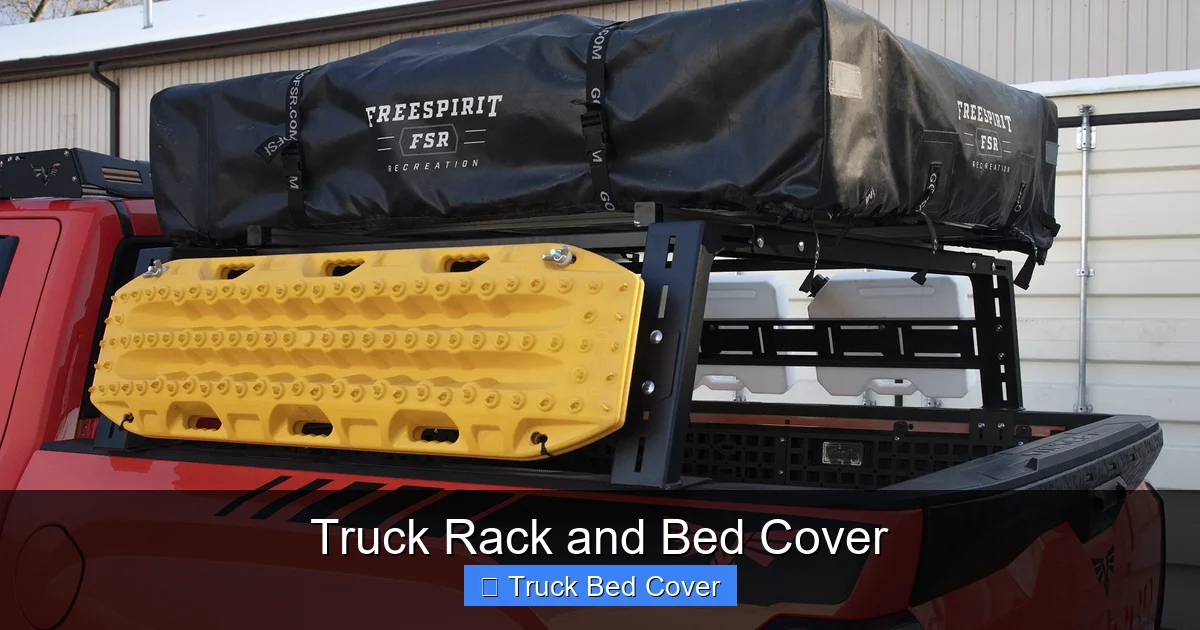
Truck Rack and Bed Cover
A truck rack and bed cover combo offers unmatched versatility, security, and style for truck owners. Whether you’re hauling gear, tools, or just want a cleaner look, this duo protects your cargo while maximizing space. It’s a smart upgrade that blends function with flair—perfect for work, play, or daily drives.
If you own a pickup truck, chances are you’ve faced the same dilemma: How do I carry more without sacrificing style or safety? Whether you’re an outdoor enthusiast, a tradesperson, or someone who simply values clean aesthetics, pairing a truck rack with a bed cover is one of the smartest upgrades you can make. Together, these two accessories form a powerful system that protects your cargo, enhances your truck’s functionality, and even boosts its resale value. In this article, we’ll dive deep into everything you need to know about truck racks and bed covers—how they work, what types exist, how to choose the right combination, and why so many truck owners swear by them.
The truth is, most people think of a bed cover and a roof rack as separate additions. But when used together thoughtfully, they create a seamless, efficient cargo management system. Imagine loading up your truck with camping gear, lumber, or sports equipment. With a high-quality bed cover, your load stays dry and secure. Then, using a roof rack, you add extra overhead space for items too tall or bulky to fit in the bed. It’s not just practical—it’s genius.
In this guide, we’ll walk through the basics, compare top models, share pro installation tips, and answer common questions so you can make an informed decision. By the end, you’ll understand exactly why the best truck setups combine a reliable rack with a well-fitted bed cover.
Key Takeaways
- Versatility: A truck rack and bed cover work together to secure cargo while keeping it out of the elements.
- Protection: The bed cover shields items from rain, snow, and UV rays; the rack adds overhead storage.
- Fuel Efficiency: Properly installed racks reduce drag when empty, improving fuel economy.
- Customization: Choose from soft roll-up, hard tri-fold, or retractable covers paired with crossbar systems.
- Safety: Secure cargo reduces shifting during transit, enhancing road safety.
- Resale Value: High-quality rack and cover combinations increase truck value and appeal.
- Ease of Use: Modern designs offer tool-free installation and quick access to both systems.
Quick Answers to Common Questions
Can I install a bed cover over an existing roof rack?
It’s not recommended. Most bed covers require clearance between the cab and bed, which a rack interferes with. Install the cover first, then adapt the rack if needed.
Do truck racks reduce gas mileage?
Yes, especially if poorly designed or left unloaded. Boxy, high-profile racks increase drag. Low-profile, removable racks minimize impact.
Are soft bed covers secure enough?
They offer basic protection but aren’t theft-proof. For valuable cargo, opt for hard covers with locking mechanisms.
How much does it cost to install a rack and cover?
DIY installation costs $100–$300 for parts. Professional installation adds $150–$500 depending on complexity and location.
Can I use both a rack and cover on a short-bed truck?
Absolutely. Many short-bed owners pair compact covers with slimline racks for efficient space use.
📑 Table of Contents
What Is a Truck Rack?
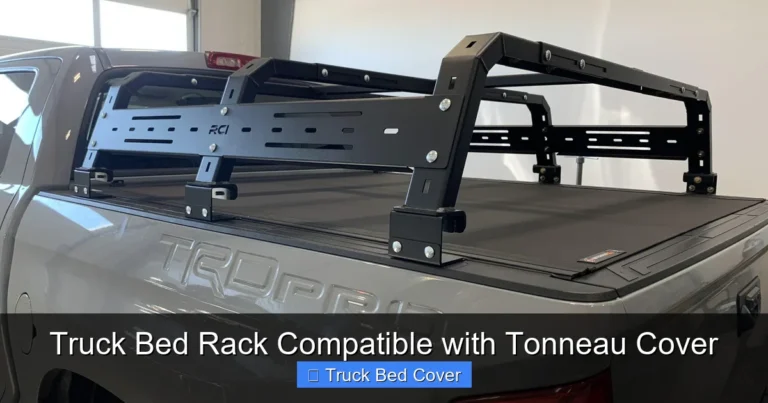
A truck rack—also known as a roof rack or crossbar system—is a set of bars mounted on top of your truck’s cab. These rails allow you to attach cargo carriers such as bike racks, kayak mounts, ladder racks, or even extra storage boxes. Most modern racks are made from durable aluminum or steel, designed to handle heavy loads while resisting corrosion.
There are three main types of truck racks:
- Fixed Crossbars: Permanent installations that run across the width of the cab. Ideal for frequent use and strong support.
- Removable Racks: Can be taken off when not needed, offering flexibility for daily driving without added wind noise or drag.
- Modular Systems: Allow you to customize configurations based on your needs—add side rails, tie-down points, or accessory brackets.
When choosing a rack, consider compatibility with your truck model, weight capacity (usually 165–400 lbs), and ease of installation. Many racks come with pre-drilled holes and hardware kits, but professional mounting ensures longevity and safety.
Why Pair a Truck Rack with a Bed Cover?
At first glance, a roof rack and a bed cover might seem like competing accessories. After all, a bed cover sits over the truck bed, while a rack goes on top. But when used together, they complement each other beautifully. Here’s why:
- Layered Protection: The bed cover secures smaller, flatter items in the bed from weather and theft. The roof rack handles taller or bulkier loads above.
- Maximized Space: Instead of choosing between a covered bed or a loaded rack, you get both. This is especially useful for mixed-use trucks—think contractors who need tools in the bed and ladders on top.
- Aerodynamic Efficiency: Many modern bed covers are sleek and low-profile, reducing wind resistance. When combined with a streamlined rack, your truck maintains better fuel economy.
- Clean Aesthetic: A matching set looks intentional and polished. No mismatched colors or awkward gaps—just a unified, professional appearance.
- Inexpensive
- Lightweight and portable
- Quick access to the entire bed
- Less secure against theft
- Not waterproof—can sag in heavy rain
- Can degrade over time with sun exposure
- Very secure—hard to pry open
- Fully waterproof and UV-resistant
- Durable and long-lasting
- Heavier than soft covers
- More expensive
- Partial bed access required
- Smooth operation
- Flush mount reduces wind resistance
- Full bed coverage when closed
- Higher price point
- Mechanically complex—may require maintenance
- Limited retraction length on some models
- Factory-matched appearance
- Extremely durable and scratch-resistant
- Excellent theft deterrent
- Most expensive option
- Difficult to remove for full bed access
- Weight can affect payload capacity
- Do I transport tools daily?
- Will I carry bikes, kayaks, or luggage?
- Is weather protection critical?
- Do I need quick bed access?
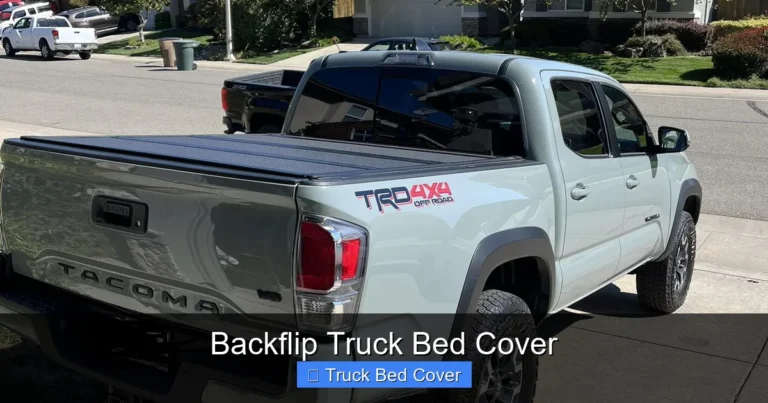
- BakFlip G2 + Yakima SkyLine Towers: The BakFlip’s tri-fold design pairs perfectly with Yakima’s low-profile towers for a clean, aerodynamic setup.
- Leer Hardtop + Rhino-Rack Vortex: Leer offers factory-matched fiberglass covers; Rhino-Rack provides rugged, adjustable crossbars.
- Undercover Mont Blanc + Thule WingBar Evo: Retractable convenience meets premium build quality with this high-end combination.
- TruXedo TruXport + UWS Contractor Series: Budget-friendly yet durable—ideal for light commercial use.
- Ozark Trail Soft Roll-Up + CIPA Roof Rack: Affordable entry-level combo for casual users.
- Ignoring Weight Limits: Overloading either system strains components and risks accidents.
- Poor Fitment: Buying parts without confirming truck model compatibility leads to poor performance.
- Neglecting Maintenance: Dirt buildup causes wear; sealed covers need occasional cleaning.
- Blocking Rear Visibility: Oversized racks obstruct mirrors or backup cameras.
- Using Cheap Hardware: Rust-prone screws fail faster in wet climates.
For example, imagine loading your truck for a weekend fishing trip. You pack coolers, rods, life jackets, and tackle boxes into the bed under a secure tonneau cover. Then, you strap down your kayaks onto the roof rack. Everything stays dry, organized, and within reach. That’s the power of combining both systems.
Types of Bed Covers Explained
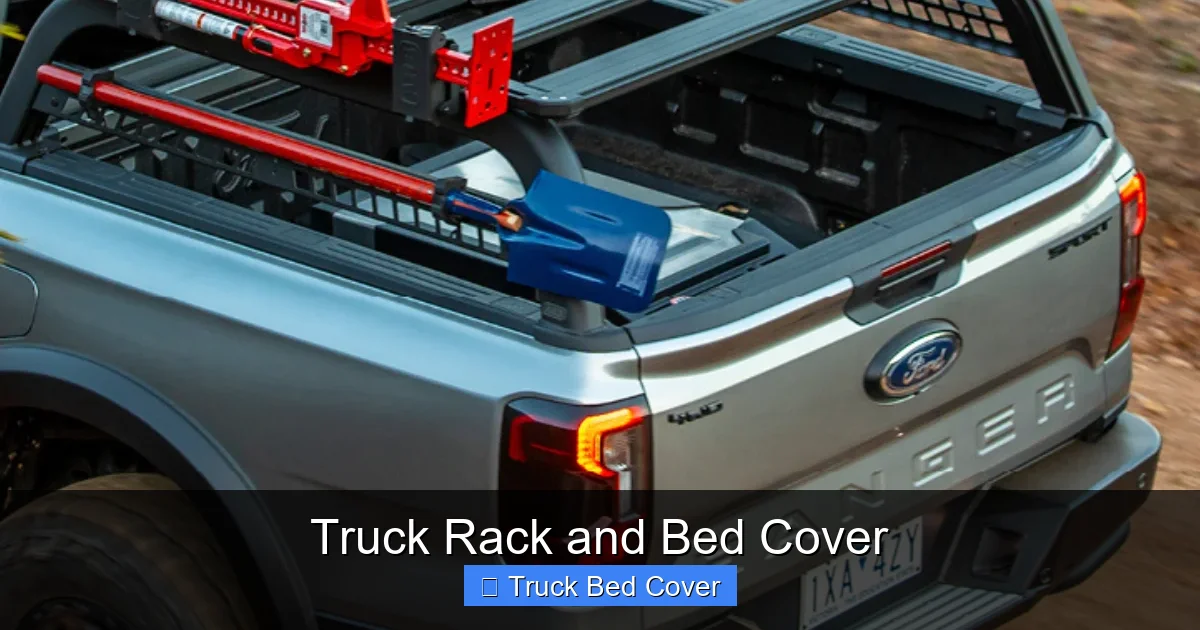
Visual guide about Truck Rack and Bed Cover
Image source: arb4x4.co.uk
Not all bed covers are created equal. Choosing the right type depends on your usage, climate, budget, and personal preference. Let’s break down the most popular options:
Soft Roll-Up Covers
These are the most affordable and lightweight bed covers available. Made from durable vinyl or polyester fabric, they roll up toward the cab and lock in place with snaps or Velcro straps. They’re easy to install and remove, making them ideal for occasional use.
Pros:
Cons:
Best for: Light-duty users, urban drivers, or those who don’t need full-time coverage.
Hard Tri-Fold Covers
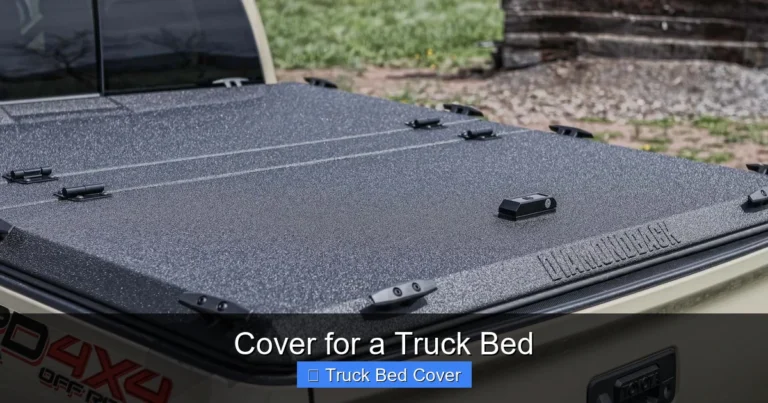
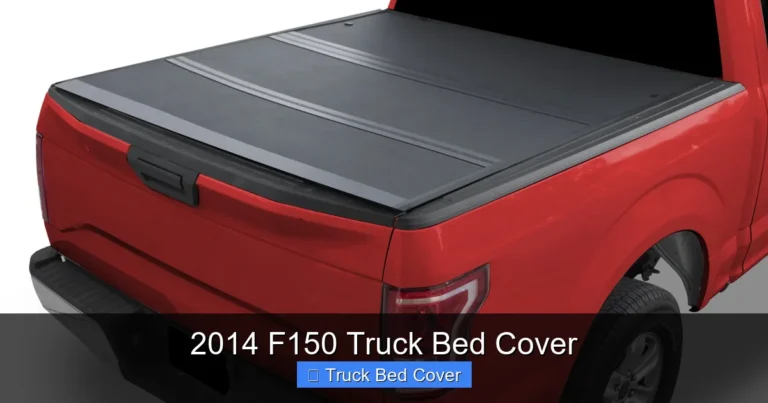
Tri-fold covers are made of rigid panels (often aluminum or fiberglass) folded into thirds along the bed. They unfold to cover the entire truck bed and latch at the tailgate. These offer excellent security and weather protection.
Pros:
Cons:
Best for: Daily drivers, contractors, or anyone needing consistent cargo protection.
Retractable Bed Covers
Also called rolling tonneau covers, these feature a single panel that rolls back into a compact canister near the cab. They provide full bed access and maintain a flush, aerodynamic profile.
Pros:
Cons:
Best for: Long-haul drivers, performance-focused users, or those who prioritize style and efficiency.
Fiberglass Hard Covers
Made from molded fiberglass reinforced with plastic, these covers sit flush with the bed rails and often match the truck’s factory paint. They offer top-tier security and a premium look.
Pros:
Cons:
Best for: Luxury truck owners, show vehicles, or those wanting maximum protection without compromise.
Choosing the Right Combination
Now that you understand the basics, let’s talk about how to pick the perfect truck rack and bed cover combo. The key is compatibility and purpose.
Step 1: Know Your Truck Model
Trucks vary in bed size, rail design, and roof height. Always check manufacturer specifications before purchasing. For example, a Ford F-150 Crew Cab has different mounting points than a Toyota Tacoma Access Cab. Measure your bed length (standard, extended, crew) and confirm rail type (OEM vs. aftermarket).
Step 2: Define Your Usage
Ask yourself:
If you’re a weekend warrior, a soft roll-up cover with a removable rack may suffice. If you’re a contractor hauling equipment every day, invest in a hard tri-fold and a heavy-duty fixed rack.
Step 3: Prioritize Quality Over Cost
Cheap racks may bend under load; flimsy covers tear easily. Look for brands with positive reviews, warranties, and corrosion resistance. Aluminum is lighter and rust-proof; powder-coated steel offers strength but requires maintenance.
Step 4: Consider Aerodynamics and Fuel Economy
Boxy racks create significant wind resistance. Opt for low-profile, streamlined designs. Similarly, flush-mounted bed covers improve airflow. Together, they can save you 2–5% on gas mileage—especially important for long commutes.
Installation Tips for Maximum Performance
Even the best rack and cover won’t perform well if installed incorrectly. Follow these pro tips:
Mount the Rack First
Install your roof rack before adding the bed cover. This ensures proper alignment and prevents damage to the cover during setup. Use included torque wrenches to tighten bolts evenly—over-tightening can warp rails.
Check Clearance
Ensure there’s enough gap between the rack and the bed cover to prevent rubbing or interference. Some covers require specific rail adapters for compatibility.
Seal Gaps
Use rubber gaskets or foam tape around mounting points to block water and debris. This is crucial for preventing leaks in hard covers.
Test Load Capacity
Never exceed rated limits. Distribute weight evenly across crossbars. Use tie-down anchors to secure loose items.
Maintain Regularly
Wipe down racks after salted roads or muddy trails. Lubricate moving parts on retractable covers. Inspect seals annually.
By following these steps, your truck rack and bed cover will serve you reliably for years.
Top Brands and Models to Consider
While countless options exist, here are five standout combos favored by experts and everyday users alike:
Always read customer reviews and verify compatibility before buying. Local dealers often offer installation services too.
Common Mistakes to Avoid
Even experienced truck owners make these errors:
Avoid these pitfalls, and your investment will last longer and perform better.
The Future of Truck Accessories
Technology continues to evolve. Smart bed covers with remote control, GPS tracking, and integrated lighting are emerging. Modular racks now include built-in power outlets and USB ports. As electric trucks grow in popularity, manufacturers are designing ultra-lightweight, energy-efficient accessories that reduce drag and extend range.
One exciting trend is integration—brands are creating systems where the rack and cover share mounting points or even function together. For instance, some retractable covers have built-in tie-down anchors that align with roof rack bases.
Sustainability is also shaping the industry. Recycled materials, solar-powered features, and modular designs that reduce waste are becoming standard.
No matter how advanced things get, the core principle remains: protect your cargo, maximize space, and drive with confidence.
Frequently Asked Questions
What’s the difference between a tonneau cover and a bed cover?
They’re essentially the same thing. “Tonneau” refers to the French word for “deck,” and is commonly used for soft roll-up covers. Both terms describe accessories that cover the truck bed.
Will a bed cover prevent my cargo from getting wet?
Yes, if properly sealed and rated waterproof. Hard covers typically offer better protection than soft ones, which may sag in heavy rain.
Can I remove my bed cover to access the full bed?
It depends on the type. Soft roll-ups unroll fully. Hard covers usually require partial folding or removal. Retractables roll back into a canister, leaving full access.
Are roof racks safe in bad weather?
Yes, when installed correctly. Ensure cargo is securely tied down. Loose items can become projectiles in high winds or heavy rain.
Do I need special insurance for a truck rack and bed cover?
Generally no. These are considered standard modifications. However, notify your insurer if you frequently carry high-value cargo.
How long do bed covers and racks last?
With care, hard covers last 10+ years; soft covers 3–7 years. Racks typically endure 5–15 years depending on material and usage. Regular cleaning extends lifespan.