Cover for a Truck Bed
A cover for a truck bed shields your gear from rain, snow, sun, and prying eyes—keeping everything dry, secure, and in good shape. Whether you’re hauling tools, groceries, or weekend gear, the right cover adds value, improves fuel efficiency, and boosts your truck’s style. With so many options—like tonneau covers, roll-up tarps, and hard caps—you can find one that fits your needs, budget, and driving habits.
Key Takeaways
- Protection from elements: A truck bed cover keeps rain, snow, and UV rays out, preventing rust, mold, and fading.
- Enhanced security: Lockable covers deter theft by hiding valuable cargo and making access difficult without a key.
- Improved aerodynamics: Streamlined covers reduce drag, which can improve gas mileage and make your ride quieter.
- Increased resale value: A well-maintained cover signals care and can raise your truck’s market value.
- Easy installation: Most covers come with clamps, bolts, or straps and can be installed in under an hour with basic tools.
- Style upgrade: From sleek hard caps to rugged canvas, covers come in colors and finishes to match your truck’s look.
- Custom fit options: Many brands offer vehicle-specific models for perfect alignment and performance.
Quick Answers to Common Questions
What’s the best cover for heavy-duty use?
Answer: A hard tonneau cover made of aluminum or fiberglass is ideal for heavy-duty use. Models like the BAKFlip FiberMax or Extang Solid Fold offer durability, security, and excellent weather protection for frequent tool haulers and contractors.
Can a cover improve gas mileage?
Answer: Yes! A streamlined cover reduces aerodynamic drag caused by the open tailgate. This can improve fuel economy by up to 10%, especially at highway speeds. The smoother airflow means less energy wasted pushing air around the truck.
Do I need special tools to install a cover?
Answer: Most covers require only basic tools like a wrench or screwdriver. Clamp-on models often need no drilling. However, hard caps or retractables may require pre-drilling or additional hardware. Check your kit’s instructions before starting.
Will a cover fit any truck?
Answer: No—covers are vehicle-specific. Factors like bed length, side rails, tailgate type, and cab size affect compatibility. Always verify fit using your truck’s VIN or model/year info when shopping.
How do I clean my truck bed cover?
Answer: Rinse with water and mild soap using a soft brush. Avoid abrasive cleaners or high-pressure washers near seams. Dry completely before folding. For mold, use a vinegar-water solution and air dry thoroughly.
📑 Table of Contents
- Why You Need a Cover for Your Truck Bed
- Types of Truck Bed Covers: Which One Fits You?
- Top Benefits of Installing a Truck Bed Cover
- How to Choose the Right Cover for Your Truck
- Installation Tips for a Perfect Fit
- Maintenance and Longevity: Keep Your Cover in Top Shape
- Real-World Examples: What Works for Different Lifestyles
- Common Mistakes to Avoid
- Final Thoughts: Is a Truck Bed Cover Worth It?
Why You Need a Cover for Your Truck Bed
Imagine loading up your truck bed with camping gear, tools, or fresh produce—only to return later and find everything soaked, muddy, or worse, stolen. Sounds frustrating, right? That’s where a quality cover for a truck bed comes in. It’s not just a piece of fabric or plastic—it’s your first line of defense against the elements and unwanted visitors. Whether you drive daily for work, take road trips on weekends, or use your truck for outdoor adventures, protecting what’s inside matters.
A truck bed cover does more than just keep things dry. It helps maintain the integrity of your load, reduces wind resistance (which can save on gas), and even gives your truck a more polished look. Plus, if you ever decide to sell or trade your vehicle, a clean, covered bed makes a strong impression. In this guide, we’ll walk through everything you need to know—from types of covers to installation tips—so you can choose the best option for your truck and lifestyle.
Types of Truck Bed Covers: Which One Fits You?
Not all truck bed covers are created equal. The right choice depends on how you use your truck, your climate, and whether you prioritize security, convenience, or aesthetics. Let’s break down the most popular types so you can pick the one that makes the most sense for you.
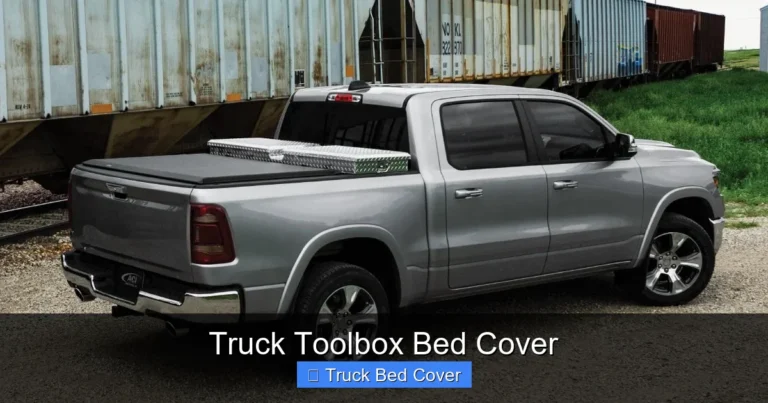
Visual guide about Cover for a Truck Bed
Image source: carid.com
1. Tonneau Covers (Soft vs. Hard)
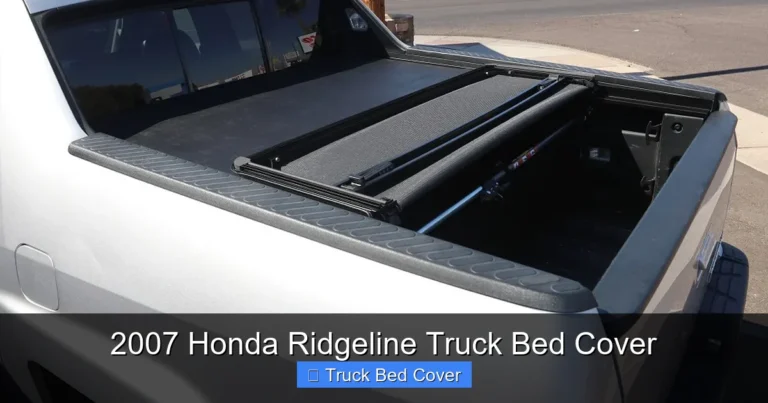
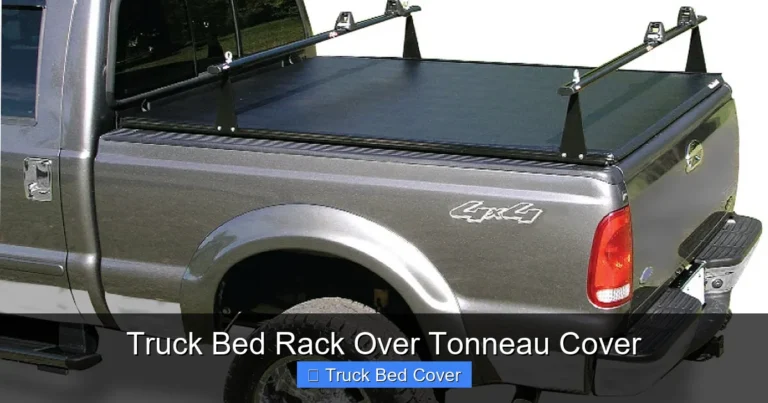
Tonneau covers are the most common type of cover for a truck bed. They’re designed to sit flush over the bed rails and fold or slide open for access. There are two main categories:
- Soft Tonneau Covers: Made from vinyl or fabric, these are lightweight, affordable, and easy to install. Brands like Truxedo and BAK offer models that roll up or fold forward. They’re great for light-duty use and don’t add much weight to your truck.
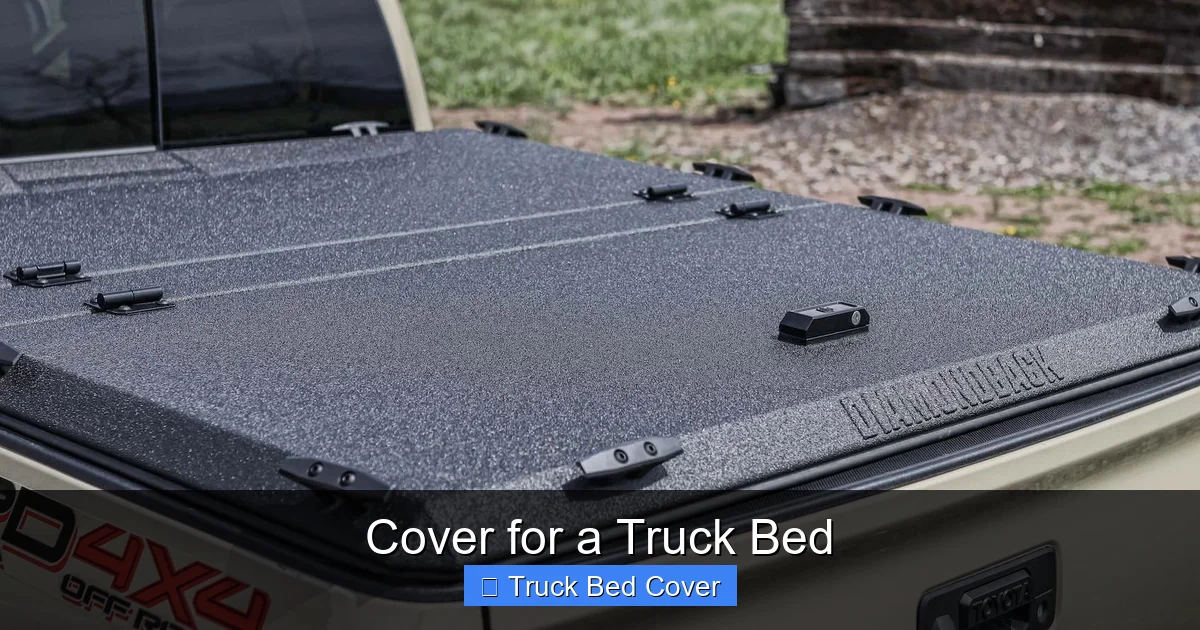
- Hard Tonneau Covers: These include solid panels made of aluminum, fiberglass, or composite materials. They provide superior security and weather protection. Popular options include the Extang Solid Fold and the TruXeda Boss. Though pricier, they’re durable and often lockable.
2. Roll-Up Tarps and Drop-Over Covers
Simple and effective, roll-up tarps stretch over the bed and attach with clamps or bungees. They’re budget-friendly and let you access the entire bed quickly. However, they offer minimal security and aren’t built for heavy-duty use. Drop-over covers are similar but sit directly on the bed without needing rail clamps—ideal for older trucks without side rails.
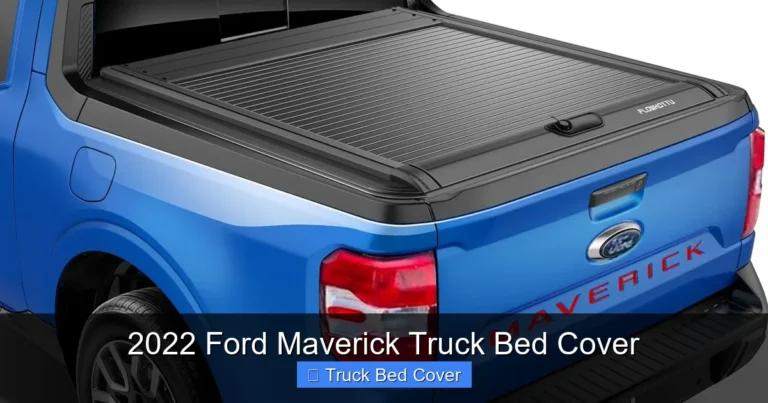
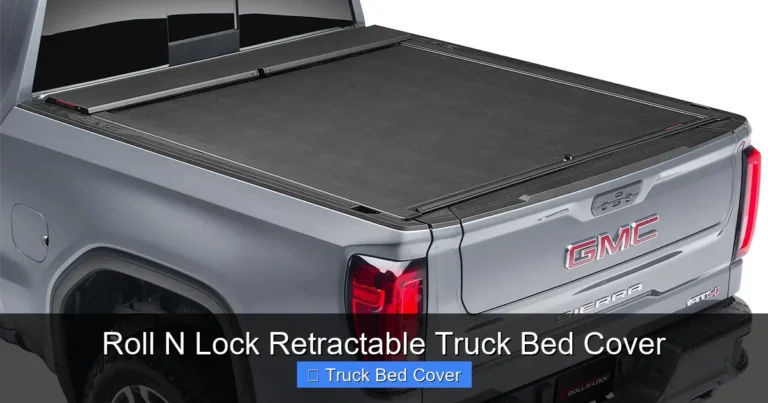
3. Retractable Covers
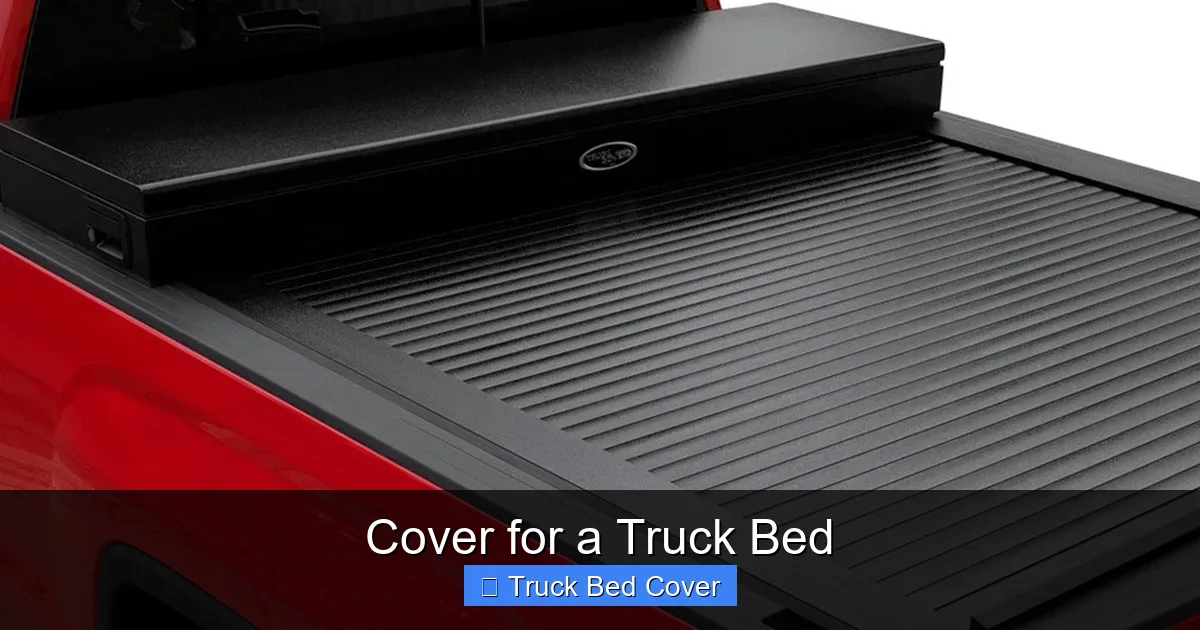
These motorized systems—like the Pace Edwards Switchblade or UnderCover Flex LS—slide open like a garage door. They’re smooth, quiet, and allow full bed access. Great for daily drivers who want convenience, but they require power and can be more expensive to repair.
4. Hard Caps and Toppers
Hard caps cover the entire pickup bed and extend slightly beyond the cab. They’re popular among truck owners who tow or need extra storage. Made from fiberglass or aluminum, they’re rigid, secure, and often come with built-in racks. Think of them as a mini roof for your truck.
5. Toolboxes and Hybrid Solutions
Some owners combine a toolbox with a partial cover or use a hybrid system that integrates both storage and coverage. These are ideal for contractors or tradespeople who need secure, organized access to tools.
Top Benefits of Installing a Truck Bed Cover
Beyond the obvious protection, a cover for a truck bed offers several hidden perks that make it worth every penny. Here’s why smart truck owners swear by them.
Weatherproofing and Rust Prevention
Moisture is the enemy of metal and electronics. A tight-fitting cover stops rain, snow, and dew from pooling in the bed, which prevents rust and corrosion. This is especially important in humid or coastal areas where salt air accelerates metal decay. Even in dry climates, dust and UV exposure can fade paint and damage sensitive equipment—something a cover easily blocks.
Theft Deterrence
Visible cargo invites trouble. A locked or opaque cover hides what’s inside, making your truck a less attractive target. Studies show that vehicles with bed covers have significantly lower theft rates. For tools, laptops, or even groceries, peace of mind is priceless.
Fuel Efficiency Gains
Did you know that a bare truck bed creates a lot of wind turbulence? That “truck tail” disrupts airflow and increases drag. A streamlined cover smooths the rear profile, reducing wind resistance. Some studies suggest gains of up to 10% in fuel economy—especially noticeable at highway speeds. Over time, those savings add up.
Noise Reduction
Open beds create wind noise, especially on long drives. A cover acts like a lid, cutting down on howling and whistling. This makes highway cruising quieter and more comfortable, particularly if you listen to music or podcasts while driving.
Better Resale Value
Sellers with covered trucks often get higher offers. Why? Because a protected bed shows the buyer the vehicle was well cared for. Scratches, dings, and water stains tell a different story. A clean, covered bed says, “I respect my investment.”
Customization and Style
Let’s face it—your truck reflects your personality. Covers come in matte black, glossy gray, red, blue, and more. Some even feature logos or custom branding. Whether you prefer a low-profile look or a bold statement, there’s a cover to match your vibe.
How to Choose the Right Cover for Your Truck
Picking the wrong cover can lead to leaks, poor fit, or constant adjustments. To avoid buyer’s remorse, follow this simple decision-making process.
Step 1: Measure Your Truck Bed
Trucks vary by year, make, and model—even trim levels can change bed length. Measure the width, length, and height clearance. Check if your truck has side rails, a bed liner, or tailgate assist. Most manufacturers list exact dimensions online, or you can measure yourself with a tape measure.
Step 2: Consider Your Usage
Ask yourself:
- Do I haul tools daily? → Prioritize security and durability.
- Do I carry groceries or pets? → Weather protection and ease of access matter most.
- Do I tow frequently? → Make sure the cover doesn’t interfere with hitch or trailer connections.
- Do I live in a rainy or dusty area? → Go for a sealed, waterproof design.
Step 3: Evaluate Installation Ease
If you’re DIY-savvy, look for clamp-on or no-drill models. Pre-drilled holes may be needed for some hard covers. Read reviews about installation difficulty—some brands claim “no tools required,” but real-world feedback matters more.
Step 4: Budget Wisely
Prices range from $100 for basic tarps to $1,500+ for premium retractable systems. Set a realistic budget, but remember: cheaper isn’t always better. A flimsy cover might save money now but fail in six months. Balance cost with longevity and features.
Step 5: Test Before Committing
If possible, visit a local truck accessory shop to see covers in person. Feel the material, test latches, and watch how they open/close. Nothing beats hands-on experience before spending your cash.
Installation Tips for a Perfect Fit
Most truck bed covers are designed for easy setup—but a few tricks can make the difference between a snug fit and constant rattling.
Gather the Right Tools
You’ll likely need a socket wrench, screwdriver, measuring tape, and possibly a drill. Keep a level handy to ensure even alignment. Some kits include hardware; others require purchasing bolts separately.
Clean the Bed First
Dust, dirt, and old sealant can interfere with sealing. Wash the bed surface and let it dry completely. A clean surface ensures tight seals and prevents moisture buildup.
Follow Manufacturer Instructions Exactly
Even small details matter—like tightening bolts in a criss-cross pattern or aligning tracks properly. Skipping steps can lead to leaks or misalignment over time.
Use Weather Stripping Wisely
Many soft covers include rubber seals along the edges. Press them firmly into place for a watertight barrier. Replace worn strips if yours come with extras.
Check for Wind Resistance
In windy conditions, loose covers flap and wear out faster. Double-check all clamps, latches, and straps. Some owners add zip ties or Velcro as backup holds during storms.
Test After Installation
Spray water on the cover or drive in light rain to spot leaks. Adjust as needed. A little fine-tuning goes a long way in ensuring reliability.
Maintenance and Longevity: Keep Your Cover in Top Shape
A cover is only as good as its care. With proper maintenance, a quality cover for a truck bed can last 5–10 years or more.
Washing and Drying
Rinse off dirt and salt buildup monthly. Use mild soap and a soft brush—avoid harsh chemicals that degrade vinyl or fabric. Always dry completely before folding or storing.
Inspect Regularly
Look for tears, fraying, cracked latches, or loose bolts. Catching issues early prevents bigger problems. Replace worn parts immediately instead of waiting for failure.
Store Properly When Not in Use
If you remove the cover seasonally, store it in a cool, dry place away from direct sunlight. Never leave it folded in hot trunks—heat damages materials fast.
Lubricate Moving Parts
For sliding or rolling covers, apply silicone spray to tracks every 3–6 months. This keeps operation smooth and prevents sticking.
Address Mold or Mildew Promptly
If you notice musty smells, wash the cover with vinegar solution (1 part vinegar, 1 part water) and air dry thoroughly. Mold weakens fabric over time.
Avoid Sharp Objects
Even the toughest covers can be punctured by nails, tools, or debris. Use bed mats or dividers to protect the underside of your cover.
Real-World Examples: What Works for Different Lifestyles
Let’s look at how different people benefit from a truck bed cover—because one size doesn’t fit all.
The Urban Commuter
Sarah drives a Ford F-150 daily to her office and grocery store runs. She chose a soft tri-fold tonneau cover. It’s affordable, opens quickly, and keeps her laptop and lunch safe from rain. She loves how it looks sleek and low-profile.
The Weekend Warrior
Jake owns a Jeep Gladiator and uses it for camping and fishing. He installed a hard cap with a built-in rack. It secures his cooler, kayak, and camping gear securely. No more worrying about wind tossing items around on the trail.
The Small Business Owner
Maria runs a landscaping business and hauls tools every day. She went with a lockable hard tonneau cover made of aluminum. It’s tough enough to resist tool drops and keeps her shovels, rakes, and hoses dry during storms.
The Family Road Tripper
The Johnsons have three kids and love road trips. Their roll-up tarp lets them toss in strollers and snacks quickly. While not the most secure, it’s perfect for short trips and fits their budget.
The Off-Roader
Leo drives a lifted Toyota Tacoma and takes it deep into rough terrain. He uses a retractable cover because it allows full bed access when he needs to load gear fast—without removing anything.
Common Mistakes to Avoid
Even experienced truck owners make these errors. Don’t fall into the same traps.
- Buying the cheapest option: Low-cost tarps tear easily and leak. Save now, regret later.
- Ignoring compatibility: A cover made for a 2020 Silverado won’t fit a 2018 model—even if they look similar.
- Skipping the manual: Assembly instructions matter. Don’t assume it “just works.”
- Over-tightening hardware: This can warp frames or strip threads. Follow torque specs if provided.
- Neglecting seasonal checks: Covers endure winter salt, summer heat, and autumn leaves. Inspect quarterly.
Final Thoughts: Is a Truck Bed Cover Worth It?
Absolutely. A cover for a truck bed is one of the most practical upgrades you can make. It protects your belongings, saves fuel, deters thieves, and enhances your truck’s appearance—all without breaking the bank. Whether you go soft, hard, roll-up, or retractable, the right cover fits your life.
Think of it this way: you wouldn’t leave your car’s windows down in a storm or park your bike outside overnight without a lock. Why expose your truck bed to the same risks? With so many styles and price points, there’s no excuse not to add this essential layer of protection.
Ready to shop? Start by measuring your bed, checking reviews, and choosing a reputable brand. Then enjoy the confidence that comes knowing your stuff stays dry, secure, and ready whenever you are.
Frequently Asked Questions
What is a truck bed cover called?
Answer: Common names include tonneau cover, bed cover, truck bed tarp, hard cap, soft roll-up, and retractable cover. All refer to protective coverings designed to shield the truck bed from weather and theft.
Are truck bed covers worth it?
Answer: Absolutely. They protect cargo from rain, sun, and theft, improve fuel efficiency, reduce wind noise, and increase your truck’s resale value. For anyone who uses their truck regularly, it’s a smart investment.
Do I need a cover if I have a bed liner?
Answer: Yes. Bed liners protect the floor but don’t cover the sides or tailgate. A cover prevents water from pooling, stops UV damage, and hides your load—adding another layer of protection.
Can I install a cover myself?
Answer: Most covers are designed for DIY installation and can be fitted in under an hour. Soft covers usually involve clamping or bolting; hard covers may require drilling. Follow the manufacturer’s instructions carefully.
How much does a quality truck bed cover cost?
Answer: Prices range from $100 for basic tarps to $1,500+ for premium retractable systems. Mid-range tonneau covers typically cost $300–$700. Factor in durability, features, and warranty when comparing options.
Will a cover damage my truck’s paint?
Answer: Not if installed correctly. Use felt pads under clamps and avoid dragging sharp tools across the surface. Most reputable brands design covers to protect paint while providing a secure fit.