Truck Bed Soft Cover
A truck bed soft cover is a flexible, roll-up tarp-style solution that secures over the open bed of your pickup truck. It offers affordable protection from rain, sun, theft, and dirt while maintaining full access to your cargo area. Whether you’re hauling gear for work or weekend adventures, a quality soft cover delivers convenience and peace of mind without breaking the bank.
If you’ve ever driven home from a camping trip with a muddy truck bed, or worried about someone stealing your tools overnight, you know how frustrating it can be to leave your cargo exposed. That’s where a truck bed soft cover comes in—a practical, budget-friendly solution that keeps your stuff safe, dry, and out of sight. Unlike bulky hard shells or expensive retractable systems, soft covers are lightweight, easy to install, and give you full access to your truck bed whenever you need it.
Whether you use your truck for daily commuting, hauling lumber, transporting pets, or weekend off-roading, a soft cover adds an essential layer of protection without complicating your routine. In this guide, we’ll walk you through everything you need to know—from types and materials to installation tips and maintenance advice—so you can make an informed choice and get the most out of your investment.
Key Takeaways
- Cost-effective protection: Soft covers are significantly cheaper than hard tonneau covers but still offer solid defense against weather and light-duty theft.
- Easy installation and removal: Most models use simple clamp-on rails or bolt-free designs, allowing quick setup in under 10 minutes.
- Weather-resistant materials: High-quality covers use tear-resistant fabrics like vinyl-coated polyester or canvas, ensuring longevity through rain, snow, and UV exposure.
- Enhanced fuel efficiency: A securely fitted cover reduces wind resistance, improving gas mileage by up to 8% on long highway drives.
- Versatile storage access: Features like dual-latch systems, rear access panels, or roll-and-tie designs let you load items without removing the entire cover.
- Improved resale value: A clean, protected truck bed makes your vehicle more attractive to buyers during trade-ins or sales.
- Suitable for most truck models: From compact Mavericks to full-size F-150s, soft covers come in universal-fit and model-specific options.
Quick Answers to Common Questions
Is a soft cover better than a hard tonneau cover?
It depends on your priorities. Soft covers are lighter, cheaper, and easier to access, while hard covers offer stronger security and a sleeker look. For most everyday users, a soft cover strikes the best balance.
Can I wash my soft cover with a pressure washer?
Use caution—high pressure can damage seams or loosen adhesives. A garden hose with mild soap and a soft brush is safer for regular cleaning.
Do soft covers work in snowy climates?
Yes, but choose a model with cold-weather rated fabric and flexible hardware. Remove it during heavy snowstorms if possible to prevent ice buildup.
Will a soft cover fit my truck if I have a bedliner?
Most universal and model-specific covers are compatible with spray-in or drop-in bedliners. Check manufacturer specs for clearance issues.
Can I drive with the soft cover fully rolled back?
Yes, but secure it tightly to prevent flapping. Unsecured covers create dangerous wind resistance and can tear.
📑 Table of Contents
What Is a Truck Bed Soft Cover?
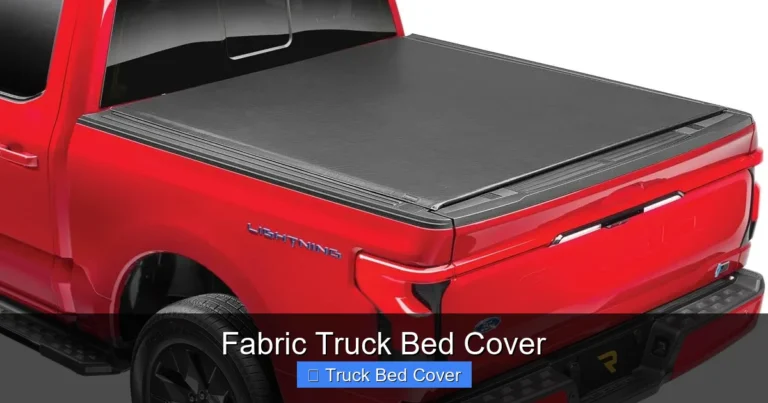
A truck bed soft cover is a flexible, fabric-based tarp that stretches over the open bed of your pickup truck. It’s designed to protect cargo from rain, snow, dust, sun damage, and casual tampering. Unlike rigid hard covers, soft covers are made from durable, weather-resistant textiles and are typically secured using side rails or clamps along the truck bed’s perimeter.
These covers roll up at the front (or sometimes the side) of the bed, allowing you to access your cargo instantly. They’re ideal for drivers who want protection without sacrificing convenience. Think of them as a hybrid between a tarp and a full hard shell—lightweight, affordable, and highly functional.
How Does It Work?
Most soft covers operate on a rolling mechanism. As you unroll the cover across the bed, it tightens over the surface and locks into place using latches, buckles, or Velcro straps. Some models include reinforced corners and heavy-duty straps to prevent flapping in strong winds. When not in use, the cover rolls back toward the cab and secures with a strap or latch, leaving the entire bed accessible.
Modern versions often feature upgraded components like stainless steel hardware, UV-treated fabric, and waterproof zippers or seals—all aimed at extending lifespan and improving performance.
Why Choose a Soft Cover Over Other Options?
While hard tonneau covers offer superior security and sleek looks, they can be pricey, heavy, and harder to remove quickly. Retractable covers provide excellent access but come with higher maintenance needs and cost. A truck bed soft cover sits right in the middle: affordable, simple to use, and surprisingly effective.
For example, if you frequently stop at job sites or farmers markets, a soft cover lets you toss items in, zip it up, and keep driving—no fumbling with complicated latches. And unlike loose tarps, it stays secure even at highway speeds.
Types of Truck Bed Soft Covers
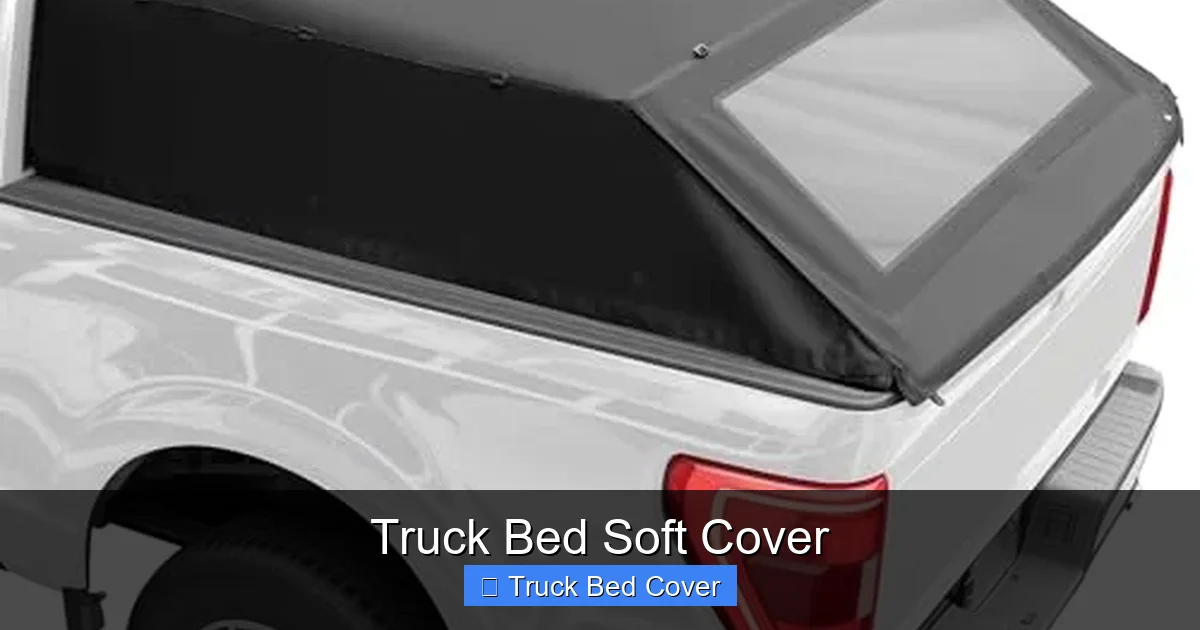
Visual guide about Truck Bed Soft Cover
Image source: m.media-amazon.com
Not all soft covers are created equal. The market offers several styles, each suited to different needs and budgets. Understanding the differences helps you pick the best option for your truck and lifestyle.
Roll-Up Covers
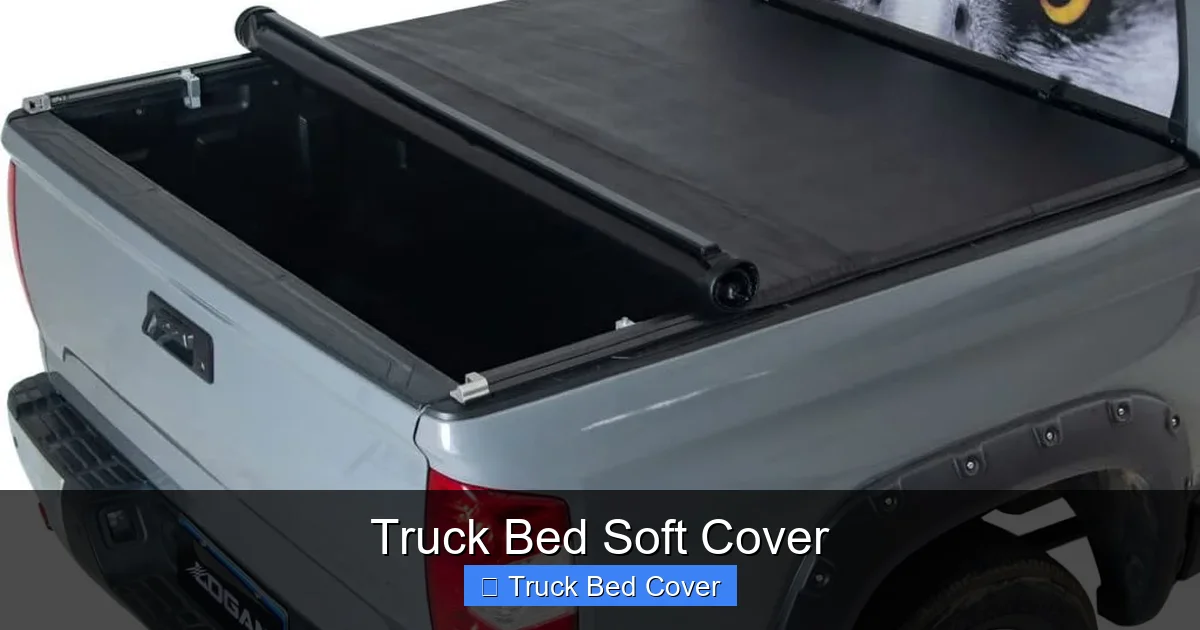
The most common type, roll-up covers stretch across the bed and roll back toward the cab using a built-in roller system. They’re held in place with side rails or clamp-on brackets. Popular brands like Tonno Pro and BAK Mileage offer reliable models that balance durability and ease of use.
Example: If you drive a Ford F-150 with a 6-foot bed, a roll-up cover will secure tightly over the sides and tailgate, protecting your belongings while allowing full visibility.
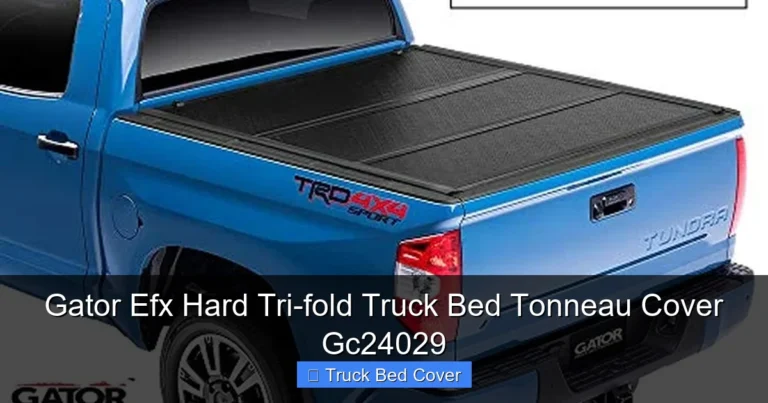
Tri-Fold Covers
These fold into three sections at the front of the bed, creating a low-profile look. They’re easy to access and store when removed. However, tri-folds may expose part of the bed during folding, so they’re better suited for lighter loads.
Tip: Tri-fold covers work well for personal trucks used for errands or light hauling—but not ideal for full-bed cargo.
Dual-Latch & Panel Access Models
Some high-end soft covers include a rear access panel or dual-latch system that lets you open just one side. This is perfect for loading long items like ladders or pipes without rolling the whole cover back.
Universal vs. Model-Specific Fit
Covers come in two main categories:
– Universal-fit: Adjustable straps accommodate multiple truck sizes.
– Model-specific: Precisely cut for your exact make and year (e.g., Toyota Tacoma 2020).
Model-specific fits ensure a snugger seal and better aesthetics—but cost slightly more.
Top Materials Used in Soft Covers
The durability and performance of your cover depend heavily on its fabric and construction. Here are the most common materials:
Vinyl-Coated Polyester
This is the gold standard for soft covers. Vinyl coating adds water resistance and prevents mildew, while polyester base resists tearing and UV degradation. Brands like UnderCover and TruXedo use this material for long-lasting performance.
Canvas
Natural canvas feels rugged and breathable—great for hot climates where condensation buildup matters. However, untreated canvas can absorb water and mildew over time unless specially treated.
Polyethylene (PE)
Cheaper than vinyl, PE tarps are lightweight and waterproof but less durable. They’re often used in economy models and may need replacement after a few seasons.
Reinforced Seams & Zippers
Look for double-stitched seams and heavy-duty zippers or flaps. These prevent leaks and extend the cover’s life, especially in harsh weather.
Installation Tips for Your Truck Bed Soft Cover
Installing a soft cover shouldn’t feel like assembling furniture. With the right tools and patience, most people complete the job in under 30 minutes.
Step-by-Step Guide
1. Clear the bed: Remove any debris, tools, or accessories that could interfere with fitting.
2. Attach side rails: Clamp or bolt the rails along both sides of the bed. Ensure they’re level and secure.
3. Position the cover: Lay the rolled cover at the front of the bed, aligning it with the rails.
4. Unroll and tighten: Stretch the cover across the bed, then fasten latches or buckles at the front and rear.
5. Test the fit: Drive slowly around the block to check for sagging or movement. Adjust as needed.
Pro Tips
– Use a friend to help hold the cover steady while tightening latches.
– Lubricate rubber gaskets with silicone spray to reduce wear.
– Never force the cover—if it doesn’t align properly, recheck rail placement.
Maintenance and Care
With proper care, your truck bed soft cover can last 5–10 years. Here’s how to keep it looking and performing like new:
Washing
Rinse with fresh water after salted roads or dusty trails. For deeper cleaning, use mild soap and a soft brush. Avoid harsh chemicals that strip protective coatings.
Drying
Always air-dry completely before storing. Fold and store in a cool, dry place away from direct sunlight.
Inspection
Check seams, zippers, and latches monthly for signs of wear. Replace damaged parts immediately to avoid leaks or detachment.
Winter Storage
Remove the cover during extreme winter months if possible. Cold temperatures can stiffen rubber components and increase cracking risk.
Benefits Beyond Protection
Sure, a soft cover protects your stuff—but that’s just the beginning. Consider these added advantages:
Fuel Efficiency
Aero-dynamic testing shows that a well-fitted cover can improve gas mileage by 3–8%. That’s because it smooths airflow over the bed, reducing drag.
Noise Reduction
Cargo rattling at highway speeds? A soft cover dampens noise from loose items, making rides quieter and more comfortable.
Security Enhancement
While not bulletproof, a locked soft cover deters opportunistic thieves. Combined with a tailgate lock, it adds valuable layers of protection.
Aesthetic Appeal
Many drivers report their trucks look cleaner and more put-together with a cover installed—especially on black or gray models.
Choosing the Right Cover for Your Needs
With dozens of options available, narrowing down your choice starts with answering a few key questions:
What Will You Transport?
– Tools & equipment: Opt for a heavy-duty vinyl model with reinforced edges.
– Sports gear: A roll-up with side access works well.
– Everyday items: A basic tri-fold or universal cover suffices.
How Often Do You Use It?
Frequent users benefit from features like quick-release latches and weatherproof sealing. Occasional users might prefer a simpler, cheaper model.
Climate Matters
In rainy regions, prioritize waterproofing. In sunny areas, UV resistance is critical. Arctic zones demand cold-weather flexibility.
Budget Range
– Under $150: Basic PE or canvas models (good for light duty).
– $150–$300: Mid-range vinyl covers with better hardware.
– Over $300: Premium models with dual-latch, panel access, or aluminum frames.
Real-World Examples
Let’s say you’re a contractor who drives a Chevy Silverado 1500. You need to carry power tools, lumber, and paint cans daily. A truck bed soft cover with roll-back access and heavy-duty straps would let you secure everything before heading home, even in light rain.
Or imagine a family road-tripper with a Nissan Frontier. They pack bikes, coolers, and camping chairs weekly. A tri-fold cover keeps gear dry without taking up too much cab space.
Both scenarios show how versatile and useful soft covers truly are.
Common Misconceptions
Despite their popularity, some myths persist:
Myth 1: “Soft covers flap in the wind and damage paint.”
False. Quality models use weighted edges and secure latches. Flapping usually indicates poor fit or low-quality hardware—not an inherent flaw.
Myth 2: “They don’t protect against theft.”
Partially true. Soft covers aren’t armored like hard shells, but they hide cargo from view and require tools to remove. Pair with a tailgate lock for extra security.
Myth 3: “They’re only for utility trucks.”
Wrong. Many stylish sedans and SUVs now tow trailers or carry gear—soft covers fit perfectly and enhance functionality.
Conclusion
A truck bed soft cover isn’t just a piece of tarp—it’s a smart upgrade for anyone who values convenience, protection, and everyday practicality. Whether you’re a tradesperson, adventurer, or weekend warrior, investing in a quality soft cover pays off in reduced stress, lower maintenance, and better resale value.
From roll-ups to tri-folds, vinyl to canvas, there’s a style and material to match your truck, budget, and lifestyle. Installation is straightforward, maintenance minimal, and benefits abundant. So next time you load up your bed, consider adding a soft cover—your future self will thank you.
Frequently Asked Questions
Are truck bed soft covers waterproof?
High-quality models made with vinyl-coated polyester are highly water-resistant, but no fabric is 100% waterproof. Look for sealed seams and overlapping flaps for best results.
How long do soft covers last?
With proper care, a premium soft cover lasts 5–10 years. Economy models may last 2–4 years depending on usage and weather exposure.
Can I install a soft cover myself?
Yes! Most kits include clear instructions and require only basic tools like wrenches or screwdrivers. Installation takes 15–30 minutes for beginners.
Do soft covers affect my truck’s warranty?
No, installing a third-party soft cover typically doesn’t void your factory warranty unless improperly installed or causing damage.
Should I buy universal or custom-fit?
Custom-fit covers offer a tighter seal and better appearance. Universal covers are cheaper and adjustable but may leave gaps on larger beds.
Can I leave my soft cover on in winter?
It’s okay to leave it on during light snow, but remove it during heavy storms to prevent ice accumulation and strain on the fabric.