Truck Bed Cover for Tool Box
A truck bed cover for tool box is more than just a lid—it’s a smart upgrade that keeps your tools safe, dry, and secure. Whether you’re a contractor, tradesperson, or weekend warrior, the right cover blends functionality with style. These covers shield your gear from rain, sun, and prying eyes while improving aerodynamics and fuel efficiency. With so many designs—roll-up, tri-fold, retractable—you can find one that fits your workflow and budget.
If you’re someone who relies on your truck for work—whether you’re hauling lumber, carrying welding gear, or transporting precision instruments—your truck bed is more than just a storage space. It’s your mobile workshop. But even the sturdiest tools can get damaged by rain, rust, or worse—being stolen. That’s where a truck bed cover for tool box becomes a game-changer. It’s not just about aesthetics; it’s about protection, organization, and peace of mind. In this guide, we’ll walk you through everything you need to know: what makes these covers special, how they work with tool boxes, and which ones are worth your investment.
Let’s start with the basics. A truck bed cover—often called a tonneau cover—is a lid that fits over the open area of your truck bed. When paired with a tool box (either mounted on the bed rails or installed inside), it creates a sealed, secure compartment perfect for protecting sensitive or expensive equipment. Think of it as a second layer of defense for your livelihood.
Now, why go the extra mile? For one, it keeps your tools from getting wet during sudden downpours. Two, it stops curious passersby from peeking into your cargo. And three, it helps your truck perform better on the road. Aerodynamic covers reduce wind resistance, which can improve fuel economy. Plus, a well-covered bed means fewer loose items sliding around during bumpy rides.
But here’s the catch: not all covers are created equal. Some are bulky and hard to open. Others don’t seal tightly, letting water seep in. And if you already have a tool box, compatibility becomes a big concern. That’s why choosing the right truck bed cover for tool box isn’t just about picking any cover off the shelf. It’s about finding one that fits your truck, your needs, and your budget.
In the next sections, we’ll break down the types of covers available, explain how they interact with different tool box setups, and share real-world tips from professionals who use them daily.
Key Takeaways
- Weather Protection: A quality bed cover seals out rain, snow, and dust, keeping your tools dry and functional.
- Security Boost: Lockable covers deter theft by hiding your valuable equipment from view.
- Fuel Efficiency: Aerodynamic designs reduce drag, potentially improving gas mileage by up to 10%.
- Tool Box Compatibility: Many covers are designed to work seamlessly with under-bed or side-mount tool boxes.
- Easy Installation: Most roll-up or tri-fold models install in under an hour without drilling.
- Enhanced Cargo Management: A covered bed keeps loose items contained and reduces shifting during transit.
- Custom Fit Options: Choose from universal or vehicle-specific models for optimal fit and performance.
Quick Answers to Common Questions
Can a bed cover fit over my existing tool box?
Yes, but only if it’s designed for compatibility. Most modern covers work with under-bed or side-mounted boxes, but always check dimensions and manufacturer specs before purchasing.
Will a bed cover improve my gas mileage?
Absolutely. Aerodynamic covers reduce wind resistance, which can improve fuel efficiency by up to 10%, especially at highway speeds.
Are retractable covers worth the higher price?
If you frequently access your tools and want maximum protection, yes. They offer superior sealing, smooth operation, and long-term durability—ideal for daily professionals.
How do I clean my bed cover without damaging it?
Use mild soap, water, and a soft cloth. Avoid abrasive cleaners, bleach, or high-pressure washers. Dry thoroughly after cleaning to prevent mold.
Can I install a bed cover myself?
Most roll-up and tri-fold models are DIY-friendly and take under an hour. Retractables may require professional help due to rail alignment complexity.
📑 Table of Contents
Types of Truck Bed Covers
When shopping for a truck bed cover for tool box, you’ll quickly notice there are several styles to choose from. Each has its own pros and cons, depending on how you use your truck. Let’s look at the most popular options.
Roll-Up Covers
These are among the most common and affordable choices. Made from durable vinyl or canvas, they roll up toward the cab and are secured with Velcro or straps. They’re easy to access and offer decent weather protection. The downside? They can be flimsy in strong winds or heavy rain, and they don’t provide full security since the bed remains partially exposed when rolled.
Tri-Fold Covers
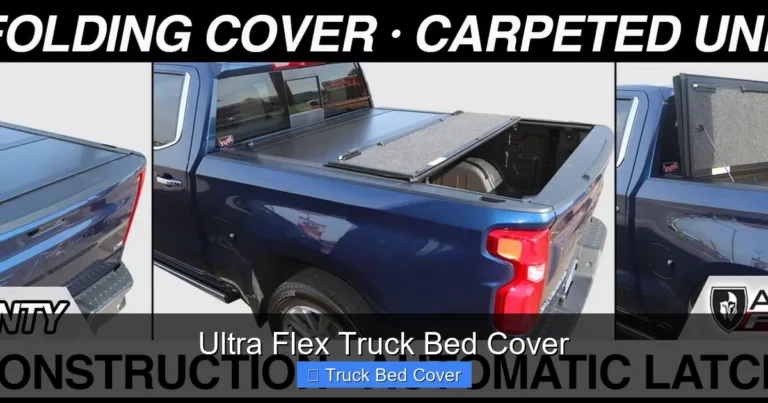
Tri-fold covers are made of rigid panels connected by hinges, allowing them to fold into thirds. They’re sturdy, offer excellent coverage, and are often lockable. Their main advantage is quick access—just lift the front panel. However, they can be heavier than roll-ups and may require more effort to close completely.
Retractable (Sliding) Covers
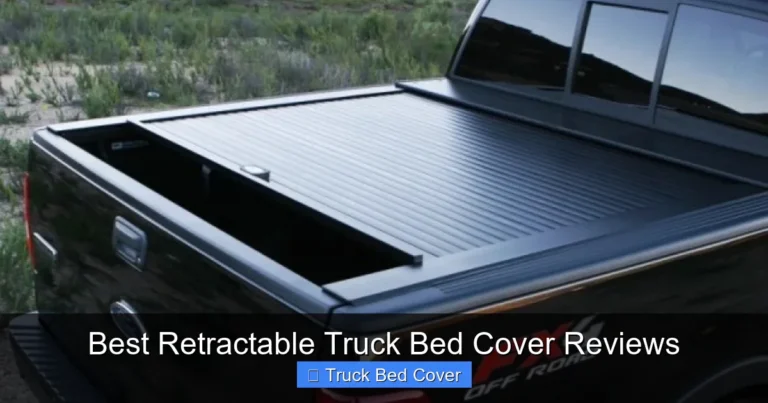
For those who want maximum convenience and protection, retractable covers slide back along rails into a locking box at the cab. They’re sleek, fully sealed, and offer the best security. While pricier, they’re ideal for frequent access and long-term durability. Just keep in mind—they’re bulkier and harder to install yourself.
Hard Folding Covers
Similar to tri-folds but with stronger frames, these use aluminum or fiberglass panels. They’re lightweight yet rugged, offering a good balance between protection and accessibility. Many are also waterproof and come with built-in locks.
Soft Top Covers
Made entirely of fabric, these are the lightest option. They sit low and are usually tied down with clamps. While great for mild weather, they don’t hold up well against heavy rain or extreme heat.
Each type affects how well it works with your existing tool box. For example, a roll-up cover might interfere with side-mounted boxes, while a retractable model could block access to an under-bed unit unless properly aligned.
Compatibility with Tool Boxes
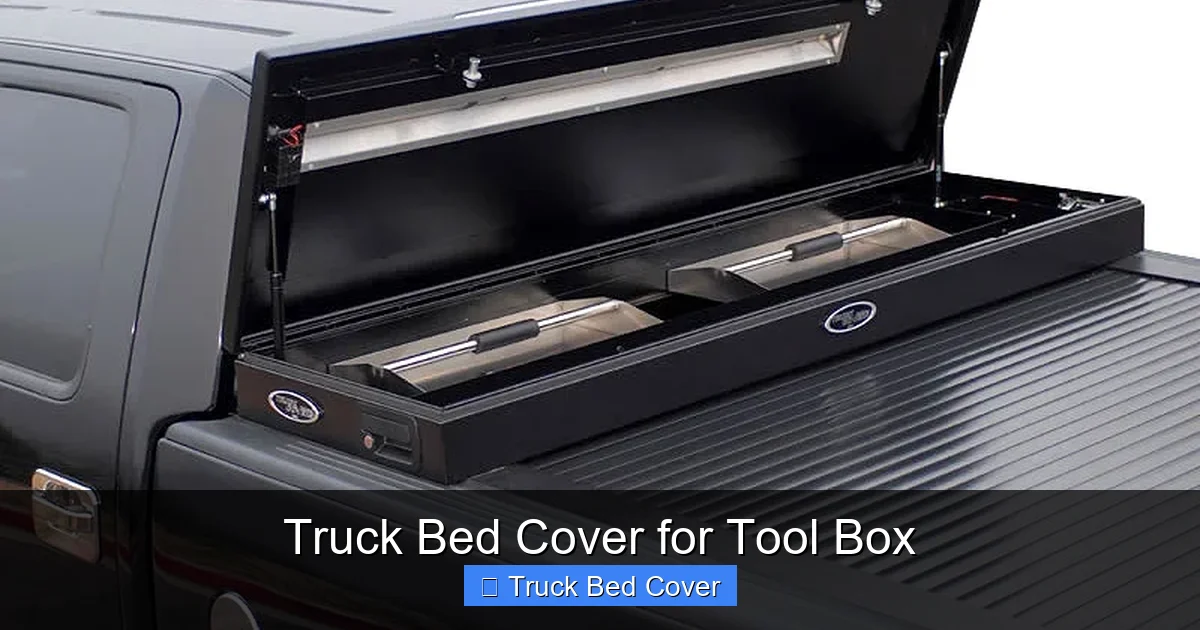
Visual guide about Truck Bed Cover for Tool Box
Image source: autoaccessoriesgarage.com
This is arguably the most important factor when selecting a truck bed cover for tool box. Not every cover plays nice with every tool box. You need to consider where the tool box is located—top bed, under the bed, or side-mounted—and whether the cover will overlap, obstruct, or damage it.
Under-Bed Tool Boxes
Most modern truck bed covers are designed with under-bed tool boxes in mind. Retractable and tri-fold models usually clear the entire bed surface, leaving room below for the box. Some manufacturers even include pre-cut openings or custom-fit kits for specific truck models.
Side-Mounted Tool Boxes
These sit along the bed rail and are great for quick access. However, they can interfere with roll-up or soft-top covers that stretch across the width. Tri-fold and retractable covers often accommodate side boxes better because they lift upward rather than lying flat.
Top-Mounted Tool Boxes
Also known as “lid” tool boxes, these sit directly on the bed rails and are meant to be covered. In this case, the bed cover must be compatible in both size and mounting style. A poorly fitted cover can warp the tool box or fail to seal properly.
Pro tip: Always measure your truck bed and confirm the dimensions of your tool box before buying. Check product descriptions for terms like “no-drill installation,” “tool box compatible,” or “custom fit.” Some brands even sell combo packages that include both the cover and a matching tool box.
Another thing to watch for: drainage holes. If your tool box has them, make sure the cover doesn’t block them during rain. Otherwise, water could pool above and leak in.
Benefits of Using a Bed Cover with a Tool Box
Combining a bed cover with a tool box isn’t just convenient—it’s smart. Here’s why professionals swear by this setup:
1. Enhanced Security
A locked tool box plus a sealed bed cover makes it nearly impossible for thieves to see what’s inside. Even if they break into the cab, they won’t know what’s in the bed—or how to open the cover.
2. Weather Resistance
Tools left in the open bed rust, warp, or get ruined by UV exposure. A tight-fitting cover keeps moisture out and shields metal parts from sun damage.
3. Better Organization
With everything contained and labeled inside the tool box, you spend less time searching for lost items. No more digging through scattered wrenches!
4. Improved Fuel Economy
Studies show that aerodynamic covers can boost MPG by reducing drag. Over thousands of miles, that adds up—especially for contractors who drive daily.
5. Noise Reduction
A covered bed muffles engine and road noise, making long drives more comfortable. This matters if you’re working late or commuting with family.
6. Resale Value
Trucks with high-quality covers and tool boxes tend to sell faster and for more money. Buyers see value in protected, organized cargo areas.
Real-world example: A plumber we spoke to uses a tri-fold cover over his under-bed steel tool chest. He says it’s saved him countless hours on jobs—no more returning home because his drill got soaked in the rain.
Installation Tips and Maintenance
Installing a truck bed cover for tool box might sound intimidating, but most models are DIY-friendly. Still, preparation is key.
Pre-Installation Checklist
- Clean the bed rails thoroughly—dirt and debris prevent proper sealing.
- Check alignment with your tool box. Mark any interference points.
- Gather tools: screwdriver, wrench, measuring tape, and possibly a drill (if required).
Step-by-Step Guide (Generic)
1. Unpack and lay out all components. Read the manual first.
2. Position the cover over the bed, ensuring it doesn’t touch the tool box.
3. Attach side rails using included hardware. Tighten evenly.
4. Install rear crossbar or tension system.
5. Test roll-up or fold mechanism for smooth operation.
6. Adjust seals if needed—use weather stripping for gaps.
For retractable models, professional installation is recommended due to rail alignment requirements.
Maintenance Basics
– Wipe down with mild soap and water monthly.
– Lubricate moving parts (hinges, rollers) with silicone spray.
– Inspect seals annually—replace if cracked or brittle.
– Never leave a roll-up cover fully unrolled for extended periods; it can stretch out of shape.
Avoid using harsh chemicals or pressure washers directly on the cover—they can degrade the material over time.
Top Brands and Models to Consider
Not all covers are built the same. Here are some trusted names in the industry:
BakFlip Series
Known for their durable tri-fold and retractable models. BakFlip G2 offers excellent water resistance and works well with most under-bed boxes.
UnderCover Ultra Lite
Lightweight, affordable, and easy to install. Great for light-duty users who want basic protection without breaking the bank.
TruXedo TruXport
A roll-up favorite—smooth operation and strong vinyl construction. Compatible with side-mounted boxes when properly positioned.
Rampage Soft Tri-Fold
Budget-friendly with decent build quality. Ideal for DIYers on a tight schedule.
Thule Helium Aero
Premium retractable cover with carbon fiber panels. Lightweight and extremely aerodynamic—perfect for long-haul drivers.
When comparing, look at customer reviews focusing on:
– Ease of use
– Water leakage reports
– Tool box interference issues
– Longevity (many last 5+ years with care)
Always check warranty terms—good covers come with 2–5 year guarantees.
Common Mistakes to Avoid
Even experienced truck owners make these errors:
Mistake 1: Ignoring Size Compatibility
Using a cover too short or wide causes leaks and poor fit. Measure twice, buy once.
Mistake 2: Choosing Cheap Over Quality
Cheap vinyl tears easily; weak frames bend in storms. Invest wisely—you’ll save money long-term.
Mistake 3: Skipping the Manual
Every model differs slightly. Rushing installation leads to improper sealing.
Mistake 4: Not Securing the Cover Properly
Unstrapped covers flap in wind, damaging paint and reducing security.
Mistake 5: Neglecting Maintenance
Ignored seals lead to rust inside the tool box—expensive repairs await.
Final advice: If you’re unsure, ask a pro at your local auto shop or consult online forums for your specific truck model.
Frequently Asked Questions
What’s the difference between a hard and soft bed cover?
Hard covers (like tri-fold or retractable) are made of rigid panels and offer better security and weather resistance. Soft covers use fabric and are lighter and cheaper but less durable in extreme conditions.
Do I need a bed cover if I already have a tool box?
Yes. A tool box protects your tools from physical damage, but a bed cover adds a second layer against weather, theft, and debris. Together, they provide complete protection.
Can I drive with the bed cover open?
Yes, but only if it’s designed to stay open securely (most roll-ups do). Driving with it partially open increases drag and risks damage from wind or debris.
Will a bed cover scratch my truck bed?
No—if installed correctly. Quality covers have protective pads and sit on rails, not directly on the bed surface. Always follow installation instructions.
How long do truck bed covers typically last?
With proper care, most last 3–7 years. High-end models with UV-resistant materials and strong frames often exceed this range.
Are bed covers legal in all states?
In the U.S., bed covers are generally legal as long as they don’t extend beyond the truck’s body lines or obstruct lights/taillights. Check local regulations for specifics.