Truck Bed Cover Metal
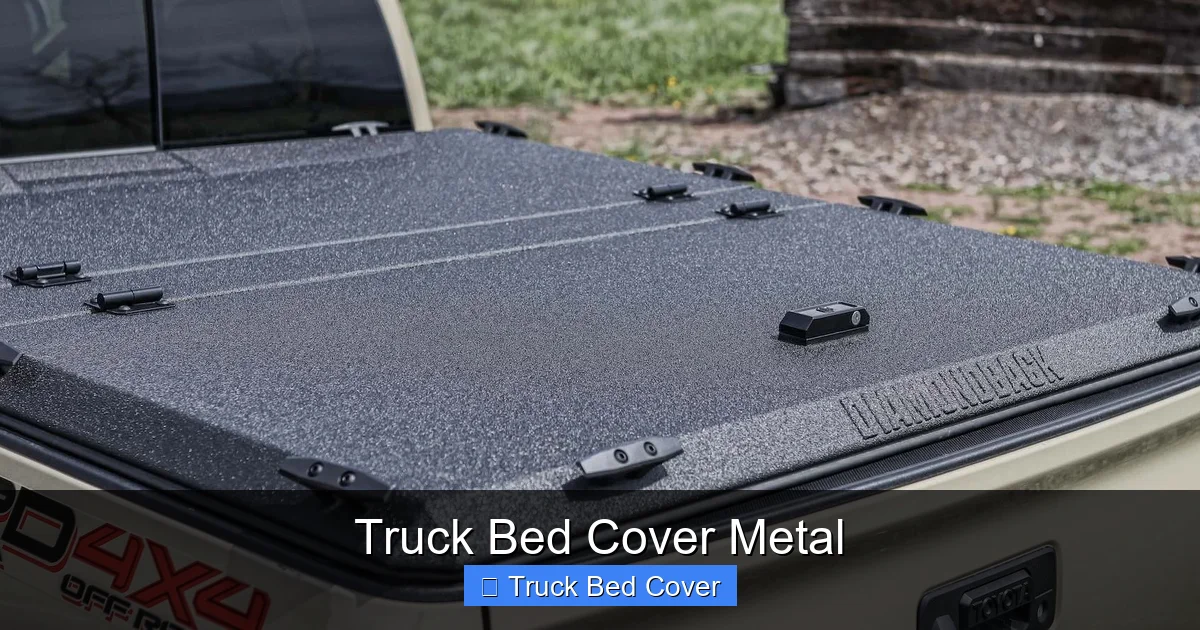
A truck bed cover metal offers unmatched strength, security, and weather resistance, making it ideal for heavy-duty hauling. Whether you’re transporting tools, equipment, or gear, a metal cover ensures your load stays safe and dry. With options like aluminum and steel, these covers are built to last and resist damage better than plastic alternatives.
If you’re serious about protecting what’s in your truck bed—whether it’s construction tools, camping gear, or valuable equipment—a truck bed cover metal might be exactly what you need. Unlike flimsy roll-up or folding covers made from fabric or plastic, metal bed covers offer rugged reliability that stands up to years of abuse. They’re not just tough; they’re smart investments for anyone who values security, durability, and peace of mind on the road.
But before you rush to install one, let’s break down everything you should know. From materials to installation tips and real-world performance, this guide will walk you through the ins and outs of metal truck bed covers so you can make an informed decision. Whether you drive a work truck, adventure rig, or daily commuter, understanding how metal covers stack up against other types will help you pick the right one for your lifestyle.
Key Takeaways
- Durability: Metal truck bed covers resist dents, rust, and extreme weather far better than vinyl or fiberglass.
- Security: Solid metal construction makes it harder for thieves to access your cargo compared to soft covers.
- Weather Protection: Sealed metal designs keep rain, snow, and debris out, protecting sensitive items.
- Custom Fit Options: Many metal covers are vehicle-specific, ensuring a snug, professional fit.
- Ventilation Challenges: Some designs may limit airflow, requiring additional venting solutions.
- Weight Considerations: Metal covers are heavier—ensure your truck’s bed can support the added weight.
- Maintenance Tips: Regular cleaning and rust-proofing extend the life of your metal cover.
Quick Answers to Common Questions
Is a metal truck bed cover worth the extra cost?
Yes, for heavy use or harsh conditions. Metal covers last longer, offer better security, and withstand weather better than cheaper alternatives.
Can I install a metal bed cover myself?
Most do-it-yourselfers can install a metal cover with basic tools and patience. Follow the instructions closely, and consider having a friend help with alignment.
Will a metal cover damage my truck’s bed?
No, if installed correctly. Proper mounting and sealing prevent damage. Avoid over-tightening bolts, which can warp panels or strip holes.
Do metal covers affect fuel efficiency?
Slightly. The added weight increases drag, but gains in cargo protection usually outweigh minor efficiency loss.
Are metal covers compatible with all truck models?
Most are designed for specific makes and models. Check compatibility charts on manufacturer websites before ordering.
📑 Table of Contents
Why Choose a Metal Truck Bed Cover?
When it comes to protecting your cargo, not all covers are created equal. While soft tonneau covers offer convenience and affordability, they often fall short when it comes to long-term protection. A metal truck bed cover, on the other hand, brings a whole new level of toughness. Let’s explore why so many truck owners are making the switch.
Unmatched Strength and Durability
Metal is tough—there’s no getting around that. Whether you’re driving over rough terrain or parking in a crowded lot, a metal cover shields your bed from impacts, scratches, and bending. Aluminum and steel are the most common materials, each offering unique benefits. Aluminum is lighter and naturally resists corrosion, while steel provides maximum strength at a lower cost.
Imagine loading a ladder into your truck bed. With a soft cover, you risk tearing the material or crushing the contents underneath. Not so with a metal cover—it holds firm under pressure and won’t give way.
Superior Security Features
One of the biggest advantages of a metal truck bed cover is its ability to deter theft. Unlike canvas or rubber rolls that can be easily cut or rolled back, solid metal panels require tools and time to remove. Many models come with lockable latches and reinforced edges, making unauthorized access nearly impossible.
For contractors, delivery drivers, or anyone carrying high-value items, this added layer of security is invaluable.
All-Weather Performance
Rain, snow, ice, and sun—your truck bed takes a beating from Mother Nature. A well-sealed metal cover keeps moisture out, preventing rust on tools and electronics. It also blocks UV rays that can fade interior components or warp plastics inside the bed.
Plus, metal reflects heat better than dark fabrics, helping keep your cargo cooler in hot climates.
Longevity That Pays Off
While the upfront cost of a metal cover is higher than some alternatives, its lifespan often exceeds 10 years with proper care. When you consider how much longer it lasts compared to fabric covers that may need replacement every few years, metal proves to be more cost-effective over time.
Types of Metal Truck Bed Covers

Visual guide about Truck Bed Cover Metal
Image source: m.media-amazon.com
Not all metal bed covers are the same. Depending on your needs, you’ll find several styles designed for different levels of protection and functionality. Here’s a breakdown of the most popular options.
Hard Tri-Fold Covers
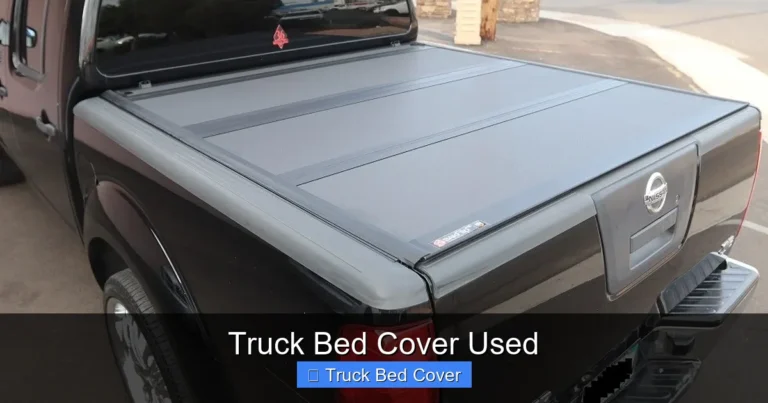
Tri-fold metal covers are among the most common choices. They fold in thirds, allowing access to the front of the bed without removing the entire panel. Made from durable aluminum or steel, these covers offer excellent protection while remaining easy to use.
Ideal for: Daily drivers who need occasional access to their bed.
Pros:
– Easy to open and close
– Compact when folded
– Lightweight compared to full-shell designs
Cons:
– May allow minor water seepage at seams
– Limited space for tall cargo
Full-Size Hard Covers (Toppers)
Also known as “toppers” or “caps,” these are single-piece metal covers that span the entire bed. They sit flush with the tailgate and offer complete enclosure.
Ideal for: Trucks used for heavy hauling or off-roading.
Pros:
– Maximum protection and security
– Sleek, factory-like appearance
– Often include integrated weather seals
Cons:
– Harder to access the bed once installed
– Can be difficult to remove if damaged
Ladder Rack Compatible Designs
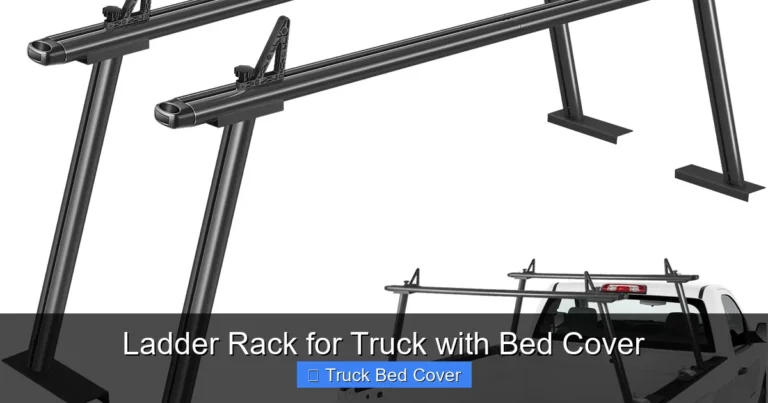
Some metal covers are engineered to work with aftermarket ladder racks or toolboxes. These models feature reinforced mounting points and cutouts to maintain compatibility.
Ideal for: Contractors who rely on roof-mounted gear.
Tips:
– Always verify compatibility before purchasing
– Look for models with adjustable mounting brackets
Retractable Metal Covers
These slide open like a garage door, allowing full-width access without lifting. Made from interlocking aluminum slats, they offer both convenience and durability.
Ideal for: Long-haul truckers or frequent cargo access.
Pros:
– No lifting required
– Smooth operation with ball bearings
– Full bed access
Cons:
– Higher price point
– More complex installation
Materials Matter: Steel vs. Aluminum
Choosing between steel and aluminum comes down to your priorities. Both metals have strengths, but they serve different needs.
Steel Covers: The Workhorse Option
Steel is heavier and stronger than aluminum, making it ideal for extreme conditions. It’s less prone to warping under heavy loads and can handle repeated impacts without damage.
Best for:
– Heavy-duty trucks
– Off-road use
– High-security needs
Downsides:
– Heavier weight (check axle ratings)
– Requires anti-rust treatment to prevent corrosion
Aluminum Covers: Light and Resistant
Aluminum offers a great balance of strength and lightness. It doesn’t rust like untreated steel and is easier to maneuver during installation.
Best for:
– Everyday use
– Trucks with payload limits
– Coastal or humid environments
Downsides:
– Slightly less rigid than steel
– Can dent under sharp impacts
Pro Tip: Look for powder-coated finishes on both materials to enhance corrosion resistance.
Installation Tips for Your Metal Bed Cover
Getting the job done right ensures your cover performs well and lasts longer. Follow these steps for a smooth installation.
Prepare Your Truck Bed
Start by cleaning the bed thoroughly. Remove dirt, grease, and debris. If your truck has existing tie-downs or accessories, note their locations—you’ll need to reinstall them after the cover goes on.
Gather the Right Tools
You’ll typically need:
– Socket wrench set
– Drill with metal bits
– Level
– Measuring tape
– Safety glasses
Check the manufacturer’s instructions—some covers require drilling, others use bolt-on brackets.
Follow the Manufacturer’s Instructions
Every cover is different. Read the manual carefully before starting. Pay attention to torque specs for bolts and alignment requirements.
Test the Operation
After installation, open and close the cover multiple times to ensure smooth movement. Make sure there’s no binding or misalignment.
Common Mistakes to Avoid:
– Over-tightening bolts (can warp panels)
– Skipping the level check (causes poor sealing)
– Ignoring weather stripping replacement
Maintenance and Care
Even the toughest metal cover needs a little TLC. Regular maintenance keeps it looking good and performing reliably.
Cleaning Basics
Use mild soap and water to wash the surface. Avoid harsh chemicals that can damage the finish. For stubborn grime, a soft-bristle brush works well.
Rust Prevention
Inspect monthly for signs of rust, especially around bolts and seams. Apply touch-up paint or rust-inhibiting spray as needed.
Lubricate Moving Parts
If your cover has hinges or sliding mechanisms, apply silicone-based lubricant annually to prevent sticking.
Winter Care
In snowy climates, remove snow buildup to avoid adding unnecessary weight. Never scrape ice with metal tools—use a plastic scraper instead.
Real-World Use Cases
Let’s look at how different people benefit from metal bed covers.
The Construction Worker
John uses his pickup to transport power tools, ladders, and materials across job sites. He installed a steel tri-fold cover to protect his gear from rain and theft. The extra weight is worth it—his tools stay dry and secure.
The Adventure Enthusiast
Maria drives a crew cab truck for weekend trips. Her retractable aluminum cover lets her access the bed quickly when loading coolers or bikes. She loves how it looks clean and modern.
The Small Business Owner
Carlos runs a landscaping service. His full-size metal topper keeps client invoices and expensive equipment safe from prying eyes. He says it’s paid for itself after two seasons of storm protection.
Cost vs. Value: Is It Worth It?
Metal covers range from $500 to $2,000+, depending on size, material, and features. While this is more than a basic roll-up cover ($100–$300), the long-term benefits justify the investment for many users.
Consider these factors when weighing cost:
– Frequency of use
– Type of cargo transported
– Climate and road conditions
– Frequency of theft attempts
For heavy users or those in harsh environments, metal is almost always the smarter buy.
Final Thoughts: Is a Metal Truck Bed Cover Right for You?
If you demand durability, security, and reliable weather protection, a truck bed cover metal delivers where others fall short. It’s not just about keeping things dry—it’s about peace of mind. Whether you’re hauling tools, camping gear, or valuables, knowing your cargo is locked down tight makes every trip better.
Before buying, assess your truck’s bed capacity, usage patterns, and climate. Match those needs to the right cover style and material. And remember—proper installation and maintenance go a long way toward maximizing value.
With so many quality options available today, choosing a metal cover isn’t just practical—it’s a smart upgrade. Your future self will thank you when that ladder stays safe, your tools stay dry, and your truck looks sharp on the road.
Frequently Asked Questions
What’s the difference between steel and aluminum truck bed covers?
Steel is stronger and more impact-resistant, while aluminum is lighter and naturally corrosion-resistant. Choose based on your weight tolerance and environment.
How do I prevent rust on my metal bed cover?
Regular cleaning, applying rust-inhibiting sprays, and inspecting for chips in the finish help prevent corrosion. Powder-coated models last longest.
Can I add a metal cover to an older truck?
Yes, but ensure the bed frame is sturdy enough. Older trucks may need reinforcement before installing heavy covers.
Are metal bed covers noisy at high speeds?
Modern designs include sound-dampening features. Wind noise is minimal with proper sealing and aerodynamic shaping.
Do I need special tools to install a metal cover?
Basic tools like wrenches, drills, and levels are usually sufficient. Some kits include all necessary hardware and detailed instructions.
Can I use a metal cover if I have a camper shell?
It depends on compatibility. Some metal covers work with shells; others may require removal. Consult the manufacturer or a professional installer.