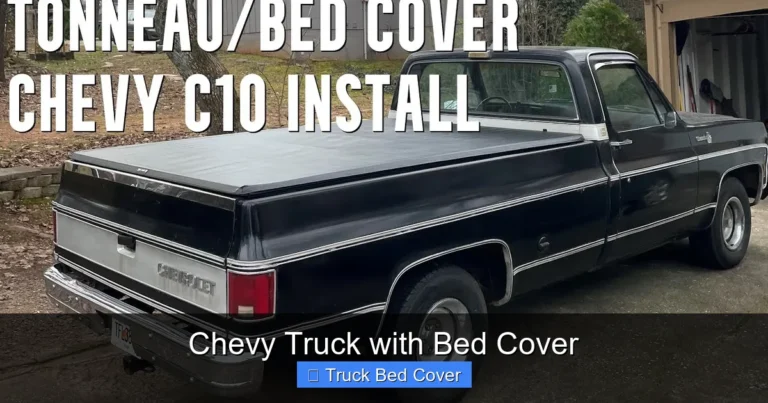
Truck Bed Cover Latches
Truck bed cover latches are essential components that keep your cargo safe and secure. Whether you’re using a tonneau cover, roll-up, or hard fold, the right latch ensures a tight seal against weather and theft. From simple push-button models to advanced locking systems, understanding how these latches work helps you choose the best fit for your truck and lifestyle.
When you load up your truck with tools, gear, or weekend supplies, you want peace of mind knowing everything stays put. That’s where truck bed cover latches come into play. These small but mighty components do the heavy lifting—literally—by securing your tonneau cover, retractable cover, or soft roll-up in place. Without reliable latches, even the most weatherproof cover can fail, leaving your cargo exposed to rain, dust, and worse—prying eyes.
But not all latches are created equal. The type of latch you choose affects how easily you can open and close your cover, how secure it feels, and how well it holds up over time. From simple spring-loaded buttons to heavy-duty locking mechanisms, understanding the nuances of truck bed cover latches empowers you to make smarter choices. In this guide, we’ll walk through everything you need to know—types, installation, maintenance, and upgrades—so your cover stays tight, secure, and functional season after season.
Key Takeaways
- Truck bed cover latches prevent unauthorized access and protect cargo from rain, wind, and debris.
- Common types include side-release, tailgate-mounted, and under-the-rail latches, each suited to different cover styles.
- High-quality latches made from corrosion-resistant materials like stainless steel last longer in harsh conditions.
- Proper alignment during installation is crucial for smooth operation and long-term durability.
- Regular maintenance—like cleaning and lubricating—extends latch life and prevents sticking.
- Upgrading to quick-release or key-locking latches enhances convenience and security.
- Always match the latch type to your specific truck model and bed cover brand for optimal performance.
Quick Answers to Common Questions
What is the difference between side-release and tailgate latches?
Side-release latches mount on the bed rails near the cab and don’t interfere with the tailgate. Tailgate latches attach directly to the gate itself, which can limit tailgate movement but offers a secure hold.
Can I install new latches on an old cover?
Yes, but compatibility matters. Check if your cover uses standard mounting patterns or requires proprietary parts. Mixing brands can affect sealing and warranty coverage.
How often should I lubricate my latches?
Every 2–3 months in normal conditions. In harsh climates (salt, snow), increase frequency to monthly. Use silicone-based lubricant, not oil.
Are locking latches worth the extra cost?
If you store valuable items or park in high-risk areas, yes. Keyed or combo locks add a critical layer of security beyond basic latches.
Do latches affect fuel economy?
Only if the cover sags or creates drag due to poor sealing. Properly installed, well-maintained latches have no measurable impact on mileage.
📑 Table of Contents
Why Are Truck Bed Cover Latches Important?
Your truck bed cover is only as strong as its weakest point—and for most covers, that’s the latch. Think of it this way: even if your cover material is top-tier vinyl or aluminum, if the latch fails, your cargo isn’t safe. A loose or broken latch can let in water during storms, allow someone to pry the cover open, or cause the whole system to sag over time.
Beyond security and weather protection, latches also affect usability. A poorly designed latch might jam when it rains or get stuck after dirt buildup. On the flip side, a well-made latch operates smoothly, locks securely, and resists corrosion. For truck owners who rely on their covers daily—whether for work, recreation, or commuting—this reliability is non-negotiable.
Types of Truck Bed Cover Latches
Not all latches serve the same purpose, and choosing the wrong one can lead to frustration. Here’s a breakdown of the most common types:
Side-Release Latches: These are the most popular choice for soft roll-up and tri-fold covers. Mounted on the driver’s and passenger’s sides near the cab, they use a lever or button mechanism to unlatch the cover from the tailgate. They’re easy to operate one-handed and don’t interfere with the tailgate handle.
Tailgate-Mounted Latches: Found on many hard covers and some soft models, these attach directly to the tailgate. When closed, the latch engages with a bracket on the cover. While effective, they can sometimes interfere with tailgate functionality or require extra care when lowering the gate.
Under-the-Rail Latches: These sit just inside the bed rails, hidden from view but highly durable. Ideal for hard tri-folds and retractables, they offer a clean look and strong hold. However, they may require drilling during installation and aren’t always compatible with older trucks.
Paddle-Handle Latches: Common on newer tonneau covers, these feature a flip-up paddle that releases the cover when pressed. They’re sleek, modern, and user-friendly—especially useful for low-clearance areas like driveways.
Locking Latches: For added security, many manufacturers now include keyed or combination locks. These prevent unauthorized access and are especially valuable in high-theft areas or when storing sensitive equipment.
How to Choose the Right Latch for Your Cover
Selecting the correct latch starts with matching it to your cover type and truck model. A universal latch won’t always fit perfectly, and mismatched parts can lead to poor sealing or premature wear. Here’s what to consider:
Cover Material: Soft covers (like canvas or vinyl) often use side-release or tailgate latches because they flex and need adjustable tension. Hard covers (aluminum or fiberglass) typically pair with under-the-rail or paddle-style latches due to their rigidity.
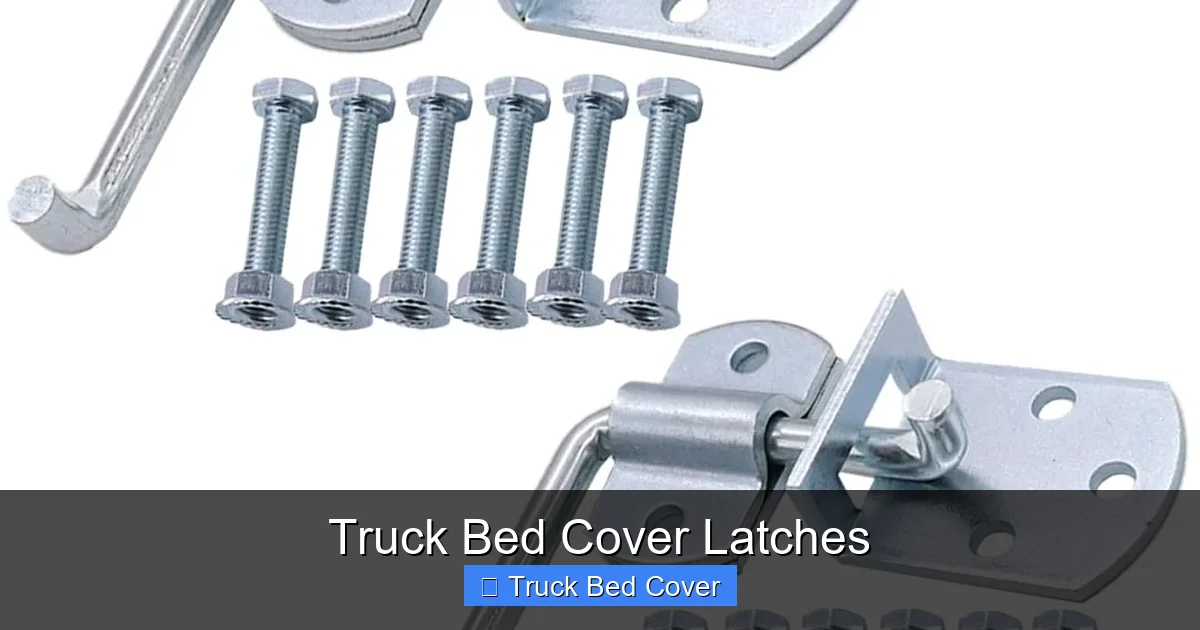
Visual guide about Truck Bed Cover Latches
Image source: m.media-amazon.com
Bed Length: Standard short beds, extended beds, and dual-rear-wheel setups have different latch mounting points. Make sure the latch you buy is rated for your exact configuration.
Climate Conditions: If you live in a humid, salty, or snowy region, opt for stainless steel or powder-coated latches. Plastic or zinc-plated models may corrode faster.
Ease of Use: Consider how often you’ll open and close the cover. Paddle handles and push-button latches are great for quick access, while keyed models add security but require carrying keys.
Brand Compatibility: Some covers come pre-installed with proprietary latches. Trying to mix brands can void warranties or complicate repairs.
For example, if you drive a 2020 Ford F-150 with a soft tri-fold cover, a side-release latch kit from a reputable brand like Tonno Pro or UnderCover would be ideal. Always double-check compatibility before purchasing.
Installation Tips for Smooth Operation
Even the best latch won’t perform well if installed incorrectly. Follow these steps for a professional result:
1. Read the Manual First: Every latch kit includes instructions tailored to your truck and cover. Skipping this step can lead to misalignment or damage.
2. Test Fit Before Drilling: Hold the latch in place without tightening bolts. Make sure it aligns with the cover edge and doesn’t interfere with the tailgate or bed rails.
3. Use the Right Tools: Most kits require a socket wrench, drill, and possibly a hole saw. Avoid using power tools recklessly—precision matters more than speed.
4. Torque Bolts Evenly: Over-tightening can strip threads; under-tightening lets the latch shift. Tighten bolts in a crisscross pattern for even pressure.
5. Check Alignment After Closure: Close the cover completely and verify the latch engages flush. Adjust brackets if needed before finalizing installation.
If you’re unsure about DIY installation, many auto shops or truck accessory specialists offer professional setup. It’s a small investment for peace of mind.
Maintenance and Longevity of Truck Bed Cover Latches
Like any mechanical part, truck bed cover latches need occasional attention to stay functional. Neglect leads to rust, stiffness, or complete failure. Here’s how to keep them in top shape:
Clean Regularly: Dirt, salt, and moisture accumulate quickly, especially in winter. Use a damp cloth to wipe down latches monthly. For stubborn grime, a mixture of soap and water works well.
Lubricate Moving Parts: Apply a silicone-based lubricant (never oil, which attracts dirt) once every few months. Focus on hinges, pivots, and sliding mechanisms.
Inspect for Damage: Look for cracks, bent arms, or signs of corrosion during routine maintenance. Replace worn parts immediately to avoid bigger issues.
Store Smartly: If you remove your cover for winter storage, clean and dry the latches thoroughly before reinstalling next season.
Proper care can extend the life of your latches by years. Think of it like tuning up a car—small efforts prevent costly repairs later.
Upgrading Your Latches: When and Why
You might start with basic latches and later decide to upgrade. That’s totally normal! Upgrades often come from real-world experience: maybe your current latch sticks in cold weather, or you want added security for expensive gear.
Quick-Release Kits: Swap slow-turning knobs for fast-pull levers. Great for frequent users who value speed.
Locking Mechanisms: Add a physical lock to deter theft. Look for models with hardened steel shackles and anti-drill plates.
Weather-Resistant Coatings: Upgrade to marine-grade latches if you live near the coast or deal with heavy rain.
Before upgrading, confirm your cover supports aftermarket latches. Some manufacturers design systems where only original parts work reliably.
Troubleshooting Common Latch Problems
Even with good care, issues pop up. Here’s how to fix the most common problems:
Latch Won’t Open: Often caused by misalignment or dried-out lubricant. Remove the cover, inspect for obstructions, and apply silicone spray.
Cover Sags at the Center: Usually due to weak latch tension or warped brackets. Tighten mounting bolts or replace worn hardware.
Rust Spots Appearing: Indicates exposure to moisture. Clean immediately and reapply protective coating. Replace severely rusted parts.
Latch Feels Loose: May signal stripped screw holes or worn pivot points. Use thread locker or epoxy to reinforce connections.
If problems persist after troubleshooting, consult the manufacturer or a certified technician. Don’t force a malfunctioning latch—it could damage the cover or tailgate.
Top Brands and Recommendations
Not all truck bed cover latches are built the same. Based on durability, ease of use, and customer feedback, here are some standout options:
Tonno Pro: Known for affordable, reliable side-release kits. Perfect for budget-conscious buyers who don’t want to sacrifice quality.
BakFlip: Offers integrated paddle-style latches on their hard covers. Seamless design with excellent sealing.
UnderCover: Combines smooth operation with rugged construction. Their Ultra-Low Profile series includes self-aligning latches.
Leer: High-end option for luxury truck owners. Features precision-machined aluminum latches with lifetime warranties.
When shopping, read recent reviews and check return policies. A latch that looks great online might not fit your rig perfectly.
Frequently Asked Questions
How do I know if my latch is compatible with my truck?
Check your truck’s year, make, model, and bed size. Most latch kits list compatible vehicles on packaging or websites. When in doubt, contact the manufacturer with your VIN.
Can I replace just the latch without replacing the whole cover?
Often yes, but it depends on the cover type. Soft covers usually allow latch swaps, while hard covers may require full replacement due to integrated designs.
What happens if my latch breaks while driving?
The cover may partially detach or blow open, risking damage to cargo and safety hazards. Park safely and secure the cover immediately. Replace the latch as soon as possible.
Are plastic latches okay for everyday use?
They work fine in mild climates and light duty scenarios. But plastic degrades faster than metal, especially in heat or UV exposure. Opt for metal in extreme conditions.
Do aftermarket latches void my cover warranty?
It varies by brand. Some allow limited aftermarket use; others require OEM parts. Always check your warranty terms before installing third-party latches.
How do I prevent my latch from freezing shut in winter?
Apply a thin coat of silicone grease before cold weather sets in. Also, ensure the cover seals tightly so snow can’t melt and refreeze around the latch mechanism.