How Much for a Truck Bed Cover
How much for a truck bed cover depends on the type you choose—basic roll-up covers start around $100, while premium retractable models can cost over $2,000. Your budget, truck model, and needs like security or weather protection will determine the best fit. This guide breaks down costs, features, and tips to help you find value and quality without overspending.
Key Takeaways
- Truck bed cover prices vary widely: From $80 for basic vinyl roll-ups to over $2,000 for high-end retractable systems.
- Type matters most: Flat covers are cheapest and simplest, while soft tri-folds offer mid-range balance, and hard tops provide maximum security.
- Brand reputation affects cost: Trusted names like Tonno Pro, Undercover, and TruXedo charge more but often deliver better materials and warranties.
- Installation costs add up: DIY saves money, but professional installers charge $50–$150 depending on complexity and location.
- Seasonal deals save big: Black Friday, Memorial Day, and end-of-season sales can cut 20–30% off retail prices.
- Warranty length reflects quality: Longer warranties (5+ years) usually mean better build, especially on hard covers.
- Measure your bed carefully: An ill-fitting cover voids warranties and reduces performance—take accurate length, width, and height measurements.
Quick Answers to Common Questions
How much does a basic truck bed cover cost?
Basic roll-up covers typically cost between $80 and $200. These are made of vinyl or polyester with aluminum rails and are ideal for light-duty protection.
Are expensive bed covers worth it?
Yes, if you need maximum security, weather resistance, or long-term durability. High-end retractables offer convenience and resale value, though they come with a higher upfront cost.
Do I need professional installation?
Not always. Simple covers like roll-ups or tri-folds can be installed in under 30 minutes with basic tools. Complex systems like retractables may benefit from a pro.
Can I return a bed cover if it doesn’t fit?
Most reputable sellers offer 30-day return policies. Always check return terms before buying, especially for custom-fit models.
Which brand offers the best warranty?
Retrax and Undercover often provide lifetime or 5-year warranties on hard covers, reflecting their confidence in product quality and longevity.
📑 Table of Contents
- How Much for a Truck Bed Cover?
- Understanding Truck Bed Cover Types and Their Price Ranges
- What Influences the Cost of a Truck Bed Cover?
- Top Brands and Where to Buy for the Best Price
- DIY vs. Professional Installation: How It Affects Total Cost
- Saving Money Without Sacrificing Quality
- Real-World Examples: What People Actually Pay
- Final Thoughts: Is It Worth the Investment?
How Much for a Truck Bed Cover?
You just got a new truck, or maybe you’ve had yours for years—either way, you’re thinking about adding a bed cover. Why? Maybe you want to protect your gear from rain, stop thieves from grabbing tools, or simply give your pickup a cleaner look. But then comes the real question: how much for a truck bed cover?
The short answer? It varies—a lot. You could spend as little as $70 for a basic vinyl tarp-style cover, or nearly $2,500 for a top-of-the-line retractable system with remote control and UV protection. In this guide, we’ll break down every price range, explain what drives the cost, and help you figure out which cover gives you the best bang for your buck. Whether you’re hauling lumber, camping gear, or just want to keep your truck looking sharp, understanding the pricing landscape is key to making a smart decision.
Understanding Truck Bed Cover Types and Their Price Ranges
Before you ask “how much for a truck bed cover,” it helps to know what kinds exist. There are five main types: soft roll-up, folding (tri-fold), retractable, tonneau, and hybrid options. Each has its own price point based on materials, construction, and features. Let’s walk through them in order of affordability.
Soft Roll-Up Covers: The Budget-Friendly Pick
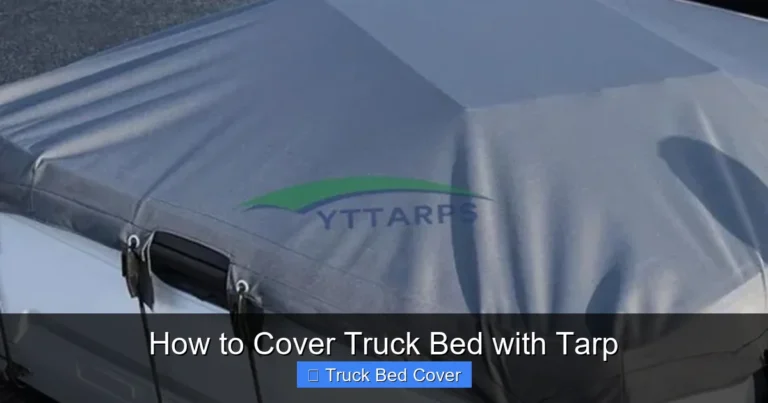
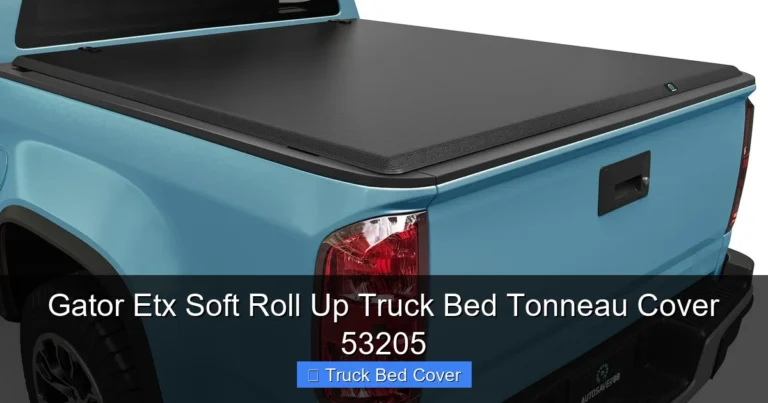
These are the most affordable option—typically priced between $80 and $200. Made of heavy-duty vinyl or polyester with aluminum rails, they roll up toward the cab and secure with latches or straps. They’re lightweight, easy to remove, and great for occasional use.
Example: The BAKFlip Value ($149) is a popular roll-up model known for its durability and simple operation. While not as sleek as higher-end covers, it gets the job done for light-duty protection.
Pros: Inexpensive, quick to install, no drilling required.
Cons: Less secure than hard covers, can flap in wind, may fade over time.
Soft Tri-Fold Covers: Mid-Range Balance
Priced from $200 to $600, tri-fold covers fold into three sections and lay flat over the bed. They’re made of reinforced fabric stretched over an aluminum frame. These offer better security and aerodynamics than roll-ups but aren’t fully enclosed.
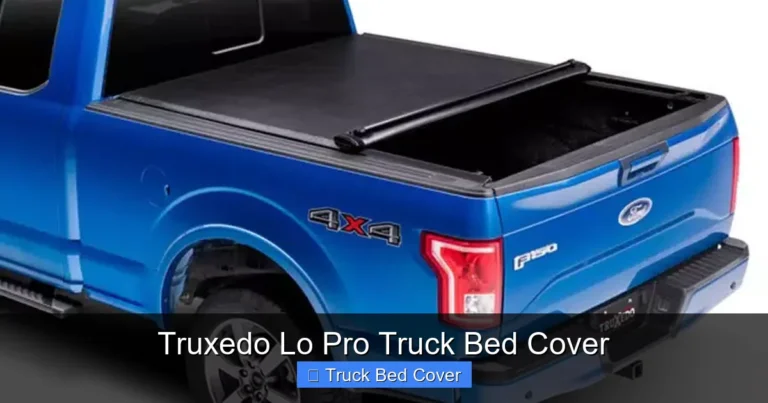
Example: The TruXedo TruXport ($399) uses a low-profile design that sits flush with the bed rails and includes a Velcro seal for added water resistance.
Pros: Good balance of price and protection, easy access, improves fuel economy slightly.
Cons: Fabric can wear over time, edges may trap moisture.
Hard Folding (Panel) Covers: Security Meets Style
Ranging from $600 to $1,500, these use rigid panels (often aluminum or fiberglass) that hinge open. Brands like Extang and Undercover dominate this space. They’re heavier but far more secure and weatherproof.
Example: The Undercover Sealed Series II ($1,299) offers a waterproof seal, flush mounting, and a 3-year warranty—making it a favorite among contractors and weekend warriors alike.
Pros: Excellent theft deterrence, full bed coverage, long lifespan.
Cons: Higher initial cost, bulkier when partially open.
Retractable Hard Covers: Premium Performance
The top-tier option, retractables cost $1,500 to $3,000+. These slide open smoothly along rails, revealing the entire bed. Features often include remote control, lockable mechanisms, and integrated LED lighting.
Example: The Retrax PRO XR ($2,495) includes a wireless key fob, powder-coated aluminum construction, and a lifetime warranty—ideal for those who want luxury-level functionality.
Pros: Full bed access, sleek appearance, superior aerodynamics.
Cons: Expensive, complex installation, higher maintenance.
Tonneau Covers: Custom Fit Specialists
While technically a category, tonneaus span multiple types. Some are soft, others hard. Prices overlap with folding and retractable covers. Custom-fit models (like those from Access or DeFender) can run $800 to $2,000+.
Tip: If you have an older truck model or a rare bed size, custom tonneaus ensure a perfect seal—but expect to pay extra.
What Influences the Cost of a Truck Bed Cover?
So now you know the general price ranges—but why do some covers cost so much more than others? Several factors drive the final price.
Material Quality and Durability
Cheaper covers use thin vinyl or flimsy aluminum frames. Premium ones feature marine-grade fabrics, powder-coated steel, or aerospace-grade composites. For example, a $150 roll-up might tear after one season; a $2,000 retractable can last 10+ years with minimal wear.
Brand Reputation and Warranty
Well-known brands invest in R&D and customer service. That’s why a Tonno Pro cover costs more than a generic knockoff—it includes a 3-year warranty vs. a 6-month guarantee. A longer warranty often signals confidence in product longevity.
Installation Complexity
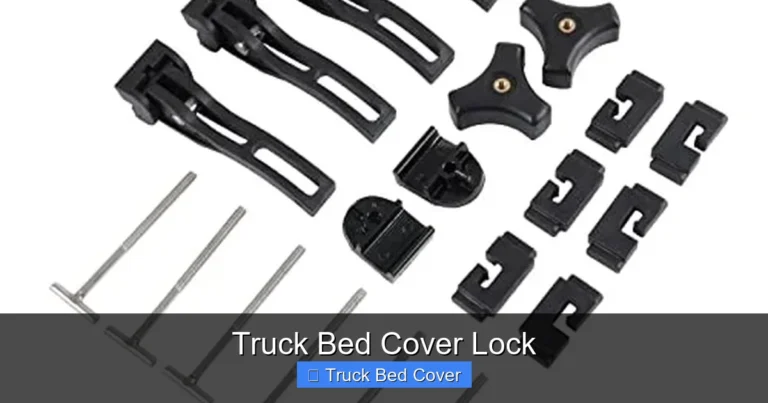
Simpler designs (like roll-ups) take 15–30 minutes to install. Retractables require precise rail alignment and electrical hookups—adding hours (and possibly $100+ in labor). Some kits include everything; others need custom brackets.
Additional Features
Remote controls, LED lights, built-in locks, and integrated toolboxes all boost price. Consider whether these justify the cost. For most drivers, core functions (weatherproofing, security) matter more than extras.
Market Demand and Availability
Rare truck models or limited-edition covers command premiums. Seasonal demand also plays a role—spring/summer sees spikes in purchases, pushing prices up slightly.
Top Brands and Where to Buy for the Best Price
Not all retailers are created equal. Here’s where to shop and what to expect:
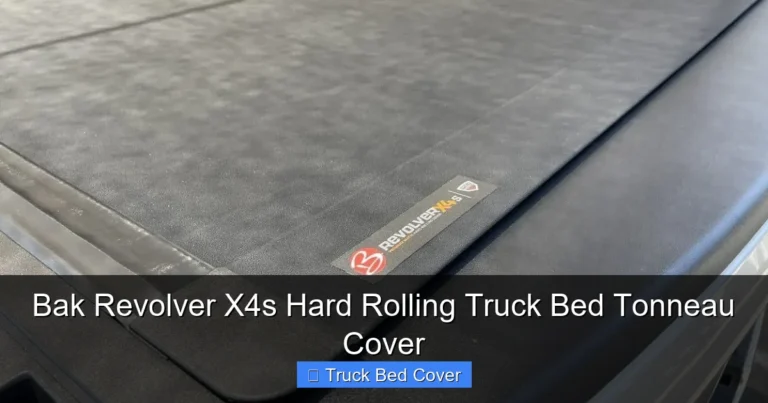
- Amazon: Great for comparing specs and reading reviews. Often carries mid-priced models like the BAK Revolver ($1,099). Free shipping helps offset shipping costs.
- Auto Parts Stores (O’Reilly, AutoZone): Good for local pickup and expert advice. May offer installation services.
- Manufacturer Websites: Direct purchase avoids markups. Check for seasonal promotions (e.g., 10% off in April).
- Dealerships: Usually overpriced but include factory warranties. Only worth considering if your truck is brand-new.
Pro Tip: Sign up for newsletters from brands like Undercover or TruXedo—they frequently send exclusive discounts to subscribers.
DIY vs. Professional Installation: How It Affects Total Cost
One hidden expense is installation. Most covers claim “no-drill” installation, but reality varies.
DIY Installation Saves Money
If your cover comes with clear instructions and basic tools, you can install it yourself in under an hour. This saves $50–$150 compared to hiring a pro. Just watch YouTube tutorials specific to your truck make/model/year!
When to Hire a Pro
Complex systems like retractables or custom-fit tonneaus benefit from professional setup. Misaligned rails cause leaks or jamming. Also, if your truck has spray-in bedliners or camper shells, extra modifications may be needed—best left to experts.
Estimated Labor Costs:
- Roll-up: $50–$80
- Tri-fold: $80–$120
- Retractable: $120–$200
Saving Money Without Sacrificing Quality
You don’t have to spend $2,000 to get a good cover. Try these strategies:
- Wait for Sales: Memorial Day, Black Friday, and Labor Day bring 15–30% off.
- Buy Refurbished: Some manufacturers sell returned items at 20–40% discount with full warranties.
- Compare Models Across Trucks: Your neighbor’s Ford F-150 cover won’t fit your Chevy Silverado—measure yours first.
- Read Reviews: A $400 cover with 4.8/5 stars beats a $300 one with complaints about tearing.
Real-World Examples: What People Actually Pay
Let’s look at actual purchase scenarios:
- John, DIY Enthusiast: Installed a $179 SoftRoll cover himself in 20 minutes. Saved $70 in labor. Complains about flapping in strong winds but loves the price.
- Maria, Small Business Owner: Paid $1,199 for an Undercover Elite on her Toyota Tacoma. Had it professionally installed ($110). Says it pays for itself by protecting expensive equipment.
- Tom, Retractable Fan: Spent $2,295 on a Retrax HD with remote. Notes it’s pricey upfront but feels worth it for daily convenience and resale value.
Final Thoughts: Is It Worth the Investment?
Absolutely—if you value your cargo, your truck’s appearance, or both. A quality bed cover protects against rain, snow, sun damage, and opportunistic thieves. Even a modest $200 tri-fold adds resale value and improves aerodynamics, saving gas over time.
But remember: the cheapest cover isn’t always the best deal. Invest in something durable that fits well and backs it with a solid warranty. And if you’re unsure, start with a mid-range soft tri-fold—it’s a sweet spot between cost and capability.
Now you know how much for a truck bed cover—and more importantly, how to pick the right one within your budget. Happy covering!
Frequently Asked Questions
What’s the average price for a truck bed cover?
The average price ranges from $200 to $800, depending on type and features. Soft tri-folds and entry-level hard covers fall in this range and offer solid value.
Do bed covers improve gas mileage?
Yes, especially hard covers that create a sealed, aerodynamic shape over the bed. Studies show gains of 5–10% in fuel efficiency for trucks with proper covers.
Will a bed cover void my truck’s warranty?
No, as long as installation doesn’t damage the truck. The Magnuson-Moss Act protects your rights to modify vehicles without voiding factory warranties.
Can I install a bed cover myself?
Yes, most modern covers are designed for DIY installation. Follow the manual closely, and watch tutorial videos for your specific truck model.
Are hard or soft covers better for cold weather?
Hard covers generally perform better in extreme cold because they resist cracking and retain heat better than fabric, which can stiffen and tear in freezing temps.
How long do truck bed covers last?
Soft covers last 2–5 years; hard covers can exceed 10 years with proper care. Warranties often reflect expected lifespan—check terms before buying.