Full Size Truck Bed Cover
A full size truck bed cover is more than just a tarp—it’s your truck’s frontline defense against weather, theft, and wear. From enhancing security to boosting fuel efficiency, these covers offer unmatched protection and style for daily drivers and heavy haulers alike. Whether you’re carrying tools, gear, or cargo, the right cover keeps everything safe, dry, and secure.
Key Takeaways
- Full size truck bed covers protect cargo from rain, snow, sun, and dirt.
- They improve aerodynamics, helping increase gas mileage by up to 10%.
- Security is enhanced—covers deter thieves and prevent unauthorized access.
- Available in roll-up, folding, retractable, and hard-top styles for different needs.
- Easy installation and maintenance make them a smart long-term investment.
- Custom-fit options ensure compatibility with your truck model and bed size.
- Popular brands like TruXedo, UnderCover, and Extang offer reliable, high-quality options.
Quick Answers to Common Questions
What size truck bed cover do I need?
Measure your truck bed length and width carefully. Most full size covers fit standard beds (6.5′, 8′), but confirm compatibility with your specific make and model year. Always choose a custom-fit cover for optimal performance.
Can a bed cover improve my gas mileage?
Yes! Aerodynamic designs reduce wind drag, improving fuel efficiency by 5–10%. Retractables and low-profile hard covers create a smoother airflow over the truck bed, especially at highway speeds.
Are bed covers secure against theft?
Absolutely. Quality covers include locking mechanisms, reinforced hardware, and full-bed enclosures that deter casual thieves. Hard covers with sealed edges make it nearly impossible to access the bed without damaging the cover.
How long does installation take?
Most roll-up and retractable covers install in under 2 hours with basic tools. Folding and luxury hard covers may take 3–4 hours due to additional components. Professional installation is available but rarely needed.
Will a bed cover void my truck’s warranty?
No—installing a third-party bed cover doesn’t void most manufacturer warranties. Just avoid drilling holes in critical areas and follow installation guidelines. Always inform your dealer if warranty claims involve covered parts.
📑 Table of Contents
- Why Every Truck Owner Needs a Full Size Truck Bed Cover
- Types of Full Size Truck Bed Covers
- Materials Matter: What Your Cover Is Made Of
- Installation Tips for Full Size Truck Bed Covers
- Maintenance and Longevity of Your Truck Bed Cover
- Top Brands and Models to Consider
- Cost vs. Value: Is It Worth Buying a Full Size Truck Bed Cover?
Why Every Truck Owner Needs a Full Size Truck Bed Cover
If you’ve ever unloaded groceries into a sudden downpour or found mud splattered across your work clothes after driving through a dusty construction site, you know how unpredictable the elements can be. A full size truck bed cover isn’t just a luxury—it’s a practical necessity for anyone who uses their truck for work, play, or daily errands. These covers do far more than hide your cargo; they safeguard it from moisture, reduce wind resistance, and even add a sleek, polished look to your vehicle.
Imagine this: You’re heading out on a weekend camping trip loaded with gear, only to discover that your cooler has been soaked from a light drizzle during the drive. Or picture returning from a job site to find your tools buried under layers of dirt and leaves. These aren’t just minor inconveniences—they’re costly and frustrating. A high-quality full size truck bed cover prevents exactly those problems. It creates a sealed environment that keeps contents dry, clean, and secure.
Beyond protection, many truck owners don’t realize how much a good bed cover can improve performance. By smoothing airflow over the bed, certain designs reduce drag, which means better gas mileage. Some models even allow you to carry taller items without fully opening the tailgate. That’s not just convenience—it’s real-world savings at the pump.
Whether you drive a Ford F-150, Chevy Silverado, Ram 1500, or Toyota Tacoma, there’s a full size truck bed cover designed specifically for your model. With so many options available, choosing the right one comes down to understanding your needs: Are you looking for maximum security? Better fuel economy? Or maybe just a cleaner, more professional appearance?
In this guide, we’ll walk through everything you need to know about full size truck bed covers—from types and materials to installation tips and brand comparisons. By the end, you’ll feel confident picking the perfect cover to match your lifestyle and driving habits.
Types of Full Size Truck Bed Covers
Not all truck bed covers are created equal. The market offers several styles, each with unique features suited to different use cases. Understanding the differences helps you pick the best option for your truck and needs.
Roll-Up Covers
Roll-up covers are among the most popular choices due to their simplicity and affordability. Made from durable vinyl or canvas, these covers roll sideways along a track system mounted inside the bed rails. When you need access, you simply unlatch the cab section and pull the cover back. It stays neatly stored behind the cab, out of the way but always ready.
Visual guide about Full Size Truck Bed Cover
Image source: images-na.ssl-images-amazon.com
These covers are ideal for everyday use—great for farmers, contractors, and outdoor enthusiasts. They’re easy to install (usually within an hour), require minimal maintenance, and provide solid protection against rain and sun exposure. Most roll-up models also include a locking mechanism for added security.
Folding Hard Covers
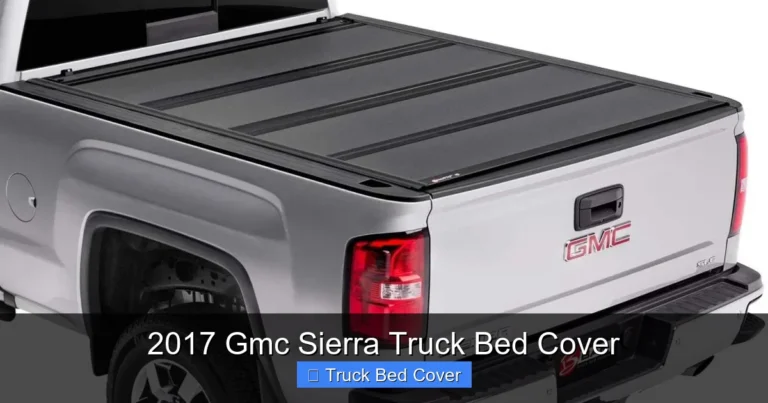
As the name suggests, folding hard covers consist of multiple panels that fold up like a book. Each section latches securely when closed, creating a rigid, weatherproof seal over the entire bed. These are typically made from aluminum or fiberglass-reinforced plastic.
They offer superior strength and durability compared to soft covers. Because they’re fully enclosed, they provide excellent theft deterrence and keep debris out completely. However, folding covers can be heavier and slightly more expensive. They’re a favorite among truck owners who prioritize security and low maintenance.
Retractable Soft Covers
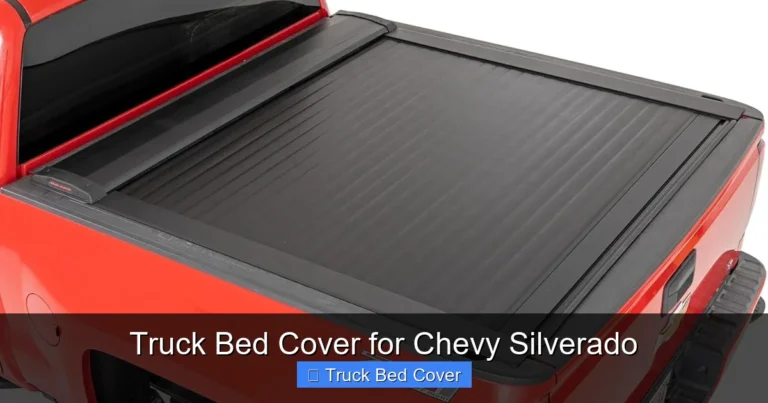
Also known as retractable tonneau covers, these feature a single-piece design that rolls forward and stores in a compact canister at the front of the bed. They glide smoothly along side tracks and lock at any point, giving you partial or full access as needed.
Retractables combine the ease of roll-ups with a cleaner, more streamlined look. They’re lighter than folding covers and often more aerodynamic, contributing to improved fuel economy. Brands like TruXedo and BAK Industries lead the pack in this category with reliable mechanisms and long-lasting materials.
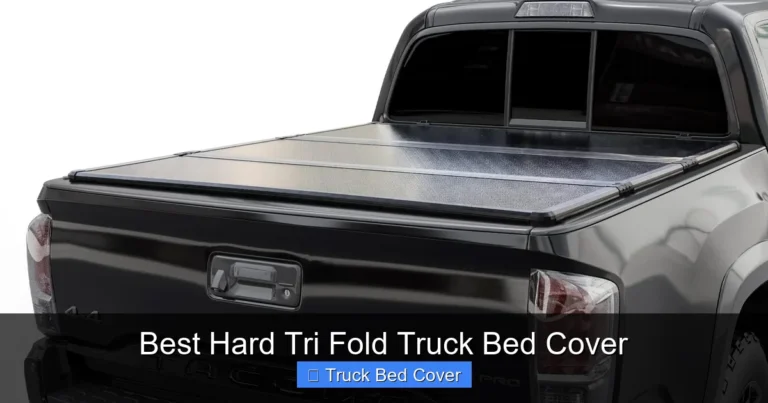
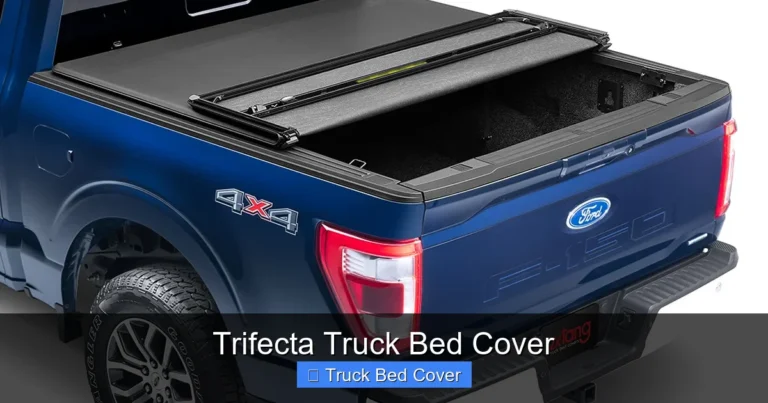
Hard Tri-Fold Covers
These are a hybrid between folding and retractable designs. Instead of rolling, they use three hinged sections that fold together in thirds. One panel sits at the front of the bed when folded, while the other two stack behind it.
Tri-folds offer quick access and decent strength, making them a middle-ground option. They’re easier to remove than full folding covers but not quite as sleek as retractables. Many truck owners appreciate their balance of functionality and cost-effectiveness.
Luxury Hard-Top Options
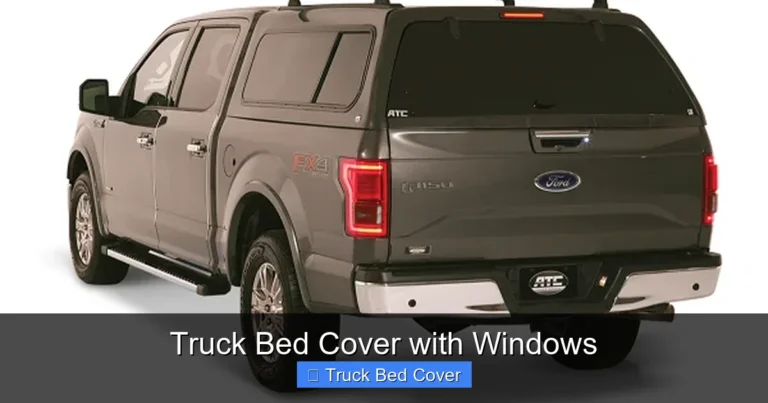
For those seeking premium protection and aesthetics, full-size hard-top truck bed covers are the ultimate solution. These are essentially mini-roofs that completely enclose the bed, often with windows and removable panels.
Made from materials like fiberglass or reinforced composite, they provide maximum security, weather resistance, and visual appeal. While significantly more expensive, luxury tops are perfect for show trucks or vehicles used in harsh environments where every advantage counts.
Materials Matter: What Your Cover Is Made Of
The material of your full size truck bed cover directly affects its durability, weight, price, and performance. Let’s break down the most common options:
Vinyl and Canvas Fabrics
Soft covers—roll-ups, retractables, and tri-folds—are usually constructed from marine-grade vinyl or heavy-duty canvas. Vinyl is water-resistant, UV-treated, and tear-resistant. Canvas adds extra breathability and a classic look but may require occasional re-treatment to maintain water resistance.
Both materials are lightweight and flexible, making them easy to operate. Modern versions include double-ply designs with inner liners for added strength and quieter operation. Look for reinforced edges and rust-proof hardware to maximize lifespan.
Aluminum and Fiberglass
Hard covers rely on rigid materials like aluminum or fiberglass composites. Aluminum is lightweight yet strong, resistant to corrosion, and easy to repair if dented. Fiberglass is even lighter and offers excellent insulation properties, though it can be more prone to cracking under extreme impact.
Many high-end models use a combination: aluminum frames with fiberglass panels. This hybrid approach delivers optimal strength-to-weight ratios and maintains structural integrity in varying temperatures.
Polycarbonate and Acrylic Panels
Some premium covers incorporate transparent or semi-transparent panels made from polycarbonate or acrylic. These allow natural light into the bed while maintaining protection. They’re shatter-resistant and UV-stable, making them great for enclosed utility beds or trucks used for transporting sensitive equipment.
Note that clear panels may scratch more easily than opaque ones, so consider using protective films or opting for textured finishes if visibility is important.
Installation Tips for Full Size Truck Bed Covers
Installing a full size truck bed cover yourself saves money and builds confidence in your new purchase. While most modern designs are user-friendly, a few smart tips ensure success:
Gather the Right Tools
Before starting, collect a drill, socket wrench set, screwdrivers, measuring tape, and a level. Some kits include all necessary hardware, but having extra bolts and washers on hand never hurts. Read the manufacturer’s instructions carefully—each brand may have slight variations in mounting procedures.
Clean the Bed Thoroughly
Dirt, oil, or rust spots compromise adhesion and alignment. Wash the bed rails and surface with soap and water, then dry completely. For stubborn residue, use a mild degreaser. A clean surface ensures proper fit and prevents future issues like misalignment or premature wear.
Check Bed Alignment First
Use a level to confirm the truck bed is perfectly horizontal. Uneven beds cause covers to sag or bind. If your truck has worn-out springs or suspension, consider having it inspected before installation. A properly aligned bed makes operation smoother and extends cover life.
Follow Step-by-Step Instructions
Even experienced DIYers skip steps. Take your time with each phase: attaching side rails, installing the cover assembly, securing mounting brackets, and testing movement. Double-check torque specs on bolts—over-tightening damages threads, under-tightening leads to rattling.
Test Operation Before Finalizing
Once partially installed, run the cover open and closed several times to check for binding or uneven tension. Adjust brackets as needed. Only fully tighten all screws once you’re satisfied with smooth operation. This final adjustment phase prevents headaches later.
Pro tip: Have a friend help hold components in place during assembly. Two sets of hands make alignment easier and reduce the chance of dropping hardware into the bed.
Maintenance and Longevity of Your Truck Bed Cover
Like any automotive accessory, a full size truck bed cover requires routine care to perform well over time. Proper maintenance preserves appearance, functionality, and resale value.
Weekly Checks
After heavy rain or off-road use, inspect the cover for debris buildup, loose fasteners, or signs of wear. Clear leaves, mud, or sand from the tracks or rollers. Even small obstructions cause friction and accelerate component degradation.
Monthly Cleaning
Wash the cover with mild soap and water using a soft cloth or sponge. Avoid harsh chemicals that strip protective coatings. For canvas covers, apply a fabric conditioner or waterproofing spray as recommended by the manufacturer—typically every 6–12 months.
Seasonal Inspections
In winter, check for ice buildup or frozen seals that might crack vinyl. In summer, watch for UV damage like fading or brittleness. Lubricate moving parts (if applicable) with silicone-based spray to prevent stiffness in cold weather.
Storage Considerations
If you remove the cover seasonally (common in mild climates), store it in a cool, dry place away from direct sunlight. Never leave it stretched taut on the bed for extended periods—this causes stress and warping. Use original packaging or breathable covers to prevent dust accumulation.
Most reputable manufacturers offer 1–3 year warranties covering defects and material flaws. Keep your receipt and registration handy to take advantage of coverage. Regular care ensures your cover lasts longer than the warranty period.
Top Brands and Models to Consider
With so many options on the market, narrowing down brands can be overwhelming. Based on customer reviews, durability ratings, and expert recommendations, here are some standout choices for full size truck bed covers:
TruXedo TruXport Roll-Up Cover
This affordable yet reliable roll-up cover uses a low-profile design that sits just below the bed rails. It’s made from tough, UV-resistant vinyl and includes a built-in tensioner to keep it tight in windy conditions. Easy to install and remove, it’s a favorite among budget-conscious buyers who don’t want to sacrifice quality.
BAKFlip MX4 Folding Cover
Known for its rugged aluminum construction and seamless design, the BAKFlip MX4 offers four-layer protection against scratches and impacts. Its dual-buckle locking system secures each panel individually, providing excellent security. Though pricier, it’s praised for lasting years with minimal maintenance.
UnderCover Elite Series
The UnderCover Elite combines soft and hard cover advantages with a sleek, low-profile look. It’s made from premium vinyl over a fiberglass-reinforced polymer base. The one-piece design rolls smoothly and locks securely at any position, making it versatile for both partial and full access.
Deuce by DiamondBack
A newer entrant, Deuce offers a tri-fold design with a unique “two-panel” layout. One large center panel folds forward, leaving the rear panel stationary for easy access to the tailgate. Lightweight yet strong, it’s gaining popularity for its innovative approach and competitive pricing.
When comparing brands, consider local climate, typical cargo type, and frequency of use. A contractor hauling tools daily may prioritize security and durability, while a weekend warrior might prefer convenience and style.
Cost vs. Value: Is It Worth Buying a Full Size Truck Bed Cover?
At first glance, a full size truck bed cover seems like an unnecessary expense. But when you factor in long-term benefits, the answer is almost always yes.
Let’s do a quick cost comparison. A mid-range roll-up cover costs $200–$400. Compare that to replacing a damaged tool chest ($500+), repairing rusted bed rails ($300–$800), or buying waterproof storage containers ($100 per unit). Over five years, the cover pays for itself multiple times through prevented losses and reduced wear.
Beyond financials, consider intangible benefits: peace of mind knowing your belongings stay dry, less time cleaning your truck bed, improved curb appeal, and better gas mileage. Studies show aerodynamic covers can boost fuel economy by up to 10%, saving hundreds annually on fuel costs.
For fleet owners, bed covers protect company assets and reduce insurance premiums in some cases. For homeowners, they keep garden supplies, sports equipment, or emergency kits safe from theft and weather.
Ultimately, the value isn’t just in what you save—it’s in what you gain: reliability, security, and pride in your vehicle.
Frequently Asked Questions
Do I need a full size truck bed cover if I already have a tonneau cover?
Most standard tonneau covers are smaller or designed for compact beds. A full size cover ensures complete protection for larger loads and provides better aerodynamics. Upgrading gives you maximum security and weather resistance.
Can I wash my truck with the bed cover on?
Yes, but use gentle pressure and avoid high-powered hoses near seals and hinges. Always dry thoroughly afterward to prevent moisture trapping. Some covers come with water-repellent coatings that simplify cleaning.
What’s the difference between a soft and hard bed cover?
Soft covers use flexible materials like vinyl or canvas and roll or fold. Hard covers use rigid panels of aluminum, fiberglass, or composite. Hard covers offer better security and weather sealing, while soft covers are lighter and easier to operate.
Will a bed cover affect my truck’s resale value?
Yes—especially if professionally installed and well-maintained. Buyers see a cover as a valuable upgrade that protects the truck bed from wear and tear, potentially increasing resale value by 5–10%.
Can I install a bed cover myself?
Absolutely. Most modern covers include detailed instructions and require only basic tools. Installation takes 1–4 hours depending on complexity. Watch online tutorials for brand-specific guidance.
Are bed covers legal in all states?
Generally yes. All state laws permit bed covers as long as they don’t obstruct license plates, taillights, or safety features. Always verify local regulations, especially regarding cover opacity and tailgate operation.