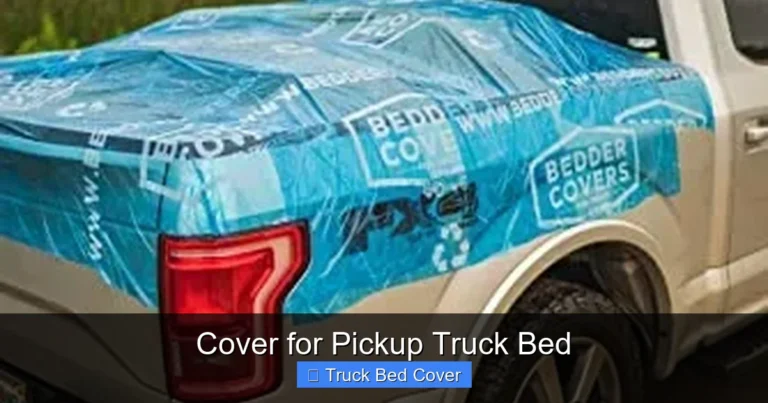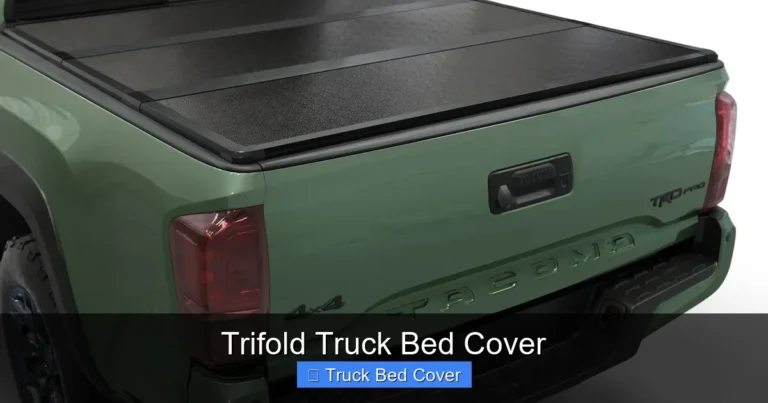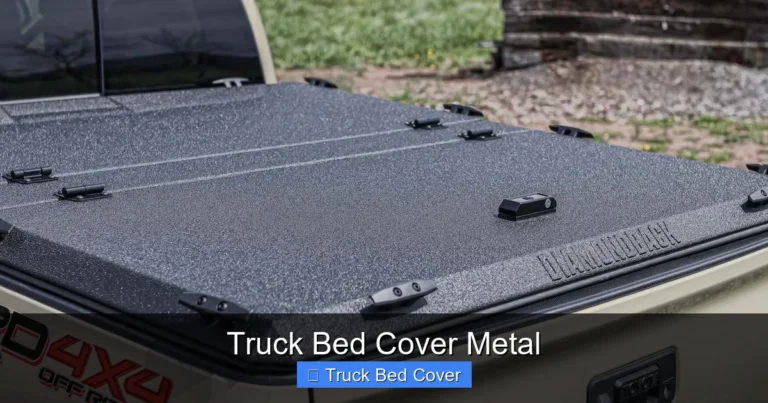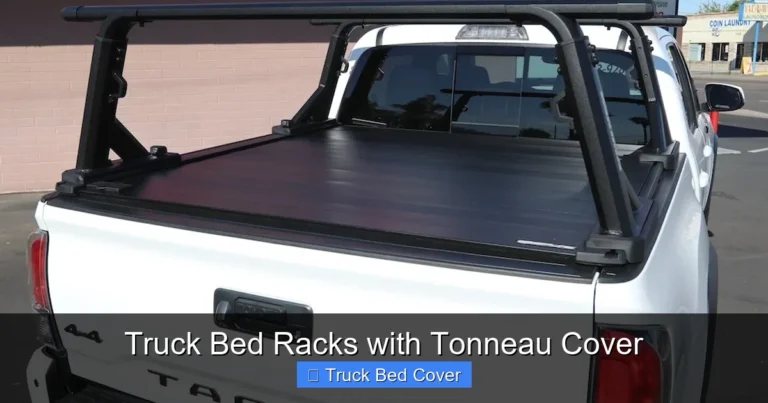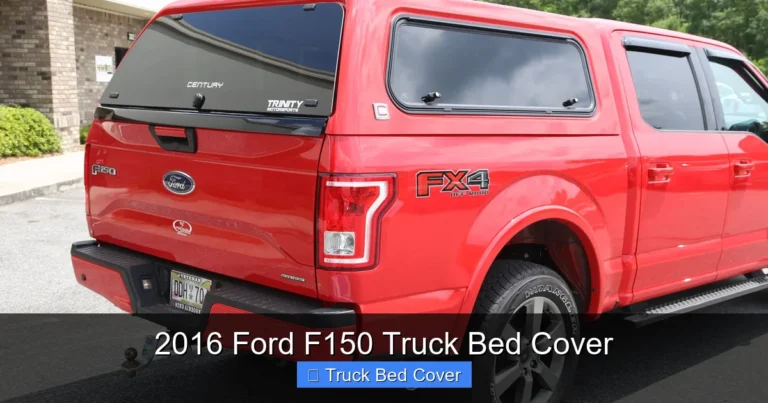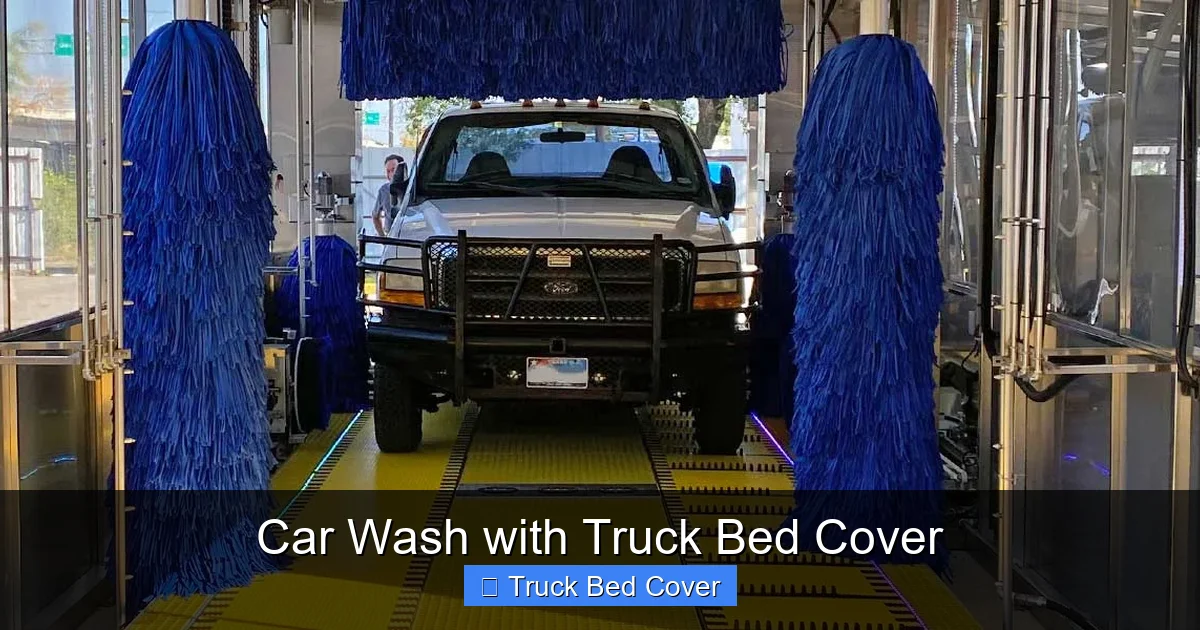
Car Wash with Truck Bed Cover
Car washes can be tricky when you have a truck bed cover, but with the right approach, you can keep your truck looking great without risking damage. This guide walks you through safety tips, best practices, and tools to help you navigate any car wash confidently—whether it’s an automatic tunnel or a self-serve bay.
If you’re like most truck owners, you’ve probably wondered: “Can I really take my truck through a car wash with the bed cover still on?” The short answer? Yes—but only if you do it right. A truck bed cover isn’t just a stylish addition; it’s also a protective barrier for your cargo, weather, and even your truck bed’s finish. But when it comes to cleaning, many drivers hesitate, fearing damage from high-pressure jets or harsh detergents.
In this complete guide, we’ll walk you through everything you need to know about car wash with truck bed cover safely and effectively. From choosing the right type of wash to prepping your rig and protecting your investment, we’ve got you covered—literally.
Let’s dive in.
Key Takeaways
- Know Your Cover Type: Different truck bed covers (hard, soft, retractable) require different care. Always check manufacturer guidelines before washing.
- Choose the Right Car Wash: Not all car washes are created equal. Look for ones that allow undercarriage rinses and offer touchless options if possible.
- Prep Before You Go: Remove loose items, secure the cover, and use a protective spray to shield against chemicals and abrasion.
- Use the Right Supplies: Soft microfiber towels, non-acidic soap, and silicone-based protectants extend the life of your cover.
- Post-Wash Care Matters: Dry thoroughly and inspect for debris or moisture buildup that could lead to mold or mildew.
- Consider Professional Detailing: For deep cleaning or stubborn stains, a pro with experience in bed covers is worth the investment.
Quick Answers to Common Questions
Can I use a pressure washer on my truck bed cover?
Yes, but only on a low setting (under 1,500 PSI) and with a wide-angle nozzle. Aim perpendicular to the surface and avoid concentrated streams near seams or zippers.
Will automatic car washes damage my soft bed cover?
It depends. Touchless washes are safer than brushed ones. If your cover is old or has weak stitching, consider hand washing or using a soft-bristle brush attachment if available.
How often should I wash my truck with a bed cover?
Every 2–4 weeks in normal conditions, or more frequently in muddy, salty, or dusty environments. Regular cleaning prevents buildup that’s harder to remove later.
What’s the best soap for truck bed covers?
Use a pH-neutral automotive soap like CarPro Iron X or Meguiar’s Gold Class. Avoid dish detergents or bleach—they strip protective layers.
Should I remove the cover before washing?
Only if instructed by the manufacturer or if it’s visibly damaged. Most modern covers are wash-safe, but always secure it first. Removing it isn’t usually necessary unless specified.
📑 Table of Contents
- Understanding Truck Bed Covers: Types and Materials
- Choosing the Right Car Wash for Your Covered Truck
- Preparing Your Truck Before Washing
- Safe Washing Techniques for Covered Trucks
- Post-Wash Maintenance Tips
- When to Skip the Car Wash: DIY Alternatives
- Common Mistakes to Avoid
- Investing in Quality: Best Products for Cover Protection
- The Bottom Line: Is It Worth It?
Understanding Truck Bed Covers: Types and Materials
Before you roll into a car wash, it’s important to understand what kind of bed cover you have. There are three main types:
Soft Folding Covers
These are made from vinyl or canvas and fold up over the truck bed. They’re lightweight, affordable, and easy to install—but they can be more susceptible to dirt buildup and UV damage over time.
Hard Tri-Fold or Retractable Covers
Made from durable materials like fiberglass, aluminum, or ABS plastic, these offers superior protection and security. Because they’re sturdier, they’re generally more resistant to water pressure—but still require careful handling during washing.
Retractable Hard Covers
Popular among daily drivers, these slide open smoothly and lock securely. They offer the best of both worlds: durability and convenience. However, their moving parts may trap water or debris if not cleaned properly.
Each material reacts differently to water, soap, and scrubbing. Vinyl soft covers, for example, can crack if exposed to extreme temperatures or acidic cleaners. Hard covers may scratch if abrasive tools are used. That’s why knowing your cover type is step one in protecting it during a car wash.
Choosing the Right Car Wash for Your Covered Truck

Visual guide about Car Wash with Truck Bed Cover
Image source: images.template.net
Not every car wash is suitable for trucks with bed covers. Here’s how to pick the safest option:
Touchless vs. Brushed Washes
Touchless tunnels use high-pressure water jets and foam systems without brushes. This minimizes physical contact, reducing the risk of scratching or dislodging a soft cover. If your cover is delicate, this is often the safest choice.
Brushed washes, on the other hand, use rotating brushes that scrub the vehicle. While effective for paint and grime, the brushes can snag on loose edges or cause wear over time—especially with folding or retractable covers.
Look for Undercarriage Rinses
Many modern car washes now include undercarriage rinses as part of their service. These spray down the underside of your truck, helping remove salt, mud, and road grime. For covered trucks, this is particularly helpful because it reduces the chance of contaminants being pushed into the bed or onto the cover itself.
Self-Serve vs. Full-Service
Self-serve bays give you control over pressure, detergent, and timing. You can adjust the wand height and avoid sensitive areas. Full-service washes do the work for you—but you lose some control. If you’re unsure, start with a self-serve station where you can monitor the process.
Pro tip: Call ahead or check online reviews. Some car wash chains explicitly state whether they allow bed covers or have special settings for taller vehicles.
Preparing Your Truck Before Washing
Even the gentlest car wash can introduce stress to your truck bed cover if it’s not prepped properly. Follow these steps before hitting the wash:
Remove Loose Items
Take out any tools, equipment, or accessories from the bed. These can shift during the wash, causing scratches or damage to the cover or truck bed.
Secure the Cover
Make sure the cover is fully latched or locked in place. For folding covers, ensure it’s folded neatly and not dragging. For retractables, confirm it’s fully extended and secured.
Pre-Rinse the Cover
Use a garden hose or pressure washer on low setting to blast off surface dirt from the top of the cover. This prevents grinding grit into the material during the wash.
Apply a Protective Spray
Consider using a UV-protectant spray designed for automotive covers. These create a barrier against sun damage and make cleanup easier by repelling dirt and water.
Check for Damage First
Inspect the cover for cracks, tears, or worn seals. Repair small issues before washing—doing so later can lead to bigger problems.
Taking 10–15 minutes to prep properly can save you hours of frustration and hundreds in repair costs.
Safe Washing Techniques for Covered Trucks
Once you’re at the car wash, follow these best practices to protect your investment:
Use Low Pressure on Sensitive Areas
Avoid aiming high-pressure nozzles directly at seams, zippers, or moving parts of retractable covers. These areas are more vulnerable to damage.
Wash from Front to Back
Start at the front bumper and move toward the tailgate. This helps push debris forward and away from the cover.
Skip the Brush if Possible
If using a self-serve bay, opt for the foam cannon or rinse-only setting instead of the brush attachment. Let the water do the work.
Allow Extra Time for Drying
After the wash, let your truck air-dry completely—especially under the cover. Use a microfiber towel to wipe down any damp spots.
Avoid Harsh Chemicals
Stick to pH-neutral car shampoos. Avoid wax-based products or cleaners with ammonia—they can degrade vinyl or sealants over time.
Remember: patience pays off. Rushing through the wash increases the chance of accidental damage.
Post-Wash Maintenance Tips
Your job isn’t done once the truck is clean. Proper aftercare ensures longevity:
Dry Thoroughly
Moisture trapped under a cover can lead to mold, mildew, or rust inside the truck bed. After washing, park in a sunny spot or use a dry towel to blot excess water.
Inspect for Residue
Check for soap streaks, mineral deposits, or hard water spots. These can dull the cover’s appearance and attract more dirt.
Reapply Protectant
Every few months, reapply a silicone-based protectant to maintain flexibility and prevent cracking.
Clean the Seals and Latches
Use a soft brush and soapy water to clean around seals and latches. This keeps them functioning smoothly and prevents water ingress.
Store Properly When Not in Use
If your cover isn’t full-time, store it according to the manual’s instructions—usually rolled loosely in a dry place to avoid creasing.
Consistent maintenance turns a good cover into a long-lasting one.
When to Skip the Car Wash: DIY Alternatives
Sometimes, going through a full car wash isn’t necessary—or safe. In those cases, consider these alternatives:
Hand Washing with Care
Use a bucket, microfiber mitt, and gentle soap. Work in sections and rinse frequently. This gives you total control and avoids pressure damage.
Spot Cleaning
For light dirt or spills, a damp cloth and mild cleaner may be enough. Just don’t over-wet the cover.
Steam Cleaning
For tough grime, steam cleaners emit hot vapor without chemicals. They’re excellent for sanitizing and loosening dirt without abrasion.
For tough grime, steam cleaners emit hot vapor without chemicals. They’re excellent for sanitizing and loosening dirt without abrasion.
DIY methods work well for light to moderate dirt. But for heavy buildup or regular maintenance, a professional car wash remains the most efficient option.
Common Mistakes to Avoid
Even experienced truck owners make these errors:
- Using household cleaners: Bleach, vinegar, or ammonia-based products strip protective coatings and fade colors.
- Ignoring the user manual: Manufacturers provide specific care instructions—follow them!
- Rushing the drying process: Hurrying leads to water spots and potential mold.
- Over-tightening latches: Excessive force can warp frames or break seals.
- Neglecting routine inspections: Small issues grow into expensive repairs if ignored.
Awareness of these pitfalls goes a long way in preserving your truck bed cover’s condition.
Investing in Quality: Best Products for Cover Protection
Not all cleaning and protection products are equal. Here are top picks:
Vinyl Protectants
Products like 303 Aerospace Protectant or Meguiar’s Ultimate Black restore shine and repel UV rays.
Microfiber Towels
Look for lint-free, highly absorbent towels. Brands like Chemical Guys or Zaino are reliable.
Cover Storage Bags
If storing seasonally, use breathable bags to prevent moisture buildup.
Pressure Washer Attachments
A nozzle with adjustable pressure (under 1,500 PSI) is ideal for pre-rinsing without damage.
Spending a little more upfront on quality tools pays off in reduced wear and tear.
The Bottom Line: Is It Worth It?
Yes—taking your truck through a car wash with a bed cover is absolutely worth it, provided you take the right precautions. A clean truck boosts resale value, improves fuel efficiency slightly (by reducing drag), and simply looks better. More importantly, regular cleaning prevents permanent damage from dirt, salt, and UV exposure.
With the knowledge in this guide, you’re now equipped to protect your investment confidently. Whether you choose a touchless tunnel, a self-serve bay, or go the DIY route, the key is preparation, care, and consistency.
Your truck bed cover isn’t just a feature—it’s a functional asset. Treat it well, and it will serve you faithfully for years to come.
Frequently Asked Questions
===
Can I wash my truck bed cover with the tailgate down?
Yes, but keep the tailgate slightly open to allow airflow and prevent water from pooling underneath. Fully lowering it can trap moisture and encourage mold growth.
Do I need to use wax on my bed cover?
No. Wax attracts dust and creates a sticky residue. Instead, use a dedicated vinyl or fabric protectant to maintain flexibility and UV resistance.
What happens if water gets under my cover?
If left unchecked, trapped moisture can lead to rust inside the bed, mildew smell, or deterioration of the cover material. Always dry thoroughly after washing.
Is it okay to park my truck in the sun after a wash?
Yes—but avoid direct sunlight immediately after applying protectants. Heat can cause products to dry too quickly and become less effective. Park in shade for 15–30 minutes if possible.
How do I remove hard water spots from my bed cover?
Mix equal parts white vinegar and water, apply with a microfiber cloth, then rinse. Test on a small area first. For stubborn spots, use a clay bar followed by a protectant.
Can I use a leaf blower to dry my truck after washing?
Yes, but only on a cool setting. Hot air from a heat gun or high-heat blower can melt vinyl or warp plastic components. Keep the nozzle moving and avoid prolonged exposure.