Camper Cover for Truck Bed
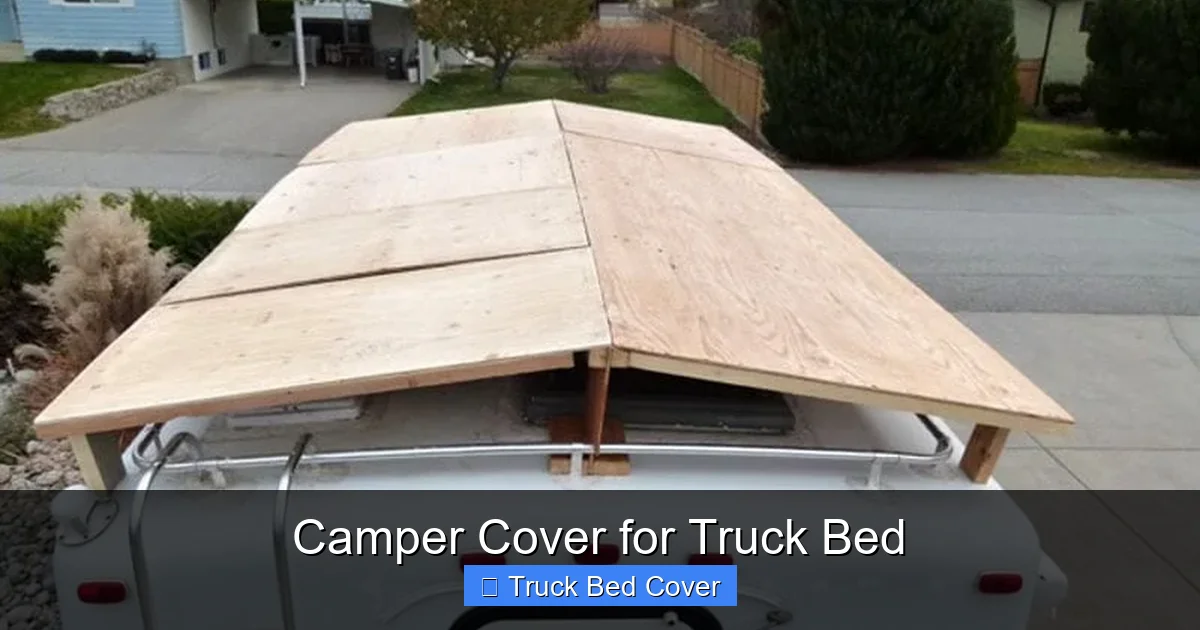
A camper cover for truck bed is more than just a tarp—it’s your first line of defense against rain, snow, sun, and theft. Whether you’re hauling gear for weekend camping or protecting valuable equipment, a high-quality cover keeps everything safe and secure. With options like roll-up, tri-fold, and retractable designs, you can find one that fits your needs, budget, and truck model perfectly.
Key Takeaways
- Protection from Elements: A camper cover shields your cargo from rain, snow, UV rays, and dust, keeping items dry and undamaged.
- Theft Deterrence: Many covers come with secure locking systems that make it harder for thieves to access your belongings.
- Easy Installation: Most truck bed camper covers are designed for quick setup and removal, often requiring no tools.
- Improved Fuel Efficiency: Streamlined covers reduce wind resistance, potentially improving your truck’s fuel economy.
- Custom Fit Options: Covers are available in universal and vehicle-specific sizes to match your truck’s bed dimensions.
- Durability Matters: Look for heavy-duty fabrics like vinyl, canvas, or polyester with reinforced stitching for long-lasting use.
- Versatile Use Cases: Ideal for campers, contractors, hunters, and anyone needing secure, covered storage on the go.
Quick Answers to Common Questions
Can a camper cover fit any truck bed?
Most universal covers claim broad compatibility, but exact fit depends on your truck’s make, model, and bed length. Always measure your bed and compare with cover specifications. Vehicle-specific models offer the best seal and performance.
Are camper covers difficult to install?
No—most soft covers (roll-up, tri-fold) take under 10 minutes and require no tools. Retractable and hard folding covers may need professional installation but still prioritize user-friendly design. Clear instructions and video guides help beginners succeed.
Will a camper cover keep my cargo completely dry?
High-quality covers with waterproof coatings and sealed seams offer excellent protection in moderate rain. However, no cover is 100% leak-proof under extreme downpours or direct immersion. Pair it with a tarp or waterproof box for sensitive items if you anticipate severe weather.
Do camper covers improve gas mileage?
Yes—streamlined covers reduce aerodynamic drag compared to open beds. Studies show improvements of up to 5% in fuel efficiency, especially at highway speeds. The smoother airflow means less engine strain and better MPG.
Can I drive with a camper cover fully deployed?
Absolutely. All reputable camper covers are tested for safe driving with the cover in place. Just ensure it’s properly secured so it doesn’t flap violently or detach. Retractables and tri-folds are especially stable during transit.
📑 Table of Contents
- What Is a Camper Cover for Truck Bed?
- Why You Need a Camper Cover for Your Truck Bed
- Types of Camper Covers for Truck Beds
- How to Choose the Right Camper Cover for Your Truck Bed
- Installation Tips for Maximum Performance
- Maintenance and Longevity: Keeping Your Cover Like New
- Real-World Scenarios: Where Camper Covers Shine
What Is a Camper Cover for Truck Bed?
A camper cover for truck bed is a protective tarp-like accessory designed specifically to cover and secure items stored in your truck’s bed. Unlike simple tarps or drop sheets, these covers are engineered for durability, weather resistance, and ease of use. They’re commonly used by outdoor enthusiasts, construction workers, farmers, and anyone who needs reliable cargo protection while traveling.
These covers come in various styles—roll-up, tri-fold, retractable, and tailgate-specific—each offering unique benefits depending on your needs. Whether you’re heading out for a weekend camping trip or commuting with sensitive equipment, a quality camper cover ensures your stuff stays dry, clean, and out of sight.
Why You Need a Camper Cover for Your Truck Bed
Let’s face it: your truck bed is exposed to the elements every time you drive. Rain turns your gear into a soggy mess. Sunlight fades colors and warps plastics. Dust coats everything like invisible sandpaper. And let’s not forget opportunistic thieves who see an open bed as an invitation to steal.
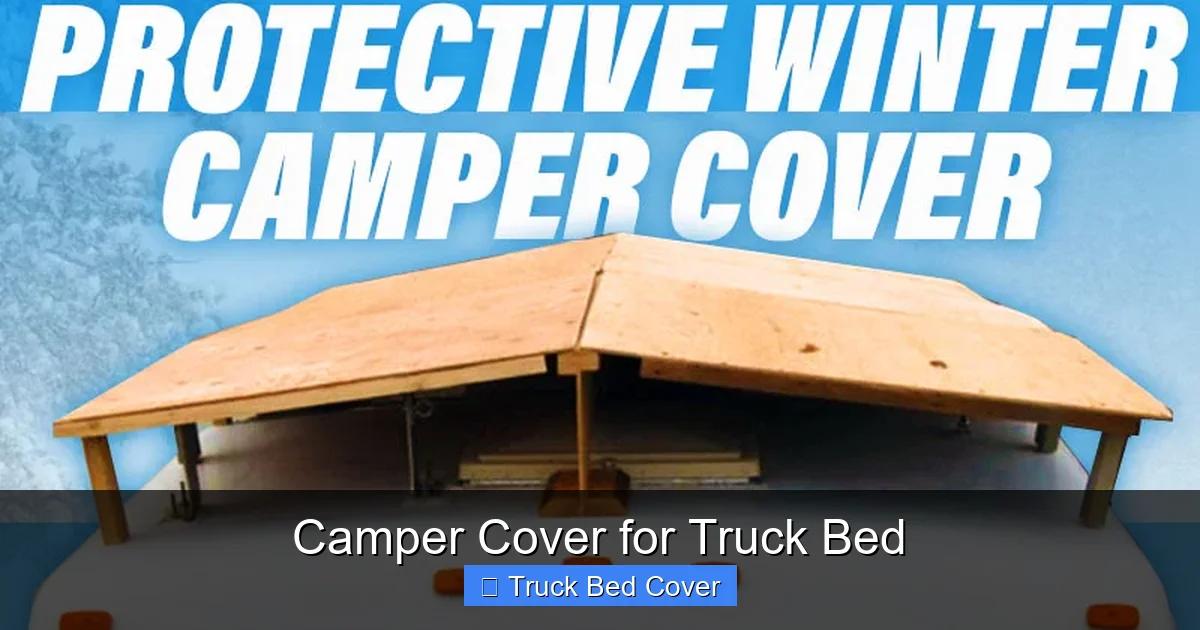
Visual guide about Camper Cover for Truck Bed
Image source: truckcampermagazine.com
Weather Protection
The number one reason people invest in a camper cover is to keep their cargo dry. Heavy rain during a cross-country road trip can ruin electronics, furniture, or camping supplies if left uncovered. A good cover acts like a roof on wheels, deflecting water and preventing leaks. Look for models with waterproof coatings or sealed seams to ensure maximum protection.
Even in cold climates, snow and ice can accumulate on uncovered beds overnight. When you return to find your gear buried under half a foot of snow, you’ll wish you had a cover. Similarly, in hot summer months, UV rays can overheat sensitive items like laptops, cameras, or even food. A reflective or UV-resistant cover helps regulate temperature and prevents damage.
Security and Privacy
Ever noticed how quickly someone might rifle through your truck bed when you stop for gas? An open bed invites unwanted attention. But with a camper cover, especially one made of thick, opaque material, your cargo becomes invisible—and less appealing to thieves.
Many premium covers include additional security features like bungee cords, ratchet straps, or locking grommets. Some even integrate with existing tailgates or side panels to create a near-sealed system. For contractors carrying tools or homeowners moving appliances, this added layer of security is invaluable.
Types of Camper Covers for Truck Beds
Not all camper covers are created equal. The right choice depends on how you plan to use it, your budget, and your truck’s setup. Here’s a breakdown of the most popular types:
Roll-Up Covers
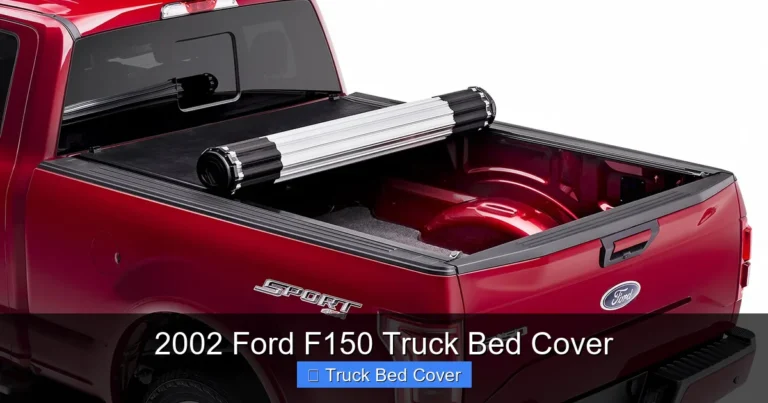
These are among the most common and affordable options. Made from durable vinyl or polyester, they unroll from one side of the truck bed and attach securely at the front. Once rolled up, they stay in place thanks to built-in straps or buckles.
Pros: Easy to access cargo, lightweight, relatively inexpensive.
Cons: Can flap in strong winds if not secured properly; may degrade faster under prolonged sun exposure.
Great for occasional use or light-duty protection. If you only need coverage sometimes—like when driving through muddy trails—a roll-up is a practical pick.
Tri-Fold Covers
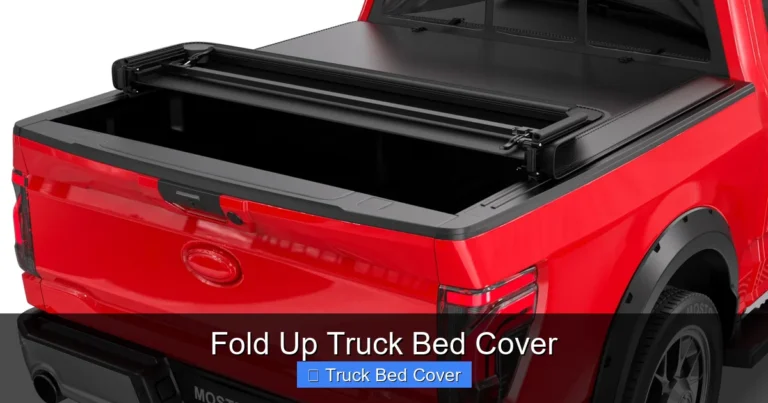
Also known as “flying saucer” covers, these sit flat across the bed and fold into thirds at the rear gate. They’re typically heavier duty than roll-ups and offer better wind resistance due to their fixed position.
Pros: Stays put in windy conditions, provides full-bed coverage without obstructing access, often includes tie-down points.
Cons: Slightly more expensive; requires lifting the folded section to access cargo behind it.
Popular among hunters and off-roaders who want consistent coverage without constant adjustments.
Retractable (Electric) Covers
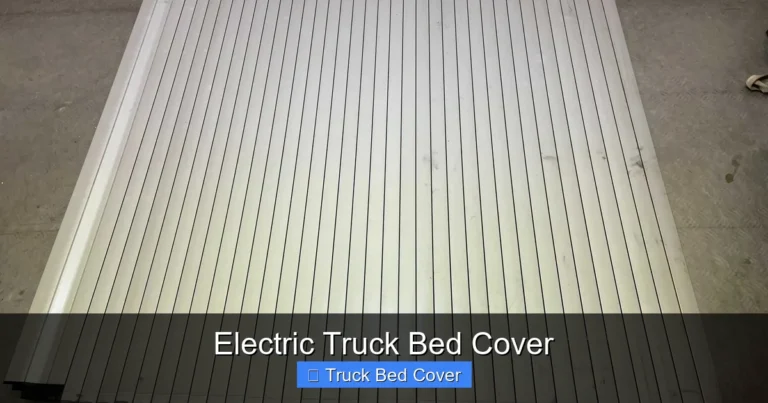
The Cadillac of truck bed covers, retractables operate via a motorized system controlled by a remote or dashboard switch. They slide back smoothly along tracks and can be deployed or retracted with the push of a button.
Pros: Effortless operation, sleek appearance, excellent weather sealing, often include built-in locks and sensors.
Cons: Higher upfront cost; requires electrical connection; may need professional installation.
Ideal for daily drivers who value convenience and style. Think of it as a garage door for your truck bed.
Hard Folding Covers
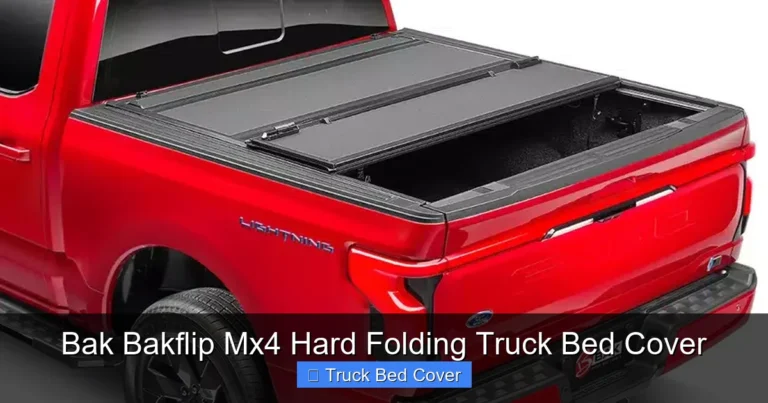
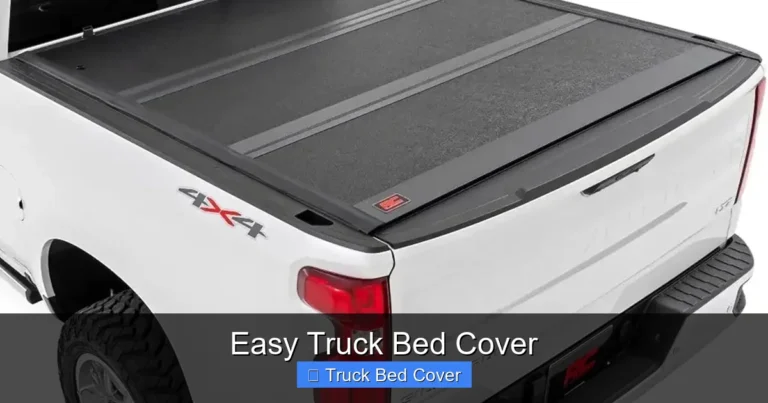
Made from rigid aluminum or fiberglass panels, these covers look like mini truck caps but are lighter and easier to fold. They latch into place without complex mechanisms and provide solid protection against impacts.
Pros: Lightweight yet sturdy, no fabric to wear out, great for toolboxes or equipment.
Cons: Limited flexibility compared to soft covers; may not fit all bed lengths.
Perfect for tradespeople who need both security and accessibility.
Tailgate-Specific Covers
Designed to work only with lowered tailgates, these covers wrap around the sides and attach directly to the gate frame. They’re usually cheaper and simpler than full-bed systems but offer less coverage overall.
Pros: Budget-friendly, easy to install, works well for short loads.
Cons: Leaves front third of bed exposed; less secure for large or valuable items.
Suitable for light use or as a temporary solution.
How to Choose the Right Camper Cover for Your Truck Bed
Picking the wrong cover can lead to frustration—wind flapping, water pooling, or difficulty accessing your gear. Follow these steps to find the perfect match:
Measure Your Truck Bed Accurately
Start by measuring the interior length, width, and height of your truck bed. Don’t rely solely on the manufacturer’s specs—measure yourself to avoid surprises. Note whether you have toolboxes, bed liners, or racks installed, as these affect compatibility.
For example, a standard Ford F-150 has a slightly different bed size than a Chevy Silverado, even within the same year. Universal covers may claim “fits most trucks,” but vehicle-specific models offer a snugger fit and better performance.
Consider Climate and Usage
If you live in a rainy region or frequently drive through storms, prioritize waterproofing and sealed edges. In arid areas with intense sun, UV-resistant materials and reflective surfaces help prevent fading and heat buildup.
Think about how often you’ll use the cover. Daily commuters might prefer electric retractables for convenience, while weekend warriors could opt for rugged tri-folds that hold up to dirt and moisture.
Evaluate Material Quality
The fabric is the backbone of any camper cover. Common materials include:
- Vinyl: Waterproof, tear-resistant, but can crack in extreme cold.
- Polyester Canvas: Breathable, mildew-resistant, good balance of strength and flexibility.
- PVC-Coated Polyester: Combines durability with weather resistance—ideal for harsh environments.
Check for reinforced stitching, double-layered edges, and corrosion-resistant hardware. Cheap covers often fail at stress points like corners and grommets—areas under constant tension.
Check Compatibility Features
Does your truck have a bed liner? Side rails? A camper shell? Some covers require modifications or won’t work at all with certain configurations. Read product descriptions carefully or contact the seller before buying.
Also consider whether the cover includes extras like:
– Interior support poles (for tall items)
– Ratcheting side straps
– Front and rear tension cords
– Storage bags
Installation Tips for Maximum Performance
Even the best cover won’t protect if it’s installed poorly. Follow these pro tips to get the most out of your camper cover:
Clean the Bed Before Installing
Dirt, grease, or debris on the truck bed surface can cause friction, accelerate wear, or interfere with seals. Wash the bed thoroughly and let it dry completely before putting the cover on.
Use Support Poles for Tall Cargo
If you’re hauling kayaks, ladders, or other high-profile items, insert support poles inside the cover to prevent sagging. This also stops wind from catching the material and tearing it loose.
Secure All Fastening Points
Tie down each corner and strap with equal tension. Over-tightening can stretch the fabric, while under-securing lets wind lift the cover. Aim for firm but gentle pressure—think “snug hug, not chokehold.”
Store Properly When Not in Use
Don’t leave your cover rolled up wet or dirty. Always clean it after exposure to salt, mud, or chemicals, then store it in a cool, dry place. Use the included bag if available—this extends the life of the material significantly.
Inspect Regularly
Every few months, check for cuts, worn grommets, frayed straps, or loose fasteners. Catching issues early prevents bigger problems down the road. Replace damaged parts immediately instead of waiting for total failure.
Maintenance and Longevity: Keeping Your Cover Like New
A well-maintained camper cover can last 5–10 years or more. Neglecting care, however, leads to premature aging—cracking vinyl, mold spots, or torn seams. Here’s how to maximize lifespan:
Wash After Exposure
After driving through muddy trails, dusty roads, or coastal salt spray, rinse the cover with fresh water. Use mild soap if needed, but avoid harsh detergents that strip protective coatings. Never machine wash—this damages fabric fibers and coatings.
Air Dry Completely
Shade drying is essential. Direct sunlight while damp causes heat buildup that degrades materials faster. Lay the cover flat or hang it loosely to allow airflow. Avoid folding or rolling until bone-dry.
Apply Protectant (Optional)
Some owners apply silicone-based protectants to vinyl or canvas covers to enhance water resistance and prevent cracking. Read the manufacturer’s recommendations first—some materials shouldn’t be treated with chemicals.
Repair Minor Damage Promptly
A small tear or loose grommet might seem harmless now, but it can grow under stress. Carry a repair kit (usually included) with vinyl patches, adhesive, and replacement snaps. Addressing issues early saves money and hassle later.
Winter Care Tips
In snowy regions, remove heavy snow accumulation regularly—it adds weight and strains seams. If you must store the truck with the cover on during winter, ensure proper ventilation to prevent condensation buildup inside.
Real-World Scenarios: Where Camper Covers Shine
Wondering if a camper cover is worth it for your lifestyle? Let’s look at common use cases:
Weekend Campers
You pack tents, coolers, fishing rods, and hiking gear into your truck bed. Without a cover, rain ruins your dry clothes, and curious raccoons dig through your cooler at campsites. A camper cover keeps everything dry, organized, and out of animal reach.
Contractors and Tradespeople
Electricians, plumbers, and landscapers often carry fragile tools, extension cords, or equipment that gets damaged by weather or stolen overnight. A secure, durable cover means fewer returns, happier customers, and peace of mind between job sites.
Hunters and Outdoor Enthusiasts
Game meat, hunting blinds, and scent-control clothing benefit from full coverage. Odor-blocking materials and quiet operation (no flapping!) give you an edge during stealthy hunts. Plus, wind resistance matters when traversing rough terrain.
Moving and Relocation
When transporting furniture, mattresses, or appliances, a cover protects against dings, scratches, and sudden weather changes. It also keeps your personal items private—no more neighbors seeing your new couch!
Everyday Commuting
Even if you don’t go off-road often, a cover improves aerodynamics, reduces wind noise, and keeps your groceries from blowing away. For city drivers, it adds a sleek, finished look to their truck.
Frequently Asked Questions
How do I choose between a roll-up and tri-fold camper cover?
If you value easy access and lower cost, go with a roll-up. If you prioritize wind resistance and always-coverage, choose a tri-fold. Consider your typical cargo type, climate, and frequency of use when deciding.
Can I install a camper cover myself?
Yes! Most soft covers are designed for DIY installation. Follow the manufacturer’s instructions, use provided straps or bungees, and secure all attachment points. Electric retractables may require professional help due to wiring needs.
What’s the difference between a camper cover and a truck bed mat?
A truck bed mat sits inside the bed to protect the floor from scratches and dents—it doesn’t cover cargo. A camper cover goes over the entire bed to shield items from weather and theft. Both serve different purposes and are often used together.
Do camper covers work with tonneau covers?
Some do—especially if you have a low-profile design or plan to stack them. However, stacking two covers increases complexity and potential for gaps. Check compatibility before purchasing. Many users prefer a single integrated system instead.
How long do camper covers last?
With proper care, high-quality covers last 5–10 years. Factors affecting longevity include material type, sun exposure, cleaning habits, and storage practices. Avoid leaving covers wet or dirty for extended periods to maximize lifespan.
Are camper covers worth the investment?
For anyone who transports valuable, sensitive, or weather-prone cargo regularly, yes—absolutely. Beyond basic protection, they enhance security, improve aerodynamics, and add resale value to your truck. Even occasional users benefit from reduced wear on gear and peace of mind.