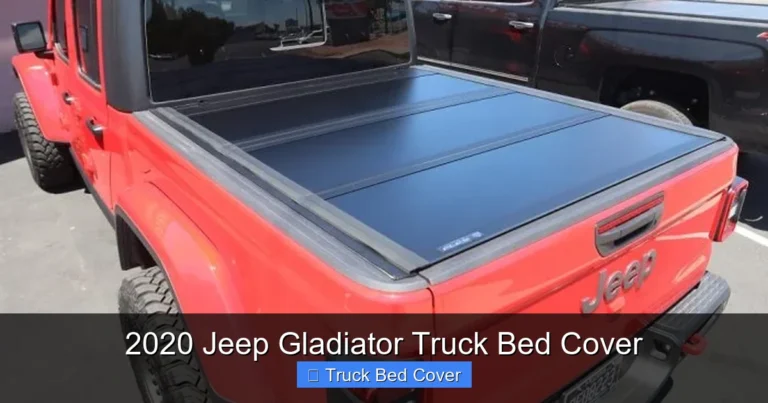
Bike Rack on Top of Truck Bed Cover
Want to carry your bikes safely without sacrificing cargo space? A bike rack on top of a truck bed cover is the perfect solution for outdoor enthusiasts who drive trucks with tonneau covers. This setup protects your bikes from road debris, keeps them secure during long trips, and maintains full access to your truck bed. Whether you’re heading to the trailhead or commuting to work, a top-mounted rack offers convenience and peace of mind. With the right design and installation, you can enjoy hassle-free bike transportation every time.
Key Takeaways
- Space Efficiency: Mounting a bike rack on top of a truck bed cover preserves your truck bed’s usable space while keeping bikes secure and protected from weather.
- Compatibility Matters: Not all racks fit all truck bed covers—choose models specifically designed to work with soft, hard, or retractable tonneau covers.
- Secure Transport: High-quality racks use strong mounting systems and tie-down straps to prevent bike movement during driving.
- Weather Protection: A well-fitted rack helps shield bikes from rain, snow, and UV rays, especially when paired with a waterproof bed cover.
- Easy Access: Many modern designs allow quick loading/unloading without removing the entire rack or bed cover.
- Safety First: Ensure proper clearance from tailgate and rear window, and always follow manufacturer weight limits and local regulations.
- Maintenance Tips: Regularly inspect bolts, straps, and cover alignment to keep your setup safe and functional over time.
Quick Answers to Common Questions
Can I install a bike rack on any truck bed cover?
No, compatibility depends on the type and model of your bed cover. Always check the rack’s specifications to ensure it fits your specific cover and truck.
Will a bike rack damage my truck bed cover?
If installed correctly with protective pads, most high-quality racks won’t damage your cover. Poor installation or incompatible parts could cause wear or tears.
How many bikes can I carry on top?
Most racks support 1–4 bikes, depending on size and weight. Heavy e-bikes may require a reinforced model rated for higher loads.
Do I need special tools to install the rack?
Basic hand tools like Allen wrenches are usually sufficient. Some kits include detailed instructions and pre-drilled holes for easier setup.
Is it legal to drive with bikes on top of my truck?
Yes, as long as bikes are securely fastened, don’t block lights or license plates, and meet local visibility requirements. Check your state’s rules for specifics.
📑 Table of Contents
- Bike Rack on Top of Truck Bed Cover: The Ultimate Guide for Safe & Secure Transport
- Why Choose a Bike Rack on Top of Your Truck Bed Cover?
- How to Choose the Right Bike Rack for Your Truck Bed Cover
- Installation Made Simple: Step-by-Step Guide
- Maximizing Safety and Performance
- Common Mistakes to Avoid
- Real-Life Examples: What Works Best
- Maintenance and Long-Term Care
- Conclusion: Ready to Ride?
Bike Rack on Top of Truck Bed Cover: The Ultimate Guide for Safe & Secure Transport
Ever loaded up your mountain bike, only to realize your truck bed is already full? Or maybe you’ve got a sleek retractable tonneau cover that blocks your ability to carry anything on top? If this sounds familiar, you’re not alone. For truck owners who love biking but need practical storage solutions, a bike rack mounted on top of a truck bed cover is a game-changer. It lets you transport your bikes securely without giving up cargo space or compromising the integrity of your bed cover.
In this guide, we’ll walk you through everything you need to know about installing and using a bike rack on top of a truck bed cover. From choosing the right model to ensuring a snug fit and safe ride, we’ve got you covered—literally and figuratively. Whether you’re a weekend warrior, a daily commuter, or someone who just loves the great outdoors, this setup will make your biking adventures smoother, safer, and more enjoyable.
Why Choose a Bike Rack on Top of Your Truck Bed Cover?
Truck bed covers—whether soft roll-up, hard tri-fold, or retractable—are fantastic for protecting your gear from the elements. But they also limit what you can carry. Enter the bike rack designed to sit above the cover. Instead of replacing your bed cover, this type of rack works around it, creating a stable platform for your bikes.
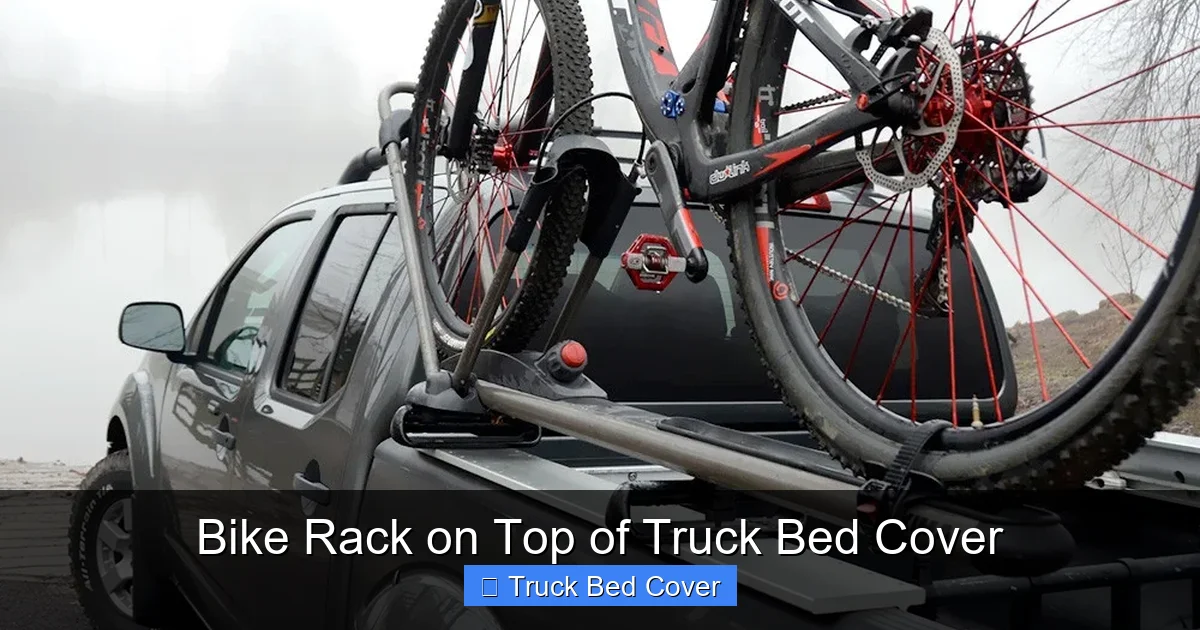
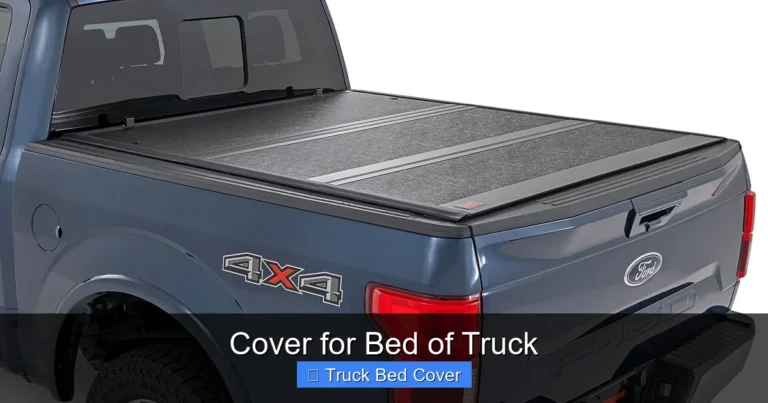
Visual guide about Bike Rack on Top of Truck Bed Cover
Image source: carid.com
The Benefits of Top-Mounted Racks
One of the biggest advantages is space conservation. Unlike traditional roof racks that require removing the bed cover (which isn’t always possible), top-mounted bike racks are engineered to clear the cover’s height and width. This means you keep your truck bed open for tools, coolers, or extra passengers.
Another perk is enhanced protection. When bikes are stored inside the truck bed, they’re vulnerable to scratches from shifting items. On top of a covered bed, they stay elevated and shielded from road dirt, puddles, and even minor impacts. Plus, many racks include foam padding and secure straps to minimize vibration and prevent frame damage.
And let’s not forget convenience. With a properly installed system, you can load and unload bikes in minutes—no need to disassemble your entire rack or struggle with awkward angles. Some models even feature fold-down arms or swing-away designs for easy access to the tailgate.
How to Choose the Right Bike Rack for Your Truck Bed Cover
Not all bike racks are created equal—especially when it comes to fitting over a truck bed cover. The key is compatibility. You’ll want a rack that’s specifically labeled as compatible with your type of cover (soft, hard, or retractable) and your truck model.
Types of Truck Bed Covers
Before selecting a rack, identify what kind of bed cover you have:
- Soft Roll-Up Covers: Lightweight and affordable, these unfold and roll up like a carpet. They offer decent protection but may flex under heavy loads.
- Hard Tri-Fold Covers: Durable and rigid, these provide excellent security and weather resistance. However, their folded edges can pose clearance challenges.
- Retractable Hard Covers: These slide back into a compartment, offering full bed access when retracted. They’re sleek but expensive and often require custom adapters.
Top-Rated Compatible Racks
Some popular brands known for reliable truck bed cover-compatible racks include Yakima, Thule, and Rhino-Rack. Look for models like the Yakima EXO SwingAway or the Thule SideShot 5, which are engineered to sit low enough to clear most covers while providing ample support.
Always check the maximum weight capacity and bike compatibility (e.g., road vs. mountain bikes, number of bikes). Most racks support 1–4 bikes, but heavier e-bikes may require reinforced frames.
Installation Made Simple: Step-by-Step Guide
Installing a bike rack over your truck bed cover doesn’t have to be complicated—if you follow the right steps. Here’s how to do it safely and correctly.
Gather Your Tools
You’ll typically need:
- Rack mounting brackets
- Allen wrenches or screwdrivers
- Tape measure
- Ladder (for high beds)
- Assistant (recommended for safety)
Step 1: Position the Rack
Slide the rack into place along the centerline of your truck bed. Make sure it clears the bed cover by at least 6 inches at the front and back. Avoid placing it too close to the tailgate, as this can interfere with opening and closing the cover.
Step 2: Secure the Mounts
Most racks clamp onto the truck’s bed rails. Tighten the clamps evenly so the rack sits level. Don’t overtighten—this can warp the cover or damage the rail. Use included rubber pads to protect both the rack and your truck’s finish.
Step 3: Test Stability
Gently rock the rack side to side. It should feel solid. If it wobbles, double-check the clamp tightness and alignment. Drive short distances first to ensure everything stays put.
Pro Tip:
If your bed cover has raised panels or seams, consider using cover-friendly mounting kits. These distribute weight more evenly and reduce the risk of punctures or tears.
Maximizing Safety and Performance
A well-installed rack is only half the battle. To get the most out of your setup, focus on safety, aerodynamics, and maintenance.
Securing Your Bikes Properly
Never assume straps will hold bikes in place. Always:
- Use ratcheting straps through the frame (not wheels)
- Wrap wheel locks around tires to prevent spinning
- Double-check tightness before hitting the road
Reducing Wind Noise and Drag
A poorly balanced rack creates wind noise and reduces fuel efficiency. Position bikes close together and orient them forward. Add aerodynamic fairings if needed—some racks come with them standard.
Weatherproofing Tips
Even with a bed cover below, bikes exposed on top are still at risk. Consider:
- Using waterproof bike bags or covers
- Parking in shaded areas when possible
- Checking for loose straps after rain or snow
Common Mistakes to Avoid
New users often run into issues because they overlook a few key details. Here’s what NOT to do:
Mistake 1: Ignoring Weight Limits
Every rack has a max load. Exceeding it risks collapse, especially on bumpy roads. Always verify both the rack’s capacity and your bikes’ combined weight—including helmets and accessories.
Mistake 2: Blocking Tailgate Operation
If your rack interferes with opening the tailgate, you’ll waste time every time you stop. Opt for a swing-away or removable arm design that folds out of the way.
Mistake 3: Using Non-Compatible Covers
Some low-profile covers (like aluminum ones) require special adapters. Check manufacturer specs before buying.
Real-Life Examples: What Works Best
Let’s look at two common scenarios:
Scenario 1: Family Road Trip with Two Kids’ Bikes
A parent with a Ford F-150 and a soft tri-fold cover might choose the Yakima EXO SwingAway 2. This allows one bike to swing out while the other stays secure, giving full access to the bed without removing either bike.
Scenario 2: Solo Commuter with an E-Bike
For someone carrying a heavy electric bike on a Toyota Tacoma with a retractable cover, the Thule SideShot 5 XL offers reinforced arms and higher weight tolerance. The extended length accommodates larger wheels and provides better balance.
Maintenance and Long-Term Care
Like any outdoor gear, your rack needs TLC to last. Here’s how to keep it in top shape:
- Clean Monthly: Wash off dirt, salt, or bird droppings with mild soap and water.
- Lubricate Moving Parts: Apply silicone spray to hinges and joints annually.
- Inspect Straps and Bolts: Replace frayed straps immediately; retighten bolts every 500 miles.
- Store Indoors When Possible: Extreme cold or heat can degrade rubber components.
Also, periodically reseat the rack on the bed rails to prevent settling or shifting due to vibration.
Conclusion: Ready to Ride?
A bike rack on top of a truck bed cover isn’t just a clever hack—it’s a smart investment for any truck owner who loves biking. It solves the age-old problem of limited cargo space, protects your bikes from the elements, and lets you hit the trails without compromise.
Just remember: compatibility, proper installation, and regular maintenance are your best friends. Take the time to choose the right rack for your truck and cover type, follow safety guidelines, and you’ll be ready for countless adventures—on two wheels and four.
So go ahead—mount that rack, strap in your bike, and get rolling. Your next ride starts now.
Frequently Asked Questions
What’s the difference between a roof rack and a truck bed cover bike rack?
A roof rack mounts on the vehicle’s roof, while a truck bed cover bike rack sits above the bed cover itself. The latter preserves bed space and works with covered beds.
Can I use a bike rack if my truck bed cover is damaged?
It’s risky. A compromised cover may not support the rack’s weight or could tear further under stress. Repair or replace the cover first.
How do I prevent my bike from sliding off the rack?
Use ratcheting straps through the frame, wheel locks, and ensure the rack is tightly secured to the truck rails. Never rely solely on straps.
Are these racks suitable for e-bikes?
Yes, but choose a model with higher weight capacity and reinforced arms. Standard racks may not handle the extra load safely.
Can I leave my bike rack on year-round?
Yes, but winter conditions can cause metal fatigue and rubber degradation. Inspect monthly and store indoors during extreme weather if possible.
Will a bike rack affect my gas mileage?
Yes, poorly balanced racks increase drag. Keep bikes close together and oriented forward, and remove the rack when not in use to improve efficiency.