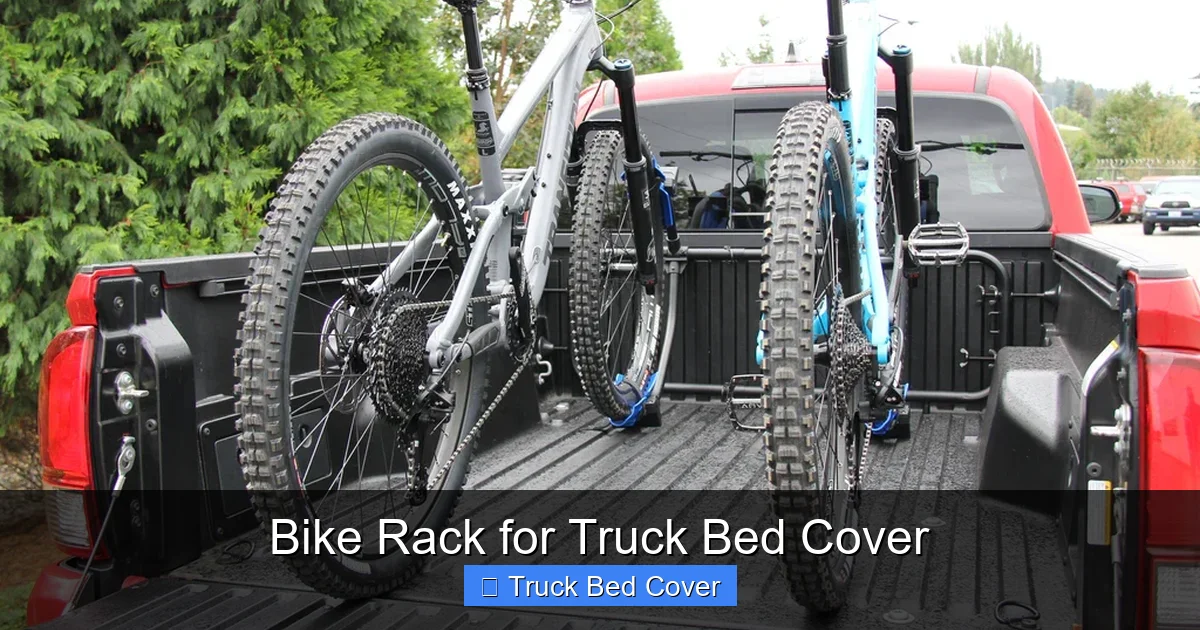
Bike Rack for Truck Bed Cover
Finding the right bike rack for your truck bed cover can transform how you transport bikes safely and efficiently. Whether you’re heading to the trail or just need reliable gear storage, the perfect rack balances protection, accessibility, and style. With so many models on the market, choosing one that fits your truck, covers, and riding needs is key to hassle-free adventures.
Key Takeaways
- Bike racks designed for truck bed covers prevent damage to both your bikes and your hard or soft cover by securing them above or around the cover without interference.
- Compatibility is critical: Not all racks fit every truck or cover type—always verify measurements and mounting points before purchasing.
- Secure mounting systems (clamps, tie-downs, or rail kits) ensure the rack stays in place during transit, even on rough terrain.
- Material matters: Aluminum and powder-coated steel offer durability with minimal rust, while plastic components should be UV-resistant.
- Ease of access and removal affects convenience—look for quick-release designs and fold-flat features for storage.
- Weight capacity and bike support vary widely; choose a rack rated for your total bike weight plus accessories like helmets and tools.
- Weather resistance protects your investment—waterproof seals and corrosion-proof finishes extend rack life in harsh conditions.
Quick Answers to Common Questions
Can I install a bike rack on a soft roll-up bed cover?
Yes, but only with racks designed for flexible surfaces. Use universal straps or soft-side clamps that won’t tear the vinyl. Avoid heavy-duty bolt-on systems that require drilling.
Will a bike rack damage my truck bed cover?
Not if installed properly. Overhead or side-mounted racks that don’t rest on the cover reduce risk. Always use rubberized pads or foam protectors between the rack and cover.
How many bikes can a typical truck bed rack hold?
Most hold 2–4 bikes depending on size. Platform-style racks usually max out at 4, while hanging models may limit you to 2 due to spacing constraints.
Do I need roof rails for an overhead bike rack?
Essential for most models. Without rails, you’d need custom brackets or drilling, which voids warranties on many covers. Check your truck’s specs first.
Is it legal to carry bikes on a truck bed rack?
In most states, yes—as long as bikes aren’t blocking lights, license plates, or tailgate operation. Always follow local traffic laws regarding load height and visibility.
📑 Table of Contents
- Why a Bike Rack for Truck Bed Cover Is a Game-Changer
- Understanding Truck Bed Covers: Types and Compatibility
- Types of Bike Racks for Trucks with Bed Covers
- How to Choose the Right Bike Rack for Your Setup
- Installation Tips and Safety Best Practices
- Maintenance and Long-Term Care
- Real-World Examples: What Riders Are Saying
- Final Thoughts: Make the Smart Choice
Why a Bike Rack for Truck Bed Cover Is a Game-Changer
There’s nothing quite like hitting the open road with your bike ready for adventure. But if you drive a truck—especially with a bed cover—you know how tricky it can be to carry bikes securely without damaging your vehicle or your ride. A bike rack for truck bed cover solves this problem by giving you a stable, weather-protected way to transport multiple bikes while keeping your truck’s cargo area intact.
Whether you’ve got a sleek hardtop roll-up, a tri-fold tonneau cover, or a retractable canopy, the right rack ensures your bikes stay upright, scratch-free, and ready to roll when you are. Gone are the days of strapping bikes across the cab or risking damage from poorly fitted racks. Instead, modern solutions let you mount your bikes high and tight—above or around the cover—without compromising access to your truck bed.
In this guide, we’ll walk through everything you need to know about selecting, installing, and using a bike rack designed specifically for trucks with bed covers. From understanding compatibility to safety tips and maintenance, we’ll help you make a choice that keeps your rides secure and stress-free.
Understanding Truck Bed Covers: Types and Compatibility
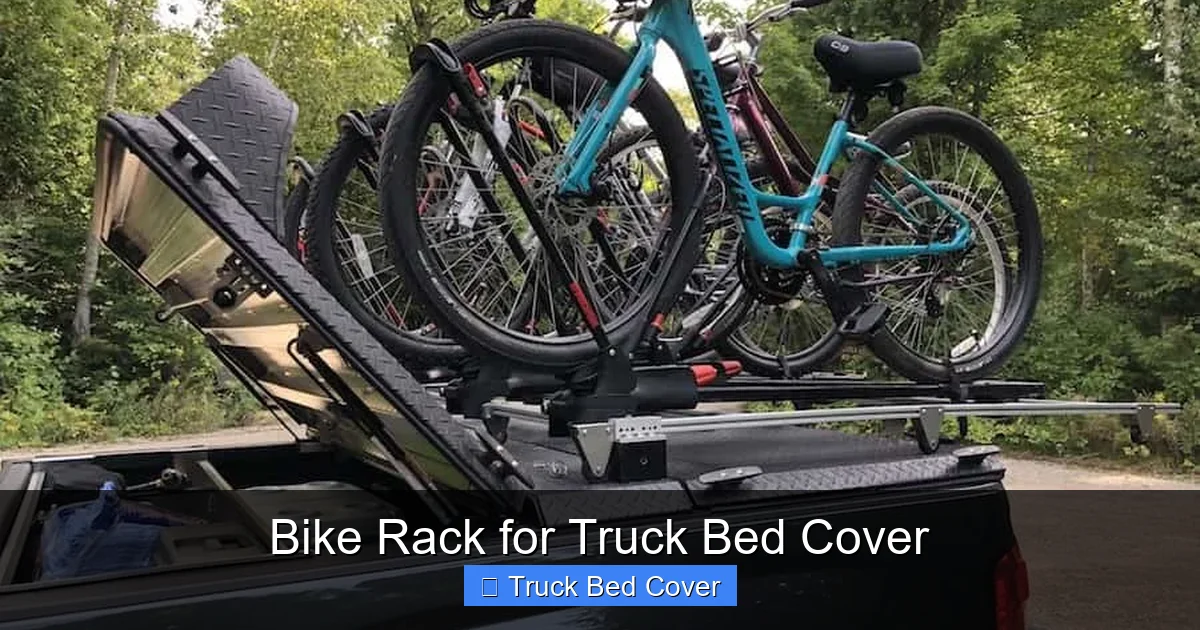
Visual guide about Bike Rack for Truck Bed Cover
Image source: thewaywardhome.com
Before diving into rack options, it’s important to understand the different types of truck bed covers available. These range from simple roll-up tarps to fully enclosed, lockable hardtops. Each design affects how you can mount a bike rack.
Soft Roll-Up Covers
These are lightweight, vinyl-based covers that roll up toward the cab. While convenient for quick access, they often lack reinforced mounting points. That means most bike racks won’t clamp directly onto them unless designed with flexible brackets or universal straps.
Hard Tri-Fold Covers
Made from rigid panels that fold in thirds, these offer better protection than soft covers. They usually have built-in rails or attachment points along the sides, making them ideal for mounting side-mounted or overhead racks.
Retractable Hard Covers
Also called “lid” covers, these slide open like a drawer. They provide maximum security but require racks that don’t interfere with the sliding mechanism. Overhead or rear-mounted designs work best here.
Fiberglass Tonneau Caps
Common on older trucks, these are fixed, smooth-top covers. They rarely have built-in rails, so you’ll need universal mounting brackets or under-bed rail adapters.
Toolboxes with Built-In Covers
Some trucks combine a toolbox with a cover. In these cases, side-mount racks are preferred since overhead designs might hit the box lid.
Knowing your cover type helps narrow down rack options. Always check manufacturer specs—many brands list compatible cover models online.
Types of Bike Racks for Trucks with Bed Covers
Not all bike racks are created equal, especially when it comes to fitting over or around a bed cover. Here are the main styles you’ll find:
Overhead or Top-Mounted Racks
These sit above the truck bed and are secured to roof rails or raised crossbars. Ideal for trucks with full-height covers because they clear the entire cargo area. Great for carrying two to four bikes depending on length.
Pros:
– Keeps bikes off the ground
– Protects cover from scratches
– Frees up bed space
Cons:
– Requires roof rails
– Harder to load/unload single bikes
– Wind noise possible at highway speeds
Tip: Look for models with adjustable cradles so each bike fits snugly without touching the cover below.
Side-Mounted or Tailgate-Mounted Racks
Mounted along the driver or passenger side, these attach via clamps or bolts. Often used with tri-fold or retractable covers since they don’t block access to the tailgate.
Pros:
– Easy to load individual bikes
– Works without roof rails
– Affordable
Cons:
– Can block rearview visibility
– May interfere with opening the cover
– Less stable in strong winds
Example: The Thule SideShot or Yakima GateTrack systems are popular choices here.
Rear-Mounted or Hitch-Mounted Options
If your truck has a hitch receiver, consider a hitch-mounted platform or hanging-style rack. These swing out behind the truck and don’t touch the bed cover at all.
Pros:
– No interference with cover operation
– Holds bikes securely
– Easy to remove when not needed
Cons:
– Requires a Class III or IV hitch
– Adds weight to rear axle
– Limited to one or two bikes (depending on model)
Note: Ensure your hitch doesn’t obstruct the tailgate or cover mechanism.
Hybrid or Multi-Purpose Systems
Some racks double as cargo carriers or kayak mounts. These are great if you frequently switch between biking, boating, and camping trips.
For instance, the Kuat NV 2.0 can also hold skis or cargo boxes, making it versatile for multi-sport adventurers.
How to Choose the Right Bike Rack for Your Setup
With so many options, how do you pick the best one? Start by answering these questions:
What Type of Truck Do You Have?
Measure your truck bed length and width. Note whether you have factory-installed roof rails, aftermarket crossbars, or only factory tie-down loops. This determines what kind of rack you can install.
What Kind of Cover Are You Using?
Check if your cover has side rails, bolt holes, or requires drilling. Some soft covers can’t support heavy loads from below, so overhead designs are safer.
How Many Bikes Will You Transport?
Single-bike racks are compact and affordable. For two or more bikes, go for a platform or multi-holder system. Keep in mind that longer racks take up more space on the bed or roof.
Will You Carry Other Gear?
If you often bring camping stoves, coolers, or tools, look for racks with expandable capacity or modular attachments.
Do You Need Quick Access?
Tailgate-mounted racks let you grab a bike fast, while overhead systems require climbing onto the truck bed. Consider how often you’ll stop mid-trip.
What’s Your Budget?
Entry-level racks start around $100–$150. Premium models with anti-rattle tech, tool-free installation, and lifetime warranties run $400+. Factor in installation costs too—some kits require professional setup.
Installation Tips and Safety Best Practices
Even the best bike rack won’t protect your bikes if it’s not installed correctly. Follow these steps for a secure fit:
Read the Manual First
Every manufacturer provides specific instructions. Skipping this step leads to loose hardware and potential accidents.
Use All Included Hardware
Don’t substitute bolts or clamps. Under-tightening causes sway; over-tightening can crack plastic parts or warp metal frames.
Tie Down Extra Loose Items
Once bikes are loaded, use ratchet straps or cam buckle straps to secure them to the rack. Never rely solely on the rack’s built-in locks.
Avoid Blocking Rear Lights or License Plate
Ensure your rack doesn’t obscure brake lights, turn signals, or state-required license plate visibility. Use flagging tape or reflective stickers if needed.
Test Drive Before Finalizing
Take a short trip at low speed to check for wobbling, rattling, or movement. Tighten any loose connections before long-distance travel.
Regular Inspections Matter
After every few trips, inspect bolts, straps, and rubber padding. Replace worn parts immediately—rust or fraying straps compromise safety.
Maintenance and Long-Term Care
A well-maintained bike rack lasts years. Here’s how to keep yours in top shape:
Clean After Every Trip
Wipe down aluminum or steel frames with mild soap and water. Avoid harsh chemicals that strip protective coatings.
Lubricate Moving Parts Annually
Apply silicone spray to hinges, latches, and pivot joints. This prevents sticking and reduces wear.
Store Indoors When Possible
If you live in a humid or salty climate (like near the ocean), store the rack indoors during winter to prevent rust.
Check Weatherstripping and Seals
For waterproof models, replace cracked gaskets to maintain integrity during rain or snow.
Rotate Usage Seasonally
If you use the rack year-round, consider rotating it with another carrier during peak winter months to reduce UV exposure.
By following these care tips, your bike rack for truck bed cover will remain functional, safe, and reliable for countless adventures.
Real-World Examples: What Riders Are Saying
Let’s look at actual user experiences to see what works in practice:
One Colorado rider shared: “I have a Ford F-150 with a tri-fold cover. I installed the Yakima RidgeBack, which sits above the bed. It’s been rock-solid on mountain trails. My two mountain bikes never touch the cover, and I love being able to open the tailgate freely.”
Another feedback came from a family in Texas: “We use a side-mounted Thule T2 Pro on our Chevy Silverado with a retractable cover. Loading the kids’ bikes is super easy, and we haven’t had any issues with wind noise or shifting.”
A third user noted: “I tried a cheap hitch rack first, but it blocked my tailgate. Switched to an overhead system, and now I can still access the bed anytime. Worth the extra cost.”
These stories highlight that success depends on matching the rack to your exact truck and lifestyle.
Final Thoughts: Make the Smart Choice
Investing in a quality bike rack for truck bed cover isn’t just about convenience—it’s about protecting your gear, your truck, and your peace of mind. With the right setup, you’ll enjoy smoother rides, easier loading, and greater confidence on the road.
Remember: compatibility, stability, and ease of use are your top priorities. Don’t rush the decision—take time to measure, compare, and maybe even test-drive a friend’s rack before buying.
Your next adventure awaits. Get the right bike rack, and let the journey begin.
Frequently Asked Questions
Can I use a regular bike rack on a truck with a bed cover?
Only if it’s specifically designed for trucks and compatible with your cover type. Generic roof racks may interfere with folding or rolling mechanisms.
How do I prevent my bike rack from scratching the bed cover?
Install rubber or foam padding between the rack and cover. Also, avoid placing heavy items directly on the cover without a barrier.
What’s the difference between a hitch-mounted and roof-mounted bike rack?
Hitch racks attach behind the truck and don’t require roof rails. Roof racks sit above the cab and need crossbars. Each has pros and cons for access and aerodynamics.
Can I leave my bike rack installed all year?
Yes, but inspect it monthly for rust, loose bolts, or wear. Remove and store it during extreme weather if possible to prolong its lifespan.
Are expensive bike racks worth the price?
Often yes. Higher-end models offer better build quality, quieter operation, easier loading, and longer warranties—making them ideal for frequent riders.
Will a bike rack affect my truck’s fuel efficiency?
Minimal impact with roof racks due to increased drag. Hitch-mounted racks have less effect. Still, always remove the rack when not in use to save gas.