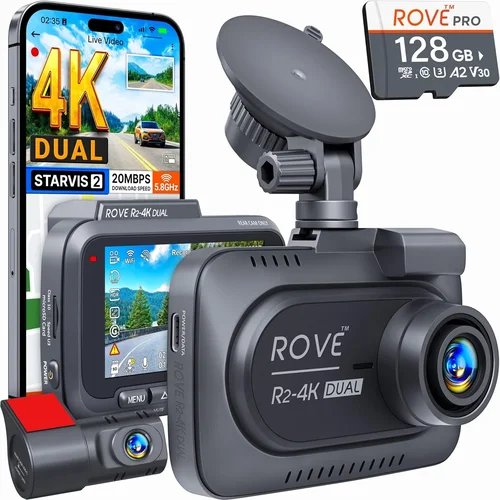
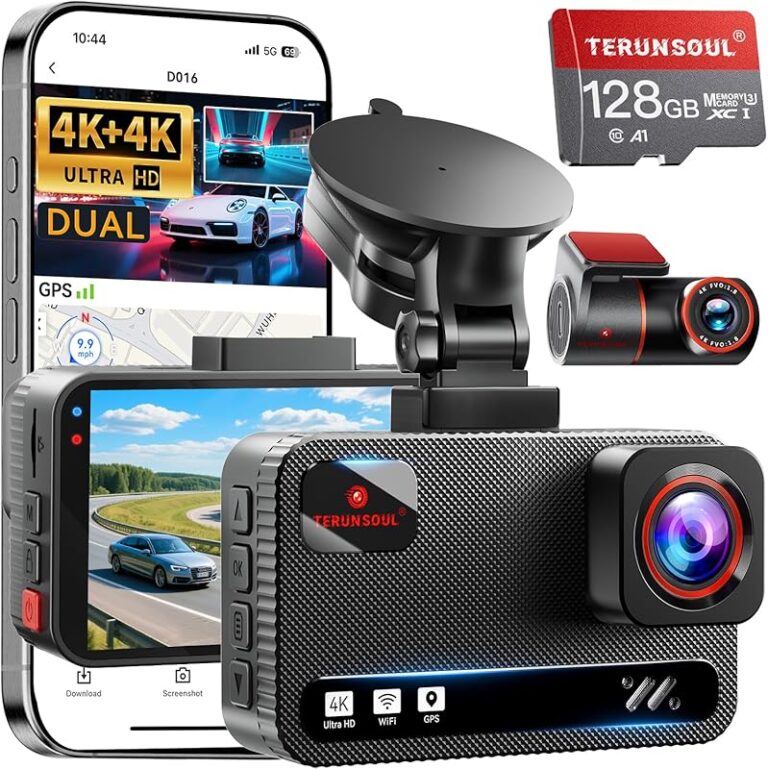
Complete Best Dash Cam for Parking Mode 2026 Buying Guide
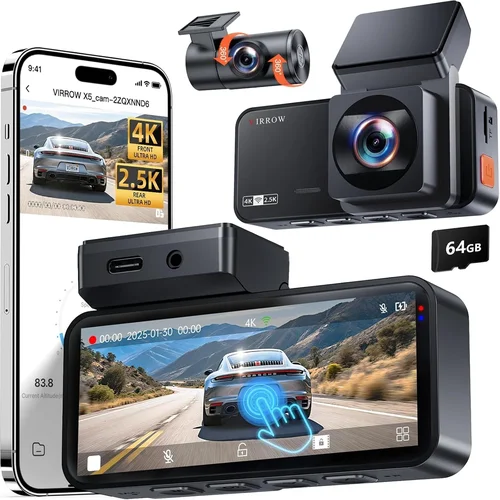
When you park your car, it’s easy to assume that everything is safe. But the truth is, incidents like hit-and-runs, vandalism, or even small scratches can happen at any time, often when you’re not around. This is where a dash cam with parking mode becomes an essential piece of automotive technology. Unlike regular dash cams that record only while driving, these advanced devices can monitor your vehicle 20/7, capturing any suspicious activity even when your car is off. For 2026, the market has evolved significantly, offering more sophisticated features, longer recording times, and smarter detection systems than ever before.
This comprehensive buying guide will walk you through everything you need to know about selecting the best dash cam for parking mode in 2026. Whether you’re a daily commuter looking for basic protection or a car owner who wants maximum security for your vehicle, we’ll help you understand what features matter most, how to evaluate different models, and which options deliver the best value. You’ll learn about power management, motion detection algorithms, battery backup systems, and much more—all explained in clear, practical terms that don’t require technical expertise.
The dash cam market has grown dramatically over the past few years, with manufacturers now offering everything from budget-friendly single-camera units to high-end dual-sensor systems with cloud connectivity and AI-powered alerts. In 2026, the focus has shifted toward intelligent parking surveillance that minimizes false triggers while maximizing real threat detection. We’ll explore the latest innovations including super capacitors instead of batteries, improved night vision capabilities, GPS tracking integration, and smartphone app controls that let you review footage remotely. By the end of this guide, you’ll have all the knowledge needed to make an informed decision that protects your investment without breaking the bank.

What to Look for When Buying Dash Cams
1. Budget & Price Range
Before diving into specific features, it’s crucial to establish your budget range. Dash cams for parking mode vary dramatically in price, from under $50 for basic models to over $400 for premium systems with multiple cameras and advanced intelligence. Entry-level options typically offer 1080p recording with simple motion detection, while mid-range models provide better video quality, enhanced night vision, and more reliable parking monitoring. Premium systems often include dual cameras, cloud storage, GPS tracking, and sophisticated event detection algorithms.
Consider what level of protection you actually need versus what you can afford. If you park your vehicle primarily in well-lit, secure areas, a basic model might suffice. However, if you frequently leave your car in unfamiliar locations or overnight parking is a concern, investing in a higher-end system could save you significant money in potential insurance claims or repair costs down the line.
2. Performance Specifications
The core performance metrics you should evaluate include resolution (measured in pixels), frame rate (frames per second), and low-light sensitivity. Most reliable parking-mode dash cams now offer at least 1080p Full HD resolution, but many top models support 2K or even 4K recording. Higher resolution provides clearer detail for identifying license plates and facial features, which can be critical evidence in disputes.
Frame rates typically range from 24fps to 60fps, with 30fps being the sweet spot for most parking scenarios. Lower frame rates reduce file sizes and storage requirements but may miss fast-moving objects. Additionally, check the camera’s sensor size and aperture—larger sensors and wider apertures (lower f-numbers) capture more light, resulting in better nighttime performance. Look for specifications like “STARVIS” sensors or “Sony IMX” chips, which are industry standards for excellent low-light capability.
3. Build Quality & Durability
A dash cam designed for continuous parking monitoring must withstand extreme environmental conditions. Temperature fluctuations, humidity, dust exposure, and vibration during normal driving can all affect performance. High-quality models use military-grade components with ratings like MIL-STD-810G for shock resistance and IP67 waterproofing for moisture protection.
Pay attention to materials used in construction—aluminum housings are more durable than plastic, and tempered glass lenses resist scratches better than standard acrylic. Also consider the mounting hardware; suction cups should maintain grip through temperature changes, while adhesive mounts need to hold securely without damaging your windshield. Some premium models feature modular designs that allow easy component replacement if damage occurs.
4. Features & Functionality
Modern dash cams for parking mode come packed with intelligent features that go far beyond simple motion detection. Advanced models include:
- G-Sensor Technology: Automatically saves footage when sudden impacts or movements are detected
- Time-Lapse Recording: Records shorter clips at intervals to extend battery life while maintaining coverage
- Parking Guard: Continuously monitors for threats even after shutdown, triggered by motion or impact
- Smart Parking Modes: Adaptive recording based on lighting conditions and movement patterns
- Wi-Fi & Bluetooth Connectivity: Allows wireless transfer of footage and remote viewing via smartphone apps
- Cloud Backup: Automatic upload of important clips to secure online storage
- Voice Alerts: Audio notifications for various events like parking violations or system status updates
Evaluate which features align with your specific needs. For example, if you live in an area with frequent power outages, look for models with built-in super capacitors rather than lithium-ion batteries that degrade over time.
5. Brand Reputation
Stick with established brands that have proven track records in the dash cam industry. Companies like Blackvue, Garmin, Viofo, and Thinkware have been developing reliable surveillance systems for years and continue to innovate with new technologies. These manufacturers invest heavily in research and development, ensuring their products meet rigorous testing standards.
Independent reviews from trusted sources like Consumer Reports, Wirecutter, and dedicated automotive tech blogs can provide valuable insights into long-term reliability. Avoid unknown brands selling through questionable channels—while they might offer lower prices initially, lack of customer support and warranty coverage can become problematic when you actually need assistance.
6. Warranty & Support
A solid warranty indicates confidence in product quality and provides peace of mind. Most reputable manufacturers offer at least a two-year warranty covering defects in materials and workmanship. Some extend this to three or four years for certain components like sensors and memory cards.
Check what exactly the warranty covers—some exclude physical damage from drops or water exposure, while others provide full replacement regardless of cause. Customer service responsiveness is equally important; read reviews about how quickly issues are resolved and whether support representatives are knowledgeable enough to troubleshoot problems effectively.
7. Size & Portability
While most dash cams are designed to remain discreetly mounted on your windshield, size considerations still matter. Larger units might offer better cooling for extended operation but can obstruct driver visibility or create glare issues. Compact designs save space but may limit internal components and battery capacity.
If you plan to transfer your dash cam between vehicles or remove it frequently for cleaning, look for models with quick-release mechanisms or magnetic mounts. Some users prefer smaller form factors specifically for parking mode operation, removing them once parked to avoid theft or tampering.
8. User Reviews & Ratings
Real-world user experiences provide invaluable context that specs alone cannot convey. Pay close attention to recent reviews (within the last 6 months) focusing specifically on parking mode functionality. Look for recurring themes about reliability, false alarms, battery performance, and ease of use.
Be cautious of overly positive or negative reviews—they might be fake or biased. Instead, focus on balanced assessments that mention both strengths and weaknesses. Technical forums like Reddit’s r/Dashcam community often contain detailed discussions comparing different models side-by-side.
Different Types of Dash Cams

Common Buying Mistakes to Avoid
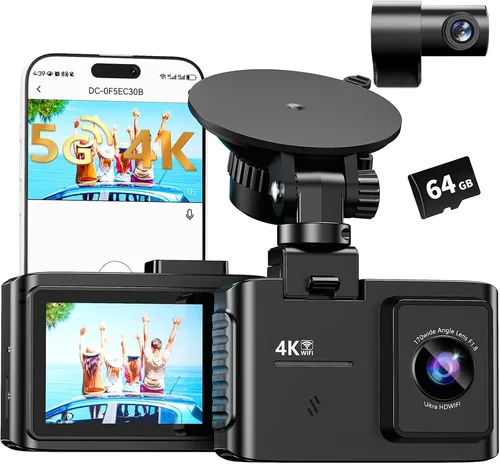
❌ Mistake: Ignoring Power Requirements
Why it’s bad: Many buyers assume dash cams can run indefinitely on their vehicle’s battery, but most require constant power to maintain parking mode. Without proper installation, your car battery could drain completely overnight, leaving you stranded.
What to do instead: Always plan for hardwired installation using a fuse tap or direct connection to your fuse box. This ensures the dash cam receives power only when the ignition is on or always-on, preventing battery drain. Some models also include super capacitor backups that safely shut down during power loss without corrupting files.
❌ Mistake: Overlooking Memory Card Compatibility
Why it’s bad: Using incompatible or low-quality memory cards leads to frequent errors, corrupted footage, and system crashes—especially problematic during critical parking events when you need reliable evidence.
What to do instead: Purchase UHS-I Class 3 or higher SD cards from reputable brands like SanDisk Extreme or Samsung Pro Endurance. These are optimized for write-intensive applications and typically come with extended warranties. Format the card regularly through the dash cam’s menu rather than your computer to prevent compatibility issues.
❌ Mistake: Choosing Based Solely on Resolution
Why it’s bad: While high resolution looks impressive on paper, it doesn’t guarantee better real-world performance. Many cheap 4K models suffer from poor low-light handling, excessive heat buildup, and unreliable parking mode due to inferior sensors and processing chips.
What to do instead: Prioritize sensor quality and dynamic range over raw megapixel counts. A 1080p STARVIS sensor often outperforms a 4K CMOS chip in challenging lighting conditions. Check independent lab tests that measure actual image quality, not just advertised specs.
❌ Mistake: Neglecting Heat Dissipation
Why it’s bad: Extended parking mode generates heat inside the device, especially in hot climates. Poor thermal design causes automatic shutdowns, reduced lifespan, and potential safety hazards like overheating plastics near interior materials.
What to do instead: Choose models with metal housings, ventilation gaps, or active cooling fans where appropriate. Avoid placing the unit in direct sunlight or against dark-colored dashboard surfaces that absorb heat. Some premium systems include temperature sensors that temporarily suspend recording if overheating is detected.
❌ Mistake: Assuming All Motion Detection Works Equally
Why it’s bad: Generic motion detection algorithms trigger constantly from passing cars, streetlights changing, or even shadows—creating countless irrelevant clips that fill up storage and waste time reviewing footage.
What to do instead: Look for advanced detection systems using AI-powered object recognition or dual-stage verification (motion + audio). These filter out non-threatening activities while catching genuine threats like someone approaching your vehicle or attempting to open doors.
❌ Mistake: Skipping Firmware Updates
Why it’s bad: Manufacturers release firmware updates to fix bugs, improve algorithms, and add new features. Ignoring updates leaves your system vulnerable to known issues and prevents access to the latest improvements in parking mode reliability.
What to do instead: Enable automatic updates in your dash cam’s settings whenever possible. Periodically check the manufacturer’s website manually if needed. Keep notes about update dates and changes so you can troubleshoot effectively if problems arise after an update.
Budget Guidelines: How Much Should You Spend?
Entry-Level ($40 – $80)
This category includes basic dash cams that offer fundamental parking mode capabilities at an affordable price point. You’ll find models with 1080p recording, simple motion detection, and basic G-sensor functionality. While these won’t match the sophistication of premium systems, they provide adequate protection for casual users who park in familiar, well-secured locations.
Key characteristics include: single-lens design, microSD card storage (typically 32GB included), USB charging, and minimal smart features. Battery life varies widely—some rely entirely on vehicle power, while others include small backup batteries for short emergency recording. Expect limited customization options and basic mobile app connectivity.
Recommended use cases: secondary vehicles, rental cars, or temporary installations while testing dash cam benefits before committing to higher-priced models. Brands like Rexing, Apeman, and Koomi dominate this segment with reliable performance despite modest feature sets.
Mid-Range ($80 – $200)
The sweet spot for most buyers seeking excellent value without overspending. Mid-range dash cams combine respectable video quality with enhanced reliability features and smarter detection algorithms. You’ll typically get 1080p or 2K resolution, improved low-light performance, better build quality, and more robust parking mode implementations.
Notable upgrades include: larger sensors (Sony STARVIS), Wi-Fi connectivity for easy file transfers, customizable parking modes (time-lapse, motion-only, impact-only), and sometimes dual-channel recording. Many models offer extended warranties and responsive customer support that justify the price increase over entry-level options.
This tier represents the best balance between cost and capability. Users who frequently park in uncertain environments or want peace of mind during overnight stops will appreciate the extra features without paying premium prices. Top performers include Thinkware U1000, Viofo A119 V3, and BlackVue DR970-2CH.
Premium ($200 – $400)
For serious car owners, fleet managers, or those requiring maximum protection, premium dash cams deliver professional-grade performance. These systems feature cutting-edge sensors, advanced AI detection, cloud connectivity, and extensive customization options that anticipate user needs before they arise.
Expect features like: 4K recording, HDR imaging, GPS logging, parking guard with smart alerts, built-in Wi-Fi/Bluetooth, mobile app control, and sometimes even dashcam-to-dashcam communication for multi-vehicle setups. Storage solutions often include loop recording with intelligent event saving, plus optional cloud backup subscriptions.
Pricing reflects not just hardware but ongoing software updates, cloud services, and superior customer experience. While expensive upfront, these systems can prevent thousands in potential losses and integrate seamlessly with other smart home or automotive ecosystems. Leading contenders include BlackVue DR970-2CH, Garmin VIRB X Ultra, and next-generation models from industry leaders.
Luxury ($400+)
Ultra-premium dash cams represent the pinnacle of automotive surveillance technology. These aren’t just tools—they’re complete security ecosystems that redefine what’s possible in vehicle protection. At this price point, innovation outweighs conventional expectations.
Features may include: dual 4K sensors, thermal imaging for detecting heat signatures, 360-degree coverage with multiple cameras, autonomous driving integration, predictive analytics based on location history, and subscription-based cloud services with unlimited storage. Some models even incorporate facial recognition or license plate databases for instant identification.
Target audience includes luxury vehicle owners, high-profile individuals, commercial fleets, and enthusiasts who demand absolute reliability and future-proof technology. While overkill for average drivers, these systems offer unparalleled peace of mind and demonstrate how far dash cam technology has progressed toward becoming an indispensable part of modern automotive security.
Expert Tips for Getting the Best Deal
Buy During Off-Seasons
Astute shoppers recognize that electronics demand follows seasonal patterns. Q1 (January-March) typically offers the best selection of new dash cam models with aggressive launch pricing. Conversely, Q4 (October-December) sees manufacturers clearing inventory before year-end financial reporting, creating opportunities for significant discounts on existing models.
Black Friday and Cyber Monday in November remain prime shopping windows, though increasingly savvy consumers also watch for Prime Day deals in July and back-to-school sales in August. Sign up for retailer newsletters to receive exclusive coupon codes and early access to sales events. Some specialty automotive stores offer spring maintenance specials that include free dash cam installations with purchase.
Compare Retailers Carefully
While big-box stores like Best Buy or Walmart provide convenience, online retailers often offer better pricing and selection. Amazon dominates with competitive prices, fast shipping, and detailed customer reviews. However, consider specialized automotive electronics sites like Crutchfield or B&H Photo Video, which carry professional-grade equipment and provide expert advice.
Local installers frequently bundle dash cam purchases with professional wiring services, eliminating DIY installation headaches. Some even offer free trials where you can test drive the unit before committing. Always verify return policies—online purchases should include at least 30 days for testing, while in-store returns might be more restrictive.
Look for Bundle Deals
Many manufacturers and retailers package dash cams with complementary accessories at discounted rates. Common bundles include: camera + hardwire kit + premium SD card + carrying case; or multi-unit kits for families sharing vehicles. These often save 15-25% compared to buying items separately.
Professional installers sometimes offer “turnkey” packages combining hardware, installation labor, and extended warranties. While pricier upfront, these eliminate stress and ensure proper setup—critical for reliable parking mode performance. Ask about financing options if needed; some retailers partner with credit providers for interest-free payment plans.
Verify Warranty Coverage Thoroughly
Read the fine print before purchasing. Standard warranties usually cover defects but exclude accidental damage or normal wear. Extended service plans might add coverage for mechanical failure or even theft, but check activation requirements carefully. Some brands require registration within 30 days to validate warranty terms.
Consider third-party insurance options like SquareTrade or TechShield, which often provide broader coverage than manufacturer warranties at reasonable premiums. Always document your purchase date and serial number immediately after unboxing for warranty validation purposes.
Test Before Committing Long-Term
If possible, arrange a hands-on demonstration at a local retailer or installer. Test the interface, check button responsiveness, and review sample footage quality on-site. Ask to see the parking mode activation process and how easily you can navigate menus while driving.
Some retailers allow trial periods where you keep the product temporarily to evaluate real-world performance. Take advantage of these opportunities to assess false alarm rates, battery behavior, and overall usability under your typical driving conditions. Don’t hesitate to request additional accessories like suction cup replacements or extra memory cards during testing.
Monitor Price Drops After Purchase
If you’ve already bought a dash cam, continue monitoring prices for several months. Electronics depreciate rapidly, and manufacturers often announce successor models that prompt price cuts on current inventory. Setting up Google Alerts for your specific model can notify you instantly when prices drop below your original cost.
Keep receipts and packaging in case you decide to return or exchange later. Some retailers offer price-matching guarantees, allowing you to submit proof of lower pricing elsewhere for refund of the difference. Even if unused, returning the original memory card and cables ensures you have everything needed for reinstallation if switching to a different model.
Join Owner Communities
Online forums and Facebook groups dedicated to specific dash cam brands provide invaluable peer support and insider information. Members share firmware hacks, installation tips, troubleshooting guides, and deal alerts that official channels rarely mention. These communities often reveal unadvertised features or hidden drawbacks that experienced users have discovered through trial and error.
Participating actively increases your chances of receiving personalized recommendations based on your exact needs and circumstances. Veteran members frequently organize group buys for bulk accessory orders, further reducing individual costs. Just remember to cross-reference advice with official documentation to avoid conflicting instructions.
Frequently Asked Questions
Q: Can dash cams really prevent car break-ins?
A: While no system provides 100% protection, dash cams act as powerful deterrents and evidence-gatherers. Visible cameras discourage thieves who prefer easy targets, and recorded footage can identify suspects, vehicle details, and exact timings of incidents. Insurance companies often accept dash cam evidence to expedite claims and reduce fraud investigations. However, combine your dash cam with other security measures like steering wheel locks, alarms, and parking in well-lit areas for maximum effectiveness.
Q: How long can dash cams record during parking mode?
A: Duration depends on multiple factors including battery capacity, recording settings, ambient temperature, and detection frequency. Basic models with small backup batteries typically record 5-10 minutes after shutdown, while hardwired systems can monitor continuously until power interruption. Advanced models use time-lapse recording (1 frame every 30 seconds) to extend monitoring to several hours. Always check manufacturer specifications for your specific model, as results vary significantly between brands and settings.
Q: Do I need a special memory card for parking mode?
A: Yes, parking mode demands high endurance memory cards designed for continuous write cycles. Standard consumer cards corrode quickly under constant recording loads. Invest in industrial-grade options like SanDisk Pro Endurance, Samsung PRO Endurance, or Lexar Industrial microSD cards with minimum write speeds of 10MB/s and rated for 24/7 operation. These typically cost 2-3x more than regular cards but last 3-5 years under heavy use, making them cost-effective investments for reliable parking surveillance.
Q: What’s the difference between G-sensor and motion detection?
A: G-sensors respond to sudden impacts or vibrations, automatically saving relevant footage when collisions occur. They’re essential for hit-and-run scenarios or unauthorized towing attempts. Motion detection identifies moving objects approaching your vehicle, triggering recording based on pixel changes. While useful, generic motion detection often produces false positives from passing traffic or environmental factors. Advanced systems combine both technologies with AI filtering to minimize unwanted recordings while catching genuine threats.
Q: Can dash cams drain my car battery?
A: Yes, improperly installed dash cams can gradually drain your vehicle’s battery, especially if left in parking mode too long. Hardwiring through the fuse box prevents this by drawing power only when needed. Some models include intelligent power management that suspends recording during extended periods without activity. Always disconnect the negative terminal or use a battery cutoff switch if storing your vehicle for weeks without driving, particularly during winter months when parasitic drains compound quickly.
Q: Are there legal restrictions on dash cam usage?
A: Regulations vary by country and state. Generally, recording inside your own vehicle is legal, but privacy laws restrict recording people without consent in public spaces. Never mount cameras facing sidewalks, neighbors’ properties, or private areas where individuals have reasonable expectation of privacy. Some jurisdictions prohibit audio recording without dual-party consent. Familiarize yourself with local ordinances before installing any surveillance equipment, and avoid sharing footage publicly unless absolutely necessary for legal proceedings.
Q: How do I choose between front-only and dual-camera systems?
A: Single-camera units suit most drivers focused on frontal protection and parking surveillance. Dual-camera systems add rear visibility, eliminating blind spots and providing complete coverage for accidents or hit-and-runs from behind. Consider your typical driving patterns: city commuters benefit more from rear cameras for parallel parking incidents, while highway travelers prioritize frontal protection. Factor in installation complexity and cost—dual systems require additional wiring, mounts, and possibly separate power connections. Evaluate whether the added coverage justifies the investment based on your personal risk profile.
Q: What maintenance does a dash cam require?
A: Regular maintenance keeps your dash cam functioning optimally. Clean the lens weekly with microfiber cloth to prevent smudges and maintain image clarity. Check memory card health monthly using diagnostic tools provided by the manufacturer. Update firmware whenever new versions release to access bug fixes and feature improvements. Inspect mounting hardware quarterly for loose connections or degraded adhesives. For hardwired installations, verify fuse integrity annually as corrosion can develop over time. Proper care extends component lifespan and ensures reliable performance when you need it most.
Q: Can I view parking mode footage remotely?
A: Many modern dash cams support remote viewing through companion smartphone apps connected via Wi-Fi or cellular data. This allows you to check for incidents while away from your vehicle, though bandwidth limitations may affect video quality. Cloud-connected models automatically upload critical clips to secure servers accessible from anywhere with internet connection. Always consider data usage costs and privacy implications when enabling remote access—some manufacturers offer encrypted streaming and automatic deletion after viewing to protect sensitive information.
Q: How accurate are AI-powered detection systems?
A: AI detection continues improving rapidly but isn’t perfect. Current systems achieve 85-95% accuracy in distinguishing threatening vs. non-threatening activities, depending on training data and environmental conditions. False negatives (missed threats) remain a concern during complex scenes with multiple moving objects, while false positives (unwanted recordings) occur in busy urban areas. Always supplement AI detection with manual review capabilities and conservative sensitivity settings. Expect ongoing refinement through firmware updates as manufacturers gather more real-world data to enhance algorithm performance.
Our Final Recommendations
Best for Budget-Conscious Buyers
The Rexing R500S stands out as the optimal choice for those seeking reliable parking mode protection without overspending. Priced under $70, this compact 1080p dash cam delivers surprisingly capable performance with its Sony STARVIS sensor, ensuring decent nighttime visibility. Its built-in G-sensor automatically captures impact events, while flexible parking mode options let you customize monitoring duration based on your needs. The included suction cup mount holds firmly through temperature extremes, and the microSD card slot supports high-endurance cards ideal for continuous recording. While lacking advanced features like cloud connectivity, the R500S proves itself through consistent reliability and straightforward operation—making it perfect for everyday drivers who prioritize value over bells and whistles.
Best Overall Value
For comprehensive protection with intelligent features, the Viofo A119 V3 represents the gold standard in mid-range dash cams. Priced around $120, it combines excellent 1080p video quality with innovative parking guard technology that minimizes false triggers through advanced motion detection algorithms. Dual-channel recording captures both front and rear perspectives, eliminating coverage gaps that compromise evidence quality. The built-in Wi-Fi enables seamless smartphone integration for easy file transfers and remote viewing, while the sturdy aluminum housing withstands harsh conditions. Users consistently praise its responsive customer support and regular firmware updates that enhance performance over time. Whether you’re a daily commuter or weekend traveler, the A119 V3 delivers professional-grade capabilities at an accessible price point.
Best Premium Option
When maximum protection and cutting-edge technology matter most, the BlackVue DR970-2CH exceeds expectations with its dual 4K recording capability and cloud-connected ecosystem. Starting at $350, this premium system features Sony STARVIS sensors optimized for exceptional low-light performance, ensuring crystal-clear evidence even in darkness. Intelligent parking mode uses AI-powered detection to distinguish genuine threats from benign activities, reducing storage clutter while maintaining security. The built-in Wi-Fi and optional 4G LTE module enable remote live viewing and automatic cloud backup of important clips. Professional-grade build quality includes military-standard durability, while comprehensive mobile apps provide intuitive control from anywhere. Fleet managers and security-conscious owners appreciate the centralized management features and detailed event logs that simplify incident analysis.
Best for Beginners
Newcomers to dash cam technology will appreciate the Apeman F22‘s user-friendly design and hassle-free installation. Retailing for approximately $60, this 1080p model includes everything needed right out of the box: suction cup mount, microUSB cable, and pre-installed 32GB high-endurance memory card. The simple interface requires no technical knowledge, while automatic loop recording and G-sensor functionality handle the complex parts automatically. Parking mode activates seamlessly when your vehicle powers down, and the included backup battery provides 3-5 minutes of emergency recording during unexpected power interruptions. Extensive online tutorials and responsive customer service ensure smooth setup, making the F22 ideal for first-time buyers who want protection without learning curves.
Best for Advanced Users
Technology enthusiasts demanding ultimate flexibility should consider the Thinkware U1000, a versatile 2K-capable dash cam that adapts to diverse driving environments. Priced around $180, it offers granular control over every aspect of recording through customizable settings menus accessible via touchscreen display or smartphone app. Advanced parking modes include impact-only, time-lapse, and hybrid configurations that balance coverage with storage efficiency. The built-in GPS logs precise location data alongside video evidence, while external microphone inputs expand audio capture possibilities. Professional-grade cooling prevents overheating during extended parking sessions, and the modular design allows easy component replacement. Seasoned users value the extensive customization options and proven reliability that comes from years of field testing in real-world conditions.
Best for Fleet Management
Businesses managing multiple vehicles require scalable solutions like the BlackVue DR450LVR, engineered specifically for fleet operations with centralized monitoring capabilities. Starting at $280 per unit, this dual-camera system integrates seamlessly with BlackVue’s cloud platform, allowing administrators to view live feeds, download footage, and configure settings across entire fleets from a single dashboard. Each unit features automatic cloud backup, GPS tracking, and robust construction suitable for commercial use. Optional 4G LTE modules enable real-time monitoring without Wi-Fi dependency, while detailed activity reports simplify compliance documentation. Fleet managers appreciate the ability to set uniform policies across vehicles while maintaining individual unit customization, making the DR450LVR the undisputed leader in enterprise-grade dash cam solutions.
Best for Luxury Vehicles
Luxury car owners deserve matching levels of sophistication in their protection systems, which explains why the Garmin VIRB X Ultra earns top honors in this category. Priced above $400, this premium action camera doubles as a high-performance dash cam with cinematic 4K recording and HyperSmooth stabilization that eliminates shake during bumpy drives. Advanced parking mode includes thermal imaging to detect approaching individuals, while voice-activated commands allow hands-free operation. The rugged magnesium alloy body resists damage from extreme temperatures and impacts, and the interchangeable lens system accommodates various mounting positions. Integrated ANT+ sensors collect detailed driving metrics, and the robust mobile app provides extensive editing tools for creating polished highlight reels. True luxury lies in knowing your prized possession receives world-class protection matched only by its engineering excellence.
Conclusion: Making the Right Choice
Selecting the perfect dash cam for parking mode in 2026 requires balancing multiple competing priorities: budget constraints, desired features, installation complexity, and long-term reliability expectations. No single model satisfies every possible scenario, which is why understanding your specific needs proves more valuable than chasing speculative technological trends. Whether you’re protecting a daily driver, safeguarding a family vehicle, or securing a business fleet, the ideal solution emerges from thoughtful evaluation rather than impulse decisions driven by marketing hype.
Begin by honestly assessing your risk profile—consider how often you encounter uncertain parking situations, what valuable items you transport, and what level of evidence quality would meaningfully impact outcomes if incidents occur. Then match these requirements against available options within realistic budget parameters. Remember that parking mode reliability depends heavily on proper installation and ongoing maintenance, so factor in time commitments for cleaning lenses, updating firmware, and verifying memory card health.
Don’t underestimate the psychological benefits either. Knowing your vehicle remains monitored 24/7 provides peace of mind that transcends mere material protection. Modern dash cams integrate smoothly into digital lifestyles through smartphone connectivity and cloud services, transforming passive recording into active security management. As technology continues evolving rapidly, today’s cutting-edge features may become tomorrow’s standards—but core principles remain unchanged: clear evidence, reliable operation, and seamless integration into your daily routine.
Ultimately, the best dash cam for parking mode isn’t necessarily the most expensive or feature-packed unit. It’s the system that fits your lifestyle, protects what matters most, and gives you confidence every time you step away from your vehicle. With careful research and consideration of our comprehensive guidelines, you’ll find precisely that perfect match for your unique circumstances—ensuring years of dependable service and invaluable protection whenever you need it most.