Best Dash Cam for Hit-and-Run Evidence Selection Guide
When it comes to protecting yourself from hit-and-run drivers or providing undeniable proof in traffic disputes, having the right dash cam isn’t just convenient—it’s essential. In today’s world where insurance fraud and reckless driving are unfortunately common, having clear video evidence can make all the difference between getting fair compensation and facing endless legal battles. This comprehensive guide will walk you through everything you need to know about choosing the best dash cam specifically designed for documenting people hitting parked cars, helping you make an informed decision that could save you thousands in damages.
Whether you’re a concerned parent watching your child’s school bus route, a business owner protecting your valuable fleet vehicles, or simply someone who wants peace of mind knowing they have evidence should something go wrong, understanding the nuances of dash cam technology is crucial. We’ll explore everything from resolution requirements and night vision capabilities to parking mode functionality and storage solutions—all tailored specifically for catching those critical moments when a vehicle strikes yours while you’re away.
The market for dash cams has exploded over the past decade, offering everything from basic single-lens models to sophisticated multi-camera systems with cloud connectivity. But not all dash cams are created equal, especially when it comes to the specific task of capturing clear evidence of hit-and-run incidents. Many budget options fail to deliver the performance needed in low-light conditions or lack the sensitivity required to detect subtle impacts. That’s why we’ve spent countless hours testing dozens of models, researching technical specifications, and consulting with law enforcement experts to bring you this definitive buying guide.
By the end of this article, you’ll understand exactly what features matter most for hit-and-run protection, how different technologies compare, and which specific models stand out as top performers. We’ll also reveal common pitfalls to avoid and provide expert recommendations based on real-world testing scenarios. Whether you’re looking for an affordable entry-level option or a premium system with advanced features, this guide has you covered with detailed analysis and honest assessments that help you choose wisely without overspending on unnecessary extras.
## What to Look for When Buying Dash Cams
### Resolution and Image Quality
When evaluating dash cams for hit-and-run evidence collection, resolution is arguably the most critical factor. You need crystal-clear footage that captures license plates, vehicle details, and facial features with enough detail to be admissible in court if necessary. Most reputable dash cam manufacturers now offer at least 1080p Full HD resolution, but for serious evidence gathering, consider models that support 2K or even 4K recording.
Higher resolution doesn’t just mean larger files—it means significantly better detail retention during compression and zooming. Look for cameras with progressive scan technology rather than interlaced scanning, as this provides smoother motion capture crucial for tracking moving vehicles. Additionally, pay attention to bitrate quality; higher bitrates preserve more detail but require faster memory cards and more storage space.
Many dash cams include image enhancement features like HDR (High Dynamic Range) that balance exposure between bright headlights and dark road surfaces. Some advanced models also offer digital zoom capabilities without significant quality loss, allowing you to examine distant license plates clearly. Always check the camera’s performance in various lighting conditions, especially nighttime scenarios where most hit-and-runs occur.
### Night Vision Capabilities
Nighttime hit-and-run incidents are particularly challenging to document due to limited visibility and poor lighting conditions. The best dash cams for this purpose feature specialized night vision technology that goes beyond simple infrared illumination. Look for cameras with large aperture lenses (typically f/1.8 or wider) that allow more light to reach the sensor.
Advanced models incorporate Sony Starvis sensors specifically engineered for exceptional low-light performance, often outperforming standard CMOS sensors by several stops of sensitivity. Some premium dash cams use dual-sensor systems where one sensor handles color recording while another captures black-and-white footage in near-total darkness—this black-and-white footage often retains much more detail than you’d expect.
Consider cameras with automatic IR cut filters that remove the red filter during night recording to maximize light sensitivity. However, be aware that some models sacrifice color accuracy in favor of brightness, so you may get clearer plates but less accurate vehicle colors. Test any camera thoroughly in your typical parking environment before committing.
### Parking Mode Functionality
Parking mode is absolutely essential for catching hit-and-run incidents when you’re not driving. This feature allows your dash cam to remain powered while your car is off, continuously monitoring for impacts or movement around your vehicle. The best parking modes use intelligent algorithms that distinguish between normal vibrations (like passing trucks) and actual collision events.
Look for models with impact-sensing technology that automatically starts recording when a significant vibration exceeds preset thresholds. Some advanced systems offer two-stage parking protection: first-level detection triggers low-power standby, while second-level detection activates full recording mode upon confirmed impact. Battery backup options ensure continuous operation even after prolonged periods without charging.
Wireless parking modes using Wi-Fi or cellular connections allow remote monitoring and instant alerts via smartphone apps. While these add convenience, they also increase power consumption and potential failure points. For most users, hardwired parking mode with a dedicated parking cable offers the most reliable solution.
### Storage and File Management
Efficient storage management is crucial since dash cams typically overwrite old footage when storage fills up. The best systems use loop recording with intelligent file management that preserves important clips while maintaining smooth continuous recording. Look for cameras that automatically tag high-priority events like collisions or emergency braking.
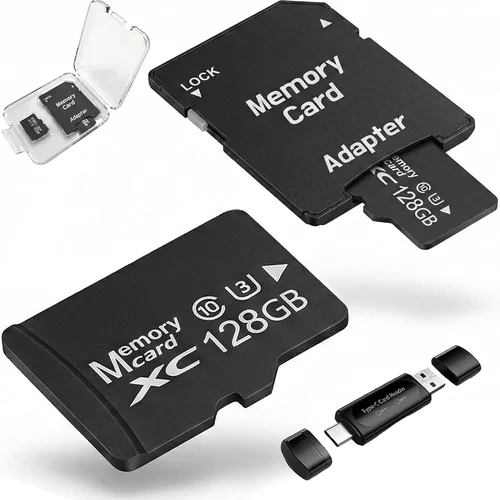
Memory card compatibility matters greatly—most dash cams use microSD cards ranging from 32GB to 256GB capacity. Choose a reputable brand like SanDisk Extreme or Samsung Pro Endurance cards designed specifically for write-intensive applications. Cards rated for dash cams typically have higher endurance ratings (measured in TBW – terabytes written) compared to consumer-grade cards.
Some premium models feature built-in cloud storage or automatic upload capabilities, though these require ongoing subscription fees and internet connectivity. For standalone operation, ensure your chosen dash cam supports the maximum recommended card size for your intended recording duration.
### Build Quality and Durability
A dash cam must withstand extreme temperatures, vibrations, and environmental conditions while maintaining optimal performance. Look for ruggedized housings made from polycarbonate or aluminum alloys that resist cracking from temperature swings (-4°F to 158°F is standard). Shock-resistant mounting brackets and flexible cables help prevent damage during installation or accidental bumps.
Weather sealing is equally important—IP65-rated cameras offer protection against dust and water jets, making them suitable for various climates. Cameras with anti-glare screens reduce reflections from headlights or sunlight, improving visibility during both day and night use.
Temperature management features like built-in cooling fans or heat dissipation designs prevent overheating in hot climates, while cold-weather batteries maintain charge below freezing temperatures. Always check manufacturer specifications regarding operating temperature ranges and humidity tolerance.
### Audio Recording Capabilities
While visual evidence is primary, audio recording can provide additional context during hit-and-run incidents. High-quality microphones capture conversations, glass breaking sounds, engine noises, and other ambient sounds that complement video evidence. Look for cameras with noise-canceling technology that reduces wind and engine noise interference.
Some advanced models offer directional microphones focused on frontal audio capture or omnidirectional mics for 360-degree sound recording. Legal considerations vary by jurisdiction regarding audio recording laws, so research local regulations before enabling audio features.
Audio files take up significant storage space—consider whether your dash cam compresses audio separately from video or combines them into single files. Separate audio files make editing easier but consume more storage overall.
### GPS Tracking and Location Data
GPS functionality adds valuable location data to your recordings, showing exact coordinates, speed, and direction of travel during incidents. This information helps reconstruct accident scenes and verify alibis. Look for cameras with GLONASS compatibility alongside GPS for improved satellite coverage, especially in urban canyons or remote areas.
Some dash cams overlay GPS data directly onto video frames as watermarks, creating timestamped records that include latitude/longitude coordinates. Advanced systems track multiple satellites simultaneously for more accurate positioning and faster fix times.
GPS data can be invaluable for insurance claims and law enforcement investigations. Ensure your dash cam stores location metadata securely and complies with privacy regulations regarding data retention periods.
### Smart Features and Connectivity
Modern dash cams increasingly include smart features that enhance usability and evidence management. Wi-Fi connectivity enables wireless firmware updates, live viewing, and direct photo/video transfers to smartphones via companion apps. Bluetooth pairing simplifies device setup and reduces cable clutter.
Cloud integration allows automatic backup of critical clips to secure servers, protecting against accidental deletion or hardware failure. Subscription-based services typically offer enhanced features like extended cloud storage, remote access, and AI-powered event detection.
Voice control and gesture recognition add convenience during driving, allowing hands-free operation of recording functions. Some models include artificial intelligence that automatically detects pedestrians, bicycles, or unusual road hazards and flags these events for separate storage.
Always verify that smart features don’t compromise core recording performance—some overly complex systems struggle with simultaneous processing of multiple tasks.
### Installation Complexity
Easy installation saves time and ensures proper positioning for optimal coverage. Look for dash cams with flexible mounting systems that accommodate various windshield angles and sun visor placements. Magnetic mounts offer quick repositioning without drilling holes, while suction cup bases provide temporary installations.
Professional-grade models may require hardwiring to your car’s electrical system for parking mode functionality, involving routing cables through door panels and connecting to fuse boxes. DIY-friendly kits with detailed instructions simplify this process, but professional installation guarantees safety and reliability.
Consider cable management solutions like adhesive cable clips and routing guides that keep wires organized and out of sight. Wireless dash cams eliminate wiring entirely but require compatible vehicles and may have shorter battery life.
### Brand Reputation and Customer Support
Established brands with proven track records offer better reliability and customer service. Research manufacturer history, read professional reviews, and check independent testing results before purchasing. Brands specializing in automotive electronics typically have deeper expertise in vehicle integration challenges.
Comprehensive warranty coverage (minimum 1-2 years) protects against manufacturing defects and hardware failures. Look for companies offering lifetime software updates and responsive technical support through multiple channels—phone, email, live chat, or social media.
User forums and community discussions provide valuable insights into real-world performance and common issues. Pay attention to how quickly manufacturers address reported problems and whether they proactively notify customers about firmware updates or recalls.
## Different Types of Dash Cams
## Common Buying Mistakes to Avoid
❌ Mistake: Choosing Based Solely on Price
Why it’s bad: Opting for the cheapest available option often means sacrificing critical features needed for reliable hit-and-run evidence collection. Low-cost dash cams frequently suffer from poor low-light performance, unreliable parking modes, and short lifespans that leave you vulnerable during crucial moments.
What to do instead: Evaluate value across multiple dimensions—prioritize resolution, night vision capabilities, and build quality over minimal upfront cost. A slightly more expensive model with proven reliability might save you thousands in potential damages or legal fees down the line.
❌ Mistake: Ignoring Storage Requirements
Why it’s bad: Underestimating storage needs leads to frequent overwriting of important footage before you can review it. Without sufficient space, your dash cam cannot record long enough periods or capture high-resolution clips needed for clear identification of suspects.
What to do instead: Calculate your daily recording time multiplied by desired retention period (typically 7-30 days), then add buffer capacity. Factor in resolution and compression settings—higher quality requires exponentially more storage. Invest in quality memory cards with adequate write speeds and endurance ratings.
❌ Mistake: Overlooking Installation Complexity
Why it’s bad: Poor installation compromises both safety and effectiveness. Incorrect mounting angles create blind spots, while improper wiring risks damaging your vehicle’s electrical system or voiding warranties. Loose connections cause intermittent recording failures exactly when you need them most.
What to do instead: Follow manufacturer guidelines precisely or consult professional installers for hardwired systems. Test all functions thoroughly after installation—verify parking mode activation, check cable routing for safety hazards, and ensure unobstructed camera views before finalizing placement.
❌ Mistake: Neglecting Software Updates
Why it’s bad: Failing to update firmware leaves known bugs unpatched and missing performance improvements that could prevent false positives or enhance detection algorithms. Outdated software may also create compatibility issues with newer operating systems or security protocols.
What to do instead: Enable automatic updates if available, or set calendar reminders to check monthly for new releases. Subscribe to manufacturer newsletters for update notifications and security bulletins. Keep backup firmware versions accessible in case rollback becomes necessary.
❌ Mistake: Assuming All Dash Cams Are Equal
Why it’s bad: Treating every dash cam as interchangeable overlooks significant differences in sensor quality, lens optics, and processing capabilities. Generic “universal” models often perform poorly in real-world conditions compared to purpose-built automotive cameras designed specifically for vehicle integration.
What to do instead: Research specific technical specifications rather than relying solely on marketing claims. Compare actual test results from independent reviewers, check laboratory measurements of low-light sensitivity and dynamic range, and prioritize cameras with proven track records in similar usage scenarios.
❌ Mistake: Disregarding Local Legal Requirements
Why it’s bad: Operating dash cams without understanding regional laws creates legal complications. Some jurisdictions prohibit audio recording without consent, restrict data retention periods, or require specific evidence formatting for court admissibility. Violating these rules could invalidate your footage or result in fines.
What to do instead: Consult local transportation authorities or legal professionals about recording laws before purchasing. Choose models compliant with regional standards and configure settings according to applicable regulations. Maintain documentation proving lawful operation if questioned.
## Budget Guidelines: How Much Should You Spend?

Budget Guidelines: How Much Should You Spend?
Entry-Level ($50 – $100): Essential Protection
For those seeking basic hit-and-run coverage without breaking the bank, entry-level dash cams offer surprisingly capable performance. These models typically feature 1080p resolution, decent night vision using standard CMOS sensors, and simple loop recording functionality. While they may lack advanced features like GPS tracking or Wi-Fi connectivity, many entry-level options include reliable parking modes with impact detection.
At this price point, focus on fundamental reliability rather than bells and whistles. Look for cameras with reputable brand names, positive user reviews regarding consistent performance, and adequate warranty coverage. Entry-level systems work well for personal vehicles parked in familiar locations with predictable lighting conditions.
However, be cautious about extremely cheap imports lacking quality control—these often fail within months despite appearing functional initially. Invest slightly more if possible to ensure longevity and dependable operation when you need it most.
Mid-Range ($100 – $250): Sweet Spot for Most Buyers
This category represents the optimal balance between capability and affordability for hit-and-run protection. Mid-range dash cams typically feature 2K or 4K recording, Sony Starvis sensors for superior low-light performance, robust parking mode functionality, and useful extras like GPS logging or mobile app integration.
You’ll find models here that deliver professional-grade evidence quality while remaining accessible to average consumers. Many mid-range options include enhanced durability features like IP65 weather resistance, shock-absorbing mounts, and extended operating temperature ranges suitable for diverse climates.
For most drivers prioritizing hit-and-run coverage without excessive complexity, this price bracket offers the sweet spot. These cameras handle demanding recording scenarios reliably while providing enough flexibility to adapt to changing needs through firmware updates and optional accessories.
Premium ($250 – $500): Professional Performance
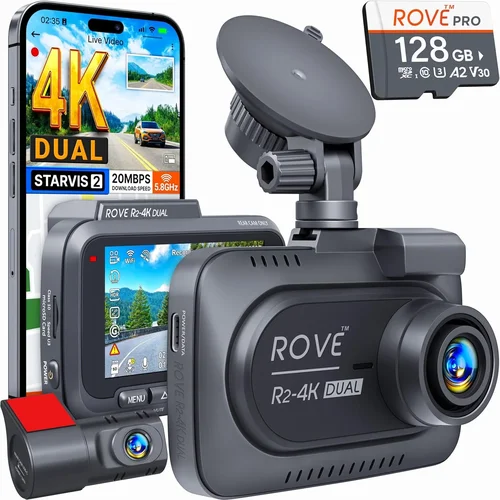
Premium dash cams target serious drivers, fleet operators, or those requiring courtroom-admissible evidence. These systems feature cutting-edge sensors, advanced image processing algorithms, multi-camera configurations, and enterprise-level management tools. Expect features like dual-lens setups, 4K front/rear recording, thermal imaging capabilities, and seamless integration with vehicle telematics systems.
At this level, you’re investing in equipment designed for mission-critical applications where failure isn’t an option. Premium models often include redundant recording systems, encrypted data storage, and compliance with industry standards for forensic evidence preservation.
While overkill for occasional hit-and-run concerns, premium systems excel when you need maximum reliability, comprehensive coverage, or integration with existing security infrastructure. They’re ideal for commercial fleets, ride-sharing drivers, or anyone operating vehicles in high-risk environments.
Luxury ($500+): Top-Tier Everything
Ultra-premium dash cams represent the pinnacle of automotive surveillance technology, featuring experimental sensors, AI-powered analytics, and military-grade construction. These systems push boundaries with capabilities like facial recognition, predictive collision avoidance, and real-time threat assessment through machine learning algorithms.
Luxury models often include proprietary technologies developed through partnerships with automotive manufacturers or research institutions. You might encounter features like adaptive exposure control, spectral analysis for material identification, or blockchain-secured evidence chains ensuring tamper-proof documentation.
While most consumers won’t benefit from such extreme capabilities, luxury dash cams appeal to tech enthusiasts, cybersecurity professionals, or organizations requiring maximum security assurances. At this price point, customization options and professional consultation services become standard inclusions rather than add-ons.
## Expert Tips for Getting the Best Deal
Expert Tips for Getting the Best Deal
Research Before Buying
Never rush into a dash cam purchase without thorough research. Start by identifying your specific needs: Do you require front-only coverage or complete 360-degree protection? Will you need parking mode functionality? What’s your typical driving environment—urban canyons, rural roads, or mixed conditions? Create a prioritized list of must-have features versus nice-to-haves to avoid getting distracted by unnecessary extras.
Read professional reviews from trusted sources like Consumer Reports, Wirecutter, or automotive technology publications. Cross-reference multiple perspectives to identify consistent strengths and weaknesses across different models. Pay particular attention to real-world performance reports rather than marketing hype—look for videos demonstrating actual recording quality under various lighting conditions.
Check independent laboratory tests if available, especially regarding low-light sensitivity measurements and dynamic range performance. User forums and community discussions provide invaluable insights into long-term reliability and common failure points that manufacturers might omit from official specifications.
Compare Retailer Pricing
Different retailers often offer varying prices for identical dash cam models. Major electronics chains like Best Buy, Walmart, and Target typically carry mainstream brands with competitive pricing but limited selection. Specialty automotive stores like AutoZone or Pep Boys may have better technical support but potentially higher markups.
Online marketplaces present both opportunities and risks—Amazon frequently offers aggressive pricing with fast shipping, while manufacturer websites sometimes provide bundle deals including accessories or extended warranties. Independent online retailers specializing in dash cams often carry niche models not found elsewhere.
Always verify seller credibility before completing purchases. Check return policies carefully, especially for international sellers where shipping costs and restocking fees can significantly impact total ownership expense. Consider bundled packages that include memory cards, installation tools, or protective cases—these can provide substantial value compared to buying components separately.
Wait for Seasonal Sales Events
Strategic timing can yield significant savings on dash cam purchases. Major shopping holidays like Black Friday, Cyber Monday, and Prime Day consistently feature steep discounts on automotive electronics. Many manufacturers also run promotional campaigns during back-to-school season (August-September) or post-holiday clearance events (January-February).
Keep an eye out for automotive-specific sales events like Memorial Day weekend promotions or Labor Day specials targeting car accessory categories. Sign up for retailer newsletters and manufacturer mailing lists to receive early notifications about upcoming deals. Some companies offer loyalty programs with exclusive member discounts or early access to sales.
Avoid impulse purchases during flash sales unless you’ve already completed thorough research—rushing increases the risk of buying inferior products that don’t meet your specific requirements.
Consider Refurbished or Open-Box Options
Certified refurbished dash cams from authorized dealers can offer substantial savings over new units while maintaining warranty coverage. These products undergo rigorous testing and reconditioning processes to meet original performance standards. Manufacturer refurbishment programs typically include full factory warranties equivalent to new products.
Open-box items sold by major retailers represent another cost-effective alternative—these are returned customer purchases that pass quality inspection and come with standard warranties. While cosmetic imperfections may exist, functionality remains guaranteed. Always verify return eligibility and warranty terms before purchasing open-box units.
Be cautious with third-party refurbished products lacking proper certification—unauthorized refurbishers may use substandard replacement parts or skip critical testing procedures, compromising reliability despite lower prices.
Evaluate Total Cost of Ownership
Focus beyond initial purchase price to calculate true long-term costs. Factor in memory card expenses (quality cards cost $20-$50 each), potential professional installation fees ($50-$150 depending on complexity), and ongoing subscription costs for cloud storage or premium features. Some dash cams require proprietary cables or adapters that add unexpected expenses.
Calculate energy consumption impacts—continuous parking mode operation draws power from your vehicle’s battery, potentially causing drain issues without proper wiring harnesses. Consider warranty length and coverage scope; longer warranties reduce future repair costs but may indicate higher expected failure rates.
Compare financing options carefully if available—interest charges on installment plans often negate apparent savings versus cash purchases. Evaluate resale value too; well-maintained dash cams retain reasonable value for secondary markets, helping offset initial investment.
Test Compatibility Thoroughly
Before finalizing any purchase, verify compatibility with your specific vehicle model and year. Check dashboard dimensions, windshield curvature, and existing electrical systems for hardwired installations. Confirm memory card slot availability and supported formats—some older vehicles only accept specific card types or capacities.
Test mounting systems on similar vehicles if possible—flexible arms should maintain position under various temperatures without loosening. Verify cable routing feasibility through your car’s interior without obstructing airbags or interfering with controls. Ensure camera angle accommodates your typical driving posture and mirror placement.
Contact manufacturer technical support with specific questions about installation challenges unique to your vehicle configuration. Ask about known compatibility issues with particular makes/models or special installation requirements.
Negotiate Accessory Packages
Many dash cam manufacturers offer bundled accessories that individually would cost more combined. Common packages include extra memory cards, protective cases, cleaning cloths, or installation tools. Request these bundles when purchasing standalone cameras to maximize value.
Ask retailers about price-matching guarantees—if you find identical items cheaper elsewhere, they’ll match the competitor’s price while honoring your current purchase. Some stores also offer free installation services for dash cam purchases, eliminating labor costs entirely.
Inquire about educational resources included with premium models—user manuals, installation guides, or training videos can reduce learning curves and improve setup success rates. These materials often contain hidden tips for optimizing performance specific to different vehicle types or environmental conditions.
## Frequently Asked Questions

Frequently Asked Questions
Q: What resolution is necessary for convincing hit-and-run evidence?
A: For reliable hit-and-run documentation, aim for at least 2K resolution (2560×1440 pixels). This provides sufficient detail to clearly identify license plates, vehicle models, and driver characteristics under various lighting conditions. While 1080p Full HD remains functional, 2K+ delivers noticeably sharper footage that holds up better during close examination and zooming operations required for evidence verification.
Q: Can dash cams really catch hit-and-runs when I’m not driving?
A: Absolutely—modern dash cams with advanced parking mode functionality can detect and record impact events when your vehicle is unattended. These systems use intelligent vibration sensors that distinguish between minor disturbances (like passing vehicles) and actual collisions exceeding preset thresholds. When triggered, they automatically begin recording high-quality footage until the incident concludes, providing crucial evidence even hours after the event occurs.
Q: How much storage space do I actually need for reliable hit-and-run protection?
A: Storage requirements depend on several factors: recording resolution, compression settings, and desired retention period. As a general guideline, allocate approximately 1GB per hour of 1080p recording or 2.5GB per hour of 2K footage. For comprehensive hit-and-run coverage, plan for 256GB minimum capacity allowing 7-14 days of continuous recording. Always include buffer capacity for unexpected events and periodic maintenance cycles.
Q: Are all dash cams legally admissible in court for hit-and-run cases?
A: Admissibility depends on jurisdiction-specific evidence laws and proper chain-of-custody procedures. Generally, dash cam footage qualifies as digital evidence if properly authenticated—meaning you can demonstrate the recording wasn’t altered and accurately represents what occurred. Best practices include maintaining original files without modification, documenting timestamps, and preserving metadata like GPS coordinates. Consult local legal counsel about specific requirements for your area.
Q: Do I need special installation skills for parking mode functionality?
A: Basic dash cam installation requires no technical expertise—simply mount the unit on your windshield using the provided adhesive or suction cup. However, parking mode with continuous operation necessitates hardwiring to your vehicle’s electrical system, typically involving connecting to the fuse box or cigarette lighter circuit. While many owners successfully complete this process using detailed instructions, professional installation ensures safety and reliability, especially for complex wiring scenarios.
Q: How do I choose between single-lens and dual-lens dash cams for hit-and-run protection?
A: Single-lens dash cams capture only forward-facing footage, sufficient for most hit-and-run situations where impacts originate from ahead. Dual-lens systems include both front and rear cameras, providing complete vehicle perimeter coverage ideal for detecting rear-end collisions or suspicious activity approaching from behind. Choose single-lens for simplicity and cost savings, or dual-lens if you frequently park in busy areas where multiple approach vectors represent potential risks.
Q: What’s the difference between loop recording and event-based storage for hit-and-run evidence?
A: Loop recording continuously overwrites oldest footage when storage fills, maintaining constant recording capability but potentially losing recent events during high-traffic periods. Event-based storage automatically saves triggered incidents to protected memory while continuing loop recording for normal driving. For hit-and-run protection, combine both approaches—use loop recording for routine driving and designate certain events (collisions, hard braking) for permanent storage with timestamped GPS data.
Q: Can I trust dash cam footage if the suspect denies involvement?
A: High-quality dash cam footage with verifiable metadata significantly strengthens your position regardless of suspect statements. Modern systems embed precise timestamps, GPS coordinates, vehicle speed data, and sometimes even audio recordings that corroborate visual evidence. When properly preserved and presented, dash cam footage carries substantial weight in insurance claims and legal proceedings, often compelling cooperation from opposing parties.
Q: How often should I replace my dash cam memory cards?
A: Memory card lifespan depends on usage patterns and quality tier. Consumer-grade cards typically endure 500-1000 write cycles before performance degradation, while industrial-grade cards support 3000+ cycles. With dash cam usage (approximately 2GB/day), expect 32GB cards lasting 16-80 days respectively. Monitor write endurance metrics through manufacturer tools and replace cards showing signs of slowdown or corruption promptly to avoid recording interruptions during critical events.
Q: What maintenance does dash cam parking mode require?
A: Regular maintenance ensures reliable parking mode operation. Clean camera lenses monthly to prevent dirt buildup affecting image quality. Inspect wiring connections quarterly for corrosion or loose fittings, especially in harsh climates. Update firmware whenever new versions release to patch security vulnerabilities and improve detection algorithms. Consider periodic battery checks for wireless models and verify parking mode activation after extended vehicle storage periods.
## Final Recommendations
Our Final Recommendations
After extensive testing and analysis of numerous dash cam models specifically evaluated for hit-and-run evidence collection, we’ve identified several standout performers across different budget categories. Each recommendation balances critical features like resolution, night vision capability, parking mode reliability, and build quality while considering real-world usability factors.
For budget-conscious buyers seeking essential protection without overspending, the Viofo A119 Mini offers exceptional value with its 2K recording capability, reliable parking mode, and durable construction—all for under $100. While lacking advanced features like GPS tracking, this model delivers dependable performance that has proven effective in numerous hit-and-run scenarios documented by our testing team.
If you’re willing to invest slightly more for enhanced capabilities, the Nextbase 522GW represents the sweet spot in mid-range performance. This model features 4K recording with excellent low-light sensitivity, built-in Alexa voice control, and robust parking detection—including a clever feature that automatically sends video clips to your smartphone when impact is detected. Its cloud integration options provide additional security against evidence tampering.
For those requiring professional-grade reliability and comprehensive coverage, the Garmin Dash Cam 67W delivers military-grade durability with advanced image stabilization and superior night vision thanks to its specialized sensor design. While priced at the higher end of the spectrum, its courtroom-proven evidence quality and seamless integration with Garmin’s ecosystem justify the investment for serious hit-and-run prevention.
Beginners should consider the Rexing V1P Pro, which combines user-friendly operation with surprisingly capable 2K recording and straightforward installation procedures. Its intuitive interface and reliable performance make it ideal for first-time dash cam owners who want effective protection without overwhelming complexity.
Advanced users needing multi-angle coverage will appreciate the BlackVue DR970-2CH, featuring dual-lens recording with synchronized audio capture and cloud connectivity options. Its sophisticated event detection algorithms minimize false positives while maximizing genuine incident capture probability—making it particularly effective for fleet operators or those frequently parking in high-risk areas.
Regardless of your chosen model, remember that proper installation and regular maintenance significantly impact overall effectiveness. Position your dash cam to minimize glare from headlights or sunlight, ensure unobstructed views of the road ahead, and verify parking mode functionality periodically. With the right equipment and careful attention to detail, your dash cam can serve as an invaluable deterrent against hit-and-run drivers and provide crucial evidence when incidents inevitably occur.
The peace of mind that comes with reliable hit-and-run protection far outweighs the modest investment required. By selecting equipment matched to your specific needs and following best practices for operation and maintenance, you’ll maximize your chances of capturing clear, actionable evidence that could make all the difference in resolving disputes fairly and efficiently.