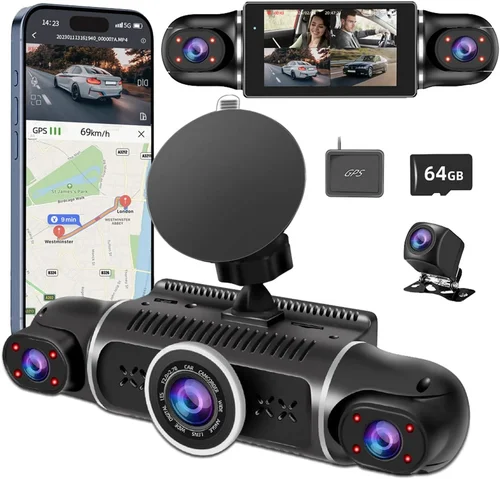
Complete Best Dash Cam Buying Guide
Why spend hundreds of dollars on a dash cam when you can get reliable protection for under $100? In recent years, the market has exploded with affordable recording devices that pack impressive features once reserved for premium models. This comprehensive buying guide will help you navigate the crowded landscape and find the best dash cam for cheap without sacrificing essential functionality.
Whether you’re a first-time driver looking to protect yourself from false claims, a daily commuter wanting peace of mind during rush hour traffic, or someone who simply wants to document road trips, understanding what makes a good dash cam—and what to avoid in budget models—is crucial. We’ll explore everything from resolution and storage options to advanced features like parking mode and GPS tracking, all while keeping your wallet in mind.
The dash cam industry has matured significantly, with Chinese manufacturers leading innovation in cost-effective technology. Today’s budget-friendly options often exceed expectations in video quality, reliability, and feature sets. By the end of this guide, you’ll have the knowledge to make an informed decision and find that perfect balance between affordability and performance.
What to Look for When Buying Dash Cams
Budget & Price Range
Understanding your budget upfront is perhaps the most critical factor in finding the best dash cam for cheap. While it might seem counterintuitive to consider price as a feature, being clear about how much you’re willing to spend helps narrow down options and prevents buyer’s remorse. Entry-level dash cams typically range from $50-$80 and offer basic recording capabilities with decent video quality. Mid-range models ($80-$120) usually include additional features like night vision, loop recording, and motion detection. Premium options ($120-$200) provide professional-grade video quality, advanced safety features, and superior build quality. Remember that the cheapest option isn’t always the best value—sometimes paying slightly more unlocks features that prevent future purchases.
Performance Specifications
Video resolution remains the cornerstone of any dash cam purchase. Most budget models now offer at least 1080p Full HD recording, which provides clear enough footage for license plate identification and incident documentation. However, be wary of marketing terms like “HD” or “Full HD” that lack specific frame rates or bitrates. True 1080p should record at 30fps (frames per second) with a minimum bitrate of 10Mbps for optimal clarity. Some affordable models now include 2K (1440p) resolution, offering sharper detail while still maintaining reasonable file sizes. The aspect ratio matters too—most modern dash cams use 16:9 widescreen format, but some budget models still use outdated 4:3 ratios that waste screen real estate.
Field of view (FOV) directly impacts what gets captured on camera. A wider angle captures more of the road ahead and surrounding environment, but beyond approximately 130 degrees, image distortion increases dramatically near the edges. For budget-conscious buyers, 120-130 degrees represents the sweet spot—wide enough to catch important details without excessive warping. Dual-channel dash cams, which record both front and rear views, are becoming more affordable and provide comprehensive coverage for accident scenarios where liability questions arise.
Build Quality & Durability
Even the best dash cam for cheap needs to withstand real-world conditions. Look for models with solid metal or reinforced plastic housings rather than flimsy plastic construction. Temperature tolerance is crucial—dash cams must function reliably in extreme heat (up to 140°F/60°C) and cold (-4°F/-20°C). Budget models sometimes cut corners on internal components, leading to premature failure. Check if the device includes protective features like automatic shutdown during overheating or voltage protection against power surges. Water resistance ratings (IPX rating) indicate how well the unit handles moisture exposure—while most dash cams aren’t fully waterproof, they should handle light rain without damage.
Features & Functionality
Loop recording automatically overwrites the oldest footage when storage fills up, ensuring continuous operation without manual intervention. This feature is essential for budget users who may not want to frequently remove and manage memory cards. Motion detection and G-sensor technology automatically save clips when impact or movement is detected, protecting critical evidence during incidents. Parking mode, available in more affordable models, uses low-power recording to capture events while your car is parked—though battery drain considerations apply.
Audio recording capability allows you to capture conversations inside your vehicle, which can be valuable for documenting disputes or providing context during accidents. However, be aware of privacy laws in your jurisdiction regarding audio recording. GPS functionality enables timestamping and location tracking, adding another layer of documentation without expensive aftermarket systems. Many budget dash cams now include built-in Wi-Fi for easy file transfer to smartphones via companion apps.
Brand Reputation
While new brands enter the market frequently, established manufacturers generally offer better reliability and customer support. Well-known brands like BlackVue, Viofo, Garmin, and Thinkware have built reputations through consistent quality and responsive service. However, many Chinese manufacturers such as Rexing, Vantrue, and JusTone produce excellent budget options with growing brand recognition. Research user forums and review sites to identify patterns of reliability issues before making your decision. Avoid extremely obscure brands with no online presence or poor customer reviews—these often cut corners on quality control.
Warranty & Support
A solid warranty indicates manufacturer confidence in their product. Most reputable brands offer at least a one-year limited warranty covering defects in materials and workmanship. Some premium models include two-year warranties or international coverage. Check what’s included in the warranty—does it cover accidental damage? Is replacement shipping free? What’s the claim process like? Customer support responsiveness varies widely among brands; some offer toll-free phone support while others rely solely on email or chat. For budget buyers, extended warranty options might seem tempting but rarely provide sufficient value compared to the original price.
Size & Portability
Compact design matters for discreet installation and reduced wind resistance. Modern dash cams measure between 2-3 inches in height and width, fitting comfortably behind your rearview mirror without obstructing vision. Some budget models feature ultra-thin profiles (under 0.8 inches) that sit flush with your windshield. Consider how the size affects installation—larger units may require alternative mounting locations. Additionally, think about portability if you plan to move the dash cam between vehicles. Smaller units transfer more easily and often include adhesive mounts that work across different car models.
User Reviews & Ratings
Real-world experience often reveals shortcomings that specifications alone cannot predict. Pay attention to recurring complaints about battery life, software glitches, or mounting difficulties. Five-star ratings are encouraging, but look for detailed reviews mentioning long-term usage rather than just initial impressions. Review patterns can reveal whether issues are isolated incidents or systemic problems with certain models. Be cautious of fake reviews—excessive five-star ratings with identical phrasing or suspiciously brief comments often indicate paid promotions rather than genuine feedback.
Different Types of Dash Cams
Common Buying Mistakes to Avoid
❌ Mistake: Prioritizing lowest price above all else
Why it’s bad: The absolute cheapest dash cams often suffer from poor video quality, unreliable performance, and short lifespans. Models under $40 typically cut corners on essential components, resulting in grainy footage that fails to capture important details during incidents. You might save money initially but end up needing to replace the unit within months due to malfunctions.
What to do instead: Set a realistic minimum budget of $50-$60 for reliable basic functionality. This range typically includes adequate resolution, stable performance, and reasonable durability. Focus on overall value rather than absolute lowest price.
❌ Mistake: Ignoring storage requirements and management
Why it’s bad: Without proper storage planning, your dash cam will either constantly overwrite important footage or stop recording entirely when the memory card fills up. Many budget users underestimate how quickly dash cam files consume space—a single hour of 1080p recording can use 3-5GB depending on compression settings.
What to do instead: Choose a model with loop recording capability and purchase at least a 64GB microSD card (Class 10 or higher). Consider how often you’ll need to access footage and whether the dash cam supports cloud backup or direct smartphone transfer.
❌ Mistake: Overlooking installation and usability factors
Why it’s bad: Even the best dash cam becomes frustrating to use if installation proves difficult or the interface confusing. Poor placement blocks your view, tangled wires create clutter, or complex menus discourage regular use—especially during stressful situations.
What to do instead: Select models with simple plug-and-play installation, intuitive controls, and clear status indicators. Test mounting solutions before committing, and ensure cable routing doesn’t interfere with airbag deployment areas or windshield wipers.
❌ Mistake: Assuming all brands offer equal reliability
Why it’s bad: New entrants to the market may lack quality control processes or long-term reliability data. Some ultra-cheap brands use inferior sensors, unstable operating systems, or components that fail prematurely under normal usage conditions.
What to do instead: Research brand reputation through multiple sources including independent review sites, user forums, and consumer protection agencies. Look for established companies with transparent manufacturing information and responsive customer service.
❌ Mistake: Neglecting compatibility with your vehicle
Why it’s bad: Power connection issues, mounting interference, or physical fit problems can render even the most capable dash cam unusable. Some budget models don’t account for specific vehicle designs, leading to installation failures or safety hazards.
What to do instead: Verify power adapter compatibility with your car’s cigarette lighter socket or consider hardwiring options. Check mounting bracket dimensions and ensure the unit fits comfortably behind your rearview mirror without obstruction.
❌ Mistake: Focusing only on video quality while ignoring other features
Why it’s bad: High-resolution cameras with poor low-light performance, inadequate field of view, or missing safety features provide incomplete protection. A 4K camera that struggles in dim lighting offers little advantage over a reliable 1080p model with superior night vision capabilities.
What to do instead: Evaluate each feature based on your specific needs. If you drive primarily during daylight hours, prioritize resolution and field of view. If nighttime driving is common, emphasize low-light performance and infrared capabilities.
Budget Guidelines: How Much Should You Spend?
Entry-Level ($50 – $80)
This category delivers reliable core functionality without unnecessary extras. You’ll find solid 1080p recording, adequate night vision, and essential safety features like G-sensors and loop recording. Build quality may be plastic but typically sufficient for normal use. These models suit occasional drivers, rental cars, or those testing dash cam benefits before committing to premium features. Expect basic interfaces and limited customization options, but consistent performance for everyday recording needs.
Mid-Range ($80 – $120)
The sweet spot for most buyers, this range introduces several valuable enhancements. Resolution often upgrades to 2K while maintaining excellent video quality. Additional features like parking mode, GPS tracking, and improved night vision become standard. Build quality improves with better heat dissipation and more durable materials. Interface sophistication increases with larger screens and touch controls. This tier offers the best balance of features, performance, and value for regular commuters and daily drivers.
Premium ($120 – $200)
Professional-grade video quality emerges in this range with superior sensors, enhanced dynamic range, and advanced stabilization. Multiple channel recording (dual or three-channel) becomes accessible alongside sophisticated safety features like collision avoidance alerts. Build quality reaches automotive standards with metal housings and rigorous temperature testing. User interfaces become highly customizable with extensive menu options and cloud connectivity. These models serve serious drivers, fleet operators, and those requiring maximum reliability and evidence quality.
Luxury ($200+)
Top-tier dash cams offer cutting-edge technology previously unavailable outside professional applications. Features include 4K recording with HDR, AI-powered object detection, satellite connectivity, and comprehensive fleet management integration. Construction meets aerospace-grade durability standards with military-spec components. Advanced analytics provide driving behavior insights and predictive maintenance alerts. These systems represent complete vehicle security ecosystems rather than standalone recording devices.
Expert Tips for Getting the Best Deal
When to buy: Timing significantly affects availability and pricing. Black Friday and Cyber Monday deliver the deepest discounts annually. End-of-season sales in spring and fall often feature clearance pricing on previous-generation models. Holiday weekends like Memorial Day, Labor Day, and Independence Day frequently include retailer-specific promotions. Avoid major shopping events like Prime Day if you want to compare prices across platforms.
Where to buy: Online retailers typically offer better selection and competitive pricing than brick-and-mortar stores. Amazon provides fast shipping, detailed reviews, and return flexibility. Specialty electronics retailers like Best Buy offer hands-on testing and knowledgeable staff. Direct manufacturer websites sometimes include exclusive bundles or warranty extensions. Local auto shops may provide professional installation services worth considering if included in the price.
How to spot deals: Subscribe to retailer newsletters for early access to sales and exclusive coupons. Price comparison tools track historical pricing to identify true discounts versus temporary markdowns. Bundle deals that include memory cards, mounts, or accessories often provide greater savings than individual component purchases. Refurbished models from certified sellers can offer substantial savings with full warranty protection.
Warranty considerations: Extended warranties rarely justify their cost for electronic devices. Most manufacturers already include sufficient coverage for their products’ expected lifespan. Focus instead on the base warranty length and terms. International warranties matter if you travel frequently or relocate. Read the fine print regarding covered defects and exclusions.
Return policies: Electronics carry inherent risk—ensure your chosen platform offers generous return windows (at least 30 days). Restocking fees vary significantly between retailers and can negate savings on closeout items. Verify return eligibility for opened versus unopened boxes. Keep original packaging if possible for easier returns.
Testing before buying: Physical stores allow hands-on evaluation of weight, button feel, screen quality, and mounting options. Compare multiple units side-by-side to assess build quality differences. Ask staff about return policies and warranty procedures before making commitments. Take notes comparing features across models during your visit.
Additional savings strategies: Trade-in programs occasionally accept old dash cams for credit toward new purchases. Cashback credit cards provide percentage returns on eligible electronics. Student or military discounts may apply through manufacturer programs. Group buying opportunities through forums or social media groups sometimes unlock volume pricing.
FAQs Section
Q: What’s the minimum acceptable video resolution for a dash cam?
A: 1080p Full HD at 30fps represents the current minimum standard. Anything below this struggles to capture license plates clearly or identify faces during incidents. Some budget models achieve adequate results with 720p at 60fps, but 1080p remains the practical baseline for evidence quality.
Q: How much storage do I actually need?
A: A 64GB microSD card typically holds 4-6 hours of 1080p footage depending on compression settings. Daily drivers benefit from 128GB cards providing 8-12 hours of continuous recording. Always choose Class 10 or UHS-I cards for reliable write speeds and durability.
Q: Do I need dual-channel recording?
A: Single-channel dash cams suffice for most personal vehicles unless you frequently encounter rear-end collisions or want comprehensive coverage during parking incidents. Dual-channel models add complexity and cost but provide valuable additional perspective during disputes.
Q: Can dash cams record while parked?
A: Yes, parking mode functionality requires specific hardware and software support. Not all budget models include this feature, and those that do often require constant power connection or vehicle battery monitoring to prevent draining your car’s battery.
Q: How should I install my dash cam safely?
A: Mount behind your rearview mirror using the provided adhesive pad, ensuring no obstruction to your view. Route cables along existing trim lines or through designated channels to avoid interference with moving parts. Never block airbag deployment zones or windshield wiper mechanisms.
Q: What happens to old footage when storage fills up?
A: Loop recording automatically overwrites the oldest files when the memory card reaches capacity. This ensures continuous operation without manual intervention. Some models include event-based saving that protects critical footage from being overwritten immediately.
Q: Are there legal restrictions on dash cam usage?
A: Most jurisdictions permit dash cam recording without consent since you’re documenting public roads and your own vehicle. However, privacy laws may restrict audio recording in some areas—check local regulations regarding two-party consent requirements for conversations.
Q: How do I know if my dash cam is working properly?
A: Status indicators typically show power, recording, and GPS signals. Regularly check recorded footage to verify quality and functionality. Test features like parking mode and impact detection periodically. Monitor for error messages or unusual behavior that might indicate hardware issues.
Final Recommendations
For Budget-Conscious Buyers: The Vantrue N4 offers exceptional value with 2K front recording, infrared night vision, and triple-channel capability—all under $150. Its compact design fits discreetly behind mirrors while providing comprehensive coverage through front, rear, and interior cameras.
Best Overall Value: The Rexing V1 Pro delivers outstanding 2K video quality, reliable performance, and useful features like GPS and parking mode at an accessible price point. Its intuitive interface and durable construction make it ideal for daily drivers seeking dependable protection without premium costs.
Best Premium Option: The Thinkware U1000 provides professional-grade 2K recording with superior image processing, robust build quality, and extensive safety features. While exceeding typical budget ranges, its reliability and evidence quality justify the investment for serious drivers.
Best for Beginners: The Apeman F770 features straightforward operation, clear instructions, and reliable performance at an entry-level price. Its simple interface reduces learning curve concerns while delivering adequate video quality for everyday use.
Best for Advanced Users: The BlackVue DR970X-2CH offers cloud connectivity, superior low-light performance, and comprehensive fleet management features. Though priced higher, its advanced capabilities and proven reliability make it worth consideration for experienced users who demand maximum protection.
Conclusion: Making the Right Choice
Finding the best dash cam for cheap requires balancing immediate savings with long-term reliability and functionality. The key insight is recognizing that minimal viable protection often exceeds expectations when you focus on proven brands and essential features rather than chasing the absolute lowest price.
Prioritize resolution, field of view, and build quality above all else—these fundamentals determine whether your recordings will stand up in potential disputes. Don’t overlook secondary features like parking mode or GPS tracking that add valuable layers of protection. Remember that installation ease and usability significantly affect actual usage frequency, so choose models that won’t discourage regular operation.
Take time researching before purchasing, comparing multiple options across different retailers. Consider how your specific driving patterns influence feature priorities—nighttime drivers benefit from superior low-light performance, while frequent highway travelers might value wider fields of view. Most importantly, remember that even the best dash cam for cheap serves no purpose if it’s never installed or used consistently.
With careful consideration of your needs, realistic budget expectations, and attention to proven performers in the budget segment, you can equip yourself with reliable protection that documents your journeys and provides peace of mind behind the wheel.