Best Dash Cam for 18-Wheeler Buying Guide
Why investing in a reliable dash cam for your 18-wheeler is not just smart—it’s essential. Commercial trucking professionals face unique challenges on the road, from long hours behind the wheel to unpredictable weather conditions and heavy traffic. A high-quality dash cam can provide peace of mind, protect against false claims, and even improve fleet safety records. This comprehensive guide will walk you through everything you need to know about choosing the best dash cam for an 18-wheeler, helping you make an informed decision that aligns with your specific needs and budget.
In this detailed buying guide, you’ll discover how to evaluate performance specifications, understand the latest features, compare different types of dash cams, and avoid common pitfalls. Whether you’re managing a small fleet or operating solo, understanding the key factors—from video quality and storage capacity to durability and connectivity options—will ensure you select equipment that stands up to the demands of commercial driving. We’ll also explore real-world scenarios where dash cams have made a significant difference in accident investigations and insurance claims.
The commercial dash cam market has evolved rapidly over the past decade, offering everything from basic single-camera systems to advanced multi-sensor setups with cloud connectivity. With so many options available, it’s easy to feel overwhelmed. That’s why we’ve broken down complex technical details into practical insights you can apply immediately. By the end of this guide, you’ll have a clear roadmap for selecting a dash cam that delivers reliable performance, meets regulatory requirements, and provides value well beyond its initial purchase price.

What to Look for When Buying Dash Cams
1. Video Resolution & Image Quality
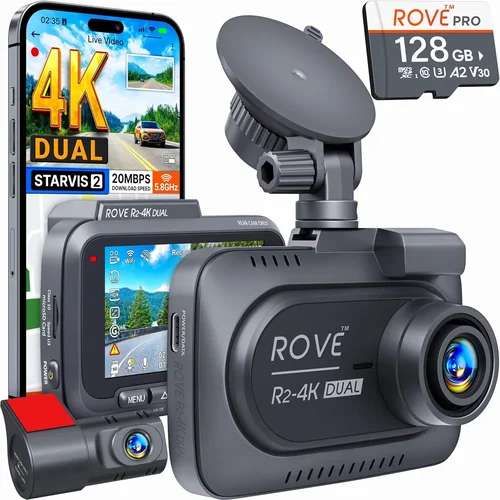
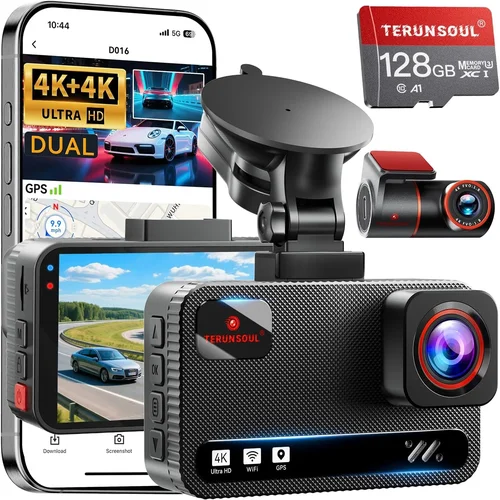
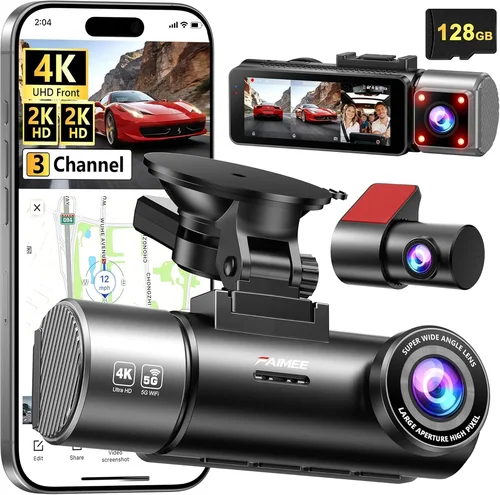
The foundation of any effective dash cam lies in its ability to capture clear, detailed footage. For 18-wheelers, where accidents often involve multiple vehicles and complex scenarios, high-resolution video is non-negotiable. Look for cameras that offer at least 1080p Full HD resolution—ideally 4K Ultra HD for maximum detail. Higher resolution means better license plate recognition, clearer facial identification, and improved evidence quality during disputes.
But resolution alone isn’t enough. Consider frame rate as well; 60fps ensures smoother motion capture during rapid deceleration or emergency maneuvers. Advanced features like HDR (High Dynamic Range) help balance exposure in challenging lighting conditions, such as bright sunlight reflecting off asphalt or dark tunnel interiors. Night vision capabilities should include infrared LEDs or low-light sensors to maintain visibility after sunset.
2. Storage Capacity & Loop Recording
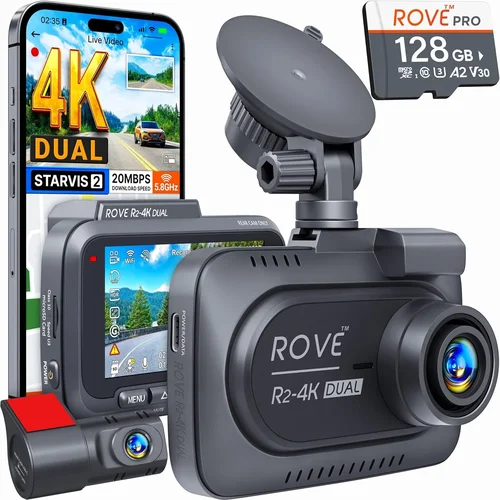
Commercial drivers cover thousands of miles each month, generating massive amounts of video data. Your dash cam must support ample internal storage or external memory card compatibility (typically microSD). A minimum of 64GB is recommended, but 128GB or higher allows longer recording sessions without constant file management.
Loop recording automatically overwrites older footage when storage fills up, ensuring continuous operation. However, critical events—like sudden braking or impact—should be protected from being overwritten. Look for G-sensor-triggered event locking that saves important clips to a separate secure folder. Some systems also offer cloud backup options for automatic upload and remote access, though these require reliable cellular connectivity and ongoing subscription fees.
3. Field of View (FOV)
Wide-angle lenses capture more of the road ahead but can introduce distortion at the edges. For truck drivers, a horizontal FOV between 120°–150° strikes the right balance between coverage and image clarity. Front-facing cameras should prioritize forward visibility, while rear cameras benefit from slightly wider angles to monitor blind spots.
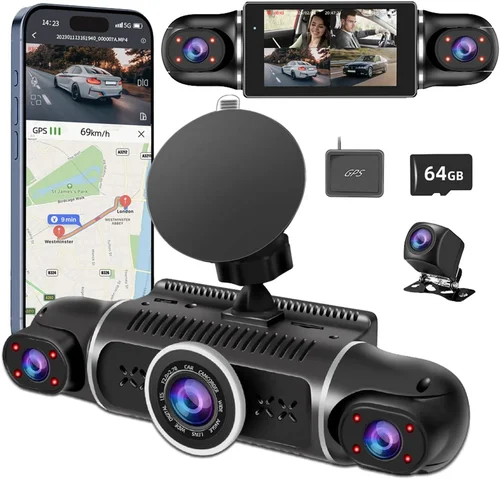
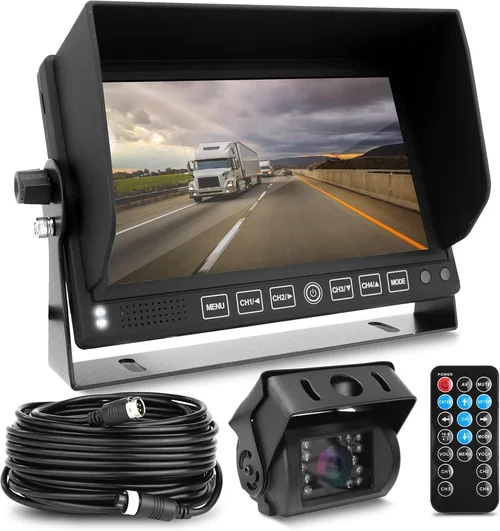
Dual-lens systems are becoming increasingly popular among fleet operators. These include both front and rear cameras mounted on the same device, providing complete coverage of your tractor-trailer combo. Multi-camera setups may also incorporate side mirrors or interior cabin views depending on your safety priorities and regulatory requirements.
4. Durability & Environmental Resistance
Truck cabins experience extreme temperatures, vibrations, and humidity levels daily. Your dash cam must withstand these conditions reliably. Industrial-grade models feature reinforced housings rated IP67 or higher for dust and water resistance. Operating temperature ranges should accommodate sub-zero winters and scorching summers—look for specs indicating functionality between -20°C to +70°C (-4°F to 158°F).
Vibration resistance is equally crucial. Military-grade shock absorption and anti-vibration mounts prevent dislodging during rough terrain travel or sudden stops. Secure mounting hardware compatible with large windshields ensures stable positioning regardless of road conditions.
5. Power Supply & Installation Options
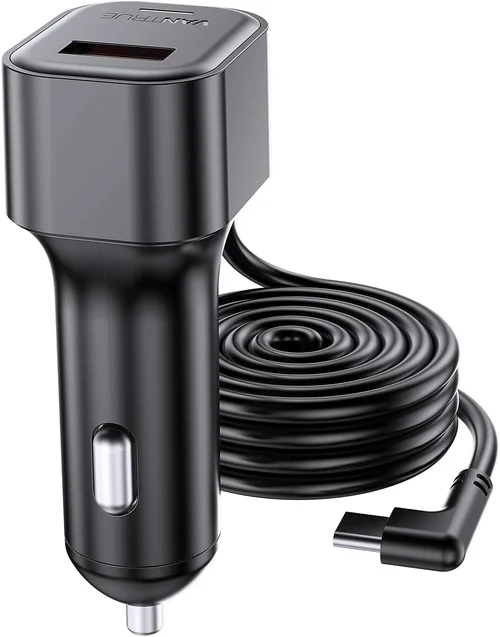
Most dash cams draw power directly from the vehicle’s electrical system via cigarette lighter adapters or hardwiring kits. Hardwiring connects permanently to the fuse box using a relay circuit, offering cleaner installation and automatic activation/deactivation with ignition cycles. This prevents battery drain when parked unless equipped with parking mode functionality.
Parking mode uses motion detection or time-lapse recording to monitor your rig while unattended. Some advanced systems include built-in batteries or supercapacitors for short-term operation during power interruptions or extended periods away from charging sources.
6. Connectivity & Smart Features
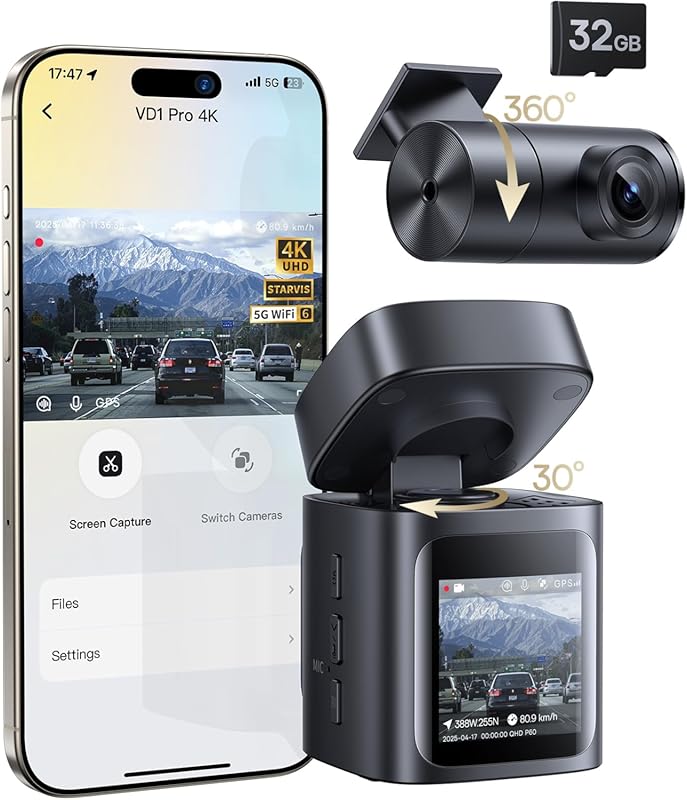
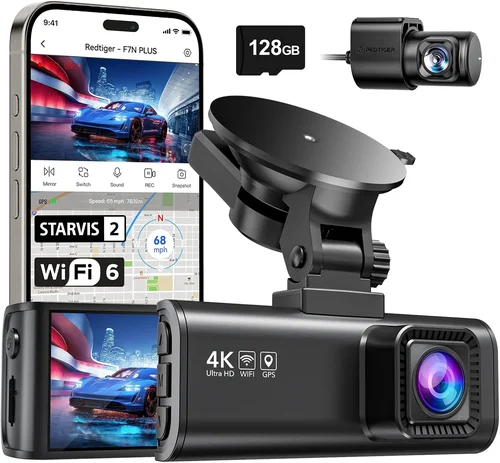
Modern dash cams increasingly integrate smartphone apps for remote viewing, live streaming, and GPS tracking. Wi-Fi and Bluetooth enable seamless file transfers and real-time alerts. Cellular-enabled devices (often requiring SIM cards and data plans) allow fleet managers to monitor driver behavior, location history, and incident reports from centralized dashboards.
AI-powered features like lane departure warnings, collision alerts, and drowsiness detection add layers of proactive safety. Driver ID systems recognize individual users and customize settings accordingly—useful for companies enforcing strict hours-of-service compliance.
7. Audio Recording Capabilities
While privacy laws vary by jurisdiction, audio recording can capture crucial conversations during incidents or disputes. Ensure your chosen model complies with local regulations regarding two-party consent states. High-fidelity microphones should minimize background noise while preserving speech clarity.
8. Ease of Use & Interface Design
Fleet operators appreciate intuitive menus, voice commands, and quick-access buttons. Large touchscreens may obstruct visibility during daylight driving, so consider physical controls or minimalist interfaces instead. Voice-guided navigation helps keep eyes on the road while adjusting settings mid-journey.
Different Types of Dash Cams

Common Buying Mistakes to Avoid
❌ Mistake: Prioritizing Price Over Performance
Why it’s bad: Cutting corners on video quality or build materials leads to blurry footage, frequent malfunctions, and unreliable evidence in critical situations. Cheap models often lack essential features like loop recording, G-sensors, or proper mounting solutions.
What to do instead: Allocate sufficient budget for proven brands with strong track records. Investing 20-30% more upfront typically results in significantly better longevity and reliability—especially vital for commercial use where downtime costs money.
❌ Mistake: Ignoring Parking Mode Limitations
Why it’s bad: Without adequate parking mode protection, your dash cam becomes useless when parked overnight or during loading/unloading stops. Basic models may drain the truck battery or fail to detect impacts accurately.
What to do instead: Verify that your selected model supports true motion-triggered parking mode with low-power consumption. Consider hardwired installations with built-in voltage cutoffs to prevent battery depletion.
❌ Mistake: Overlooking Compatibility Issues
Why it’s bad: Incompatible mounting brackets, power adapters, or software updates can render your dash cam unusable. Some trucks have specialized wiring configurations or curved windshields requiring custom solutions.
What to do instead:: Check manufacturer compatibility lists before purchasing. Consult professional installers familiar with Class 8 trucks if needed. Always read recent customer reviews mentioning installation experiences.
❌ Mistake: Assuming All Dash Cams Are Equal
Why it’s bad: Consumer-grade dash cams designed for sedans don’t meet the demands of heavy-duty vehicles. They lack vibration resistance, operate outside safe temperature ranges, and fail to handle prolonged exposure to road debris.
What to do instead:: Choose commercial-grade or fleet-specific models explicitly labeled for truck use. These undergo rigorous testing under simulated highway conditions and include warranties covering industrial wear-and-tear.
❌ Mistake: Neglecting Data Management
Why it’s bad:: Failing to establish efficient workflows for reviewing, backing up, and archiving footage wastes valuable time and risks losing critical evidence due to corrupted files or storage overflow.
What to do instead:: Develop standardized procedures for weekly reviews, implement automated cloud backups where feasible, and invest in high-speed readers/writers for quick SD card swaps.
❌ Mistake: Disregarding Legal Compliance
Why it’s bad:: Improperly configured audio/video recordings may violate privacy laws or be inadmissible in court. Regulations differ significantly across states and countries regarding what constitutes acceptable surveillance.
What to do instead:: Research local ordinances thoroughly before activating recording features. Disable audio if operating in two-party consent jurisdictions unless explicitly permitted by company policy and employee agreements.
Budget Guidelines: How Much Should You Spend?
Entry-Level ($80 – $150)
This range suits occasional long-haul drivers seeking basic protection without breaking the bank. Expect 1080p recording, 32-64GB storage, single-lens setups, and minimal smart features. While functional for light use, these models often sacrifice durability and advanced functionality required for demanding commercial environments. Brands like Viofo, Rexing, or Blackvue offer decent options here but may lack enterprise-level support.
Mid-Range ($150 – $400)
The sweet spot for most professional truckers balances cost-effectiveness with robust performance. You’ll find dual-lens systems, 4K recording, enhanced night vision, parking mode, and reliable app connectivity. This tier includes reputable names like Garmin, Nextbase, and Thinkware—all offering solid warranties and customer service. Ideal for owner-operators managing one or two trucks.
Premium ($400 – $800)
For companies prioritizing comprehensive safety analytics and regulatory compliance, premium models deliver unmatched value. Features include multi-camera arrays, AI-driven alerts, encrypted cloud storage, GPS tracking, and integration with fleet management platforms. Expect superior build quality, extended warranties (3-5 years), and dedicated technical support lines. Brands like Samsara, Lytx, and Owl Labs dominate this segment.
Luxury ($800+)
Top-tier offerings cater to ultra-high-risk operations or those requiring forensic-grade evidence collection. These systems boast military-grade certifications, redundant power supplies, thermal imaging, and automated incident reporting. While expensive, they provide unparalleled peace of mind and legal defensibility. Examples include Axionic Pro series or custom OEM integrations with major truck manufacturers.
Expert Tips for Getting the Best Deal
- Compare retailer pricing: Online marketplaces like Amazon often bundle accessories (mounts, cables, extra cards) at reduced rates compared to standalone purchases.
- Negotiate volume discounts: Fleet managers purchasing 10+ units frequently qualify for negotiated pricing tiers unavailable to individual buyers.
- Verify warranty terms: Extended warranties covering accidental damage or component failures are invaluable for mobile assets subject to harsh conditions.
- Test return policies: Insist on 30-day trial periods to validate performance under real-world driving scenarios before committing long-term.
- Check compatibility early: Confirm mounting hardware fits your windshield angle and power adapter aligns with your truck’s electrical system prior to finalizing orders.
- Prioritize firmware updates: Select manufacturers committed to regular software enhancements addressing bugs, security vulnerabilities, and new feature rollouts.

Frequently Asked Questions
Q: Do I really need a dash cam for my 18-wheeler?
A: Absolutely. Commercial trucks face elevated risks—including higher liability exposure and complex liability determination during accidents. A dash cam provides objective evidence supporting your account of events, potentially reducing insurance premiums and preventing fraudulent claims against your business.
Q: Can I use a regular car dash cam in my truck?
A: Not recommended. Consumer models lack the vibration resistance, temperature tolerance, and rugged construction required for prolonged highway use. They also fail to address unique challenges like trailer sway monitoring or wide-body mounting requirements specific to Class 8 vehicles.
Q: What’s the difference between hardwired and battery-powered dash cams?
A: Hardwired systems connect directly to your truck’s electrical system via the fuse box, enabling automatic activation/deactivation with ignition cycles and extended recording capabilities including parking mode. Battery-powered units rely on internal cells or portable power banks, limiting operational time and necessitating frequent recharging.
Q: How much storage space do I actually need?
A: At minimum, allocate 128GB for daily routes under 200 miles. Longer hauls or multi-stop deliveries demand larger capacities (256GB+) or cloud-based solutions. Factor in event-triggered locked clips consuming additional space—always maintain 20% free buffer to prevent overwrite delays.
Q: Will a dash cam drain my truck battery?
A: Only if improperly installed or lacking parking mode safeguards. True parking mode activates only upon detecting motion or impact, using ultra-low power draw. Hardwired installations with built-in voltage monitors automatically shut down when battery levels drop below safe thresholds.
Q: Are dash cam recordings admissible in court?
A: Generally yes, provided they comply with chain-of-custody protocols and local evidentiary standards. Clear, timestamped footage showing unambiguous facts strengthens legal positions during disputes. However, always consult legal counsel before relying solely on recorded evidence.
Q: Can I install multiple cameras myself?
A: Single-lens systems are DIY-friendly, but multi-camera arrays often require professional wiring expertise due to complex routing through engine compartments or undercarriage areas. Incorrect installation risks electrical fires or voiding manufacturer warranties.
Q: How do I choose between front-only vs. dual-lens setups?
A: Front-only suffices for solo drivers focused on collision prevention and insurance documentation. Dual-lens adds rear-view monitoring invaluable for backing maneuvers, cargo inspections, and verifying third-party actions behind your trailer—critical for mitigating “backover” incidents common in loading zones.
Our Final Recommendations
Best for Budget-Conscious Buyers
The Rexing V1 Pro delivers exceptional value with 4K recording, GPS tagging, and reliable parking mode at under $200. Its compact design fits snugly on curved truck windshields while maintaining crystal-clear daytime and nighttime performance. Ideal for owner-operators seeking professional-grade features without premium pricing.
Best Overall Value
The Garmin Dash Cam Tandem combines dual-lens functionality with seamless smartphone pairing and lifetime map updates. Engineered specifically for commercial vehicles, it includes enhanced GPS accuracy, voice control, and durable construction rated for extreme temperatures. The integrated suction cup mount ensures secure positioning even on heavily tinted glass.
Best Premium Option
For enterprises demanding maximum protection, the Samsara DriveCam offers AI-powered risk detection, encrypted cloud storage, and compliance reporting tools. Real-time alerts notify dispatchers of distracted driving or fatigue patterns while automatically saving critical incident footage. Subscription-based pricing includes unlimited storage and priority support.
Best for Beginners
New fleet managers will appreciate the Nextbase 622GW‘s intuitive interface, 4K recording, and Alexa integration. Automatic emergency call (eCall) functionality sends distress signals during severe collisions, while customizable alerts help instill safer driving habits across teams.
Best for Advanced Users
Power users requiring forensic-grade evidence should consider the Thinkware U1000. With superior dynamic range, advanced noise reduction, and optional radar-based speed monitoring, it captures courtroom-ready footage even in challenging lighting. Enterprise licensing unlocks centralized fleet management dashboards.
Conclusion: Making the Right Choice
Selecting the best dash cam for your 18-wheeler transcends mere equipment selection—it reflects your commitment to safety, liability mitigation, and operational excellence. By prioritizing video quality, environmental resilience, and intelligent features aligned with your specific use cases, you position yourself ahead of regulatory scrutiny and competitive pressures alike.
Remember that no single model fits every scenario perfectly. Assess your unique requirements honestly: Is your primary concern collision prevention, cargo security, or driver accountability? Does your route profile demand extended parking mode protection, or will daily commutes suffice with standard recording? Engage fellow drivers, consult industry forums, and leverage trial periods to validate assumptions before committing capital.
Ultimately, the ideal dash cam transforms from a passive recorder into an active partner on the road—providing tangible benefits far exceeding its sticker price. As technology continues advancing, staying informed about emerging capabilities like predictive analytics or drone integration ensures your investment remains relevant well into the future. Take the time to research thoroughly, compare objectively, and choose wisely. Your truck, your team, and your livelihood deserve nothing less than the very best protection available.