Ultimate 2026 Uber Dash Cam Buying Guide
Why this guide matters
For Uber drivers navigating the complexities of ride-sharing, having reliable dash cam protection isn’t just convenient—it’s essential. The 2026 landscape of mobile recording devices has evolved dramatically, with new technologies offering everything from enhanced night vision to cloud connectivity. This comprehensive buying guide cuts through the noise to help you find the perfect dash cam that meets Uber’s specific requirements while protecting your livelihood.
What readers will learn
This expert-level guide covers everything you need to know about selecting the best dash cam for your Uber vehicle in 2026. You’ll discover how to evaluate critical features like video quality, storage capacity, and parking mode functionality. We’ll walk you through the latest technological advancements including AI-powered incident detection, GPS tracking integration, and advanced driver assistance systems (ADAS). Most importantly, we’ll help you balance these technical specifications against real-world driving conditions and your budget constraints.
Brief overview of the market
The dash cam market for commercial drivers has transformed significantly over recent years. Today’s models offer far more than basic video recording—they provide comprehensive fleet management solutions, real-time incident reporting, and insurance-grade evidence collection. With increasing demand for transparency in ride-sharing services and growing concerns about passenger disputes, professional drivers are investing in sophisticated recording systems that can withstand daily use while providing reliable documentation when needed most.
What to Look for When Buying Dash Cams
Budget & Price Range
Your budget should reflect both your immediate needs and long-term investment strategy. For Uber drivers, a dash cam represents an essential business expense rather than optional entertainment equipment. Consider the total cost of ownership including installation fees, memory card replacements, and potential subscription services for cloud storage or advanced analytics.
Performance Specifications
Video resolution remains the cornerstone of any quality dash cam. While 1080p was once considered standard, today’s professional drivers require at least 2K recording to capture license plates clearly during high-speed incidents. Frame rates matter too—60fps is minimum for smooth motion capture during sudden braking or collision events. Look for cameras with wide dynamic range (WDR) technology that maintains detail in challenging lighting conditions like tunnel transitions or nighttime city driving.
Build Quality & Durability
Commercial vehicles experience constant temperature fluctuations, vibrations from uneven roads, and exposure to dust and moisture. Choose dash cams constructed with military-grade materials and designed to operate reliably between -4°F and 158°F (-20°C to 70°C). Shock resistance ratings indicate how well the device handles rough handling during sudden stops or accidents.
Features & Functionality
Modern dash cams offer surprisingly sophisticated capabilities beyond basic recording. Emergency incident detection uses G-sensors to automatically save footage when impact occurs. Loop recording ensures continuous operation by overwriting oldest files first. Parking mode activates when your car is unattended, using motion detection to capture potential vandalism or hit-and-runs.
Brand Reputation
Established manufacturers like BlackVue, Garmin, and Nextbase have spent decades refining their technology for commercial applications. These brands typically offer better customer support, longer warranties, and proven reliability under demanding conditions. Newer brands may offer tempting price points but often lack the field testing and troubleshooting resources needed for professional use.
Warranty & Support
A solid warranty demonstrates manufacturer confidence in their product. Look for at least 1-2 year coverage with responsive customer service. Cloud-connected dash cams often include subscription-based support plans that provide remote diagnostics and firmware updates—valuable for busy drivers who can’t easily return units for service.
Size & Portability
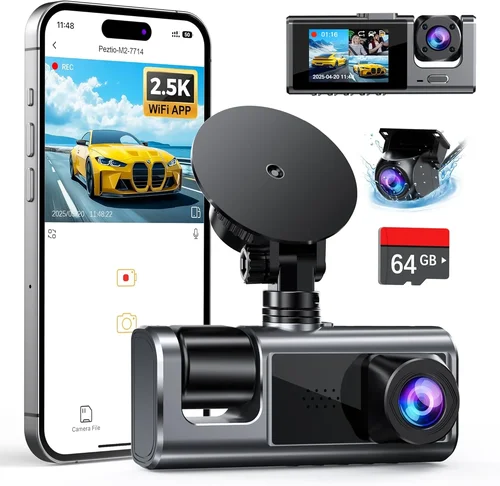
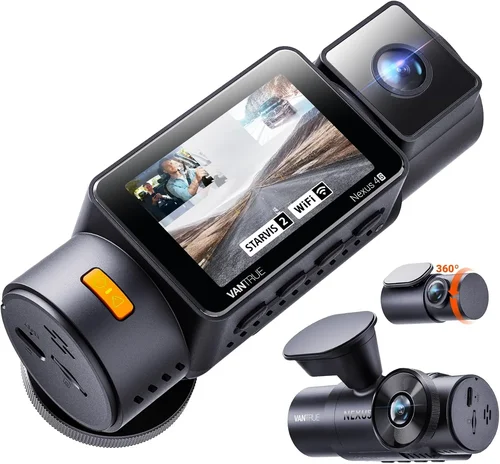
Compact designs minimize visual obstruction while maximizing mounting flexibility. Ultra-thin models can be discreetly positioned behind rearview mirrors without interfering with your view. Some advanced units feature dual-lens configurations that record both front and interior cabin simultaneously—ideal for monitoring passenger behavior during rides.
User Reviews & Ratings
Real-world feedback from other Uber drivers provides invaluable insights into daily performance issues you won’t find in marketing materials. Pay particular attention to comments about battery life during parking mode, ease of SD card replacement, and reliability after extended use. Professional drivers often share detailed experiences about how specific models handle extreme weather or frequent route changes.
1. Resolution and Video Quality
The foundation of any quality dash cam lies in its ability to capture clear, detailed footage under various lighting conditions. For Uber drivers, where legal disputes and passenger complaints can arise quickly, having crystal-clear video evidence makes all the difference.
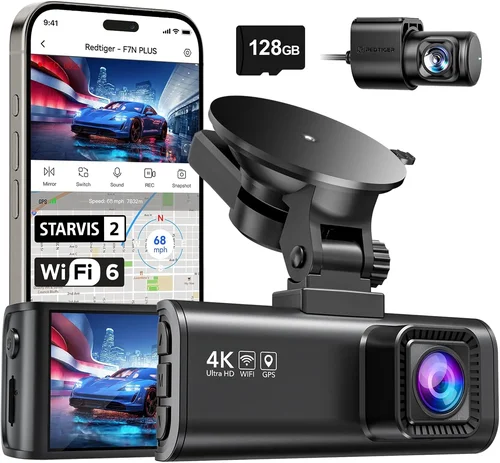
Today’s market offers several resolution tiers: 1080p Full HD remains adequate for basic needs but struggles with distant license plate recognition during highway incidents. 2K resolution provides significantly improved clarity, capturing fine details like street signs and traffic signals. Premium models now offer 4K ultra-high definition capable of recording every minute detail during complex urban scenarios.
Beyond mere pixel count, consider frame rate stability and compression efficiency. Higher bitrates preserve more image data but consume greater storage space. Look for H.265 encoding which offers better quality at lower file sizes compared to older H.264 standards. Dynamic range technology prevents blown-out highlights when approaching headlights at night or washed-out shadows in bright daylight.
2. Field of View and Lens Quality
A wider field of view captures more surrounding environment, giving context during incident investigations. Standard dash cams offer 120-degree views sufficient for most situations, while premium models stretch to 170 degrees or more.
Lens quality directly impacts image sharpness and distortion control. Aspherical lenses reduce barrel distortion common in cheaper plastic components. Multi-coated glass elements minimize glare from headlights or sunlight reflections on windshields.
Consider whether you need a single forward-facing camera or dual-lens setups that record both exterior road conditions and interior cabin activity simultaneously. Interior recording helps document passenger behavior, luggage placement, and even medical emergencies that occur during trips.
3. Storage and Recording Capabilities
Continuous recording requires adequate storage management strategies. Most dash cams use loop recording—automatically overwriting oldest footage when memory fills up—but this means crucial evidence could be lost if not saved manually beforehand.
Emergency event locking prevents accidental deletion of incident footage using built-in accelerometers (G-sensors) that detect sudden deceleration or impact forces. Manual save buttons allow quick preservation of suspicious activities or unusual events worth investigating later.
MicroSD cards serve as removable storage media, requiring periodic replacement based on usage patterns. Class 10 cards ensure minimum write speeds necessary for high-resolution video capture without dropped frames. Consider purchasing multiple cards since frequent replacements become costly over time.
4. Night Vision and Low-Light Performance
Ride-sharing operations extend into early morning hours and late-night shifts where poor visibility poses significant challenges. Advanced night vision combines multiple technologies: infrared LEDs illuminate dark areas without disturbing other drivers; starlight sensors enhance sensitivity to minimal ambient light; and noise reduction algorithms clean up grainy nighttime footage.
True color reproduction during low-light conditions prevents the washed-out blue tint common in budget models. Look for devices with adjustable exposure settings that maintain balanced white levels regardless of lighting extremes—from pitch-black tunnels to sun-drenched highways.
5. Connectivity and Smart Features
Modern dash cams increasingly integrate smartphone connectivity via Wi-Fi or Bluetooth pairing. Mobile apps enable remote viewing, configuration adjustments, and direct sharing capabilities that simplify evidence submission to Uber support teams or law enforcement agencies.
Cloud storage subscriptions provide off-site backup protection against physical theft or damage to local memory cards. Real-time GPS tracking logs precise location coordinates alongside timestamped video clips—essential for reconstructing accident sequences or verifying reported destinations during passenger disputes.
6. Power Supply and Installation Options
Reliable power sources ensure uninterrupted operation during both active driving and parked periods. Hardwired installations connect directly to vehicle fuse boxes using cigarette lighter adapters or dedicated wiring kits. This eliminates battery drain concerns while enabling true parking mode functionality.
Professional installation services guarantee secure mounting positions that don’t interfere with airbag deployment zones or obstruct critical safety equipment. Magnetic mounts offer flexible repositioning but may lack the stability required for heavy-duty commercial use.
Different Types of Dash Cams
Common Buying Mistakes to Avoid
❌ Mistake: Prioritizing Price Over Reliability
Why it’s bad: Choosing the cheapest available option might seem cost-effective initially, but unreliable hardware fails when you need it most—during actual incidents or disputes. Budget models often suffer from poor build quality, inconsistent recording intervals, and inadequate night vision capabilities that render them useless during critical moments.
What to do instead: Allocate sufficient budget for reputable brands known for durability and consistent performance. Consider the total cost of ownership rather than just upfront price. Investigate user reviews specifically mentioning long-term reliability and failure rates after six months of regular use.
❌ Mistake: Ignoring Storage Requirements
Why it’s bad: Underestimating storage needs leads to premature footage overwrites before important evidence can be reviewed. High-resolution dash cams generate large file sizes rapidly—especially during continuous parking mode operation—which quickly consumes available space without proper planning.
What to do instead: Calculate required storage capacity based on typical driving patterns. Factor in emergency event locking frequency, parking duration, and desired retention period before overwriting old files. Purchase high-capacity microSD cards (64GB+) and establish regular maintenance schedules for card replacement or computer transfers.
❌ Mistake: Overlooking Installation Complexity
Why it’s bad: Attempting DIY installation without proper tools or knowledge risks improper mounting positions that obstruct visibility or interfere with safety equipment. Incorrect wiring connections may cause electrical system problems or void vehicle warranties while failing to provide reliable power sources for extended operation.
What to do instead: Utilize professional installation services offered by many retailers or specialized automotive shops. Verify mounting locations comply with local regulations regarding obstructions and airbag deployment zones. Test all functions thoroughly after installation before relying on the device during actual rides.
❌ Mistake: Neglecting Weather Resistance
Why it’s bad: Urban environments expose dash cams to extreme temperatures, humidity, salt air corrosion, and occasional precipitation. Non-waterproof models accumulate condensation inside housings during temperature swings between hot interiors and cool exteriors—leading to lens fogging or internal component damage over time.
What to do instead: Select devices rated for outdoor operation with IPX6 or higher waterproof standards. Ensure lens surfaces resist smudging from fingerprints and cleaning chemicals commonly used during routine vehicle maintenance. Regularly inspect seals and connectors for signs of wear or contamination.
❌ Mistake: Focusing Solely on Camera Features
Why it’s bad: While impressive technical specifications sound appealing, practical usability determines real-world effectiveness. Complex menus confuse drivers during stressful situations; poor touchscreen responsiveness frustrates users; and excessive startup times delay recording initiation exactly when incidents occur.
What to do instead: Evaluate interface intuitiveness through hands-on demonstrations when possible. Prioritize simple one-button emergency saves and automatic event detection over elaborate customization options. Confirm compatibility with your existing smartphone ecosystem for seamless app integration and file management.
❌ Mistake: Assuming All Dash Cams Are Created Equal
Why it’s bad: Generic “dash cam” marketing claims often mask significant performance differences between entry-level and professional-grade devices. Without understanding underlying technology variations, buyers risk purchasing inadequate equipment that fails to meet Uber’s documentation requirements during formal disputes or insurance claims.
What to do instead: Research specific model comparisons focusing on objective performance metrics rather than brand reputation alone. Consult independent testing results from consumer review sites specializing in automotive electronics. Seek recommendations from experienced Uber drivers familiar with local dispute resolution processes.
Budget Guidelines: How Much Should You Spend?
Entry-Level ($40 – $80): What to expect…
At this price point, you’ll find functional dash cams suitable for basic protection needs. These models typically deliver 1080p recording at 30fps with 120-degree fields of view. While adequate for straightforward documentation, they often sacrifice advanced features like GPS tagging or parking mode functionality. Build quality tends toward plastic construction vulnerable to heat warping during summer months. Expect limited night vision capabilities resulting in grainy footage during evening hours.
Mid-Range ($80 – $150): Sweet spot for most buyers…
This category represents the optimal balance between affordability and capability for professional Uber drivers. You’ll discover models offering 2K resolution, reliable loop recording, and robust parking mode activation. Dual-lens systems appear frequently in this range, providing both exterior road recording and interior cabin monitoring. Enhanced night vision using starlight sensors improves visibility significantly compared to entry-level alternatives. Many mid-range units include smartphone connectivity for remote viewing and basic cloud backup options.
Premium ($150 – $300): For enthusiasts and professionals…
High-end dash cams justify their increased price through superior engineering and specialized features. Expect 4K recording capabilities with advanced stabilization algorithms that compensate for vehicle vibrations during rough roads. Professional-grade sensors deliver exceptional low-light performance using multi-spectral imaging techniques. Integrated GPS modules log precise location data alongside timestamped video clips. Fleet management compatibility allows centralized monitoring for operators managing multiple vehicles simultaneously.
Luxury ($300+): Top-tier features…
Ultra-premium models target serious professionals requiring absolute reliability and forensic-quality evidence. These devices often incorporate AI-powered object recognition that categorizes pedestrians, vehicles, and road signs automatically. Military-grade shock resistance withstands extreme impacts while maintaining operational integrity. Redundant storage systems protect against single-point failures during critical incidents. Subscription-based cloud analytics provide predictive maintenance alerts and detailed driver behavior reports valuable for improving safety records.
Expert Tips for Getting the Best Deal
When to buy (seasonal sales, timing)
Major shopping holidays offer substantial savings opportunities throughout the year. Black Friday/Cyber Monday deals typically feature the deepest discounts on premium dash cam models. Early spring brings clearance sales of winter inventory while manufacturers prepare new releases for summer demand. Late summer sees renewed promotions ahead of back-to-school shopping periods targeting college drivers entering new lease agreements.
Where to buy (retailers, online vs in-store)
Authorized dealerships guarantee genuine products with valid warranties and professional installation services. Online marketplaces provide broader selection and competitive pricing but require careful vetting of seller credibility. Specialty automotive electronics retailers combine knowledgeable staff assistance with hands-on demonstration opportunities unavailable elsewhere. Compare prices across multiple platforms before committing to purchase decisions.
How to spot deals
Look for bundle packages that include installation accessories, extra memory cards, or extended warranties at no additional cost. Subscribe to retailer newsletters for exclusive member-only promotions and early access to upcoming sales events. Price matching policies allow matching competitors’ lower advertised rates when presented with legitimate offers from authorized sellers.
Warranty considerations
Extended warranty programs add protection against unexpected repair costs beyond standard manufacturer coverage periods. Evaluate included services such as loaner units during repairs, shipping reimbursement, and coverage for accidental damage not covered under normal usage conditions. Read fine print carefully regarding exclusion clauses for water damage or unauthorized modifications.
Return policies
Flexible return windows accommodate testing periods necessary to verify compatibility with specific vehicle models and personal usage preferences. Thirty-day minimum guarantees allow sufficient time for thorough evaluation under real-world driving conditions before final commitment decisions. Restocking fee waivers simplify returns when products fail to meet expectations despite careful research beforehand.
Testing before buying
Whenever possible, request demonstration units from retailers or borrow samples from friends/family members operating similar vehicles. Evaluate ease of menu navigation under daylight and nighttime conditions matching your typical operating hours. Verify mounting stability by gently shaking test units to simulate road vibration exposure levels encountered during actual commutes.
FAQs Section
Q: Do Uber drivers legally require dash cams?
A: While Uber doesn’t mandate dash cam usage for individual drivers, having one significantly strengthens your position during passenger disputes, insurance claims, or regulatory compliance audits. Many cities now require commercial vehicles to carry proof of liability coverage backed by documented evidence—making dash cams essential rather than optional for professional ride-share operators.
Q: Can passengers see the dash cam recording during rides?
A: No, dash cams only record audio/video when activated by specific triggers like motion detection, manual button presses, or emergency event locking. Continuous recording during active trips creates privacy concerns incompatible with passenger comfort expectations. Modern smart models respect privacy by disabling interior microphone pickup during moving vehicle operation unless explicitly enabled for security purposes.
Q: How much storage space do I really need?
A: For average daily use including 2-hour drives plus 8 hours of parking mode activation, plan for 32GB minimum capacity using Class 10 microSD cards formatted for FAT32 compatibility. Higher resolutions (2K/4K) consume storage faster—expect 1GB per hour of continuous recording. Establish weekly transfer routines to computers or cloud services before overwriting old files automatically.
Q: Will my dash cam work with older cars lacking USB ports?
A: Yes, most modern dash cams connect via standard cigarette lighter adapters compatible with virtually all vehicles manufactured since 1990. Hardwired installations bypass power limitations while enabling true parking mode functionality even when ignition switches remain off. Consult manufacturer specifications regarding voltage requirements and fuse box connection procedures before attempting professional installation.
Q: How long should I keep recorded footage?
A: Retention periods vary based on jurisdiction laws and insurance company requirements. Generally, maintain at least 30 days of recent recordings accessible immediately upon request during disputes. Archive older footage securely until reaching mandated minimum durations ranging from 90 days to one year depending on local regulations governing commercial vehicle operations.
Q: Can I install multiple dash cams on one vehicle?
A: Technically yes, but practical considerations limit usefulness. Additional cameras increase power consumption, storage demands, and visual clutter without proportional benefits for most Uber drivers. Exterior side-view additions help document blind spots during parallel parking maneuvers but aren’t necessary for routine trip documentation purposes.
Q: Are cloud-connected dash cams worth the subscription cost?
A: Cloud services provide peace of mind against physical theft or damage to local storage devices—but come with recurring monthly fees averaging $5-$15 per unit. Evaluate whether off-site backup justifies ongoing expenses considering frequency of incidents requiring evidence preservation versus alternative offline storage strategies using encrypted external hard drives.
Final Recommendations
Best for Budget-Conscious Buyers
For drivers starting out or operating part-time, the Ewent EW100 offers reliable 1080p recording at an affordable price point while maintaining acceptable build quality. Its compact design minimizes windshield obstruction and includes basic parking mode functionality using gravity sensor activation. While lacking advanced features like GPS tracking, this model provides essential protection without breaking the bank.
Best Overall Value
The Garmin Dash Cam 67W strikes the perfect balance between price and capability for most Uber drivers. Delivering 1080p recording with impressive night vision performance, it includes built-in voice control and smartphone connectivity for convenient remote management. The included suction cup mount proves surprisingly stable during extended highway travel while remaining easy to reposition when needed.
Best Premium Option
BlackVue DR970X-2CH stands as the gold standard for professional drivers demanding uncompromising reliability and forensic-quality evidence capture. Featuring dual 2K lenses recording both exterior and interior perspectives simultaneously, it incorporates cloud connectivity with real-time GPS logging and advanced parking mode protection. Though priced above $300, its robust construction and comprehensive feature set justify the investment for serious operators.
Best for Beginners
Nextbase 522GW impresses with its intuitive interface and automatic emergency saving triggered by built-in G-sensors. The inclusion of Alexa voice assistant integration adds unique convenience for hands-free operation during rides. Its sleek profile fits seamlessly behind rearview mirrors without compromising visibility while delivering solid 2K recording quality expected from established manufacturers.
Best for Advanced Users
Viofo A119 V3 Pro targets tech-savvy drivers seeking maximum flexibility through modular accessory compatibility. Supporting both wired and wireless power connections, it offers customizable recording profiles optimized for different driving scenarios from city commuting to rural highway stretches. Advanced users appreciate the extensive customization options available through companion software despite slightly steeper learning curve compared to simpler alternatives.
Conclusion: Making the Right Choice
Selecting the ideal dash cam for your Uber vehicle requires thoughtful consideration of multiple interrelated factors beyond mere specifications listed on packaging. Your decision should reflect both immediate operational needs and long-term business objectives while accounting for evolving technology trends shaping the ride-sharing industry landscape.
Prioritize reliability over flashy features when evaluating competing models—after all, your livelihood depends on equipment functioning flawlessly during critical moments requiring documented evidence. Don’t hesitate to invest in professional installation services ensuring proper mounting positions respecting safety regulations and manufacturer guidelines alike.
Remember that no single device perfectly suits every driver’s unique circumstances. Take advantage of generous return policies offered by reputable retailers allowing sufficient time for hands-on testing under realistic driving conditions before finalizing purchase commitments. Armed with comprehensive knowledge gained through this guide, you’ll confidently navigate the 2026 dash cam marketplace making informed choices protecting both your business interests and personal peace of mind behind the wheel.