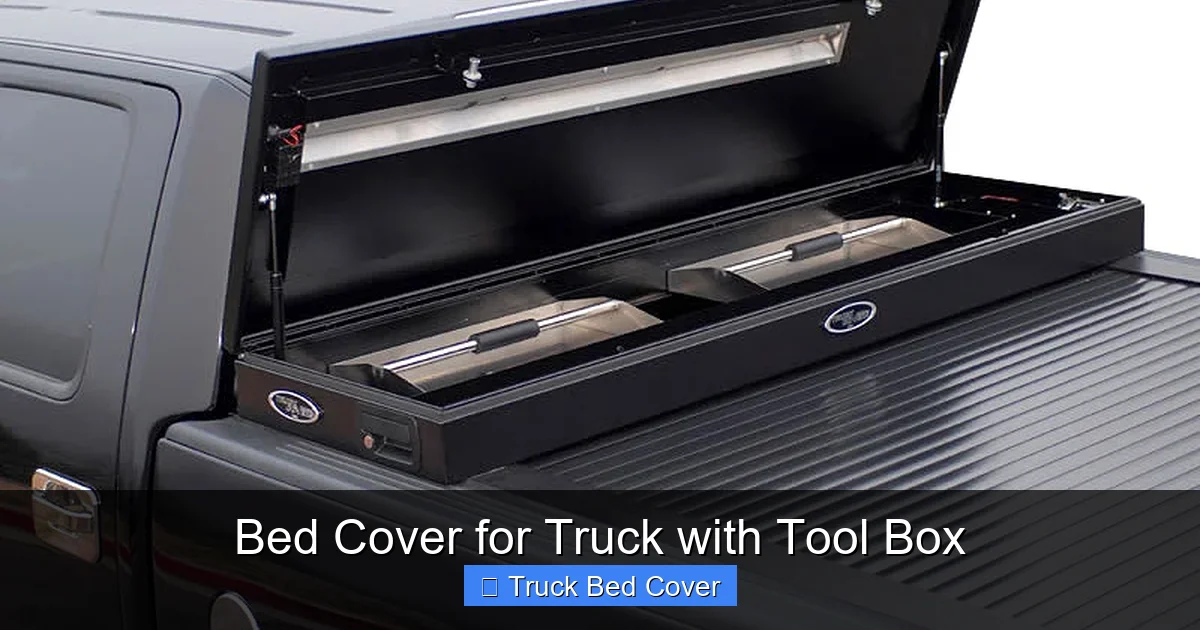
Bed Cover for Truck with Tool Box
Finding the right bed cover for truck with tool box is essential for truck owners who need both cargo protection and easy access to tools. A well-fitted cover shields your gear from rain, snow, and theft while keeping your workspace organized. Whether you’re a contractor, mechanic, or outdoor enthusiast, this guide helps you choose the best cover that combines durability, functionality, and style.
Are you tired of your truck bed being exposed to the elements? Whether you’re hauling equipment, tools, or supplies, a bed cover for truck with tool box is more than just a stylish addition—it’s a practical solution to protect your cargo from rain, dirt, and potential thieves. But not all covers are created equal, especially when you have a tool box installed. Finding one that works seamlessly with your existing setup can be tricky. That’s why we’re diving deep into everything you need to know about choosing, installing, and maintaining the perfect bed cover for trucks equipped with tool boxes.
Truck owners often face a unique challenge: balancing protection with accessibility. You want your tools safe and dry, but you also need quick access during a job. A poorly fitted cover can buckle, trap moisture, or even damage your tool box over time. The good news? With the right knowledge and a few smart choices, you can find a bed cover that does it all—keeping your gear secure while giving you peace of mind on every drive.
In this comprehensive guide, we’ll walk you through the types of covers available, how to pick the best one for your truck and tool box combo, installation tips, maintenance advice, and even answer some of the most common questions. By the end, you’ll feel confident selecting a cover that enhances your truck’s functionality and protects your valuable investments.
Key Takeaways
- Compatibility is key: Always measure your truck bed and confirm the cover fits your specific model and tool box size.
- Material matters: Choose between soft roll-up, hard tri-fold, or retractable covers based on durability, security, and ease of use.
- Weather resistance: Look for UV protection, waterproof sealing, and rust-resistant hardware to protect your tools and cargo.
- Security features: Consider covers with lockable latches, reinforced corners, or integrated tool box access to deter theft.
- Ease of installation: Most truck bed covers can be installed in under an hour without professional help.
- Tool box integration: Some models are designed specifically to work with common tool boxes, offering seamless fit and full coverage.
Quick Answers to Common Questions
Can I install a bed cover over an existing tool box?
Yes, many truck bed covers are designed to work with existing tool boxes. Look for models labeled “tool box compatible” or check the manufacturer’s compatibility list for your specific box brand and model.
Will a bed cover prevent my tools from getting wet?
A high-quality, properly installed bed cover significantly reduces exposure to rain and snow. Waterproof seals and UV-resistant materials help keep your tools dry, especially if the cover fully extends over the tool box.
Do I need to remove my tool box to install a bed cover?
Usually not. Most covers are installed over the tool box. However, you may need to loosen or temporarily remove the tool box lid for easier access during installation, depending on the cover type.
Are retractable covers better than roll-up covers?
Retractable covers offer smoother operation and full bed coverage, but they’re more expensive. Roll-up covers are cheaper and lighter but may require modifications for tool box compatibility. Choose based on your budget and usage needs.
Can I still access my tool box with a hard tri-fold cover?
Yes. Many hard tri-fold covers are designed with a front panel that folds forward, allowing full access to the tool box without removing the entire cover.
📑 Table of Contents
Why You Need a Bed Cover for Truck with Tool Box
If you’ve ever driven with a tool box in your truck bed, you know how important it is to keep everything dry and secure. Rain, snow, and dust don’t just ruin tools—they can also damage sensitive electronics, reduce tool lifespan, and create unsafe working conditions. A bed cover for truck with tool box acts as a barrier, shielding your equipment from environmental damage while adding a layer of theft deterrence.
Beyond protection, a quality cover improves fuel efficiency by reducing wind resistance. It also gives your truck a sleek, finished look that boosts resale value. For contractors and tradespeople, this means fewer delays due to weather-related setbacks and more time spent on productive work. Imagine pulling up to a job site with a clean, organized truck bed—your tools are ready, dry, and protected. That’s the kind of confidence a reliable bed cover brings.
But here’s the catch: most standard covers aren’t designed with tool boxes in mind. They might cover the entire bed but leave gaps around the box, allowing water and debris to seep in. Or worse, they could interfere with opening the tool box entirely. That’s why selecting a cover specifically engineered to accommodate a tool box—or easily adjustable for one—is crucial.
The Hidden Dangers of Poorly Fitted Covers
Using a generic bed cover on a truck with a tool box can lead to several issues. First, water pooling around the edges of the box can seep into compartments, ruining tools and wiring. Second, the weight and shape of a tool box can cause uneven stress on the cover, leading to tearing or sagging. Third, if the cover blocks access to the tool box, you lose convenience and may resort to removing the cover every time you need a tool—defeating the purpose.
For example, imagine you’re on a remote jobsite with no shelter. You need a wrench, but the only way to get it is to unroll a heavy, awkwardly sized cover. Not only is this inefficient, but it also exposes your tools to the elements again. A well-designed cover solves this by allowing full access without removal.
Benefits Beyond Protection
A bed cover for truck with tool box offers advantages that go beyond weatherproofing. Many modern designs include features like:
– Integrated tie-down points for securing loads around the tool box.
– Custom-fit panels that contour around the box for a snug, gap-free seal.
– Quick-release systems so you can open and close the cover in seconds.
– UV-resistant materials that prevent fading and cracking over time.
These features make daily use easier and extend the life of both your cover and your tools. Plus, a securely covered bed reduces noise from wind and road debris—something especially helpful for long-haul drivers.
Types of Truck Bed Covers for Trucks with Tool Boxes
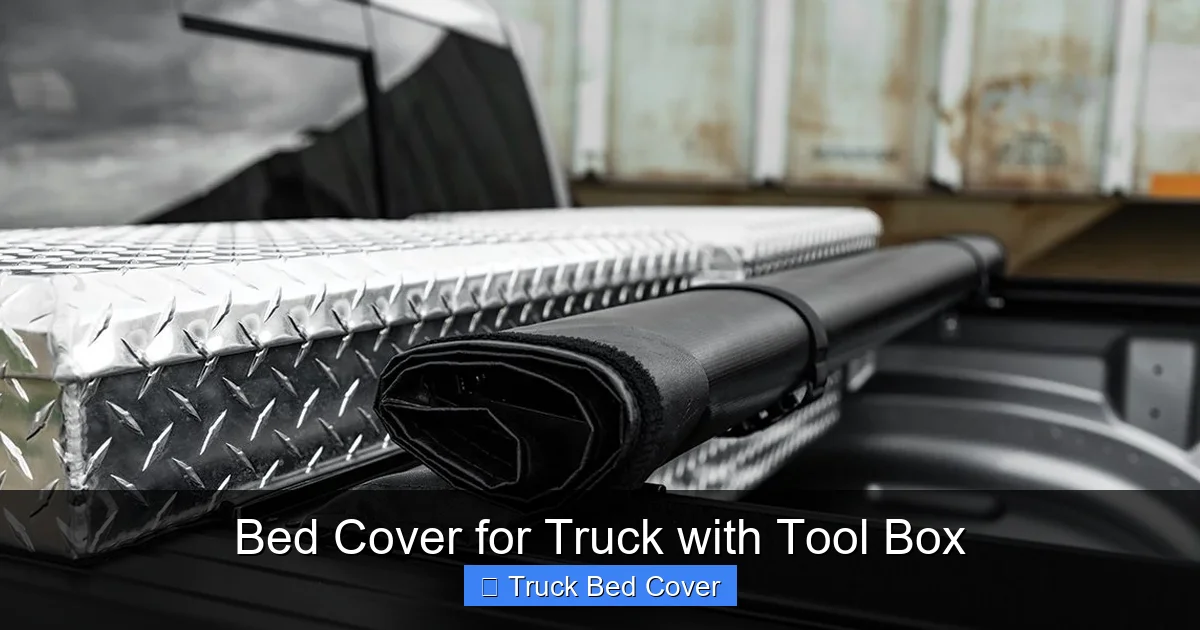
Visual guide about Bed Cover for Truck with Tool Box
Image source: accesscover.com
Not all bed covers are built the same, and when you have a tool box, your options become even more specialized. Let’s break down the most popular types and see which ones work best with tool boxes.
Soft Roll-Up Covers
These are the most affordable and lightweight option. Made from durable vinyl or canvas, they roll up toward the cab and secure with a latch or strap. While great for basic protection, they can struggle with tool box compatibility. Most roll-up covers require cutting or trimming to fit around a box, which voids warranties and weakens the material at stress points.
However, some brands now offer “tool box-compatible” versions with pre-cut openings or adjustable side panels. These allow you to position the cover over your tool box without compromising integrity. Just make sure the cover fully extends over the box to prevent water ingress.
Hard Tri-Fold Covers
Tri-fold covers are made of rigid aluminum or fiberglass panels that fold into three sections. They’re sturdy, secure, and often include locking mechanisms. Many come with built-in tool box cutouts or adapters, making them ideal for trucks with tool boxes.
One major advantage: they provide full bed coverage while allowing access to the tool box via the front panel. When folded, the cover doesn’t obstruct the box, and the locking system adds theft prevention. Brands like BakBox and TruXedo offer models specifically designed to integrate with aftermarket tool boxes.
Retractable (Rolling) Hard Covers
Retractable covers are mounted inside the bed and roll up into a compact canister near the cab. They offer smooth operation, full bed coverage, and excellent security. Some models include a “tool box mode” where the cover stops short of the box, leaving the rear section uncovered.
While this allows access, it leaves part of the bed exposed—a trade-off for convenience. However, premium versions like the Pace Edwards Switchblade or Retrax PRO XR feature customizable stop points, letting you tailor the cover length to your tool box placement.
Ladder Rack-Compatible Covers
If you use a ladder rack alongside your tool box, consider a cover designed to work with both. These often have reinforced frames and cutouts that accommodate both accessories. They’re heavier but offer maximum versatility for serious tradespeople.
How to Choose the Right Bed Cover for Your Truck and Tool Box
Picking the perfect bed cover for truck with tool box starts with knowing your truck and needs. Here’s a step-by-step guide to help you decide.
Measure Your Truck Bed and Tool Box
Accuracy is critical. Measure the length, width, and depth of your truck bed. Also, note the dimensions and position of your tool box—especially if it’s aftermarket. Some covers require custom fabrication, so getting measurements right avoids costly mistakes.
Use a measuring tape and take notes on where the tool box sits (center, driver’s side, etc.). This info will help you compare compatible models and avoid returns.
Consider Your Climate
If you live in a rainy or snowy region, prioritize waterproofing and drainage. Look for covers with rubber gaskets along the rails and reinforced seams. In hot climates, UV resistance prevents material degradation and keeps the bed cooler.
For extreme weather, consider a dual-layer cover or one with thermal insulation—especially if you store sensitive tools like air compressors or power inverters.
Evaluate Ease of Use
Ask yourself: How often do I need to access my tool box? If you’re stopping frequently, opt for a quick-release or roll-up design. For infrequent access, a tri-fold or retractable cover may suffice.
Test the mechanism virtually by watching installation videos or reading user reviews. A cover that’s hard to open or closes awkwardly can become a hassle.
Check Compatibility Before Buying
Not every cover works with every tool box. Brands like UnderCover, Extang, and Tonno Pro list compatible tool box models on their websites. Search using your truck year, make, model, and tool box brand (e.g., Snap-on, UWS, Husky).
Some manufacturers even offer installation kits or adapters for popular tool boxes. Don’t assume universal fit—compatibility ensures a proper seal and long-term performance.
Installation Tips for Bed Covers with Tool Boxes
Even the best cover won’t perform well if it’s poorly installed. Follow these steps to ensure a secure, leak-proof fit.
Prepare the Truck Bed
Start by cleaning the bed rails thoroughly. Remove dirt, rust, or old adhesive residue. Wipe down with soap and water, then dry completely. Any debris can prevent the cover from sitting flush.
Next, inspect the tool box mounting bolts. Make sure they’re tight and the box is level. An uneven tool box can cause the cover to sag or bind.
Position the Cover Carefully
Most covers come with a template or measurement guide. Lay it out on the bed to mark where the tool box sits. If your cover has a pre-cut opening, align it precisely with the box.
For roll-up or tri-fold covers, begin at the front of the bed and work backward. Ensure the cover extends at least 6 inches past the tailgate for a tight seal.
Secure the Rails and Latches
Follow the manufacturer’s instructions for clamping or bolting the rail system. Use the provided clamps, but don’t overtighten—this can warp the rails.
Attach the cover to the rails first, then adjust tension. The cover should lie flat without wrinkles or loose areas. Test the roll-up or fold mechanism to ensure smooth operation.
Seal Gaps Around the Tool Box
If your cover doesn’t have a built-in cutout, use weather stripping or foam tape to seal gaps around the tool box. Apply along the edges where the cover meets the box to prevent water entry.
Avoid using duct tape—it can peel off over time and leave residue. Instead, opt for marine-grade adhesive tape or silicone sealant.
Test for Water Resistance
After installation, spray water around the edges and over the tool box. Check for leaks inside the bed or under the cover. Adjust seals or re-tighten clamps if needed.
This step is crucial—many leaks occur at installation and go unnoticed until the first rainstorm.
Maintenance and Longevity of Your Truck Bed Cover
A well-maintained cover lasts longer and performs better. Here’s how to keep yours in top shape.
Clean Regularly
Wipe down the cover weekly with mild soap and water. Avoid harsh chemicals that can degrade vinyl or fabric. For hard covers, use a soft brush to remove dirt from crevices.
Rinse with low-pressure water—high pressure can force water into seams.
Inspect for Damage
Check monthly for tears, fraying, or loose stitching. Replace worn-out straps or latches immediately. Even small issues can lead to bigger problems if ignored.
Pay extra attention around the tool box area, where stress points are higher.
Store Properly When Not in Use
If you remove the cover seasonally, clean it first and let it dry completely. Store it in a cool, dry place away from direct sunlight.
Never drag the cover across rough surfaces—this can cut the material.
Lubricate Moving Parts
For retractable or rolling covers, apply silicone lubricant to the rails and rollers every 6 months. This prevents sticking and extends motor life.
Avoid petroleum-based oils—they attract dirt and can damage seals.
Address Rust Immediately
On hard covers, wipe down aluminum parts regularly and treat any rust spots with a metal primer and paint. Rust weakens the structure and compromises aesthetics.
Frequently Asked Questions
What’s the best material for a truck bed cover with a tool box?
For durability and weather resistance, hard aluminum or fiberglass covers are ideal. Soft vinyl covers are lighter and cheaper but may require cutting for tool box compatibility.
How do I know if a bed cover fits my truck and tool box?
Check the manufacturer’s compatibility chart using your truck’s year, make, model, and tool box brand. Some brands offer fitment guides or customer support to verify compatibility.
Can I install a bed cover myself?
Yes, most bed covers are DIY-friendly and take less than an hour to install. Clear instructions and included hardware make the process straightforward for average truck owners.
Will a bed cover void my truck’s warranty?
In most cases, installing a bed cover does not void the factory warranty. However, if the cover causes damage (like rail scratching), the manufacturer might dispute claims related to that issue.
How often should I replace my truck bed cover?
With proper care, a quality cover lasts 5–10 years. Signs it’s time to replace include persistent leaks, cracked materials, broken latches, or visible wear around the tool box area.
Are there bed covers that work with multiple tool box brands?
Yes, some universal-fit covers or those with adjustable side panels can accommodate various tool box sizes. Always verify dimensions before purchasing.