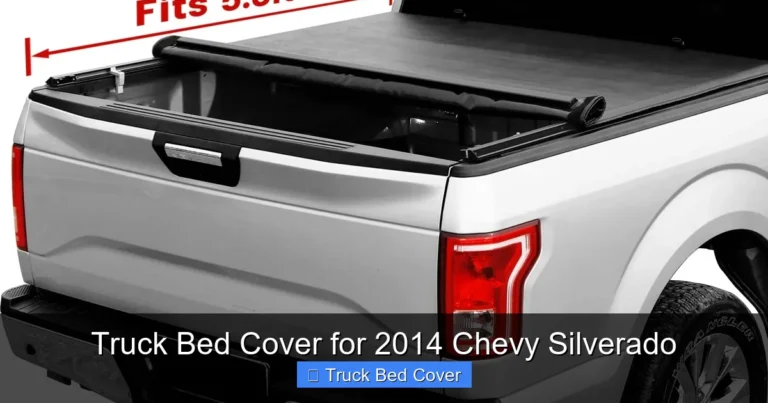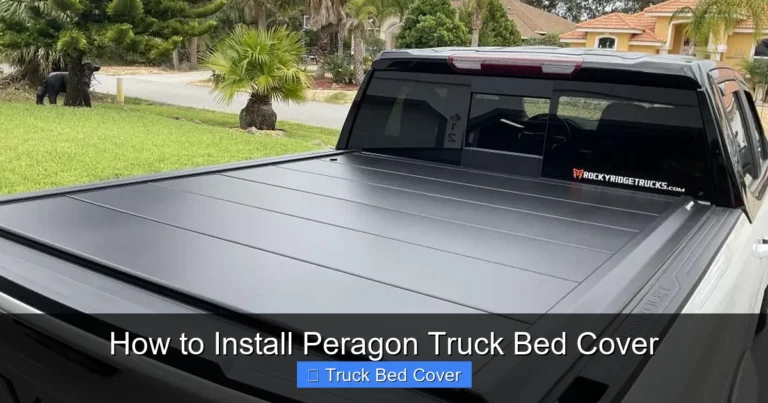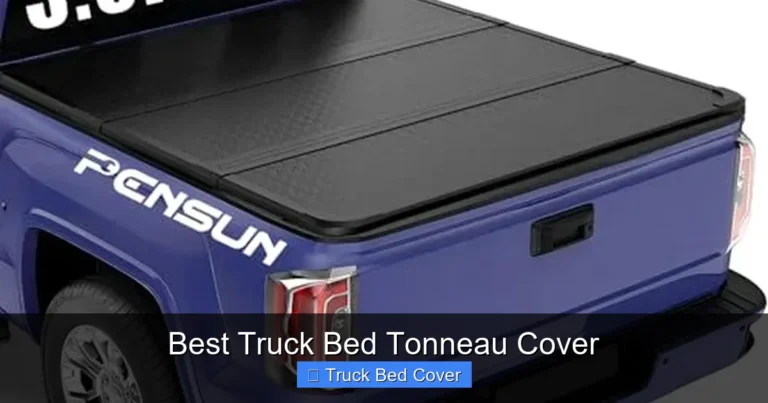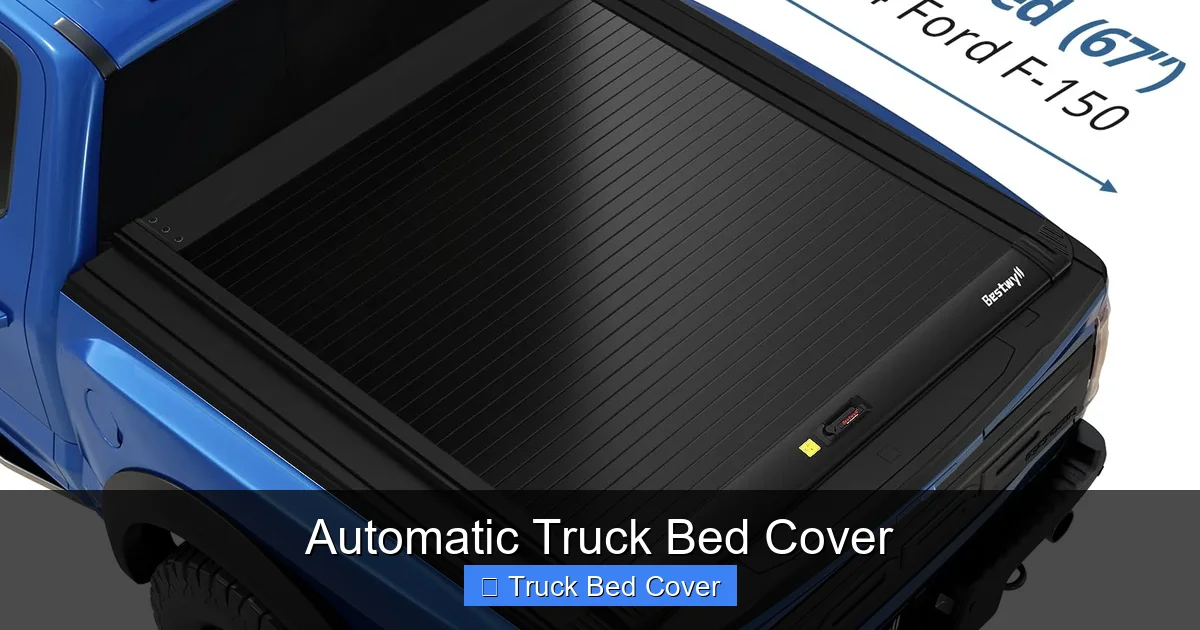
Automatic Truck Bed Cover
An automatic truck bed cover offers effortless convenience, superior security, and weather protection for your cargo. With motorized operation and sleek designs, these covers are perfect for daily drivers and heavy-duty haulers alike. Upgrade your truck today with a smart, reliable bed cover solution.
Key Takeaways
- Effortless Operation: Motorized opening and closing with remote control or switch—no more manual lifting or folding.
- Enhanced Security: Lockable design deters theft and protects valuables from prying eyes.
- Weather Protection: Keeps rain, snow, dust, and UV rays out of your truck bed.
- Improved Fuel Efficiency: Streamlined aerodynamics reduce wind resistance and improve gas mileage.
- Easy Installation: Most systems bolt on in under two hours with basic tools.
- Custom Fit Options: Available for nearly every truck make and model from Ford, Chevy, Dodge, and Toyota.
- Low Maintenance: Requires minimal upkeep—just occasional cleaning and lubrication.
Quick Answers to Common Questions
How much does an automatic truck bed cover cost?
Prices typically range from $800 to over $2,500 depending on brand, features, and truck compatibility. Mid-range models around $1,200–$1,800 offer excellent value.
Can I install it myself?
Yes! Most automatic covers are designed for DIY installation in 1.5–2 hours with basic tools. Follow the manufacturer’s instructions carefully.
Will it work in snowy or rainy weather?
Absolutely. Quality automatic covers are built to withstand heavy rain, snow, and ice. They feature watertight seals and durable materials.
Do they affect fuel efficiency?
Yes—covered truck beds reduce aerodynamic drag, potentially improving gas mileage by up to 5% compared to open beds.
Are they compatible with spray-in bed liners?
Many models work with spray-in liners, but check the product specifications. Some may require minor adjustments or professional installation.
📑 Table of Contents
- Introduction: Why Every Truck Owner Needs an Automatic Truck Bed Cover
- How Automatic Truck Bed Covers Work: The Tech Behind the Convenience
- Top Benefits of Installing an Automatic Truck Bed Cover
- Choosing the Right Automatic Truck Bed Cover for Your Vehicle
- Installation Made Simple: DIY vs. Professional Help
- Maintenance Tips to Keep Your Cover Running Smoothly
- Top Brands and Models Worth Considering
- Common Myths About Automatic Truck Bed Covers Debunked
Introduction: Why Every Truck Owner Needs an Automatic Truck Bed Cover
Picture this: It’s a crisp morning, and you’re heading to work with a load of gear in your truck bed. You reach into your pocket, press a button on your key fob, and watch as the cover smoothly rolls open like magic. No wrestling with stiff vinyl, no struggling to fold tarpaulins. Just instant access—and full protection. That’s the power of an automatic truck bed cover.
Whether you’re a contractor hauling tools, a weekend warrior storing camping equipment, or just someone who values clean aesthetics and security, this smart upgrade makes life easier. Gone are the days of tangled tarps or flapping canvas in the wind. Today’s automatic covers offer smooth operation, rugged durability, and modern tech that blends seamlessly into your vehicle.
In this complete guide, we’ll walk you through everything you need to know about automatic truck bed covers—how they work, what to look for, installation tips, and how to maintain them for years of reliable service. Let’s roll!
How Automatic Truck Bed Covers Work: The Tech Behind the Convenience
At first glance, an automatic truck bed cover might look like a fancy tarp, but it’s actually a precision-engineered system. These covers use a combination of motors, tracks, rollers, and control units to open and close with the push of a button.
The Core Components
Every automatic bed cover has three essential parts:
– Motor Unit: Usually mounted at the front or rear of the truck bed, this compact motor powers the rolling mechanism. Most use 12-volt DC motors designed for automotive use.
– Rolling System: A series of aluminum or steel rails guide the cover as it unfolds or retracts. High-end models include dual-side rolling for balanced tension.
– Control Module: This is the brain of the operation. It includes a receiver, wiring harness, and often a handheld remote or dash-mounted switch.
When you activate the system—via remote, switch, or even smartphone app on some models—the motor spins a cable drum that pulls the cover open or closed. Advanced versions include anti-jam sensors and battery backups for reliability in extreme conditions.
Types of Automatic Rolling Systems
Not all automatic covers are built the same. Here are the most common types:
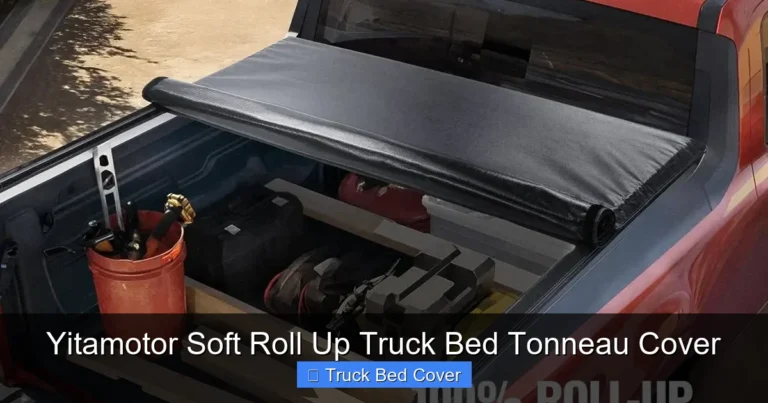
– One-Piece Roll-Up: The most popular style. The entire cover rolls into a single canister at the front. Easy to install and great for full-bed coverage.
– Dual-Side Roll-Up: Rolls open from both sides simultaneously. Offers better balance and smoother operation, ideal for taller items.
– Remote-Controlled Retractable: Fully retracts into a slim rail system along the bed wall. Looks sleek but may require professional installation.
– Manual-to-Automatic Upgrade Kits: For those who already have a manual cover, some brands offer conversion kits with motors and controls.
Each type has pros and cons depending on your truck model, cargo size, and budget. But one thing’s certain: automation means less strain and more time saved.
Top Benefits of Installing an Automatic Truck Bed Cover
Why go automatic? Because the advantages go far beyond convenience. Here’s why thousands of truck owners swear by this upgrade.
1. Total Weather Protection
Rain, snow, ice, and sun can ruin your cargo. An automatic cover seals tightly over your bed, creating a waterproof barrier. Whether you’re carrying electronics, furniture, or dry goods, everything stays dry.
Pro Tip: Look for covers with low-profile designs and rubber seals along the tailgate for maximum weather resistance.
2. Deter Theft and Unauthorized Access
Thieves target trucks with open beds because they’re easy to access. An automatic cover locks down your cargo like a vault. Many models come with integrated locks or alarm systems that alert you if someone tries to tamper with the cover.
Example: A construction worker in Ohio installed an automatic cover after his tools were stolen twice. Since then, he hasn’t had a single break-in—even overnight jobs in parking lots.
3. Boost Fuel Economy
Did you know a covered truck bed improves aerodynamics? When uncovered, air swirls around your cargo, creating drag. A smooth, sealed cover reduces wind resistance, which can improve fuel efficiency by up to 5%.
That’s not just good for your wallet—it’s better for the environment too.
4. Keep Your Truck Looking Sharp
Nothing ruins a truck’s curb appeal like a messy, open bed full of clutter. An automatic cover gives your vehicle a clean, finished look. It’s especially popular among pickup owners who use their trucks for both work and recreation.
Bonus: Some covers come in matte black, silver, or custom colors to match your truck’s trim.
5. Protect Sensitive Cargo
UV rays fade fabrics and damage plastics. Dust and dirt wear down finishes. Even bird droppings can etch paint. A quality automatic cover shields your stuff from all of it.
Real-world example: A photographer in Arizona uses his automatic cover to protect expensive camera gear during desert shoots. “No more cracked lenses from sun exposure,” he says.
Choosing the Right Automatic Truck Bed Cover for Your Vehicle
With so many brands and styles out there, picking the right cover can feel overwhelming. Use these guidelines to find the perfect fit.
Step 1: Match Your Truck Model
Automatic covers aren’t universal. Brands like TruXedo, BakFlip, UnderCover, and Retrax offer models tailored to specific truck makes and years. Measure your bed length, cab style (crew cab vs. extended), and whether you have a toolbox or not.
Most manufacturers provide fit guides on their websites. Enter your truck details, and they’ll show compatible options.
Step 2: Consider Your Usage
Ask yourself:
– Do I carry large items (canopies, ladders)?
– Do I need quick access frequently?
– Am I in a rainy or dusty climate?
For heavy-duty use, go with a dual-roller system. For occasional use, a basic roll-up may suffice.
Step 3: Evaluate Features
Look for these must-have features:
– Weather Sealing: Gasketed edges prevent water ingress.
– Locking Mechanism: At least two lock points for security.
– Remote Control: Wireless operation adds convenience.
– Battery Backup: Ensures function even if main battery dies.
– Warranty: 3–5 years is standard; longer is better.
Avoid cheap knockoffs that lack proper sealing or use weak motors prone to failure.
Step 4: Budget Wisely
Prices range from $800 to over $2,500. Higher cost usually means better build quality, quieter operation, and longer lifespan.
But don’t overspend unless you need premium features like soft-close technology or smartphone integration. For most users, mid-range models ($1,200–$1,800) offer the best value.
Installation Made Simple: DIY vs. Professional Help
One of the biggest concerns people have is installation. Will it take all day? Will I mess something up?
The truth? Most automatic covers are designed for do-it-yourselfers. Here’s what to expect.
DIY Installation (Most Common)
Average time: 1.5 to 2 hours
Tools needed: Socket wrench, screwdriver, measuring tape, level
Steps:
1. Clean and prep the truck bed surface.
2. Install mounting brackets using provided hardware.
3. Attach the motor unit and rail system.
4. Run wiring to the battery (usually near the fuse box).
5. Connect the control module and test operation.
6. Calibrate the cover so it opens/closes evenly.
Tip: Watch manufacturer videos—they walk you through each step with visuals.
When to Call a Pro
You might want professional help if:
– You’re not comfortable working with electrical systems.
– Your truck has a spray-in liner that complicates bracket placement.
– You need custom modifications for a toolbox or camper shell.
Many dealers and third-party shops offer installation services for a fee ($100–$250). It’s worth it if you want peace of mind.
Maintenance Tips to Keep Your Cover Running Smoothly
Like any mechanical system, automatic covers need care. But maintenance is minimal.
Monthly Checks
- Inspect rubber seals for cracks or wear.
- Lubricate roller tracks with silicone spray (not oil).
- Test remote and switches for responsiveness.
Seasonal Care
- In winter, remove snow buildup from tracks to prevent freezing.
- In summer, wash off salt or debris to avoid corrosion.
- Check battery terminals for corrosion—clean if needed.
Avoid using harsh chemicals or abrasive cloths on the vinyl. A damp microfiber towel and mild soap usually do the trick.
Pro Tip: Keep the cover fully closed during long periods of non-use. Leaving it partially open exposes the mechanism to moisture and pests.
Top Brands and Models Worth Considering
Not all automatic covers are created equal. Here are five standout options based on performance, reliability, and user reviews.
1. TruXedo TruXport
– Price: ~$1,099
– Best for: Mid-size trucks needing affordability without sacrificing quality
– Highlights: Soft-roll design, low profile, easy installation
2. BakFlip G2
– Price: ~$1,699
– Best for: Full-size trucks with frequent access needs
– Highlights: Hard-fold panels, secure locking, watertight seal
3. UnderCover Flex HD
– Price: ~$1,299
– Best for: Heavy-duty hauling and extreme weather
– Highlights: Dual-roller system, reinforced aluminum rails
4. Retrax PRO X
– Price: ~$2,299
– Best for: Luxury feel and seamless integration
– Highlights: Flush-mounted design, remote control, lifetime warranty
5. TonnoPro Elite Series
– Price: ~$999
– Best for: Budget-conscious buyers seeking automation
– Highlights: Affordable entry point, decent build quality
Each brand has loyal followers, so read reviews and compare warranties before deciding.
Common Myths About Automatic Truck Bed Covers Debunked
Let’s clear up some misconceptions.
Myth #1: They’re Too Expensive
While higher-end models cost more upfront, they save money over time by protecting cargo and improving fuel economy. Plus, installation costs are often lower than expected.
Myth #2: They’re Difficult to Maintain
Nope—most only need monthly checks and seasonal cleaning. No special tools required.
Myth #3: They Don’t Work in Cold Weather
Modern motors operate well in sub-zero temperatures. Battery backups ensure function even when the engine is off.
Myth #4: They Block Rearview Visibility
Low-profile designs minimize obstruction. Some even include cutouts or transparent panels for better sightlines.
Myth #5: Only Big Trucks Need Them
Even compact pickups benefit—especially those used for daily errands or small loads.
Conclusion: Is an Automatic Truck Bed Cover Right for You?
If you value convenience, security, and protection for your truck bed, the answer is almost certainly yes. An automatic truck bed cover isn’t just a luxury—it’s a practical investment that enhances every aspect of truck ownership.
From effortless operation to weatherproof sealing, these systems transform how you transport cargo. Whether you’re a tradesperson, adventurer, or everyday driver, there’s a model that fits your lifestyle.
Before you decide, assess your truck, usage patterns, and budget. Read reviews, compare features, and consider professional installation if needed. Once installed, you’ll wonder how you ever lived without it.
Ready to roll? Shop today and experience the difference an automatic truck bed cover can make.
Frequently Asked Questions
What is the average lifespan of an automatic truck bed cover?
With proper maintenance, most high-quality automatic covers last 7–10 years. Factors like climate, usage frequency, and build quality influence longevity.
Can I add an automatic cover to my existing manual one?
Some manufacturers offer conversion kits that retrofit motors and controls onto manual covers, but compatibility varies by model. Check with the brand first.
Do automatic covers require special batteries?
They connect to your truck’s 12V electrical system. However, many include backup batteries to ensure operation if the main battery fails.
Are there any downsides to automatic covers?
Potential downsides include higher upfront cost, occasional electrical issues (rare), and slightly reduced rear visibility in some designs. Overall, benefits outweigh drawbacks.
Which trucks are best suited for automatic covers?
Almost all pickup trucks—from compact models like Tacoma and Ranger to full-size Silverado and F-150—have compatible automatic cover options available.
Do I need to remove the cover to access my truck bed?
No. Automatic covers open and close with a remote or switch, allowing full bed access without manual handling. Some models even include partial-open settings.