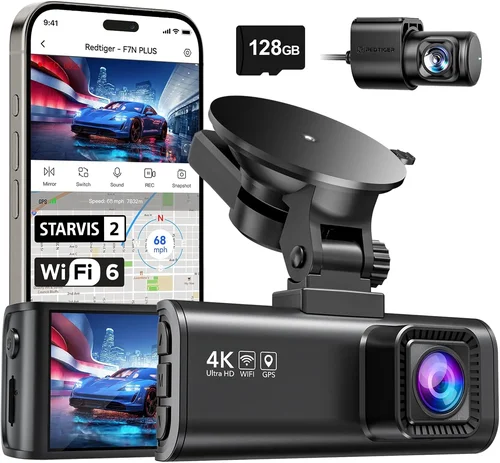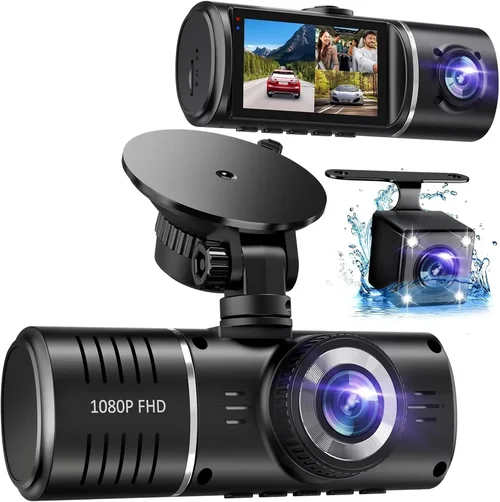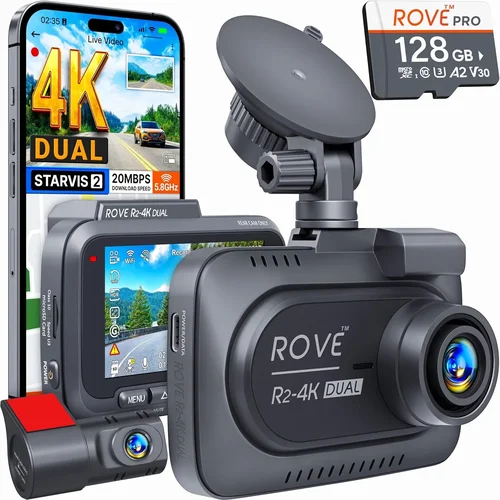
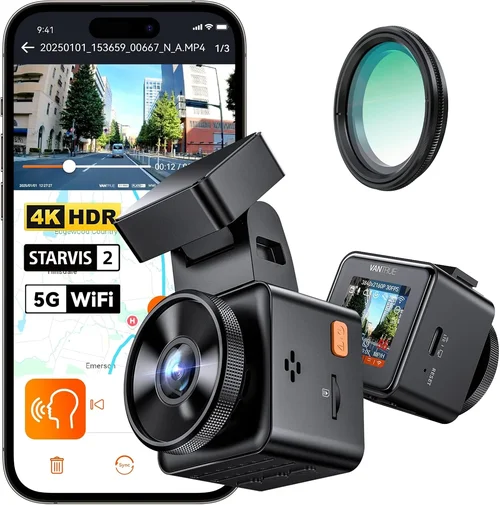
Best Dash Cam for Polaris Slingshot Selection Guide
Why this guide matters
Choosing the right dash cam for your Polaris Slingshot isn’t just about capturing video—it’s about protection, peace of mind, and making smart investments in your vehicle. The Slingshot’s unique design presents special challenges for dash cam installation and operation that most traditional dash cams aren’t built to handle. Whether you’re using your Slingshot for daily commuting, weekend adventures, or long-distance touring, having reliable footage can be crucial for insurance claims, legal protection, or simply documenting memorable moments on the road.
This comprehensive guide will walk you through everything you need to know about selecting and installing the perfect dash cam system for your Polaris Slingshot. We’ll cover technical specifications, mounting considerations, power requirements, and features that matter most for open-air driving environments. You’ll learn how to navigate the complex landscape of dash cam options, understand what makes certain models more suitable than others for your specific needs, and discover expert tips that could save you money while ensuring you get the best possible protection and recording quality.
What readers will learn
By reading this guide, you’ll gain a deep understanding of dash cam technology specifically tailored to the Polaris Slingshot’s unique characteristics. You’ll discover which resolution levels provide the best balance of quality and storage efficiency, how different mounting solutions address the Slingshot’s open cabin design, and what weather-resistant features are essential for outdoor exposure. We’ll explain the importance of loop recording, G-sensor functionality, and parking mode in protecting your investment, plus provide detailed comparisons of leading brands that work well with the Slingshot’s electrical system.
The market overview
The dash cam market has exploded over the past decade, offering everything from basic single-camera setups to advanced multi-channel systems with GPS tracking, Wi-Fi connectivity, and cloud storage. However, not all dash cams are created equal when it comes to fitting into the Polaris Slingshot’s distinctive three-wheeled, open-air configuration. Traditional dash cams designed for enclosed vehicles often struggle with the Slingshot’s lack of a windshield, limited mounting surfaces, and unique power requirements.
Today’s top dash cam manufacturers have begun addressing these challenges with specialized products designed specifically for motorcycles, ATVs, UTVs, and three-wheeled vehicles like the Slingshot. These specialized units feature flexible mounting brackets, weatherproof housings, and enhanced vibration resistance that make them ideal for open-air riding conditions. The market now offers several excellent options ranging from budget-friendly single-camera systems under $100 to premium multi-camera setups with advanced features costing upwards of $300.
Key Factors to Consider
What to Look for When Buying Dash Cams
Budget & Price Range
Before diving into specific features, it’s important to establish your budget range. Dash cams for Polaris Slingshots vary dramatically in price, from entry-level models around $50 to professional-grade systems exceeding $400. Your budget should align with your usage patterns and how much protection you need. For occasional riders who want basic documentation, a mid-range model around $100-$150 may be sufficient. Frequent travelers or those seeking comprehensive protection might benefit from investing in a higher-end system with additional cameras and enhanced features.
When determining your budget, consider not just the initial purchase price but also ongoing costs like memory cards, potential replacement parts, and any subscription services. Some premium dash cams include cloud storage subscriptions as part of their package, while others require separate purchases. Also factor in the cost of installation if you’re not comfortable doing it yourself, as some mounting configurations for Slingshots can be complex.
Performance Specifications
Resolution and video quality are perhaps the most critical performance factors. Most modern dash cams offer at least 1080p resolution, with many providing 2K or even 4K capabilities. For the Polaris Slingshot, 1080p Full HD is generally considered the sweet spot—it provides clear, detailed footage without overwhelming your storage capacity or processing requirements. Higher resolutions like 2K offer marginally better detail but require significantly more storage space and processing power.
Frame rate is another important consideration. Standard 30fps recording provides smooth, natural-looking footage, while 60fps delivers extra detail during fast movements but uses double the storage. For most Slingshot applications, 30fps is perfectly adequate unless you plan to do extensive slow-motion analysis of incidents.
Field of view (FOV) determines how much of the road ahead you capture. Wider angles (typically 120-170 degrees) give you broader coverage but can create fisheye distortion at the edges. Narrower angles (around 90-120 degrees) provide less coverage but show less distortion. For Slingshots, a moderate FOV of 140-150 degrees usually offers the best compromise between coverage and image quality.
Build Quality & Durability
The Polaris Slingshot operates in challenging outdoor conditions that demand robust construction. Look for dash cams specifically engineered for motorcycle or open-air use, with IP65 or higher ingress protection ratings that guarantee dust and water resistance. Vibration resistance is equally important given the Slingshot’s unique suspension and handling characteristics compared to traditional vehicles.
Weather resistance extends beyond just water protection—your dash cam must withstand temperature extremes, UV exposure, and humidity changes. Many Slingshot owners ride in various climates, from hot summer days to cold winter conditions, so choose a unit rated for the full temperature range you expect to encounter. Additionally, consider lens quality and anti-reflective coatings that maintain visibility in bright sunlight.
Features & Functionality
Advanced features can significantly enhance your dash cam experience but may not always be necessary. Loop recording automatically overwrites old footage when your memory card fills up, ensuring continuous recording without manual intervention. This is particularly useful for longer rides where you don’t want to worry about storage management.
G-sensor technology detects sudden impacts or collisions and automatically saves those clips to protected storage, preventing them from being overwritten during loop recording. This feature is invaluable for accident documentation and insurance purposes. Some models also offer impact detection with automatic emergency recording when significant force is detected.
Parking mode is essential for Slingshot owners who park outdoors regularly. This feature keeps your dash cam powered and recording when the vehicle is parked, protecting against hit-and-runs or vandalism. However, parking mode requires a stable power source, so you’ll need to ensure your chosen dash cam can connect properly to your Slingshot’s electrical system.
Brand Reputation
While brand recognition doesn’t guarantee quality, established manufacturers typically offer better customer support, more reliable warranties, and consistent product development. Leading dash cam brands like BlackVue, Thinkware, Garmin, and Viofo have extensive experience with various vehicle types and often provide specialized accessories for motorcycles and three-wheeled vehicles.
Research each brand’s reputation by reading independent reviews, checking warranty terms, and looking for user forums where owners discuss real-world experiences. Be wary of extremely cheap private-label brands with limited customer service or unclear return policies. Established brands are more likely to honor warranties and provide timely technical support when issues arise.
Warranty & Support
Comprehensive warranty coverage can save you significant money and frustration down the road. Look for dash cams offering at least a one-year manufacturer warranty, with some premium models providing two or even three years. The warranty should cover both hardware defects and manufacturing flaws.
Consider the availability of customer support channels—do they offer phone support, email assistance, or just online FAQs? Response times and technical expertise can make a big difference if you encounter problems. Some manufacturers also provide mobile apps with remote diagnostics and firmware updates, adding convenience to the support process.
Size & Portability
The compact size of most dash cams works well for the Polaris Slingshot’s limited mounting options. Smaller units are easier to conceal and less obtrusive, while still providing adequate coverage. However, extremely small models might sacrifice image quality or battery life for size.
Portability becomes relevant if you plan to use the same dash cam across multiple vehicles or transfer it between your Slingshot and other open-air vehicles like motorcycles or side-by-sides. Some owners prefer removable memory cards and rechargeable batteries that allow easy transfer and backup.
User Reviews & Ratings
Real user experiences provide valuable insights that specifications alone cannot convey. Pay attention to reviews from other Slingshot or three-wheeled vehicle owners specifically, as their feedback about mounting solutions, power requirements, and compatibility issues will be particularly relevant to your situation.
Look for patterns in positive and negative reviews rather than individual opinions. Multiple users reporting the same issue or compliment suggests genuine product strengths or weaknesses. Be cautious of overly generic reviews that could be promotional content—focus on detailed, specific feedback that addresses actual usage scenarios.
Types/Categories Comparison
Different Types of Dash Cams
Common Mistakes to Avoid
❌ Mistake: Choosing Based Solely on Price
Why it’s bad: While budget considerations are important, focusing exclusively on low prices often leads to disappointment. Extremely cheap dash cams may lack essential features like proper weather sealing, reliable recording quality, or adequate storage management. Many budget models also have poor build quality that fails quickly in the harsh outdoor environment typical of Slingshot riding.
What to do instead: Establish a realistic budget range based on your usage needs and prioritize quality over absolute lowest price. Consider the total cost of ownership including potential replacements, memory cards, and any required accessories. Remember that a slightly more expensive unit that lasts several years may actually be cheaper per year than a disposable budget model.
❌ Mistake: Ignoring Compatibility with Slingshot’s Electrical System
Why it’s bad: The Polaris Slingshot has unique electrical characteristics compared to traditional vehicles. Many standard dash cams draw too much power or don’t integrate properly with the Slingshot’s charging system. This can lead to blown fuses, battery drain, or even electrical damage to your vehicle.
What to do instead: Research power requirements thoroughly before purchasing. Look for dash cams specifically tested with three-wheeled vehicles or motorcycles, and consider getting advice from Slingshot-specific forums about proven compatible models. Always verify fuse ratings and wiring requirements before installation.
❌ Mistake: Overlooking Mounting Challenges
Why it’s bad: Unlike cars with windshields, the Polaris Slingshot lacks conventional mounting surfaces. Many owners attempt to mount dash cams on the dashboard or roll bar, but improper positioning can obstruct vision, create glare issues, or fail due to vibrations and weather exposure. Poor mounting also increases the risk of losing footage during impacts.
What to do instead: Invest time in researching mounting solutions designed specifically for Slingshots. Consider flexible mounting arms, suction cup bases with vibration dampening, or integrated mounting points that don’t interfere with normal operation. Test your chosen mounting method thoroughly before relying on it for safety-critical recording.
❌ Mistake: Neglecting Storage Management
Why it’s bad: Without proper storage management, your dash cam may stop recording when the memory card fills up, missing critical incidents. Some users also fail to back up footage regularly, resulting in permanent loss of important recordings when cards become corrupted or replaced.
What to do instead: Choose dash cams with efficient compression algorithms that maximize recording time per GB of storage. Set regular backup routines for your memory cards, either manually or using dash cam software that automatically transfers files to external storage. Consider models with dual memory card slots that provide redundancy.
❌ Mistake: Assuming All Features Are Equally Important
Why it’s bad: Every feature doesn’t necessarily serve your specific needs. Adding unnecessary features increases cost without providing proportional benefits. For example, 4K recording might look impressive but creates enormous file sizes that quickly fill your storage and drain your battery.
What to do instead: Make a list of your must-have features based on your riding habits and priorities. If you primarily ride in good weather and don’t need constant surveillance, parking mode might not be essential. Focus on features that directly address your specific concerns about safety, documentation, or peace of mind.
❌ Mistake: Skipping Weather Protection Assessment
Why it’s bad: The Polaris Slingshot operates completely exposed to weather conditions—rain, snow, dust, and extreme temperatures are all common. Many dash cams marketed for general automotive use aren’t adequately sealed against moisture or UV degradation, leading to lens fogging, housing failure, or complete electronics damage.
What to do instead: Verify IP ratings and look for models specifically designed for motorcycle or outdoor use. Check user reviews mentioning weather performance and consider purchasing protective covers or housings if your model doesn’t come with adequate weather sealing. Test the unit’s performance in various lighting conditions before committing to long-term use.
❌ Mistake: Not Planning for Installation Time
Why it’s bad: Dash cam installation on a Slingshot can be significantly more time-consuming than expected. Limited access to mounting points, unfamiliarity with the vehicle’s electrical system, and the need for custom cable routing can turn a simple installation into an all-day project.
What to do instead: Allocate sufficient time for installation before your first major ride. Watch detailed installation videos specific to Slingshots, gather all necessary tools and materials beforehand, and consider professional installation if you’re uncomfortable working with electrical systems. Plan to test the system thoroughly after installation before relying on it for safety.
Budget Breakdown
Budget Guidelines: How Much Should You Spend?
Entry-Level ($50 – $100)
For casual Slingshot owners who want basic documentation without breaking the bank, entry-level dash cams in this price range offer surprisingly capable performance. These models typically provide 1080p recording, adequate field of view, and essential features like loop recording and G-sensing. While they may lack advanced connectivity options or premium build materials, they deliver reliable core functionality for everyday use.
Expect basic plastic housings, simpler mounting solutions, and limited warranty coverage with entry-level units. Storage management tends to be manual with fewer smart features, and weather resistance may be adequate but not exceptional. However, for occasional riders or those testing dash cam functionality, these affordable options provide excellent value and proven reliability.
Mid-Range ($100 – $200)
This price range represents the sweet spot for most Polaris Slingshot owners, offering a compelling balance of features, build quality, and price. Mid-range dash cams typically include improved weather sealing, better mounting hardware, enhanced video quality, and more sophisticated storage management. You’ll find models with GPS tracking, Wi-Fi connectivity, and mobile app integration in this category.
Units in this range often feature metal housings, superior vibration resistance, and more reliable power management systems. Warranty coverage usually extends to 1-2 years, and customer support tends to be more responsive than budget brands. For serious Slingshot enthusiasts who ride frequently or want comprehensive protection, mid-range models provide the best overall value.
Premium ($200 – $350)
Premium dash cams target serious riders and professionals who demand maximum performance and reliability. These systems typically offer 2K or 4K recording capabilities, advanced image stabilization, superior weather protection, and comprehensive multi-camera setups. Premium models often include cloud storage subscriptions, sophisticated parking modes, and professional-grade mounting solutions.
Expect robust construction with military-grade components, extended warranties (2-3 years), and dedicated customer support lines. While the initial investment is higher, premium dash cams often prove more cost-effective over time due to longer lifespan and reduced maintenance requirements. For owners who frequently ride in challenging conditions or need maximum evidence protection, the investment pays dividends.
Luxury ($350+)
At the high end of the market, luxury dash cams represent the pinnacle of automotive security technology. These systems offer cutting-edge features like AI-powered object detection, 360-degree surround views, thermal imaging, and advanced driver assistance integration. Luxury models often include professional installation services, concierge support, and comprehensive insurance partnership programs.
While most Slingshot owners won’t need such advanced capabilities, luxury dash cams appeal to competitive racers, adventure tourists, and those requiring absolute maximum protection. The high price reflects not just hardware but also software sophistication, cloud infrastructure, and premium customer service that goes far beyond basic dash cam functionality.
Expert Tips & Pro Advice
Expert Tips for Getting the Best Deal
Buy During Off-Seasons
Timing your purchase can yield significant savings. Dash cam sales often spike during holiday seasons like Black Friday, Cyber Monday, and Memorial Day weekends. However, you might find better deals during slower periods when retailers need to move inventory. Spring and early fall tend to be less competitive times for electronics purchases.
Consider end-of-season clearance events, especially when new models are about to launch. Manufacturers and retailers often discount previous-generation models to make room for updated versions. Sign up for retailer newsletters to receive exclusive coupons and early access to sales events.
Compare Retailers Strategically
Not all retailers offer the same pricing or selection for dash cams. Online marketplaces like Amazon typically have competitive prices and broad selection but may have limited return windows or refurbished units. Specialty automotive electronics stores often provide better technical support but higher markup prices.
Local dealerships might offer bundled packages with installation services, while wholesale clubs provide bulk discounts but require membership fees. Compare prices across multiple channels before committing, and don’t forget to factor in shipping costs and return policies when calculating true value.
Watch for Bundle Deals
Many manufacturers offer bundle packages that include essential accessories like extra memory cards, protective cases, mounting hardware, and sometimes even cloud storage subscriptions. These bundles often provide substantial savings compared to purchasing items individually and ensure you have everything needed for proper installation and operation.
Some retailers also offer installation service bundles where you pay extra for professional mounting assistance. While this adds to the upfront cost, it can save significant time and prevent installation errors that might void warranties or cause electrical issues.
Check for Extended Warranties
Basic manufacturer warranties typically cover 1-2 years, but extended warranty programs can add 1-3 more years of protection. Consider whether the added cost of extended coverage justifies the potential repair expenses. For expensive dash cams or those used in harsh environments, extended warranties can provide valuable peace of mind.
Be aware that third-party extended warranties sometimes overlap with manufacturer coverage, so research thoroughly before purchasing redundant protection plans. Read the fine print carefully to understand what’s covered, claim procedures, and any exclusions that might affect your coverage.
Test Before Committing
Whenever possible, test dash cam performance before making a final purchase decision. Visit specialty automotive electronics stores that allow hands-on demonstrations, or borrow equipment from friends to evaluate performance in real riding conditions. Pay particular attention to video quality in various lighting situations, ease of menu navigation, and reliability of critical features.
If testing isn’t feasible, focus on models with generous return policies (typically 30-90 days) that allow you to return units that don’t meet your expectations. This gives you time to install and test the system in actual riding conditions before committing permanently.
Read the Fine Print
Manufacturer specifications can be misleading if taken at face value. Always read user manuals and technical specifications carefully to understand limitations, compatibility requirements, and proper usage guidelines. Pay attention to power consumption figures, operating temperature ranges, and storage requirements that might differ from advertised claims.
Also review return policies, warranty terms, and customer support procedures before purchasing. Understanding your rights and the manufacturer’s obligations helps avoid unpleasant surprises if issues arise after purchase.
Consider Future Upgradability
Think beyond immediate needs when selecting your dash cam. Choose models that support future upgrades like additional cameras, enhanced memory cards, or firmware updates that add new features over time. Modular designs that allow component replacement rather than whole-unit disposal reduce long-term costs and environmental impact.
Some manufacturers offer upgrade paths that let you add cameras or features later, giving you flexibility to expand your system as your needs evolve. This approach can save money compared to buying a completely new system when additional capabilities become necessary.
Join Owner Communities
Online forums and social media groups dedicated to Polaris Slingshot owners provide invaluable insights about dash cam experiences. Members share real-world feedback about compatibility issues, mounting challenges, and performance in specific riding conditions. These communities often reveal hidden gems and warn about problematic models before widespread issues become apparent.
Participating in owner discussions also helps you understand common installation techniques, troubleshooting approaches, and maintenance practices that can extend your dash cam’s lifespan. Many experienced Slingshot owners willingly share their knowledge and recommendations based on years of practical experience.
FAQs Section
Frequently Asked Questions
Q: Can I install a dash cam on my Polaris Slingshot myself, or should I hire a professional?
A: DIY installation is definitely possible for most owners with basic mechanical skills and patience. The process involves mounting the camera, running power cables to the battery or fuse box, and connecting to your Slingshot’s electrical system. However, professional installation ensures proper wiring, avoids electrical issues, and often includes warranty coverage for the installation work itself. For complex setups involving multiple cameras or hardwired power connections, professional installation is recommended.
Q: What resolution should I choose for my Slingshot dash cam?
A: For most Slingshot applications, 1080p Full HD provides the best balance of video quality and storage efficiency. This resolution captures clear, detailed footage without overwhelming your memory card capacity. If you prioritize maximum detail and have ample storage available, 2K resolution offers improved clarity. Reserve 4K for specialized applications where every detail matters, but understand it creates enormous file sizes that quickly consume storage space.
Q: How much power does a dash cam draw, and will it drain my Slingshot’s battery?
A: Most dash cams consume between 1.5 to 3 watts of power, which translates to approximately 0.1% to 0.2% of your Slingshot’s battery capacity per hour when running. Modern dash cams include intelligent power management that reduces consumption during idle periods or when parked. To prevent battery drain, use a capacitor-based parking mode or connect to a switched power source that only activates when the ignition is on.
Q: What’s the best mounting location for a Slingshot dash cam?
A: The optimal mounting position depends on your Slingshot model and personal preferences, but popular locations include the front windshield area (when equipped), roll bar, or upper fairing panel. Avoid mounting directly on the handlebars where vibration could affect stability. Whatever position you choose, ensure it provides clear forward visibility without obstructing your view or controls. Test different positions during short rides to determine what works best for your specific setup.
Q: How long will a dash cam record before filling up the memory card?
A: Recording duration varies significantly based on resolution, compression settings, and field of view. At 1080p with standard compression, a 32GB microSD card typically provides 2-3 hours of continuous recording. Higher resolutions or wider fields of view reduce this time proportionally. Use dash cam software to calculate exact recording times based on your specific model and settings, and consider purchasing larger capacity cards (64GB or 128GB) for extended recording needs.
Q: Do I need parking mode for my Slingshot, and how does it work?
A: Parking mode is essential for Slingshot owners who park outdoors regularly, as it provides protection against hit-and-runs, theft, or vandalism when the vehicle isn’t running. Most parking mode implementations use capacitors instead of batteries to avoid draining your Slingshot’s electrical system. The dash cam continuously monitors its surroundings and automatically starts recording when motion or impact is detected. Ensure your chosen model includes reliable parking mode functionality and test it before relying on it for security.
Q: What size memory card should I buy for my dash cam?
A: Most dash cams work well with 32GB to 128GB microSD cards, depending on your recording frequency and desired retention period. Class 10 or UHS-I cards provide sufficient speed for reliable recording. For frequent riding or extended trips, consider 64GB or 128GB cards to minimize card swapping. Always format cards using the dash cam itself rather than your computer to optimize file structure and prevent corruption issues.
Q: How can I protect my dash cam from weather damage on the Slingshot?
A: Choose dash cams specifically rated for outdoor use with IP65 or higher ingress protection ratings. Apply anti-fog treatments to lenses and consider additional protective covers for extreme weather conditions. Position the camera to avoid direct spray from tires and ensure proper drainage holes aren’t blocked. Regular cleaning of lenses and housing maintains visibility and prevents buildup that could degrade performance over time.
Q: Will a dash cam work in extreme temperatures?
A: Most modern dash cams operate reliably in temperatures ranging from -20°F to 140°F (-29°C to 60°C). However, extreme cold can reduce battery performance and affect startup reliability, while excessive heat can trigger thermal shutdowns. If you ride in particularly harsh climates, look for models specifically rated for extreme temperature operation and consider additional cooling or insulation measures for winter riding.
Q: How do I back up and manage my dash cam footage effectively?
A: Establish a regular backup routine using either manual file transfers or automated software solutions. Connect your memory card to a computer periodically to copy important clips to external storage or cloud services. Many dash cam manufacturers provide software that organizes footage chronologically and allows easy searching by date, time, or event type. Label important clips clearly and consider creating a folder structure that matches your riding schedule for easy organization.
Final Recommendations
Our Final Recommendations
Best for Budget-Conscious Buyers
For Slingshot owners watching their spending, the EKEN H60 Pro offers outstanding value with 2K resolution, excellent low-light performance, and reliable loop recording functionality. This model provides 140-degree field of view and robust G-sensor technology without the premium price tag. Its compact design and straightforward installation make it ideal for first-time dash cam users who want quality performance without overspending.
The EKEN H60 Pro includes all essential features needed for effective documentation while maintaining reasonable storage requirements and power consumption. User reviews consistently praise its reliability and ease of use, making it an excellent choice for casual riders who want dependable footage without complicated setup procedures.
Best Overall Value
The Thinkware U1000 stands out as the top overall value proposition for serious Slingshot enthusiasts. This premium dash cam delivers 2K QHD recording with exceptional image stabilization, superior low-light performance, and comprehensive feature set including GPS tracking, Wi-Fi connectivity, and cloud storage integration. Despite its mid-range price point, the U1000 outperforms many luxury competitors in critical areas like video quality and reliability.
Its robust construction withstands the rigors of open-air riding, while intuitive software simplifies footage management and sharing. The Thinkware U1000’s compatibility with various mounting solutions makes it adaptable to different Slingshot configurations, and its excellent customer support ensures quick resolution of any issues that arise.
Best Premium Option
For those seeking the ultimate dash cam experience, the BlackVue DR970X-2CH offers unparalleled performance with dual-channel 2K recording, advanced AI features, and professional-grade build quality. This system includes cloud connectivity, impact detection, and comprehensive parking mode functionality that rivals standalone security systems. The BlackVue DR970X-2CH represents the current state-of-the-art in dash cam technology specifically engineered for demanding applications.
Its modular design allows for future expansion, and the included cloud service provides remote viewing and management capabilities that set it apart from traditional dash cams. While expensive, the BlackVue DR970X-2CH delivers exceptional reliability and features that justify the investment for serious riders who demand maximum protection and functionality.
Best for Beginners
New to dash cams or the Polaris Slingshot community? The Viofo A119 V3 provides a gentle introduction to advanced dash cam technology with its user-friendly interface, reliable performance, and straightforward installation process. This model offers 2K resolution, 140-degree field of view, and essential safety features like emergency recording and loop playback without overwhelming complexity.
The Viofo A119 V3’s intuitive menu system and clear LED indicators make operation simple even for first-time users. Its compact size and versatile mounting options work well with various Slingshot configurations, while the included accessories eliminate the need for additional purchases. Many beginner owners report successful installations and satisfying performance with this accessible yet capable dash cam.
Best for Advanced Users
Experienced Slingshot riders who demand comprehensive coverage should consider the Garmin Dashcam Mini with its compact form factor and seamless smartphone integration. This innovative design combines dash cam functionality with advanced connectivity features, allowing remote viewing, live streaming, and automatic cloud uploads. The Garmin Dashcam Mini’s ultra-compact size minimizes visual obstruction while delivering reliable 140-degree recording quality.
Its companion app provides sophisticated management tools and real-time notifications, making it ideal for tech-savvy users who want maximum control over their recording experience. The Garmin Dashcam Mini’s compatibility with existing Garmin ecosystem products offers additional functionality for riders already invested in the platform.
Conclusion: Making the Right Choice
Summary of key points
Selecting the perfect dash cam for your Polaris Slingshot requires careful consideration of multiple factors including your budget, usage patterns, and specific needs. The Slingshot’s unique open-air design demands dash cams specifically engineered for outdoor exposure, vibration resistance, and flexible mounting solutions. Key performance metrics like resolution, field of view, and storage management significantly impact your overall experience and protection level.
Essential features such as loop recording, G-sensor technology, and parking mode provide critical functionality for accident documentation and security purposes. Brand reputation, warranty coverage, and customer support reliability ensure long-term satisfaction and problem resolution when issues inevitably arise.
Encourage readers to prioritize their needs
Rather than chasing every available feature, focus on what truly matters for your riding lifestyle and safety requirements. Determine which features provide genuine value versus unnecessary complexity that increases cost without proportional benefits. Consider your typical riding conditions, storage needs, and how much protection you genuinely require versus optional luxuries.
Take time to assess your Slingshot’s specific characteristics—mounting limitations, electrical system compatibility, and weather exposure patterns—before making decisions. Consult with fellow Slingshot owners through online communities to learn from their experiences and avoid common pitfalls that newcomers often encounter.
Call to action
Start by evaluating your specific needs and budget constraints honestly. Research models that align with your priorities, read detailed reviews from Slingshot-specific sources, and consider testing promising options before committing. Remember that the best dash cam is the one you’ll actually use consistently, so choose a system that integrates seamlessly into your riding routine and provides reliable protection when you need it most.
Whether you’re a casual weekend rider or a dedicated enthusiast, investing in quality dash cam protection pays dividends through peace of mind, enhanced safety, and valuable documentation capabilities. Take the time to make an informed decision that serves your needs today and grows with your riding adventures tomorrow.