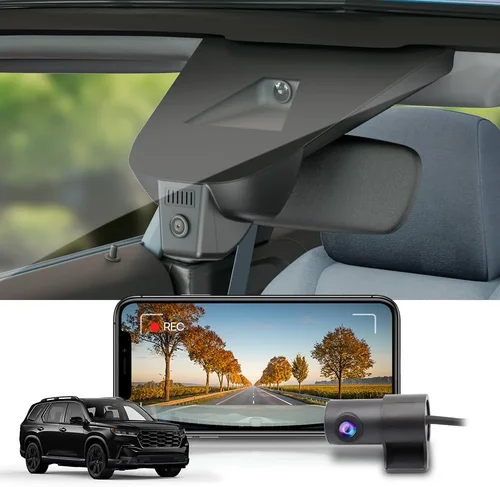
Best Dash Cam Parking Monitor Buying Guide

Best Dash Cam Parking Monitor Buying Guide
Protect your vehicle when you’re not behind the wheel with expert insights on choosing the perfect parking monitor dash cam.
Picture this: You park your car in a busy downtown area, step out to grab coffee, and return hours later to find a fresh scratch across your hood or worse—a dent from an unseen driver who never stopped to leave their information. Frustrating? Absolutely. But what if there was technology that could prevent this from happening again? A dash cam with parking monitoring capabilities acts as your 24/7 guardian angel, recording events even when your engine isn’t running.
This comprehensive buying guide will walk you through everything you need to know about selecting the best dash cam for parking monitoring. We’ll explore the essential features that make these devices worth their price tag, compare top models across different price ranges, and provide expert advice to help you make an informed decision. Whether you’re a daily commuter concerned about urban parking risks or a weekend road trip enthusiast wanting peace of mind, understanding how parking mode works and what to look for in a dash cam will save you money, stress, and potentially thousands in repair costs down the road.
What to Look for When Buying Dash Cams
1. Parking Mode Technology
The heart of any parking monitor dash cam is its ability to function when your car isn’t running. This feature, often called “parking mode” or “motion detection,” requires a dedicated power source—typically connected to your car’s battery via a hardwire kit. When activated, the dash cam continues recording short video clips triggered by motion, impact sensors, or time-lapse recording.
There are three primary types of parking monitoring systems:
- Motion Detection: Activates when the camera detects movement within its field of view. Ideal for catching vandals, thieves, or curious passersby.
- Impact/G-Sensor Trigger: Records when the vehicle experiences sudden jolts or impacts (like someone backing into your car). Most sensitive models can detect vibrations equivalent to a light tap.
- Time-Lapse Recording: Continuously records at reduced frame rates (often 1 frame every few seconds), conserving storage while still capturing suspicious activity over extended periods.
2. Battery Life & Power Management
A critical consideration for parking monitor dash cams is how they manage power when disconnected from your car’s electrical system. While some models include built-in batteries, most rely on direct connection to your vehicle’s battery through a hardwiring solution.
Key power-related factors include:
- Hardwire Compatibility: Ensure the dash cam supports universal voltage input (typically 12-24V DC) compatible with most vehicles.
- Low-Voltage Protection: Essential safety feature that automatically powers off the device when your car’s battery drops below a safe threshold (usually around 11.5V) to prevent draining your battery completely.
- Power Consumption: Entry-level models may draw 2-3 watts during parking mode, while premium units optimize efficiency to use less than 1 watt.
For vehicles without OBD-II ports, consider dash cams that work with cigarette lighter adapters or magnetic charging cables as alternatives to permanent hardwiring.
3. Video Quality & Resolution
While parking monitoring primarily focuses on security rather than driving documentation, video quality remains crucial. Higher resolution means clearer evidence in court or insurance claims, better facial recognition if needed, and more detailed documentation of damage.
Recommended specifications:
- Minimum Resolution: 1080p Full HD for adequate detail in most scenarios
- Optimal Resolution: 2K or 4K Ultra HD for maximum clarity and license plate readability
- Frame Rate: At least 30fps during regular operation; 15fps minimum for parking mode recordings
- Wide Angle Lens: 140-170° viewing angle captures more of your surroundings without distortion
Note that higher resolutions consume significantly more storage space—especially important since parking mode creates numerous short clips that accumulate quickly.
4. Storage Capacity & Management
Parking mode dash cams generate constant footage, making efficient storage management essential. Most models use microSD cards ranging from 32GB to 2TB capacities, though practical usage typically falls between 64GB and 512GB.
Consider these storage aspects:
- Loop Recording: Automatically overwrites oldest files when storage fills up—critical for uninterrupted parking monitoring
- G-Sensor Locking: Automatically protects accident footage from being overwritten until manually reviewed
- File Management: Some advanced models categorize files by event type (impact, motion, time-lapse) for easier organization
5. Night Vision Capabilities
Most incidents occur after dark, making night vision performance absolutely critical for parking monitors. Effective low-light operation depends on several interrelated technologies:
Essential night vision features include:
- Starlight Sensor Technology: Advanced image processors that dramatically improve light sensitivity
- WDR (Wide Dynamic Range): Balances exposure between bright headlights and dark shadows
- Infrared LEDs: Provide supplemental lighting for extremely dark environments (though limited range)
- HDR (High Dynamic Range): Enhances contrast and detail in challenging lighting conditions
Test night performance before purchasing if possible, as marketing claims don’t always reflect real-world results in various lighting scenarios.
6. Build Quality & Durability
Your dash cam must withstand extreme temperatures, humidity, vibration, and potential theft attempts—all while maintaining reliable operation. Premium build quality translates to longer lifespan and consistent performance.
Evaluate these durability factors:
- Housing Material: Aluminum alloy or reinforced polycarbonate offers better heat dissipation and impact resistance than plastic
- Temperature Tolerance: Look for specifications indicating operation between -20°C to +70°C (-4°F to 158°F)
- Vibration Resistance: Critical for vehicles that experience rough roads or frequent stop-and-go traffic
- Waterproof Rating: IP65 or higher provides protection against dust and water jets
Cheaper models may save money initially but often fail prematurely in harsh conditions—especially problematic when you depend on them for security coverage.
7. Smart Features & Connectivity
Modern parking monitor dash cams offer increasingly sophisticated connectivity options that enhance usability and functionality beyond basic recording:
Notable smart features include:
- Wi-Fi & App Control: Allows wireless file transfer, live preview, and remote configuration via smartphone
- GPS Tracking: Documents location data alongside video—valuable for fleet management or insurance claims
- Cloud Backup: Automatically uploads selected clips to secure online storage (subscription required)
- Voice Commands: Hands-free operation while parked or driving
- SOS Button: Emergency alert feature that immediately sends notifications with location and footage
While not essential for all users, these features add convenience and expand functionality for tech-savvy owners.
8. Brand Reputation & Support
The dash cam industry includes many budget brands with questionable reliability. Established manufacturers typically offer better quality control, customer service, and long-term support—all crucial when you need assistance with technical issues or warranty claims.
Consider these brand evaluation criteria:
- Industry Experience: Companies with 5+ years in automotive electronics generally have refined their products
- Customer Service Response: Check reviews for typical response times and problem resolution effectiveness
- Firmware Update Policy: Regular updates indicate ongoing commitment to product improvement
- Warranty Coverage: Minimum 1-year warranty; premium models often include 2-3 year coverage
Different Types of Dash Cams

Common Buying Mistakes to Avoid
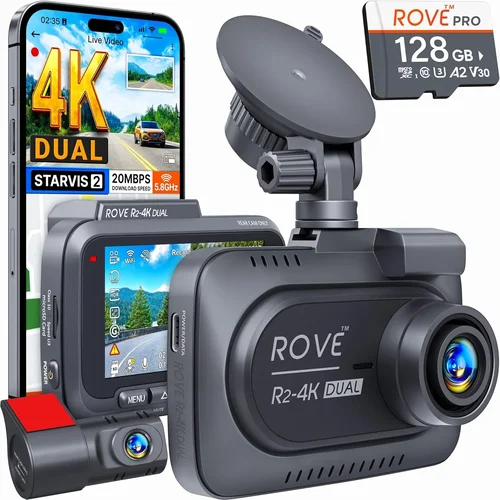
❌ Mistake: Ignoring Low-Voltage Protection
Why it’s bad: Many inexpensive dash cams lack proper low-voltage cutoff circuits. When connected directly to your car battery during parking mode, they may continue drawing power even when your vehicle’s battery drops critically low—potentially leaving you stranded with a dead car.
What to do instead: Always verify that your chosen model includes automatic shutdown when battery voltage drops below approximately 11.5 volts. This feature prevents battery drainage while ensuring the dash cam doesn’t activate unexpectedly when you start your car.
❌ Mistake: Overlooking Night Vision Performance
Why it’s bad: Assuming all dash cams perform equally in low light leads to disappointment when trying to review footage taken after sunset. Marketing materials often exaggerate night capabilities without demonstrating real-world results in various lighting conditions.
What to do instead: Research specific starlight sensor ratings and read detailed night vision comparisons. Request sample footage from manufacturers or watch unboxing/review videos showing actual nighttime performance rather than relying solely on advertised specifications.
❌ Mistake: Choosing Based Solely on Price
Why it’s bad: The cheapest available option might seem attractive initially but often compromises on critical components like lens quality, sensor technology, or build materials. These trade-offs result in poor video quality, unreliable operation, or premature failure—especially problematic when you need evidence for insurance claims.
What to do instead: Establish clear priorities first (e.g., maximum video quality vs. budget constraints), then compare options within those parameters. Sometimes spending slightly more upfront saves significant frustration and replacement costs down the line.
❌ Mistake: Neglecting Storage Requirements
Why it’s bad: Underestimating how much storage parking mode consumes leads to constant card full errors and lost evidence. A single incident clip might be only 30 seconds long, but hundreds accumulate daily depending on sensitivity settings and environmental factors.
What to do instead: Calculate your expected storage needs based on parking duration, frequency of triggering events, and desired retention period. Consider models with dual-card slots or cloud backup options for heavy usage scenarios.
❌ Mistake: Failing to Test Before Committing
Why it’s bad: Purchasing online without hands-on experience risks compatibility issues, confusing interfaces, or unexpected limitations once installed. What seems convenient in product photos might prove impractical during real-world use.
What to do instead: Whenever possible, test the unit at a retailer or borrow from friends. Verify physical dimensions fit your windshield mount location, check button placement for ease of use while driving, and confirm cable routing won’t interfere with other components.
❌ Mistake: Disregarding Installation Complexity
Why it’s bad: Assuming all dash cams install similarly overlooks significant variations in wiring requirements, mounting systems, and power connections. Complex installations increase labor costs if hiring professionals or risk improper setup if attempting DIY.
What to do instead: Research installation difficulty ratings and watch detailed unboxing/installation videos before deciding. Some models offer plug-and-play simplicity while others require professional hardwiring expertise.
❌ Mistake: Overlooking Firmware Updates
Why it’s bad: Dash cams that don’t receive regular firmware updates may become incompatible with newer smartphones, lose functionality over time, or develop security vulnerabilities. Manufacturers demonstrating commitment to ongoing support typically provide better long-term value.
What to do instead: Check manufacturer websites for update history and subscribe to product newsletters. Units with active development communities usually receive more frequent improvements and bug fixes.
Budget Guidelines: How Much Should You Spend?
Entry-Level ($50 – $100): The Foundation of Protection
This price range represents the absolute minimum viable option for basic parking monitoring needs. While functional, these models typically compromise on several key areas including build quality, night vision performance, and additional features.
What to expect at this level:
- Resolution: Usually limited to 1080p Full HD or lower
- Night Vision: Basic WDR without advanced starlight sensors
- Build Quality: Plastic housing with limited temperature tolerance
- Parking Features: Simple motion detection without adjustable sensitivity
- Storage: Single microSD slot with no loop recording optimization
Recommended for: Occasional drivers who park in well-lit, low-risk areas and prioritize affordability over advanced capabilities. Not suitable for high-theft neighborhoods or frequent overnight parking.
Mid-Range ($100 – $200): The Sweet Spot for Most Buyers
This category offers the optimal balance between cost and capability, representing where most discerning consumers find their ideal match. Products in this segment deliver reliable performance without excessive frills or unnecessary expense.
Key advantages at this tier:
- Video Quality: Typically 2K resolution with enhanced low-light processing
- Durability: Metal casing with broader operating temperature range
- Smart Features: Wi-Fi connectivity and companion mobile apps
- Parking Monitoring: Adjustable sensitivity plus G-sensor protection
- Value Additions: Built-in GPS, voice commands, or emergency SOS buttons
Recommended for: Daily commuters, suburban residents, and anyone seeking dependable protection without overspending. Covers 80% of typical use cases effectively.
Premium ($200 – $400): For Enthusiasts and Professionals
At this level, manufacturers incorporate cutting-edge technology, superior construction, and extensive feature sets designed for demanding users or specialized applications. These units often represent the latest advancements in automotive surveillance.
Premium-tier highlights:
- Ultra-High Definition: 4K recording with HDR and superior dynamic range
- Advanced Sensors: Professional-grade image processors with exceptional night vision
- Connectivity Ecosystem: Cloud integration, multi-device sync, and AI-powered event detection
- Installation Options: Multiple mounting solutions and professional hardwiring kits
- Support Services: Extended warranties, priority customer service, and guaranteed firmware updates
Recommended for: Tech-savvy owners, frequent travelers, ride-share drivers, and those requiring maximum evidence quality for legal or insurance purposes.
Luxury ($400+): Top-Tier Performance and Features
These exceptional devices represent the pinnacle of current dash cam technology, incorporating industrial-grade components, proprietary algorithms, and comprehensive management platforms rarely found outside commercial applications.
Luxury category characteristics:
- Multi-Camera Systems: Dual or quad-camera setups covering entire vehicle perimeter
- Artificial Intelligence: Object recognition, behavior analysis, and predictive incident prevention
- Enterprise Management: Fleet tracking, centralized control, and compliance reporting
- Military-Grade Construction: Shock absorption, extreme temperature resilience, and waterproof sealing
- Customization: Modular accessories, interchangeable lenses, and software-defined features
Recommended for: Commercial fleets, luxury vehicle owners, security-conscious individuals, and professional drivers requiring uncompromising performance.
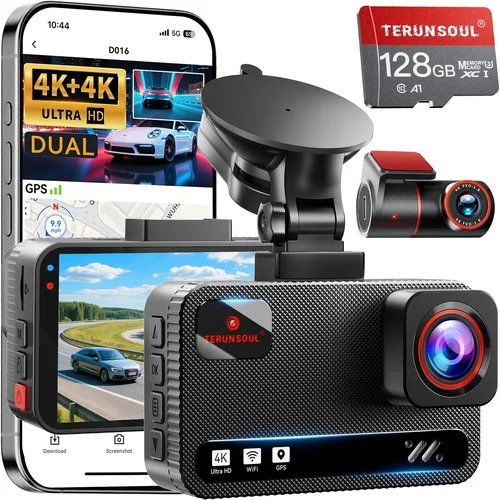
Expert Tips for Getting the Best Deal
Timing Your Purchase Strategically
The dash cam market experiences predictable sales patterns that savvy shoppers can exploit for significant savings. Major shopping holidays consistently offer the deepest discounts, but timing matters more than just the sale itself.
Optimal purchasing windows include:
- Black Friday/Cyber Monday: Industry-wide clearance events typically feature 20-40% off retail prices
- New Model Launches: When manufacturers release updated versions, previous generations often receive substantial markdowns
- End-of-Year Clearance: December inventory reduction drives aggressive promotions before new fiscal years begin
- Tax Season (February-March): Some retailers offer business-use incentives during tax preparation periods
Set calendar reminders for these events and monitor price history using browser extensions like Honey or CamelCamelCamel to ensure genuine savings rather than inflated “sale” pricing.
Choosing the Right Retailer
Where you purchase your dash cam significantly impacts availability, return policies, and post-purchase support. Different channels offer distinct advantages depending on your priorities.
Retailer comparison:
- Electronics Specialty Stores: Best selection, expert staff, immediate availability, but higher markup
- Automotive Parts Suppliers: Vehicle-specific compatibility guidance, installation services, competitive pricing
- Online Marketplaces: Wide selection, price comparison tools, home delivery, but shipping delays possible
- Direct Manufacturer Sites: Latest models, exclusive bundles, loyalty programs, but limited third-party reviews
Consider combining channels—purchase online for research then buy locally for immediate testing and installation assistance.
Identifying Authentic Deals
Discounts can mask quality compromises or bait-and-switch tactics. Learning to distinguish legitimate deals from deceptive pricing strategies prevents wasted money and disappointment.
Red flags indicating potentially fake discounts:
- Too Good to Be True Pricing: Claims of 70%+ off suggest previous pricing manipulation
- Limited-Time Offers Without Evidence: Vague urgency claims lacking historical price verification
- Missing Product Details: Generic descriptions hiding specification changes or component substitutions
- New Brand Promotions: Unknown manufacturers offering steep discounts often lack established reliability
Always cross-reference current pricing with at least two reputable sources before committing to any purchase.
Understanding Warranty Implications
Warranty terms vary dramatically between brands and significantly affect long-term ownership costs. Understanding what coverage actually provides prevents surprises when problems inevitably arise.
Critical warranty considerations:
- Labor vs. Parts Coverage: Determine whether repairs require separate fees beyond the base warranty
- International Validity: Confirm coverage applies globally if you travel extensively
- Transferability: Check if warranty transfers to subsequent vehicle owners if you sell your car
- Claim Process Complexity: Some brands require lengthy diagnostic procedures before honoring warranty claims
Read the fine print carefully—many “lifetime warranties” apply only to original purchasers and exclude wear items like lenses or batteries.
Maximizing Return Policies
Even with thorough research, compatibility issues or performance disappointments sometimes occur. Flexible return windows protect your investment while allowing time for proper evaluation.
Ideal return policy characteristics:
- Extended Trial Periods: Minimum 30 days, preferably 60+ for comprehensive testing
- Restocking Fee Transparency: Clear communication about deduction amounts before purchase
- Free Return Shipping: Especially valuable for large or fragile electronics
- No Questions Asked: Unconditional returns regardless of reason simplify decision-making
Save packaging and documentation immediately after unboxing to preserve eligibility for returns or exchanges.
Testing Before Finalizing Purchase
Hands-on evaluation reveals operational nuances impossible to discern from product specifications alone. Physical interaction with controls, interface navigation, and mounting hardware ensures practical usability.
Essential pre-purchase tests include:
- Button Placement Assessment: Verify thumb accessibility while seated normally in driving position
- Display Visibility: Check legibility under various lighting conditions including direct sunlight
- Cable Routing Evaluation: Confirm wire paths won’t interfere with windshield wipers or other components
- Startup Sequence Observation: Note boot-up time and initialization behavior during cold starts
If testing locally isn’t feasible, request loaner units or participate in manufacturer demo programs offering temporary home trials.
Negotiating Better Terms
While uncommon for consumer electronics, negotiation opportunities exist particularly with larger purchases or bundled packages. Preparation increases success likelihood.
Effective negotiation strategies:
- Bundle Inquiries: Ask about package deals including hardwire kits, extra mounts, or premium accessories
- Trade-In Programs: Older dash cams or related electronics may qualify for store credit
- Membership Discounts: Auto club affiliations, student status, or loyalty program enrollment often unlock exclusive pricing
- Bulk Purchase Leverage: Multiple identical units purchased together may qualify for volume discounts
Approach negotiations politely but confidently—retailers regularly maintain hidden promotional pricing unavailable online.
Frequently Asked Questions
Q: Will a dash cam drain my car battery while parked?
A: Modern parking monitor dash cams consume minimal power—typically less than 1 watt during standby mode and 2-3 watts during active recording. However, prolonged parking without engine operation can gradually drain your battery. All reputable models include low-voltage protection that automatically shuts down the device when your battery drops below a safe threshold (usually around 11.5 volts). To minimize risk, avoid leaving the parking monitor enabled for more than 24-48 hours consecutively, especially during winter months when battery performance naturally declines.
Q: How much storage space do I need for parking mode?
A: Storage requirements depend heavily on your specific usage patterns. As a general guideline: 64GB cards handle approximately 4-8 hours of parking monitoring at moderate sensitivity; 128GB provides 8-16 hours; and 256GB offers 16-32 hours. Factors affecting consumption include video resolution, compression technology, sensitivity settings, and environmental triggers (e.g., busy streets create more motion events than quiet residential areas). For comprehensive coverage, we recommend starting with a 128GB high-endurance microSD card and adjusting based on actual usage over several weeks.
Q: Can I install the dash cam myself, or do I need professional help?
A: Many modern dash cams offer straightforward DIY installation, particularly those using adhesive mounts and cigarette lighter power adapters. Hardwiring kits for permanent battery connection require basic electrical knowledge but follow clear instructions provided with most quality units. Complex installations involving trunk wiring or integration with existing vehicle systems benefit from professional assistance. If uncomfortable working with electrical connections, local auto electricians typically charge $50-$150 for proper hardwiring services—well worth avoiding potential damage to your vehicle’s wiring harness.
Q: Do dash cams record audio during parking mode?
A: Audio recording capabilities during parking mode vary by model and region. Some manufacturers enable microphone input during parking monitoring, while others disable audio to comply with privacy regulations or conserve storage. Legally, audio recording laws differ significantly between jurisdictions—some states/countries require consent from all parties being recorded. Always verify local regulations before enabling audio features, and consult your dash cam’s user manual for region-specific settings. Most premium models allow granular control over audio activation during different operational modes.
Q: How do I know if my dash cam is working properly in parking mode?
A: Several indicators confirm proper parking mode functionality: LED status lights showing standby/recording states, successful file creation visible through periodic card checks, and responsive motion/impact triggers during testing. After installation, conduct controlled tests by gently tapping the dashboard or simulating minor movements to verify triggering behavior. Review generated files immediately after incidents to confirm capture quality and timestamp accuracy. Additionally, monitor your vehicle’s battery health regularly during extended parking periods to ensure low-voltage protection activates appropriately.
Q: What happens when my microSD card fills up during parking mode?
A: Reliable dash cams implement intelligent loop recording that automatically overwrites the oldest files when storage capacity reaches predetermined thresholds (typically 80-90% full). This ensures continuous operation without manual intervention. Critical event footage protected by G-sensors remains locked until manually reviewed or transferred to prevent accidental deletion. To maintain optimal performance, format your microSD card regularly using the dash cam’s internal formatting tool rather than computer-based methods—this preserves file system integrity specific to the device’s recording algorithm.
Q: Can multiple dash cams work together for complete vehicle coverage?
A: Yes, advanced systems support multi-camera configurations providing panoramic surveillance of your entire vehicle. Popular setups include front/rear dual cameras, cabin/exterior pairs, or tri-camera systems covering left/right/rear perspectives. Integration requires compatible hardware with synchronized recording capabilities and unified management software. While offering comprehensive protection, multi-camera setups demand significantly more storage, processing power, and complex installation—best suited for fleet operators, commercial vehicles, or security-conscious individuals with technical expertise.
Q: Are dash cam recordings admissible as evidence in court or insurance disputes?
A: Dash cam footage generally qualifies as admissible evidence in civil matters like personal injury claims or property damage disputes, provided it meets chain-of-custody requirements and wasn’t obtained illegally. Insurance companies routinely accept dash cam recordings to verify incident details, though admissibility varies by jurisdiction and specific circumstances. For maximum evidentiary value, ensure recordings include clear timestamps, location data, and undistorted views of relevant events. Store original files securely and avoid editing or enhancing footage unless absolutely necessary—alterations may compromise authenticity in legal proceedings.
Q: How does weather affect parking mode performance?
A: Extreme temperatures impact both dash cam operation and battery performance. Cold conditions reduce lithium-ion battery capacity and slow electronic response times, potentially causing delayed activation during parking mode. High humidity or precipitation may temporarily fog lenses or trigger false motion alerts. Waterproof-rated models (IP65+) resist moisture intrusion but don’t guarantee optical clarity during rain. For optimal winter performance, park in sheltered areas whenever possible and consider interior cabin cameras to complement exterior monitoring during harsh weather.
Q: What should I do if my dash cam stops working unexpectedly?
A: First verify power connections and microSD card seating before investigating further. Common causes include loose wiring, corrupted firmware, or depleted storage cards. Attempt rebooting the device following manufacturer procedures—most require removing power for 30 seconds before restoring. If problems persist, consult troubleshooting guides or contact customer support with specific error messages or symptom descriptions. Document all steps taken during diagnosis as helpful information for technical specialists, and avoid attempting unauthorized disassembly which voids warranties.
Our Final Recommendations
Best for Budget-Conscious Buyers: Viofo A119 V3
The Viofo A119 V3 delivers exceptional value with its proven reliability and solid feature set at an accessible price point. This compact dash cam offers 2K recording capability, reliable parking mode functionality, and robust build quality that has earned it widespread acclaim among budget-focused drivers.
Key strengths include:
- Outstanding Value: Priced competitively while delivering performance exceeding expectations
- Proven Track Record: Five years of consistent production with minimal design changes indicating refinement over iterations
- Reliable Parking Mode: Effective motion detection plus adjustable G-sensor sensitivity
- Clear Night Vision: Enhanced low-light performance without expensive extras
- Compact Design: Minimalist aesthetics that blend seamlessly with any vehicle interior
Minor drawbacks include limited smart features compared to newer models, but these omissions keep costs down while maintaining core functionality. Perfect for drivers prioritizing essential protection without overspending.
Best Overall Value: BlackVue DR970X-2CH
The BlackVue DR970X-2CH represents the sweet spot where premium features meet reasonable pricing, offering professional-grade capabilities accessible to individual consumers. This dual-camera system delivers exceptional image quality and comprehensive connectivity options unmatched in its category.
Why it stands out:
- Dual-Camera Excellence: Simultaneous front/rear recording with independent audio channels
- Cloud Integration: Seamless wireless uploads and remote viewing via BlackVue app
- Advanced Parking Features:
- Military-Grade Durability: Reinforced construction exceeding consumer expectations
- Regular Firmware Updates: Ongoing improvements demonstrate manufacturer commitment
Slightly steeper learning curve for initial setup, but comprehensive documentation and responsive support mitigate this concern. Ideal for drivers desiring commercial-level protection without enterprise pricing.
Best Premium Option: Garmin Dashcam Mini
The Garmin Dashcam Mini combines sleek design with innovative features rarely seen in compact form factors. Its ultra-thin profile belies powerful capabilities including advanced driver assistance and seamless smartphone integration.
Premium highlights:
- Ultra-Compact Form: Nearly invisible installation preserving vehicle aesthetics
- Smartphone Sync: Automatic file transfer and live preview via Bluetooth/Wi-Fi
- Driver Awareness: Lane departure warnings and forward collision alerts
- Weather Resistant: IPX4 rating protecting against splashing water
- Garmin Trusted Brand: Decades of navigation expertise translating to reliable performance
Higher price reflects premium positioning and limited expandability compared to modular systems. Best for drivers valuing discretion and integrated safety features over maximum customization.
Best for Beginners: Nextbase 522GW
The Nextbase 522GW simplifies dash cam ownership with intuitive operation and generous feature inclusion. Its user-friendly interface and comprehensive warranty make it exceptionally approachable for first-time buyers.
Beginner-friendly benefits:
- Simple Operation: Clear menu structure and responsive touchscreen controls
- Emergency SOS: Panic button triggering immediate alerts with location data
- Alexa Integration: Voice command functionality rare at this price point
- 3-Year Warranty: Extended coverage exceeding industry standards
- Free Cloud Storage: Initial subscription included for peace of mind
Limited recording angles compared to competitors, but sufficient for most everyday scenarios. Perfect starter unit that grows with your confidence and needs.
Best for Advanced Users: Thinkware U1000
The Thinkware U1000 serves experienced users demanding maximum control and customization options. Its professional-grade sensor and extensive settings empower technicians and security-minded drivers alike.
Advanced user advantages:
- Sony STARVIS Sensor: Industry-leading low-light sensitivity unmatched in class
- Customizable Settings: Granular adjustments for every aspect of operation
- Multiple Mounting Options: Flexibility for diverse vehicle configurations
- Dual SD Card Slots: Redundant storage preventing accidental loss
- Thinkware Cloud: Enterprise-grade management platform for power users
Complex interface requires time investment to master fully, but rewards meticulous users with unparalleled performance. Ideal for enthusiasts who treat dash cam operation as part of their driving toolkit.
Conclusion: Making the Right Choice
Selecting the best dash cam for parking monitoring ultimately comes down to aligning your specific needs with appropriate technology rather than chasing marginal gains for their own sake. While specifications matter tremendously, real-world performance depends equally on thoughtful installation, prudent usage habits, and realistic expectations about what these devices can accomplish.
Remember that no parking monitor dash cam provides perfect protection—they document rather than prevent incidents. However, when properly configured and maintained, they transform uncertain situations into verifiable facts. The investment pays dividends not just financially through potential insurance savings, but psychologically through enhanced peace of mind knowing your vehicle has a vigilant guardian watching over it even when you’re away.
Before making your final decision, revisit your original concerns: Where do I most frequently park? What risks concern me most? How much time can I dedicate to setup and maintenance? Answering these questions honestly will guide you toward the ideal balance of capability, convenience, and cost—ensuring your dash cam becomes a valuable asset rather than another unused electronic gadget gathering dust in your glove compartment.
Whatever model you choose, remember that responsible ownership includes regular testing, timely firmware updates, and respectful adherence to local privacy regulations. With proper care, your parking monitor dash cam will serve faithfully for years, providing invaluable evidence whenever unexpected situations arise far from the comfort of your own garage.