Expert Motorcycle Dash Cam Buying Guide
Why every serious motorcyclist needs a dash cam in their arsenal. In recent years, motorcycle dash cams have evolved from a niche safety accessory to an essential piece of riding gear for anyone who values their safety, legal protection, and peace of mind on the road. Unlike automotive dash cams that primarily record the forward view, motorcycle dash cams must contend with wind noise, extreme weather conditions, vibration, and limited mounting space. This comprehensive buying guide will walk you through everything you need to know about selecting the perfect motorcycle dash cam for your specific needs.
Whether you’re a daily commuter navigating city traffic, a weekend warrior taking scenic backroads, or a professional delivery rider logging hundreds of miles each week, understanding the critical factors that differentiate motorcycle dash cams from their car counterparts is crucial. You’ll learn about the unique challenges of motorcycle recording, including wind noise reduction, weather resistance, vibration compensation, and optimal positioning strategies. More importantly, this guide will help you avoid common pitfalls and make informed decisions based on real-world performance rather than marketing hype.
The motorcycle dash cam market has become increasingly sophisticated, with manufacturers offering features that weren’t even conceivable just a few years ago. From GPS tracking and emergency incident detection to cloud storage and smartphone integration, today’s best motorcycle dash cams can provide comprehensive documentation of your rides while adding minimal weight and maintaining aerodynamics. However, with so many options available across different price points, it’s easy to feel overwhelmed by the choices.
What you’ll learn in this guide goes far beyond simply listing the “best” dash cams. We’ll dive deep into the technical specifications that actually matter for motorcycle use, explain how different features perform under real riding conditions, and provide practical advice on installation, maintenance, and troubleshooting. You’ll discover why certain brands consistently outperform others, understand the importance of build quality in harsh riding environments, and learn how to balance advanced features with reliability and ease of use.
The guide will also address common misconceptions about motorcycle dash cams, such as whether they’re worth the investment, how they handle different weather conditions, and what level of video quality is truly necessary for legal protection. We’ll explore the various types of mounting systems available, discuss the pros and cons of different recording formats, and examine how modern dash cams integrate with other riding accessories like Bluetooth headsets and action cameras.
By the end of this comprehensive guide, you’ll have a clear understanding of what to look for in a motorcycle dash cam, how to evaluate different models objectively, and confidence in making a purchase that will serve you well for years to come. Whether you’re upgrading from a basic model or buying your first dash cam, this guide will equip you with the knowledge to choose the right device for your riding style, budget, and safety priorities.

What to Look for When Buying Dash Cams
1. Budget & Price Range
Before diving into specific features and capabilities, establishing your budget framework is essential for narrowing down your options without compromising on quality. Motorcycle dash cams represent a significant investment in your safety and peace of mind, but they don’t need to break the bank to provide excellent value. Entry-level models typically range from $50-$100 and offer basic functionality with limited features, while mid-range options between $100-$250 deliver better build quality, enhanced features, and improved performance.
Premium models costing $250-$400 often include advanced capabilities like GPS tracking, cloud connectivity, superior night vision, and professional-grade stabilization. Luxury options above $400 may feature multiple camera angles, 4K recording, AI-powered incident detection, and integration with premium motorcycle electronics. When setting your budget, consider not just the initial cost but also ongoing expenses like memory cards, potential subscription fees for cloud services, and any accessories you might need.
It’s important to recognize that the cheapest option isn’t always the worst choice if you have basic recording needs, and spending excessively won’t necessarily translate to proportional safety benefits. Instead, focus on finding the sweet spot where features align with your actual riding requirements and environmental conditions. Many riders find that a mid-range model offers the best balance of reliability, functionality, and value for everyday use.
2. Performance Specifications
Performance specifications determine how well your dash cam will function under real-world riding conditions. Resolution is the most visible specification, with Full HD (1920×1080) being the minimum recommended for motorcycle use due to the high speeds and quick movements involved. While 4K recording provides exceptional detail, it often comes with trade-offs in recording time, file sizes, and battery life that may not be practical for extended rides.
Frame rate significantly impacts video smoothness, with 30fps being standard and 60fps providing noticeably smoother motion capture—especially valuable when documenting highway speeds or rapid maneuvers. The field of view (FOV) is equally crucial; too narrow and you miss important context, too wide and you lose detail at the edges. A FOV between 120-140 degrees typically offers the best balance for motorcycle applications.
Night vision capabilities are particularly important for motorcycle dash cams since many accidents occur during low-light conditions. Look for models with large aperture lenses (f/1.8 or lower), infrared LEDs, and advanced image processing algorithms that maintain visibility in complete darkness. Thermal sensors and automatic exposure adjustment can further enhance nighttime performance by adapting to rapidly changing lighting conditions.
3. Build Quality & Durability
Motorcycle dash cams face more demanding environmental conditions than automotive counterparts, making build quality non-negotiable. The housing must withstand direct sunlight exposure, rain, snow, extreme temperatures, and vibration from engine and road forces. Materials like polycarbonate or aluminum alloys offer superior impact resistance compared to plastic alternatives, while sealed construction prevents moisture intrusion.
Vibration resistance is especially critical for motorcycles due to constant engine vibrations and road imperfections. High-quality models incorporate rubber gaskets, flexible mounting brackets, and internal shock absorption to maintain steady footage. Temperature tolerance ranges from -4°F to 140°F (-20°C to 60°C) ensure reliable operation in diverse climates, from desert heat to mountain cold.
Waterproofing ratings (IPX rating) indicate dust and water resistance levels, with IPX4 or higher recommended for motorcycle use where splashing and occasional heavy rain are common. Additionally, UV-resistant materials prevent yellowing and degradation from prolonged sun exposure. These durability considerations directly impact the device’s lifespan and reliability during extended outdoor use.
4. Features & Functionality
Modern motorcycle dash cams offer numerous features that extend beyond basic recording. GPS tracking provides location data and speed information, creating timestamped records of your journey that can be invaluable for accident reconstruction or insurance claims. Some models also include GLONASS or Galileo satellite support for improved accuracy in areas with poor GPS coverage.
G-sensor technology automatically detects sudden movements or impacts, triggering immediate recording and protecting relevant footage from being overwritten. Emergency incident detection can alert authorities or designated contacts during serious accidents, potentially reducing response times. Cloud connectivity enables remote access to your recordings and automatic backup to secure servers.
Voice activation allows hands-free operation while riding, though this feature requires careful consideration of regulatory compliance in your area. Smartphone app integration provides convenient management of settings, playback, and file transfer. Advanced models may include lane departure warnings, collision alerts, or blind spot monitoring specifically designed for motorcycle riders.
5. Brand Reputation
Brand reputation serves as an indicator of reliability, customer service quality, and overall product performance. Established brands with extensive experience in motorcycle electronics tend to produce more dependable devices because they’ve had time to refine their designs and address common issues. Well-known manufacturers often invest more heavily in research and development, leading to better engineering solutions and more thorough testing procedures.
Reputable brands typically offer comprehensive warranty coverage and responsive customer support, which becomes crucial when dealing with technical issues or replacement parts. They’re also more likely to release firmware updates to improve performance, add new features, or fix bugs. User reviews and professional testing results provide additional insights into real-world performance and longevity.
When evaluating brand reputation, consider both online customer feedback and expert reviews from reputable sources specializing in motorcycle accessories. Be wary of overly aggressive marketing claims and look for balanced assessments that acknowledge both strengths and limitations. Established brands may command higher prices but often deliver better long-term value through reliability and support.
6. Warranty & Support
Comprehensive warranty coverage provides peace of mind and financial protection against manufacturing defects or premature failures. Most reputable motorcycle dash cam manufacturers offer at least a one-year warranty, with some extending coverage up to three years. Extended warranty options are available for purchase and can be worthwhile investments given the device’s importance for safety documentation.
Support services vary significantly between brands, with some offering 24/7 customer assistance via phone, email, or live chat. Online resources like detailed manuals, video tutorials, and FAQ sections can help resolve common issues quickly. Manufacturer websites should provide downloadable firmware updates and troubleshooting guides to keep your device performing optimally over time.
Return policies are equally important, especially when purchasing online. Look for retailers offering reasonable return windows (typically 30 days) and hassle-free processes. Some manufacturers provide prepaid return shipping labels for defective products, simplifying the exchange process. Understanding the warranty terms before purchase helps avoid surprises if issues arise after the initial period.
7. Size & Portability
The compact size of motorcycle dash cams is one of their greatest advantages, but dimensions still matter significantly for mounting flexibility and aerodynamic impact. Smaller units (under 3 inches) generally provide less obstruction to airflow and are easier to position discreetly on your fairings or helmet. However, ultra-compact models may sacrifice battery capacity or feature sets for their reduced footprint.
Consider the physical dimensions relative to your motorcycle’s design and typical riding conditions. Sport bikes with aggressive fairing designs benefit from smaller units that fit seamlessly into existing lines, while touring motorcycles with larger fairings can accommodate slightly bigger models without noticeable drag. Weight distribution is another factor—lighter devices reduce the risk of affecting handling characteristics.
Portability becomes relevant if you frequently transport your motorcycle or share riding duties with others. Removable batteries, interchangeable mounting systems, and universal compatibility with various motorcycle types enhance convenience. Some models allow quick removal for security purposes or charging convenience, though this may compromise waterproofing if not properly sealed.
8. User Reviews & Ratings
User reviews provide invaluable insights that manufacturer specifications cannot convey about real-world performance and reliability. Look for detailed reviews that discuss specific use cases, environmental conditions, and long-term ownership experiences rather than brief one-star or five-star ratings without substance. Professional review sites often conduct thorough testing under controlled conditions, providing objective comparisons between competing models.
Pay particular attention to comments about build quality, battery life, software stability, and customer service responsiveness. Multiple consistent complaints about the same issue across different reviewers should raise red flags regardless of the overall star rating. Positive reviews mentioning unexpected benefits or exceeded expectations can highlight hidden advantages worth considering.
Be cautious of fake reviews or overly promotional content disguised as user feedback. Focus on verified purchase reviews and those that include photos or video evidence supporting their claims. Review aggregation websites often provide helpful summaries of common themes and sentiments across multiple platforms, giving you a broader perspective on user satisfaction.
9. Mounting System & Installation
A robust mounting system is essential for maintaining stable footage and ensuring your dash cam stays securely attached through various riding conditions. Magnetic mounts offer quick installation and removal but may lack the stability needed for high-speed riding or rough terrain. Adhesive-based mounts provide stronger attachment but require careful surface preparation and permanent installation.
Suction cup mounts work well on smooth surfaces but can fail under extreme temperatures or prolonged sun exposure. Custom brackets designed specifically for particular motorcycle models offer the best fit and stability but may increase costs. Consider the trade-off between installation convenience and long-term security based on your riding style and maintenance preferences.
Installation complexity varies significantly between models, with some requiring professional installation for optimal performance and warranty validity. Pre-drilled mounting points on your motorcycle can streamline the process and improve aesthetics. Ensure your chosen mount type complements your motorcycle’s design and doesn’t interfere with controls, lights, or other accessories.
10. Battery Life & Power Management
Battery life determines how long your dash cam can operate independently without external power sources. Entry-level models typically offer 1-2 hours of continuous recording, suitable for short trips or as backup protection. Mid-range devices provide 2-4 hours of recording time, accommodating most daily commutes and weekend rides. Premium models often feature extended battery capacities of 4+ hours or support for removable batteries.
Power management features significantly impact usability, including automatic shutdown during low battery conditions, power-saving modes that extend recording time, and smart charging systems that optimize battery health. Some models include supercapacitors instead of traditional lithium batteries, offering longer lifespans and better performance in extreme temperatures.
External power options like cigarette lighter adapters, USB connections, or direct wiring provide unlimited recording capability but reduce portability. Consider your typical ride duration and whether you need continuous recording or event-triggered protection. Solar charging accessories are emerging as viable options for extended touring but require careful positioning to maximize efficiency.
11. Storage Capacity & File Management
Storage capacity requirements depend on recording resolution, compression methods, and desired retention periods. Higher resolutions and frame rates generate larger files that consume storage space more quickly. Built-in memory typically ranges from 8GB to 64GB, with microSD card slots allowing expansion up to 1TB or more for extended recording sessions.
File management systems vary between brands, with some implementing intelligent loop recording that automatically overwrites oldest footage while preserving important events flagged by G-sensors. Cloud storage integration provides off-site backup but requires internet connectivity and may involve subscription fees for premium features. Local storage ensures immediate access without dependencies but requires manual retrieval from the device.
Consider your typical riding patterns and whether you need to preserve all footage or only incident-related recordings. Some models automatically categorize files by type (normal, incident, parking mode) making organization easier. Compatibility with popular file formats ensures playback on various devices without conversion software.
12. Audio Recording Capabilities
Audio recording adds another layer of documentation to your rides, capturing conversations, engine sounds, and environmental noises that complement visual evidence. Built-in microphones vary significantly in quality and sensitivity, with some models featuring dual mics for noise cancellation and directional pickup. Wind noise reduction algorithms are crucial for motorcycle applications where wind roar can overwhelm other sounds.
Legal considerations around audio recording vary by jurisdiction and may require consent from all parties recorded. Some regions prohibit recording conversations without participant awareness, so verify local regulations before enabling audio features. Privacy concerns also apply, especially when recording public spaces or other people’s vehicles.
Audio quality affects the usefulness of recorded conversations for accident investigation or dispute resolution. Clear speech reproduction requires adequate microphone placement away from direct wind exposure while maintaining relevant sound capture. Some advanced models include voice activation that only records when detecting conversation-level sounds, reducing irrelevant audio clutter.
13. Weather Resistance & Environmental Protection
Motorcycle dash cams must withstand diverse environmental conditions including direct sunlight, rain, snow, dust, and temperature extremes. IPX ratings indicate specific protection levels against water and dust intrusion, with higher numbers representing better sealing. IPX4 protects against splashing water from any direction, while IPX6 offers protection against powerful water jets—essential for riding in wet conditions.
UV-resistant materials prevent lens fogging and component degradation from prolonged sun exposure. Anti-reflective coatings on lenses maintain clarity in bright sunlight and reduce glare. Internal heating elements combat condensation and frost formation in cold weather, while cooling systems prevent overheating during summer rides. These features collectively ensure reliable operation across seasons and climates.
Temperature tolerance ranges from -4°F to 140°F (-20°C to 60°C) ensure functionality in extreme conditions. Thermal management systems prevent internal components from exceeding safe operating temperatures during prolonged exposure. Moisture-wicking properties and hydrophobic lens coatings repel water droplets and facilitate quick drying after rain exposure.
14. Software & User Interface
Intuitive software interfaces and user-friendly controls make dash cam operation straightforward during pre-ride setup and post-ride review. Menu navigation should be logical and accessible without requiring extensive training. On-device playback capabilities allow immediate review of recent recordings without connecting to external devices, valuable for verifying proper operation or checking recent incidents.
Smartphone app integration provides remote access to settings, playback, and cloud features, but requires reliable Bluetooth or Wi-Fi connectivity. App functionality should include easy file transfer, playback controls, and configuration adjustments. Firmware update mechanisms ensure ongoing improvements and bug fixes without complex procedures.
Customizable settings accommodate different riding styles and preferences, including adjustable sensitivity levels for G-sensors, configurable recording intervals, and personalized alert thresholds. Voice commands offer hands-free operation while riding, though regulatory compliance varies by region. Accessible menus and clear labeling reduce confusion during setup and troubleshooting.
15. Integration With Other Devices
Compatibility with other riding accessories enhances functionality and reduces cable clutter. Bluetooth connectivity enables pairing with helmets, intercom systems, or smartphone headsets for seamless audio integration. USB ports allow charging mobile devices or connecting additional peripherals while riding. Wireless charging pads provide convenient power solutions for compatible smartphones.
Action camera integration enables simultaneous recording from multiple perspectives, creating comprehensive documentation of your rides. GPS synchronization ensures accurate timestamps and location data across connected devices. Smartwatch apps offer glanceable status indicators and quick controls without removing gloves or reaching for the main unit.
App ecosystem compatibility extends functionality through third-party integrations, including fitness tracking, route planning, and social sharing features. Open API access allows developers to create custom applications tailored to specific riding needs. Universal compatibility standards ensure future-proofing as new technologies emerge.
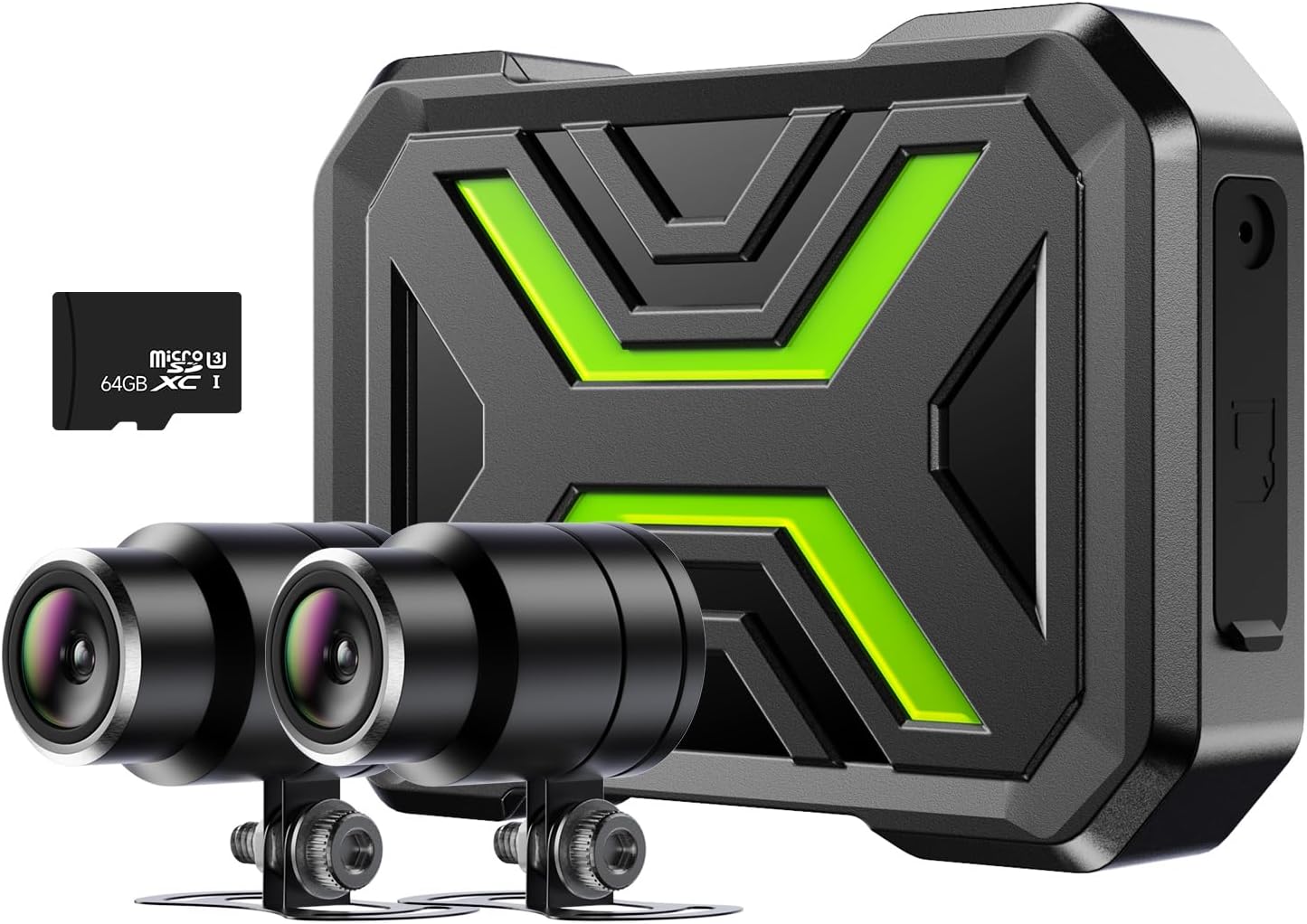
Different Types of Dash Cams
Common Buying Mistakes to Avoid
❌ Mistake: Choosing Based Solely on Price
Why it’s bad: Selecting a dash cam primarily based on low cost often leads to disappointment with unreliable performance, poor build quality, or inadequate features for actual motorcycle use. Cheap models may fail during critical moments when you need them most, leaving you without vital documentation during accidents or disputes.
What to do instead: Establish a realistic budget range based on your riding needs and prioritize quality over cost savings. Consider the total cost of ownership including accessories, potential replacements, and lost footage due to failure. Mid-range models often provide the best balance of reliability and functionality for serious riders.
❌ Mistake: Overlooking Environmental Requirements
Why it’s bad: Assuming all dash cams perform similarly in harsh conditions leads to equipment failure in real-world riding scenarios. Many budget models aren’t designed to withstand motorcycle-specific challenges like vibration, extreme temperatures, or direct weather exposure, resulting in premature failure or degraded performance.
What to do instead: Verify IP ratings, temperature tolerance ranges, and vibration resistance specifications before purchasing. Choose models specifically marketed for motorcycle use with proven track records in diverse weather conditions. Test your selected model under similar conditions if possible before committing to extended use.
❌ Mistake: Ignoring Compatibility Issues
Why it’s bad: Purchasing a dash cam without verifying compatibility with your motorcycle model or existing accessories can result in installation difficulties, interference problems, or voided warranties. Incompatible mounting systems, power requirements, or physical dimensions can render otherwise excellent devices unusable.
What to do instead: Research specific mounting requirements for your motorcycle model and verify clearances before ordering. Check power specifications against your bike’s electrical system and ensure sufficient capacity for continuous operation. Consult compatibility lists from manufacturers or user forums for your specific motorcycle make and model.
❌ Mistake: Neglecting Storage Management
Why it’s bad: Underestimating storage requirements leads to automatic deletion of recent footage before important events are captured. Insufficient memory capacity or poor file management practices can result in loss of critical evidence during accidents or disputes, defeating the primary purpose of having a dash cam.
What to do instead: Calculate required storage based on expected recording duration, resolution settings, and desired retention period. Choose models with expandable storage options and intelligent file management systems that prioritize incident footage. Develop a regular maintenance routine for reviewing and backing up important recordings.
❌ Mistake: Disregarding Legal Compliance
Why it’s bad: Installing audio recording features without understanding local privacy laws can lead to legal complications or fines. Different jurisdictions have varying regulations regarding consent requirements for audio recording, and using dash cams in violation of these laws can complicate insurance claims or legal proceedings.
What to do instead: Research local regulations regarding electronic recording devices before enabling audio features. Disable audio recording if local laws require participant consent or prohibit recording without awareness. Focus on visual documentation when legal uncertainties exist and consult legal professionals if unsure about compliance requirements.
❌ Mistake: Skipping Thorough Testing
Why it’s bad: Assuming dash cam performance translates directly from specifications to real-world results leads to unexpected issues during actual rides. Without proper testing, you might discover problems with mounting stability, battery life, or recording quality only after investing significant riding time or experiencing a situation where the device fails.
What to do instead: Conduct thorough testing before relying on your dash cam for safety-critical situations. Verify mounting security, battery performance, and recording quality under conditions similar to your normal riding environment. Perform test recordings at various speeds and angles to ensure optimal positioning and functionality.
❌ Mistake: Overlooking Maintenance Requirements
Why it’s bad: Failing to establish a maintenance routine results in degraded performance over time. Dust accumulation, battery degradation, and software updates all require attention to maintain optimal functionality. Neglected maintenance can lead to reduced recording quality, shorter battery life, or complete failure when needed most.
What to do instead: Create a scheduled maintenance plan including cleaning procedures, battery checks, and software updates. Keep spare batteries, memory cards, and mounting accessories readily available. Monitor performance metrics regularly and address any degradation promptly to ensure continued reliability.
Budget Guidelines: How Much Should You Spend?
Entry-Level ($50 – $100)
For riders seeking basic protection without advanced features, entry-level dash cams offer affordable entry points into motorcycle safety documentation. These models typically provide Full HD recording, essential mounting options, and fundamental protection features suitable for casual riders or occasional use. While lacking premium capabilities like GPS tracking or cloud connectivity, they deliver core functionality at accessible price points.
Expect limited battery life (1-2 hours), basic build quality, and simplified interfaces in this price range. Entry-level models often sacrifice some durability features for affordability but can still provide valuable documentation for short commutes or recreational rides. Look for established brands even at lower price points to ensure reasonable reliability and warranty coverage.
Mid-Range ($100 – $250)
The mid-range segment represents the sweet spot for most motorcycle riders, offering substantial improvements in build quality, features, and reliability over entry-level options. Models in this category typically include enhanced durability features, better image processing, extended battery life, and additional functionality like G-sensor protection and improved mounting systems.
This price point supports GPS tracking, cloud storage integration, superior night vision capabilities, and more robust vibration resistance. Mid-range dash cams often feature better materials, more comprehensive warranties, and responsive customer support. For riders covering moderate distances regularly or needing reliable documentation for insurance purposes, this tier offers excellent value and performance balance.
Premium ($250 – $400)
Premium motorcycle dash cams deliver professional-grade performance with extensive features designed for serious riders, delivery professionals, or those requiring maximum reliability. These models typically include advanced stabilization systems, superior weather resistance, extended battery options, and comprehensive integration capabilities with other riding accessories.
Expect features like 4K recording, multiple camera angles, AI-powered incident detection, professional mounting solutions, and enterprise-grade support in this range. Premium models often include redundant power systems, enhanced thermal management, and sophisticated software ecosystems. While representing a significant investment, they provide unmatched performance for riders prioritizing maximum safety documentation and reliability.
Luxury ($400+)
Luxury motorcycle dash cams represent the pinnacle of technology and performance, targeting professional riders, fleet operators, or enthusiasts demanding absolute excellence. These devices often feature cutting-edge innovations like multi-camera arrays, artificial intelligence processing, advanced sensor fusion, and specialized professional services.
Ultra-premium models may include complete vehicle coverage systems, real-time analytics, predictive safety features, and dedicated customer support teams. While exceeding most riders’ needs, luxury options provide unparalleled documentation capabilities for high-risk occupations, competitive racing, or extreme adventure riding where maximum protection and detail capture are essential.
Expert Tips & Pro Advice

Frequently Asked Questions
Q: Are motorcycle dash cams really worth the investment?
A: Absolutely. Motorcycle dash cams provide invaluable protection in several key areas. They document accidents clearly when disputes arise, potentially preventing false claims against responsible riders. During insurance claims, comprehensive footage often resolves ambiguous situations faster and more fairly. Many riders also appreciate the psychological comfort of knowing their rides are documented, encouraging safer riding habits. For delivery riders, food service workers, or commercial operators, dash cams can significantly impact liability determination and protect business interests. Even casual riders benefit from the deterrent effect on aggressive drivers and the peace of mind during solo adventures.
Q: What resolution should I look for in a motorcycle dash cam?
A: For motorcycle use, Full HD (1920×1080) at 30fps represents the minimum acceptable resolution, but 60fps Full HD provides noticeably smoother motion capture crucial for high-speed riding. If budget allows, 4K recording offers exceptional detail for license plate identification and fine facial details, though it consumes more storage and battery life. The most important factor is consistent, reliable recording rather than maximum resolution alone. Many experts recommend starting with 1080p 60fps as the ideal balance of quality, performance, and practicality for motorcycle applications.
Q: How do I handle the intense vibration and wind noise on motorcycles?
A: Effective vibration management begins with proper mounting systems using rubber isolation mounts and flexible brackets that absorb engine vibrations while maintaining secure attachment. Choose dash cams specifically designed for motorcycle use with vibration-dampening features and robust internal stabilization. For wind noise, position microphones away from direct airflow paths and enable built-in noise reduction algorithms. Consider models with directional microphones that focus on frontal sounds while minimizing wind interference. Regular maintenance ensures continued effectiveness as mounting hardware degrades over time.
Q: Can I use my existing memory card, or do I need special ones?
A: While many standard microSD cards work adequately, motorcycle dash cams benefit from industrial-grade memory cards with enhanced write endurance and temperature tolerance. Class 10 or UHS-I cards with at least 64GB capacity provide sufficient storage for most riders. Avoid counterfeit cards and stick to reputable brands like SanDisk Extreme, Samsung PRO Endurance, or Lexar Professional. Format cards specifically in the dash cam before initial use to optimize performance, and replace cards every 12-18 months or after approximately 5,000-10,000 write cycles to prevent corruption.
Q: What’s the difference between loop recording and event recording?
A: Loop recording continuously captures video in fixed-length segments, automatically overwriting oldest footage when storage fills—ideal for general documentation without storage constraints. Event recording triggered by G-sensors preserves critical incident footage separately from regular recording, ensuring important events aren’t lost during automatic overwrites. Most modern dash cams combine both approaches, using loop recording for routine footage while protecting incident files through separate storage allocation. Understanding these modes helps configure appropriate recording parameters based on your riding patterns and storage capacity.
Q: How important is night vision capability for motorcycle dash cams?
A: Night vision is exceptionally important since many accidents occur during low-light conditions. Look for dash cams with large aperture lenses (f/1.8 or lower), infrared LEDs, and advanced image processing that maintains visibility in complete darkness. Night vision quality varies significantly between models, with some performing poorly in moonlight or twilight conditions. Test night vision capabilities before purchasing if possible, and consider supplemental lighting options like helmet-mounted auxiliary lights for enhanced visibility during evening or early morning rides.
Q: Do I need GPS tracking, and how does it work?
A: GPS tracking provides valuable contextual information for your rides, including precise location data, speed records, and route mapping that can be invaluable during insurance claims or accident investigations. Most GPS-enabled dash cams automatically overlay location coordinates and speed information on video recordings, creating comprehensive documentation. While not essential for basic recording, GPS adds significant value for riders needing detailed travel records. Consider whether you’ll benefit from route history, speed monitoring, or location-based features when evaluating GPS capabilities.
Q: How do I choose the right mounting position for my motorcycle?
A: Optimal mounting positions vary by motorcycle type but generally prioritize clear forward visibility while minimizing obstructions. For sport bikes, consider mounting on upper fairings or handlebars; touring motorcycles often suit center-mounted positions on windscreens; naked bikes benefit from helmet or chin guard mounting. Position the camera at eye level or slightly below to capture the road ahead clearly while avoiding glare from headlights or sunlight. Ensure the mounting location doesn’t interfere with controls, mirrors, or other accessories and provides stable footage during various riding conditions.
Q: What maintenance does a motorcycle dash cam require?
A: Regular maintenance includes monthly lens cleaning with microfiber cloths to remove dirt and smudges that degrade image quality. Quarterly battery checks ensure optimal charge capacity and prevent unexpected failures. Biannual software updates maintain performance enhancements and security patches. Replace memory cards every 12-18 months or after approximately 5,000 write cycles to prevent corruption. Store dash cams in protective cases during transport or storage to prevent damage. Keep spare batteries, memory cards, and mounting accessories readily available for quick replacements.
Q: Can I use my motorcycle dash cam for insurance claims?
A: Yes, properly functioning dash cam footage can significantly strengthen insurance claims by providing objective evidence of events. However, success depends on several factors including video clarity, audio quality (where permitted), and proper documentation procedures. Always inform your insurance company about your dash cam usage and provide them with relevant footage promptly. Some insurers require specific recording formats or metadata standards, so verify compatibility before relying on footage for claim resolution. Maintain organized digital archives of important recordings for easy retrieval during claim processes.
Our Final Recommendations
For budget-conscious buyers seeking reliable basic protection without advanced features, the Viofo A119 V3 delivers exceptional value with its robust build quality, impressive 140-degree field of view, and reliable Full HD recording capabilities. Its compact size minimizes aerodynamic impact while providing clear footage suitable for most riding conditions. The included suction cup mount offers versatile installation options, and the built-in G-sensor ensures incident footage preservation. At under $100, it represents outstanding entry-level performance without compromising essential functionality.
Those seeking the best overall value should consider the BlackVue DR900S-1CH, which combines professional-grade features with user-friendly operation. This premium model offers stunning 4K recording, superior low-light performance, and comprehensive cloud connectivity options. Its advanced stabilization system handles motorcycle vibrations effectively, while the intuitive interface simplifies operation during pre-ride setup. The reliable BlackVue app ecosystem and excellent customer support justify the higher price point for riders prioritizing maximum protection and convenience.
For riders requiring professional-grade performance with extensive features, the Thinkware F800 Pro stands out with its exceptional 4K recording capabilities, superior build quality, and comprehensive safety features. This German-engineered device includes advanced driver assistance systems specifically designed for motorcycle use, along with robust vibration resistance and weather protection. Its enterprise-grade reliability and comprehensive warranty make it ideal for delivery riders, commercial operators, or enthusiasts demanding maximum performance and peace of mind.
Beginners should start with the Eken H9R, which offers approachable pricing, straightforward operation, and surprisingly capable performance for its price point. Its compact design fits easily on most motorcycle types, while the included mounting accessories simplify installation. The user-friendly interface reduces learning curves, and the reliable recording quality provides adequate protection for new riders developing their skills and confidence.
Advanced users requiring maximum functionality should consider the Garmin VIRB Ultra 30, which integrates dash cam capabilities with advanced stabilization, voice control, and comprehensive sports features. Its action camera heritage provides exceptional stabilization for smooth footage during technical riding, while the integrated GPS and ANT+ connectivity offers extensive data collection capabilities. The robust app ecosystem and professional-grade features make it ideal for experienced riders seeking comprehensive performance monitoring and documentation.
Conclusion: Making the Right Choice
Selecting the perfect motorcycle dash cam requires balancing multiple factors including your riding style, environmental conditions, budget constraints, and specific protection needs. Rather than focusing solely on price or features, prioritize reliability, build quality, and compatibility with your motorcycle type and riding patterns. Remember that your dash cam serves as your primary defense during accidents and disputes, making quality and dependability paramount investments in your safety and peace of mind.
Take time to thoroughly test potential models under conditions similar to your normal riding environment, verify mounting security, and establish proper maintenance routines before committing to long-term use. Don’t overlook complementary accessories like quality memory cards, extra batteries, and protective cases that enhance your dash cam’s effectiveness and longevity. Regular maintenance ensures continued performance and prevents unexpected failures when you need documentation most.
Consider your insurance company’s requirements and local regulations regarding electronic recording devices to ensure your chosen dash cam meets all necessary criteria for maximum protection. Organize your recordings systematically and maintain digital backups of important footage for easy retrieval during claims processes or legal proceedings.
Ultimately, the best motorcycle dash cam for you combines appropriate features, reliable performance, and comfortable operation within your budget parameters. By prioritizing quality over cost savings and establishing proper usage and maintenance protocols, your dash cam will serve as a valuable ally providing comprehensive protection throughout your riding adventures.