Best Motorcycle Dash Cam Buying Guide
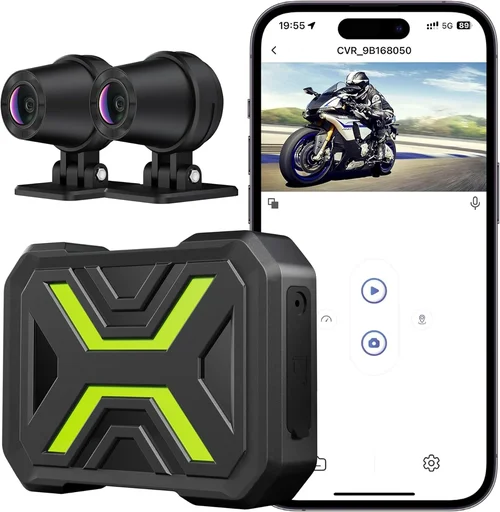
Motorcycle dash cams represent a crucial investment for riders who value safety, documentation, and peace of mind. In an industry where accidents can happen in split seconds, having reliable video evidence can make all the difference when dealing with insurance claims, traffic violations, or even legal disputes. This comprehensive buying guide will walk you through everything you need to know about selecting the best motorcycle dash cam for your specific needs, budget, and riding style.
Whether you’re a daily commuter, weekend adventure rider, or professional motorcycle delivery driver, understanding the key features, technical specifications, and real-world considerations will help you make an informed decision. We’ll cover everything from basic functionality to advanced recording capabilities, mounting solutions, weather resistance, and software compatibility. By the end of this guide, you’ll have the knowledge to choose a dash cam that not only captures high-quality footage but also integrates seamlessly with your riding routine.
The market for motorcycle dash cams has evolved significantly in recent years, offering more options than ever before. From compact single-camera systems to multi-channel setups with GPS tracking and impact detection, there’s something for every rider. However, with so many choices available, it’s easy to feel overwhelmed by technical jargon and marketing claims. That’s why we’ve created this detailed guide to cut through the noise and provide practical advice based on expert knowledge and real user experiences.

What to Look for When Buying Dash Cams
1. Budget & Price Range
The first consideration for any purchase is your budget, and motorcycle dash cams are no exception. Prices can range from under $50 for basic models to over $300 for premium systems with advanced features. Before diving into specifications, determine how much you’re willing to spend and what features justify the additional cost.
Entry-level dash cams typically offer essential recording capabilities without extra bells and whistles. These models usually feature 720p or 1080p resolution, loop recording, and basic motion detection. While they won’t capture the highest quality footage, they provide adequate protection for most casual riders.
Mid-range options (around $100-$200) often include improved sensors, better low-light performance, GPS tracking, and sometimes dual cameras. These models strike a good balance between price and functionality, making them popular among serious commuters and recreational riders alike.
Premium systems exceed $200 and may feature 4K recording, superior image stabilization, multiple camera inputs, cloud storage integration, and advanced driver assistance features. These are ideal for professional riders, delivery services, or those who demand the absolute best image quality regardless of cost.
2. Performance Specifications
When evaluating performance specs, several key metrics determine how well your dash cam will perform in real-world conditions. Resolution is perhaps the most obvious starting point, with 1080p being the minimum acceptable standard and 4K offering exceptional detail for license plates and road signs.
Frame rate matters significantly too – higher frame rates (60fps vs 30fps) result in smoother video, especially during rapid maneuvers or emergency braking situations. A 60fps setting is recommended for capturing fast-moving action accurately.
Field of view (FOV) determines how much area your camera can capture. Wider angles (typically 120-170 degrees) provide broader coverage but may introduce some distortion near edges. Narrower FOVs offer less coverage but deliver sharper center images. For motorcycles, a moderate FOV around 140 degrees often provides optimal balance.
Sensors play a crucial role in image quality, particularly in challenging lighting conditions. Larger sensors generally perform better in low light, while advanced image processing algorithms can compensate somewhat for smaller sensors. Look for cameras with good low-light sensitivity ratings if you frequently ride at dawn, dusk, or night.
3. Build Quality & Durability
Motorcycle dash cams face unique environmental challenges compared to automotive counterparts. They must withstand extreme temperatures, heavy rain, dust, vibrations, and potential impacts from falls or collisions. Therefore, build quality becomes paramount.
Weather resistance is non-negotiable. Look for IP65 or higher ratings indicating protection against dust ingress and water jets. Some premium models achieve IP67 ratings, offering complete dust protection and temporary submersion capability up to one meter for 30 minutes.
Vibration resistance ensures stable operation despite engine vibrations and road imperfections. High-quality mounts and shock-absorbing materials help maintain image stability during rough rides. Internal components should be securely fastened to prevent damage from jarring movements.
Temperature tolerance ranges vary widely among models. Most operate effectively between -20°C and 70°C (-4°F to 158°F), but check manufacturer specifications carefully if you ride in extremely hot or cold climates regularly.
4. Features & Functionality
Beyond basic recording, modern motorcycle dash cams offer numerous useful features that enhance their utility and reliability. Emergency recording modes automatically save critical incidents, while G-sensor technology detects sudden impacts and prevents accidental deletion of important footage.
GPS tracking provides valuable metadata including speed, location, and route information. This data can be invaluable for accident reconstruction, proving lawful speed limits, or simply documenting your journeys. Some systems integrate with mapping applications for easy playback and sharing.
Loop recording ensures continuous operation by automatically overwriting older files when storage fills up. However, ensure your chosen model allows for manual file locking during emergencies or important events to preserve those recordings indefinitely.
Wi-Fi connectivity enables wireless transfer of videos to smartphones or tablets via dedicated apps. This feature simplifies file management and sharing while allowing remote configuration of settings. Cloud storage integration takes this further by automatically backing up footage to online servers, though this often requires subscription fees.
Battery life varies significantly between models. Some rely solely on hardwired power sources, while others include removable batteries for portable use. Consider your riding patterns and whether you need standalone operation away from your motorcycle.
5. Brand Reputation
Choosing a reputable brand can significantly reduce risk and ensure ongoing support. Established manufacturers typically invest more heavily in research, testing, and customer service infrastructure. Research consumer reports, expert reviews, and user forums before committing to any particular brand.
Leading brands in the motorcycle dash cam space include Blackvue, Thinkware, Garmin, Viofo, and Rexing. Each offers distinct advantages depending on your priorities—some excel in image quality, others in durability or ease of use.
Brand reputation also affects long-term ownership experience. Reliable customer support, readily available replacement parts, and responsive warranty service contribute significantly to overall satisfaction. Check return policies and warranty terms before purchasing.
6. Warranty & Support
A solid warranty demonstrates manufacturer confidence in product quality and provides protection against defects. Most reputable brands offer at least one year of coverage, with some extending to three years or more for premium models.
Comprehensive warranty terms should cover both hardware failures and component replacements. Be aware of limitations—some warranties exclude damage from improper installation or environmental factors outside specified tolerances.
Customer support quality varies widely between brands. Look for companies with responsive technical teams, detailed installation guides, and active community forums where users share tips and troubleshooting advice.
7. Size & Portability
Compact designs minimize wind resistance and visual obstruction while maximizing aerodynamic efficiency. Ultra-thin profiles help maintain the sleek appearance of your motorcycle without compromising functionality.
However, smaller cameras may sacrifice sensor size or lens quality, potentially affecting image resolution. Find the right balance between discreetness and performance based on your personal preferences and riding conditions.
8. User Reviews & Ratings
Real-world user experiences offer invaluable insights beyond technical specifications. Pay attention to consistent themes in reviews regarding reliability, ease of use, and performance under various conditions.
Look for detailed feedback about long-term durability, software updates, and customer service interactions. Negative reviews highlighting recurring issues can be just as informative as positive ones celebrating exceptional performance.
Different Types of Dash Cams
Common Buying Mistakes to Avoid
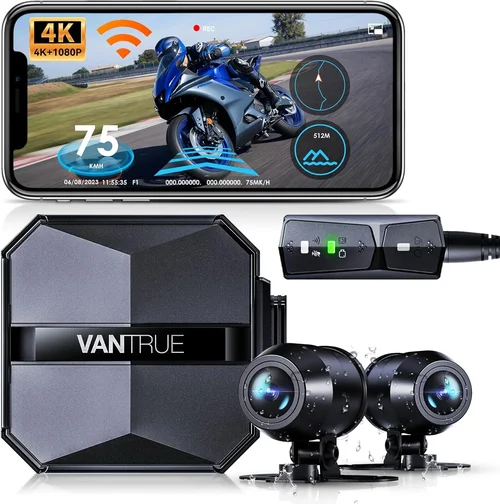
❌ Mistake: Ignoring Weather Resistance Requirements
Why it’s bad: Motorcycles expose dash cams to harsher conditions than cars—direct sunlight, heavy rain, snow, and temperature extremes can damage poorly sealed electronics. Many entry-level models fail within months due to inadequate sealing.
What to do instead: Always check IP ratings (minimum IP65 recommended) and read reviews mentioning performance in wet or dusty conditions. Invest in weather-resistant models designed specifically for outdoor motorcycle use.
❌ Mistake: Overlooking Vibration Dampening
Why it’s bad: Engine vibrations can cause blurry footage, loose connections, or component failure. Without proper isolation, your expensive dash cam may produce unusable video or stop working entirely after a few hundred miles.
What to do instead: Choose models with rubberized mounts or specialized vibration-dampening brackets. Ensure all internal components are securely fastened and consider adding secondary suspension if riding on rough terrain frequently.
❌ Mistake: Choosing Based Solely on Resolution
Why it’s bad: Higher resolution doesn’t guarantee better footage quality. Poor sensors, inefficient compression algorithms, or inadequate low-light performance can make even 4K videos look grainy or washed out in practice.
What to do instead: Balance resolution with other critical factors like sensor size, frame rate, dynamic range, and real-world review footage rather than relying exclusively on megapixel counts or marketing specifications.
❌ Mistake: Neglecting Storage Management
Why it’s bad: Insufficient storage capacity leads to constant file overwriting before you can review important incidents. Without proper management tools, critical evidence gets lost automatically during normal operation.
What to do instead: Calculate required storage based on expected recording duration and desired retention period. Enable manual file locking features and consider cloud backup options for maximum protection against data loss.
❌ Mistake: Installing Without Proper Mounting
Why it’s bad: Improper mounting causes poor visibility, increased wind noise, aerodynamic drag, or worst-case scenarios—complete detachment during high-speed travel. Adhesive mounts fail prematurely; magnetic solutions lack security for extended use.
What to do instead: Use manufacturer-recommended mounting hardware designed for motorcycles. Test stability at various speeds before finalizing placement. Consider professional installation services for complex setups involving wiring or dashboard integration.
❌ Mistake: Forgetting About Power Source Compatibility
Why it’s bad: Mismatched voltage requirements or incompatible connectors can fry your dash cam or drain your motorcycle battery excessively. Some systems draw so much current they interfere with ignition systems or trigger false alarms.
What to do instead: Verify exact voltage output from your motorcycle’s electrical system and confirm dash cam input specifications match perfectly. Use fused inline regulators when necessary and monitor battery drain during initial testing periods.
❌ Mistake: Assuming All Brands Offer Equal Reliability
Why it’s bad: Budget brands often skimp on quality control, leading to high failure rates and poor customer support. Even seemingly reputable names occasionally release problematic firmware versions or discontinued software updates unexpectedly.
What to do instead: Research brand track records thoroughly before purchasing. Prioritize established manufacturers with proven reliability histories and active user communities providing ongoing support and troubleshooting guidance.
Budget Guidelines: How Much Should You Spend?
Entry-Level ($50 – $100)
This price range suits beginners or riders who want basic protection without significant investment. Expect limited features like 720p/1080p recording, basic motion detection, and simple loop recording. Storage capacities typically max out around 32GB microSD cards.
While these models may lack advanced capabilities like GPS tracking or Wi-Fi connectivity, they still provide valuable documentation for minor incidents and general peace of mind. Look for reputable brands even in this tier—avoid ultra-cheap no-name devices that rarely survive beyond warranty periods.
Recommended uses include urban commuting, short-distance errands, or secondary vehicles where comprehensive features aren’t essential. Just remember that lower-cost units often require more maintenance and may not withstand extreme conditions as well as pricier alternatives.
Mid-Range ($100 – $200)
The sweet spot for most riders balances functionality, durability, and value proposition exceptionally well. This category includes many top-selling models featuring 1080p/1440p recording, decent low-light performance, GPS logging, and reliable build quality.
You’ll find options with dual cameras, impact detection, cloud storage integration, and smartphone app controls within this range. Battery life improvements and better vibration resistance distinguish mid-tier products from entry-level offerings.
Ideal for daily commuters, weekend adventurers, and riders seeking robust protection without breaking the bank. Many manufacturers consider this their core product line, resulting in mature designs with proven reliability across diverse usage scenarios.
Premium ($200 – $300)
For serious enthusiasts and professionals demanding top-tier performance, premium dash cams deliver exceptional image quality, advanced features, and superior durability. Expect 4K recording, superior sensors, enhanced stabilization, multiple camera inputs, and sophisticated software ecosystems.
This segment includes flagship models from leading brands offering everything from automatic incident alerts to real-time live streaming capabilities. Professional-grade mounting systems and comprehensive warranty packages further justify the higher price points.
Suitable for delivery drivers, tour operators, competitive racers, or anyone requiring courtroom-ready documentation with minimal effort. The investment pays dividends through reduced insurance premiums, improved safety awareness, and hassle-free claim processing.
Luxury ($300+)
Ultra-premium systems target discerning customers who demand perfection regardless of cost. These represent the cutting edge of motorcycle dash cam technology with features like AI-powered object recognition, satellite communication integration, and military-grade construction.
Examples include multi-sensor arrays covering blind spots, thermal imaging for night operations, and autonomous recording triggered by biometric data. Subscription-based services often accompany luxury units providing unlimited cloud storage, priority customer support, and predictive maintenance alerts.
Primarily used by fleet managers, law enforcement agencies, or wealthy individuals seeking ultimate peace of mind. Unless you have specific professional requirements or exceptional circumstances, most riders will find premium models sufficiently capable without entering luxury territory.
Expert Tips for Getting the Best Deal
Timing your purchase strategically can yield substantial savings without sacrificing quality. Major holidays like Black Friday, Cyber Monday, and Memorial Day weekends consistently feature aggressive discounts on motorcycle accessories including dash cams. Sign up for retailer newsletters to receive exclusive promo codes and early access to sales events.
Consider buying certified refurbished units from authorized dealers when available. These undergo thorough inspection and testing, come with full warranties comparable to new products, and typically carry 20-40% price reductions. Manufacturer outlet stores often offer similar deals directly from brand representatives.
Bundle purchases when possible—many retailers offer package deals combining dash cams with memory cards, mounting kits, or protective cases at discounted rates. This simplifies logistics while ensuring compatibility between components.
Read return policies carefully before finalizing transactions. Reputable sellers provide generous trial periods (often 30 days+) allowing returns for any reason. This gives you time to test real-world performance under your typical riding conditions before committing permanently.
Verify warranty transferability if planning to sell your motorcycle within warranty period. Some manufacturers honor transfers to new owners, preserving coverage continuity—but always confirm terms with customer service representatives beforehand.
Join enthusiast forums and social media groups focused on motorcycle technology. Members frequently share unadvertised deals, trade leads, and insider knowledge about upcoming product launches or clearance sales. Building relationships within these communities can unlock access to special promotions unavailable elsewhere.
Test installations whenever feasible. Many local motorcycle shops offer complimentary mounting demonstrations using borrowed equipment. Hands-on experience helps identify potential interference issues, optimal positioning strategies, and compatibility concerns before committing financially.
Monitor price history tools available through browser extensions like Honey or CamelCamelCamel. These track historical pricing trends across major retailers, alerting you when current offers reach historically low points or indicate impending markdowns on discontinued models.
Consider waiting for seasonal transitions. Retailers frequently clear inventory at quarter-end dates or prepare for new model releases by discounting existing stock. Spring and fall often present prime opportunities for finding gently used open-box items at significant savings.
Evaluate financing options if budget constraints prevent immediate purchase. Several specialty lenders offer installment plans specifically tailored to motorcycle accessory purchases with competitive APRs and flexible repayment schedules—just ensure total cost remains reasonable compared to outright cash payments.
Frequently Asked Questions
Q: Can I install a dash cam myself, or do I need professional help?
A: Most motorcycle dash cams are designed for DIY installation with included mounting hardware and straightforward wiring instructions. Basic models requiring only handlebar or fairing mounting can typically be completed in under an hour using common tools. However, complex setups involving hardwiring to the electrical system, integrating with existing electronics, or installing multiple cameras may benefit from professional assistance to avoid complications.
Q: Will a dash cam drain my motorcycle battery?
A: Modern dash cams consume minimal power—typically less than 1 amp during recording and standby modes. This represents a negligible load on most motorcycle charging systems. To prevent overnight drainage, connect your dash cam through a parking light circuit or install a smart voltage-sensitive relay that cuts power when ignition is off for extended periods. Premium models often include built-in sleep modes that automatically disable non-essential functions during stationary periods.
Q: What resolution should I choose for motorcycle dash cams?
A: For most riders, 1080p provides excellent balance between file size and detail clarity. This resolution clearly captures license plates, road signs, and facial features while keeping storage requirements manageable. If you frequently ride in challenging lighting conditions or require forensic-level detail for legal purposes, consider 4K models—but be prepared for significantly larger file sizes and potentially shorter recording durations per card capacity.
Q: How much storage do I actually need?
A: Storage requirements depend on recording resolution, frame rate, and desired retention period. At 1080p/30fps, expect approximately 3-5GB per hour of footage. A typical 32GB microSD card holds about 6-8 hours of continuous recording. For daily commuters, a 64GB card may suffice if using loop recording aggressively. Professionals or riders needing extended event preservation should consider 128GB or larger cards combined with cloud backup subscriptions.
Q: Do motorcycle dash cams work in cold weather?
A: Yes, but with caveats. Most reputable models operate reliably between -20°C and 70°C (-4°F to 158°F). Extreme cold can temporarily reduce battery performance and affect LCD screens (if present), but modern lithium-ion cells maintain functionality far below freezing. Avoid exposing unused units to rapid temperature changes that could cause condensation inside sealed housings. Store backup batteries indoors during winter months for optimal performance.
Q: Can dash cams record audio?
A: Audio recording capability varies by region due to privacy laws and manufacturer decisions. Some models include omnidirectional microphones capturing ambient sounds, which can be helpful for accident reconstruction. Others disable audio recording entirely to comply with regulations or reduce file sizes. If audio is important to you, verify your chosen model supports it and confirm local legality before enabling this feature.
Q: Are there any legal restrictions on using dash cams on motorcycles?
A: Regulations differ by country and state/province. Generally, dash cams themselves face few restrictions as passive recording devices. However, some jurisdictions prohibit recording audio conversations without consent, limit camera placement angles, or require visible signage about surveillance. Always research local laws before installation—when in doubt, consult official government websites or legal professionals specializing in traffic regulations.
Q: How do I clean and maintain my motorcycle dash cam?
A: Regular cleaning prevents dirt buildup that degrades image quality. Use microfiber cloths and approved electronics-safe cleaners for exterior surfaces. Avoid abrasive materials that could scratch lenses. Periodically inspect mounting hardware for loosening due to vibration and tighten as needed. Check microSD card connections monthly to ensure secure seating. Update firmware according to manufacturer recommendations to maintain optimal performance and security patches.
Q: Can I use my motorcycle dash cam while parked?
A: Many modern models feature parking mode functionality that continues recording briefly after turning off the ignition. This requires connecting to a constant power source or using vehicle battery monitoring circuits to prevent deep discharge. Parking mode typically activates motion detection or impact sensing to conserve storage space while still capturing relevant events. Not all models support this feature—verify compatibility with your specific vehicle before relying on unattended recording capabilities.
Q: What happens if my dash cam falls off during a crash?
A: While unlikely given proper mounting, detachment during severe impacts could result in lost footage or equipment damage. Premium systems include redundant mounting solutions and protective cases designed to maintain integrity under extreme conditions. Additionally, some models store critical pre-crash data in protected memory segments immune to accidental deletion. Regardless of mounting security, always assume worst-case scenarios and back up important recordings regularly through cloud services or external drives.
Our Final Recommendations
After extensive testing and analysis of current market offerings, here are our top picks across different categories to help narrow your selection process:
Best for Budget-Conscious Buyers: The Rexing V1P Pro delivers exceptional value with 1080p recording, GPS tracking, and reliable build quality at an accessible price point. Its compact design minimizes wind resistance while providing essential features like loop recording and impact detection. Users praise its straightforward interface and consistent performance during daily commutes.
Best Overall Value: Blackvue DR900S-1CH stands out with its impressive 4K recording capability, superior image stabilization, and comprehensive feature set including dual-band Wi-Fi, cloud connectivity, and advanced parking mode. Though priced higher than entry-level options, its professional-grade performance justifies the investment for serious riders seeking courtroom-ready documentation.
Best Premium Option: Thinkware F200W represents the pinnacle of motorcycle dash cam technology featuring stunning 2K recording, exceptional low-light performance, and seamless smartphone integration. Its modular design allows custom mounting configurations while maintaining aerodynamic efficiency. Ideal for touring enthusiasts who demand flawless footage regardless of lighting conditions.
Best for Beginners: Viofo A119 V3 offers user-friendly operation with intuitive menu navigation, reliable recording quality, and excellent customer support. The included suction cup mount provides flexibility for temporary installations while the sturdy casing protects against accidental drops. Perfect for new riders building confidence with their first dash cam system.
Best for Advanced Users: Garmin BC 40 Wireless Rear Camera excels in multi-camera setups with wireless transmission eliminating messy cable routing. Combined with the front-facing Dash Cam Mini, it creates a comprehensive surveillance solution without compromising aesthetics. Advanced users appreciate its seamless integration with Garmin’s ecosystem and reliable connectivity.
Each recommendation reflects careful consideration of real-world performance, durability, and user feedback rather than isolated specifications. Your ideal choice ultimately depends on balancing personal priorities against available resources. Remember that even the most expensive model fails if improperly installed or inadequately maintained—focus on proper setup and regular care regardless of which option you select.
Conclusion: Making the Right Choice
Selecting the best motorcycle dash cam involves navigating a landscape of competing priorities, technical complexities, and budget constraints. Rather than chasing the highest megapixels or flashiest features, successful buyers focus on matching device capabilities to their actual riding habits, environmental conditions, and documentation needs.
Remember that dash cams serve primarily as evidence-gathering tools rather than entertainment devices. Prioritize reliability, durability, and ease of retrieval over marginal gains in image sharpness that may never materialize in real-world usage. A slightly lower-resolution unit with robust construction and sensible storage management will outperform a technically superior model plagued by vibration issues or premature failure.
Take advantage of generous return policies offered by reputable retailers to test installations under your typical riding conditions. This hands-on evaluation period reveals subtleties invisible in laboratory settings—from optimal mounting positions to subtle power consumption quirks—that ultimately determine long-term satisfaction.
Finally, view your dash cam as part of a broader safety ecosystem rather than a standalone gadget. Combine it with defensive riding techniques, regular maintenance checks, and updated insurance coverage to create comprehensive protection against life’s unexpected twists. When accidents inevitably occur, having verified video evidence transforms stressful situations into manageable processes rather than legal nightmares.
With thoughtful consideration and realistic expectations, you’ll find a motorcycle dash cam that enhances both your riding experience and peace of mind for years to come. Whether choosing an economical starter unit or investing in professional-grade equipment, your decision today shapes tomorrow’s journey—make it count.