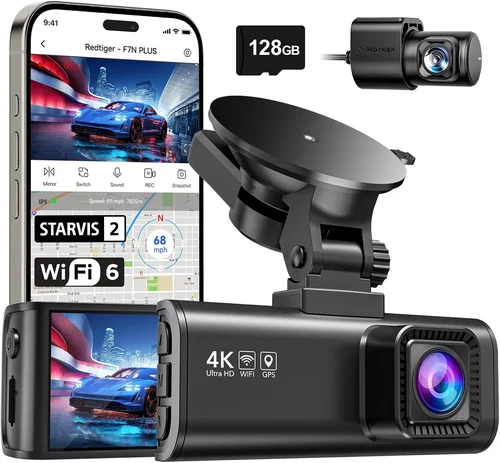
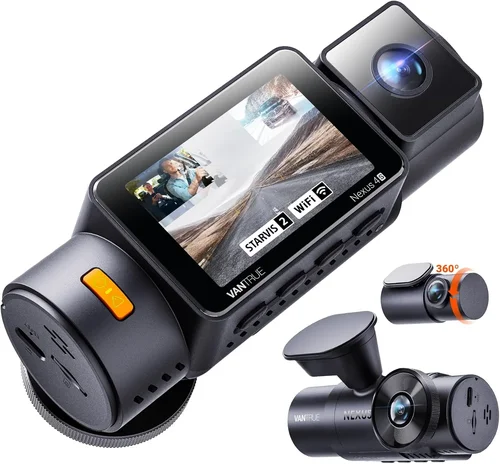
How to Choose a Dash Cam for Mercedes E350
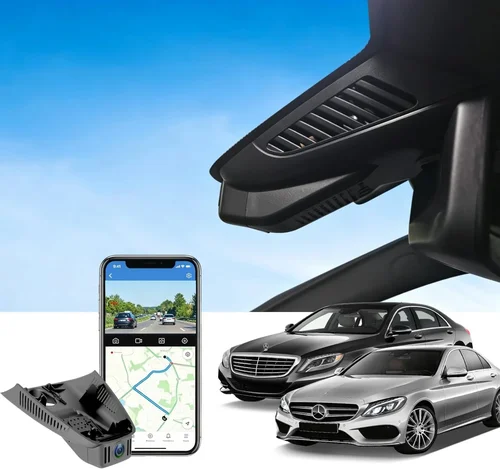
Choosing the right dash cam for your Mercedes E350 is about more than just recording video—it’s about protecting yourself, your vehicle, and your peace of mind. The Mercedes E350, known for its luxury, advanced safety features, and smooth ride, deserves a dash cam that matches its standards. Whether you’re commuting through busy city streets, driving on long highway trips, or simply want added security in case of an accident or dispute, the right dash cam can be a game-changer. With so many options flooding the market, it’s easy to feel overwhelmed. That’s where this guide comes in.
This comprehensive buying guide will walk you through everything you need to know to select the best dash cam for your Mercedes E350. We’ll cover key factors like video quality, storage capacity, parking mode, GPS tracking, and compatibility with your car’s electrical system. You’ll learn how to balance budget with performance, avoid common pitfalls, and understand what features truly matter. By the end, you’ll have a clear understanding of which dash cams offer the best value, durability, and functionality for your specific vehicle. Whether you’re a first-time buyer or upgrading from an older model, this article provides expert insights to help you make an informed decision.
The dash cam market has evolved significantly in recent years, offering everything from basic entry-level models to high-end systems with 4K resolution, night vision, AI-powered alerts, and cloud connectivity. However, not all dash cams are created equal, and some may not suit your Mercedes E350’s design or electrical setup. For instance, compact dash cams that blend seamlessly into your dashboard are ideal for maintaining aesthetics, while those with strong parking surveillance features are essential if you often leave your car unattended. This guide will help you navigate the complexities and focus on what matters most: reliability, clarity, and seamless integration.

What to Look for When Buying Dash Cams
1. Budget & Price Range
Before diving into features, it’s crucial to establish your budget. Dash cams range from under $50 to over $300, and each price tier offers different capabilities. Entry-level models provide basic recording and looped storage but lack advanced features like parking mode or GPS. Mid-range options typically deliver 1080p or 2K video with added functionality such as night vision, motion detection, and smartphone integration. Premium models boast 4K resolution, superior sensors, and cloud connectivity—ideal for serious drivers who demand top-tier performance. For the Mercedes E350 owner, investing in a mid-to-high-end dash cam makes sense, given the car’s value and your desire for reliability.
2. Performance Specifications
Video resolution is the cornerstone of any dash cam’s performance. A minimum of 1080p Full HD is recommended; however, 2K or 4K models provide sharper detail, which is invaluable for identifying license plates or road signs. Frame rate also matters—higher frame rates (30fps or 60fps) result in smoother video, especially during sudden braking or collisions. Look for a camera with a wide dynamic range (WDR) or HDR, which balances exposure between bright headlights and dark shadows. Additionally, consider the field of view (FOV); a 130–150-degree angle captures more of the road, reducing blind spots. Night vision capabilities, often enhanced by infrared LEDs or low-light sensors, ensure clear footage even in dim conditions.
3. Build Quality & Durability
A dash cam in a Mercedes E350 must withstand temperature extremes, vibrations, and potential impacts. Opt for models made with heat-resistant materials and reinforced housings. Sealed designs prevent dust and moisture from compromising internal components. Some premium dash cams feature military-grade shock resistance, which is particularly useful if you frequently drive on rough roads or park in harsh environments. Also, check if the device includes a built-in capacitor instead of a lithium battery—this allows it to survive extreme temperatures and last longer over time. For luxury vehicles like the E350, where aesthetics matter, choose a slim, discreet design that doesn’t obstruct your view or clash with your interior.
4. Features & Functionality
Modern dash cams come packed with features that go beyond recording. Parking mode, powered by hardwiring kits, lets the camera monitor your car when it’s off, triggering recording upon detecting motion or impact. This is critical for protecting against hit-and-runs or vandalism. Built-in GPS enables speed and location tracking, which adds valuable context to your footage. Wi-Fi connectivity allows you to view, download, and share clips directly from your smartphone via dedicated apps. Loop recording ensures continuous operation by overwriting old footage, while G-sensor technology automatically locks important clips to prevent deletion. Advanced models may include lane departure warnings, forward collision alerts, or even driver fatigue monitoring—though these require additional processing power and software.
5. Brand Reputation
Not all brands are created equal. Established manufacturers like Garmin, BlackVue, Thinkware, Viofo, and Nextbase have built reputations for reliability, innovation, and customer support. These companies often release regular firmware updates, offer responsive technical assistance, and provide detailed user manuals. In contrast, lesser-known brands may cut corners on build quality or fail to deliver promised features. Reading independent reviews and checking forums like Reddit or automotive enthusiast communities can give you real-world insights into long-term performance. For a luxury vehicle like the E350, choosing a reputable brand ensures compatibility, durability, and peace of mind.
6. Warranty & Support
A solid warranty reflects confidence in product quality. Most reputable dash cam brands offer at least a one-year limited warranty, with some extending coverage up to three years. Check whether the warranty covers defects, accidental damage, or battery failure. Reliable customer support is equally important—responsive service teams can resolve issues quickly, whether it’s a firmware update, installation query, or replacement request. Some brands even offer lifetime warranties on certain components, such as memory cards. Before purchasing, verify the return policy and shipping options, especially if you’re buying online. A hassle-free return process is essential if the dash cam doesn’t meet your expectations.
7. Size & Portability
While most dash cams are designed to be unobtrusive, size does matter, especially in a sleek sedan like the Mercedes E350. Compact models (under 3 inches wide) integrate seamlessly into the dashboard without blocking your view or distracting from the car’s interior. Dual-camera systems, which record both front and rear, require careful placement to avoid interference with mirrors or airbags. Consider whether you need a single-lens or dual-lens setup. Single-lens models are simpler and cheaper, while dual-lens systems offer complete coverage but may require additional wiring and storage. If portability is a priority—for example, if you switch cars—look for models that can be easily transferred between vehicles.
8. User Reviews & Ratings
Real-world feedback from other Mercedes E350 owners is invaluable. Pay attention to recurring themes in reviews: do users praise image clarity, ease of installation, or app connectivity? Are there complaints about false alarms, poor night performance, or short battery life? Platforms like Amazon, Best Buy, and specialized automotive forums often include detailed comments from verified buyers. Filter reviews by verified purchase status to avoid biased or fake testimonials. Additionally, watch out for red flags such as delayed shipping, unresponsive sellers, or missing accessories. A dash cam with hundreds of positive reviews and a rating above 4 stars is generally a safe bet.
Different Types of Dash Cams

Common Buying Mistakes to Avoid
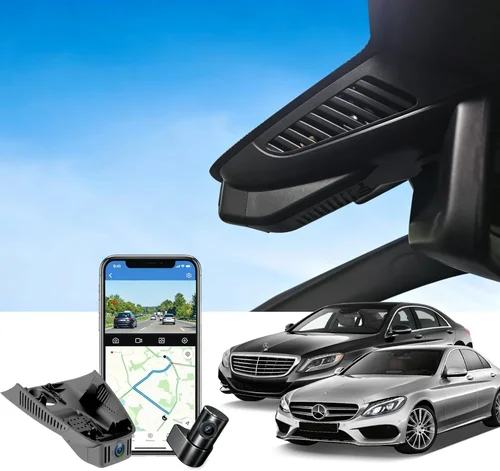
❌ Mistake: Ignoring Hardwiring Compatibility
Why it’s bad: Many dash cams rely on the car’s cigarette lighter for power, which drains your battery overnight. Without hardwiring, your Mercedes E350 may lose charge when parked, especially in cold weather. Additionally, plugging into the lighter socket can cause voltage fluctuations that damage the dash cam.
What to do instead: Always opt for a hardwiring kit that connects to your car’s fuse box. This ensures constant power and activates parking mode safely. For the E350, consult a professional installer or use a kit compatible with German-made vehicles, which often have unique fuse layouts.
❌ Mistake: Overlooking Storage Requirements
Why it’s bad: Using a slow or low-quality microSD card can lead to corrupted files, missed recordings, or full storage errors. A 32GB card might seem sufficient, but 1080p footage can fill it within a day of continuous driving.
What to do instead: Invest in a high-endurance microSD card (64GB or 128GB) from trusted brands like SanDisk or Samsung. Ensure it’s rated for dash cams and supports Class 10 or UHS-I speeds. Set your dash cam to overwrite old files automatically once storage is full.
❌ Mistake: Choosing Based Solely on Price
Why it’s bad: The cheapest dash cam may lack essential features like WDR, G-sensor, or reliable night vision. It could also have poor build quality, leading to early failure—especially problematic in a luxury car where replacements are costly.
What to do instead: Balance cost with value. Spend a bit more for a model with proven reliability, good reviews, and features tailored to your driving habits. Remember, a $200 dash cam that lasts five years is cheaper per year than a $70 model that breaks after six months.
❌ Mistake: Skipping Firmware Updates
Why it’s bad: Manufacturers often release firmware updates to fix bugs, improve performance, or add new features. Neglecting updates can leave your dash cam vulnerable to glitches or incompatible with newer apps.
What to do instead: Regularly check the manufacturer’s website or app for updates. Enable automatic notifications if available. Keeping your dash cam updated ensures optimal performance and longevity.
❌ Mistake: Poor Placement Leading to Obstructed View
Why it’s bad: Installing a dash cam too high or in front of the windshield’s upper third can block your view of the road, traffic signals, or overhead signs. This defeats the purpose of having a safety device and may even violate local laws.
What to do instead: Follow mounting guidelines: place the camera no higher than the bottom edge of the windshield’s upper third. Use suction cups or adhesive mounts designed for curved glass. Test your line of sight before finalizing installation.
❌ Mistake: Not Testing Before Committing
Why it’s bad: Buying without testing means risking disappointment. You might discover the interface is confusing, the app doesn’t connect, or the video quality isn’t sharp enough—especially at night.
What to do instead: Visit an electronics store like Best Buy or Micro Center to test dash cams in person. Ask staff to demonstrate features or watch sample videos. If buying online, choose retailers with generous return policies (90 days or more).
Budget Guidelines: How Much Should You Spend?
Entry-Level ($50 – $100): What to Expect
For occasional drivers or those on a tight budget, entry-level dash cams offer basic functionality. These models typically record at 1080p, have a narrow FOV (around 110 degrees), and lack advanced features like GPS or parking mode. They’re ideal for urban commuters who rarely drive at night or park outdoors. While they won’t match the quality of premium units, they provide essential protection without breaking the bank. Examples include models from Apeman or Rexing V1. However, be cautious—many sub-$70 cams skimp on build quality and may fail within months.
Mid-Range ($150 – $250): The Sweet Spot for Most Buyers
This category represents the best balance of price and performance. Mid-range dash cams usually feature 2K or 1080p resolution, wide-angle lenses (130–150 degrees), WDR/HDR, and robust parking surveillance. Brands like Viofo, Thinkware, and BlackVue dominate this space. You’ll find dual-lens options, smartphone connectivity, and reliable loop recording. For the Mercedes E350 owner, this tier offers enough sophistication to justify the investment while staying affordable. It’s the sweet spot for daily drivers who want peace of mind without overspending.
Premium ($250 – $400): For Enthusiasts and Professionals
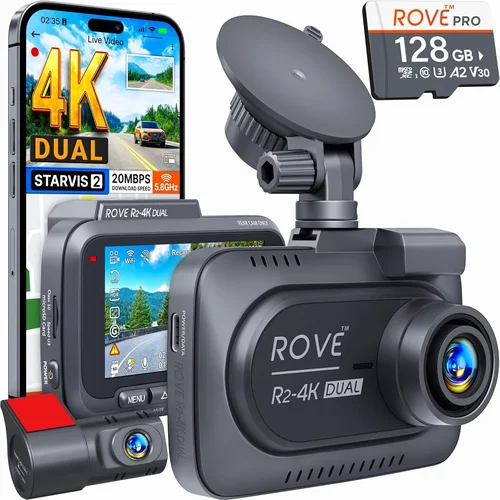
If you demand the absolute best, premium dash cams deliver 4K recording, exceptional low-light performance, and cutting-edge features like AI-driven alerts, cloud sync, and driver behavior analysis. Models from Garmin, BlackVue, and Nextbase fall here. They often include metal housings, capacitor-based power, and professional-grade software. While expensive, these devices are worth considering if you drive frequently, commute long distances, or want maximum protection. For luxury vehicles like the E350, the extra cost reflects the car’s value and your desire for top-tier reliability.
Luxury ($400+): Top-Tier Features for Discerning Drivers
At the very top are enterprise-grade dash cams used by fleet operators and security professionals. These systems offer multi-camera setups, real-time streaming, encrypted cloud storage, and integration with telematics platforms. While overkill for most private owners, they’re suitable for business fleets or individuals with extreme security needs. For personal use in a Mercedes E350, such models are likely excessive unless you have specific requirements like legal compliance or insurance discounts.
Expert Tips for Getting the Best Deal
Timing Your Purchase
Dash cam prices fluctuate throughout the year. Major sales events like Black Friday, Cyber Monday, and Amazon Prime Day often feature significant discounts. Additionally, end-of-season promotions (e.g., winter clearance) can yield deals as retailers make room for new inventory. Sign up for newsletters from retailers like Amazon, B&H Photo, or Crutchfield to receive alerts on upcoming sales. Avoid buying during peak summer months unless you need immediate protection.
Where to Buy: Online vs. In-Store
Online retailers offer broader selection, competitive pricing, and home delivery. Websites like Amazon, Best Buy, and specialized automotive stores (e.g., CarParts.com) provide detailed product descriptions, customer reviews, and fast shipping. In-store purchases allow you to inspect the product physically and ask questions. However, brick-and-mortar stores may carry fewer models and charge higher prices. For complex installations, consider visiting an authorized dealer or auto electronics specialist.
Spotting Hidden Deals
Look for bundle offers that include accessories like hardwiring kits, extra memory cards, or suction mounts. These packages often save 15–30% compared to buying items separately. Refurbished models from certified sellers can also offer substantial savings—sometimes up to 40%—without sacrificing quality. Always verify warranty coverage and return eligibility before purchasing refurbished gear.
Warranty Considerations
Extended warranties can provide additional protection but aren’t always necessary. Evaluate whether the base warranty covers your needs. For example, a one-year parts-and-labor warranty may suffice for casual users, while frequent drivers might benefit from two-year coverage. Avoid third-party extended warranties sold at checkout unless they’re offered by the manufacturer.
Return Policies Matter
Choose retailers with generous return windows—ideally 30 days or more. Read the fine print: some companies require original packaging, while others impose restocking fees. If possible, test the dash cam within the return period to ensure it meets your expectations. Keep all accessories and documentation in case you decide to send it back.
Testing Before Committing
If feasible, visit an electronics store to handle the device. Request a demo of video quality, menu navigation, and app connectivity. Watch sample footage in daylight and simulated low light. Ask about mounting options and compatibility with your E350’s windshield curvature. Trust your instincts—if something feels off, explore alternatives.
Installation Services
While many dash cams are DIY-friendly, professional installation ensures proper wiring and secure mounting. For hardwired setups, an expert can access your car’s fuse box safely. Some retailers offer free installation with purchase. For the Mercedes E350, where interior trim is delicate, a pro can avoid damaging switches or sensors.
Software and App Integration
Ensure the dash cam’s companion app works smoothly with your smartphone (iOS or Android). Test features like live viewing, playback, and clip sharing. Some apps require accounts or subscriptions for full functionality—check for hidden costs. Compatibility with your phone’s OS version is also critical; outdated apps may malfunction.
Environmental Adaptability
Mercedes E350 owners often drive in diverse climates—from scorching deserts to icy winters. Choose a dash cam rated for extreme temperatures (-20°F to 176°F). Capacitor-powered models perform better in cold weather than lithium batteries. Waterproof casings protect against rain or humidity, though most indoor-mounted cams don’t require this.

Frequently Asked Questions
Q: Can I install a dash cam myself in my Mercedes E350?
A: Yes, many dash cams are designed for DIY installation. Basic models require only suction cup mounting and USB power. However, hardwiring for parking mode demands knowledge of your car’s fuse box. If unsure, consult a professional or refer to the manual. For the E350, avoid modifying factory wiring without guidance.
Q: Do I need a separate rear camera?
A: A rear camera is optional but highly recommended if you frequently reverse or park in tight spaces. Dual-lens systems provide complete coverage, capturing both front and rear incidents. Ensure the rear camera is wireless or uses a long cable to avoid messy wiring.
Q: How much storage do I need?
A: For 1080p recording, a 64GB microSD card typically holds 2–3 hours of footage. At 2K, storage fills faster—expect 1–2 hours per 64GB. Upgrade to 128GB for longer drives. High-endurance cards last longer and resist corruption. Set your dash cam to overwrite old files automatically.
Q: Will a dash cam drain my car battery?
A: Only if not hardwired. Plug-in models draw power from the cigarette lighter, potentially draining the battery overnight. Hardwiring connects to the fuse box, drawing minimal current and enabling smart parking mode that powers down when idle.
Q: Is it legal to record audio with a dash cam?
A: Laws vary by region. In the U.S., two-party consent states (like California) prohibit recording conversations without all parties’ awareness. Most dash cams disable audio recording in such areas. Check local regulations before enabling audio features.
Q: Can I use my dash cam while parked?
A: Yes, if equipped with parking mode and hardwired. This feature monitors your car for impacts or motion when powered off. Some models enter “sleep mode” after 30 seconds of no movement to conserve energy.
Q: How do I choose between 1080p, 2K, and 4K?
A: 1080p is sufficient for most drivers; 2K offers sharper detail without overwhelming storage; 4K provides cinematic quality but requires larger cards and more frequent file management. For the E350, 2K strikes the ideal balance between clarity and practicality.
Q: What if my dash cam gets stolen?
A: Unfortunately, theft is a risk. To mitigate losses, choose a compact, hidden model or remove it when parked in high-crime areas. Some insurers offer discounts for dash cam owners, which may offset replacement costs.
Q: Do dash cams work in snow or fog?
A: Yes, but visibility depends on lens cleanliness and sensor sensitivity. Wipers help clear snow; anti-fog coatings reduce condensation. Avoid placing the camera near vents that blow cold air onto the lens.
Q: Can I transfer footage to my computer easily?
A: Most dash cams use standard microSD cards, which plug into any card reader. Alternatively, Wi-Fi-enabled models let you download clips directly to your phone or computer via the companion app. Organize files by date and event using timestamps.
Our Final Recommendations
Best for Budget-Conscious Buyers
For those prioritizing affordability without sacrificing core functionality, the Rexing V1 Pro stands out. Priced around $120, it delivers 2K resolution, WDR, and reliable loop recording. Its compact size fits seamlessly into the Mercedes E350’s dashboard, and the included suction mount is sturdy. While it lacks GPS and parking mode, these omissions are offset by its durability and positive user feedback. Ideal for daily commuters seeking value.
Best Overall Value
The Viofo A119 V3 earns top marks for its exceptional 4K recording, advanced night vision, and robust build. Priced at approximately $200, it includes a hardwiring harness, dual-lens option, and intuitive mobile app. Users praise its stability, clear audio, and responsive customer support. For the Mercedes E350 owner who wants premium performance at a reasonable price, this model offers unbeatable value.
Best Premium Option
If budget is no object, the BlackVue DR970X-2CH represents the gold standard. Featuring Sony STARVIS sensors, 4K front and 1080p rear recording, and cloud connectivity, it’s favored by professionals and luxury car enthusiasts. With parking mode, GPS logging, and military-grade shock resistance, it’s built to endure. At $350, it’s an investment—but one that matches the E350’s prestige.
Best for Beginners
New to dash cams? The Nextbase 522GW simplifies the experience with Alexa integration, emergency SOS button, and crystal-clear 1080p video. Its magnetic mount makes installation effortless, and the app guides you through setup. At $180, it’s user-friendly without compromising quality—perfect for first-timers upgrading from basic models.
Best for Advanced Users
Experienced drivers craving granular control should consider the Garmin Dashcam Mini. Though limited to 1080p, it boasts ultra-wide 180-degree FOV, voice commands, and seamless integration with Garmin navigation systems. Its tiny profile blends into any interior, making it ideal for those who prioritize discretion and smart features over raw resolution.
Conclusion: Making the Right Choice
Selecting the best dash cam for your Mercedes E350 isn’t about chasing the highest specs—it’s about aligning features with your lifestyle, driving habits, and budget. Whether you opt for a budget-friendly single-lens model or splurge on a 4K dual-cam system, prioritize reliability, ease of use, and seamless integration. Remember to hardwire your device, invest in quality storage, and position the camera for optimal visibility. By avoiding common pitfalls and leveraging expert advice, you’ll enhance your safety, protect your asset, and enjoy greater confidence behind the wheel. The right dash cam doesn’t just record the road—it safeguards your journey.