Best Dash Cam Buying Guide for Lifted Trucks
As truck owners push the boundaries of off-road capability and street legality with lifted vehicles, a critical safety component often gets overlooked: dash cameras. What works perfectly on a stock-height pickup might fail spectacularly when mounted on a rig with 35-inch tires and 2-inch suspension lift. The elevated mounting position, increased vibration exposure, limited field of view, and unique power requirements create special challenges that demand specialized equipment. This comprehensive guide cuts through the confusion to help you find the perfect dash cam for your lifted truck—whether you’re navigating rocky trails in Moab or cruising suburban streets.
You’ll learn exactly what features matter most for lifted applications, how to evaluate performance specs beyond marketing claims, where to find the best deals without sacrificing quality, and which brands truly deliver reliable performance when it matters. We’ll explore everything from camera resolution and night vision capabilities to mounting solutions and power management systems designed specifically for tall trucks. Whether you’re building a daily driver with a 6-inch lift or preparing for extreme overlanding adventures, this guide provides the expert knowledge you need to make an informed decision that protects both your vehicle and your investment.
The market for dash cams has exploded in recent years, but not all products are created equal when it comes to lifted truck applications. Many mainstream models simply weren’t designed for the unique challenges posed by elevated mounting positions, including reduced forward visibility, increased exposure to road debris, and the need for specialized power routing. Understanding these differences is crucial because a cheap dash cam that looks fine on a stock truck might produce blurry footage, fail prematurely, or provide inadequate coverage when installed at the higher mounting points typical of lifted rigs. This guide addresses these specific concerns head-on with detailed analysis of real-world performance scenarios you’re likely to encounter.

What to Look for When Buying Dash Cams
1. Budget & Price Range
Your budget will significantly influence the features and reliability you can expect from a dash cam for your lifted truck. Entry-level options under $100 typically offer basic functionality but may lack the durability and advanced features needed for demanding lifted applications. Mid-range cameras between $100-$300 provide excellent value, balancing cost with essential features like good low-light performance, reliable recording, and robust build quality. Premium models above $300 deliver top-tier image quality, enhanced protection features, and superior customer support. Consider your usage patterns—daily commuters might prioritize reliability over cutting-edge features, while weekend warriors may want maximum protection regardless of cost.
2. Performance Specifications
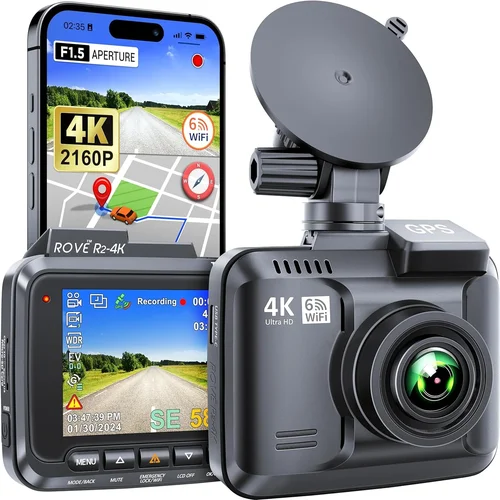
Camera resolution remains one of the most important specifications, with 1080p being the minimum for clear evidence in legal situations, while 4K provides exceptional detail for serious enthusiasts. Frame rate matters too—higher frame rates (60fps vs 30fps) capture smoother motion, especially important for fast-moving objects or emergency braking events. The sensor size affects low-light performance; larger sensors generally perform better in dim conditions common during dawn or dusk driving. Look for cameras with wide dynamic range (WDR) technology that balances bright headlights with darker road surfaces. For lifted trucks specifically, consider the effective field of view after accounting for mounting height and windshield angle.
3. Build Quality & Durability
Lifted trucks experience more vibration, greater exposure to road debris, and temperature extremes that can stress electronic components. Waterproof ratings (IP67 or higher) ensure protection against rain, snow, and cleaning sprays. Shock resistance ratings indicate how well the unit withstands impacts and vibrations common on rough terrain. Heat tolerance is crucial given the dashboard’s exposure to direct sunlight, which can exceed 150°F in summer months. Metal housings provide better heat dissipation and physical protection compared to plastic alternatives. Choose units tested for automotive environments rather than just office or home use.
4. Features & Functionality
Loop recording automatically overwrites old footage when storage fills up, ensuring continuous recording without manual intervention. G-sensor technology detects sudden impacts and locks footage to prevent accidental deletion during normal operation. Parking mode uses motion detection to record incidents when parked, though this requires hardwiring to your truck’s electrical system. GPS logging adds speed and location data to videos, useful for insurance claims and route documentation. Wi-Fi connectivity allows wireless file transfer and live viewing, while cloud storage provides remote access to footage. Advanced features like lane departure warnings and collision alerts add situational awareness but may require subscription services.
5. Brand Reputation
Established brands with long track records tend to offer better quality control, more reliable customer service, and longer warranty periods. Research user forums and professional reviews to identify brands that consistently deliver on their promises. Consider companies that specialize in automotive electronics rather than general consumer electronics manufacturers who may not understand the unique demands of vehicle integration. Check warranty terms carefully—some brands offer surprisingly long coverage periods that provide peace of mind for expensive purchases.
6. Warranty & Support
Comprehensive warranties covering both parts and labor demonstrate manufacturer confidence in their product. Look for at least a 1-year warranty, with premium brands often offering 2-3 year coverage. Responsive customer support through multiple channels (phone, email, chat) ensures you can get help when technical issues arise. Some brands provide extended warranty options for purchase, while others include comprehensive roadside assistance as part of their package. Read the fine print regarding what’s covered—water damage, battery failure, and manufacturing defects should all be included.
7. Size & Portability
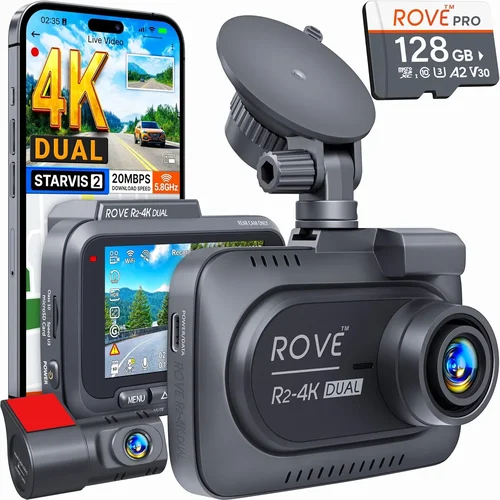
Compact designs minimize visual obstruction while maximizing mounting flexibility. However, smaller cameras sometimes sacrifice image quality or feature sets for size. Consider the overall footprint including any protruding lenses or mounting brackets, as these can interfere with wipers or other dashboard components on lifted trucks with modified windshields. Some users prefer dual-camera setups that require additional space but provide comprehensive coverage. Weight distribution matters too—heavier units might require reinforced mounting hardware to prevent shifting during rough driving.
8. User Reviews & Ratings
Real-world feedback from fellow lifted truck owners provides invaluable insights into long-term reliability and performance. Pay attention to recurring complaints about battery life, software glitches, or compatibility issues. Positive reviews mentioning specific features relevant to your needs carry more weight than generic praise. Check review sites that specialize in automotive accessories rather than general consumer platforms. Be wary of suspiciously perfect reviews—authentic feedback often includes balanced perspectives on strengths and weaknesses.
Different Types of Dash Cams

Common Buying Mistakes to Avoid
❌ Mistake: Prioritizing price over build quality
Why it’s bad: Cheap dash cams often use inferior materials that crack under dashboard heat or fail within months of installation. Lifted trucks face even greater environmental stresses due to higher mounting positions and rougher road conditions.
What to do instead: Invest in reputable brands with proven track records, even if it means spending slightly more upfront. Look for waterproof ratings, shock resistance testing, and heat tolerance specifications rather than just the lowest price point.
❌ Mistake: Ignoring mounting height considerations
Why it’s bad: Standard mounting recommendations assume stock vehicle heights, but lifted trucks require different positioning strategies. Mounting too high reduces effective field of view, while mounting too low causes lens obstruction or interference with wipers.
What to do instead: Measure your actual mounting height and calculate the resulting field of view before purchasing. Consider adjustable mounting arms or custom brackets that allow precise positioning for optimal coverage.
❌ Mistake: Overlooking power requirements and wiring
Why it’s bad: Most dash cams require permanent installation through your truck’s electrical system, but lifted trucks often have modified wiring harnesses or aftermarket accessories that complicate installation.
What to do instead: Plan your wiring route carefully, considering existing modifications and potential interference with other accessories. Use professional-grade wiring kits designed for automotive installations rather than DIY solutions.
❌ Mistake: Choosing based solely on megapixel claims
Why it’s bad: Marketing materials often exaggerate megapixel counts without acknowledging other critical factors like sensor size, image processing algorithms, or real-world lighting conditions.
What to do instead: Evaluate video quality through independent reviews and sample footage rather than relying on specification sheets. Consider low-light performance, dynamic range, and compression artifacts as equally important factors.
❌ Mistake: Neglecting storage capacity planning
Why it’s bad: Insufficient storage leads to lost footage during extended trips or when loop recording overwrites important events before they can be reviewed.
What to do instead: Calculate your storage needs based on typical trip lengths and desired retention period. Consider dual-storage options or external drives for longer journeys, and always carry backup storage devices.
❌ Mistake: Assuming all dash cams work identically with lifted trucks
Why it’s bad: Generic dash cam recommendations don’t account for the unique challenges of elevated mounting, including vibration amplification, reduced visibility angles, and increased exposure to elements.
What to do instead: Specifically seek out products designed for lifted vehicles or those with adjustable mounting solutions. Read reviews from fellow lifted truck owners who’ve tested similar setups.
Budget Guidelines: How Much Should You Spend?
Entry-Level ($50 – $150)
For basic protection needs and occasional off-road adventures, entry-level dash cams offer essential functionality at affordable prices. These models typically feature 1080p recording, decent night vision, and reliable loop recording. While they may lack advanced features like GPS logging or parking mode, they provide adequate evidence quality for most situations. Brands like Viofo, BlackVue, and Rexing offer solid entry-level options that balance cost with reasonable build quality. Expect shorter warranty periods (6-12 months) and less comprehensive customer support compared to premium models.
Mid-Range ($150 – $300)
This sweet spot delivers excellent value for most lifted truck owners seeking reliable performance without breaking the bank. Mid-range cameras usually feature improved sensors, better low-light performance, more robust builds, and additional features like GPS tracking or Wi-Fi connectivity. Units in this category often include longer warranties (1-2 years) and more responsive customer support. Brands like Garmin, Nextbase, and Thinkware consistently earn positive reviews in this price bracket, offering professional-grade features at consumer-friendly prices.
Premium ($300 – $500)
For serious enthusiasts and those requiring maximum protection, premium dash cams deliver top-tier image quality, advanced safety features, and exceptional build quality. These models typically feature 4K recording, superior sensors, comprehensive parking modes, and sophisticated event detection algorithms. Premium units often include extended warranties, cloud storage options, and professional installation support. While the price point is significant, the added peace of mind and evidence quality justify the investment for many lifted truck owners who frequently drive challenging terrain or valuable cargo.
Luxury ($500+)
Ultra-premium dash cams target professional operators, fleet managers, and extreme enthusiasts who demand absolute reliability and cutting-edge technology. These systems often feature multi-camera arrays, AI-powered analytics, military-grade durability, and enterprise-level management software. Luxury models may include features like thermal imaging, advanced driver assistance systems, and redundant recording mechanisms. While excessive for most personal use, these systems represent the pinnacle of dash cam technology and provide unmatched protection for high-value operations or extreme conditions.
Expert Tips & Pro Advice
Timing Your Purchase
Black Friday and Cyber Monday represent the best opportunities for significant savings on dash cam purchases, with discounts often reaching 30-50% off retail prices. Consider waiting for seasonal sales in late summer when retailers clear inventory for new model releases. New Year’s resolutions also drive increased interest in vehicle safety accessories, creating competitive pricing during January. Avoid peak summer months when retailers mark up prices to capitalize on outdoor activity demand.
Choosing Retailers
Authorized dealers offer the best combination of warranty protection, technical expertise, and return policies. Online retailers provide wider selection and competitive pricing but may lack immediate technical support. Local automotive specialty shops can provide hands-on demonstrations and professional installation services. Consider purchasing from multiple sources—buy the unit online for best price, then have it installed professionally at a local shop.
Spotting Authentic Deals
Be cautious of suspiciously low prices that seem too good to be true—often indicating counterfeit or refurbished units. Check seller ratings and reviews thoroughly before making purchases from lesser-known retailers. Watch for bundles that include valuable extras like extended warranties or professional installation at no additional cost. Compare prices across multiple reputable retailers rather than focusing on single-source deals.
Warranty Considerations
Extended warranties often provide better value than the manufacturer’s base coverage, particularly for expensive dash cams. Look for warranties that cover both parts and labor, and specify what constitutes covered failures versus normal wear. Read the fine print regarding shipping costs and processing times for warranty claims. Some retailers offer “accidental damage” coverage for additional protection against drops or spills.
Return Policies
Choose retailers with generous return windows (90 days or more) that allow testing under real driving conditions. Ensure return policies cover all aspects of the purchase—including installation costs if applicable. Keep original packaging and all accessories until you’re certain you’re keeping the unit. Document any issues immediately upon receipt to streamline the return process if needed.
Testing Before Committing
Whenever possible, test dash cams in your specific vehicle before final purchase. Visit local dealers or rental car lots with compatible vehicles to assess fit, visibility, and ease of use. Bring your actual mounting location samples to evaluate field of view and interference issues. Test recording quality under various lighting conditions relevant to your typical driving patterns.
Installation Best Practices
Professional installation ensures proper wiring, optimal positioning, and secure mounting that survives the rigors of lifted truck driving. Choose installers experienced with both dash cams and lifted vehicle modifications. Verify that wiring routes avoid hot components and moving parts while maintaining easy access for future maintenance. Confirm that mounting brackets won’t interfere with wipers or other dashboard functions.
Future-Proofing Your Investment
Consider purchasing extra storage cards and carrying cases for long trips. Subscribe to cloud storage services before you need them to avoid last-minute scrambling. Keep firmware updated regularly to benefit from manufacturer improvements and bug fixes. Document your installation thoroughly for future reference or resale value.
Community Resources
Join online forums and social media groups dedicated to lifted trucks and dash cam enthusiasts. These communities provide invaluable real-world advice, troubleshooting tips, and peer reviews that official channels often miss. Share your experiences to help others while learning from fellow owners’ successes and failures.

Frequently Asked Questions
Q: Can I mount a standard dash cam on my lifted truck without modification?
A: While technically possible, standard mounting solutions often result in suboptimal field of view and potential interference issues. Most lifted truck owners benefit from adjustable mounting arms or custom brackets that accommodate the higher mounting position while maintaining effective coverage of the road ahead and surrounding areas.
Q: Do dash cams work reliably in extreme temperatures common in lifted trucks?
A: Yes, but only when using properly rated equipment. Look for dash cams specifically tested for automotive environments with wide operating temperature ranges (-4°F to 140°F or broader). Premium models often include thermal management features and ruggedized components that maintain functionality through extreme heat, cold, and humidity fluctuations.
Q: How does mounting height affect dash cam performance on lifted trucks?
A: Higher mounting positions reduce the effective field of view and increase blind spots, particularly at intersections and when merging onto highways. They also elevate the camera closer to the windshield, potentially causing glare issues during sunrise or sunset. Proper mounting height calculations and possibly supplemental cameras can mitigate these effects.
Q: What storage capacity do I need for my lifted truck’s dash cam?
A: Calculate based on your longest expected trips and desired retention period. For daily driving, a 32GB card typically captures 2-3 hours of 1080p footage. Off-road excursions might require 128GB or larger cards. Always carry backup storage and format cards regularly to prevent corruption from vibration or temperature changes.
Q: Can dash cams handle the vibration and rough terrain typical of lifted trucks?
A: Modern dash cams include vibration-resistant components and shock absorption, but mounting quality makes a significant difference. Professional installation with reinforced brackets and proper cable management helps maintain stable operation during rough trail runs or pothole encounters common on lifted trucks.
Q: Are there dash cams specifically designed for lifted truck applications?
A: While no manufacturers exclusively target lifted trucks, several brands offer adjustable mounting systems, enhanced durability features, and professional installation services that address the unique challenges. Research models praised by lifted truck communities and consider custom mounting solutions from specialty fabricators.
Q: How much power do dash cams draw from lifted trucks, and what wiring considerations apply?
A: Most dash cams consume 1-3 amps continuously, plus additional power for features like parking mode. Lifted trucks with extensive electrical modifications require careful wiring planning to avoid overloading circuits or interfering with other accessories. Professional installation ensures safe power distribution and proper fuse protection.
Q: What’s the best way to protect dash cam footage from theft or damage during off-road adventures?
A: Use locking mounts, secure storage compartments, and consider cloud backup services. Physical protection is crucial—many off-road enthusiasts report dash cams getting knocked loose or damaged during aggressive trail runs. Reinforced mounting hardware and protective cases significantly improve survival rates in extreme conditions.
Q: Do dash cams provide adequate evidence quality for insurance claims with lifted trucks?
A: Yes, when properly installed and maintained. High-quality dash cams with good low-light performance and stable mounting produce courtroom-admissible evidence. Insurance companies increasingly recognize dash cam footage as valuable proof in disputes, particularly for lifted trucks involved in hit-and-run incidents or property damage claims.
Q: Can I use multiple dash cams simultaneously on my lifted truck for complete coverage?
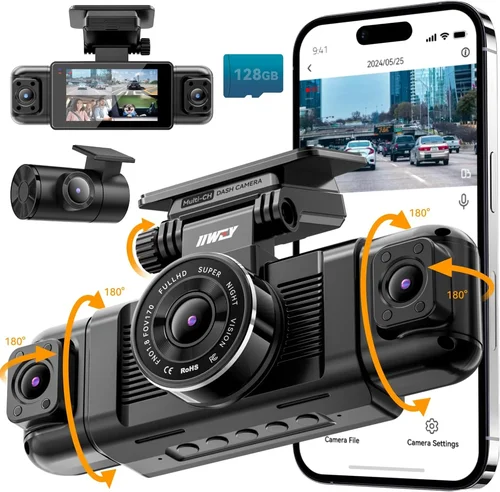
A: Yes, but it requires careful planning and sufficient power supply. Dual-camera setups (front and rear) or three-camera arrays (front, rear, cabin) provide comprehensive coverage but multiply power consumption, storage needs, and complexity. Professional installation ensures all cameras function reliably together without interference.
Our Final Recommendations
Best for Budget-Conscious Buyers
For those seeking essential protection without breaking the bank, the Viofo A11 Pro offers outstanding value with its 4K recording capability, reliable build quality, and comprehensive feature set including GPS logging and parking mode. Priced competitively around $200, it delivers professional-grade performance at a consumer-friendly price point. The compact design minimizes dashboard intrusion while providing ample storage capacity for extended trips.
Best Overall Value
The Garmin Dashcam Mini strikes an excellent balance between price, features, and reliability, making it ideal for most lifted truck applications. Its ultra-compact design fits virtually anywhere while delivering consistent 1440p recording quality and intuitive interface. The integrated GPS provides accurate speed and location data, while the built-in Wi-Fi simplifies file transfers and live viewing. With a reputation for durability and responsive customer support, it represents the sweet spot for most users.
Best Premium Option
For serious enthusiasts demanding maximum protection and cutting-edge technology, the BlackVue DR970X-2CH delivers exceptional performance with its dual-channel recording, superior image quality, and robust cloud connectivity features. Priced at approximately $400, it includes professional-grade components, extended warranty options, and cloud storage capabilities that provide remote access to footage. The metal housing and shock-resistant design ensure reliability in the harshest conditions.
Best for Beginners
New dash cam users will appreciate the Rexing V1 for its straightforward installation, reliable performance, and affordable price point around $100. Its simple interface and automatic settings make it ideal for those unfamiliar with automotive electronics. The included suction cup mount works well for lifted trucks when positioned carefully, and the built-in G-sensor provides essential event detection without complex configuration.
Best for Advanced Users
Experienced lifted truck owners seeking maximum customization and professional features should consider the Thinkware U1000. Its advanced parking mode, superior low-light performance, and extensive connectivity options provide unparalleled flexibility. The ability to connect multiple cameras and integrate with aftermarket safety systems makes it ideal for users who demand the very best protection and functionality available.
Each recommendation considers the unique challenges of lifted truck applications including mounting height, vibration exposure, power requirements, and environmental stresses. While these specific models represent current market leaders, ongoing technological advancements mean newer options may emerge that better suit your particular needs. Always verify compatibility with your specific vehicle configuration and consider professional installation to maximize performance and reliability.
Conclusion: Making the Right Choice
Selecting the best dash cam for your lifted truck requires careful consideration of multiple interrelated factors including mounting constraints, environmental exposures, power requirements, and intended usage scenarios. The elevated nature of lifted trucks introduces unique challenges that generic dash cam recommendations often overlook, making specialized evaluation essential for optimal performance and reliability.
Focus first on fundamental requirements like adequate field of view, reliable vibration resistance, and proper power management rather than chasing marginal improvements in resolution or flashy features. Consider your specific driving patterns—daily commuters may prioritize convenience and ease of use, while off-road enthusiasts need rugged durability and comprehensive protection capabilities.
Remember that the most expensive option isn’t always the best choice, nor is the cheapest model necessarily inadequate. Instead, match your selection to your actual needs, budget constraints, and technical comfort level. Professional installation can make a significant difference in both performance and longevity, so factor installation costs and expertise into your decision process.
Ultimately, a well-chosen dash cam provides invaluable protection, peace of mind, and potential insurance benefits for your lifted truck investment. Take time to research thoroughly, read real user experiences from fellow lifted truck owners, and don’t hesitate to consult with professionals who understand both dash cam technology and the unique demands of elevated vehicle configurations.