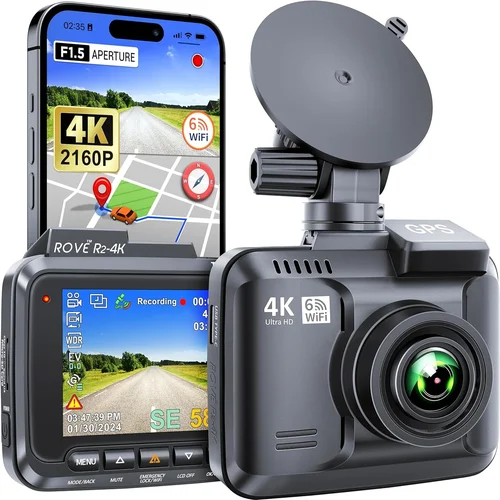
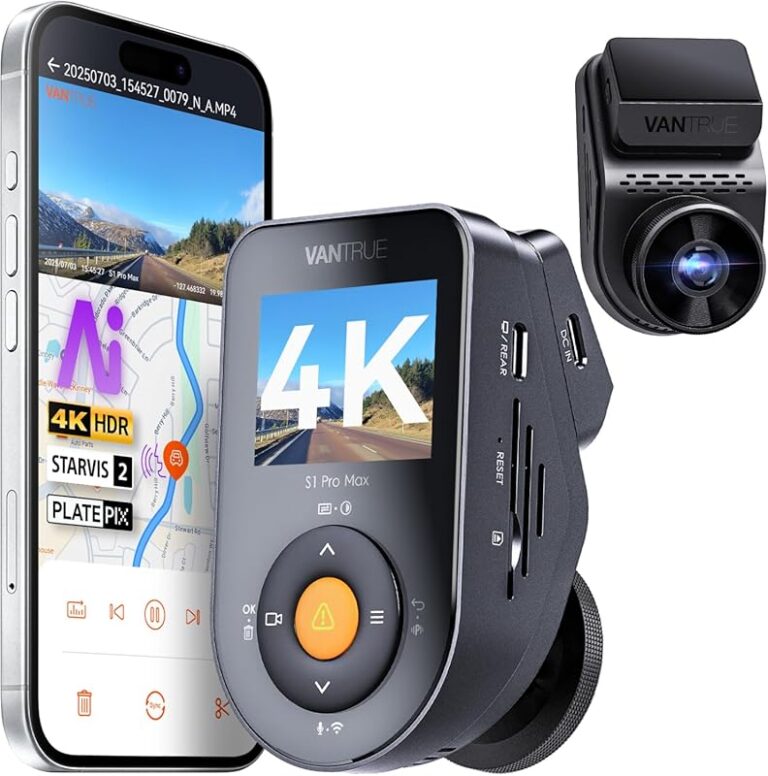
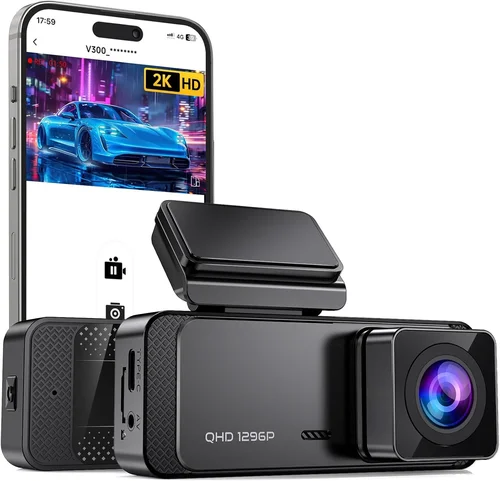
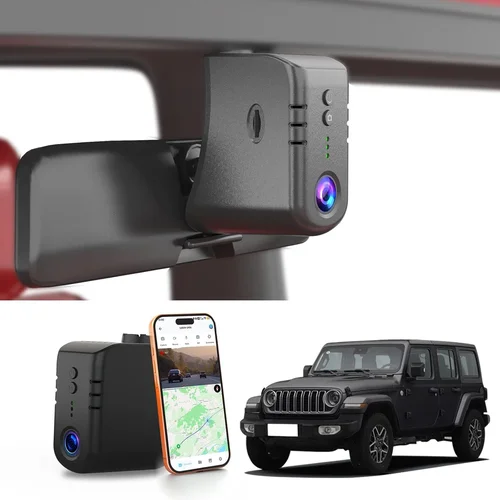
Best Dash Cam for Jeep Shopping Guide
Why choosing the right dash cam for your Jeep matters more than ever. With increasing road incidents, insurance disputes, and the need for reliable vehicle documentation, a quality dash cam has become an essential safety and security tool for Jeep owners. Whether you’re tackling rugged off-road trails, commuting through city traffic, or simply want peace of mind on daily drives, the right dash cam can provide crucial evidence, protect your vehicle, and give you confidence behind the wheel.
This comprehensive guide will walk you through everything you need to know about selecting the best dash cam specifically designed for Jeep vehicles. You’ll learn about critical features like video resolution, storage capacity, GPS tracking, and weather resistance, as well as how Jeep-specific factors like mounting options, power requirements, and environmental conditions affect your decision. By the end of this article, you’ll have the knowledge and confidence to choose a dash cam that perfectly matches your Jeep’s needs and your personal preferences.
The market for dash cams has exploded in recent years, with hundreds of models from various brands competing for your attention. From basic single-camera systems to advanced multi-sensor setups with parking mode and cloud connectivity, the options can be overwhelming. This guide cuts through the noise by focusing on what actually matters for Jeep owners, helping you navigate the technical specifications and marketing claims to find the perfect match for your specific situation.

What to Look for When Buying Dash Cams
1. Budget & Price Range
Before diving into specifications and features, it’s crucial to establish your budget range. Dash cams can vary dramatically in price from under $50 for basic models to over $500 for professional-grade systems with multiple cameras and advanced capabilities. For most Jeep owners, a budget between $100-$250 represents the sweet spot where you get reliable performance without overspending.
When setting your budget, consider the total cost of ownership rather than just the initial purchase price. Factor in additional costs such as memory cards, installation services, extended warranties, and potential replacement parts. A slightly higher upfront investment often pays dividends in longer lifespan, better reliability, and fewer headaches down the road.
2. Performance Specifications
The heart of any dash cam lies in its performance specifications, which determine how well it captures and stores video footage. The three most critical performance metrics are video resolution, frame rate, and low-light capability.
For video resolution, aim for at least 1080p (Full HD) as a minimum standard. While 720p was acceptable a few years ago, modern dash cams typically offer 1080p or higher. Resolution affects detail preservation—important for identifying license plates, road signs, and potential accident evidence. Higher resolutions like 4K provide exceptional clarity but require significantly more storage space.
Frame rate is equally important, with 30fps being the industry standard for smooth motion capture. Some premium models offer 60fps, which provides even smoother video but doubles the file size. For most driving scenarios, 30fps strikes the perfect balance between quality and storage efficiency.
Low-light performance is particularly crucial for Jeeps that frequently drive during dawn, dusk, or nighttime conditions. Look for models with wide dynamic range (WDR) technology, night vision capabilities, and large aperture lenses that allow more light capture in challenging lighting situations.
3. Build Quality & Durability
Jeep owners understand the importance of rugged construction and weather resistance. Your dash cam will face extreme temperatures, dust, moisture, and potentially rough handling—especially if you frequently transport it between vehicles or install it in challenging locations.
Look for dash cams with IP67 or higher ingress protection ratings, indicating they’re dust-tight and can withstand temporary immersion in water. Temperature tolerance is another critical factor—most reliable models operate effectively from -4°F to 140°F (-20°C to 60°C). This ensures functionality in both desert heat and mountain cold.
The build materials matter too. High-quality plastic housings with reinforced corners and scratch-resistant glass lenses provide better durability than flimsy alternatives. Consider how the camera mounts to your windshield or dashboard—secure, vibration-resistant mounting systems prevent dislodging during rough terrain driving or sudden stops.
Additionally, check for shock resistance ratings and drop tests. Some manufacturers specify their cameras can survive falls from significant heights or impacts common during vehicle accidents. These specifications are especially valuable for off-road enthusiasts who encounter unexpected bumps, rocks, or other obstacles.
4. Features & Functionality
Modern dash cams offer numerous features beyond basic recording, and understanding these capabilities helps you select the right system for your needs. Here are the most important features to consider:
- Dual Camera Systems: Front and rear cameras provide complete coverage, eliminating blind spots and capturing events from all angles. This is particularly valuable for Jeeps with open designs or frequent backing-up scenarios.
- Parking Mode: Motion detection or impact sensors that automatically start recording when your Jeep is parked, protecting against hit-and-runs or vandalism while you’re away.
- GPS Tracking: Built-in GPS logs location data, speed, and direction alongside video footage. This feature is invaluable for verifying routes taken, documenting off-road excursions, or providing context during insurance claims.
- Wi-Fi Connectivity: Allows wireless app connection for easy video download, live preview, and settings adjustment without removing the camera from your windshield.
- Loop Recording: Automatically overwrites oldest footage when storage is full, ensuring continuous recording without manual intervention.
- G-Sensor: Impact detection that locks and protects footage during collisions or sudden movements, preventing accidental deletion.
- Voice Control: Hands-free operation through voice commands, useful when navigating challenging terrain or needing quick access to features.
5. Brand Reputation
While new brands enter the market regularly, established manufacturers typically offer better reliability, customer support, and long-term software updates. Research brands with proven track records in automotive electronics and dash cam technology.
Well-known brands like Garmin, BlackVue, Thinkware, Viofo, and Nextbase have invested heavily in research and development, resulting in more stable firmware, better compatibility, and responsive customer service. These companies also tend to offer longer warranties and easier access to replacement parts.
However, don’t dismiss newer entrants completely. Some innovative startups bring fresh approaches and competitive pricing while maintaining good quality standards. Always read recent reviews and check independent testing results before making your decision.
Brand reputation extends beyond just the product itself—consider their commitment to privacy, data security practices, and transparency about how user information is handled. With dash cams storing sensitive location and movement data, this aspect becomes increasingly important.
6. Warranty & Support
A comprehensive warranty and reliable customer support can save you significant stress and expense down the line. Most reputable dash cam manufacturers offer at least a one-year warranty covering defects and malfunctions.
Look for warranties that cover both parts and labor, and check whether international coverage applies if you plan to travel extensively. Some manufacturers offer extended warranty options for purchase, which can be worthwhile for high-end models.
Customer support quality varies significantly between brands. Test their responsiveness by contacting support before buying, checking response times, and evaluating their knowledge base. Online forums and review sites often provide insights into real-world support experiences.
Additionally, consider the availability of firmware updates. Regular software improvements can add new features, enhance performance, and fix bugs—making ongoing support crucial for long-term satisfaction.
7. Size & Portability
Dash cam size affects visibility, aerodynamics, and ease of installation. Smaller models (under 2.5 inches) are less obtrusive and reduce wind resistance, making them ideal for highway driving and fuel-conscious drivers. Larger models (3+ inches) often include bigger screens and more features but may create more visual obstruction.
For Jeep owners, portability becomes a key consideration if you frequently switch between vehicles or need to remove the camera when not in use. Compact, lightweight designs with magnetic or quick-release mounting systems offer maximum flexibility without compromising functionality.
Consider your primary usage scenario: if you mainly drive on highways, a smaller front-only camera may suffice. For off-road adventures or urban environments where you need comprehensive coverage, larger dual-camera systems might be worth the trade-off in size and weight.
8. User Reviews & Ratings
Real user experiences provide invaluable insights that manufacturer specifications cannot convey. Pay attention to consistent themes across multiple reviews, especially regarding reliability, ease of use, and performance in real-world conditions.
Look for detailed reviews that mention specific scenarios relevant to Jeep owners—off-road performance, extreme temperature operation, GPS accuracy in remote areas, and compatibility with various Jeep models. Video reviews and side-by-side comparisons help visualize actual performance.
Beware of overly positive reviews that seem generic or suspiciously perfect—they may be fake. Focus instead on balanced reviews that acknowledge both strengths and limitations, as these provide the most realistic expectations.
Check review timelines too—recent reviews indicate current product versions and address any known issues that have been resolved in newer releases. Older reviews might discuss discontinued features or outdated models no longer available.
Different Types of Dash Cams

Common Buying Mistakes to Avoid
❌ Mistake: Choosing Based Solely on Price
Why it’s bad: Selecting the cheapest available option often leads to disappointment. Low-cost dash cams frequently suffer from poor image quality, unreliable performance, short lifespans, and lack essential features like proper G-sensor sensitivity or adequate night vision capabilities.
What to do instead: Use price as one factor among many, focusing instead on overall value proposition. Compare feature sets across different price points and prioritize reliability and performance over initial cost savings. Remember that a dash cam should last several years, so investing more upfront often proves economical in the long run.
❌ Mistake: Ignoring Storage Requirements
Why it’s bad: Underestimating storage needs leads to constant reformatting, lost footage, and frustration. Different video qualities and recording modes consume varying amounts of space—4K video requires significantly more storage than 1080p, and features like GPS logging or parking mode increase consumption further.
What to do instead: Calculate your approximate storage needs based on typical driving patterns and video quality preferences. For most users, a 128GB microSD card provides sufficient storage for 1-2 weeks of continuous recording at 1080p. Choose cards with high write speeds (Class 10 or UHS-I) and consider purchasing extra cards for extended trips or off-road adventures.
❌ Mistake: Overlooking Mounting Compatibility
Why it’s bad: Incompatible mounting solutions result in poor camera placement, limited field of view, or difficult installation. Jeep windshields often have unique curves or slopes that standard mounts don’t accommodate properly, leading to suboptimal positioning or constant adjustment needs.
What to do instead: Verify mounting compatibility with your specific Jeep model before purchasing. Look for universal mounting systems with adjustable arms or specialized brackets designed for SUVs and trucks. Test the mount’s stability by simulating various driving conditions—including off-road scenarios if applicable—before finalizing your choice.
❌ Mistake: Neglecting Power Source Considerations
Why it’s bad: Improper power connections lead to battery drain, inconsistent operation, or complete system failure. Direct hardwiring provides the most reliable power source but requires professional installation skills. USB connections may draw excessive current or fail during engine startup surges, affecting recording quality.
What to do instead: Assess your comfort level with electrical installations versus opting for simpler plug-and-play solutions. If you plan to use parking mode frequently, invest in proper hardwiring with a capacitor to protect against voltage spikes. For occasional use, a quality cigarette lighter adapter with surge protection offers a reasonable compromise.
❌ Mistake: Disregarding Weather and Environmental Factors
Why it’s bad: Jeeps operate in diverse environments—from desert heat to mountain snow—and neglecting weather considerations compromises functionality. Extreme temperatures affect battery life, screen visibility, and overall performance. Moisture and dust intrusion can damage internal components, especially important for off-road enthusiasts.
What to do instead: Research your typical operating environments and choose accordingly. Look for dash cams with wide temperature ranges (-4°F to 140°F), IP-rated protection, and anti-fogging technology. For extreme conditions, consider models specifically marketed for harsh environments or those with additional climate control features.
❌ Mistake: Focusing Only on Recording Features
Why it’s bad: Prioritizing only recording capabilities while ignoring playback and management tools creates unnecessary complexity. Without intuitive software or mobile apps, reviewing footage becomes time-consuming, and accessing important clips proves frustrating during critical situations.
What to do instead: Evaluate the entire user experience, including playback software, mobile app functionality, and file management tools. Choose systems with clear menus, responsive touch controls, and straightforward navigation. Test the playback interface before committing to ensure it meets your workflow needs.
❌ Mistake: Assuming All Dash Cams Work Equally Well
Why it’s bad: Treating all dash cams as identical products leads to mismatched expectations. Different models excel in various areas—some prioritize video quality, others focus on durability or smart features. Understanding these distinctions prevents dissatisfaction and ensures optimal performance for your specific requirements.
What to do instead: Research thoroughly before purchasing, comparing real-world performance metrics rather than relying solely on marketing claims. Read expert reviews, watch comparison videos, and examine user feedback focused on aspects most relevant to your driving habits and environment.
Budget Guidelines: How Much Should You Spend?
Entry-Level ($50 – $100)
The entry-level price range offers basic dash cam functionality suitable for occasional use or secondary vehicles. These models typically provide 720p-1080p resolution, loop recording, and simple mounting systems. While they may lack advanced features like GPS, Wi-Fi connectivity, or dual cameras, they serve well for budget-conscious buyers who primarily need basic documentation capabilities.
Recommended for: Occasional drivers, secondary vehicles, basic insurance documentation needs. Expect limitations in low-light performance, shorter warranties, and fewer smart features. Entry-level models work adequately for city driving but may struggle in challenging lighting conditions or extreme temperatures.
Mid-Range ($100 – $250)
This sweet spot represents the majority of successful dash cam purchases, offering excellent value for money. Mid-range models typically deliver 1080p-4K resolution, dual camera options, built-in GPS, and reliable performance across various conditions. You’ll find robust build quality, comprehensive feature sets, and respectable warranties in this category.
Recommended for: Most Jeep owners, daily commuters, off-road enthusiasts, and families seeking reliable protection. This range includes popular models from established brands with proven track records. Mid-range dash cams provide the perfect balance of features, performance, and affordability for the average driver.
Premium ($250 – $400)
Premium dash cams target serious users who demand top-tier performance and advanced functionality. These systems often feature multiple cameras, professional-grade sensors, enhanced night vision, cloud connectivity, and sophisticated AI-powered features like driver assistance warnings or collision prediction alerts.
Recommended for: Enthusiasts, professional drivers, fleet operators, and those requiring comprehensive vehicle monitoring. Premium models excel in extreme conditions, provide exceptional video quality, and offer extensive customization options. The higher price reflects superior components, longer durability, and more comprehensive feature sets.
Luxury ($400+)
Luxury dash cam systems represent the pinnacle of automotive surveillance technology, incorporating cutting-edge features rarely found in consumer devices. These include 4K+ resolution, thermal imaging, artificial intelligence integration, satellite connectivity, and military-grade durability specifications. Luxury models often serve commercial applications or extreme outdoor adventures where maximum performance is non-negotiable.
Recommended for: Professional operators, extreme off-road adventurers, luxury vehicle owners, and those requiring mission-critical surveillance capabilities. The substantial investment reflects exceptional build quality, unparalleled performance, and exclusive features not available in lower-priced alternatives.
Expert Tips for Getting the Best Deal
1. Timing Your Purchase Strategically
Timing can significantly impact both price and availability. New models typically debut at premium prices that gradually decrease as older versions become clearance items. Major shopping holidays like Black Friday, Cyber Monday, and Memorial Day weekend often feature substantial discounts across multiple retailers.
Consider seasonal trends too—dash cam sales peak around late summer when driving seasons begin, but retailers often offer deeper discounts in winter months when demand naturally decreases. Additionally, new model announcements usually trigger price reductions on existing versions, so staying informed about upcoming releases helps you time your purchase optimally.
2. Shopping Channels Comparison
Different sales channels offer varying advantages. Online retailers typically provide broader selection, easier price comparisons, and home delivery convenience. Physical stores allow hands-on testing but may have limited inventory or higher markup prices.
E-commerce platforms like Amazon, Best Buy, and B&H Photo Video often bundle dash cams with free shipping, extended warranties, or accessory packages. Specialty automotive retailers might offer professional installation services or expert advice. For the best value, compare prices across multiple channels and read return policies carefully before committing to any purchase.
3. Spotting Hidden Deals and Discounts
Beyond obvious sale events, look for lesser-known opportunities. Manufacturer rebates, student discounts, military/first responder programs, and loyalty rewards can substantially reduce costs. Subscribe to retailer newsletters for exclusive coupon codes and early access to sales.
Bundle deals often provide better value than individual purchases—many retailers sell dash cam packages that include memory cards, protective cases, and extended warranties at discounted rates. Price matching guarantees from major retailers also allow you to benefit from competitor promotions without changing vendors.
4. Evaluating Warranty Coverage Thoroughly
Comprehensive warranty terms can save significant money if problems arise. Look for warranties that cover both parts and labor, with clear definitions of what constitutes covered defects. International coverage is valuable for frequent travelers, while extended warranty options provide peace of mind for expensive purchases.
Read the fine print carefully—some warranties exclude certain conditions like water damage, normal wear, or unauthorized modifications. Consider the manufacturer’s reputation for honoring warranty claims and their customer service responsiveness. Sometimes paying for extended coverage proves worthwhile for high-end models with expensive components.
5. Understanding Return Policies
Flexible return policies reduce purchase risk and allow you to test products thoroughly. Most reputable retailers offer 30-day return windows, but some extend this to 90 days for added flexibility. Check whether returns require original packaging and unopened boxes, as this affects your ability to return used items.
Return shipping costs vary significantly—some retailers cover return postage while others charge customers. For online purchases, consider local pickup options that eliminate shipping delays. Understanding restocking fees and return processing times helps you make informed decisions about trying multiple options.
6. Testing Before Committing
If possible, test dash cams in-store before purchasing. Observe video quality in various lighting conditions, evaluate menu navigation intuitiveness, and assess physical build quality. Ask staff about warranty coverage, return procedures, and any known issues with specific models.
For online purchases, leverage generous return policies to test products in real-world conditions. Install the dash cam, drive for several days, and evaluate performance across different scenarios before deciding whether to keep it or return for a different model.
7. Leveraging Expert Reviews and Comparisons
Independent testing provides unbiased performance assessments unavailable from manufacturer marketing materials. Professional reviewers conduct laboratory tests measuring actual video quality, GPS accuracy, and low-light performance rather than relying on subjective opinions.
Watch detailed comparison videos that show real-world testing scenarios, read in-depth reviews from trusted automotive publications, and participate in owner forums to learn about long-term reliability experiences. These resources help you avoid hype-driven purchases and identify truly superior performers.
8. Considering Accessory Costs
Factor in additional expenses beyond the dash cam itself. Memory cards represent recurring costs that add up quickly—high-speed cards compatible with your specific model ensure optimal performance. Protective cases, cleaning kits, and mounting accessories contribute to total ownership costs.
Some retailers offer complete starter kits at competitive prices, while others charge premium prices for basic accessories. Compare bundled packages against individual purchases to identify genuine savings opportunities and avoid overpaying for items you already own or don’t need.

Frequently Asked Questions
Q: Do I really need a dash cam for my Jeep?
A: While not legally required, a dash cam provides significant benefits for Jeep owners. They offer crucial evidence during accidents, deter theft and vandalism, document off-road adventures, and protect against false insurance claims. For Jeeps specifically, dash cams help verify trail conditions, document wildlife encounters, and provide security during remote camping trips. Even if you don’t plan to use footage for legal purposes, the peace of mind and documentation capabilities make them valuable additions to most vehicles.
Q: What’s the difference between front-only and dual-camera systems?
A: Front-only dash cams record only what’s ahead of your vehicle, providing essential documentation of traffic violations, accidents, and road conditions. Dual-camera systems include both front and rear cameras, offering complete coverage of your vehicle’s surroundings. This eliminates blind spots and captures events from all angles, making them invaluable for parking lot incidents, backing maneuvers, and situations where someone might approach your parked Jeep from behind. Dual systems typically cost 20-50% more but provide significantly enhanced protection and situational awareness.
Q: How much storage space do I actually need?
A: Storage requirements depend on several factors: video resolution, recording quality, usage frequency, and whether you use GPS logging or parking mode. As a general guideline: 1080p recording at standard quality typically consumes 1GB per hour, while 4K recording uses approximately 4GB per hour. Most users find 64-128GB cards sufficient for 2-4 weeks of continuous recording at 1080p. If you frequently drive in urban areas with complex traffic patterns or plan extensive off-road adventures, consider 256GB or larger cards. High-speed Class 10 or UHS-I cards prevent recording interruptions and ensure reliable performance.
Q: Can dash cams work in extreme temperatures?
A: Yes, but temperature tolerance varies significantly between models. Most reputable dash cams operate effectively from -4°F to 140°F (-20°C to 60°C), covering most driving conditions except extreme polar regions or desert environments exceeding 140°F. For Jeeps frequently exposed to harsh conditions, look for models specifically rated for extreme temperatures. Additional considerations include screen visibility in direct sunlight, battery performance in cold weather, and condensation formation during rapid temperature changes. Proper ventilation and mounting position help mitigate temperature-related issues.
Q: How does parking mode work, and do I need special equipment?
A: Parking mode activates your dash cam when the vehicle is turned off, using motion detection, impact sensors, or time-lapse recording to monitor your parked Jeep. Most systems require either a hardwired connection to your car’s electrical system or a dedicated parking mode cable connected to the cigarette lighter. Hardwiring provides the most reliable power source and protects against battery drain, while parking mode cables offer simpler installation. Some premium models include built-in capacitors that store enough energy for brief recordings after the car powers down, eliminating the need for constant battery connection.
Q: Will a dash cam drain my Jeep’s battery?
A: Modern dash cams consume minimal power, typically drawing only 100-300mA during active recording and 5-20mA in standby mode. However, parking mode can gradually drain batteries over several weeks of continuous monitoring. Solutions include proper hardwiring with fuse protection, using parking mode capacitors, or installing smart voltage-sensitive cutoffs that automatically disconnect power when battery levels fall below safe thresholds. For Jeeps with automatic start-stop systems or frequent short trips, these precautions become particularly important to prevent unexpected battery drain.
Q: How do I choose between wired and wireless connectivity?
A: Wired connections provide stable, reliable communication without interference concerns, making them ideal for critical features like GPS logging or emergency notifications. Wireless connectivity (Wi-Fi, Bluetooth) offers convenience for video downloads, live previews, and settings adjustments without physically handling the device. Consider your primary use case: if you frequently transfer large video files or need real-time monitoring, wireless features add significant value. However, wireless signals can be affected by interference, distance limitations, and battery consumption, so weigh these factors against your specific needs and driving patterns.
Q: Are there any legal restrictions on dash cam usage?
A: Legal regulations vary by jurisdiction, but generally allow dash cam recording in public spaces. Privacy concerns primarily apply to recording private property or people without consent. Many countries prohibit recording inside vehicles without passengers’ permission, while others restrict audio recording entirely. Always research local laws before purchasing or using a dash cam, and avoid placing cameras where they could invade privacy unexpectedly. Transparent mounting positions and clear indicators help demonstrate compliance with reasonable privacy expectations.
Q: How do I install a dash cam in my Jeep?
A: Installation difficulty depends on your chosen mounting method and comfort level with electrical work. Simple suction cup mounts require no tools or wiring, while hardwired installations demand basic electrical knowledge or professional assistance. Most dash cams include detailed instructions and necessary hardware. For Jeep-specific installations, consider the windshield curvature, available mounting locations, and interior layout. Professional installation services typically cost $50-100 but ensure proper positioning, secure mounting, and correct wiring connections. DIY installation saves money but requires patience, attention to detail, and willingness to troubleshoot minor issues.
Q: What maintenance do dash cams require?
A: Minimal maintenance keeps your dash cam performing optimally. Regular tasks include cleaning the lens with microfiber cloths to maintain clear video quality, periodically checking memory card health and format integrity, and updating firmware when new versions become available. Replace worn suction cups or mounting hardware as needed, and verify that all connections remain secure during regular use. For Jeep owners who frequently drive off-road or in dusty environments, more frequent cleaning may be necessary to prevent dirt accumulation affecting video quality and sensor performance.
Our Final Recommendations
Best for Budget-Conscious Buyers
The Viofo A119 V3 stands out as the ultimate budget-friendly dash cam for Jeep owners seeking reliable performance without breaking the bank. Priced under $100, this compact 2K QHD camera delivers exceptional video quality that surpasses most competitors in its class. Its Sony Starvis sensor provides outstanding low-light performance, crucial for dawn, dusk, and nighttime driving scenarios common among Jeep adventures. The built-in GPS tracks your exact route and speed, while the G-sensor automatically protects critical footage during impacts. Simple installation, reliable loop recording, and robust build quality make this an ideal entry point for anyone wanting professional-grade protection at a fraction of the cost.
Best Overall Value
The Garmin Dash Cam 67W represents the perfect balance of features, reliability, and value for discerning Jeep owners. This premium model offers 1440p resolution, advanced Driver Alerts including forward collision and lane departure warnings, and seamless smartphone integration via the Garmin Drive app. Its compact design minimizes visual obstruction while the wide-angle lens captures comprehensive coverage. The built-in GPS provides precise location logging, and the hot-swappable battery allows continuous recording even during extended off-road excursions. With excellent customer support, regular firmware updates, and a reputation for longevity, this dash cam delivers enterprise-grade performance suitable for both daily commuting and serious off-road adventures.
Best Premium Option
The BlackVue DR970X-2CH Cloud represents the pinnacle of dash cam technology for Jeep owners who demand nothing but the best. This professional-grade system features dual 4K Ultra HD cameras with HDR technology, ensuring crystal-clear footage in all lighting conditions. Advanced features include built-in Wi-Fi, cloud connectivity for remote viewing and management, and intelligent parking mode with motion detection and impact sensing. The included Wi-Fi SD card enables instant video downloads to your smartphone, while the robust build quality withstands extreme temperatures and harsh conditions. For Jeep enthusiasts who frequently explore remote areas or require comprehensive vehicle monitoring, this system provides unmatched reliability, functionality, and peace of mind.
Best for Beginners
The Nextbase 522GW emerges as the perfect introduction to dash cam technology for new Jeep owners. Despite its user-friendly interface and intuitive controls, this model packs impressive features including 1440p resolution, four-star safety rating, and advanced emergency SOS functionality. The Alexa integration allows voice-controlled operations, making it accessible even for those unfamiliar with complex technology. Automatic firmware updates ensure you always have the latest features, while the comprehensive warranty and responsive customer support provide confidence for first-time purchasers. Its balanced feature set and straightforward operation make this an excellent choice for anyone entering the world of vehicle safety and documentation.
Best for Advanced Users
The Thinkware U1000 delivers professional-grade performance tailored for experienced Jeep owners who demand maximum functionality and customization options. This 4K dual-channel system includes advanced driver assistance features, super night vision technology, and flexible recording modes optimized for various driving scenarios. The built-in GPS provides precise location tracking with optional external antenna enhancement for improved signal reception in remote areas. Comprehensive management software allows detailed footage organization and analysis, while the robust build quality ensures reliability during demanding off-road adventures. For serious enthusiasts who require extensive customization, detailed analytics, and maximum recording flexibility, this system represents the ultimate solution for comprehensive vehicle monitoring.
Conclusion: Making the Right Choice
Choosing the best dash cam for your Jeep ultimately comes down to understanding your specific needs, priorities, and budget constraints. No single model serves every driver perfectly—what works excellently for a daily commuter might be overkill for weekend adventurers, while professional off-road guides might require features unnecessary for casual trail explorers. The key lies in thoughtful evaluation of your driving patterns, environmental conditions, and desired functionality before making your decision.
Throughout this comprehensive guide, we’ve explored the critical factors that differentiate quality dash cams from mediocre alternatives, from fundamental specifications like resolution and storage to advanced features like cloud connectivity and AI-powered alerts. We’ve examined how Jeep-specific considerations—including extreme temperature operation, off-road durability, and unique mounting requirements—affect your selection process. Most importantly, we’ve emphasized the importance of balancing immediate needs with long-term reliability, ensuring your investment provides lasting value rather than becoming obsolete within months.
As you move forward with your dash cam selection, remember that the best choice isn’t necessarily the most expensive or feature-rich option—it’s the one that aligns perfectly with your lifestyle, driving habits, and peace-of-mind requirements. Take time to research thoroughly, compare real-world performance rather than marketing claims, and don’t hesitate to seek professional advice when needed. Whether you’re protecting your Jeep from insurance fraud, documenting epic off-road journeys, or simply adding an extra layer of security to your daily commute, the right dash cam will serve you reliably for years to come.
Your Jeep deserves the best protection available, and with careful consideration of the factors outlined in this guide, you’ll find the perfect dash cam solution that enhances both your safety and driving experience. Happy trails and safe travels!