How to Choose the Best Dash Cam for Hybrid Cars
Choosing the right dash cam for your hybrid vehicle isn’t just about recording the road ahead—it’s about understanding how these advanced automotive systems interact with aftermarket electronics. Hybrid vehicles represent a unique category of automobiles that combine internal combustion engines with electric propulsion, creating specific challenges and opportunities when it comes to installing and powering dash cameras. Unlike conventional vehicles that rely solely on gasoline engines, hybrids feature complex electrical architectures, regenerative braking systems, and sophisticated energy management that can affect dash cam performance in ways many drivers never consider.
This comprehensive guide will walk you through every aspect of selecting the best dash cam for hybrid cars, from understanding technical specifications to evaluating real-world performance in various driving scenarios. Whether you’re a new hybrid owner looking for basic protection or an experienced driver wanting advanced features like parking mode and GPS tracking, this article provides expert insights to help you make an informed decision. We’ll explore how hybrid-specific considerations like battery management, electrical interference, and power consumption requirements influence your choice, ensuring your dash cam integrates seamlessly with your vehicle’s advanced systems.
The market for dash cams has evolved significantly in recent years, with manufacturers now offering specialized features designed specifically for modern vehicles. However, not all dash cams are created equal when it comes to compatibility with hybrid technology. From entry-level models under $100 to premium systems exceeding $400, each category offers distinct advantages and limitations. By the end of this guide, you’ll understand which features matter most for hybrid vehicles, how to avoid common pitfalls, and why certain specifications deserve special attention when shopping for dash cams in today’s interconnected automotive landscape.

What to Look for When Buying Dash Cams
1. Budget & Price Range
Your budget serves as the foundation for narrowing down viable options, but it’s crucial to understand what different price points deliver in terms of quality and functionality. Entry-level dash cams typically cost between $50-80 and offer basic 720p recording capabilities, while mid-range models ($80-150) provide 1080p resolution and enhanced features like loop recording and motion detection. Premium dash cams ($150-250) deliver superior image quality, advanced parking modes, and robust build materials, whereas luxury models ($250+) include features like 4K recording, dual camera systems, and professional-grade stabilization.
When setting your budget, consider not just the initial purchase cost but also ongoing expenses like storage cards and potential replacement parts. Many hybrid owners find that spending $120-180 represents the sweet spot, balancing excellent performance with reasonable pricing. Remember that cheaper dash cams may compromise on critical aspects like build quality and reliability, potentially costing more in the long run through frequent replacements or inadequate footage quality.
2. Performance Specifications
Resolution determines how clearly events unfold during accidents or incidents, making it one of the most important performance metrics. Most reputable dash cams offer at least 1080p Full HD recording, with some premium models reaching 2.5K or even 4K resolution. Higher resolutions capture finer details but require larger storage capacity and can impact recording duration. Frame rate is equally crucial—60fps provides smoother motion capture than the standard 30fps, particularly valuable for capturing license plates and facial details during high-speed incidents.
Field of view (FOV) measures how much of the road and surroundings your dash cam captures simultaneously. A wider FOV (120-170 degrees) offers comprehensive coverage but may introduce distortion at the edges, while narrower angles (90-120 degrees) provide clearer center detail. For hybrid vehicles, consider that larger windshields and panoramic views require careful FOV selection to avoid missing important traffic information. Additionally, look for dash cams with good low-light performance, as hybrid cars often feature tinted windows that reduce interior visibility at night.
3. Build Quality & Durability
Hybrid vehicles often have unique interior designs and mounting locations that demand robust construction from dash cams. The device must withstand temperature fluctuations ranging from sub-zero winter conditions to scorching summer heat without compromising functionality. Quality materials like aluminum alloy housings and tempered glass lenses ensure longevity and resistance to impacts, especially valuable given that hybrids tend to be higher-end vehicles with greater financial investment to protect.
Water resistance ratings become increasingly important for hybrid owners who frequently drive in various weather conditions. IP65-rated dash cams offer protection against dust and water jets, while higher IP ratings (IP67 or IP68) provide complete submersion capability. This becomes particularly relevant for hybrid vehicles equipped with advanced safety systems that might generate electromagnetic interference or require precise mounting near sensitive electronics. Always verify that the dash cam’s mounting system accommodates your hybrid’s dashboard design and won’t interfere with airbags or other safety features.
4. Features & Functionality
Modern dash cams offer numerous features that enhance their utility beyond basic recording. Loop recording automatically overwrites older footage when storage fills, ensuring continuous coverage without manual intervention. G-sensor technology detects sudden impacts or movements and saves relevant clips to protected memory, preventing accidental deletion during regular loop cycles. Parking monitoring uses motion detection to record activity around your parked hybrid, providing crucial evidence if someone damages your vehicle overnight.
GPS functionality adds valuable context to your recordings by embedding location data, speed, and direction into video files. This proves invaluable for accident reconstruction and insurance claims involving multiple vehicles. Some advanced models include Wi-Fi connectivity for easy file transfer to smartphones and cloud backup capabilities, reducing the need to physically remove SD cards. For hybrid owners specifically, consider dash cams with intelligent power management that work seamlessly with your vehicle’s regenerative braking system and battery management architecture.
5. Brand Reputation
Established brands like BlackVue, Garmin, Thinkware, and Viofo have built reputations through consistent quality and reliable customer support. These companies invest heavily in research and development, resulting in dash cams that perform reliably across diverse conditions and vehicle types, including various hybrid models. Newer brands may offer innovative features at competitive prices but sometimes lack the proven track record of established manufacturers regarding long-term reliability and firmware updates.
When evaluating brand reputation, pay attention to customer service responsiveness, warranty terms, and community feedback from other hybrid owners. Premium brands often provide extended warranties (2-3 years) and regular firmware updates that improve performance and add new features over time. This ongoing support proves particularly valuable for hybrid vehicles, where software integration and compatibility with evolving automotive systems require continuous refinement from manufacturers.
6. Warranty & Support
Comprehensive warranty coverage typically ranges from 1-3 years depending on the manufacturer and model tier. Look for warranties that cover both hardware defects and performance issues, with clear return policies for defective units. Premium dash cams often include international warranties and 24/7 customer support, which becomes essential when dealing with technical issues during extended road trips or remote locations. Some brands offer additional protection plans that extend coverage beyond the standard warranty period.
Support quality manifests in multiple ways: responsive customer service, detailed troubleshooting guides, active user communities, and regular firmware updates. For hybrid owners, having access to technical specialists who understand both automotive electronics and dash cam systems can save hours of frustration when resolving compatibility issues. Always check if the manufacturer provides specific documentation about hybrid vehicle integration and any known compatibility considerations before making your purchase decision.
7. Size & Portability
Dash cam size affects both installation flexibility and visual obstruction inside your hybrid cabin. Compact models (under 3 inches) mount discreetly and minimize distraction, while larger units (4+ inches) often include bigger screens and more advanced controls. Consider your hybrid’s dashboard layout carefully—some models require specific mounting positions due to windshield angle or airbag placement. The ideal size balances functionality with unobtrusiveness, ensuring the dash cam serves its purpose without becoming a driving distraction.
Portability matters if you plan to transfer the dash cam between multiple vehicles or need to use it in non-automotive applications like security monitoring. Slim-profile designs with magnetic mounts or universal brackets offer maximum flexibility, while fixed installations suit owners who prefer dedicated dash cam setups. For hybrid vehicles with premium interiors, choose dash cams that complement rather than clash with your car’s aesthetic, maintaining the sophisticated appearance that typically accompanies hybrid ownership.
8. User Reviews & Ratings
Real-world experiences from fellow hybrid owners provide invaluable insights beyond manufacturer specifications. Pay particular attention to reviews mentioning specific hybrid models, noting any compatibility issues or unexpected performance characteristics. Search forums dedicated to your particular hybrid brand and model year to discover whether other owners have encountered dash cam-related problems. Negative reviews highlighting persistent issues like false triggering, poor night vision, or unreliable parking mode can save you significant headaches down the road.
Look for patterns in user feedback rather than isolated complaints or glowing endorsements. Consistent praise for build quality, ease of installation, and reliable performance across various driving conditions indicates a well-designed product. Conversely, recurring criticism about short battery life, complicated menus, or inadequate customer support suggests potential red flags. Balance online reviews with professional testing results and independent lab assessments to form a complete picture of each dash cam’s capabilities and limitations.
Different Types of Dash Cams

Common Buying Mistakes to Avoid
❌ Mistake: Ignoring Power Requirements
Why it’s bad: Many drivers assume all dash cams draw power similarly, but hybrid vehicles have unique electrical demands that affect dash cam performance. Neglecting power requirements can drain your hybrid’s battery overnight or cause the dash cam to shut down unexpectedly during critical moments.
What to do instead: Choose dash cams with smart parking modes that automatically reduce power consumption when your vehicle enters eco-mode or regenerates energy. Look for models with low standby current ratings (below 100mA) and ensure they include capacitors or supercapacitors that maintain recording during brief power interruptions common in hybrid systems.
❌ Mistake: Overlooking Compatibility Issues
Why it’s bad: Hybrid vehicles often feature advanced electronic systems that can interfere with or be affected by aftermarket electronics like dash cams. Ignoring compatibility can result in false triggers, system conflicts, or even damage to your vehicle’s sophisticated computer networks.
❌ Mistake: Choosing Based Solely on Price
Why it’s bad: While budget considerations matter, selecting the cheapest available option often leads to disappointment. Low-cost dash cams frequently compromise on critical aspects like build quality, image sensor technology, and reliability—especially problematic in hybrid vehicles where consistent performance is essential for protecting expensive investments.
What to do instead: Use price as one factor among many, prioritizing reliability and features over cost savings. Invest in dash cams from reputable brands with proven track records, even if it means spending slightly more initially. Remember that a $200 premium dash cam often outperforms three $70 models combined in terms of durability and functionality.
❌ Mistake: Neglecting Storage Capacity Planning
Why it’s bad: Insufficient storage forces frequent data deletion, potentially losing crucial evidence during extended periods away from home. Hybrid owners who travel frequently or commute extensively need robust storage solutions that accommodate longer recording sessions without constant maintenance.
What to do instead: Calculate your storage needs based on typical driving patterns—consider factors like commute length, parking duration, and desired retention period. Plan for minimum 64GB cards capable of storing 2-3 hours of 1080p footage, with the ability to expand capacity or transfer files wirelessly when needed.
❌ Mistake: Skipping Installation Considerations
Why it’s bad: Poor installation can lead to obstructed views, accidental button presses, or interference with vehicle safety systems. In hybrid vehicles, where dashboard layouts and mounting locations vary significantly between models, proper installation becomes even more critical for both functionality and aesthetics.
What to do instead: Research your specific hybrid’s dashboard layout and airbag deployment zones before purchasing. Consider professional installation services for complex setups or choose dash cams with flexible mounting options that adapt to your vehicle’s unique geometry. Test the placement thoroughly before finalizing the installation.
❌ Mistake: Underestimating Environmental Factors
Why it’s bad: Hybrid vehicles operate in diverse environmental conditions that can affect dash cam performance more dramatically than in conventional cars. Extreme temperatures, humidity levels, and exposure to direct sunlight can degrade image quality and shorten component lifespan if the dash cam lacks appropriate environmental protections.
What to do instead: Select dash cams with wide operating temperature ranges (-20°C to 70°C) and appropriate IP ratings for your climate. Consider additional sun shields or ventilation solutions for hot climates, and choose models with automatic exposure compensation that handles changing light conditions effectively.
Budget Guidelines: How Much Should You Spend?
Entry-Level ($50 – $80)
For hybrid owners seeking basic protection without breaking the bank, entry-level dash cams offer surprisingly capable performance. These models typically feature 720p recording, adequate build quality, and essential features like loop recording and motion detection. While they may lack advanced capabilities like GPS or Wi-Fi connectivity, they provide reliable evidence capture for everyday driving scenarios. Entry-level options work well for occasional drivers or those primarily concerned with basic liability protection rather than comprehensive coverage.
When shopping in this range, prioritize reliability over flashy features. Look for dash cams from established brands rather than unknown manufacturers, as reputable companies offer better warranty support and more consistent performance. Even at lower price points, choose models with good reviews regarding build quality and image clarity. Remember that entry-level dash cams often serve as temporary solutions—consider upgrading as your needs evolve or your budget allows for more advanced features.
Mid-Range ($80 – $150)
The sweet spot for most hybrid owners lies in the mid-range category, where dash cams deliver exceptional value by combining premium features with reasonable pricing. This tier typically includes 1080p Full HD recording, robust build materials, reliable parking mode functionality, and improved low-light performance compared to entry-level models. Mid-range dash cams often feature larger screens, more intuitive interfaces, and better overall user experiences that make daily operation enjoyable rather than frustrating.
For hybrid vehicles specifically, mid-range options frequently include smart power management compatible with regenerative braking systems and eco-mode operation. These dash cams strike an excellent balance between capability and affordability, providing features that matter most to responsible drivers without unnecessary complexity. Many premium features like GPS tracking, Wi-Fi connectivity, and advanced G-sensor sensitivity become available in this price range, making it the ideal choice for hybrid owners who want comprehensive protection without overspending.
Premium ($150 – $250)
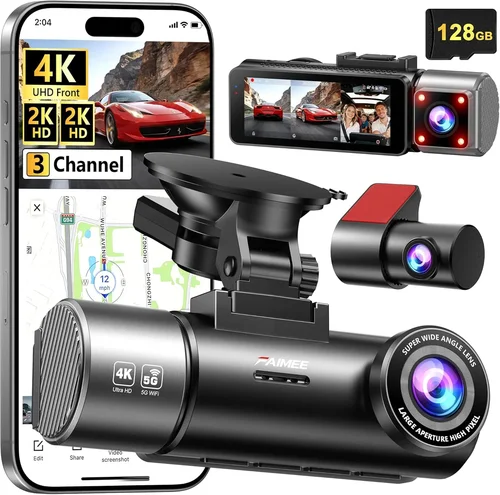
Premium dash cams represent the upper echelon of consumer-grade recording devices, offering professional-level features at accessible prices. These models typically deliver 2.5K or 4K resolution recording, superior image stabilization, and advanced parking monitoring capabilities. Premium dash cams often include multiple recording modes, sophisticated motion detection algorithms, and robust build quality that withstands extreme conditions. For hybrid owners, this tier frequently includes specialized features like intelligent power management that works seamlessly with advanced battery systems.
The premium category excels in areas that matter most for hybrid vehicles: exceptional image quality for identifying license plates and facial details, reliable performance during extended parking sessions, and seamless integration with modern automotive electronics. Many premium models offer dual-camera configurations that provide comprehensive coverage, while others include cloud connectivity for remote access and file sharing. If your hybrid represents a significant financial investment or you frequently drive in challenging conditions, premium dash cams justify their higher price through superior reliability and advanced functionality.
Luxury ($250+)
Luxury dash cams cater to enthusiasts and professionals who demand the absolute best in recording technology and build quality. These top-tier models often feature multiple camera arrays, enterprise-grade security features, and sophisticated analytics capabilities. Luxury dash cams frequently include professional accessories like external microphones, additional sensors, and specialized mounting solutions. For hybrid owners with high-end vehicles or those requiring extensive documentation for business purposes, luxury options provide unmatched peace of mind.
While luxury dash cams represent significant investments, they deliver exceptional value for specific use cases. Professional drivers, fleet managers, and serious collectors benefit most from the advanced features and reliability offered by premium models. Luxury dash cams often include extended warranties, priority customer support, and regular firmware updates that keep pace with evolving automotive technologies. If your hybrid belongs to a luxury segment or serves as a primary transportation method, investing in a luxury dash cam ensures maximum protection and functionality regardless of driving conditions or circumstances.
Expert Tips for Getting the Best Deal
Consider shopping during seasonal transitions when manufacturers introduce new models, making older versions significantly cheaper. Early spring and late summer often feature the best deals as retailers clear out inventory before introducing updated models. Subscribe to retailer newsletters and price alert services to receive notifications when your preferred dash cam drops below target pricing, ensuring you never miss limited-time discounts.
Don’t overlook regional differences in pricing and availability—some manufacturers distribute products differently across geographic regions, leading to substantial price variations. Check international versions of dash cams when domestic models exceed budget constraints, as these often feature identical hardware with only minor software differences. Always verify compatibility with your specific hybrid model and year before completing any purchase, regardless of where you buy the dash cam.
Understand what your warranty covers—does it include accidental damage, manufacturing defects, or just the former? Check if the warranty applies globally or only within specific regions, as this becomes crucial for hybrid owners who frequently travel internationally. Test the return policy by asking about restocking fees, return shipping costs, and whether the original packaging is required for returns. These details can save you significant money if the dash cam doesn’t meet your expectations after installation and testing.
Participate in manufacturer-sponsored beta testing programs when available, as early adopters sometimes receive discounts or exclusive features. Follow social media accounts of dash cam manufacturers to stay informed about firmware updates, new product announcements, and promotional offers. Share your experiences with hybrid dash cam installations to help other owners avoid common pitfalls and discover innovative mounting solutions tailored to specific vehicle models.
Calculate how often you’ll need to replace storage cards based on your typical driving patterns and desired retention period. Account for installation costs if you plan to hire a professional installer for complex setups or if your hybrid requires specialized mounting hardware. Evaluate subscription services carefully—while convenient, they can accumulate into significant monthly expenses over time. Choose dash cams with local storage options that don’t require ongoing subscriptions whenever possible, especially for drivers who prioritize privacy or have limited internet connectivity.

Frequently Asked Questions
Q: Can I install a dash cam myself, or should I hire a professional?
A: Most dash cams feature straightforward installation processes that qualified DIYers can complete with basic tools and patience. Single-camera systems typically take 15-30 minutes to install, while dual-camera setups may require 45-60 minutes. However, professional installation becomes advisable for complex hybrid models with intricate dashboard layouts, airbag deployment zones, or advanced electrical systems that require specialized knowledge to integrate safely.
Q: Will a dash cam drain my hybrid’s battery overnight?
A: Modern dash cams with smart parking modes consume minimal power during standby, typically drawing less than 100mA when your hybrid is parked. Advanced models include capacitors or supercapacitors that maintain brief recording sessions during power interruptions caused by regenerative braking or eco-mode activation. To prevent excessive battery drain, choose dash cams with adjustable parking sensitivity settings and disable unnecessary features during extended parking periods.
Q: What’s the best way to store dash cam footage securely?
A: Secure storage combines physical protection with digital safeguards. Use high-quality SD cards with encryption capabilities and store them in protective cases when not in use. Enable password protection on your dash cam’s menu system and consider cloud backup options for critical footage. Create a structured filing system with timestamps and incident descriptions for easy retrieval during insurance claims or legal proceedings.
Q: How does weather affect dash cam performance in hybrid vehicles?
A: Weather impacts dash cam performance through several mechanisms: rain obscures lens clarity, snow accumulates on lenses, extreme cold reduces battery efficiency, and condensation forms inside housing during temperature changes. Hybrid vehicles face additional challenges due to tinted windows that limit interior visibility and advanced safety systems that may generate electromagnetic interference. Choose dash cams with appropriate IP ratings for your climate and consider additional sun shields or ventilation solutions for optimal performance.
Q: Are there any legal restrictions on dash cam usage in hybrid vehicles?
A: Legal regulations regarding dash cam usage vary significantly by jurisdiction, with most countries allowing recording in public spaces but restricting private space recording. Some regions require audio recording consent, while others prohibit recording inside vehicles without passenger permission. Hybrid-specific regulations are rare, but always verify local laws regarding recording equipment and data privacy before installing any dash cam system.
Q: How often should I update my dash cam’s firmware?
A: Manufacturers typically release firmware updates quarterly or biannually to address bugs, improve performance, and add new features. Check for updates monthly through the dash cam’s menu system or companion app, especially after major weather events or driving incidents that might expose software vulnerabilities. Enable automatic update notifications when available, but manually verify each update’s changelog to ensure it addresses your specific needs and doesn’t introduce new compatibility issues.
Q: What happens if my hybrid’s electrical system interferes with the dash cam?
A: Electrical interference can manifest as distorted video, false motion detection, or complete system shutdown. If you experience these issues, first verify proper grounding and power cable routing away from sensitive electronics. Consider adding ferrite cores to power cables and repositioning the dash cam to minimize proximity to hybrid-specific components like battery management systems or regenerative braking controllers. Contact manufacturer support if interference persists, as they may provide specific guidance for your hybrid model.
Q: Can I use multiple dash cams in one hybrid vehicle?
A: Yes, multi-camera setups are popular among hybrid owners seeking comprehensive coverage. Most hybrids support dual-camera systems with one front-facing unit and one rear-facing camera, providing complete visibility of approaching traffic and parking situations. Ensure your chosen dash cam platform supports multiple camera inputs and has sufficient processing power to handle simultaneous recording streams without performance degradation.
Q: How do I choose the right field of view for my hybrid’s windshield?
A: Field of view selection depends on several factors: windshield angle, mounting position, and desired coverage area. Wider fields of view (140-170 degrees) capture more surroundings but may distort center images, while narrower angles (90-120 degrees) provide clearer central detail. For hybrids with slanted windshields, experiment with different mounting positions to achieve optimal coverage without blocking critical driving information or airbag deployment paths.
Q: What maintenance does a dash cam require for optimal hybrid vehicle performance?
A: Regular maintenance ensures reliable operation and extends component lifespan. Clean the lens weekly with microfiber cloths and compressed air, check SD card health monthly using diagnostic tools, verify power connections quarterly, and update firmware according to manufacturer schedules. For hybrid vehicles specifically, inspect power cable routing seasonally to ensure it remains clear of moving parts and doesn’t interfere with vehicle systems during normal operation.
Our Final Recommendations
For budget-conscious hybrid owners seeking reliable protection without overspending, the Viofo A119 V3 delivers exceptional value with its 1440p resolution, robust build quality, and reliable parking mode functionality. This dash cam’s intelligent power management works seamlessly with hybrid electrical systems, while its compact design complements premium vehicle interiors. The A119 V3’s 130-degree field of view provides adequate coverage for most driving scenarios, and its loop recording ensures continuous protection without manual intervention. With a price point around $120 and consistent positive reviews from hybrid owners, this model represents an excellent entry into the world of advanced vehicle protection.
Best Overall Value
The BlackVue DR970X-1CH stands as the gold standard for hybrid dash cams, offering professional-grade features at a reasonable price point. Its 4K Ultra HD recording captures incredible detail for accident reconstruction, while the built-in Wi-Fi enables effortless file transfer to smartphones and cloud backup. The DR970X-1CH’s intelligent parking mode consumes minimal power, making it ideal for hybrid vehicles with sophisticated battery management systems. Additional features like GPS tracking, impact detection, and microSD card redundancy ensure comprehensive protection regardless of driving conditions. Though priced around $200, the BlackVue’s reliability and advanced functionality justify the investment for hybrid owners who demand the best protection for their vehicles.
Best Premium Option
For hybrid owners with luxury vehicles seeking ultimate protection, the Garmin DriveLuxe 51 combines elegant design with advanced capabilities. This dash cam features 1080p recording, built-in voice control, and seamless smartphone integration that works exceptionally well with hybrid infotainment systems. The DriveLuxe 51’s compact profile and premium materials complement luxury vehicle interiors while providing reliable performance in all weather conditions. Additional features like live streaming, driver alerts, and automatic incident detection make this an outstanding choice for hybrid owners who appreciate both style and substance in their automotive accessories.
Best for Beginners
New hybrid owners starting their dash cam journey will appreciate the Thinkware F200PRO‘s user-friendly interface and straightforward installation process. This dash cam offers 1080p recording, reliable parking monitoring, and robust build quality at an accessible price point around $150. The F200PRO’s intuitive menu system and clear instructions make setup effortless, while its compatibility with various hybrid models ensures smooth integration with your vehicle’s systems. Additional features like GPS tracking and Wi-Fi connectivity provide room to grow as your needs evolve, making this an ideal starter dash cam for hybrid newcomers.
Best for Advanced Users
Hybrid enthusiasts seeking professional-level capabilities will find everything they need in the BlackVue DR970X-2CH dual-camera system. This comprehensive solution includes two high-resolution cameras—one front-facing and one rear-facing—providing complete coverage of your hybrid’s movements. The DR970X-2CH’s advanced features like cloud connectivity, impact detection, and intelligent power management work seamlessly with hybrid electrical systems. Though priced around $300, this dual-camera setup offers unparalleled protection for hybrid owners who frequently drive in challenging conditions or require comprehensive documentation for business purposes.
Conclusion: Making the Right Choice
Selecting the best dash cam for your hybrid vehicle involves balancing multiple factors including performance specifications, build quality, and budget considerations. Your decision ultimately depends on your specific driving patterns, vehicle type, and personal preferences regarding features and functionality. By understanding how hybrid-specific requirements like electrical compatibility and power management affect dash cam performance, you can make an informed choice that protects your investment while providing peace of mind on the road.
Remember that no single dash cam suits every hybrid owner’s needs perfectly. Consider your typical driving conditions, parking environments, and desired features before making your final decision. Don’t hesitate to upgrade as your needs evolve or your budget allows for more advanced capabilities. The most important factors remain consistent across all hybrid models: reliable recording quality, robust build materials, and seamless integration with your vehicle’s sophisticated systems.
Take time to research thoroughly, read real user experiences from fellow hybrid owners, and test installation options before committing to any particular model. With the right dash cam properly installed and maintained, you’ll enjoy enhanced protection for your hybrid vehicle while gaining valuable peace of mind knowing you have reliable evidence capture capabilities for any situation that might arise on the road.