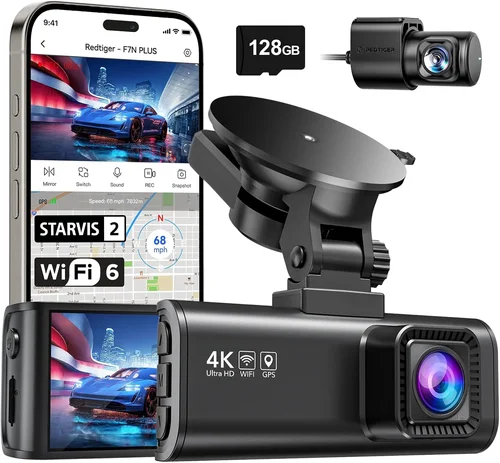
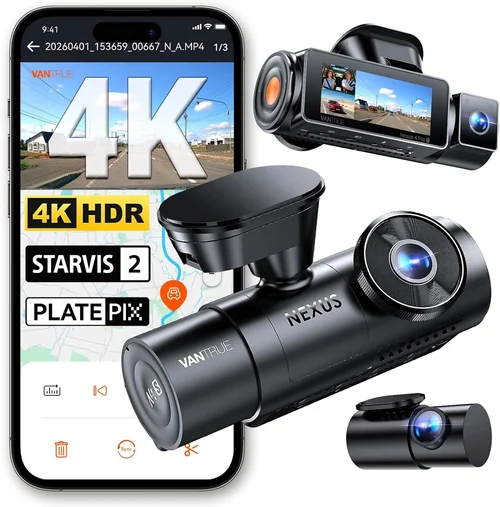
Best Dash Cam for Honda HRV Shopping Guide
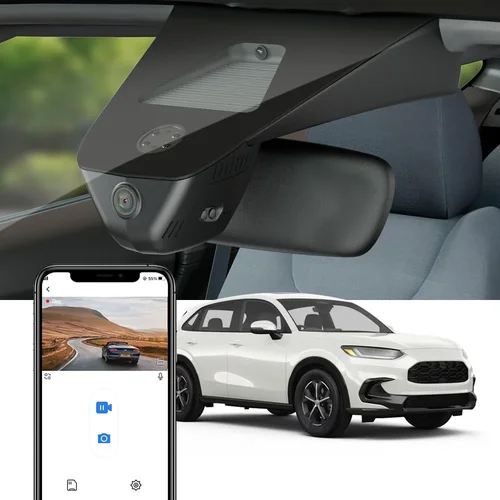
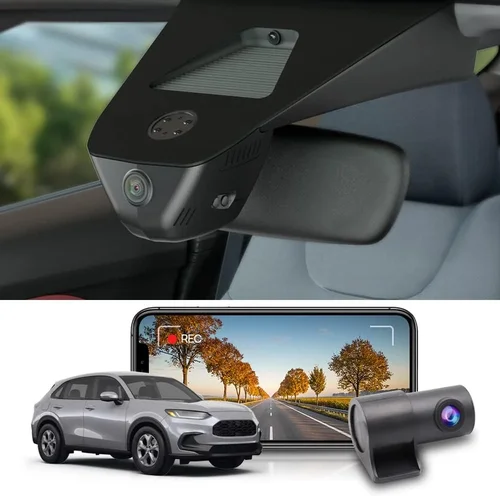
Why choosing the right dash cam for your Honda HRV matters more than you might think. While these compact SUVs offer excellent fuel efficiency and practicality, they’re not immune to accidents, traffic incidents, or disputes that could arise on the road. A quality dash cam serves as an objective witness, capturing crucial footage that can protect you in insurance claims, prove your innocence in collisions, or simply provide peace of mind during daily commutes. The Honda HRV’s specific dashboard layout, sun visor placement, and windshield angle present unique installation challenges that make selecting the right dash cam essential for both optimal viewing and reliable performance.
This comprehensive guide will walk you through everything you need to know about finding the perfect dash cam for your Honda HRV. You’ll learn about critical specifications like video resolution, field of view, parking mode capabilities, and how different models perform in real-world conditions. We’ll explore compatibility considerations specific to the HRV’s interior design, including mounting options, power requirements, and potential interference with existing vehicle features. Whether you’re a first-time dash cam buyer looking for basic protection or an experienced user wanting advanced recording features, this guide provides expert insights to help you make an informed decision based on your specific needs, budget, and driving habits.
The market for dash cams has evolved significantly over the past decade, moving far beyond simple single-camera setups to sophisticated multi-camera systems with cloud connectivity, AI-powered features, and enhanced safety technologies. Today’s dash cams offer everything from basic 1080p recording to 4K Ultra HD capture, GPS tracking, lane departure warnings, and even driver fatigue monitoring. However, not all dash cams are created equal, and the abundance of options can make selection overwhelming. Understanding which features matter most for your particular situation—whether you primarily need evidence for insurance purposes, want comprehensive coverage while driving, or seek advanced safety features—will help you navigate the choices and find a dash cam that integrates seamlessly with your Honda HRV’s design and your driving lifestyle.

What to Look for When Buying Dash Cams
1. Video Resolution and Recording Quality
The foundation of any good dash cam is its ability to capture clear, detailed footage that can serve as evidence if needed. For Honda HRV owners, video resolution should be your top priority when evaluating dash cams. Most reputable models now offer at least 1080p Full HD recording, but many premium options provide 2K, 4K Ultra HD, or even 5K resolution capabilities. Higher resolution doesn’t just look better—it captures finer details like license plate numbers, facial expressions, and road markings that could be crucial in accident investigations.
When considering resolution, also pay attention to frame rate (measured in frames per second or fps). Standard recording typically uses 30fps, but some dash cams offer 60fps for smoother motion capture, especially important for highway driving where vehicles move quickly. Additionally, look for cameras with good low-light performance since you’ll often be recording during dawn, dusk, or nighttime hours. Many dash cams include wide dynamic range (WDR) technology that balances exposure between bright headlights and darker road surfaces, preventing washed-out or overly dark footage.
2. Field of View and Lens Specifications
The field of view (FOV) determines how much of the road ahead your dash cam can capture. For Honda HRVs, a wider FOV generally means better coverage, though extremely wide angles can cause distortion at the edges of the frame. Most dash cams for compact SUVs offer between 110-170 degrees horizontal FOV, with the sweet spot typically around 140-150 degrees. This width captures enough to see vehicles approaching from the sides while maintaining reasonable image quality throughout the frame.
Consider your typical driving patterns when evaluating FOV. If you frequently drive in urban areas with tight intersections or parallel park often, you might benefit from a slightly wider angle to capture blind spots. Conversely, if you do a lot of highway driving, you may prioritize cameras that maintain consistent image quality across the entire field of view without significant fisheye distortion. Some advanced dash cams offer multiple lens configurations or adjustable FOV settings, giving you flexibility for different driving scenarios.
3. Storage Capacity and Loop Recording
Dash cams rely on loop recording—a system that continuously records over older footage when storage is full—but the quality and reliability of this system vary significantly between models. For Honda HRV owners, consider getting a dash cam that supports larger memory cards (typically 64GB-256GB) to ensure longer recording sessions without interruption. Always use high-quality, high-endurance SD cards specifically designed for continuous video recording rather than regular consumer-grade cards.
Look for dash cams with efficient compression algorithms that maintain video quality while minimizing file sizes. H.265 (HEVC) encoding is becoming standard in newer models and provides better compression than older H.264 formats. Also verify that your chosen dash cam automatically detects when the card is nearly full and starts overwriting the oldest footage, ensuring you never miss critical events due to space constraints. Some premium models offer dual-card slots for redundancy or extended recording time.
4. Parking Mode and Battery Backup
One of the most valuable features for Honda HRV owners is parking mode, which continues recording when your car is turned off and parked. This feature can capture hit-and-runs, vandalism, or other incidents that occur while you’re away from your vehicle. Not all dash cams handle parking mode reliably, so it’s crucial to understand how each model implements this function.
There are two main types of parking mode: battery-powered and hardwired. Hardwiring your dash cam to the car’s electrical system is generally preferred as it eliminates battery drain concerns and allows for continuous recording. Most Honda HRVs have accessible fuse boxes under the dashboard or in the glove compartment, making professional hardwiring relatively straightforward. If hardwiring isn’t feasible, look for dash cams with efficient standby modes that minimize battery consumption while still providing adequate protection.
5. Build Quality and Weather Resistance
The Honda HRV’s compact size and modern design mean dash cam placement is often limited to specific areas on the windshield, exposing the device to various environmental conditions. Your chosen dash cam must withstand temperature fluctuations, direct sunlight, rain, and potential impacts from flying debris. Look for models with robust construction, preferably made from durable materials that won’t degrade quickly in hot climates.
Check that the dash cam housing is rated for outdoor use and can operate reliably in temperatures ranging from sub-zero winter conditions to scorching summer heat. The lens should have anti-reflective coating to prevent glare from headlights or the sun, and the overall design should allow for easy cleaning without damaging sensitive components. Mounting hardware should securely attach to your HRV’s curved windshield without interfering with driver visibility or airbag deployment zones.
6. Ease of Use and Interface Design
A complicated interface can quickly become frustrating, especially when you need quick access to settings or want to review footage immediately after an incident. The Honda HRV’s interior offers limited space for additional electronics, so choose a dash cam with intuitive controls that don’t require extensive menus to operate basic functions.
Modern dash cams typically feature touchscreen interfaces or simple button layouts with clear icons. Look for models with responsive menus, voice commands, or smartphone app integration that make navigation effortless. Consider how you’ll interact with the device while driving—some models offer gesture controls or voice activation that keep your hands on the wheel and eyes on the road. Reviewing footage should be equally straightforward, with quick access to recent clips and easy file organization.
7. Smart Features and Connectivity
Today’s dash cams go far beyond basic video recording. Many models now include GPS tracking, Wi-Fi connectivity, cloud storage, and smartphone integration—all valuable additions for Honda HRV owners seeking comprehensive vehicle protection. GPS functionality records location data alongside your video, creating timestamped logs that can be helpful for insurance claims or route planning.
Wi-Fi and smartphone apps allow you to view live footage, download clips wirelessly, and remotely manage settings from your phone. Cloud storage options provide off-site backup for critical footage, protecting against physical theft or accidental deletion. Some advanced models include driver assistance features like collision warnings, forward collision alerts, or emergency braking detection—particularly useful given the HRV’s position as a family-oriented vehicle.
8. Warranty and Customer Support
Reliable customer support and warranty coverage are essential considerations when investing in a dash cam for your Honda HRV. Electronics can fail unexpectedly, and having professional assistance available can save you time and frustration. Research the manufacturer’s reputation for quality products and responsive customer service before making your purchase.
Look for dash cams backed by at least a one-year warranty covering defects and malfunctions. Premium brands typically offer two-year warranties or more. Check whether the warranty covers accidental damage or just manufacturing defects, as this can significantly impact your long-term satisfaction. Also verify what documentation and proof of purchase requirements exist for warranty claims, especially if you plan to travel frequently with your HRV.
Different Types of Dash Cams

Common Buying Mistakes to Avoid
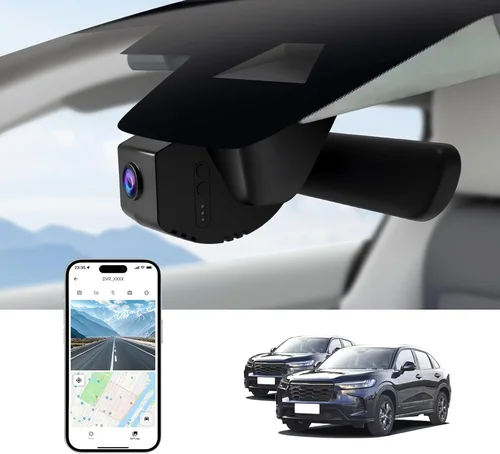
❌ Mistake: Ignoring Compatibility with Honda HRV’s Dashboard Layout
Why it’s bad: The Honda HRV features a distinctive curved windshield and limited mounting space, making universal dash cams often incompatible or poorly positioned. Installing a dash cam that blocks your view of the instrument cluster or interferes with the sun visor defeats the purpose and creates new safety hazards.
What to do instead: Measure your HRV’s specific dashboard dimensions before purchasing. Choose dash cams with flexible mounting systems that adapt to curved surfaces, and verify that the camera position doesn’t obstruct critical instruments or airbag deployment zones. Test the placement with the actual device if possible.
❌ Mistake: Choosing Lowest Price Without Considering Long-Term Costs
Why it’s bad: Extremely cheap dash cams often sacrifice build quality, video resolution, and reliability, leading to frequent replacements or failure when you need them most. The initial savings can quickly disappear if you need to replace the unit after just a few months or if poor video quality fails to capture usable evidence.
What to do instead: Calculate the total cost of ownership, including potential replacement costs, memory cards, and any professional installation fees. Mid-range dash cams ($100-$200) often provide the best value with reliable performance and adequate features for most Honda HRV owners.
❌ Mistake: Overlooking Power Requirements and Installation Complexity
Why it’s bad: Many dash cams require hardwiring to your vehicle’s electrical system for proper operation, especially for parking mode functionality. Attempting DIY installation with improper wiring can lead to electrical issues, blown fuses, or even fire hazards—particularly problematic in the confined spaces of compact SUV interiors.
What to do instead: Factor in professional installation costs if you’re not comfortable with automotive electrical work. Verify that your chosen dash cam includes all necessary wiring harnesses and that the installation won’t interfere with your HRV’s existing electrical systems or warranty.
❌ Mistake: Neglecting Storage Management and File Organization
Why it’s bad: Poor storage management leads to missed critical footage when important events occur near the end of a recording cycle. Without proper loop recording settings or automatic file management, you might lose hours of potentially vital evidence due to inefficient storage handling.
What to do instead: Choose dash cams with intelligent storage management that automatically prioritizes recent footage and efficiently overwrites old files. Set appropriate recording intervals based on your typical commute length and storage capacity, ensuring you capture complete events without wasting space.
❌ Mistake: Focusing Only on Video Quality While Ignoring Audio
Why it’s bad: Audio recording can be just as important as video for establishing context during incidents. Without clear audio, you lose crucial information about conversations, warning sounds, or accident circumstances that could determine liability or provide additional evidence.
What to do instead: Verify that your dash cam supports high-quality audio recording and that local laws permit audio recording in your area. Consider models with directional microphones that focus on road noise while filtering out cabin sounds for clearer audio capture.
❌ Mistake: Not Testing Before Committing to Long-Term Use
Why it’s bad: Reading reviews alone doesn’t reveal how well a dash cam performs in your specific vehicle environment. Factors like temperature extremes, humidity levels, or electromagnetic interference unique to your HRV can significantly affect performance in ways online reviews might not capture.
What to do instead: Whenever possible, test the dash cam in your actual vehicle before making a final decision. Many retailers offer return policies allowing you to evaluate performance over several days of normal driving conditions.
Budget Guidelines: How Much Should You Spend?
Entry-Level Dash Cams ($50 – $100)
This price range includes basic dash cams suitable for occasional use or those who want minimal protection without significant investment. For Honda HRV owners, entry-level models in this range typically offer 1080p recording, 120-degree field of view, and simple loop recording functionality. While adequate for basic documentation, these units often lack advanced features like GPS tracking, parking mode, or smartphone connectivity.
Prospective buyers should note that entry-level dash cams may compromise on build quality, with plastic housings that can crack or degrade in hot weather. Image processing chips in this price range often struggle with low-light performance, resulting in grainy nighttime footage. However, for occasional drivers or those using their HRV primarily for short trips, these models can provide acceptable basic protection.
Mid-Range Dash Cams ($100 – $250)
The sweet spot for most Honda HRV owners falls within this price range, offering excellent value with reliable performance and meaningful features. Mid-range dash cams typically provide 2K or 4K recording capability, superior low-light performance, GPS tracking, and reliable parking mode functionality. This category includes most recommended models for everyday driving.
For HRV owners, mid-range dash cams offer the ideal balance of features, reliability, and price. These models usually include sturdy construction, intuitive interfaces, and sufficient storage capacity for daily use. Many feature dual-lens configurations or advanced safety technologies like collision warnings, making them suitable for families and regular commuters alike.
Premium Dash Cams ($250 – $500)
Enthusiasts and those requiring maximum protection should consider premium dash cams featuring top-tier specifications and advanced functionality. This range includes models with 4K or 5K recording, HDR imaging, sophisticated driver assistance features, and comprehensive connectivity options. Premium dash cams often offer superior build quality, professional-grade video processing, and enhanced security features.
For Honda HRV owners with specific needs—such as rideshare drivers, commercial users, or those living in extreme climates—premium models provide unmatched reliability and performance. These dash cams typically include military-grade components, advanced thermal management, and sophisticated software features that justify their higher price point.
Luxury/Professional Dash Cams ($500+)
Ultra-premium dash cams exceed consumer expectations with cutting-edge technology and specialized applications. These devices often feature multiple camera systems, AI-powered analytics, encrypted storage, and enterprise-level management tools. Luxury dash cams are typically reserved for commercial fleets, government agencies, or specialized applications where maximum performance justifies substantial investment.
While luxury dash cams aren’t necessary for most Honda HRV owners, understanding this tier helps contextualize the market and recognize when exceptional features might be worth the premium. Even at this level, consider whether the advanced capabilities align with your specific needs and driving patterns before committing to such a significant investment.
Expert Tips for Getting the Best Deal
Timing Your Purchase: The best time to buy dash cams is typically during holiday seasons like Black Friday, Cyber Monday, or back-to-school periods when retailers offer significant discounts. Many manufacturers also release updated models twice yearly, making the weeks following major product launches prime opportunities to snag last-generation models at reduced prices.
Research Retailer Policies: Different retailers offer varying return windows, warranty terms, and support services. Online-only retailers often provide lower prices but may have more restrictive return policies. Local electronics stores might offer in-person assistance but charge premium prices. Consider buying from companies with generous return policies to allow for testing in your actual vehicle.
Bundle Deals and Accessories: Some manufacturers sell dash cam bundles that include essential accessories like high-quality memory cards, professional installation kits, or protective cases. These bundles often provide significant savings compared to purchasing items separately and ensure you have everything needed for proper setup.
Extended Warranty Evaluation: While extended warranties can provide peace of mind, carefully evaluate their value. Many manufacturers already offer robust standard warranties, and third-party extended warranties may not cover common failure points or could cost more than simply replacing the unit after it fails.
Installation Cost Savings: Professional installation typically costs $50-$100, but many dash cams include comprehensive installation guides and wiring harnesses that make DIY installation feasible. For Honda HRV owners, research whether your specific model’s installation is particularly complex before deciding whether to hire professionals.
Seasonal Performance Testing: If possible, purchase during mild weather seasons to thoroughly test your dash cam’s performance across different lighting conditions before committing to year-round use. This approach allows you to identify any seasonal limitations or issues with your specific vehicle setup.
Community Recommendations: Engage with online communities of Honda HRV owners to discover which dash cams perform best in similar vehicles. Owners’ collective experiences can reveal installation challenges, compatibility issues, or performance characteristics specific to your model year and trim level.

Frequently Asked Questions
Q: What’s the best mounting location for a dash cam in a Honda HRV?
A: For Honda HRVs, the optimal mounting position is typically on the passenger-side windshield, angled downward to capture the road ahead without blocking your view of the instrument cluster. Avoid placing the dash cam too close to the rearview mirror, as this can interfere with your natural line of sight. The HRV’s curved windshield may require a flexible mount or adhesive pad designed for non-flat surfaces. Ensure the camera position doesn’t obstruct airbag deployment zones or the sun visor’s functionality.
Q: Can I install a dash cam without professional help?
A: Yes, many dash cams are designed for DIY installation and include comprehensive instructions and all necessary wiring harnesses. For Honda HRV owners, most installations involve connecting the dash cam to the cigarette lighter socket or hardwiring to the vehicle’s electrical system. However, hardwiring requires basic automotive electrical knowledge to avoid damaging your vehicle’s systems or voiding warranties. If unsure, professional installation ensures proper setup and preserves your HRV’s warranty coverage.
Q: How much storage space do I actually need?
A: Storage requirements depend on your recording frequency and usage patterns. For typical daily commuting in a Honda HRV, a 64GB memory card typically provides 4-6 hours of continuous recording at 1080p resolution. If you frequently take longer drives or want to preserve more footage, consider 128GB or 256GB cards. Always use high-endurance SD cards rated for dash cams, as regular consumer cards can corrupt when writing large video files continuously.
Q: Will a dash cam drain my Honda HRV’s battery?
A: Modern dash cams consume minimal power, but constant recording or parking mode can gradually drain your battery over time. For Honda HRVs without hardwired installations, most dash cams include intelligent power management that automatically shuts down when the battery reaches a critical level. Hardwired installations typically draw power only when the ignition is on, eliminating battery drain concerns during parking mode.
Q: Are dash cams legal to use in all states?
A: Dash cams themselves are legal in all 50 states, but regulations regarding audio recording vary. In states with two-party consent laws (like California), you may need permission from others being recorded. Video-only recording is generally permitted everywhere. For Honda HRV owners, check your state’s specific laws regarding recording devices in vehicles and ensure compliance if capturing audio alongside video.
Q: How long does dash cam footage last before being overwritten?
A: Footage lifespan depends on file size and recording interval. Most dash cams use loop recording that overwrites the oldest files when storage is full. At 1080p resolution, 64GB typically holds 4-6 hours of footage; at 4K resolution, this reduces to 1-2 hours. Some dash cams include event-triggered saving that protects specific clips from being overwritten, ensuring critical footage remains available.
Q: Can dash cams work effectively in snowy or foggy conditions?
A: Yes, but performance varies by model. Look for dash cams with strong low-light capabilities and image stabilization features. In heavy snow or dense fog, some detail loss is inevitable, but modern sensors and processing algorithms help maintain usable footage. For Honda HRV owners in harsh climates, consider dash cams with superior dynamic range to handle rapidly changing light conditions common during winter storms.
Q: Do dash cams interfere with my Honda HRV’s electronics?
A: Reputable dash cams shouldn’t interfere with vehicle electronics when properly installed. However, some users report issues with certain aftermarket infotainment systems or Bluetooth connections. If experiencing interference, try repositioning the dash cam or consulting with your HRV dealer about potential electromagnetic compatibility concerns. Most manufacturers design their products to meet automotive EMI standards.
Q: What’s the difference between front-only and dual-lens dash cams?
A: Front-only dash cams record only the road ahead, while dual-lens systems include one camera facing forward and another facing backward. Dual-lens dash cams provide complete coverage of your Honda HRV’s movements, reducing blind spots when reversing or parking. They’re particularly valuable for urban environments where frequent backing maneuvers increase vulnerability to collisions.
Q: How can I ensure my dash cam survives extreme temperatures?
A: For Honda HRV owners, temperature resilience is crucial given the vehicle’s exposure to both freezing winters and scorching summers. Choose dash cams specifically rated for automotive use with operating temperature ranges extending below -20°F and above 150°F. Look for models with sealed housings resistant to condensation and thermal expansion. Proper ventilation around the device prevents heat buildup in parked vehicles.
Our Final Recommendations
Best for Budget-Conscious Buyers
The Viofo A119 V3 stands out as the ideal choice for Honda HRV owners seeking reliable protection without breaking the bank. Priced competitively in the entry-level range, this dash cam delivers 1440p recording with impressive low-light performance and a 130-degree field of view. Its compact design fits perfectly in the HRV’s limited dashboard space, and the included suction cup mount adapts well to curved windshields. The Viofo A119 features intelligent parking mode with motion detection, ensuring your vehicle is protected even when you’re away. Users consistently praise its straightforward interface and reliable performance, making it an excellent starting point for those new to dash cams while remaining functional enough for experienced users who want basic protection.
Best Overall Value
For Honda HRV owners seeking the perfect balance of features, performance, and price, the Nextbase 522GW emerges as the top recommendation. This mid-range dash cam delivers stunning 1440p recording with HDR technology that excels in challenging lighting conditions common during HRV commutes. Its 140-degree field of view provides excellent coverage without excessive distortion, and the built-in GPS accurately tracks your vehicle’s location and speed. The Nextbase 522GW includes innovative features like Alexa voice control, which works seamlessly with your HRV’s infotainment system, and cloud connectivity for easy footage sharing. Professional installation support and robust build quality ensure reliable performance season after season, while its intuitive interface makes operation effortless whether you’re a tech novice or enthusiast.
Best Premium Option
Enthusiasts and those requiring maximum protection should consider the Garmin Dash Cam Mini 3. This ultra-compact premium dash cam fits virtually anywhere in your Honda HRV while delivering exceptional 1080p recording quality. Its tiny footprint minimizes visual intrusion, and the magnetic mount allows for flexible positioning without compromising stability. The Garmin Dash Cam Mini 3 includes automatic incident detection that saves relevant footage, and its seamless integration with Garmin’s ecosystem provides comprehensive vehicle monitoring. Advanced features like voice-activated recording and cloud storage ensure you never miss critical moments, while Garmin’s reputation for rugged reliability means this dash cam will withstand whatever weather conditions your HRV encounters.
Best for Beginners
The Thinkware U1000 proves perfect for Honda HRV owners new to dash cam technology. Its user-friendly interface and straightforward operation make setup and daily use remarkably simple. The dash cam offers outstanding 2K recording quality with excellent low-light performance, ensuring clear footage regardless of lighting conditions. Automatic G-sensor detection saves important clips, and the built-in GPS provides accurate location data. Thinkware’s commitment to customer support and comprehensive warranty coverage gives beginners confidence in their purchase, while the dash cam’s robust construction ensures it will remain functional through years of regular use. The U1000’s balanced feature set avoids overwhelming new users while providing essential functionality for effective vehicle protection.
Best for Advanced Users
The BlackVue DR970X-2CH stands as the ultimate choice for experienced Honda HRV owners seeking professional-grade performance. This dual-lens dash cam delivers breathtaking 4K recording from the front camera and 1080p from the rear, capturing every detail with exceptional clarity. Its advanced features include cloud connectivity, real-time monitoring, and sophisticated parking mode that activates only when needed to conserve resources. The BlackVue DR970X-2CH includes powerful AI-powered safety features like collision warnings and lane departure alerts, providing proactive protection beyond simple recording. For HRV owners who demand the absolute best, this dash cam represents the pinnacle of consumer technology, combining military-grade durability with cutting-edge functionality that justifies its premium positioning.
Conclusion: Making the Right Choice
Choosing the right dash cam for your Honda HRV ultimately depends on balancing your specific needs with available features and budget. The HRV’s compact design and modern interior create unique installation challenges that require careful consideration of mounting options, space limitations, and compatibility with your vehicle’s existing systems. By understanding the key factors we’ve explored—from video quality and field of view to parking mode capabilities and build quality—you can make an informed decision that provides reliable protection without unnecessary complications.
Remember that the best dash cam for your Honda HRV isn’t necessarily the most expensive or feature-packed option. Instead, focus on finding a device that integrates seamlessly with your driving habits, installation preferences, and protection priorities. Whether you opt for the budget-friendly Viofo A119 for basic coverage or invest in the premium BlackVue DR970X-2CH for comprehensive protection, ensure your choice aligns with your actual usage patterns and provides genuine peace of mind.
Take advantage of retailer return policies to test your selected dash cam in your actual Honda HRV before committing to long-term use. Pay attention to seasonal performance variations and ensure your chosen model handles temperature extremes common in your region. With thoughtful selection and proper installation, your dash cam will serve as a reliable witness to your journeys, protecting you and providing valuable documentation whenever needed.
The investment in a quality dash cam for your Honda HRV pays dividends beyond mere evidence collection—it offers reassurance knowing you’re prepared for whatever the road brings. As automotive technology continues evolving, staying informed about new features and capabilities ensures you’ll always choose the right solution for your evolving needs and driving circumstances.