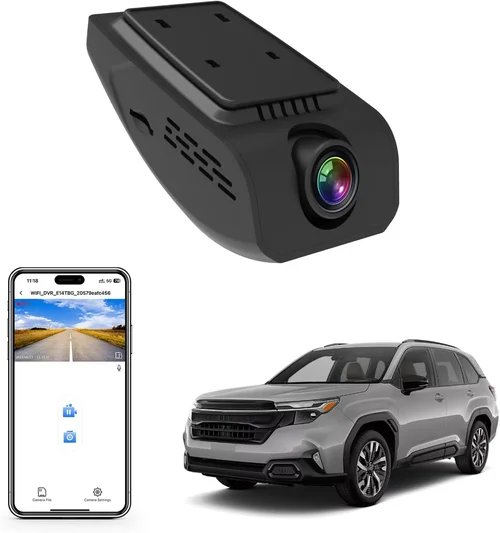
Best Ford Ranger Dash Cam Buying Guide
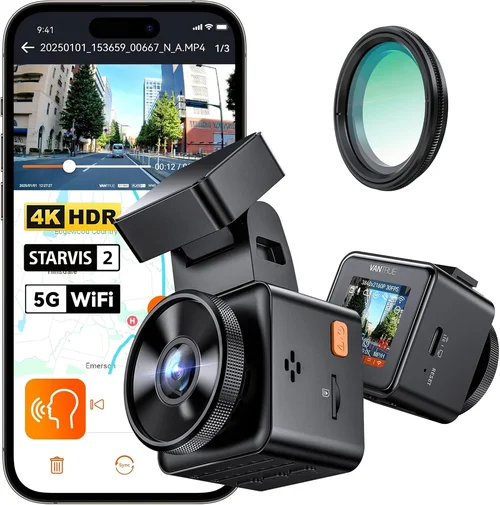
Why this guide matters
Choosing the right dash cam for your Ford Ranger isn’t just about recording video—it’s about protecting yourself, your vehicle, and your peace of mind on every journey. Whether you’re using your Ranger for daily commutes across town, weekend adventures off-road, or long-haul work trips, having reliable footage can make all the difference in insurance claims, legal disputes, or simply capturing those memorable moments. This comprehensive buying guide cuts through the overwhelming market noise to deliver expert insights tailored specifically for Ford Ranger owners.
What readers will learn
You’ll discover exactly what features matter most when matching a dash cam to your Ford Ranger’s unique requirements. From understanding the technical specifications that affect performance to evaluating build quality and installation considerations, this guide covers everything you need to know before making an informed decision. We’ll explore compatibility issues specific to truck cab layouts, examine real-world scenarios where certain features prove invaluable, and provide detailed comparisons across different price ranges so you can find the perfect balance between functionality and budget.
Brief overview of the market
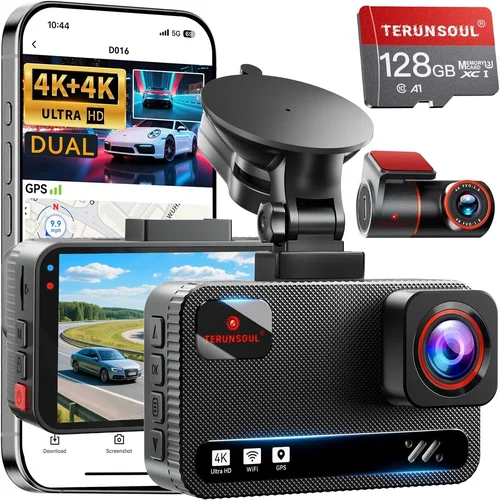
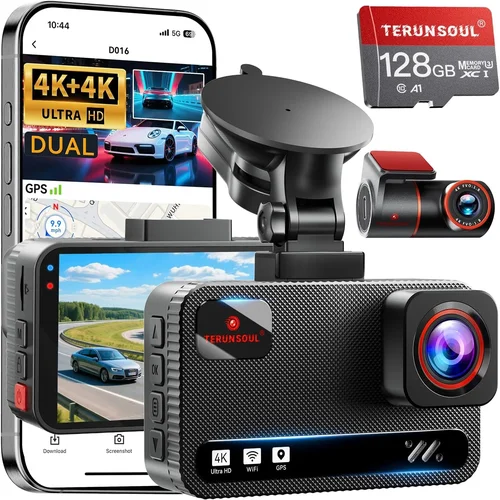
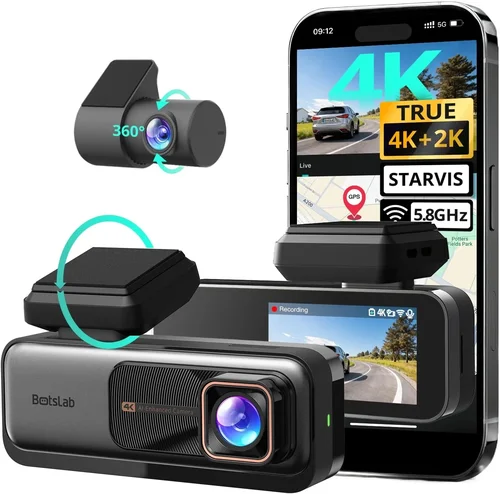
The dash cam market has evolved dramatically over the past decade, transforming from simple single-lens cameras into sophisticated multi-sensor systems with advanced driver assistance features. For Ford Ranger owners, this means more options than ever before—from compact single-camera units ideal for tight dashboard spaces to dual-lens systems capable of monitoring both front and interior views. However, not all dash cams are created equal when it comes to fitting properly in your vehicle’s cabin or handling the unique demands of truck driving environments like high winds, temperature extremes, and rough terrain usage.

What to Look for When Buying Dash Cams
Budget & Price Range
Before diving into features and specifications, consider how much you’re willing to invest in a dash cam system. Prices typically range from under $50 for basic models up to several hundred dollars for premium units with advanced capabilities. Your budget should reflect your intended use: casual drivers might prioritize affordability while frequent travelers or commercial operators may justify higher-end purchases for enhanced safety features. Remember that spending more often brings better build quality, superior image sensors, longer warranty coverage, and more reliable customer support.
Performance Specifications
Image quality forms the foundation of any effective dash cam experience. Look for at least 1080p resolution—preferably 4K if your budget allows—as this ensures clear enough footage for license plate recognition during incidents. Frame rates matter too; 30fps is standard but 60fps provides smoother motion capture during rapid maneuvers. Consider low-light performance through wide aperture lenses (f/1.8 or lower) and advanced image processing technologies like HDR (High Dynamic Range) which maintain visibility in challenging lighting conditions such as entering dark tunnels or driving through heavy rain at night.
Build Quality & Durability
Your Ford Ranger operates in demanding environments—extreme temperatures, vibrations from rough roads, exposure to dust and moisture—all factors that test dash cam resilience. Opt for models with ruggedized designs featuring metal housings rather than plastic enclosures, wide operating temperature ranges (-4°F to 140°F), and splash-proof ratings (IPX rating). These specifications ensure your device continues functioning reliably whether parked outside during winter storms or used extensively during summer heat waves common in many regions where Rangers operate.
Features & Functionality
Modern dash cams offer numerous intelligent functions beyond basic recording:
– G-Sensor Technology: Automatically saves impact-triggered clips to prevent overwrite during loop recording cycles
– Parking Mode: Monitors your vehicle even when powered off using hardwired connections with built-in batteries or capacitors
– GPS Tracking: Records location data and speed for route documentation and incident verification
– Wi-Fi Connectivity: Allows wireless file transfer via smartphone apps for quick review without removing memory cards
– Emergency Recording: Instantly captures critical events regardless of current recording status
– Night Vision Enhancement: Specialized algorithms improve visibility during nighttime driving
– Wide-Angle Lens Coverage: Typically 120°–170° horizontal field of view to minimize blind spots
Brand Reputation
Established brands generally provide better reliability, consistent firmware updates, responsive customer service, and longer product lifespans compared to lesser-known manufacturers. Research user reviews, check professional testing results, and verify warranty terms before committing to any brand. Leading names in the industry include Garmin, BlackVue, Viofo, Nextbase, and Thinkware—each offering distinct strengths depending on your specific needs and preferences.
Warranty & Support
A solid warranty demonstrates manufacturer confidence in their product’s durability and performance. Most reputable dash cam brands offer at least one year of coverage, with some providing extended warranties up to three years or lifetime support for software/firmware updates. Ensure warranty terms clearly cover defects, accidental damage, and replacement parts availability. Also consider whether technical support is accessible via phone, email, live chat, or comprehensive online resources including installation guides and troubleshooting tips.
Size & Portability
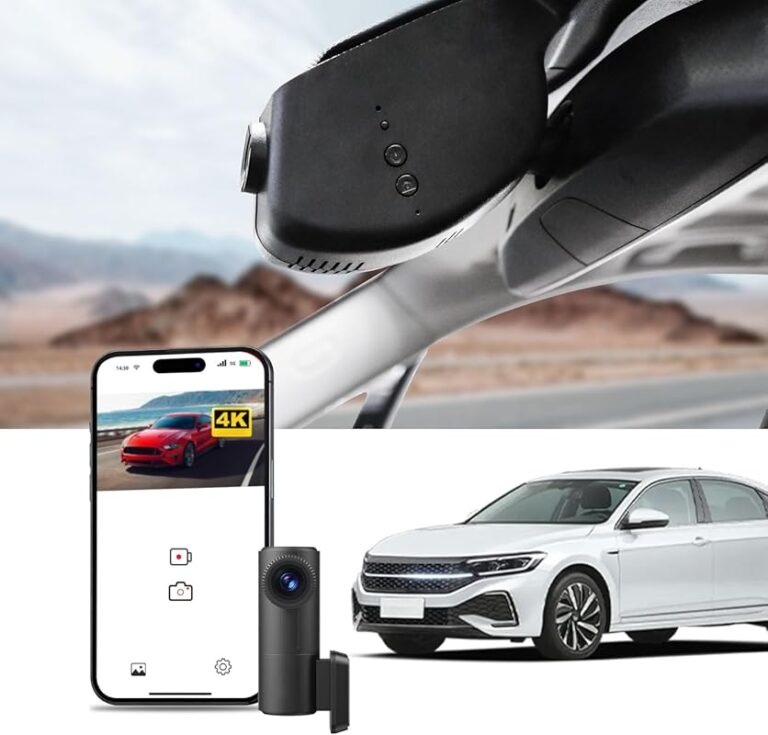
While functionality outweighs size considerations, physical dimensions impact both aesthetics and practicality within your Ford Ranger’s cabin space. Compact units (under 3 inches tall) fit seamlessly behind mirrors without obstructing views while larger models may require alternative mounting locations like passenger-side visors or center consoles. Some users prefer removable designs allowing temporary removal during non-driving periods for added security against theft attempts.
User Reviews & Ratings
Real-world feedback from fellow Ford Ranger owners proves invaluable when evaluating potential purchases. Pay attention to recurring themes regarding installation ease, software usability, battery life, and overall satisfaction. Negative reviews often highlight deal-breaking flaws like poor customer service responses or unexpected compatibility issues—information that can save you significant frustration down the road.
Different Types of Dash Cams

Common Buying Mistakes to Avoid
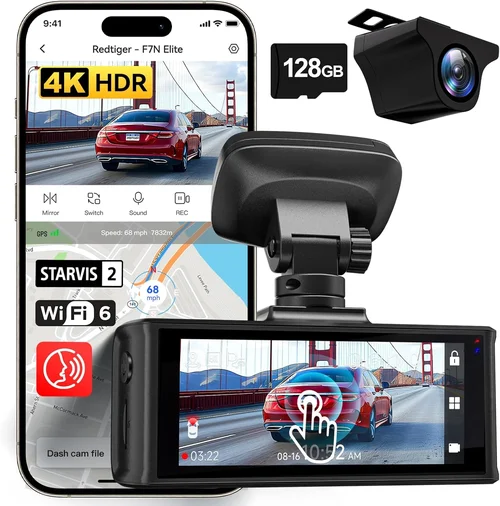
❌ Mistake: Ignoring Compatibility with Ford Ranger Cab Layout
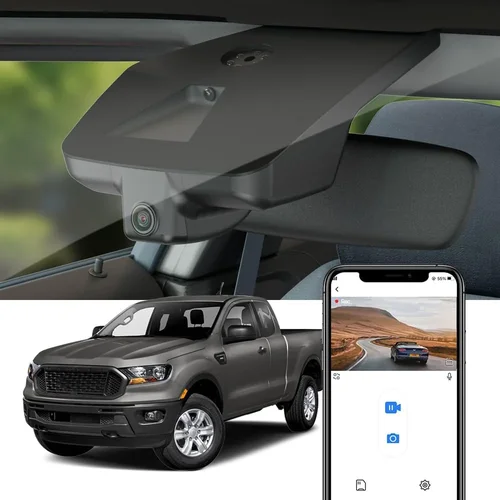
Why it’s bad: Many dash cams designed for sedans or smaller vehicles don’t account for the spacious interior and unique mounting challenges present in Ford Rangers. Oversized units may block instrument cluster visibility or interfere with rearview mirror functionality—critical issues since Rangers rely heavily on their integrated mirrors for optimal sightlines.
What to do instead: Measure your available dashboard space carefully before purchasing. Look for compact designs specifically engineered for trucks or SUVs, and verify that mounting brackets accommodate your Ranger’s particular windshield curvature and angle.
❌ Mistake: Overlooking Parking Mode Requirements
Why it’s bad: If you park your Ford Ranger regularly in unsecured areas or want protection against hit-and-runs while unattended, relying solely on battery-powered dash cams leads to rapid power depletion and inconsistent recording intervals during parking surveillance.
What to do instead: Investigate hardwiring options that connect directly to your vehicle’s electrical system via fuse taps or cigarette lighter adapters. This enables true 24/7 monitoring without draining your truck’s main battery when parked.
❌ Mistake: Choosing Based Solely on Lowest Price
Why it’s bad: Ultra-budget dash cams often compromise on essential components like sensor quality, storage reliability, and build materials—resulting in blurry footage, frequent failures, or short lifespans that negate initial savings through replacement costs.
What to do instead: Evaluate value propositions holistically by comparing feature sets across multiple price points. Sometimes spending slightly more yields dramatically improved longevity and performance that pays dividends over time.
❌ Mistake: Neglecting Memory Card Reliability
Why it’s bad: Built-in flash storage is convenient but severely limits recording duration and creates dependency on proprietary formats vulnerable to corruption. Cheap SD cards also frequently fail due to temperature fluctuations common in truck cabins exposed to direct sunlight.
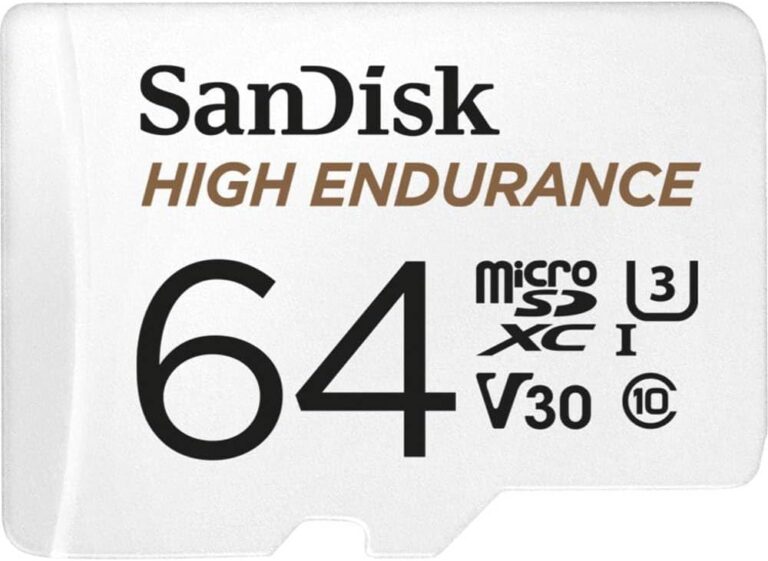
What to do instead: Use high-endurance microSD cards rated for dash cam use (often labeled “V30” or higher). Consider models supporting dual-card slots for redundancy or cloud backup integration if your workflow demands extensive archival capacity.
❌ Mistake: Failing to Test Installation Before Committing
Why it’s bad: What looks simple on product pages becomes complicated during real-world setup involving routing wires through firewall grommets, securing power connections safely away from moving parts, and achieving optimal camera angles without obstructing views.
What to do instead: Watch detailed YouTube installation tutorials featuring similar vehicles whenever possible. Practice mock installations using tape or temporary fasteners before permanent mounting. Seek professional help if uncertain about wiring techniques or electrical connections.
❌ Mistake: Underestimating Software Usability Needs
Why it’s bad: Complex menus, unintuitive navigation, or poorly translated interfaces discourage regular use of playback and management features—meaning valuable evidence gets overlooked or mishandled because retrieving clips feels too cumbersome.
What to do instead: Download companion apps beforehand to evaluate interface familiarity. Prioritize brands with well-documented user manuals and active online communities offering troubleshooting advice and best practices.
Budget Guidelines: How Much Should You Spend?
Entry-Level ($50 – $100): What to expect
At this price point, you’ll find functional dash cams delivering adequate 1080p front-facing recording with basic G-sensor functionality and loop recording. While these units won’t boast cutting-edge features like GPS tracking or Wi-Fi connectivity, they represent reliable entry points for new users wanting fundamental protection without breaking the bank. Expect plastic construction, limited warranty periods (typically 6–12 months), and occasional software quirks requiring patience during setup phases. Ideal candidates include occasional commuters who prioritize core functionality over premium extras.
Mid-Range ($100 – $250): Sweet spot for most buyers
This sweet spot balances cost-effectiveness with meaningful upgrades in image quality, durability, and smart features. You’ll encounter models offering 2K or even 4K front cameras, enhanced low-light performance through wider apertures, improved build materials like aluminum housings, and expanded functionality including parking mode support, GPS logging, and mobile app integration. Warranties typically extend to 1–2 years, reflecting increased manufacturer confidence in component reliability. Perfect for Ford Ranger owners seeking robust performance without excessive complexity or expense.
Premium ($250 – $500): For enthusiasts and professionals
Enterprising dash cam shoppers will appreciate advanced capabilities found in top-tier models featuring triple-lens systems, superior image stabilization, enhanced night vision algorithms, dual-channel recording, built-in cellular connectivity for remote monitoring, and sophisticated AI-driven event detection. These units often incorporate premium materials, longer warranties (2–3 years), dedicated customer support channels, and firmware updates ensuring continued compatibility with evolving technology standards. Suited for serious drivers, fleet managers, or anyone requiring forensic-grade recording quality for legal or insurance purposes.
Luxury ($500+): Top-tier features
Ultra-premium dash cams represent the pinnacle of automotive surveillance technology, integrating military-grade durability, ultra-high-resolution imaging (up to 8K), panoramic stitching capabilities, thermal imaging sensors, and enterprise-level security protocols. While rarely necessary for personal Ford Ranger ownership, these systems appeal to specialized applications like commercial transport companies, law enforcement agencies, or extreme off-road enthusiasts demanding absolute reliability under the most punishing conditions imaginable.
Expert Tips for Getting the Best Deal
Timing Your Purchase Strategically
Major shopping holidays like Black Friday, Cyber Monday, Amazon Prime Day, and back-to-school seasons consistently feature steep discounts on electronics including dash cams. Sign up for retailer newsletters and price alerts to catch limited-time promotions before stock runs out. Additionally, end-of-season clearance events (late summer for fall models) can yield surprising bargains as manufacturers refresh product lines.
Leveraging Online vs In-Store Advantages
Online retailers typically offer broader selection, easier comparison tools, and lower overhead costs enabling competitive pricing. However, brick-and-mortar stores allow hands-on testing of physical interfaces and immediate troubleshooting assistance. For Ford Ranger owners, visiting local auto specialty shops provides opportunity to assess fitment compatibility firsthand while benefiting from knowledgeable staff familiar with truck-specific installation challenges.
Identifying Hidden Discount Opportunities
Manufacturer rebates, student/military discounts, trade-in programs, and cashback credit card offers collectively amplify savings beyond advertised MSRPs. Check brand websites for seasonal promotions and partner deals through automotive clubs or insurance providers. Loyalty programs at major retailers sometimes reward repeat customers with exclusive coupons redeemable exclusively on dash cam purchases.
Evaluating Extended Warranty Value
While tempting, extended warranties rarely justify their premiums unless you drive extensively or operate in harsh environments where failure rates increase significantly. Instead, focus on choosing reputable brands with generous standard warranties and reliable repair networks. Consider allocating saved warranty funds toward higher-quality accessories like industrial-grade memory cards or professional installation services.
Understanding Return Policies Thoroughly
Uncertainty about dash cam performance or compatibility warrants checking return windows before committing financially. Most online sellers offer 30-day returns, but restocking fees, original packaging requirements, and condition restrictions apply universally. Local stores typically provide shorter trial periods but eliminate shipping delays and hassle associated with exchanging defective units.
Testing Functionality Before Finalizing Purchase
Whenever feasible, request demonstration units or borrow friends’ models to evaluate real-world operation including menu navigation, clip retrieval speed, and recording quality under varied lighting scenarios common in truck driving contexts like dawn/dusk transitions or tunnel entrances/exits. Physical interaction reveals ergonomic shortcomings invisible in product photos or videos.
Prioritizing Firmware Update Support
Firmware represents the digital heartbeat of modern dash cams—enabling bug fixes, performance enhancements, and new feature rollouts long after initial purchase. Verify that manufacturers commit to regular update schedules and provide clear instructions for manual installation procedures. Abandoned software development cycles quickly render otherwise excellent hardware obsolete or insecure.
Negotiating Bundled Accessory Packages
Retailers occasionally package complementary items like extra batteries, suction cups, or hardwire kits at discounted rates when purchased together with primary dash cam units. These bundles streamline setup while reducing overall cost-per-accessory ratios—especially valuable for Ford Ranger owners needing specialized mounting solutions for their vehicle’s unique interior architecture.

Frequently Asked Questions
Q: Can I install a dash cam myself in my Ford Ranger?
A: Absolutely! Most modern dash cams come with comprehensive installation guides and universal mounting hardware suitable for DIY enthusiasts. Basic models require only suction cups or adhesive pads for windshield mounting plus straightforward power connections via cigarette lighters or hardwiring kits. Advanced systems involving complex wiring benefit from professional assistance, but simple setups take under an hour for experienced hands. Always disconnect negative battery terminals before attempting any electrical modifications to avoid short circuits or blown fuses.
Q: Will a dash cam drain my Ford Ranger’s battery?
A: Modern dash cams consume minimal power—typically less than 2 watts during active recording and under 1 watt in standby/parking modes. However, continuous parking surveillance using internal batteries eventually depletes charge unless properly hardwired to your vehicle’s electrical system. Hardwired installations draw power directly from the alternator when running and switch intelligently to fused circuits when parked, preventing battery drain entirely. Select models feature automatic cutoff switches that disable recording during extended stationary periods to conserve energy.
Q: What memory card type works best for dash cams?
A: MicroSD cards rated for dash cam use dominate the market due to compact size and widespread compatibility. Look specifically for “high endurance” or “dash cam certified” labels indicating tolerance to constant write cycles and temperature fluctuations typical in automotive environments. Minimum Class 10 speeds with UHS-I bus support suffice for 1080p recording, while 4K models demand faster V30/V60 ratings ensuring smooth high-bitrate video capture without dropped frames or recording interruptions. Brands like SanDisk Extreme Pro, Samsung EVO Plus, and Lexar Professional perform reliably under sustained usage patterns.
Q: How much storage space do I actually need?
A: Storage requirements depend heavily on recording resolution, compression algorithms, and desired retention periods. A single hour of 1080p footage occupies approximately 1GB of space, meaning a 32GB card records ~30 minutes at maximum quality settings. Most dash cams default to compressed formats reducing file sizes significantly through H.264 or H.265 encoding. For daily commuters, 64GB provides adequate coverage spanning 2–3 days worth of continuous recording. Commercial operators or enthusiasts requiring extended archives should consider 128GB+ capacities paired with cloud backup subscriptions or external drives.
Q: Are dash cams legal everywhere?
A: Generally yes, dash cams remain legal recording devices in most jurisdictions worldwide as long as they don’t obstruct driver visibility or violate privacy laws regarding audio recording. However, regulations concerning audio capture vary significantly—some regions prohibit unauthorized microphone usage without consent from recorded parties. Always research local statutes before deploying dual-lens systems featuring interior cameras, especially when transporting passengers or operating commercial vehicles where heightened compliance expectations apply.
Q: Do dash cams record when the engine is off?
A: Yes, provided the unit supports parking mode functionality and receives appropriate power configuration. Battery-powered dash cams enter low-power surveillance states after detecting prolonged inactivity, but actual recording depends on remaining charge levels. Hardwired systems bypass this limitation entirely by drawing power directly from your Ford Ranger’s electrical network via fused circuits protected against voltage spikes. Advanced models feature motion detection triggers that initiate recording upon sensing vibrations or changes in ambient light, maximizing protection during unattended periods without wasting precious battery life.
Q: How do I protect my dash cam from theft?
A: Theft deterrence begins with strategic placement away from obvious targets while maintaining optimal viewing angles. Concealing wiring behind dashboard trim or routing cables through factory grommets minimizes visible evidence of installation. Some owners remove units during overnight parking in high-risk areas, though this sacrifices continuous monitoring capabilities. Anti-theft mounts with locking mechanisms or GPS trackers add layers of security, particularly valuable for fleet operators or individuals frequently leaving vehicles in unfamiliar locations. Always document serial numbers and keep purchase receipts for insurance reporting purposes.
Q: Can dash cams withstand extreme weather?
A: Reputable manufacturers rigorously test dash cams against automotive environmental standards encompassing temperature extremes (-4°F to 140°F), humidity resistance (IPX ratings), shock absorption, and UV degradation. Aluminum alloy housings resist warping better than plastic alternatives exposed to prolonged sun exposure. Internal circuitry incorporates thermal management solutions preventing overheating during summer heatwaves or freezing condensation buildup during winter cold snaps. Still, avoid leaving units in direct sunlight for extended durations—interior cabin temperatures can exceed 180°F during peak summer afternoons, stressing electronic components beyond design tolerances.
Q: How often should I replace my dash cam?
A: Lifespan varies based on usage intensity, climate conditions, and build quality. Entry-level models average 1–2 years under moderate use, while premium units with robust engineering endure 3–5 years or more. Signs indicating replacement necessity include degraded image clarity, unresponsive buttons, failed power connections, or outdated firmware lacking critical security patches. Regular maintenance like cleaning lenses and verifying memory card integrity extends operational life significantly. When upgrading features like resolution or connectivity options, consider retiring older units rather than attempting incremental improvements through firmware updates alone.
Q: Should I buy additional backup cameras for my Ford Ranger?
A: Additional cameras serve niche purposes rather than general dash cam functionality. Rearview backup cameras assist parking maneuvers but lack forward collision detection capabilities central to dash cam operations. Side cameras benefit fleet operators monitoring blind spots during highway merges or urban intersections. For typical Ford Ranger drivers prioritizing primary roadway protection, investing in superior front-facing dash cams delivers greater value than peripheral camera arrays unless specific use cases demand comprehensive spatial awareness beyond straight-ahead perspectives.
Our Final Recommendations
Best for Budget-Conscious Buyers
For Ford Ranger owners seeking essential protection without overspending, the Viofo A119 V3 stands out as an exceptional value proposition. Delivering crisp 2K front-facing recording, reliable G-sensor operation, and intuitive controls within a compact footprint ideal for tight dashboards, this model balances affordability with respectable performance metrics. Its aluminum housing resists heat warping while supporting loop recording and emergency file locking—features previously reserved for pricier competitors. Paired with a durable 16GB microSD card included in most bundles, users enjoy hassle-free operation immediately upon unpacking.
Best Overall Value
The Garmin Dashcam Mini redefines convenience through featherweight design (weighing just 2.1 ounces) and effortless smartphone pairing via Wi-Fi connectivity. Despite its diminutive size, this German-engineered marvel captures stunning 1440p footage utilizing advanced image stabilization and night vision enhancement algorithms rivaling bulkier alternatives. Automatic upload to cloud storage ensures critical clips remain safe during theft attempts or accidental deletions. Seamlessly integrates with Garmin Drive apps for route visualization and playback synchronization, making post-trip analysis remarkably straightforward even for technologically hesitant drivers.
Best Premium Option
BlackVue DR970X-2CH represents the gold standard among dual-lens dash cams, combining stunning 4K front recording with Full HD interior monitoring through separate CMOS sensors optimized for contrasting lighting environments. Cloud connectivity enables remote live viewing and event-triggered uploads directly to BlackVue servers, eliminating reliance on local storage altogether. Ruggedized construction withstands punishing conditions encountered during off-road adventures common among Ford Ranger enthusiasts. Dual-band Wi-Fi simplifies firmware updates while built-in GPS logs precise location data alongside timestamps for forensic accuracy unmatched by standalone units.
Best for Beginners
The Nextbase 522GW earns newcomer trust through plug-and-play simplicity, automatic firmware updates, and crystal-clear 1440p recording enhanced by emergency SOS button integration. Voice control compatibility with Amazon Alexa opens doors to hands-free operation during complex driving scenarios requiring multitasking abilities. Parking guard mode monitors your Ranger continuously via hardwired power connections while motion detection prevents unnecessary battery drain during prolonged stationary periods. Comprehensive warranty covering accidental damage reassures first-time buyers worried about mishaps during initial setup phases.
Best for Advanced Users
Thinkware U1000 delivers professional-grade surveillance through 2160p front recording coupled with Full HD cabin monitoring via independent Sony STARVIS sensors optimized for low-light sensitivity. Built-in cellular modem enables real-time alerts and remote playback access regardless of location—ideal for commercial fleet managers overseeing multiple Ford Rangers simultaneously. Advanced driver assistance features including lane departure warnings and forward collision alerts supplement core recording functions while customizable recording intervals accommodate variable usage patterns ranging from city commuting to cross-country hauls.
Conclusion: Making the Right Choice
Selecting the ideal dash cam for your Ford Ranger requires thoughtful consideration of how you intend to use your vehicle and what level of protection matters most to you personally. While technical specifications provide foundational guidance, real-world usability ultimately determines whether a dash cam enhances or hinders your driving experience. Remember that no single model fits every driver’s needs perfectly—prioritize features aligning with your lifestyle, budget constraints, and comfort preferences before finalizing decisions.
Take time to measure available dashboard space, evaluate power requirements for parking mode functionality, and verify compatibility with your specific Ranger trim level and model year. Consult fellow owners through online forums or social media groups sharing similar vehicles to gather authentic insights unavailable through manufacturer marketing materials alone. Most importantly, remember that even basic dash cams offer substantial peace-of-mind benefits worth far exceeding their modest price tags when accidents occur or disputes arise unexpectedly.
By applying the knowledge shared throughout this comprehensive guide—from understanding essential performance criteria to avoiding common pitfalls—you position yourself perfectly to make confident purchases yielding lasting value whether protecting your daily commute, documenting adventurous excursions, or safeguarding investments during commercial operations. Your Ford Ranger deserves nothing less than reliable surveillance technology matching its rugged capabilities and versatile utility across countless driving scenarios encountered mile after mile across diverse terrains and weather conditions.