Best Dash Cam for Electric Car Selection Guide
Why choosing the right dash cam for your electric car matters goes beyond simple video recording. With the rapid growth of electric vehicles (EVs) in urban and suburban areas, these sophisticated machines have become essential tools for safety, security, and peace of mind. Unlike traditional internal combustion engine vehicles, electric cars offer different driving experiences, charging behaviors, and sometimes unique parking scenarios that make specialized dash cam features particularly valuable. Whether you’re concerned about theft, need evidence for insurance claims, or simply want to document your journeys, selecting the right dash cam ensures you get maximum value from your investment.
In this comprehensive guide, you’ll discover exactly what to look for when shopping for a dash cam designed specifically for electric vehicles. We’ll break down critical features like battery compatibility, parking mode functionality, storage solutions, and connectivity options that matter most to EV owners. You’ll learn how to evaluate performance specifications, understand different types of dash cams, avoid common pitfalls, and find the perfect balance between features and budget. By the end of this article, you’ll have all the knowledge needed to make an informed decision that protects your vehicle, your wallet, and your peace of mind.
The market for electric car dash cams has expanded dramatically in recent years, reflecting both the growing number of EVs on the road and the increasing sophistication of driver assistance technology. Today’s dash cams offer everything from basic front-only recording to advanced multi-camera systems with GPS tracking, motion detection, and cloud connectivity. However, not all dash cams are created equal—especially when it comes to compatibility with electric vehicle systems. Factors like power draw, parking mode efficiency, and charging port availability can significantly impact your experience. Understanding these nuances will help you select a device that works seamlessly with your specific EV model and usage patterns.
What to Look for When Buying Dash Cams
Budget & Price Range
Your budget plays a crucial role in determining which dash cam features you can realistically afford. Entry-level models typically start around $50-$100 and offer basic front-facing recording with 720p or 1080p resolution. These are suitable for occasional drivers who primarily want documentation for minor incidents. Mid-range dash cams ($100-$250) deliver better image quality, enhanced features like loop recording, G-sensor collision detection, and improved build quality. Premium models ($250-$500) provide professional-grade recording, multiple camera angles, cloud connectivity, and advanced parking monitoring capabilities. Luxury dash cams ($500+) often include AI-powered features, superior low-light performance, and integrated navigation systems.
When setting your budget, consider that dash cams represent a long-term investment in vehicle protection. While cheaper models may seem tempting initially, they often lack essential features like reliable parking mode or sufficient storage capacity. Conversely, overspending on unnecessary high-end features might not be worth it if you don’t drive frequently or park in high-risk areas. Most experts recommend allocating at least $150-$200 for a quality dash cam that balances performance, reliability, and future-proofing.
Performance Specifications
Image quality is perhaps the most important performance factor to consider. Look for dash cams with at least 1080p Full HD resolution for clear, detailed footage that can capture license plates and facial features effectively. Higher resolutions like 2K or 4K offer even greater clarity but may reduce recording time due to larger file sizes. The frame rate should be at minimum 30fps; 60fps provides smoother motion capture during fast-moving situations.
Field of view (FOV) is another critical specification—aim for at least 120 degrees horizontally, with wider angles (140-170 degrees) capturing more of the road ahead. However, extremely wide angles can cause distortion at the edges of the frame, so find a balance that suits your needs. Low-light performance matters significantly since many incidents occur during dawn, dusk, or nighttime driving. Look for sensors with good light sensitivity and features like night vision enhancement or HDR (High Dynamic Range) technology.
Storage capacity and management systems also fall under performance specifications. Built-in storage rarely exceeds 32GB, which isn’t practical for continuous recording. Instead, rely on microSD cards—choose ones rated for dash cam use (typically Class 10 or UHS-I/UHS-II). Consider whether your dash cam supports loop recording (overwriting oldest files first), emergency file locking (protecting important clips from being deleted), and automatic deletion settings to manage storage efficiently.
Build Quality & Durability
Electric vehicles often require dash cams that can withstand temperature extremes, especially since many EVs spend significant time parked in garages or underground parking structures where temperatures can fluctuate dramatically. Look for dash cams made with high-quality materials—metal housings tend to be more durable than plastic ones. The lens should be scratch-resistant glass rather than plastic, as scratches compromise image quality over time.
Weather resistance is particularly important for EV owners who may charge their vehicles in various weather conditions. IP rating certifications indicate protection against dust and water ingress; while most dash cams don’t have formal IP ratings, manufacturers often provide information about operating temperature ranges and humidity tolerance. Consider how your dash cam will handle condensation buildup inside the windshield, which can temporarily fog up the lens and obstruct vision.
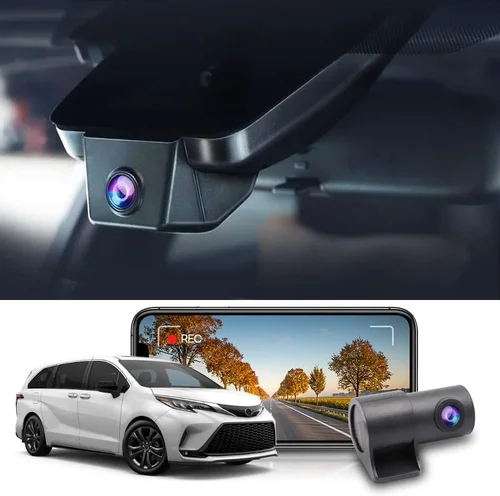
Mounting hardware deserves attention too—strong adhesive mounts prevent the device from falling off during sudden stops or accidents. Some premium models feature magnetic mounts or suction cups that allow easier removal for cleaning or repositioning. For electric cars specifically, ensure the mounting location won’t interfere with any vehicle sensors or cameras already installed for autonomous driving features.
Features & Functionality
Modern dash cams come packed with features that enhance usability and protection. Parking mode is arguably the most valuable function for electric vehicle owners, allowing the dash cam to monitor your car while it’s turned off and plugged into a charger. This feature typically activates when the vehicle detects AC power input, providing surveillance against theft, vandalism, or hit-and-runs while parked. Advanced parking modes include motion detection, time-lapse recording, and impact detection that automatically saves footage when vibrations exceed certain thresholds.
GPS tracking adds another layer of functionality by embedding location and speed data into recorded videos. This proves invaluable for accident reconstruction, verifying your whereabouts during disputes, or simply creating travel logs. Many dash cams also support Wi-Fi connectivity, enabling wireless transfer of footage to smartphones via companion apps. Some models offer cloud backup services that automatically upload recordings to secure servers, protecting against local storage loss due to theft or damage.
Voice control and touchscreen interfaces make operation more intuitive, especially when driving. Look for models with simple menus and quick access buttons for starting/stopping recording or locking files. Additional features like lane departure warnings, forward collision alerts, and blind spot monitoring can be useful but aren’t essential for basic dash cam functionality. Consider whether you want audio recording—while helpful for documenting conversations or environmental sounds, it raises privacy concerns and may be illegal in some jurisdictions.
Brand Reputation
Choosing a reputable brand significantly reduces the risk of purchasing a defective or unreliable product. Established manufacturers like BlackVue, Garmin, Thinkware, Viofo, and Nextbase have invested heavily in research and development, resulting in consistent performance and regular firmware updates. These companies typically offer longer warranty periods (often 1-3 years) and responsive customer support channels.
Research brand reputation through online reviews, professional testing results, and user forums before making your decision. Pay attention to consistency across multiple units—some brands may perform well in initial tests but develop issues after extended use. Check whether the manufacturer provides regular firmware updates, as these can improve performance, fix bugs, and add new features over time. Also consider the availability of replacement parts and accessories, which becomes important if your dash cam gets damaged or needs upgrading.
Warranty & Support
A solid warranty demonstrates manufacturer confidence in their product’s quality. Most reliable dash cam brands offer at least one year of coverage against manufacturing defects, with premium models providing two or three years. Extended warranties are available for purchase but rarely necessary if you buy from authorized dealers. Read warranty terms carefully—some exclude damage caused by improper installation, extreme temperatures, or water exposure.
Customer support quality varies widely between brands. Look for companies that provide multiple contact methods (phone, email, live chat), quick response times, and knowledgeable representatives who can troubleshoot technical issues. Online communities and user manuals can supplement official support, but having direct access to experts makes a difference when complex problems arise.
Size & Portability
While dash cams are generally fixed devices, size considerations still matter. Compact designs take up less space on your dashboard and cause fewer visual distractions while driving. Very small units might sacrifice image quality or feature sets, so find a balance that meets your needs without compromising performance. Some dash cams feature sleek, low-profile designs that blend more naturally with modern vehicle interiors.
Portability becomes relevant if you plan to use the same dash cam in multiple vehicles or remove it periodically for cleaning or maintenance. Magnetic mounts or quick-release mechanisms facilitate easy transfers between cars, though this requires compatible mounting solutions in each vehicle. For electric cars specifically, ensure the dash cam doesn’t block visibility of important instrument cluster displays or interfere with any built-in camera systems used for autonomous driving functions.
User Reviews & Ratings
Real-world user experiences provide invaluable insights that specifications alone cannot convey. Pay attention to recurring themes in reviews—both positive and negative—rather than focusing solely on star ratings. Look for detailed comments about performance in specific conditions (night driving, rainy weather), reliability over time, ease of installation, and responsiveness of customer service.
Be cautious of overly enthusiastic or suspiciously generic reviews that may be fabricated. Trust verified purchaser reviews and prioritize feedback from users with similar usage patterns to yourself. If possible, read multiple review sources including professional tech websites, automotive forums, and retail platforms to get a well-rounded perspective on each product’s strengths and weaknesses.
Different Types of Dash Cams
Front-Only Dash Cams
Single-lens dash cams that record only the forward view represent the most straightforward option for basic protection. These devices typically mount on the upper portion of your windshield, pointing straight ahead to capture everything within their field of view. Front-only models are ideal for drivers who primarily need documentation of accidents, traffic violations, or general road conditions. They’re also the most affordable category, making them accessible to budget-conscious buyers.
The primary advantage of front-only dash cams is simplicity—they require minimal setup and consume less power than multi-camera systems. Most offer reliable performance with decent image quality at reasonable price points. However, they provide no rear or interior coverage, leaving your vehicle vulnerable to incidents occurring behind the car or inside the cabin. For electric vehicle owners who often park in tight spaces or valet parking situations, this limitation could prove problematic.
Two-Camera Systems
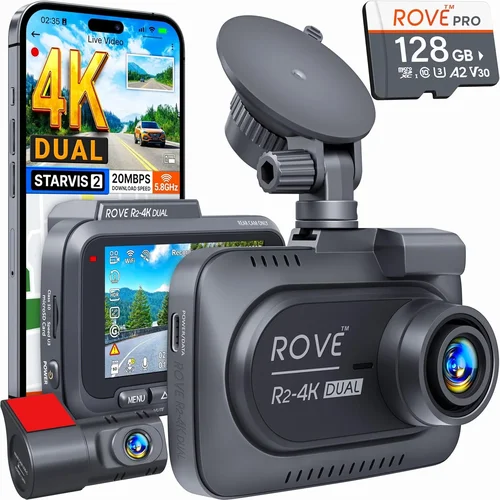
Dual-lens dash cams combine front and rear recording capabilities, offering comprehensive coverage of your vehicle’s exterior. These systems usually consist of a main unit connected to a secondary camera that mounts on the back window or trunk area. Two-camera setups are perfect for drivers who frequently navigate crowded urban environments, park in residential neighborhoods, or commute through areas with high theft rates.
The key benefit of dual-camera systems is complete external monitoring—you’ll capture what happens both in front of and behind your vehicle. This proves especially valuable for electric cars, which may attract more attention due to their newer technology and higher resale value. Many two-camera models also include interior recording options, providing additional protection against theft or unauthorized access while parked.
Three-Camera Systems
Triple-lens dash cams expand coverage even further by adding side cameras or interior monitoring capabilities. These advanced systems typically feature front, rear, and either left/right side views or interior cabin recording. Three-camera setups represent the ultimate solution for comprehensive vehicle protection, ideal for commercial fleets, rideshare drivers, or individuals who park their vehicles in high-risk areas.
For electric vehicle owners, three-camera systems offer unparalleled peace of mind by eliminating blind spots around the entire perimeter of the car. They’re particularly beneficial for Tesla owners who frequently use valet parking or park in busy downtown locations. However, these systems come with increased complexity, higher costs, and greater power consumption that may strain your EV’s charging system during extended parking mode operation.
Wireless Dash Cams
Wireless connectivity eliminates the need for physical cables between the dash cam and display unit or mobile device. These models rely on Wi-Fi, Bluetooth, or cellular networks to transmit footage and receive commands, resulting in cleaner installations and reduced dashboard clutter. Wireless dash cams are excellent for drivers who prioritize aesthetics or want to integrate their recording system with smartphone apps for convenient playback and sharing.
The main advantage of wireless technology is convenience—transferring files, updating firmware, and accessing live feeds happen seamlessly through your phone or tablet. Many wireless models also offer cloud storage options, automatically backing up recordings to remote servers for added security. However, wireless systems depend on stable network connections, which can be unreliable in rural areas or during poor weather conditions. Battery life may also be shorter compared to wired alternatives due to constant communication overhead.
Parking Mode Dash Cams
Dedicated parking monitoring devices focus specifically on protecting your vehicle when it’s turned off and unattended. These dash cams activate automatically when they detect AC power input (like when your EV is plugged into a charger), continuing to record until the vehicle starts moving again or the power source disconnects. Parking mode dash cams are essential for electric vehicle owners who frequently leave their cars charging overnight or for extended periods.
Advanced parking mode features include motion detection, time-lapse recording, and impact sensors that trigger emergency recording during collisions. Some models even offer Wi-Fi connectivity for remote monitoring via smartphone apps, allowing you to check on your vehicle’s status from anywhere. While dedicated parking cams provide exceptional protection for stationary vehicles, they typically lack full-time driving recording capabilities, requiring separate units for comprehensive coverage.
Common Buying Mistakes to Avoid
❌ Mistake: Ignoring Power Requirements
Why it’s bad: Electric vehicles have sensitive electrical systems, and installing a dash cam that draws excessive power can drain your battery or cause charging issues. Many EV owners mistakenly choose dash cams with high power consumption, leading to unexpected battery depletion or even preventing proper charging.
What to do instead: Always verify the dash cam’s power requirements against your vehicle’s available capacity. Look for models specifically designed for electric cars or those with low-power consumption modes. Consider using fused circuits or dedicated power sources to minimize strain on your vehicle’s electrical system.
❌ Mistake: Overlooking Storage Management
Why it’s bad: Insufficient storage capacity forces frequent manual cleanup of old footage or results in continuous overwriting of important events. Without proper loop recording settings or automatic file management, you risk losing critical evidence when needed most.
What to do instead: Choose dash cams with robust storage management features including automatic file deletion, emergency file locking, and configurable recording intervals. Select appropriate microSD card capacities based on your typical driving patterns and review frequency requirements.
❌ Mistake: Choosing Based Solely on Price
Why it’s bad: The cheapest dash cam might seem attractive initially but often lacks essential features like reliable parking mode, good low-light performance, or durable construction. Cutting corners on safety equipment ultimately costs more through potential theft losses or inadequate accident documentation.
What to do instead: Evaluate dash cams based on feature set and performance rather than price alone. Allocate your budget toward models that offer the best combination of reliability, functionality, and value for your specific needs as an electric vehicle owner.
❌ Mistake: Neglecting Compatibility Issues
Why it’s bad: Installing incompatible hardware can interfere with your EV’s advanced driver assistance systems (ADAS), create electromagnetic interference, or void your vehicle warranty. Some dash cams may conflict with built-in cameras or sensors used for autonomous driving functions.
What to do instead: Research compatibility thoroughly before purchasing. Consult your vehicle’s manual regarding aftermarket device restrictions, and choose dash cams explicitly designed for electric cars when possible. Test installation carefully to ensure no adverse effects on your vehicle’s systems.
❌ Mistake: Skipping Installation Planning
Why it’s bad: Poor placement decisions can obstruct driver visibility, interfere with instrument panels, or fail to capture optimal angles. Improper wiring routes may cause cable clutter, heat buildup, or damage to interior trim during removal attempts.
What to do instead: Plan your installation meticulously before connecting any wires. Consider multiple mounting positions, cable routing paths, and potential obstructions. Use professional installation services if you’re unsure about technical aspects or want guaranteed results.
❌ Mistake: Underestimating Maintenance Needs
Why it’s bad: Dust accumulation, lens scratches, or software glitches can degrade performance over time without regular maintenance. Neglecting basic care tasks leads to subpar recording quality and reduced overall effectiveness.
What to do instead: Establish a routine maintenance schedule including monthly lens cleaning, quarterly software updates, and annual hardware inspections. Keep spare microSD cards on hand and familiarize yourself with troubleshooting procedures before issues arise.
❌ Mistake: Disregarding Legal Considerations
Why it’s bad: Recording audio without consent violates privacy laws in many regions, and improper mounting can obstruct driver visibility in some jurisdictions. Using dash cams outside legal guidelines exposes you to potential fines or evidence exclusion during disputes.
What to do instead: Research local regulations regarding dash cam usage before installation. Ensure your device complies with all applicable laws, and position it legally while respecting privacy boundaries in areas where recording others might be restricted.
Budget Guidelines: How Much Should You Spend?
Entry-Level ($50 – $100)
Dash cams in this price range offer fundamental recording capabilities suitable for occasional drivers or those seeking basic protection. Expect 720p-1080p resolution, 120-140 degree field of view, and essential features like loop recording and G-sensor collision detection. These models typically lack advanced functions like GPS tracking, Wi-Fi connectivity, or reliable parking mode operation.
While entry-level dash cams provide adequate documentation for minor incidents and everyday driving, they often compromise on build quality and image consistency. Storage management tends to be basic, requiring more frequent manual intervention. For electric vehicle owners who drive infrequently or park in low-risk areas, these affordable options might suffice. However, consider that investing slightly more upfront often yields significantly better long-term value through improved reliability and feature completeness.
Mid-Range ($100 – $250)
This sweet spot represents the optimal balance between cost and capability for most electric car owners. Mid-range dash cams deliver 1080p-2K resolution, enhanced low-light performance, robust parking mode functionality, and improved build quality. You’ll typically find GPS tracking, Wi-Fi connectivity, cloud backup options, and more sophisticated storage management systems in this tier.
Models in the mid-range category often include multiple mounting solutions, better weather resistance, and manufacturer warranties exceeding one year. They’re capable of handling demanding conditions including nighttime driving, heavy rain, and temperature extremes. For EV owners who drive regularly, park in varied locations, or want comprehensive protection without overspending, this price bracket offers exceptional value proposition.
Premium ($250 – $500)
Professional-grade dash cams in this range provide top-tier performance and advanced features suitable for serious drivers or commercial applications. Expect 2K-4K Ultra HD recording, superior sensor technology, multiple camera angles, AI-powered detection systems, and extensive connectivity options. Premium models often include sophisticated parking monitoring, remote access capabilities, and enterprise-level storage solutions.
These dash cams represent the highest level of consumer-grade technology currently available, with features comparable to professional fleet management systems. While the price point may seem steep for personal use, premium dash cams offer unmatched reliability, image quality, and future-proofing. For electric vehicle owners who demand maximum protection, enjoy advanced technology, or frequently travel through challenging conditions, this investment pays dividends through enhanced security and peace of mind.
Luxury ($500+)
At the upper end of the market, luxury dash cams push technological boundaries with cutting-edge innovations and exclusive features. These systems often incorporate artificial intelligence, machine learning algorithms, integrated navigation, and seamless smartphone integration. Luxury models may include specialized lenses, advanced thermal management, and military-grade durability standards.
While luxury dash cams aren’t necessary for most electric vehicle owners, they appeal to enthusiasts who want the absolute best technology available. Features like predictive analytics, automated incident reporting, and premium customer support justify the substantial investment for discerning buyers. Consider luxury options if you operate in high-risk environments, require maximum evidentiary quality, or simply desire the latest advancements in vehicle protection technology.
Expert Tips for Getting the Best Deal
Timing Your Purchase Strategically
Seasonal sales represent prime opportunities to acquire dash cams at discounted prices. Black Friday/Cyber Monday promotions typically offer 20-40% off premium models, while end-of-year clearance events provide additional savings on last-generation hardware. Consider purchasing just before new model releases arrive, as manufacturers often discount existing inventory to make room for updated versions.
Monitor price trends throughout the year using price tracking websites or browser extensions that alert you to drops below your target threshold. Retailers like Amazon, Best Buy, and specialty automotive shops frequently run flash sales or bundle deals that can save you 15-30% off MSRP. Signing up for manufacturer newsletters ensures you receive exclusive promo codes and early access to limited-time offers.
Comparing Retailer Options Thoroughly
Online retailers generally provide broader selection, competitive pricing, and convenient home delivery compared to brick-and-mortar stores. E-commerce platforms like Amazon, Newegg, and B&H Photo Video offer customer reviews, detailed specifications, and flexible return policies that simplify comparison shopping. Specialty automotive websites often carry professional-grade dash cams with expert recommendations and installation guides.
Physical stores enable hands-on evaluation of build quality, interface usability, and physical dimensions before committing to purchase. Local auto accessory shops may offer installation services and immediate pickup availability. Consider visiting multiple retailers to compare inventory, pricing, and customer service quality before making your final decision.
Identifying Authentic Deals and Discounts
Beware of unrealistic discounts that may indicate counterfeit products or hidden fees. Legitimate manufacturers rarely discount flagship models by more than 25%, especially during non-promotional periods. Watch for red flags like missing serial numbers, poor packaging quality, or unusually short warranty terms when considering third-party sellers or international purchases.
Take advantage of loyalty programs, cashback offers, and credit card rewards that provide additional savings beyond advertised prices. Some manufacturers offer trade-in programs for old dash cams or bundle deals with related accessories like extra batteries or memory cards. Educational institutions, corporate accounts, or bulk purchase programs may qualify for special pricing unavailable to individual consumers.
Understanding Warranty Terms Completely
Read warranty documents carefully before purchasing any dash cam. Standard warranties typically cover manufacturing defects for one to three years, excluding normal wear and tear or accidental damage. Extended warranty options may add 1-2 years of coverage but rarely extend beyond manufacturer limits. Verify whether the warranty applies globally or only to specific regions.
Check if the warranty includes repair services, replacement parts, or outright unit replacement. Some brands offer “no questions asked” returns within 30 days regardless of condition, while others require original packaging and proof of purchase. Understanding these terms prevents unpleasant surprises if your dash cam develops issues after the return window expires.
Evaluating Return Policies Carefully
Flexible return policies provide peace of mind when trying unfamiliar products or uncertain about fitment requirements. Look for retailers offering at least 30-day return windows with prepaid return labels included. Some manufacturers guarantee “hassle-free returns” regardless of reason, while others impose restocking fees or require original packaging.
Consider the total cost of ownership including shipping charges, restocking fees, and potential installation costs if returning a professionally installed unit. Testing dash cams in-store whenever possible allows you to assess build quality, interface usability, and feature satisfaction before committing to purchase.
Testing Before Committing
Whenever feasible, test dash cam performance under realistic conditions before buying. Visit demonstration centers or automotive shows where manufacturers display working prototypes. Request loaner units from rental car agencies or friends who own similar models to evaluate real-world performance over several days.
Pay particular attention to low-light performance, audio quality, menu navigation, and mounting stability during test drives. Check whether the dash cam interferes with your vehicle’s existing electronics or autonomous driving features. Document any issues encountered during testing to inform your purchasing decision.
Final Recommendations
Best for Budget-Conscious Buyers
For electric vehicle owners watching their spending, the Viofo A119 v3 represents outstanding value at approximately $120. This single-lens dash cam delivers crisp 1080p recording with impressive low-light performance, reliable parking mode functionality, and solid build quality. Its compact design minimizes dashboard intrusion while providing essential protection features at an accessible price point.
The A119 v3 includes GPS tracking for location verification, Wi-Fi connectivity for convenient file transfer, and advanced parking monitoring that activates when detecting AC power input—perfect for overnight charging sessions. While lacking multi-camera capabilities, its balanced feature set addresses the core needs of most EV owners without breaking the bank.
Best Overall Value
Garmin Dashcam Mini stands out as the optimal choice for comprehensive protection with exceptional reliability. Priced around $180, this sleek device combines 1080p recording quality, robust parking mode, and seamless smartphone integration into a surprisingly compact package. Its unique form factor allows flush mounting without obstructing visibility, making it ideal for modern electric vehicles with clean interior designs.
The Dashcam Mini’s standout feature is its ability to automatically save footage during incidents thanks to built-in G-sensor technology, while GPS logging provides precise location data for every recording. Combined with Garmin’s reputation for rugged engineering and responsive customer support, this model offers unbeatable value for money regardless of your driving habits or parking environment.
Best Premium Option
BlackVue DR970X-2CH represents the pinnacle of consumer dash cam technology, priced at approximately $400 for the dual-camera version. This professional-grade system delivers 2K resolution front and rear recording, superior night vision, and cloud connectivity that revolutionizes how you access and manage your footage. Its advanced parking mode includes impact detection, time-lapse recording, and remote monitoring capabilities via smartphone apps.
What truly sets the DR970X-2CH apart is its reliability under extreme conditions—operating flawlessly in temperatures ranging from -4°F to 140°F while maintaining consistent image quality day and night. The included cloud storage service provides automatic backup protection against local storage loss, while its military-grade casing ensures durability against shocks, vibrations, and environmental stressors.
Best for Beginners
Nextbase 522GW offers an exceptionally user-friendly introduction to dash cam technology at around $150. Its intuitive touchscreen interface, voice control capabilities, and one-button operation make it accessible even for technically inexperienced drivers. The 522GW delivers solid 1080p recording with impressive wide-angle coverage and includes essential features like emergency locking, loop recording, and GPS tracking.
Newcomers appreciate the Nextbase mobile app for effortless file management and sharing, while its built-in Alexa integration provides hands-free operation during drives. The included parking mode reliably activates when detecting charging activity, ensuring your EV remains protected during overnight sessions without requiring complex configuration.
Best for Advanced Users
Thinkware F800 Pro represents the gold standard for experienced dash cam enthusiasts seeking maximum functionality and customization options. At approximately $220, this advanced model offers 1080p recording with exceptional dynamic range, multiple mounting configurations, and extensive compatibility with various accessories. Its sophisticated parking mode includes vibration sensors, motion detection, and impact alerts that trigger automatic emergency recording.
Advanced users will appreciate the F800 Pro’s flexible firmware options, customizable settings, and compatibility with additional cameras for complete vehicle coverage. The included cloud service provides remote viewing capabilities and automatic file management, while its rugged construction ensures reliability in demanding conditions. For electric vehicle owners who demand professional-grade protection and maximum flexibility, this model delivers unmatched performance and customization possibilities.
Conclusion: Making the Right Choice
Selecting the perfect dash cam for your electric vehicle requires careful consideration of your specific needs, driving patterns, and budget constraints. Rather than chasing the latest features or lowest price tags, focus on finding a balance between essential functionality, reliable performance, and long-term value. Remember that your dash cam serves as both a protective measure and potential lifesaver during disputes or accidents, making quality investment worthwhile.
Prioritize features that directly address your concerns—whether that’s comprehensive parking surveillance, high-quality nighttime recording, or seamless smartphone integration. Consider how your EV’s unique characteristics influence dash cam requirements, particularly regarding power consumption, charging behavior, and parking environments. Don’t hesitate to consult professional installation services if you’re uncertain about technical aspects or want guaranteed compatibility with your vehicle’s existing systems.
Ultimately, the best dash cam is one you’ll actually use consistently and trust completely when it matters most. Take time to research thoroughly, compare options objectively, and choose a device that aligns with your lifestyle and expectations. With proper selection and installation, your dash cam will provide years of reliable protection, giving you greater confidence behind the wheel and peace of mind wherever your electric adventures take you.