Smart Dash Cam Buying Guide
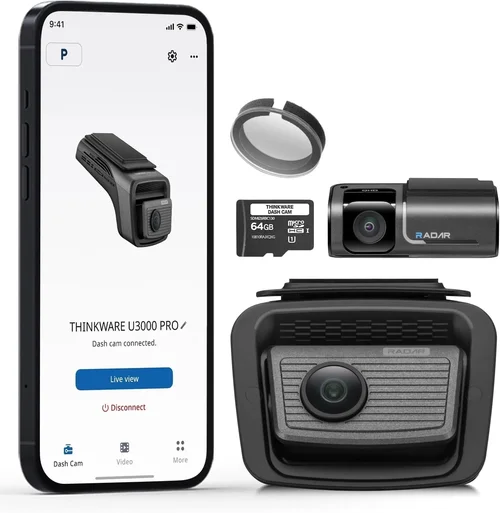
When it comes to protecting your commercial truck business, few investments offer as much value as a high-quality dash cam. In an industry where liability disputes can make or break a company, having reliable video evidence of every mile driven isn’t just smart—it’s essential. This comprehensive buying guide will walk you through everything you need to know about selecting the best dash cam for commercial trucks, from technical specifications to real-world performance considerations.
Whether you’re managing a single delivery vehicle or overseeing a fleet of 50+ trucks, understanding what makes a dash cam truly effective for commercial use can save you thousands in legal fees, insurance premiums, and operational headaches. By the end of this article, you’ll have all the knowledge needed to make an informed decision that protects both your drivers and your bottom line.
The commercial dash cam market has evolved dramatically over the past decade, moving far beyond basic recording capabilities. Today’s professional-grade systems offer advanced features like GPS tracking, driver behavior monitoring, cloud storage integration, and AI-powered analytics. However, with so many options available—from budget-friendly models to enterprise-level solutions—navigating the choices can be overwhelming. This guide cuts through the marketing hype to focus on practical, field-tested recommendations based on actual commercial trucking requirements.

What to Look for When Buying Dash Cams
1. Budget & Price Range
Before diving into features and specifications, establish your budget framework. Commercial dash cams represent a significant investment that should align with your risk management strategy and operational scale. Entry-level models typically range from $150-$300 per unit, while mid-range options cost between $300-$700. Premium enterprise solutions can exceed $1,000 per vehicle.
The key consideration isn’t always finding the cheapest option—it’s determining which price point delivers the best return on investment for your specific needs. Smaller fleets might benefit more from mid-range models with solid feature sets, while large operations may justify premium systems with advanced fleet management capabilities. Always factor in ongoing costs like cloud storage subscriptions, maintenance, and potential upgrade cycles when calculating total cost of ownership.
2. Performance Specifications
Performance specs determine how reliably your dash cam captures critical moments during incidents or disputes. The most crucial technical parameters include resolution quality, frame rate, low-light performance, and storage capacity.
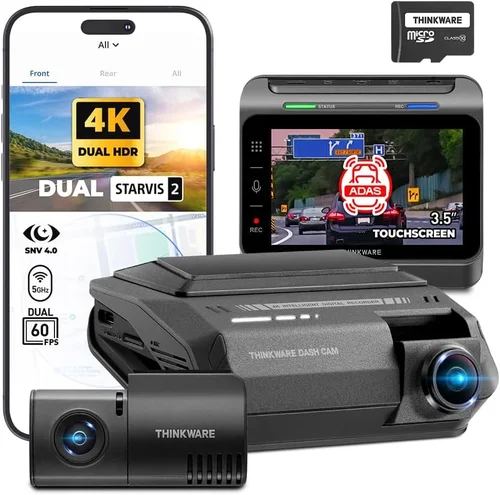
Resolution should never be below 1080p Full HD—ideally, aim for 2K or 4K recording to ensure license plates and facial details remain clear even at highway speeds. Frame rate matters too; 30fps is minimum acceptable, but 60fps provides smoother motion capture during rapid maneuvers or accidents.
Low-light performance is particularly vital for commercial trucks that operate across multiple time zones. Look for cameras with wide dynamic range (WDR) technology, infrared LEDs, or enhanced night vision capabilities. CMOS sensors with larger pixel sizes generally perform better in darkness than smaller ones.
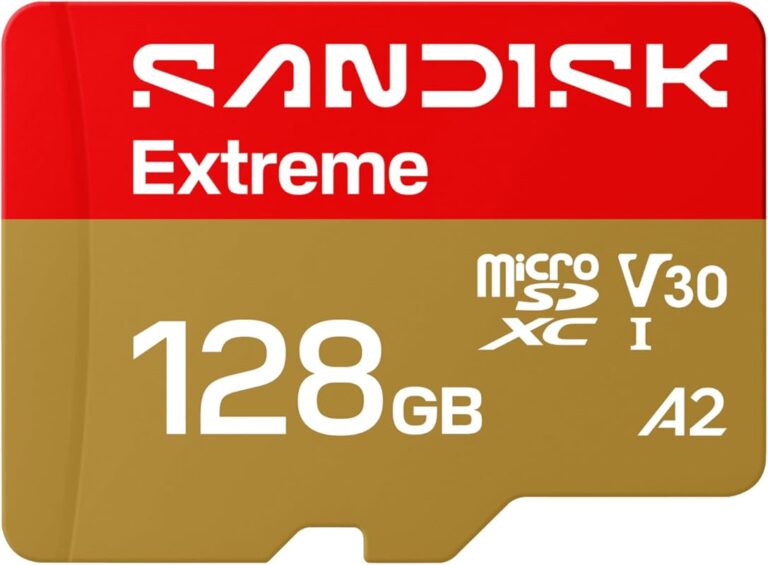
Storage capacity must accommodate your retention policies—most commercial operations require keeping footage for 30-90 days. A 32GB card handles about 2-3 days of continuous recording at 1080p, while 64GB offers 4-6 days. Consider dual-SIM card slots for automatic backup when one fills up.
3. Build Quality & Durability
Commercial dash cams face extreme conditions that consumer models simply aren’t designed to handle. Your investment must withstand temperature fluctuations from -4°F to 140°F, constant vibration from rough roads, dust and moisture exposure, and potential impacts during collisions.
Industrial-grade construction means reinforced housing materials (typically polycarbonate or aluminum), shock-resistant mounting brackets, and IP67 or higher water/dust resistance ratings. Look for MIL-STD-810G certification indicating military-grade durability testing.
Mounting systems are equally important—secure, vibration-dampening mounts prevent camera displacement during sudden stops or pothole encounters. Some manufacturers offer specialized windshield adhesives rated for extreme temperatures and UV exposure.
4. Features & Functionality
Modern commercial dash cams offer numerous features beyond basic recording. Evaluate which capabilities align with your operational needs:
- G-Sensor Technology: Automatically saves impact-triggered footage to prevent overwrite
- GPS Tracking: Records location, speed, and route data alongside video
- Driver Monitoring Systems (DMS): Detects fatigue, distraction, or drowsiness through facial recognition
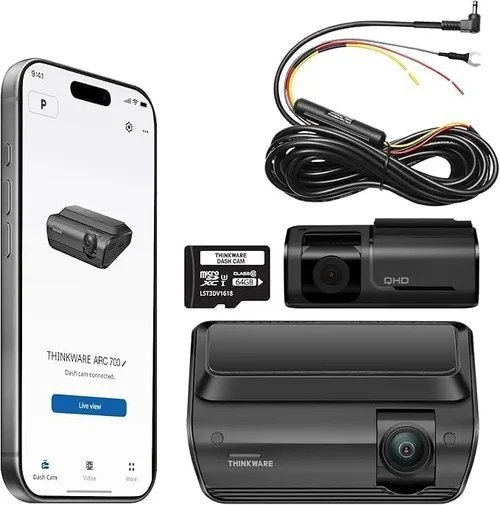
- WiFi/Bluetooth Connectivity: Enables wireless file transfer and system updates
- Parking Mode: Continues monitoring while parked using motion or impact detection
- Two-Way Audio: Allows communication between dispatcher and driver
- Cloud Storage Integration: Secure offsite backup with remote access capabilities
- AI Analytics: Identifies dangerous behaviors like tailgating, hard braking, or lane departure
For fleet operators, centralized management platforms that allow remote viewing, playback, and configuration of multiple units simultaneously provide significant operational advantages over individual device management.
5. Brand Reputation
Established brands typically offer better reliability, consistent firmware updates, and responsive customer service—all critical for commercial operations where downtime equals lost revenue. Research manufacturer track records regarding product longevity, recall history, and industry certifications.
Look for companies specializing in fleet solutions rather than general consumer electronics. These vendors understand the unique demands of commercial transportation and often participate in industry associations like CVSA (Commercial Vehicle Safety Alliance) or TMC (Truck Maintenance Council).
Check independent lab test results from organizations like SAE International or NHTSA for objective performance comparisons. User forums and industry publications also provide valuable insights into real-world experiences across different operating environments.
6. Warranty & Support
Comprehensive warranty coverage reflects manufacturer confidence in their products’ reliability. Seek warranties covering at least 2-3 years for hardware defects and unlimited lifetime for cloud storage plans. Extended warranty options should include accidental damage protection—common for vehicles frequently exposed to road debris or weather extremes.
Technical support availability is equally important. Verify that phone support operates during normal business hours (not just 24/7 chat bots), and confirm response times for critical issues. Some providers offer dedicated account managers for enterprise clients with priority escalation paths.
Software update frequency indicates ongoing product development commitment. Monthly security patches and quarterly feature enhancements help maintain compatibility with evolving regulations and emerging threats.
7. Size & Portability
While less critical than other factors, physical dimensions affect installation flexibility and driver visibility. Compact designs around 2.5″ x 2.5″ x 1.2″ fit discreetly without obstructing dashboard views. Ultra-thin profiles under 0.8 inches minimize glare and wind noise interference.
Portability matters if you frequently reassign vehicles between drivers or locations. Quick-release mounting systems enable easy removal for cleaning or temporary relocation without damaging vehicle surfaces.
Consider cable management needs—some units require routing power through cigarette lighters or hardwiring to ignition circuits. Hidden wiring kits help maintain professional appearance while ensuring consistent power supply.
8. User Reviews & Ratings
Real-world feedback from other fleet operators provides invaluable insights unavailable in marketing materials. Focus on reviews from similar-sized operations running comparable routes under identical environmental conditions. Pay particular attention to recurring complaints about false alarms, poor battery life, or software glitches.
Professional rating aggregators like Fleet Equipment magazine or Transport Topics offer comparative analyses based on extensive testing. Industry-specific review sites dedicated to trucking technology deliver more relevant perspectives than general consumer electronics forums.
Manufacturer-provided case studies featuring verified customers demonstrate actual ROI metrics and implementation challenges. Successful deployments in harsh climates like Alaska or Arizona validate performance claims under extreme conditions.
Different Types of Dash Cams

Common Buying Mistakes to Avoid
❌ Mistake: Prioritizing Lowest Price Over Total Cost of Ownership
Why it’s bad: Choosing ultra-cheap dash cams often leads to frequent failures, data loss, and hidden expenses like replacement cards, repair costs, or productivity losses due to system downtime. These models rarely include essential commercial features like cloud backup or driver monitoring.
What to do instead: Calculate total five-year ownership costs including hardware, software licenses, storage subscriptions, maintenance, and potential litigation savings. Sometimes spending 20% more upfront prevents 100% of future headaches.
❌ Mistake: Ignoring Compliance Requirements
Why it’s bad: Different industries and jurisdictions have specific recording regulations. Using non-compliant equipment could invalidate insurance claims or violate FMCSA rules, leaving you exposed during disputes.
What to do instead: Verify your chosen system meets current FMCSA §393.86 requirements for electronic logging devices and state-specific dash cam laws. Ensure recorded footage includes timestamps, location data, and unaltered audio/video streams.
❌ Mistake: Overlooking Installation Complexity
Why it’s bad: DIY installations by inexperienced staff result in improper mounting, poor wiring harnesses, or incompatible power sources—leading to false triggers, battery drain, or complete system failures.
What to do instead: Hire certified technicians familiar with commercial vehicle electrical systems. Professional installers understand CAN bus protocols, fuse box layouts, and grounding requirements specific to Class 8 trucks.
❌ Mistake: Neglecting Data Retention Policies
Why it’s bad: Without a clear retention strategy, critical evidence gets overwritten before investigations conclude. Conversely, unlimited local storage creates massive data management challenges and security risks.
What to do instead: Implement tiered storage architecture: immediate access to last 7 days locally, archived 8-30 days in secure cloud storage, and permanent retention for incident-related files beyond 30 days. Use automated tagging systems to identify relevant clips quickly.
❌ Mistake: Assuming One Size Fits All
Why it’s bad: Every fleet has unique operational patterns—long-haul vs regional routes, urban congestion vs rural highways, passenger vs cargo loads—all affecting optimal dash cam selection differently.
What to do instead: Conduct operational analysis before purchasing. Map typical routes, identify high-risk intersections, assess parking environments, and evaluate driver turnover rates. Customize solutions accordingly rather than applying generic recommendations.
❌ Mistake: Disregarding Driver Buy-In
Why it’s bad: Resistant drivers view dash cams as surveillance tools rather than safety aids. Poor adoption reduces data quality (delayed reporting, selective activation) and increases workplace tension.
What to do instead: Involve drivers early in selection process. Provide transparent training showing how footage helps protect them during false accusations. Highlight positive aspects like reduced speeding tickets or improved accident outcomes.
Budget Guidelines: How Much Should You Spend?
Entry-Level ($150-$300): Basic Protection for Small Fleets
This range suits startups, small businesses, or supplementary recording needs where primary concerns are liability protection and basic incident documentation. Expect reliable 1080p recording, decent low-light performance, and essential features like G-sensor and loop recording. While lacking advanced analytics or cloud integration, these models provide solid foundation coverage without breaking budgets.
Recommended for: Local delivery services, independent contractors, seasonal operations, or secondary vehicle protection. Not ideal for high-risk routes or compliance-heavy industries requiring detailed driver behavior tracking.
Mid-Range ($300-$700): Sweet Spot for Most Commercial Operations
The sweet spot for most trucking companies balances capability with affordability. These systems typically offer 2K recording quality, robust build materials, GPS tracking, and sometimes basic driver assistance features. Many include mobile apps for remote viewing and management—valuable for dispatchers overseeing multiple vehicles.
Ideal for: Regional fleets, medium-sized carriers, refrigerated transport operators, and any operation needing credible evidence collection without enterprise-level complexity. Often includes 2-3 year warranties and reliable customer support.
Premium ($700-$1,500): Enterprise-Grade Solutions
Premium dash cams target serious commercial operators seeking maximum ROI through proactive safety improvements and comprehensive compliance reporting. Features include AI-powered analytics, two-way audio, advanced parking modes, and seamless integration with existing fleet management software. Cloud storage plans usually included with purchase.
Suitable for: Large carriers, hazardous material transporters, school bus operators, and companies with strict CSA scores or DOT audit requirements. Justifies higher costs through reduced incident rates, lower insurance premiums, and streamlined regulatory submissions.
Luxury ($1,500+): Cutting-Edge Technology for Maximum Protection
Ultra-premium systems represent the latest in automotive safety technology, incorporating machine learning algorithms, thermal imaging, multi-camera arrays, and predictive maintenance alerts. These solutions transform dash cams from reactive evidence collectors into active fleet optimization platforms.
Best for: Fortune 500 logistics companies, autonomous vehicle testing fleets, extreme environment operations (arctic shipping, desert mining), and those demanding absolute data integrity regardless of cost. May require custom integration specialists and dedicated IT resources.
Expert Tips for Getting the Best Deal
Timing Matters: Major sales events like Black Friday, Memorial Day, or end-of-quarter promotions often yield significant discounts from reputable dealers. Subscribe to manufacturer newsletters—they frequently announce exclusive fleet buyer programs with additional savings.
Channel Strategy: Compare pricing across direct manufacturer websites, specialized fleet suppliers (Samsara, Lytx, Locus), and traditional retailers. Direct purchases eliminate middleman markups but may lack local service networks. Authorized resellers provide installation support and warranty fulfillment convenience.
Negotiation Leverage: Volume purchases create strong negotiating positions. Request custom quotes based on exact vehicle counts, installation requirements, and desired feature configurations. Mention competing bids to encourage price matching.
Warranty Optimization: Bundle hardware warranties with extended service contracts covering accidental damage and battery replacements. Negotiate free annual inspections and priority repair scheduling as part of package deals.
Return Policy Awareness: Verify restocking fees and trial periods before committing. Some providers offer 30-day money-back guarantees if systems don’t meet specified performance criteria. Keep original packaging for potential returns.
Field Testing Protocol: Require pilot deployments on 2-3 representative vehicles before full rollout. Monitor real-world performance under actual operating conditions for at least one week. Collect driver feedback regarding usability and perceived benefits.
Future-Proofing: Choose modular architectures supporting firmware upgrades and peripheral additions. Avoid proprietary formats that lock you into single vendors. Confirm roadmap transparency regarding new feature releases and platform support longevity.
Frequently Asked Questions
Q: What resolution should I choose for my commercial truck dash cam?
A: Always select at least 1080p Full HD resolution—ideally 2K or higher for clearer detail capture. Higher resolutions help read license plates, detect facial expressions, and capture fine details during critical incidents. However, balance resolution against storage requirements and processing power limitations.
Q: How much storage space do commercial dash cams actually need?
A: Minimum 32GB cards handle approximately 2-3 days of continuous recording at 1080p. For 30-day retention policies common in commercial operations, consider dual-card systems that automatically switch when one fills up. Cloud storage eliminates local capacity concerns but adds monthly subscription costs averaging $1-$3 per vehicle.
Q: Do dash cams work reliably in extreme weather conditions?
A: Yes—but only industrial-grade models designed for commercial environments. Look for temperature ratings from -4°F to 140°F, IP67 waterproof ratings, and anti-fogging lenses. Test units under actual operating conditions rather than relying solely on manufacturer specifications.
Q: Can dash cams record audio conversations inside the cab?
A: Legality varies by jurisdiction. Some states prohibit recording private conversations without consent. Ensure your system complies with local wiretapping laws. Many commercial operators disable microphone functionality entirely to avoid legal complications while maintaining video-only recording.
Q: What’s the difference between loop recording and event recording?
A: Loop recording continuously saves footage in rolling segments, overwriting oldest files when storage fills up. Event recording triggered by G-sensors preserves impact-related clips permanently. Most systems combine both approaches—loop recording for routine driving and event recording for critical incidents.
Q: How do I prevent false triggering during normal driving?
A: Adjust sensitivity thresholds carefully based on vehicle weight and typical load conditions. Heavier trucks experience more vibration than lighter cars. Disable overly sensitive settings for minor bumps or road debris. Regular calibration ensures accurate impact detection.
Q: Are there insurance discounts available for fleets with dash cams?
A: Yes—many insurers offer premium reductions of 10-20% for equipped fleets demonstrating improved safety records. Provide policyholders with official certificates of compliance and incident reduction statistics to qualify for maximum discounts.
Q: Can dash cams integrate with existing ELD systems?
A: Most modern dash cams support standard protocols like CAN bus or OBD-II connections compatible with major ELD manufacturers. Verify API compatibility before purchasing. Integrated systems simplify data correlation between driving hours, location, and video evidence.
Q: What maintenance does a commercial dash cam require?
A: Minimal upkeep includes periodic lens cleaning, checking SD card health indicators, verifying power connections, and updating firmware quarterly. Schedule annual professional inspections to catch wiring wear, sensor degradation, or mounting bracket loosening before they cause failures.
Q: How long should I keep dash cam footage?
A: Follow industry standards requiring 30-90 days retention depending on company policy or regulatory mandates. Store recent footage locally for quick access, archive older clips securely in cloud storage, and permanently retain incident-related files beyond standard retention periods. Automated tagging simplifies retrieval during investigations.
Our Final Recommendations
Best for Budget-Conscious Buyers: Viofo A119 V3
The Viofo A119 V3 delivers exceptional value with reliable 2K recording, robust build quality, and essential commercial features at accessible price points. Its compact design fits discreetly while providing clear evidence quality sufficient for most liability situations. Includes built-in GPS, parking mode, and optional Wi-Fi connectivity for easy file transfers. Widely praised by fleet operators for consistent performance across varying conditions.
Best Overall Value: Garmin DriveLuxe 5100EU
This premium European-market model offers outstanding image quality with HDR technology, intuitive interface, and seamless integration with Garmin’s ecosystem. Features advanced driver awareness alerts, lane departure warnings, and collision prevention systems. Excellent choice for companies prioritizing both safety enhancement and evidence reliability. Strong customer support network throughout North America.
Best Premium Option: SmartDash Pro X1
Designed specifically for demanding commercial applications, the SmartDash Pro X1 combines military-grade durability with AI-powered analytics. Offers dual-channel recording, 4K resolution, thermal imaging, and real-time driver scoring. Cloud-based fleet management platform enables centralized oversight of hundreds of vehicles. Ideal for large operators seeking maximum ROI through proactive safety improvements.
Best for Beginners: Rexing V1 Pro
A user-friendly entry point into commercial dash cam technology, the Rexing V1 Pro provides dependable 2K recording with straightforward operation. Includes essential features like G-sensor, loop recording, and parking monitor. Affordable enough for testing before committing to larger deployments. Clear mobile app interface simplifies initial setup and file management.
Best for Advanced Users: Samsara DV54 Dashboard Camera
Samsara’s enterprise solution integrates seamlessly with their broader fleet telematics platform, offering unparalleled data correlation capabilities. Features intelligent incident detection, customizable alert thresholds, and automated compliance reporting. Best suited for tech-forward companies already utilizing Samsara’s ecosystem wanting unified visibility across all vehicle systems.
Conclusion: Making the Right Choice
Selecting the optimal dash cam for your commercial truck operation requires balancing technical specifications against real-world operational needs and financial constraints. Rather than chasing the latest features or lowest prices, focus on solutions that deliver measurable improvements in safety outcomes, liability protection, and administrative efficiency.
Remember that successful deployment extends beyond mere hardware selection—it involves proper installation, comprehensive driver training, clear usage policies, and ongoing maintenance routines. Treat dash cams as strategic assets rather than disposable accessories, investing accordingly in quality components and support infrastructure.
As transportation regulations evolve and technology advances continue accelerating, staying current with best practices ensures your fleet remains protected against emerging risks while maximizing return on this critical safety investment. Start with assessing your specific pain points, then match those against proven solutions rather than general recommendations. Your drivers—and ultimately your business—will thank you for taking the time to make an informed decision today.