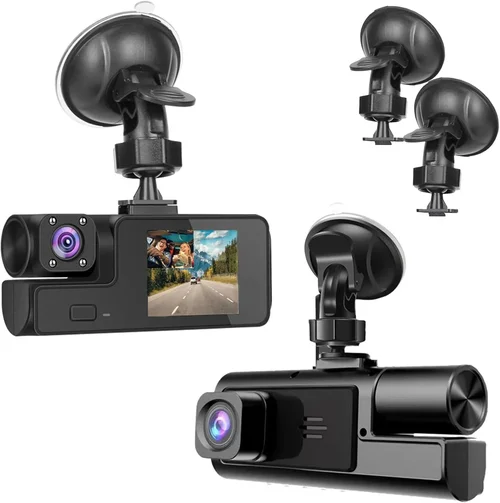
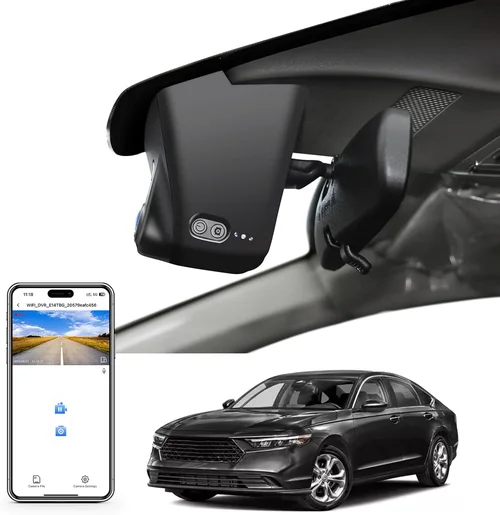
Best Dash Cam Selection Guide for Chevy Silverado
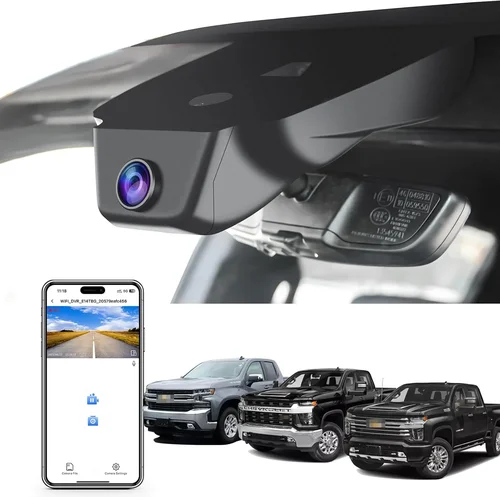
As a Chevy Silverado owner, you understand the importance of having reliable protection on the road. Whether you’re navigating busy city streets or tackling rugged off-road trails, your vehicle faces countless potential hazards. A dash cam isn’t just about capturing evidence for insurance claims—it’s about peace of mind, safety awareness, and even potential cost savings. This comprehensive guide will walk you through everything you need to know about selecting the best dash cam for your Chevy Silverado, helping you make an informed decision that matches your specific needs and budget.
Throughout this article, you’ll discover the key factors that differentiate quality dash cams from mediocre options, learn about the latest technology trends, understand common pitfalls to avoid, and get expert recommendations tailored specifically for Silverado owners. We’ll cover everything from basic recording capabilities to advanced features like parking mode, GPS tracking, and emergency event detection. By the end, you’ll have all the knowledge needed to choose a dash cam that not only fits your Silverado but also provides lasting value and protection.
The market for dash cameras has evolved dramatically in recent years, with manufacturers constantly introducing new features and improving existing technologies. From entry-level models that offer solid basic functionality to premium systems with artificial intelligence and cloud connectivity, there’s a wide range of options available. However, not every dash cam is created equal, and finding the right one for your Silverado requires understanding both your personal requirements and the technical specifications that matter most. This guide addresses the unique considerations that come with mounting equipment in a truck cabin environment while ensuring optimal performance in various driving conditions.
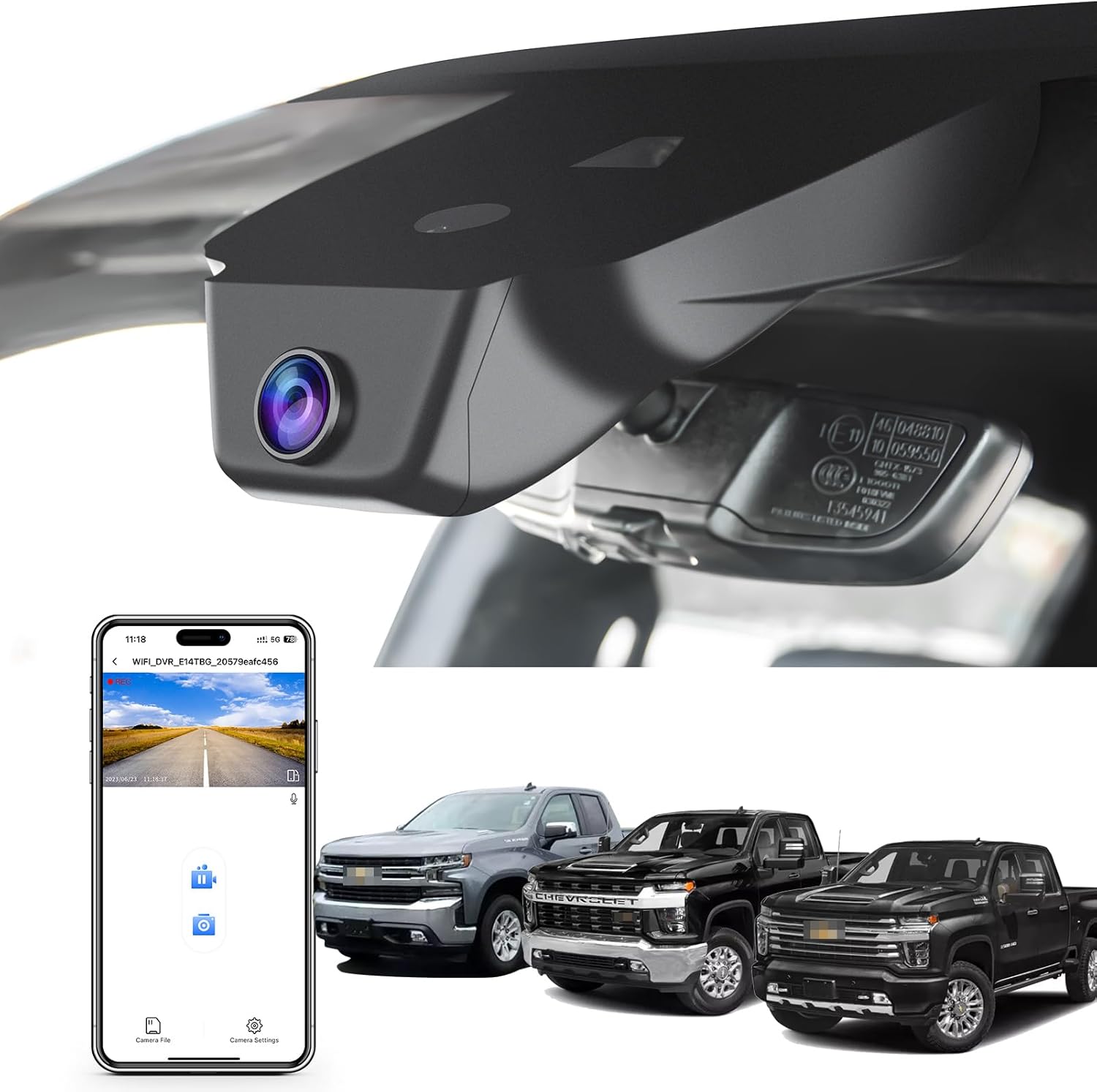
What to Look for When Buying Dash Cams
1. Budget & Price Range
The first consideration when shopping for a dash cam should always be your budget. Dash cameras span a wide price spectrum, typically ranging from under $50 for basic models to over $400 for premium systems with advanced features. Your Chevy Silverado represents a significant investment, so protecting it with appropriate technology makes financial sense, but you don’t necessarily need the most expensive option to achieve good results. Entry-level dash cams ($50-$100) often provide adequate 1080p recording with loop recording capabilities, making them suitable for basic documentation needs. Mid-range models ($100-$250) typically offer better image quality, improved low-light performance, and additional features like GPS logging or Wi-Fi connectivity. Premium options ($250-$400+) deliver superior video quality, enhanced durability, advanced driver assistance features, and sometimes even integration with smartphone apps for remote viewing and management.
When determining your budget, consider what features are absolutely essential versus those that would be nice-to-have extras. For most Silverado drivers, a mid-range model offers the sweet spot between affordability and capability. Think about how frequently you drive, the types of roads you typically travel, and whether you need specialized features like parking monitoring or emergency event detection. Remember that investing slightly more upfront can often save money in the long run by avoiding frequent replacements due to poor build quality or inadequate performance.
2. Performance Specifications
Performance specifications form the backbone of any dash cam’s effectiveness and determine how well it will serve your needs in various driving conditions. The most critical performance metrics include resolution, field of view (FOV), frame rate, and low-light sensitivity. Resolution directly impacts the clarity and detail captured in your recordings—1080p HD is considered the minimum standard for meaningful evidence, while 4K resolution provides exceptional detail for license plates and facial recognition when needed. Field of view determines how much of the road ahead (and possibly surrounding areas) gets recorded; wider angles capture more context but may introduce distortion at the edges, while narrower views offer less coverage but sharper central images.
Frame rate affects motion smoothness during fast-moving situations, with 30fps being standard and 60fps providing smoother footage during rapid maneuvers or emergency braking events. Low-light performance is crucial for overnight driving or in areas with limited street lighting, as many dash cams struggle with visibility in dim conditions. Additionally, consider the compression format used—H.264 is widely supported and efficient, while newer H.265 offers better compression ratios without sacrificing quality. Thermal performance matters too, especially if you plan to use parking mode regularly; some models overheat during extended recording sessions, which can cause shutdowns or reduced functionality.
3. Build Quality & Durability
Given the harsh operating environment inside a Chevy Silverado—extreme temperatures, vibrations from rough terrain, exposure to dust and debris—build quality becomes a critical factor. A poorly constructed dash cam may fail prematurely or produce unreliable footage when you need it most. Look for models with robust casing materials, secure mounting hardware, and reliable internal components. Water and dust resistance ratings (IP ratings) indicate how well the device can withstand environmental challenges; IP65 or higher is recommended for outdoor use in various weather conditions.
The mounting system itself deserves attention—some dash cams use simple suction cups that may detach during sudden stops or rough driving, while others feature reinforced brackets or adhesive mounts that stay put even under duress. Consider how the unit will attach to your Silverado’s windshield and whether it will obstruct your view of the road or dashboard controls. Some models offer flexible positioning options, allowing you to angle the camera for optimal coverage without compromising comfort. Temperature tolerance ranges are also important; dash cams must function reliably in both summer heat and winter cold, especially since parked vehicles can experience extreme temperature swings.
4. Features & Functionality
Modern dash cams offer far beyond basic video recording, with numerous features designed to enhance usability, safety, and convenience. Loop recording automatically overwrites older footage when storage fills up, ensuring continuous operation without manual intervention. G-sensor technology detects sudden movements like collisions or hard braking and automatically saves triggered events to separate files protected from deletion. Parking mode allows the dash cam to monitor your vehicle when it’s turned off, using motion or impact detection to record incidents that occur while you’re away.
GPS logging adds valuable context to your recordings by embedding location data, speed information, and direction of travel into each video file. This feature proves particularly useful for documenting route patterns, verifying alibis, or tracking vehicle usage for business purposes. Wi-Fi connectivity enables wireless transfer of footage to smartphones or tablets via companion apps, eliminating the need to physically remove memory cards. Some advanced models include built-in displays for immediate playback, voice control capabilities, or even artificial intelligence features like lane departure warnings or forward collision alerts. Consider which combination of these features aligns with your specific needs and driving habits before making a purchase decision.
5. Brand Reputation
While new entrants continue to appear in the dash cam market, established brands generally offer more reliability and customer support. Companies with long track records in security and surveillance electronics tend to invest more heavily in quality control, research and development, and after-sales service. Researching brand reputation involves looking beyond marketing claims to examine independent reviews, professional testing results, and user feedback across multiple platforms. Well-known manufacturers often publish detailed product specifications, technical documentation, and firmware update schedules, demonstrating commitment to ongoing improvement and transparency.
Consider how quickly and effectively a brand responds to customer inquiries, warranty claims, and technical issues. Brands with dedicated support teams and comprehensive FAQ sections demonstrate confidence in their products and willingness to assist customers. Community forums and online discussions can reveal real-world experiences that official marketing materials might omit. While lesser-known brands sometimes offer innovative features at lower prices, they may lack the resources for consistent quality assurance or responsive customer service. Striking a balance between brand recognition and value proposition helps ensure you get a product that performs reliably and receives timely support when needed.
6. Warranty & Support
A solid warranty reflects manufacturer confidence in their product’s quality and provides protection against unexpected failures. Most reputable dash cam brands offer at least a one-year limited warranty covering defects in materials and workmanship, with some extending coverage to two or three years for certain components. Read warranty terms carefully—some exclusions apply to damage caused by improper installation, extreme temperatures, water exposure beyond specified limits, or unauthorized modifications. Extended warranty options may be available for purchase, though evaluate whether the additional cost justifies the extra coverage given your risk assessment.
Customer support quality significantly impacts your overall ownership experience. Evaluate response times, availability of multilingual support, and accessibility of troubleshooting resources. Brands offering comprehensive user manuals, video tutorials, and active community forums demonstrate commitment to customer education and problem resolution. Some manufacturers provide lifetime firmware updates for core functionality, enhancing longevity and adapting to changing technological standards. Before purchasing, research how easily warranty claims are processed and whether replacement units can be shipped promptly in case of malfunction. Reliable post-purchase support reduces frustration and ensures your dash cam continues serving its intended purpose without unnecessary delays.
7. Size & Portability
The physical dimensions and weight of your dash cam affect both installation flexibility and potential obstruction of your driving view. Compact designs minimize visual interference while maximizing discreet placement possibilities, though extremely small units may compromise sensor size and image quality. Consider how the dash cam will integrate with your Silverado’s interior aesthetics—some owners prefer sleek, low-profile models that blend seamlessly with factory trim, while others prioritize maximum visibility and ease of access over subtlety.
Portability matters if you occasionally transfer the device between vehicles or plan to use it in different environments beyond daily commuting. Removable memory cards facilitate easy data transfer between devices, and rechargeable battery options eliminate dependency on constant power sources. However, battery life varies significantly among models, with some offering several hours of standalone operation and others requiring frequent recharging. If you intend to use parking mode regularly, ensure the unit can draw sufficient power from your Silverado’s electrical system without draining the battery excessively. Weight distribution also influences stability—lighter units may vibrate more during high-speed driving, potentially affecting image sharpness.
8. User Reviews & Ratings
Real-world feedback from other Chevy Silverado owners provides invaluable insights that technical specifications alone cannot convey. Online review platforms aggregate thousands of user experiences, highlighting recurring strengths and weaknesses that manufacturers rarely emphasize in promotional materials. Pay attention to patterns in comments rather than isolated opinions—consensus around specific issues or praises indicates genuine reliability concerns or standout features worth considering.
Evaluate review authenticity by examining verification badges, purchase history indicators, and balanced assessments that acknowledge both pros and cons. Manufacturer responses to negative reviews demonstrate commitment to addressing customer concerns and maintaining product quality. Cross-referencing multiple sources helps identify trustworthy evaluations and avoid misleading endorsements. Focus particularly on reviews mentioning similar usage scenarios to your own—Silverado-specific feedback regarding mounting compatibility, power requirements, or performance in truck cabins proves most relevant. Recent reviews carry greater weight since technology evolves rapidly, and early adopters’ experiences may become outdated as improvements roll out.
Different Types of Dash Cams
Common Buying Mistakes to Avoid
❌ Mistake: Prioritizing Price Over Quality
Why it’s bad: Choosing the cheapest dash cam available often leads to disappointment when the device fails to record clearly in low light, produces blurry footage during highway speeds, or breaks after minimal use. Cheap models frequently cut corners on essential components like lens coatings, sensor quality, and internal circuitry, resulting in subpar performance that defeats the purpose of having a protective device.
What to do instead: Allocate sufficient budget for a reputable brand with proven reliability rather than chasing ultra-low prices. Investigate independent test results and user feedback focusing on real-world performance rather than marketing claims. Remember that dash cams represent an investment in your vehicle’s safety and your peace of mind—cutting costs here often creates greater expenses later through repeated replacements or inadequate protection.
❌ Mistake: Ignoring Compatibility With Your Silverado
Why it’s bad: Assuming all dash cams fit every vehicle creates installation challenges and potential safety hazards. Different Chevy Silverados have varying dashboard layouts, windshield angles, and available power sources, making universal compatibility impossible. Attempting to force incompatible mounting methods may damage your vehicle’s interior or create obstructed views that compromise driving safety.
What to do instead: Research specific mounting requirements for your Silverado model year and configuration before purchasing. Consider factors like available power outlets (cigarette lighter vs. direct wiring), windshield curvature, and desired camera placement relative to your driving position. Some manufacturers provide compatibility guides or recommend specific mounting kits for popular truck models including various Silverado generations.
❌ Mistake: Overlooking Parking Mode Requirements
Why it’s bad: Failing to account for power needs during parking mode causes premature battery drain or complete failure to activate when parked. Many Silverado owners assume their dash cam will operate indefinitely while parked, but most models require either continuous power from the ignition circuit or supplemental battery backup to function during extended periods away from the vehicle.
What to do instead: Verify whether your selected dash cam includes built-in battery backup or requires hardwiring to your Silverado’s electrical system. Understand the power consumption rates and expected operational duration based on your typical parking scenarios. For extended parking periods, consider investing in a hardwired kit that draws power only when the engine isn’t running, preserving your truck’s battery life while maintaining security monitoring.
❌ Mistake: Neglecting Storage Capacity Planning
Why it’s bad: Insufficient storage capacity forces frequent manual deletion of old footage or automatic overwriting of critical evidence before it’s reviewed. Smaller memory cards may seem economical initially but prove impractical for regular use, especially when recording high-resolution videos that consume space rapidly. Without proper storage planning, you risk losing important documentation during insurance claims or legal proceedings.
What to do instead: Calculate your required storage based on recording resolution, desired retention period, and typical usage frequency. Higher resolutions like 4K demand significantly more space than 1080p, and longer retention periods necessitate larger cards. Purchase high-quality Class 10 or U3 rated memory cards from reputable brands to ensure reliable performance and data integrity over time.
❌ Mistake: Disregarding Installation Complexity
Why it’s bad: Assuming simple plug-and-play installation works for all scenarios ignores the nuances of professional-grade setup. Complex wiring requirements, hidden dashboard compartments, and precise alignment needs can overwhelm DIY installers unfamiliar with automotive electronics. Improper installations may void warranties, damage vehicle components, or create electrical hazards.
What to do instead: Assess your comfort level with automotive electronics before attempting self-installation. Many manufacturers offer installation services or recommend certified technicians familiar with their products. If opting for DIY, watch detailed video tutorials specific to your Silverado model and dash cam model. Have necessary tools ready including wire strippers, crimping tools, electrical tape, and zip ties for clean, secure connections.
❌ Mistake: Underestimating Environmental Challenges
Why it’s bad: Truck cabins present unique environmental challenges including extreme temperature fluctuations, intense sunlight exposure, and vibration from rough terrain. Many dash cams designed for passenger cars fail to perform adequately in these conditions, leading to lens fogging, sensor degradation, or complete system failure when confronted with Silverado-specific operating environments.
What to do instead: Research thermal performance ratings and sunlight resistance specifications before purchasing. Look for models with anti-reflective coatings, heat-resistant casings, and vibration-dampening mounting systems. Consider how your Silverado will be stored—outdoor parking exposes dash cams to direct sunlight and freezing temperatures that accelerate component wear. Choose models specifically engineered for demanding environments rather than assuming standard consumer models will suffice.
❌ Mistake: Focusing Only On Recording Features
Why it’s bad: Overemphasizing recording capabilities while ignoring user interface design, playback functionality, and software compatibility creates frustrating ownership experiences. Even the highest-quality footage proves useless if transferring, viewing, or managing files proves overly complicated. Poor menu navigation, confusing settings organization, or incompatible smartphone apps diminish the practical value of otherwise excellent hardware.
What to do instead: Test user interfaces through video demonstrations or in-store experiences before committing to purchase. Evaluate how intuitive menu navigation feels, how quickly you can access critical functions like event marking or playback controls, and whether companion apps provide clear visualizations of recorded content. Ensure compatibility with your preferred devices and operating systems to avoid future frustration.
Budget Guidelines: How Much Should You Spend?
Entry-Level ($50 – $100): Basic Protection for Occasional Drivers
This price range suits drivers who want fundamental dash cam functionality without breaking the bank. Models in this category typically deliver 1080p recording with basic loop recording and G-sensor event detection. While image quality may vary significantly between brands, most entry-level options provide adequate clarity for identifying license plates and basic incident documentation. These dash cams often lack advanced features like GPS logging, Wi-Fi connectivity, or sophisticated parking modes, but they fulfill the core purpose of capturing road incidents.
For occasional Silverado drivers who primarily need basic evidence collection for insurance purposes, entry-level models offer reasonable value. However, expect limitations in low-light performance and potentially shorter warranty periods compared to mid-range options. Brands like Viofo, Apeman, and Rexing offer solid performers in this category with decent build quality and reliable core functionality. When selecting within this budget, prioritize resolution and sensor quality over flashy add-ons—your primary concern should be capturing clear, usable footage when it matters most.
Mid-Range ($100 – $250): The Sweet Spot for Most Silverado Owners
The mid-range segment represents the optimal balance between capability and affordability for most Chevy Silverado owners. Dash cams in this price bracket consistently deliver 1080p or even 4K recording with improved low-light sensitivity, wider dynamic range, and more reliable build quality. You’ll find advanced features like GPS logging, Wi-Fi connectivity for smartphone app integration, and enhanced parking modes that justify the additional investment. Brands such as BlackVue, Garmin, and Thinkware establish strong reputations in this category with consistent performance and responsive customer support.
For drivers who frequently use their Silverados for daily commuting, weekend adventures, or business purposes, mid-range models provide comprehensive protection without excessive complexity. The inclusion of GPS logging adds valuable context to recordings, while Wi-Fi connectivity simplifies file management and sharing. Parking mode functionality becomes increasingly important in this tier, allowing extended monitoring capabilities when parked overnight or at job sites. This category also typically offers longer warranty periods and more robust mounting solutions suitable for truck applications.
Premium ($250 – $400): Professional-Grade Protection for Enthusiasts
Premium dash cams target serious drivers and professionals who demand the highest levels of performance, reliability, and feature completeness. These systems often exceed 4K resolution with HDR processing, superior low-light capabilities, and advanced image stabilization techniques that maintain clarity during rapid movements or rough terrain driving. Beyond basic recording, premium models frequently incorporate artificial intelligence features like lane departure warnings, forward collision alerts, and driver fatigue detection that actively contribute to accident prevention.
For Silverado owners who participate in competitive driving, commercial fleet operations, or simply want maximum peace of mind, premium options deliver unmatched value. Advanced parking modes with intelligent motion detection, cloud connectivity for remote monitoring, and extensive storage management tools distinguish these systems from mid-range alternatives. Brands like Nextbase, EZCOO, and Viofo Pro series lead this category with cutting-edge technology and professional-grade durability suitable for demanding environments.
Luxury ($400+): Ultimate Protection and Integration
The luxury dash cam segment represents the pinnacle of current technology, combining multiple advanced features into integrated systems that rival professional surveillance equipment. These high-end solutions often include dual or triple camera arrays with synchronized recording, AI-powered analytics, and seamless integration with vehicle telematics systems. Luxury models may feature built-in displays, touchscreen interfaces, and sophisticated software ecosystems that transform dash cams into comprehensive safety and security platforms.
While few Silverado owners require this level of sophistication, luxury dash cams appeal to tech enthusiasts, cybersecurity professionals, and individuals with specialized needs for maximum protection and integration capabilities. Cloud-based storage solutions, real-time streaming, and advanced encryption protocols distinguish these systems from consumer-grade alternatives. The substantial price tag reflects not just hardware quality but also ongoing software development, cloud infrastructure costs, and comprehensive support services that justify the premium investment for discerning customers.
Expert Tips for Getting the Best Deal
Understanding seasonal buying patterns helps maximize savings without compromising on quality. Electronics retailers often clear inventory before new model releases, offering steep discounts on last year’s dash cam models. Sign up for email newsletters from major retailers and dash cam manufacturers to receive exclusive promotional codes and early access to sales events. Compare prices across multiple platforms—online marketplaces like Amazon frequently match or beat in-store pricing while offering additional benefits like free shipping and hassle-free returns.
Consider purchasing bundled packages that include mounting accessories, extra memory cards, or extended warranties at discounted rates. Some manufacturers offer starter kits specifically designed for truck applications with reinforced mounting hardware and weather-resistant cables suitable for Silverado interiors. Evaluate whether bundled items represent genuine value or merely inflated pricing strategies—focus on bundles containing high-demand accessories rather than generic components.
Explore trade-in programs offered by major retailers or manufacturers that allow exchanging older electronics for credit toward new purchases. Even outdated dash cams may qualify for partial credit depending on condition and brand recognition. Check warranty transfer policies before buying used or refurbished units—some manufacturers honor original warranty periods when products change ownership, providing added protection against unexpected failures.
Take advantage of manufacturer rebates and promotional campaigns announced through official websites or social media channels. Limited-time offers often provide substantial savings when combined with existing sale prices. Register your product immediately after purchase to activate warranty coverage and receive notifications about software updates, firmware improvements, and potential recall notices. Maintaining registration records also facilitates faster claim processing if warranty service becomes necessary.
Consider purchasing during off-seasons when demand naturally decreases, creating opportunities for better negotiation margins. While electronics retailers rarely discount during peak shopping periods, spring and summer months typically see lower promotional activity as consumers focus on vacation spending rather than home electronics. Monitor price fluctuations throughout the year and wait for dips rather than rushing into purchases based on urgency or fear of missing out.
Verify authenticity guarantees when shopping online to avoid counterfeit products masquerading as genuine merchandise. Stick to authorized resellers listed on manufacturer websites and look for security seals indicating verified seller status. Cross-check serial numbers and packaging details against official specifications before accepting deliveries, and report suspicious listings to platform administrators immediately.

Frequently Asked Questions
Q: Can I install a dash cam myself in my Chevy Silverado?
A: Yes, most modern dash cams feature straightforward plug-and-play installation that doesn’t require professional expertise. However, the complexity varies significantly between models—basic single-camera systems typically take 15-30 minutes to install, while dual-camera setups with hardwiring may require more advanced skills and tools. Watch detailed installation videos specific to your Silverado model year and dash cam brand to prepare adequately. Always disconnect the negative battery terminal before working with electrical components to prevent short circuits or accidental airbag deployment.
Q: Will a dash cam drain my Silverado’s battery if left plugged in?
A: Modern dash cams consume minimal power—typically less than 1 amp when actively recording and significantly less during standby mode. However, leaving any electronic device connected to your vehicle’s 12-volt system for extended periods can gradually drain the battery, especially in older vehicles or during cold weather when battery efficiency decreases. Most dash cams with parking mode include intelligent power management that cuts off when battery voltage drops below safe thresholds, preventing complete drainage while maintaining essential monitoring capabilities.
Q: What resolution should I choose for my Silverado dash cam?
A: For most Chevy Silverado owners, 1080p Full HD represents the ideal balance between image quality and file size. This resolution clearly captures license plates, facial details, and road conditions while maintaining manageable storage requirements. If you frequently drive in challenging lighting conditions or require exceptionally detailed evidence for legal purposes, consider upgrading to 4K resolution—though be prepared for significantly larger file sizes that require more frequent memory card swaps or cloud storage subscriptions.
Q: Do I need special mounting hardware for my Silverado?
A: Standard suction cup mounts work adequately for most dash cam applications in Silverados, but reinforced mounting systems provide better stability during rough terrain driving or sudden maneuvers. Consider your typical driving conditions—off-road enthusiasts benefit from heavier-duty brackets that resist vibration-induced detachment, while highway drivers may prioritize low-profile designs that minimize visual obstruction. Always test mount stability before finalizing installation, especially if planning to use parking mode regularly.
Q: How much storage space do I actually need?
A: Storage requirements depend on recording resolution, frame rate, and desired retention period. At 1080p resolution with standard settings, a 64GB microSD card typically stores approximately 2-3 hours of continuous footage. For 4K recording, expect half that capacity due to higher bitrates. Plan for at least 32GB minimum, but 128GB cards provide comfortable buffer space for extended recording sessions without constant file management. Always use high-quality cards rated for continuous writing to prevent corruption and ensure reliable performance.
Q: Will a dash cam work in extreme temperatures?
A: Most modern dash cams operate reliably within standard automotive temperature ranges (-4°F to 140°F/-20°C to 60°C), but extreme conditions can affect performance. Direct sunlight exposure during summer months may cause lens fogging or overheating issues, while winter cold can reduce battery efficiency and LCD responsiveness. Look for models with anti-glare coatings, heat-resistant housings, and automatic temperature compensation features designed for demanding environments. Avoid placing dash cams near heating vents or direct sun exposure whenever possible.
Q: What’s the difference between loop recording and event-triggered recording?
A: Loop recording continuously captures video in fixed-length segments, automatically overwriting oldest footage when storage fills up. This ensures uninterrupted operation without manual intervention but may delete potentially important footage before review. Event-triggered recording uses G-sensors to detect sudden movements like collisions or hard braking, automatically saving triggered clips to protected folders that won’t be overwritten during normal loop cycles. Most dash cams combine both approaches—loop recording for routine coverage and event triggers for critical incidents.
Q: Can I access my dash cam remotely from my phone?
A: Wi-Fi enabled dash cams allow smartphone app connectivity for remote viewing, live streaming, and file management. Cloud-connected models take this further by automatically uploading footage to secure online servers accessible from anywhere with internet connection. Remote access features vary significantly between brands—some offer real-time video feeds while others provide only file retrieval capabilities. Consider privacy implications and data usage costs before enabling remote features, especially when traveling internationally where roaming charges may apply.
Q: How do I choose between front-only and dual-camera systems?
A: Front-only dash cams suit drivers who primarily need protection against rear-end collisions or hit-and-run incidents while parked. Dual-camera systems add rear-facing coverage that documents both approaching threats and backing maneuvers, providing comprehensive protection during all driving scenarios. Consider your typical parking locations—urban garages with tight spaces benefit more from rear coverage than open parking lots where front-only monitoring suffices. Dual systems require additional wiring and potentially larger storage capacity but offer significantly enhanced situational awareness.
Q: Are dash cams legal to use in my state?
A: Dash cam legality varies by jurisdiction, but most states permit recording in public spaces where you have legal access as the driver. Privacy concerns arise when recording private property or sensitive areas, particularly regarding audio capture laws that differ across states. Generally, recording only public roadways and your own vehicle interior remains legal in most locations, but consult local regulations before installing permanent monitoring equipment. Some insurance companies offer discounts for dash cam ownership, recognizing their value in accident prevention and claim resolution.
Our Final Recommendations
Best for Budget-Conscious Buyers
The Viofo A119 V3 stands out as the optimal choice for Silverado owners seeking reliable performance without exceeding $100. This compact 1080p dash cam delivers impressive image quality with Sony STARVIS sensor technology that excels in low-light conditions—a crucial feature for nighttime driving. Its wide 140-degree field of view captures adequate road context while minimizing distortion at frame edges. The A119 V3 includes essential features like loop recording, G-sensor event detection, and parking mode with optional hardwiring capability. Despite its modest price point, Viofo maintains rigorous quality control and offers responsive customer support, making this model particularly appealing for first-time dash cam buyers who want dependable protection without overspending.
Best Overall Value
For drivers wanting maximum capability at reasonable cost, the BlackVue DR970X-2CH represents the definitive choice in the mid-range category. This dual-camera system combines front and rear recording with stunning 4K Ultra HD resolution on the primary lens and Full HD on the secondary unit. Advanced features include built-in GPS, Wi-Fi connectivity, cloud recording capabilities, and sophisticated parking mode algorithms that distinguish true incidents from false triggers. BlackVue’s proprietary Power Magic Pro accessory eliminates battery drain concerns by intelligently managing power consumption during parking monitoring. The company’s renowned reliability, extensive feature set, and professional-grade build quality justify the premium pricing while delivering exceptional value for serious truck owners who demand comprehensive protection.
Best Premium Option
Serious enthusiasts and professionals should consider the Thinkware U1000 as their ultimate dash cam solution. This flagship model sets new standards for performance with dual 4K recording, HDR processing, and revolutionary image stabilization that maintains crystal-clear footage during rapid acceleration or emergency braking. Thinkware’s proprietary Super Night Vision II technology dramatically improves low-light visibility without relying on infrared illumination that compromises daytime performance. Additional highlights include built-in Wi-Fi, GPS logging, impact detection, and comprehensive parking monitoring with intelligent power management. While priced above $400, the U1000’s advanced capabilities, unmatched image quality, and robust feature set make it the undisputed leader for drivers who refuse to compromise on safety or documentation quality.
Best for Beginners
New dash cam users will appreciate the Rexing V1P for its intuitive interface and straightforward operation. This 1080p single-lens model incorporates essential features like loop recording, G-sensor event detection, and parking mode while maintaining an affordable price point under $80. Rexing’s mobile app provides simple file management and playback functionality through Bluetooth connectivity, eliminating the need for fiddly memory card transfers. The compact design minimizes visual obstruction, and the included suction cup mount offers flexible positioning options suitable for various Silverado configurations. With positive user reviews emphasizing reliability and ease of use, the V1P serves as an excellent introduction to dash cam technology without overwhelming complexity.
Best for Advanced Users
Tech-savvy Silverado owners seeking cutting-edge features will find the Nextbase 622GW exceptionally compelling. This dual-camera system combines 1440p resolution with HDR enhancement, built-in Alexa voice control, and automatic emergency SOS alerts that contact emergency services when severe impacts detected. Nextbase’s SmartPark technology uses intelligent motion detection to activate parking mode only when necessary, conserving battery life while maintaining security monitoring. The 3-inch touchscreen provides immediate playback capabilities, and cloud connectivity enables remote viewing from anywhere in the world. With its comprehensive feature set, responsive interface, and robust build quality, the 622GW delivers next-generation dash cam functionality that anticipates user needs rather than simply reacting to them.
Conclusion: Making the Right Choice
Selecting the best dash cam for your Chevy Silverado ultimately depends on balancing your specific needs against available options within your budget constraints. No single model perfectly suits every driver’s circumstances, but understanding the core considerations outlined in this guide empowers you to make informed decisions that maximize protection and value. Whether you prioritize basic incident documentation, comprehensive coverage, or cutting-edge smart features, the market offers compelling choices across all price points.
Your Silverado represents more than transportation—it’s your mobile office, family vehicle, or adventure machine depending on your lifestyle. Investing in appropriate dash cam technology demonstrates respect for both your investment and your safety. Remember that even the most advanced system cannot compensate for distracted driving or aggressive behavior, but quality recording provides invaluable evidence when disputes arise or insurance claims need substantiation.
As technology continues evolving rapidly, staying informed about new developments helps you adapt your dash cam strategy accordingly. Regular firmware updates often introduce performance improvements and bug fixes, while seasonal sales present opportunities to upgrade existing systems or expand coverage with additional cameras. Don’t hesitate to reach out to manufacturer support teams with questions—their expertise can clarify technical nuances and help optimize your setup for Silverado-specific requirements.
Ultimately, the perfect dash cam aligns with your driving habits, environmental challenges, and peace-of-mind expectations. Take time to research thoroughly, compare options systematically, and prioritize features that genuinely matter to your situation. With careful consideration and realistic expectations, you’ll select a dash cam that not only protects your Chevy Silverado but also enhances your overall driving experience through increased awareness and confidence on every journey.