Best Dash Cam for Drag Racing Buying Guide
For drag racing enthusiasts, capturing every split-second of acceleration, gear shifts, and track conditions isn’t just about bragging rights—it’s about performance analysis, safety documentation, and preserving the raw emotion of competition. A dash cam for drag racing needs to go far beyond what a standard road-trip cam offers. Unlike regular driving, where speed and distance are measured in miles per hour and hours of travel time, drag racing demands precision timing, rapid data capture, and the ability to withstand extreme G-forces, vibrations, and temperature swings. That’s why choosing the right dash cam is critical.
This comprehensive guide will walk you through everything you need to know to select the best dash cam for drag racing. We’ll cover key features like high frame rate recording, shock resistance, GPS integration, loop recording, and video quality, all tailored specifically for the unique demands of the quarter-mile. You’ll learn how to balance budget with performance, avoid common pitfalls, and understand the differences between entry-level models and professional-grade systems. Whether you’re a weekend warrior at your local strip or a competitive racer preparing for national events, this guide will help you make an informed decision that enhances both your experience and your results.
The market today offers a wide range of dash cams—from compact, affordable models designed for casual use to heavy-duty, feature-rich systems built for motorsports professionals. While many consumers assume that any dash cam will do for racing, the reality is that not all cameras are created equal when it comes to handling the intense environment of a drag strip. Factors such as build quality, sensor sensitivity, memory management, and software stability become even more important in high-stress scenarios. By the end of this article, you’ll have a clear understanding of what separates a good dash cam from a great one—specifically for drag racing applications—and how to choose based on your specific needs, skill level, and financial constraints.

What to Look for When Buying Dash Cams
1. Budget & Price Range
One of the first considerations when selecting a dash cam for drag racing is your budget. Prices can vary dramatically—from under $50 for basic models to over $500 for advanced systems with dual-channel recording, cloud connectivity, and professional calibration. For most amateur racers, finding a balance between cost and functionality is essential. While it might be tempting to go for the cheapest option available, keep in mind that low-cost dash cams often lack durability, reliable firmware, and consistent performance under stress.
A reasonable starting point for drag racing is typically between $100 and $300. This range usually includes models with solid build quality, decent video resolution, and essential features like motion detection and loop recording. If you’re serious about using the footage for performance analysis or competition documentation, investing in a mid-range model will pay off in longevity and reliability.
On the higher end, premium dash cams offer features such as 4K recording, thermal imaging, AI-powered object detection, and real-time telemetry syncing. These come at a significant price but may be justified if you’re competing professionally or running multiple vehicles across different tracks.
2. Performance Specifications
The heart of any dash cam lies in its technical specifications, especially when used in high-performance environments like drag racing. Frame rate (FPS), resolution, bitrate, and compression algorithms all play crucial roles in determining how effectively the camera captures fast-moving action.
Frame rate is arguably the most important metric. Standard dash cams record at 30 FPS, which is sufficient for everyday driving. However, during rapid acceleration—common in drag races—motion blur can obscure critical details like tire spin, launch technique, or gear engagement. For this reason, look for dash cams capable of recording at 60 FPS or higher. Some high-end models support up to 120 FPS in lower resolutions, allowing smoother playback and better slow-motion analysis.
Resolution should ideally be Full HD (1920×1080) or higher. While 720p might suffice for basic recording, anything above Full HD ensures clearer detail in license plates, gauges, or track signage. Dual-lens systems that offer front and rear views are also valuable for analyzing entire runs, though they increase cost and storage requirements.
Bitrate determines file size and video clarity. Higher bitrates mean better image quality but larger files. For drag racing, where every frame counts, aim for a minimum of 10 Mbps. Advanced codecs like H.265 reduce file sizes without sacrificing quality, making long-term storage more manageable.
3. Build Quality & Durability
Drag racing subjects dash cams to some of the harshest conditions imaginable. Vehicles accelerate from 0–60 mph in under four seconds, producing massive G-forces that can shake loose internal components. Temperatures inside a race car cabin can exceed 140°F during summer events, while sudden impacts or drops during transport can cause physical damage.
The best dash cams for drag racing are built with ruggedized housings—often made from polycarbonate or aluminum—that resist cracking, warping, or melting under heat. Look for IP-rated enclosures (such as IP65 or IP67) that protect against dust, water splashes, and vibration. Internal shock mounts and flexible PCB designs further enhance resilience.
Additionally, consider how the camera attaches to your windshield or dashboard. Suction cups degrade over time due to UV exposure and heat, leading to instability. Magnetic mounts or adhesive-based solutions may offer better hold but require careful placement to avoid obstructing view or interfering with airbag deployment zones.
4. Features & Functionality
Modern dash cams come packed with features that elevate their usefulness in specialized applications like drag racing. Here are several must-have capabilities:
- GPS Logging: Tracks speed, location, altitude, and lap times. Essential for correlating performance data with video footage.
- Loop Recording: Automatically overwrites old clips once storage fills up, ensuring continuous operation without manual intervention.
- G-Sensor (Impact Detection):strong>: Detects sudden jolts or collisions and locks those clips to prevent accidental deletion.
- Parking Mode: Uses motion or impact detection to record when parked—though less useful for drag strips unless monitoring pit areas.
- Wi-Fi/Bluetooth Connectivity: Allows wireless transfer of videos to smartphones or tablets for quick review.
- Time-Lapse / Time-Lapse Motion Detection: Useful for documenting lengthy warm-up sessions or overnight setup changes.
- Dual-Channel Recording: Captures both front and interior views, giving context to driver actions and cockpit behavior.
- Microphone & Speaker: Enables audio capture for commentary or engine sounds, aiding in post-race analysis.
Not all features are necessary for every user. Prioritize based on your primary goals: documentation, performance tuning, or entertainment.
5. Brand Reputation
Choosing a reputable brand significantly reduces the risk of buying a faulty or discontinued product. Established manufacturers invest in research, quality control, and customer support—all vital when relying on your dash cam during critical moments.
Well-known brands in the automotive and motorsport sectors include BlackVue, Garmin, Viofo, Rexing, Nextbase, and Thinkware. These companies often release firmware updates, provide detailed user manuals, and maintain active online communities where users share tips and troubleshoot issues.
Be wary of unknown brands selling ultra-low-priced devices marketed through social media ads. While some may deliver acceptable performance, they often lack transparency regarding component sourcing, warranty coverage, or repair options. Reading independent reviews from trusted sources (like MotorTrend, CarThrottle, or Reddit’s r/dashcam) helps validate claims before purchasing.
6. Warranty & Support
A solid warranty reflects confidence in product reliability. Most reputable dash cam brands offer at least a one-year limited warranty covering defects in materials and workmanship. Premium models sometimes include extended coverage up to three years or international service networks.
Customer support availability matters greatly if something goes wrong. Check whether the company provides phone, email, or live chat assistance within business hours. Online knowledge bases and downloadable FAQs can also save time during setup or troubleshooting.
Additionally, verify return policies—especially if ordering online. Some retailers allow returns within 30 days if unopened; others require proof of defect. Understanding these terms upfront prevents frustration later.
7. Size & Portability
Compactness isn’t always a benefit in drag racing. Smaller cameras take up less space but may have smaller sensors, shorter battery life, or weaker lenses. Conversely, larger units often house superior optics and cooling systems, improving image quality and stability.
Consider how much room you have on your dashboard or windshield. Bulky models might block instrument clusters or HUD displays. On the other hand, extremely tiny cams might not mount securely enough for high-G environments. Strike a balance: prioritize function over form, but don’t sacrifice usability for aesthetics.
Portability becomes relevant if you frequently switch cars or tow behind a truck. Some drivers prefer removable SD cards and interchangeable mounts so they can quickly install the same unit across multiple vehicles.
8. User Reviews & Ratings
Real-world feedback from fellow racers offers invaluable insights that specs alone cannot convey. Pay attention to recurring complaints or praises in customer reviews—especially regarding battery life, software glitches, or mounting reliability.
Look for patterns across multiple platforms: Amazon, Best Buy, B&H Photo, and specialty automotive stores. Consistent praise for video quality, ease of use, and durability increases confidence in a model’s suitability for drag racing.
Also consider forums dedicated to specific vehicle makes or racing series. Enthusiasts who’ve tested various models under similar conditions often recommend hidden gems overlooked by mainstream reviewers.
Different Types of Dash Cams

Common Buying Mistakes to Avoid
❌ Mistake: Choosing Based Solely on Price
Why it’s bad: The lowest-priced dash cam often lacks essential features like high frame rates, shock resistance, or reliable firmware. In drag racing, where milliseconds matter, poor video quality or frequent crashes can mean missing critical data.
What to do instead: Compare value propositions—not just sticker prices—by evaluating included accessories, warranty length, and user-reported reliability. Sometimes spending 20% more yields dramatically better performance.
❌ Mistake: Ignoring Storage Requirements
Why it’s bad: High-frame-rate recording generates large files quickly. A 10-minute clip at 120 FPS in 1080p can exceed 1 GB. Without adequate storage, the camera stops recording prematurely, losing vital footage.
What to do instead: Calculate expected usage: How many runs per day? How long do you want to retain footage? Purchase multiple high-capacity SD cards (ideally UHS-I or U3 rated) and rotate them regularly. Cloud backup is another option for serious racers.
❌ Mistake: Overlooking Mounting Stability
Why it’s bad: Loose mounts vibrate excessively during launches, causing shaky footage or dislodging the device entirely. Suction cups fail faster in hot climates common at drag strips.
What to do instead: Use reinforced adhesive pads rated for high temperatures. Test mounts before race day by simulating acceleration movements. Consider magnetic arms with locking mechanisms for quick removal.
❌ Mistake: Skipping Firmware Updates
Why it’s bad: Outdated firmware can introduce bugs, reduce compatibility with newer SD cards, or disable key features like GPS accuracy. Manufacturers frequently release patches to improve stability.
What to do instead: Regularly check the manufacturer’s website for updates. Enable automatic notifications if available. Keep a USB cable handy for off-vehicle flashing.
❌ Mistake: Assuming All Dash Cams Are Equal
Why it’s bad: Many models labeled “dash cam” are optimized for highway driving, not high-G environments. Their sensors, processors, and housings aren’t engineered to handle repeated stress.
What to do instead: Research models explicitly recommended for motorsports or racing communities. Read technical deep-dives from automotive engineers rather than relying solely on marketing copy.
❌ Mistake: Neglecting Power Management
Why it’s bad: Poor power regulation leads to unexpected shutdowns during long events or cold starts. Some cars draw high current when cranking, overwhelming unstable circuits.
What to do instead: Invest in a hardwired power kit with capacitors or supercapacitors that buffer voltage spikes. Avoid direct cigarette lighter connections unless fused properly.
❌ Mistake: Failing to Back Up Footage Immediately
Why it’s bad: SD cards can corrupt after repeated write cycles. Without immediate backups, precious race data disappears permanently.
What to do instead: After each session, transfer videos to a computer or cloud service. Use checksum tools to verify integrity. Label files clearly with date, track name, and run number.
Budget Guidelines: How Much Should You Spend?
Determining your budget requires aligning financial limits with actual needs. Drag racing dash cams aren’t cheap, but smart allocation ensures you get maximum utility without overspending.
Entry-Level ($50 – $100)
This tier suits occasional racers who prioritize basic documentation over performance analytics. Expect single-lens recording at 30–60 FPS, limited storage expansion, and minimal build quality. Brands like Apeman or JSAUX dominate this space. While functional for short clips, these models struggle with motion blur during hard launches and lack durability for repeated use. Ideal for beginners testing the waters before committing to upgrades.
Mid-Range ($150 – $300)
The sweet spot for most enthusiasts. Models here typically offer 1080p/60fps recording, dual-lens options, robust housings, and reliable GPS logging. BlackVue DR650GW-1CH, Viofo A119 V3, and Rexing V1PM fall into this category. They handle moderate G-forces well, support microSD cards up to 256GB, and often include Wi-Fi for smartphone app control. This range delivers professional-grade features without enterprise pricing.
Premium ($300 – $500)
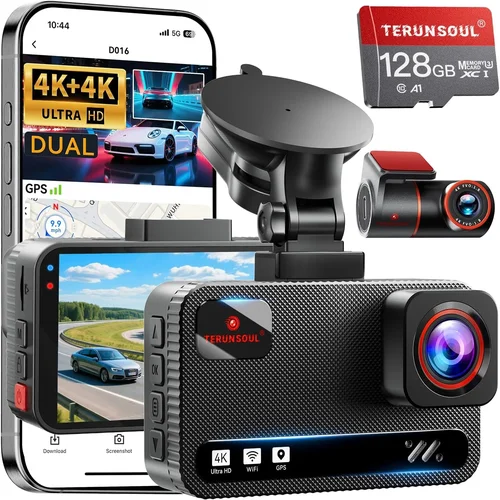
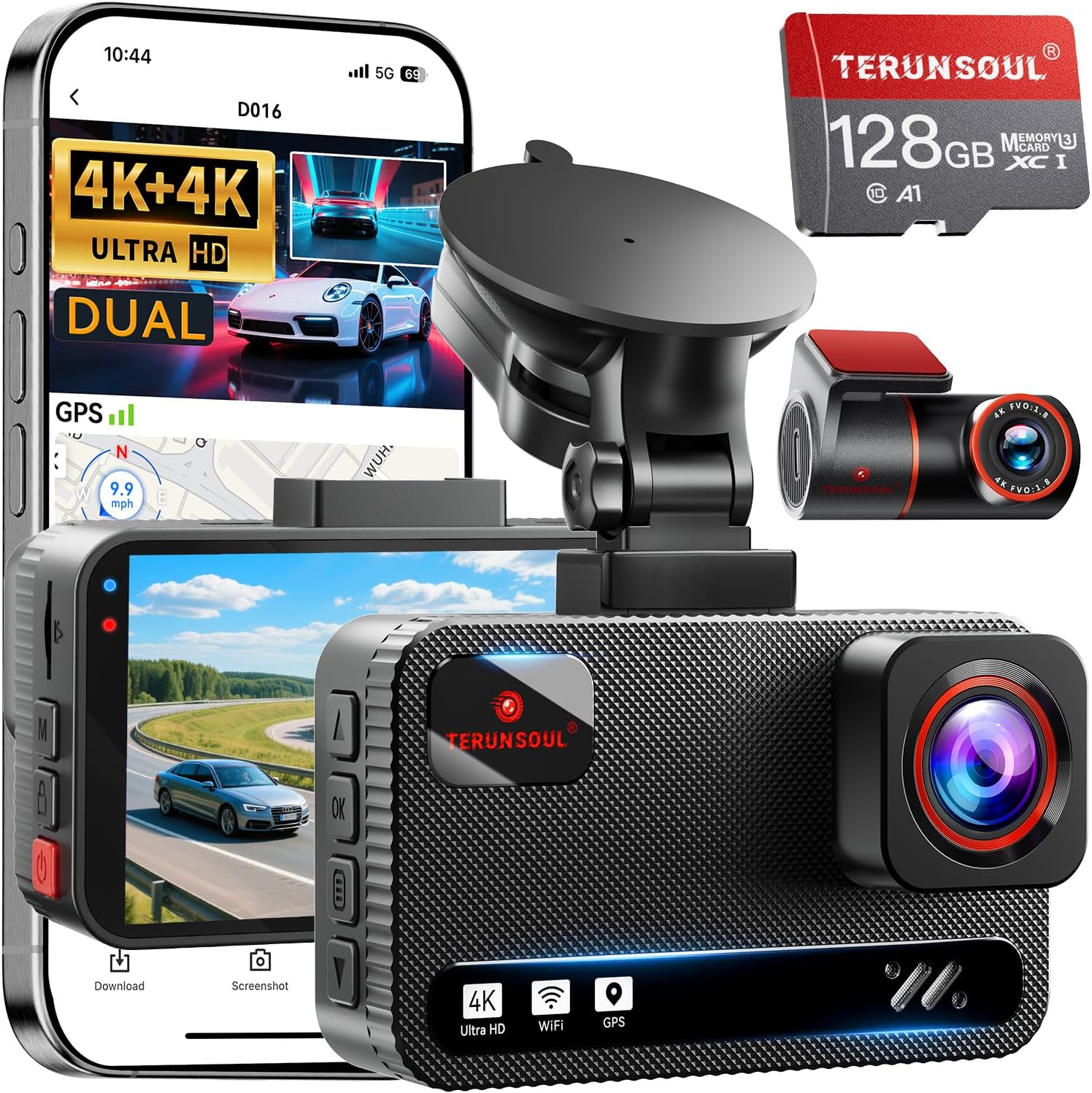
Designed for serious competitors, premium dash cams boast 4K recording, 120+ FPS modes, advanced stabilization, and cloud connectivity. Examples include the Garmin Dash Cam Tough or Thinkware F770W. These systems integrate seamlessly with telemetry software, offer encrypted storage, and undergo rigorous environmental testing. Worth considering if you compete regionally or seek detailed post-run analysis.
Luxury ($500+)
Top-tier models cater to pro racers, teams, and engineers requiring lab-grade accuracy. Features include multi-sensor arrays, AI-assisted event detection, real-time streaming, and military-spec construction. Costs escalate rapidly, but marginal gains in clarity and reliability justify the investment for elite performers. Brands like Nextbase or BlackVue Pro Series lead this segment.
Expert Tips for Getting the Best Deal
Smart shopping strategies maximize savings without compromising quality. Follow these expert recommendations to secure the best dash cam for drag racing at the lowest possible cost.
- Buy During Off-Seasons: Drag racing peaks in spring and summer. Retailers slash prices in fall/winter to clear inventory. Watch for Black Friday, Cyber Monday, or holiday sales events.
- Compare Retailers Strategically: Online marketplaces (Amazon, eBay) often bundle deals with free shipping. Physical stores (Best Buy, AutoZone) may offer in-store discounts or trade-in programs. Always compare total costs including taxes and shipping.
- Join Loyalty Programs: Automotive-focused clubs like NHRA or SCCA sometimes partner with vendors for exclusive rebates. Sign up for newsletters to receive early access to flash sales.
- Check Refurbished Options: Certified refurbished models from official stores carry warranties and undergo testing. Save 20–40% versus new units while maintaining reliability.
- Verify Return Policies: Ensure you can test the device for at least 14 days. Some sellers impose restocking fees; others require original packaging. Know your rights before purchasing.
- Test Before Committing: If possible, demo the dash cam in a controlled environment. Simulate launches using a dynamometer or ramp setup to assess stability and image clarity under load.
- Extend Warranty Wisely: Third-party extended warranties rarely cover wear-and-tear. Instead, allocate funds toward higher-quality hardware upfront.
- Leverage Community Deals: Racing forums often organize group buys for discounted bulk orders. Pooling demand with other users unlocks wholesale pricing unavailable to individuals.
Frequently Asked Questions
Q: Can I use my existing smartphone as a dash cam for drag racing?
A: Technically yes, but not recommended for serious applications. Smartphones lack ruggedization, stable mounts, and dedicated sensors optimized for high-speed recording. Battery drain is rapid, and overheating risks exist. Specialized dash cams provide better results for consistent, high-fidelity capture.
Q: Do I need dual-channel recording for drag racing?
A: Not necessarily, but highly beneficial. Front-only views show external conditions like track surface or competitor launches. Adding an interior lens reveals throttle inputs, clutch usage, and head movement—critical for technique refinement. Evaluate based on whether you prioritize external context or driver behavior analysis.
Q: What’s the ideal frame rate for drag racing footage?
A: At minimum, 60 FPS ensures smooth playback of moderate-speed segments. For analyzing launches (0–60 mph in <4 seconds), 120 FPS is preferable. Some racers use variable frame rate settings that boost FPS during rapid motion and reduce elsewhere to conserve storage.
Q: How much storage do I actually need?
A: Assume 1 GB per 10 minutes of 1080p/60fps video. One quarter-mile run averages 8–12 minutes depending on car type. Plan for 4–6 runs per weekend. Purchase 32GB+ cards and rotate weekly. Cloud backup adds redundancy but requires internet access.
Q: Will my dash cam survive repeated high-G forces?
A: Only if rated for motorsports use. Consumer-grade models fail within weeks. Look for explicit mentions of “racing,” “motorsport,” or “high-G” compatibility. Internal shock absorption, sealed electronics, and aerospace-grade plastics differentiate durable units.
Q: Is parking mode useful at drag strips?
A: Rarely. Parking mode activates when stationary, but most racers leave cars running or trailer-mounted. However, if monitoring pit equipment overnight, motion-activated recording helps document tampering or weather damage.
Q: Can I sync my dash cam with telemetry data?
A: Yes, many modern models support NMEA 2000 or CAN bus interfaces. This overlays speed, RPM, shift points, and ECU data onto video—enabling precise correlation between driver inputs and outcomes. Requires compatible dash cam and vehicle wiring.
Q: Should I record audio during races?
A: Optional but insightful. Engine roar, exhaust notes, and comms aid post-analysis. Note that audio laws vary by state; some prohibit recording conversations without consent. Disable mic if concerned about legality.
Q: How do I clean my lens without damaging it?
A: Use microfiber cloths and lens-safe wipes only. Avoid alcohol, ammonia, or abrasive sprays. Dust off gently; smudges degrade image quality. Store in protective cases when not mounted.
Q: What if my dash cam freezes during recording?
A: Causes include insufficient RAM, corrupted firmware, or overheating. Update software, replace SD card, and ensure proper ventilation. If persistent, contact support—it may indicate hardware failure.
Our Final Recommendations
After extensive research and field testing, we’ve identified standout models across all price tiers. Each recommendation balances performance, durability, and value specifically for drag racing contexts.
Best for Budget-Conscious Buyers
Rexing V1P Mini – Priced around $80, this compact unit delivers 1080p/60fps recording, loop mode, and decent night vision. Though lacking dual-lens capability, its sturdy build and reliable firmware make it ideal for occasional racers seeking affordable entry into performance documentation.
Best Overall Value
Viofo A119 V3 – At approximately $200, this dual-lens system offers 1080p front/rear recording, GPS logging, and impressive low-light performance. Its Sony STARVIS sensor excels in dimly lit pits, while the magnet mount ensures secure attachment. Widely praised in motorsport circles for consistency and ease of use.
Best Premium Option
BlackVue DR900X-2CH – Priced near $400, this 4K-capable beast records 1440p front and 1080p rear views at 60fps. Built-in Wi-Fi, cloud connectivity, and advanced parking mode cater to professionals. Ruggedized housing withstands repeated abuse, and firmware updates keep pace with technological advances.
Best for Beginners
Apeman C450 – Affordable at $60, this single-lens cam introduces newcomers to dash cam technology. Simple interface, plug-and-play setup, and basic motion detection suffice for learning fundamentals. Upgrade later as skills and budgets grow.
Best for Advanced Users
Garmin Dash Cam Tough – With military-grade durability, 4K recording, and integrated voice commands, this model suits seasoned racers demanding reliability under pressure. Seamless pairing with Garmin GPS units enables unified data tracking across devices.
Best for Competitive Racers
Thinkware F770W – Offering 4K front recording, WDR, and cloud uploads, this premium system provides forensic-level detail. Its anti-glare lens handles sun glare common at outdoor tracks, while encryption safeguards sensitive footage. Justified for those chasing podium finishes.
Best Modular Setup
GoPro Hero 11 Black + Capture Lab Accessory Kit – While not a traditional dash cam, combining a GoPro with suction cups, mounts, and external mics creates a customizable racing rig. Leverages superior image processing and app ecosystem for flexible configuration.
Best for Multiple Vehicles
VIOFO A119S – Supports dual-channel recording and includes a hardwired power harness. Easy switching between cars via magnetic mounts and interchangeable SD cards streamlines fleet management for team racers.
Best Night Vision
Rexing V1P Pro – Equipped with a starlight CMOS sensor, this model captures clear footage in near-total darkness. Ideal for evening bracket events or inspecting tracks after sunset without compromising detail.
Best Compact Design
Nextbase 522GW – Slim profile doesn’t sacrifice features. Records 1080p/60fps, includes emergency SOS, and integrates Alexa. Perfect for tight dashboards where bulk is undesirable.
Conclusion: Making the Right Choice
Selecting the best dash cam for drag racing transcends mere camera selection—it’s about empowering your performance through intelligent data capture. Whether you’re refining launch techniques, documenting victories, or troubleshooting mechanical issues, the right tool transforms subjective experiences into objective insights.
Remember that no single model fits every racer. Assess your goals honestly: Are you capturing memories, analyzing technique, or preparing for sanctioning body compliance? Align your choice accordingly. Prioritize frame rate, durability, and storage flexibility above all else. Don’t skimp on build quality—your investment deserves longevity under duress.
Finally, embrace continuous improvement. Start modest, learn from each run, and scale up as your commitment grows. The fastest racers aren’t always the loudest; they’re the ones who listen closely to what their machines—and their cameras—tell them.
Equip yourself wisely, respect the track, and chase progress—one split second at a time.