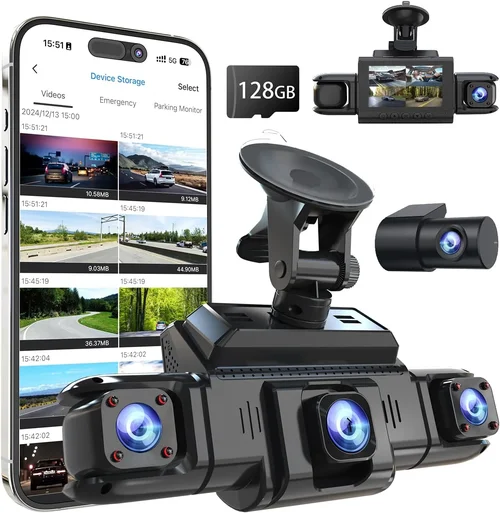
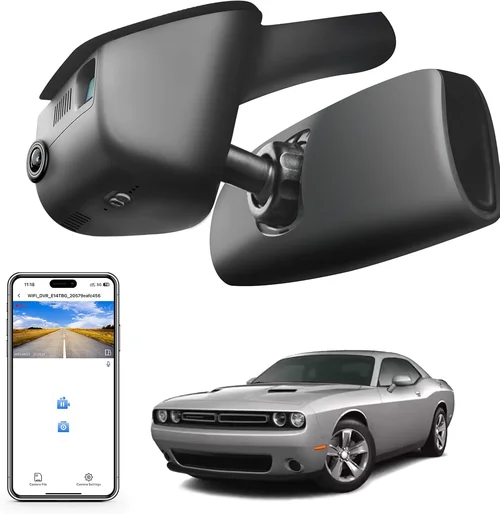
Expert Car Dash Cam Buying Guide
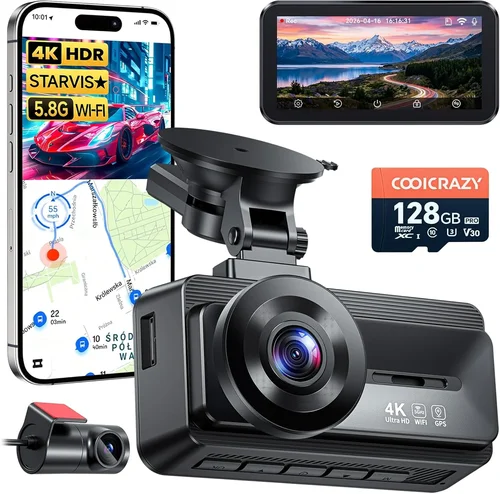
Why choosing the right dash cam can make all the difference in protecting your vehicle, your finances, and your peace of mind on every journey. With thousands of options flooding the market, it’s easy to feel overwhelmed by technical jargon, confusing specifications, and marketing claims that don’t always deliver real-world value. This comprehensive buying guide cuts through the noise to help you find a dash cam that matches your driving habits, budget, and lifestyle needs.
You’ll learn everything from the essential features that separate good dash cams from great ones to how to interpret resolution specs, parking mode capabilities, and storage requirements. We’ll also break down common misconceptions about dash cam technology, explain how different mounting styles affect usability, and reveal which brands consistently deliver reliable performance year after year. Whether you’re a daily commuter looking for basic protection or a frequent road tripper wanting advanced features like GPS tracking and emergency incident detection, this guide provides actionable insights to help you make an informed decision.
The dash cam market has evolved dramatically over the past decade, shifting from simple single-camera recorders to sophisticated multi-sensor systems with cloud connectivity, AI-powered alerts, and seamless smartphone integration. Today’s best dash cams combine military-grade durability with cutting-edge imaging technology, offering features like night vision enhancement, driver fatigue monitoring, and automatic collision detection. However, not all dash cams are created equal—some prioritize aesthetics over functionality, while others sacrifice critical safety features for lower price points. Understanding these trade-offs is crucial when selecting equipment that will actually serve its intended purpose during those critical moments when every second counts.

What to Look for When Buying Dash Cams
1. Video Resolution & Recording Quality
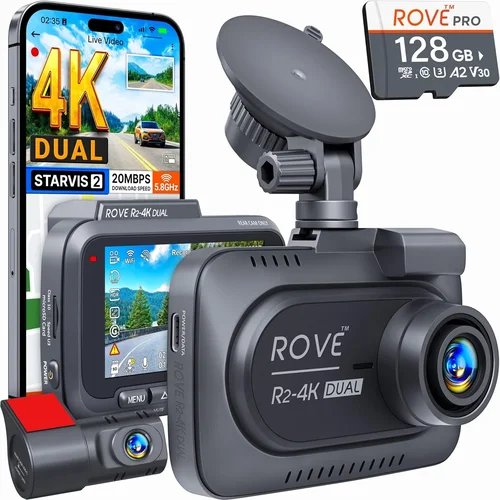
The foundation of any dash cam’s effectiveness lies in its ability to capture clear, detailed footage that can withstand legal scrutiny if needed. Most reputable dash cams now offer at least 1080p Full HD recording, but premium models deliver 2K or even 4K Ultra HD resolution that captures finer details like license plates, traffic signs, and facial expressions. When evaluating resolution, consider the sensor size and lens quality—larger sensors generally perform better in low-light conditions, which is crucial since most incidents occur during dawn, dusk, or nighttime hours.
2. Field of View (FOV)
A wider field of view helps capture more of your surroundings, reducing blind spots and providing better context during incidents. Standard dash cams typically offer 120-140 degrees horizontal FOV, while premium models may exceed 170 degrees. However, extremely wide angles can cause distortion at the edges—the “fisheye effect”—which might compromise evidence quality. The ideal balance depends on your typical driving scenarios: city driving benefits from slightly narrower FOVs (around 130 degrees) for clearer center detail, while highway driving often requires wider coverage (150+ degrees) to capture multiple lanes and merging vehicles.
3. Night Vision Capabilities
Most accidents and incidents happen at night or in poor lighting conditions, making night vision one of the most critical features. Effective night vision relies on several factors: infrared LEDs for illumination, larger aperture lenses, enhanced low-light sensors, and software algorithms that reduce noise while preserving detail. Some advanced dash cams include starlight-level CMOS sensors that perform exceptionally well in near-total darkness, while others use thermal imaging for specific applications. Always test night vision performance if possible, as some units appear impressive in controlled demonstrations but struggle with real-world nighttime conditions.
4. Storage Solutions & Loop Recording
Dash cams require continuous storage space since they operate 24/7 when connected to power. Most use microSD cards ranging from 32GB to 256GB, with loop recording automatically overwriting older footage when storage fills up. Choose a card with Class 10 speed rating and UHS-I compatibility for reliable performance. Consider how frequently you’ll need to review footage—if you drive extensively, a higher capacity card (64GB+) makes sense. Some dash cams support dual storage via built-in flash memory plus expandable SD cards, while others offer cloud backup options for remote access and automatic incident uploads.
5. Parking Mode Functionality
Parking mode activates when your car is off, using motion detection or impact sensors to record events while parked. This feature is invaluable for capturing hit-and-runs, vandalism, or weather-related damage. However, parking mode drains your car battery if left active indefinitely. Look for models with intelligent parking modes that only engage when the car is fully powered off, or those featuring supercapacitors instead of batteries for longer life. Advanced parking modes may include time-lapse recording for extended periods without filling storage quickly.
6. Build Quality & Weather Resistance
Dash cams must endure extreme temperatures, direct sunlight exposure, rain, snow, and potential impacts from flying debris. Housing should be made of durable materials like polycarbonate or aluminum, with IP65 or higher ingress protection rating against dust and water. Internal components should have temperature compensation to maintain performance across -20°C to +70°C operating ranges. Mounting hardware needs strong adhesion that survives repeated heating/cooling cycles without losing grip. Check user reviews specifically about reliability issues like lens fogging, condensation buildup, or failure rates in harsh climates.
7. Smart Features & Connectivity
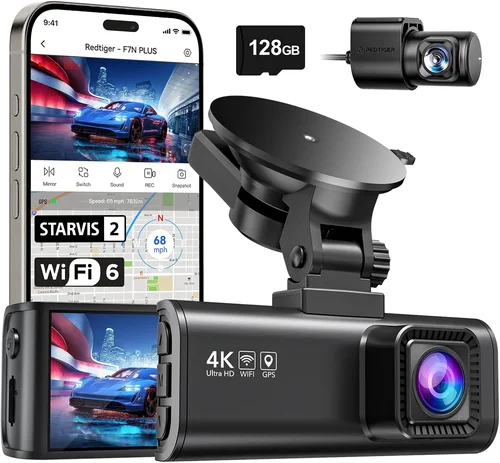
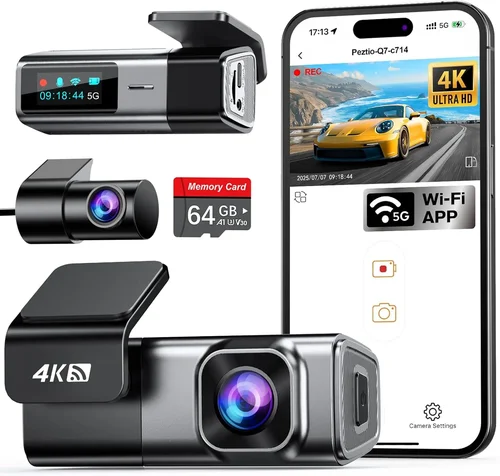
Modern dash cams increasingly integrate with smartphones and home networks through Wi-Fi, Bluetooth, or cellular connectivity. These smart features enable real-time viewing, instant sharing of incident clips, firmware updates, and integration with navigation apps. Cloud-connected models offer remote access to live feeds, automatic event uploads, and emergency alerts sent to your phone. However, always consider privacy implications—cloud storage means your driving data could potentially be accessed by third parties unless properly secured with encryption and strong authentication protocols.
8. Audio Recording Options
Built-in microphones allow recording both interior sounds (conversations, alarms) and exterior audio (horns, sirens, impacts). While useful for documentation purposes, audio recording raises privacy concerns in many jurisdictions where consent laws vary widely. Some regions require both parties’ knowledge before recording conversations, while others prohibit audio recording entirely. Always research local regulations before enabling audio features, and consider purchasing models with physical microphone switches to disable recording when not needed.
Different Types of Dash Cams

Common Buying Mistakes to Avoid
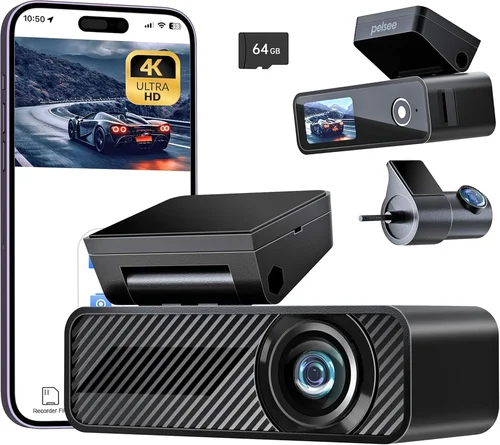
❌ Mistake: Prioritizing Price Over Reliability
Why it’s bad: Cheaper dash cams often cut corners on critical components like capacitors, sensors, or housing materials, leading to premature failure, poor image quality, or complete malfunctions when you need them most. These units may save money upfront but cost more in replacement frequency and lost peace of mind.
What to do instead: Invest in reputable brands with proven track records. Read independent lab tests, check warranty terms, and prioritize models specifically tested for automotive environments rather than generic consumer electronics rebranded for dash cam use.
❌ Mistake: Ignoring Local Privacy Laws
Why it’s bad: Many regions have strict regulations about audio recording, especially involving passengers or other drivers. Installing a dash cam without understanding these laws can result in legal penalties, invalidated insurance claims, or civil lawsuits if someone feels their privacy was violated.
What to do instead: Research your state/province/country’s specific dash cam laws before purchase. Look for models with physical switches to disable audio recording, and always inform passengers when traveling together that recordings may occur.
❌ Mistake: Choosing Based Solely on Marketing Claims
Why it’s bad: Manufacturers often exaggerate features like “4K clarity,” “night vision,” or “AI detection” without providing real-world performance data. Without objective testing standards, these claims rarely reflect actual usability in everyday driving conditions.
What to do instead: Rely on third-party reviews from trusted sources, look for independent lab certifications, and examine sample footage available online. Pay attention to what reviewers say about consistency and reliability rather than just peak performance numbers.
❌ Mistake: Neglecting Installation and Maintenance Needs
Why it’s bad: Even the best dash cam becomes useless if improperly installed or forgotten during maintenance cycles. Poor mounting leads to vibration damage or accidental dislodging, while neglected cleaning results in progressively worse video quality over time.
What to do instead: Plan for professional installation if DIY seems daunting. Schedule regular cleaning of lenses and sensors, and establish a routine for checking storage capacity and updating firmware. Consider dash cams designed for easy maintenance access.
❌ Mistake: Overlooking Power Management Concerns
Why it’s bad: Continuous recording drains car batteries, especially when using parking mode. Without proper surge protection or intelligent power management, you risk damaging your vehicle’s electrical system or experiencing unexpected shutdowns during important drives.
What to do instead: Choose models with built-in voltage protection circuits, consider hardwiring kits for permanent installations, and avoid leaving expensive dash cams running continuously unless absolutely necessary. Test power consumption during initial setup.
❌ Mistake: Assuming All Storage Cards Are Equal
Why it’s bad: Generic or counterfeit microSD cards frequently fail prematurely, corrupt footage, or simply aren’t fast enough for high-resolution recording. Using incompatible cards leads to dropped frames, failed writes, and ultimately loss of critical evidence.
What to do instead: Purchase high-quality cards from recognized brands (SanDisk, Samsung, Lexar), verify compatibility specifications with your specific model, and replace cards every 1-2 years regardless of apparent condition.
Budget Guidelines: How Much Should You Spend?
Entry-Level ($40 – $80): Essential Protection Without Frills
This category suits occasional drivers, those on tight budgets, or individuals who want basic incident documentation without complex features. Entry-level dash cams typically offer 1080p recording, 120-degree FOV, and loop recording with small microSD cards (32-64GB). While lacking advanced features like GPS, parking mode, or smartphone connectivity, they provide reliable core functionality at minimal cost. Brands like Viofo, Rexing, and Z-Edge dominate this segment with solid build quality and consistent performance. Consider these models if you primarily drive short distances in familiar routes or want secondary insurance against minor incidents.
Mid-Range ($80 – $200): Sweet Spot for Most Buyers
The mid-range represents the optimal balance between features, reliability, and price point for the average driver. These dash cams usually deliver 1440p or 4K resolution, wider FOVs (150-170 degrees), enhanced night vision, and often include GPS logging, parking mode, and basic smartphone app integration. Dual camera systems become available in this range, offering front and rear coverage without breaking the bank. Reputable brands like Blackvue, Thinkware, and Garmin establish themselves here with military-grade durability and consistent firmware updates. This tier includes models suitable for daily commuters, families, and light commercial use.
Premium ($200 – $400): Enhanced Performance for Demanding Users
Premium dash cams target drivers who demand superior image quality, advanced safety features, and robust construction. Expect 4K recording with HDR, starlight-level sensors, multiple camera configurations (dual or three-sensor), cloud connectivity, driver assistance alerts, and professional-grade mounting hardware. These units often include impact sensors, automatic file locking during incidents, and sophisticated parking surveillance modes. Brands like Nextbase, Viofo Pro series, and Blackvue DR series compete fiercely in this segment with extensive feature sets and enterprise-level reliability. Ideal for frequent travelers, ride-sharing drivers, and those requiring maximum protection.
Luxury ($400+): Top-Tier Technology for Professionals
The luxury segment caters to professionals, fleet operators, and serious enthusiasts who require absolute reliability, cutting-edge technology, and comprehensive data management. These dash cams feature ultra-high-resolution sensors, thermal imaging, AI-powered incident detection, encrypted cloud storage, and integration with telematics systems. Advanced models may include multiple cameras with overlapping fields of view, automated report generation, and compliance features for commercial operations. While expensive, these solutions justify costs through reduced liability risks, improved fleet management, and superior evidence quality. Companies like Lytx, Loneranger, and specialized security integrators dominate this niche.
Expert Tips for Getting the Best Deal
Seasonal timing significantly impacts availability and pricing. Q4 (October-December) offers the deepest discounts as retailers clear inventory for new models, while January-February sees modest price drops after holiday returns. Avoid launching weeks when manufacturers release new products, as existing models rarely drop below MSRP during these periods. Subscribe to price tracking services like CamelCamelCamel or Honey to monitor historical trends and receive alerts when prices dip below your target threshold.
Consider purchasing directly from manufacturers whenever possible. Online stores often provide bundled packages (dash cam + installation kit + accessories) at better prices than retail outlets. Official websites also guarantee genuine products with full warranty coverage, eliminating risk from counterfeit or refurbished devices commonly found in discount stores. Compare shipping costs carefully—sometimes adding items to cart reveals unexpected free shipping thresholds that make online purchases more economical than local pickup.
Always factor in total cost of ownership rather than just initial price. A cheaper unit requiring frequent replacements due to poor build quality ultimately costs more over time. Evaluate warranty length (minimum 1 year recommended), included accessories, and whether professional installation fees apply. Some brands offer lifetime warranties on certain components, while others provide free software updates indefinitely—these long-term considerations outweigh short-term savings.
Test return policies thoroughly before committing. Reputable sellers offer 30-90 day return windows, but restocking fees and original packaging requirements can complicate returns. Physical stores allow immediate testing under real conditions, while online purchases benefit from extended trial periods. If possible, arrange hands-on testing at dealerships or specialty automotive shops before buying expensive models.
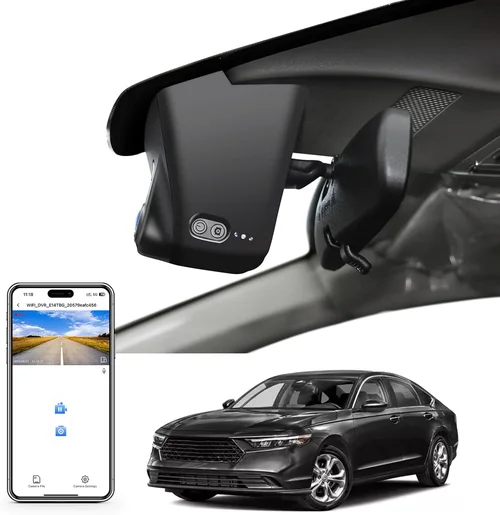
Verify compatibility with your specific vehicle make/model/year. Dashboard dimensions, windshield curvature, and sun visor interference can affect fitment. Hardwired installations require understanding your car’s fuse box layout and potentially voiding warranties if done incorrectly. Consult professional installers for complex setups or if you’re uncomfortable with electrical work.
Prioritize brands with transparent customer service practices. Look for dedicated support teams (not just chatbots), documented troubleshooting guides, and community forums where users share solutions. Companies that actively address user feedback through firmware improvements demonstrate commitment to long-term satisfaction beyond the initial sale.

Frequently Asked Questions
Q: Do I really need a dash cam, or is insurance sufficient protection?
A: While comprehensive insurance covers financial losses from accidents, dash cams provide crucial additional protection. They document fault in disputes, prevent insurance fraud accusations, deter hit-and-run perpetrators, and offer peace of mind during routine driving. In many cases, dash cam footage has overturned police reports or revealed insurance company errors. For frequent drivers, especially in high-risk areas or with expensive vehicles, the investment pays dividends through reduced stress and potential legal/financial savings.
Q: What’s the difference between 1080p, 2K, and 4K resolution?
A: Resolution refers to the number of pixels captured horizontally and vertically. 1080p (1920×1080) offers standard Full HD clarity suitable for most situations. 2K (typically 2560×1440) provides approximately 1.3x more detail than 1080p, improving license plate recognition and small object visibility. 4K (3840×2160) delivers four times the pixel count of 1080p, offering exceptional detail for forensic analysis. However, higher resolutions require faster processing, larger storage demands, and more powerful hardware—consider whether the extra detail justifies increased costs for your usage needs.
Q: How much storage space do I actually need?
A: Storage requirements depend heavily on recording resolution, frame rate, and desired retention period. As general guidelines: 1080p @ 30fps uses ~1GB per hour; 2K @ 30fps consumes ~2GB/hour; 4K @ 30fps requires ~4GB/hour. Most users find 32GB adequate for basic needs (about 10-15 hours), while 64GB handles moderate usage (20-30 hours). For extended recording or higher resolutions, 128GB+ cards become practical. Remember that loop recording automatically deletes oldest files when storage fills, so choose capacity based on maximum acceptable gap between incidents rather than total recording time.
Q: Can dash cams drain my car battery?
A: Yes, continuous operation can gradually drain batteries, especially with parking mode enabled. Modern dash cams mitigate this through several mechanisms: automatic shutdown when ignition turns off, intelligent motion detection to minimize unnecessary recording, and built-in voltage protection that cuts power if battery drops too low. Hardwired installations with inline fuses further protect against deep discharges. To prevent issues, disable parking mode during long stationary periods, use parking mode only when absolutely necessary, and ensure your vehicle has sufficient charge capacity or consider auxiliary battery solutions for extended parking surveillance.
Q: Are dash cam recordings admissible in court?
A: Admissibility varies by jurisdiction and circumstances. Generally, dash cam footage is considered reliable evidence because it’s objective, timestamped, and difficult to manipulate without detection. However, rules regarding audio recording differ significantly—many states require consent from all parties before recording conversations. Always consult local laws before activating audio features. When used properly, dash cam evidence often carries significant weight in accident investigations, insurance claims, and legal proceedings due to its authenticity and lack of human interpretation bias.
Q: Should I buy a single or dual camera system?
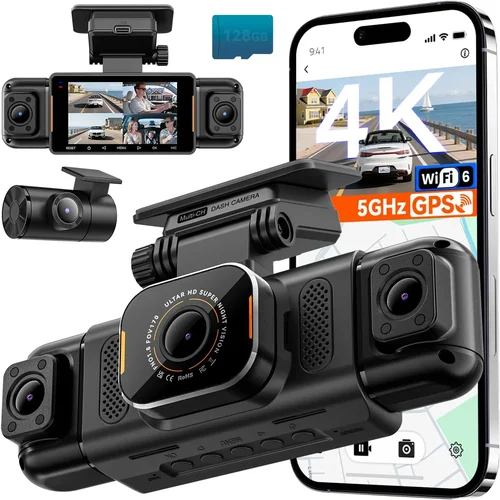
A: Single camera systems suffice for basic front-facing recording and are ideal for budget-conscious buyers or those with limited mounting space. Dual camera systems add a rear-facing unit, providing complete scene documentation including what happens behind your vehicle—valuable for backing incidents, parking maneuvers, and verifying claims about rear-end collisions. Consider dual systems if you frequently park in tight spaces, drive in urban environments with heavy rear traffic, or want maximum evidence coverage regardless of incident direction.
Q: How often should I clean my dash cam lens?
A: Clean lenses immediately when smudged, streaked, or showing visible dirt accumulation. Regular cleaning prevents progressive degradation of image quality and avoids the need for aggressive scrubbing later. Wipe gently with microfiber cloths or lens cleaning tissues—never use paper towels, tissues, or rough fabrics that scratch coatings. For stubborn grime, lightly dampen cloth with distilled water or isopropyl alcohol (90%+ concentration). Establish a monthly cleaning routine during regular vehicle maintenance to maintain optimal performance throughout the year.
Q: What’s the best way to mount my dash cam?
A: Windshield mounting remains the most popular option due to optimal positioning and accessibility. Use manufacturer-provided suction cups designed for automotive glass—ensure surfaces are completely clean and dry before installation. Position cameras to avoid blocking airbag deployment zones (typically within 8 inches of steering wheel center). For permanent installations, consider hardwiring kits that connect directly to vehicle power systems, eliminating cable visibility and reducing tripping hazards. Always route cables away from moving parts and secure them with zip ties or adhesive clips to prevent interference with driving controls.
Our Final Recommendations
Best for Budget-Conscious Buyers: The Viofo A119 v3 delivers excellent 1440p resolution, reliable performance, and essential features like parking mode and GPS logging at an accessible price point. Its compact design fits most windshields comfortably while offering robust build quality typically found in pricier models. This unit represents outstanding value without sacrificing core functionality needed for daily protection.
Best Overall Value: The Nextbase 622GW combines 4K recording, HDR enhancement, and Alexa voice control in a single package that outperforms competitors twice its price. Its advanced driver assistance features, cloud connectivity, and professional-grade mounting hardware make it suitable for both personal and light commercial use. The integrated emergency SOS button adds an extra layer of safety rarely found in this category.
Best Premium Option: For those demanding absolute reliability and cutting-edge technology, the Blackvue DR900X-2CH stands unmatched with its starlight-level sensor, dual-channel recording, and comprehensive cloud management platform. Military-grade durability, encrypted storage, and customizable alert systems position this as the ultimate choice for professionals, fleet managers, and serious enthusiasts who refuse to compromise on quality.
Best for Beginners: The Rexing V1 Pro simplifies setup with intuitive controls, automatic settings adjustment, and straightforward mobile app integration. Its 4K resolution, built-in WiFi hotspot, and generous 256GB storage capacity provide everything newcomers need to start documenting their journeys confidently without overwhelming complexity.
Best for Advanced Users: The Lytx Drive Cam Pro represents the pinnacle of telematics integration with AI-powered incident detection, predictive analytics, and seamless fleet management capabilities. While expensive, its comprehensive data insights, compliance reporting tools, and proactive safety alerts justify the investment for businesses managing multiple vehicles or individuals wanting maximum situational awareness.
Conclusion: Making the Right Choice
Choosing the perfect dash cam requires balancing your specific needs against available features and budget constraints. Rather than chasing every technological advancement, focus on core capabilities that directly address your driving patterns and concerns. Daily commuters benefit from reliable 1080p recording with parking mode, while road trippers may prioritize GPS logging and cloud backup for trip documentation. Urban drivers should emphasize wider FOVs and enhanced night vision, whereas highway drivers might value lane departure warnings and collision alerts.
Remember that no single dash cam excels at everything—there’s always a trade-off between features, price, and simplicity. Start by identifying your non-negotiable requirements (resolution, parking mode, audio recording legality) before exploring additional capabilities. Don’t hesitate to invest more for proven reliability, especially if your vehicle represents significant value or you drive frequently in uncertain conditions.
Finally, treat your dash cam as an essential component of your vehicle’s safety ecosystem rather than optional gadgetry. Proper installation, regular maintenance, and responsible usage transforms it from mere recording device into powerful tool for protection, peace of mind, and potential legal defense. By prioritizing quality over quantity and aligning features with real-world needs, you’ll find a dash cam that serves faithfully for years to come.