Complete Best Dash Cam Buying Guide
When it comes to protecting yourself on the road, few automotive accessories offer as much peace of mind as a high-quality dash cam. Whether you’re dealing with insurance claims, navigating parking lot disputes, or simply wanting to document your daily commute, having reliable video evidence can make all the difference. The dash cam market has exploded over the past decade, with hundreds of models available from dozens of manufacturers, making it increasingly difficult for consumers to separate truly capable devices from marketing hype.
This comprehensive buying guide cuts through the noise to help you understand exactly what to look for when shopping for the best dash cam for car reddit discussions consistently highlight. We’ll explore everything from essential technical specifications like resolution and field of view to more nuanced considerations like storage solutions and power management. By the end of this guide, you’ll have a clear understanding of how different features impact real-world performance and which capabilities matter most for your specific driving needs.
The dash cam landscape today spans everything from ultra-affordable entry-level models under $50 to sophisticated multi-camera systems exceeding $1,000. Each category serves distinct user needs, whether you’re looking for basic front-only recording, advanced parking mode functionality, or professional-grade recording quality suitable for fleet vehicles. Understanding these different categories and their respective trade-offs will help you make an informed decision that balances budget constraints with feature requirements.

What to Look for When Buying Dash Cams
1. Budget & Price Range
Your budget should be one of the first factors you consider when selecting a dash cam, as it will significantly influence the features and quality you can expect. Entry-level dash cams typically range from $30 to $75 and offer basic functionality with lower resolution recording (often 720p) and limited storage capacity. Mid-range options ($75-$150) usually provide 1080p Full HD recording, wider field-of-view lenses, and improved build quality. Premium models ($150-$300) often feature 2K or 4K resolution, superior low-light performance, GPS tracking, and advanced parking monitoring capabilities.
It’s important to recognize that while higher-priced models generally deliver better performance, there are excellent value options across all price points. Many mid-range dash cams now offer features previously exclusive to premium models, such as loop recording, motion detection, and smartphone connectivity. Consider what features are absolutely essential versus those that would be nice-to-have additions. For example, if you primarily need documentation for insurance purposes, a solid mid-range model may serve you well without breaking the bank.
2. Performance Specifications
The heart of any dash cam lies in its ability to capture clear, stable footage under various lighting conditions. Resolution is perhaps the most visible specification, with 1080p being the current minimum standard for decent video quality. However, many manufacturers now offer 2K (2560×1440) and even 4K (3840×2160) resolutions that provide noticeably sharper detail, especially for license plate recognition. Keep in mind that higher resolutions require more storage space and processing power, which can affect battery life and overall reliability.
Frame rate is another critical performance metric, typically measured in frames per second (fps). Most dash cams record at 30fps, but some premium models offer 60fps for smoother action sequences during rapid maneuvers or accidents. The frame rate directly impacts how much detail is captured during fast-moving events; higher frame rates reduce motion blur and make it easier to discern fine details in emergency situations.
3. Build Quality & Durability
A dash cam is essentially an electronic device permanently exposed to the elements, so build quality becomes paramount. Look for models constructed with robust materials that can withstand temperature extremes, moisture, dust, and vibrations common in automotive environments. The housing should be sealed against water intrusion, preferably rated IP65 or higher for protection against dust and low-pressure water jets.
Mounting hardware quality also deserves attention—cheap suction cups tend to lose adhesion after repeated temperature cycles, leaving your dash cam vulnerable to falling off the windshield. Glass-bonded mounts provide superior stability but may be harder to reposition once applied. Additionally, consider the camera lens itself; scratch-resistant glass lenses maintain optical clarity longer than plastic alternatives, ensuring consistent image quality throughout the device’s lifespan.
4. Features & Functionality
Modern dash cams come packed with features designed to enhance usability and provide comprehensive coverage. Loop recording automatically overwrites older footage when storage fills up, ensuring continuous operation without manual intervention. This feature works seamlessly with G-sensor technology, which detects impacts and locks relevant video segments to prevent accidental deletion during normal loop recording cycles.
Parking mode is particularly valuable for overnight monitoring; when your vehicle is parked, the dash cam draws minimal power while still capturing activity around your car. Some models use motion detection to activate recording only when movement is detected, conserving battery life and storage space. Others employ time-lapse recording, capturing footage at reduced intervals to extend monitoring duration significantly. Smartphone integration allows remote viewing, playback, and configuration changes through companion apps, adding convenience for tech-savvy users.
5. Brand Reputation
While new brands occasionally enter the market with innovative approaches, established manufacturers generally offer greater reliability and customer support. Brands like BlackVue, Thinkware, Viofo, and Garmin have built strong reputations through consistent product quality and responsive service networks. Researching user experiences across multiple platforms—including Reddit discussions, consumer review sites, and professional automotive forums—can reveal patterns in long-term performance that marketing materials might overlook.
Consider checking warranty terms offered by different manufacturers; longer warranty periods often indicate confidence in product durability. Also examine the availability of replacement parts and firmware update schedules, as these factors affect the longevity and adaptability of your investment. A reputable brand is more likely to continue supporting older models with software improvements and security patches, extending their useful life beyond initial expectations.
6. Warranty & Support
Comprehensive warranty coverage provides peace of mind and demonstrates manufacturer confidence in their product’s reliability. Most quality dash cams come with at least a one-year limited warranty covering defects in materials and workmanship. Premium models often include extended warranties up to three years, sometimes with international coverage. Be sure to register your purchase promptly to activate warranty benefits and ensure access to technical support services.
Customer support quality varies widely between brands, so investigating response times and problem-resolution effectiveness before purchasing is wise. Look for manufacturers offering multiple contact channels—phone, email, live chat—and check average resolution times during peak usage periods. User forums and Reddit communities frequently share experiences with customer service interactions, providing valuable insights into which companies prioritize their customers’ satisfaction.
7. Size & Portability
Dash cam size affects both installation flexibility and aesthetic integration within your vehicle. Compact models measure under 3 inches in length and are ideal for tight spaces or vehicles with limited dashboard area. Larger units, sometimes exceeding 5 inches, may offer additional features but require more mounting space and could obstruct driver visibility if poorly positioned.
Portability matters if you plan to transfer your dash cam between vehicles or remove it periodically for charging or cleaning. Some models feature quick-release mounting systems that allow easy detachment without damaging surfaces or requiring adhesive removal. Slim designs reduce wind resistance and minimize glare issues, contributing to both safety and visual comfort during extended drives.
8. User Reviews & Ratings
Real-world user feedback offers invaluable perspective on dash cam performance beyond technical specifications. Pay particular attention to recurring themes in negative reviews regarding battery life, Wi-Fi connectivity problems, or unexpected failure rates. Conversely, consistently positive comments about image stabilization, ease of use, or customer service experiences can reinforce your purchasing confidence.
Reddit communities dedicated to automotive topics frequently host detailed dash cam comparisons and personal experience reports, often including side-by-side footage analysis and maintenance tips. These community insights can reveal practical considerations not covered in manufacturer documentation, such as compatibility issues with specific car models or optimal placement strategies for maximum coverage and minimal obstruction.
Different Types of Dash Cams

Common Buying Mistakes to Avoid
❌ Mistake: Ignoring Storage Requirements
Why it’s bad: Many buyers assume that included microSD cards will suffice for their needs, only to discover later that they need to upgrade frequently or deal with constant “card full” errors. Higher resolution recording consumes storage space exponentially—4K footage requires approximately four times the storage of 1080p content. Without adequate storage planning, you risk missing critical moments due to insufficient recording time.
What to do instead: Calculate your expected storage needs based on recording resolution, desired retention period, and typical driving frequency. A 32GB card might last only 2-3 hours of 4K recording, while a 128GB card could store up to 12 hours. Consider investing in high-endurance cards specifically designed for dash cams, which handle frequent write cycles better than standard consumer cards.
❌ Mistake: Overlooking Parking Mode Limitations
Why it’s bad: While parking mode sounds convenient, it often drains vehicle batteries excessively or fails to activate reliably when needed. Some models draw too much power even in standby mode, causing your car’s battery to die overnight. Others lack sufficient sensitivity to detect minor impacts or vandalism attempts, leaving you unprotected during unattended periods.
What to do instead: Test parking mode functionality thoroughly before finalizing your purchase. Ensure the dash cam has adjustable sensitivity settings and consider using hardwiring kits that connect directly to your vehicle’s electrical system rather than relying solely on cigarette lighter power. Some premium models offer intelligent parking modes that balance protection with battery conservation through smart detection algorithms.
❌ Mistake: Choosing Based Solely on Resolution
Why it’s bad: High megapixel counts don’t guarantee better real-world performance if other components suffer compromise. Cheap dash cams advertising “4K” resolution often use inferior sensors and processing chips that produce noisy, washed-out footage in low light conditions. Image stabilization, lens quality, and HDR capabilities collectively determine actual video clarity far more than resolution numbers alone.
What to do instead: Prioritize overall image quality over raw resolution metrics. Look for reviews featuring sample footage comparisons under similar lighting conditions. Models with good dynamic range (HDR), effective noise reduction, and proper exposure control will outperform higher-resolution competitors in challenging environments. Remember that even 1080p footage can provide sufficient detail for most insurance and legal purposes when properly stabilized and lit.
❌ Mistake: Neglecting Installation Considerations
Why it’s bad: Poor mounting locations create blind spots, obstruct vision, or fail to secure properly under vibration stress. Suction cup mounts may detach during sudden stops or rough roads, while adhesive mounts can leave residue or damage paintwork upon removal. Improper cable routing exposes wires to heat damage, abrasion, or tripping hazards inside the cabin.
What to do instead: Plan your installation carefully considering both functionality and aesthetics. Position the camera where it captures maximum frontal visibility without interfering with mirrors or controls. Use professional-grade adhesives rated for automotive applications and allow proper curing time before first use. Route cables along factory pathways or use protective conduits to shield them from environmental stressors. Test mounting security before relying on your dash cam for critical recordings.
❌ Mistake: Assuming All Dash Cams Are Equal
Why it’s bad: Marketing claims often exaggerate capabilities while downplaying limitations. Some manufacturers emphasize flashy features like voice commands or app connectivity while sacrificing core performance aspects like night vision or impact sensitivity. Others bundle unnecessary extras that increase cost without meaningful benefit for typical users.
What to do instead: Research thoroughly using multiple information sources beyond manufacturer websites. Cross-reference specifications with independent testing results, professional reviews, and user forums. Focus on verified performance metrics rather than promotional language. Ask specific questions about edge cases relevant to your driving patterns—how does the device perform in heavy rain? What happens during extended highway speeds? How quickly does it boot up after ignition?
❌ Mistake: Failing to Update Firmware Regularly
Why it’s bad: Manufacturers frequently release firmware updates to improve stability, add features, or address known bugs. Ignoring these updates leaves your dash cam vulnerable to compatibility issues, reduced functionality, or even security vulnerabilities. Some updates introduce new capabilities that enhance usability, while others patch flaws that could otherwise cause system failures during critical moments.
What to do instead: Establish a routine for checking manufacturer websites or mobile apps for firmware releases. Enable automatic update notifications whenever possible and install updates promptly following manufacturer instructions. Keep backup copies of important footage before major updates, as rare instances of data corruption have occurred during certain firmware flashes. Document your current settings beforehand so you can restore preferred configurations after installation.
Budget Guidelines: How Much Should You Spend?
Entry-Level Dash Cams ($30 – $75)
This price range represents the most affordable option for basic dash cam functionality, typically featuring 720p or early 1080p resolution with limited field-of-view coverage. These models often rely on smaller sensors and less sophisticated image processing, resulting in softer images and poorer low-light performance compared to higher-end alternatives. Storage capacity usually caps at 32GB microSD cards, limiting recording time to approximately 2-4 hours depending on resolution settings.
While entry-level dash cams can provide valuable documentation for occasional incidents, they frequently lack critical features like G-sensor impact detection, parking mode monitoring, or smartphone connectivity. Build quality may also be compromised with plastic housings more susceptible to cracking under temperature extremes or physical stress. Nevertheless, for budget-conscious buyers seeking foundational protection without significant financial commitment, these models represent viable starting points.
Mid-Range Dash Cams ($75 – $150)
The sweet spot for most buyers, mid-range dash cams typically offer 1080p Full HD recording with wider 130-140 degree field-of-view lenses providing comprehensive frontal coverage. Improved sensor technology delivers noticeably clearer images in varied lighting conditions, while enhanced image stabilization reduces motion blur during rapid acceleration or braking. Most models include essential features like loop recording, G-sensor impact locking, and parking mode functionality.
This category includes many highly regarded models from established brands, balancing performance and affordability effectively. Users frequently praise reliable operation, straightforward installation processes, and sufficient video quality for license plate identification. While premium features like GPS tracking or dual cameras remain uncommon at this price point, core functionality meets expectations for everyday driving scenarios. Battery life and storage management also show marked improvement over entry-level counterparts.
Premium Dash Cams ($150 – $300)
High-performance dash cams in this range typically feature 2K or early 4K resolution with advanced sensor technology delivering exceptional detail retention even in challenging lighting. Wider fields-of-view (150-170 degrees) combined with sophisticated fisheye correction algorithms minimize distortion at image edges while maximizing coverage. Professional-grade image stabilization systems compensate for vehicle vibrations and rapid movements, ensuring smooth playback regardless of driving conditions.
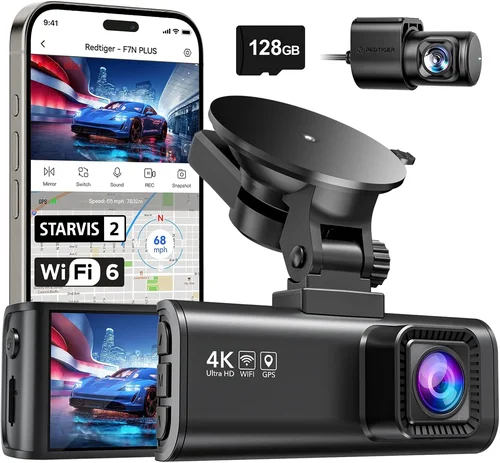
Advanced models in this segment commonly include GPS logging for speed verification and location tracking, WiFi connectivity for wireless file transfer and remote viewing, and intelligent parking modes with motion-triggered activation. Dual-channel recording (front and rear) becomes standard, providing complete vehicle perimeter documentation. Enhanced build quality ensures reliable operation across extreme temperatures and prolonged sun exposure, while comprehensive warranty coverage reflects manufacturer confidence in durability.
Luxury Dash Cams ($300+)
Top-tier dash cams exceed $300 by incorporating enterprise-grade components and cutting-edge technologies unavailable in mainstream models. These systems often feature multiple high-resolution cameras providing 360-degree coverage, HDR imaging for perfect exposure in mixed lighting, and AI-powered event detection that automatically highlights relevant moments. Advanced thermal management prevents overheating during extended recording sessions, while redundant storage solutions protect against data loss.
Professional users, fleet managers, and security-conscious individuals benefit most from luxury dash cam capabilities, which include cloud connectivity for remote monitoring, encrypted data transmission, and compliance reporting tools. Customizable firmware allows integration with existing telematics systems, while specialized mounts accommodate unique vehicle configurations. While overkill for casual drivers, these systems deliver unmatched reliability and forensic-quality evidence when every detail matters most.
Expert Tips for Getting the Best Deal
Time Your Purchase Strategically
Consumer electronics retailers typically adjust pricing based on seasonal demand patterns and inventory cycles. Major shopping events like Black Friday, Cyber Monday, and Amazon Prime Day often feature substantial dash cam discounts, though deals may vary by region and retailer. End-of-quarter sales (March, June, September, December) represent additional opportunities when manufacturers incentivize distributors to clear older inventory before new model launches.
New Year’s resolutions season frequently brings promotions targeting safety-conscious buyers, while back-to-school periods may include bundled packages combining dash cams with accessories like memory cards or hardwiring kits. Monitoring price history tools on shopping comparison websites helps identify genuine savings versus temporary markdowns disguised as clearance pricing.
Compare Retailer Selection Carefully
Online marketplaces like Amazon offer extensive selection and competitive pricing but sometimes include third-party sellers with questionable authenticity guarantees. Authorized dealer networks provide manufacturer-backed warranties and authentic products but may carry higher markups. Local automotive specialty stores enable hands-on evaluation and immediate installation services but rarely match online pricing.
Consider purchasing from multiple sources strategically—buy the core unit from a trusted online retailer offering generous return policies, then source accessories separately from specialized shops with expertise in mounting hardware and wiring solutions. Always verify seller ratings and read recent customer reviews before committing to non-traditional retailers.
Recognize Hidden Costs Early
Initial purchase price rarely reflects total ownership expenses. Essential accessories like high-capacity memory cards, professional-grade mounting hardware, and hardwiring kits add significant costs beyond the base dash cam price. Subscription fees apply to premium cloud storage services or advanced analytics features, while replacement parts and potential repairs contribute to long-term expenditure calculations.
Factor these ancillary expenses into your budget planning process, comparing total lifecycle costs rather than isolated transaction values. Some manufacturers bundle necessary accessories with premium packages, potentially saving money over individual purchases while ensuring compatibility between components.
Evaluate Return Policies Thoroughly
Robust return windows provide crucial protection against buyer’s remorse and defective products, but policies vary dramatically between retailers and manufacturers. Thirty-day return periods represent industry standards, though premium brands sometimes offer extended testing durations up to ninety days. Restocking fees ranging from 10-25% may apply depending on condition and packaging integrity.
Verify return eligibility criteria before purchasing, particularly regarding opened software packages or customized configurations. Some retailers require original packaging and accessories for full refund approval, while others accept returns with minimal documentation requirements. Remote purchase options necessitate careful consideration of these terms since physical inspection isn’t possible before commitment.
Test Before Committing Long-Term
Whenever feasible, schedule demonstration appointments at local authorized dealers or participate in community swap meets featuring used dash cams. Hands-on evaluation reveals practical considerations like button responsiveness, menu navigation intuitiveness, and mounting system stability that written descriptions cannot convey. Comparing multiple units side-by-side highlights subtle differences in image quality and operational feel.
For online purchases, leverage generous return policies to conduct real-world testing under your typical driving conditions. Install candidate models temporarily and assess performance during actual commutes, noting any issues with glare, vibration-induced instability, or excessive heat buildup. Document findings systematically to inform final decisions based on empirical evidence rather than theoretical specifications.
Negotiate Accessory Bundles Wisely
Retailers occasionally offer discounted accessory bundles combining memory cards, mounting hardware, and cleaning cloths with primary dash cam purchases. While convenient, these packages may include unnecessary items or substandard components that diminish overall value. Evaluate each bundled item individually against your specific needs and preferred brands before accepting pre-assembled offerings.
Alternatively, seek manufacturer rebates or promotional incentives that provide direct cashback on qualifying purchases, effectively reducing net cost while maintaining component independence. Seasonal trade-in programs sometimes allow credit toward future upgrades, extending the useful life of existing equipment while minimizing waste.
Monitor Software Update Schedules
Regular firmware updates represent both opportunities for improved functionality and potential risks if interrupted improperly. Manufacturers typically announce update release schedules through official channels, allowing proactive planning around installation windows. Delayed updates may leave security vulnerabilities unpatched or cause compatibility issues with evolving mobile operating systems.
Establish routines for checking update availability monthly and allocate dedicated time blocks for safe installation procedures. Backup critical footage before major updates as precautionary measures against rare instances of data corruption during flashing processes. Document current settings beforehand so preferred configurations can be restored efficiently post-update.

Frequently Asked Questions
Q: Do I really need a dash cam if I have good insurance?
A: While comprehensive insurance coverage protects financially from accident damages, dash cams provide evidentiary support during claim disputes or liability determination scenarios where fault assessment becomes contested. Insurance providers increasingly request dash cam footage during claim investigations, as documented evidence often resolves ambiguous situations more efficiently than witness testimony alone. Additionally, dash cams deter opportunistic theft attempts and provide peace of mind during parking situations where traditional security measures prove insufficient.
Q: Can dash cams drain my car battery overnight?
A: Modern dash cams consume minimal power during standby modes, typically drawing less than 1 watt while parked. Most models include intelligent parking features that activate only when movement or impact is detected, conserving energy until required. However, prolonged exposure to extreme temperatures can accelerate battery discharge rates, particularly in hot climates where internal electronics generate excess heat. Hardwiring solutions that connect directly to the vehicle’s electrical system bypass cigarette lighter limitations and prevent battery drainage entirely.
Q: What’s the difference between 1080p and 4K dash cams?
A: Resolution differences translate directly to captured detail levels, with 4K recording quadrupling pixel count compared to 1080p equivalents. This increased resolution enhances license plate recognition accuracy and improves object identification during complex scenarios involving multiple vehicles or pedestrians. However, 4K footage demands significantly more storage space—approximately four times greater than 1080p content—and requires more powerful processors that may generate additional heat during extended recording sessions.
Q: Are wireless dash cams worth the extra cost?
A: Wireless connectivity provides undeniable convenience through instant file transfer and remote viewing capabilities, eliminating cable management complexities and enabling quick evidence sharing with authorities or insurance providers. However, wireless models often sacrifice some reliability due to signal interference risks and shorter effective ranges compared to wired alternatives. Battery life may also decrease slightly as radio frequency components consume additional power during active transmission periods.
Q: How do I choose the right memory card for my dash cam?
A: Select microSD cards meeting Class 10 or UHS-I speed ratings for reliable performance with high-resolution recording requirements. Minimum write speeds of 10MB/s ensure smooth continuous recording without dropped frames during demanding scenarios like emergency braking or rapid acceleration. Opt for endurance-rated cards specifically designed for dash cam applications, as these withstand frequent write cycles better than standard consumer models. Capacity selection depends on desired retention period—larger cards reduce replacement frequency but increase upfront costs.
Q: Can I use any mounting method for my dash cam?
A: Mounting method choice significantly impacts stability and reliability during operation. Suction cup mounts offer repositioning flexibility but may lose adhesion after repeated temperature cycles or physical stress. Adhesive mounts provide permanent installation with superior vibration resistance but require careful surface preparation and allow limited relocation options. Professional-grade glass-bonded mounts combine benefits of both approaches while maintaining optical clarity through scratch-resistant surfaces.
Q: Do dash cams record audio and how private is that data?
A: Audio recording capability varies by jurisdiction and individual privacy preferences, as regulations concerning surveillance laws differ internationally. Many modern dash cams include microphone inputs for external audio sources while offering software toggles to disable internal recording when desired. Stored audio files reside locally on memory cards unless cloud synchronization is enabled, at which point encryption protocols protect transmitted data during upload processes. Review local privacy regulations before activating audio recording features.
Q: How long do dash cam batteries last?
A: Internal batteries primarily serve backup functions during vehicle shutdown scenarios, typically lasting 2-3 hours of continuous recording after engine cutoff. This duration supports parking mode activation and emergency power preservation during brief power interruptions. Actual battery life depends on recording resolution, environmental temperatures, and feature utilization intensity. Rechargeable lithium-ion cells degrade gradually over multiple charge cycles, with capacity diminishing approximately 20% after two years of typical usage patterns.
Our Final Recommendations
Best for Budget-Conscious Buyers
For those prioritizing essential functionality without significant financial investment, the Rexing V1P Pro offers exceptional value with 2K recording resolution, reliable loop recording, and robust build quality at an accessible price point. This model includes essential features like G-sensor impact detection and parking mode monitoring while maintaining straightforward operation suitable for novice users. Its compact design ensures unobtrusive installation without compromising coverage, making it ideal for drivers seeking foundational protection on a limited budget.
Best Overall Value
The Viofo A119 V3 strikes an impressive balance between performance and affordability, delivering 2K resolution with enhanced low-light sensitivity and effective image stabilization previously reserved for premium segments. Dual-channel recording capability provides complete vehicle coverage through synchronized front and rear camera operation, while intuitive mobile app integration simplifies file management and remote viewing. Robust construction ensures reliable performance across diverse environmental conditions, earning consistent praise from both professional reviewers and satisfied owners.
Best Premium Option
BlackVue DR970X-2CH stands as the gold standard for serious enthusiasts and professionals requiring enterprise-grade reliability, featuring 4K front recording with HDR imaging and superior dynamic range handling. Advanced parking mode utilizes intelligent motion detection to conserve battery life while maintaining vigilance against potential threats, complemented by cloud connectivity for remote monitoring and evidence sharing. Military-grade components withstand extreme temperatures and vibrations, ensuring uninterrupted operation during demanding scenarios where every detail matters most.
Best for Beginners
Thinkware Q800 Pro offers effortless setup and dependable performance for new dash cam users, combining 2K recording quality with user-friendly interface design and comprehensive instructional resources. Automatic firmware updates ensure optimal functionality without technical complexity, while flexible mounting options accommodate various vehicle configurations. Clear documentation and responsive customer support accelerate learning curves, providing confidence-building features that encourage continued usage and exploration of advanced capabilities as familiarity grows.
Best for Advanced Users
Garmin DrivePro 200 provides specialized expertise for tech-savvy drivers seeking customizable solutions, featuring interchangeable lens attachments for specialized coverage scenarios and advanced analytics through integrated GPS tracking. Professional-grade encoding ensures courtroom-ready evidence formatting while ruggedized construction withstands harsh environments encountered during off-road adventures or commercial operations. Sophisticated software suites enable detailed trip analysis and pattern recognition, empowering users to optimize driving behaviors and enhance safety outcomes through data-driven insights.
Conclusion: Making the Right Choice
Selecting the best dash cam for your vehicle involves careful consideration of multiple interrelated factors ranging from technical specifications to real-world usability concerns. Rather than chasing absolute performance metrics or blindly following trending models, successful buyers align their selections with personal driving patterns, budget constraints, and anticipated usage scenarios. Comprehensive research incorporating both objective testing and subjective user experiences proves invaluable for identifying solutions that genuinely enhance safety and provide meaningful documentation when needed most.
Remember that no single dash cam model satisfies every conceivable requirement, so prioritization based on individual needs ensures optimal value realization. Whether you’re seeking basic insurance protection, comprehensive family coverage, or professional-grade evidence collection capabilities, matching feature sets to actual usage patterns prevents overspending on unnecessary extras while avoiding disappointment through inadequate protection. Regular maintenance routines including firmware updates, storage management, and mounting inspections sustain long-term reliability and maximize return on investment.
Ultimately, the most effective dash cam represents not merely technological sophistication but thoughtful adaptation to your unique driving environment and lifestyle requirements. By approaching selection as an informed decision-making process rather than impulsive purchasing behavior, you position yourself to enjoy lasting benefits including enhanced peace of mind, strengthened legal standing during disputes, and improved overall road safety awareness. Take time to evaluate carefully, test thoroughly if possible, and remember that responsible ownership extends beyond initial acquisition through ongoing care and conscientious usage practices.