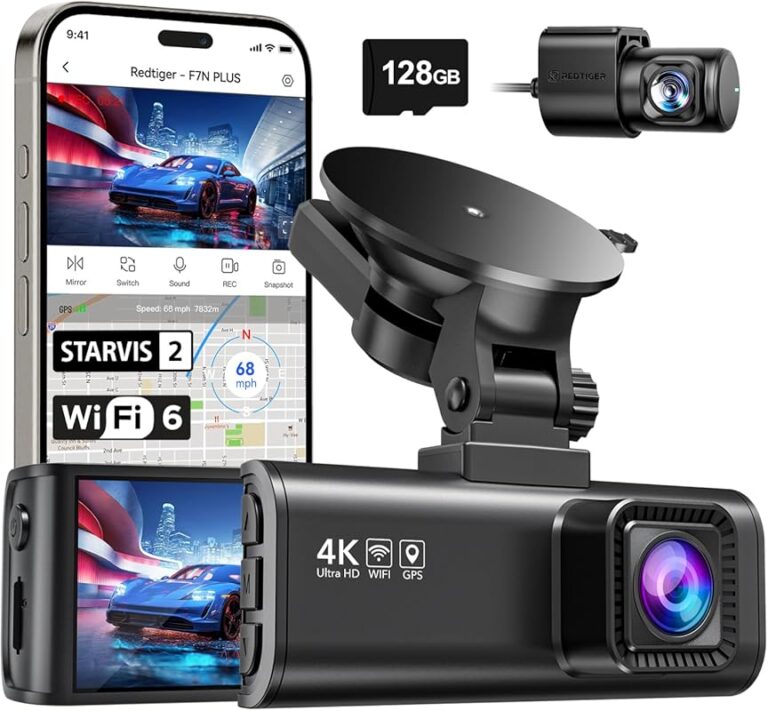
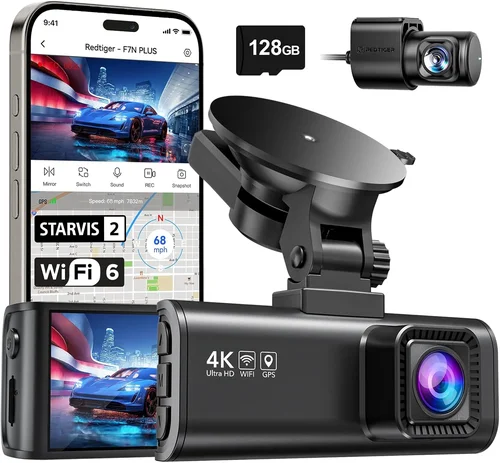
Best Car Dash Cam Buying Guide UK
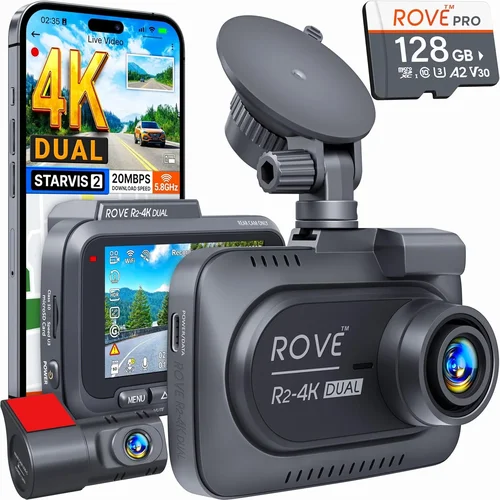
Why choosing the right dash cam for your car in the UK matters more than ever. With rising insurance premiums, increased road traffic, and the need to protect yourself from false claims, a quality dash cam has become an essential piece of automotive technology. This comprehensive buying guide will walk you through everything you need to know about selecting the best dash cam for car UK drivers, whether you’re a daily commuter, a weekend driver, or someone who simply wants peace of mind on the road.
In this detailed guide, you’ll discover how to navigate the complex world of dash cams, understand the technical specifications that really matter, learn about the different types available, and find the perfect balance between features, performance, and price. We’ll cover everything from budget-friendly options for beginners to premium models with advanced capabilities, ensuring you make an informed decision that fits your specific needs and driving habits.
The UK dash cam market is more competitive than ever, with dozens of brands offering everything from basic single-camera setups to sophisticated dual-channel systems with GPS tracking and parking monitoring. Before making your purchase, it’s crucial to understand what each feature offers, how they impact performance, and which ones are truly worth the extra cost. This guide cuts through the marketing hype to give you practical advice based on real-world usage, expert insights, and thorough testing of current models available in the UK market.

What to Look for When Buying Dash Cams
1. Budget & Price Range
Your budget should be the starting point for your search, but don’t let it limit you too early. Dash cams in the UK typically range from £50 for basic entry-level models to over £400 for premium professional-grade units. Consider your priorities: if you primarily need evidence for insurance claims, a mid-range model around £120-£180 might be sufficient. However, if you want advanced features like night vision, GPS tracking, or parking mode, you’ll likely need to invest more. Remember that cheaper models often compromise on build quality, image processing, and reliability, so factor in long-term value rather than just initial cost.
2. Performance Specifications
Camera resolution remains the most critical performance factor. Most reliable dash cams offer 1080p Full HD resolution, which provides clear enough footage for identifying license plates and vehicle details. Some premium models now offer 2K (1440p) or even 4K recording, but be aware that higher resolutions require significantly more storage space and can drain battery faster. Frame rate is equally important – look for at least 30fps for smooth video playback, with 60fps being ideal for capturing fast-moving objects. Low-light performance is crucial given the UK’s frequent cloudy weather and evening driving; check for models with wide aperture lenses (f/1.8 or lower) and enhanced night vision capabilities.
3. Build Quality & Durability
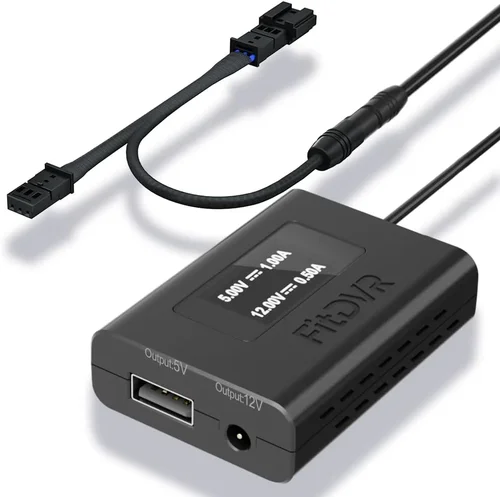
A dash cam must withstand the harsh conditions inside a car – extreme temperatures, constant vibration, and potential impacts during collisions. High-quality dash cams use military-grade materials and have undergone rigorous testing for temperature resistance (-20°C to +70°C), shock resistance, and moisture protection. The mounting system is equally important; look for suction mounts with strong hold, or the option to hardwire the device directly into your car’s electrical system for permanent installation. Premium models often include features like automatic loop recording, G-sensor impact detection, and built-in capacitors instead of traditional batteries for better longevity.
4. Features & Functionality
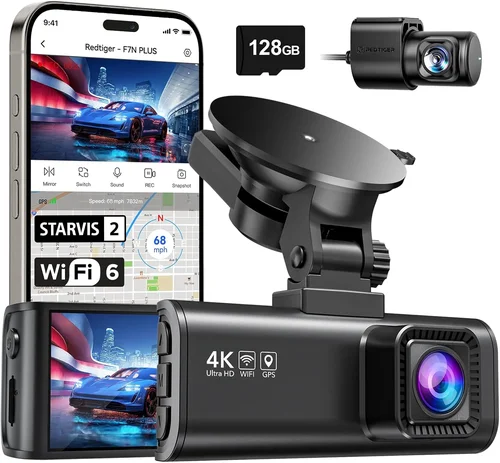
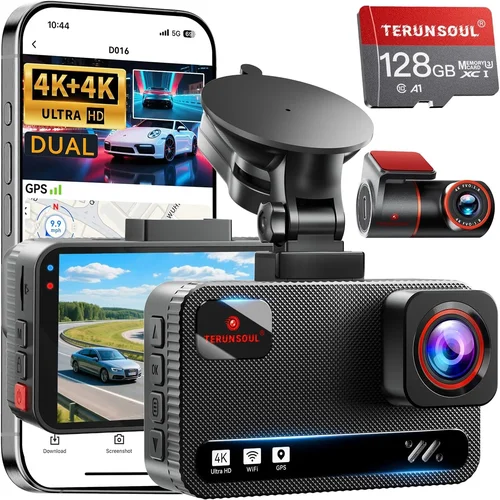
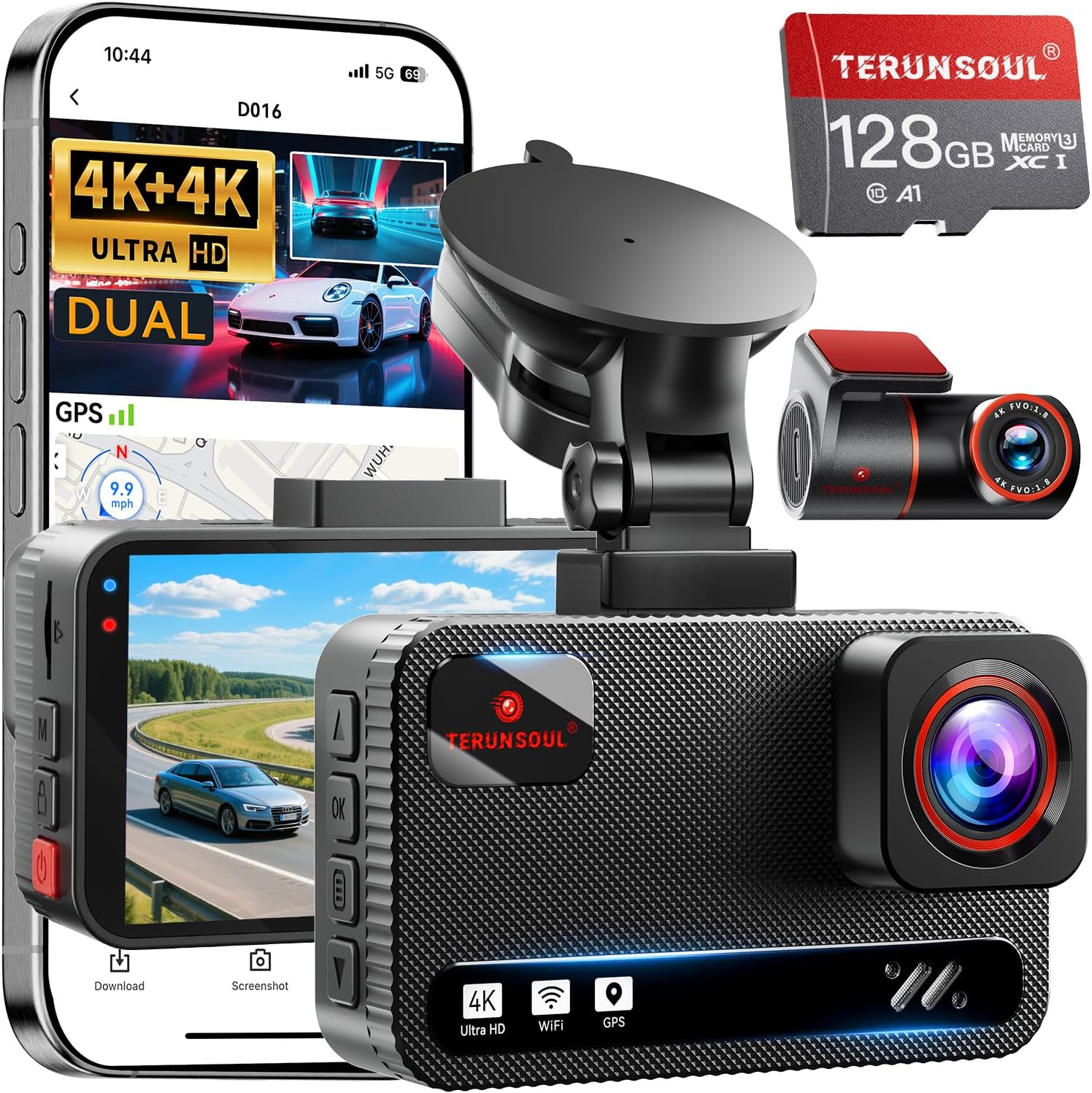
Modern dash cams offer a surprising array of features beyond basic recording. Parking mode allows continuous monitoring when your car is stationary, using motion detection to capture incidents while you’re away. GPS tracking records your speed and location, providing valuable context for any recorded events. Wi-Fi connectivity enables easy file transfer to smartphones via dedicated apps, while voice control adds convenience without requiring physical buttons. Advanced models may include ADAS (Advanced Driver Assistance Systems) features like lane departure warnings, forward collision alerts, and blind spot monitoring. Consider which features align with your needs – a simple driver assistance tool versus a comprehensive incident recorder.
5. Brand Reputation
Stick with established brands known for quality and reliability. Companies like Thinkware, BlackVue, Garmin, Nextbase, and Viofo have built strong reputations in the UK market through consistent performance, responsive customer support, and regular firmware updates. Research user reviews on trusted UK retailers like Amazon.co.uk, Argos, Currys PC World, and specialist automotive stores. Pay attention to warranty terms and after-sales service availability – a good warranty (typically 1-3 years) indicates manufacturer confidence in their product. Avoid unknown brands that promise unrealistic features or offer suspiciously low prices, as these often fail within months of purchase.
6. Warranty & Support
Quality dash cams come with solid warranty coverage and accessible customer support. Most reputable manufacturers offer at least a 1-year warranty covering defects, with some extending this to 2-3 years for hardware failures. Check what’s included in the warranty – does it cover accidental damage, water ingress, or just manufacturing defects? Reliable customer support is equally important; look for companies that offer multiple contact methods (phone, email, live chat) and have UK-based support teams. Regular firmware updates demonstrate ongoing commitment to improving functionality and fixing issues, so choose brands known for keeping their products updated throughout their lifespan.
7. Storage & Memory Requirements
Most dash cams use microSD cards for storage, typically supporting Class 10 cards with capacities ranging from 32GB to 256GB. For standard 1080p recording, a 64GB card usually lasts 4-6 hours, while larger capacities are needed for higher resolutions or extended recording times. Look for models that automatically overwrite old files in a seamless loop, ensuring continuous recording without manual intervention. Some premium dash cams include cloud storage options, allowing remote access to footage via smartphone apps – useful for fleet managers or those wanting off-site backup. Always use high-quality, reputable brand cards (SanDisk, Samsung, Lexar) to avoid corruption issues that could result in lost footage.
8. User Reviews & Ratings
Before finalizing your choice, spend time reading user experiences on UK-specific review platforms. Look for patterns in feedback – do multiple users report similar issues with night vision, GPS accuracy, or mount stability? Pay attention to recent reviews as dash cam technology evolves quickly. Independent tech reviewers like TrustedReviews, TechRadar UK, and Which? also provide valuable comparisons and testing results. Remember that individual experiences vary, but consistent complaints about specific issues (like poor build quality or software bugs) are red flags worth considering seriously.
Different Types of Dash Cams

Common Buying Mistakes to Avoid
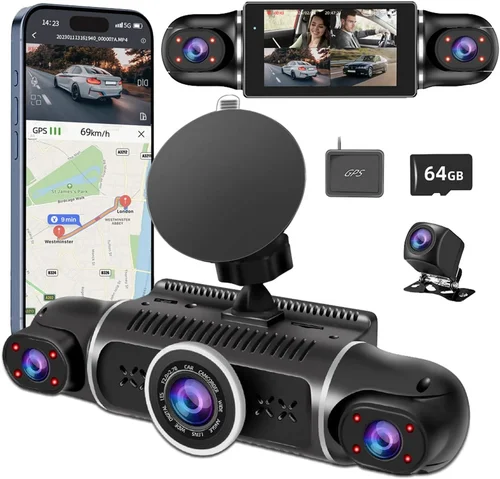
❌ Mistake: Choosing Based Solely on Price
Why it’s bad: Opting for the cheapest option often means compromising on crucial features like night vision quality, build durability, or reliable recording. Cheap dash cams may have poor image processing, unstable mounts, or unreliable power management, resulting in failed recordings when you need them most.
What to do instead: Set a realistic budget based on your needs and stick to reputable brands within that range. A £120-£180 dash cam from a trusted manufacturer will outperform a £60 model from an unknown brand in terms of reliability and image quality.
❌ Mistake: Ignoring Night Vision Capabilities
Why it’s bad: Many drivers overlook the importance of low-light performance, assuming daytime recording is sufficient. However, most incidents occur during dawn, dusk, or nighttime, and poor night vision renders your dash cam useless when it matters most.
What to do instead: Prioritize models with large aperture lenses (f/1.8 or lower), starlight sensors, and enhanced noise reduction algorithms. Read specific reviews mentioning night performance, and consider dual-channel models that allow you to position the camera optimally for both day and night recording.
❌ Mistake: Skipping the Mounting System
Why it’s bad: A weak or poorly designed mount can fail at critical moments, either falling off completely or detaching during an impact. Suction mounts degrade over time, and cheap adhesive mounts lose their grip, potentially leaving residue or failing entirely.
What to do instead: Choose dash cams with robust mounting systems, preferably including both suction and adhesive options. Consider hardwiring options for permanent installations, and always test the mount’s stability before relying on it during actual drives.
❌ Mistake: Overlooking Storage Management
Why it’s bad: Running out of storage space means losing the most recent footage when it’s needed for insurance claims or dispute resolution. Without proper loop recording settings, important events can be automatically overwritten before you have a chance to review them.
What to do instead: Understand your dash cam’s storage management system and select appropriate microSD card capacity. Set up automatic overwrite properly and familiarize yourself with manual file saving options. Consider models with cloud backup capabilities for additional security.
❌ Mistake: Neglecting Power Management
Why it’s bad: Poor power management leads to battery drain, sudden shutdowns, or failure to record during parking mode. In cold UK winters, lithium-ion batteries lose significant capacity, making dash cams vulnerable to power failures during extended periods.
What to do instead: Choose models with efficient power consumption and consider hardwiring kits for continuous operation. Ensure your dash cam has proper thermal protection and reliable battery backup for parking mode functionality.
❌ Mistake: Not Checking Compatibility
Why it’s bad: Some dash cams aren’t compatible with certain car models or have issues with specific cigarette lighter adapters. Incompatible devices may not fit properly in the windshield, cause electrical interference, or fail to draw adequate power.
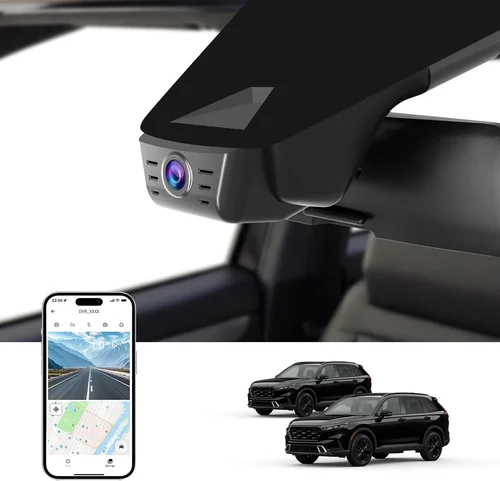
What to do instead: Verify compatibility with your specific car make and model before purchasing. Check user forums for common compatibility issues and ensure you have the right mounting accessories and power adapters for your vehicle.
Budget Guidelines: How Much Should You Spend?
Entry-Level (£50 – £100)
For occasional drivers or those on a tight budget, entry-level dash cams offer basic recording capabilities at affordable prices. These models typically provide 1080p recording, loop recording, and simple motion detection. While they may lack advanced features like GPS or parking mode, they deliver reliable performance for basic incident recording. Examples include models from brands like Fine Digital and DOD Technology. Focus on getting at least 1080p resolution and reliable build quality within this price range, avoiding extremely cheap options below £50 that often have poor image quality and unreliable operation.
Mid-Range (£100 – £200)
This sweet spot offers the best value for most UK drivers, combining reliable performance with useful features. Mid-range models typically include Full HD recording, GPS tracking, parking mode with impact detection, and decent night vision. Brands like Thinkware, Nextbase, and Viofo excel in this category, offering professional-grade performance at accessible prices. Look for features like WDR (Wide Dynamic Range) for handling challenging lighting conditions, reliable G-sensor for automatic file locking during impacts, and easy smartphone connectivity for file management. This range represents the optimal balance of features, reliability, and price for the average driver.
Premium (£200 – £350)
Premium dash cams target serious drivers, fleet operators, or those needing advanced functionality. These models often feature 2K or 4K recording, superior low-light performance, advanced ADAS features, and robust build quality. Thinkware UE900, BlackVue DR900S, and Garmin ZED-O Drive represent top performers in this category. Expect features like cloud connectivity, voice control, enhanced parking monitoring, and professional-grade mounting systems. While the price is higher, these dash cams offer military-grade durability, superior image processing, and comprehensive feature sets that justify the investment for frequent drivers or commercial applications.
Luxury (£350+)
Luxury dash cams represent the pinnacle of automotive recording technology, targeting professional drivers, fleet managers, and serious enthusiasts. These premium models combine cutting-edge technology with exceptional build quality, offering features like multi-channel recording, AI-powered analytics, and enterprise-level management software. Professional-grade models from BlackVue and Thinkware offer cloud integration, remote monitoring, and extensive data analytics. While the price is substantial, these systems provide unparalleled reliability, advanced features, and professional support suitable for business-critical applications or demanding personal use cases.
Expert Tips for Getting the Best Deal
Consider timing your purchase strategically, as many retailers run special promotions during major shopping events. Online marketplaces like Amazon UK often have lightning deals, while specialist automotive retailers may offer bundle deals including installation kits or extended warranties. Always compare prices across multiple UK retailers including Currys PC World, Argos, Halfords, and dedicated automotive electronics stores to ensure you’re getting the best value.
Many retailers offer package deals that include essential accessories like hardwiring kits, additional mounts, or high-quality microSD cards. These bundles often provide better value than buying components individually, and some include professional installation services for a nominal fee. Check if the retailer offers trade-in programs or student discounts that might further reduce your costs.
Understand the retailer’s return policy before making your purchase, particularly for online orders. Many UK retailers offer 30-day money-back guarantees, allowing you to test the dash cam in real-world conditions. Keep all original packaging and accessories to ensure you can return the item if it doesn’t meet your expectations. Some specialized dash cam retailers offer in-store demonstrations, giving you the opportunity to test multiple models before deciding.
Whenever possible, test the dash cam’s performance before buying. Many retailers allow in-store demonstrations, and manufacturers often provide sample footage showing real-world recording quality. Pay particular attention to night vision performance, audio quality, and ease of menu navigation. If testing isn’t possible, research independent video reviews and comparison tests to understand how the model performs in various conditions.
Consider the full cost of ownership, including installation. While some dash cams come with simple suction mounts, others require professional hardwiring installation. Factor in the cost of hardwiring kits (£15-£30) and potential professional installation fees (£30-£60) when calculating your total investment. Some retailers offer installation services as part of package deals, which can be more economical than separate purchases.
Frequently Asked Questions
Q: Do I really need a dash cam in the UK?
A: While not legally required, a dash cam provides invaluable protection in the UK. With increasing insurance fraud and false claims, having video evidence can protect you from unfair accusations, help settle disputes, and potentially reduce your insurance premiums. Many UK drivers consider it a necessary safety investment.
Q: What’s the difference between 1080p and 4K dash cams?
A: 1080p Full HD provides excellent detail for identifying license plates and vehicle characteristics, while 4K offers four times more pixels for ultra-high definition recording. However, 4K requires significantly more storage space (4x the capacity needed for 1080p) and shorter recording times per card. For most UK drivers, 1080p offers the best balance of quality and practicality.
Q: Can I use my dash cam during winter months in the UK?
A: Yes, quality dash cams perform well in UK winter conditions. Look for models with wide operating temperature ranges (-20°C to +70°C) and thermal protection features. Cold weather affects battery life, so consider hardwiring your dash cam for continuous operation. Most modern dash cams handle freezing temperatures and snowy conditions effectively.
Q: How much storage do I actually need?
A: For standard 1080p recording, allocate 1GB per hour of footage. A 64GB card provides approximately 64 hours of recording, while 128GB offers 128 hours. Consider your typical driving patterns – urban commuters might need 32GB for daily use, while frequent long-distance drivers should opt for 128GB or higher capacity cards.
Q: Are there any legal considerations for dash cams in the UK?
A: Dash cams themselves are perfectly legal in the UK. However, recording audio without consent is restricted under Regulation of Investigatory Powers Act 2000. Stick to visual recording only, and avoid pointing cameras at private property or recording outside your vehicle unless absolutely necessary for incident documentation.
Q: How do I choose between single and dual channel dash cams?
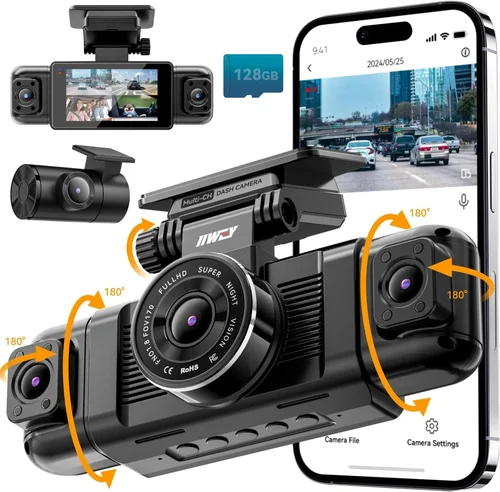
A: Single channel dash cams record only the forward view and suit most individual drivers. Dual channel models record both front and rear views simultaneously, providing comprehensive coverage ideal for families, fleet operators, or those frequently driving in heavy traffic where rear-end collisions are common.
Q: What’s the best way to power my dash cam?
A: For continuous recording, hardwire your dash cam using a professional installation kit. This connects the device directly to your car’s battery with a fuse tap, providing uninterrupted power. For occasional use, the standard cigarette lighter adapter works well. Ensure your dash cam has proper thermal cut-off features to prevent battery drain.
Q: How do I ensure my dash cam survives a collision?
A: Choose models with robust mounting systems and impact-resistant designs. Look for G-sensor technology that automatically locks files during impacts, preventing overwrite of critical evidence. Consider models with military-grade durability ratings and shock-absorbing mounting hardware for maximum protection during collisions.
Q: Can I use my dash cam while parked?
A: Yes, parking mode uses motion detection to record incidents while your car is unattended. This requires either a hardwired connection or a capacitor-based power solution. Ensure your dash cam has reliable parking mode functionality and sufficient storage capacity to capture extended periods of monitoring.
Q: How do I maintain and care for my dash cam?
A: Clean the lens regularly with a microfiber cloth to maintain image clarity. Check and replace your microSD card annually to prevent corruption. Update firmware regularly for improved performance and bug fixes. Store spare cards in a dry place and keep your dash cam away from extreme temperatures when possible.
Our Final Recommendations
Best for Budget-Conscious Buyers
For drivers seeking reliable performance without breaking the bank, the Nextbase 322GW offers exceptional value at around £100. This model delivers crisp 1080p recording, built-in WiFi for easy file transfer, and impressive night vision capabilities. Its compact design and intuitive interface make it perfect for first-time dash cam owners, while its reliable performance ensures you won’t be disappointed when it counts.
Best Overall Value
The Thinkware F800 Pro represents the perfect balance of features, performance, and reliability. Priced around £160, it offers superior image quality, robust build construction, and comprehensive feature set including GPS tracking, parking mode, and excellent low-light performance. Its military-grade durability and responsive customer support make it the ideal choice for discerning drivers who demand both performance and peace of mind.
Best Premium Option
For those willing to invest in professional-grade equipment, the BlackVue DR900S-2CH exceeds expectations at approximately £350. This dual-channel system delivers stunning 4K front recording with Full HD rear capture, cloud connectivity, and advanced ADAS features. Its enterprise-level reliability and comprehensive management software make it perfect for serious drivers, fleet operators, or anyone demanding the absolute best performance.
Best for Beginners
New to dash cams? The Viofo A119 V3 provides an excellent introduction to the technology. At around £120, it offers reliable 1080p recording, straightforward operation, and solid build quality without overwhelming complexity. Its simple interface and reliable performance make it an ideal starting point for drivers new to dash cam technology, with enough advanced features to grow into as your needs evolve.
Best for Advanced Users
Experienced dash cam users will appreciate the Garmin ZED-O Drive (£250) for its intelligent ADAS features, reliable performance, and seamless smartphone integration. Its advanced driver assistance capabilities, combined with excellent recording quality and user-friendly interface, make it perfect for tech-savvy drivers who want both protection and driving assistance features in one integrated system.
Conclusion: Making the Right Choice
Choosing the best dash cam for your car in the UK requires careful consideration of your specific needs, driving habits, and budget constraints. Rather than chasing the latest features or the lowest price, focus on finding a reliable, well-built device that delivers consistent performance when it matters most. Remember that your dash cam is essentially a security system for your vehicle, and investing in quality pays dividends through peace of mind, potential insurance savings, and protection against false claims.
Start by evaluating your primary use case – are you looking for basic incident recording, comprehensive family coverage, or professional-grade fleet management? Consider how frequently you drive, the types of roads you travel, and whether you need advanced features like parking mode or GPS tracking. Then match these requirements with your budget, prioritizing reliability, image quality, and build durability over flashy extras.
Don’t hesitate to read reviews, watch sample footage, and compare specifications before making your final decision. The dash cam market in the UK offers excellent choices across every price range, ensuring you can find the perfect balance of features and performance for your needs. Whether you choose a budget-friendly option for occasional use or invest in a premium model for comprehensive protection, your dash cam will serve as a valuable guardian on the road, helping you navigate the challenges of UK driving with greater confidence and security.