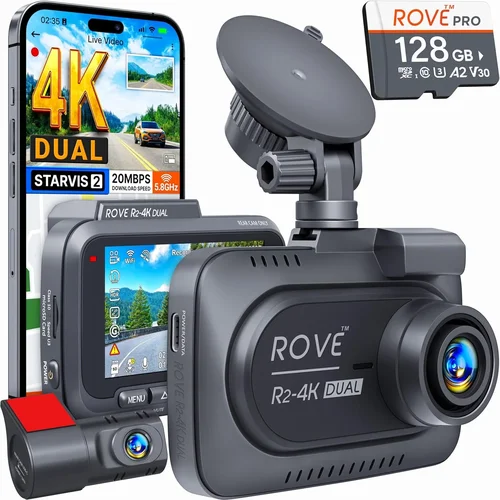
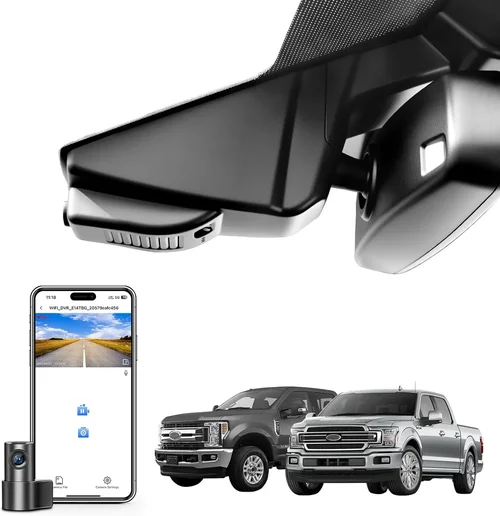
How to Choose the Best Dash Cam for Car in India 2026
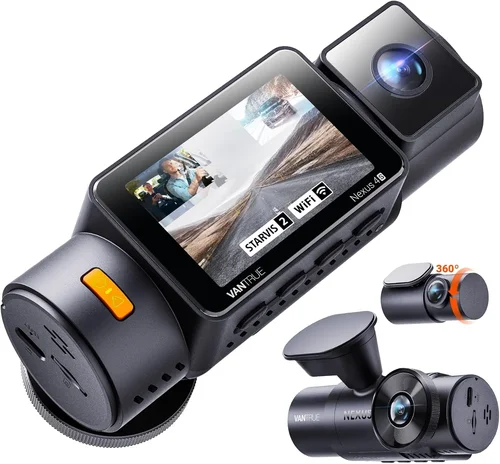
As India’s roads become increasingly congested and unpredictable, the need for reliable vehicle safety technology has never been more critical. A dash cam has evolved from a luxury accessory to an essential safety tool that every responsible driver should consider. Whether you’re navigating Delhi’s chaotic traffic or driving through Mumbai’s narrow lanes, having visual evidence of incidents can make all the difference in insurance claims, legal disputes, or simply peace of mind.
This comprehensive guide will walk you through everything you need to know about choosing the best dash cam for your car in India as of 2026. We’ll cover the latest technology trends, explain technical specifications in simple terms, compare top models available in the Indian market, and provide expert advice on making the right purchase decision based on your specific needs, budget, and driving patterns.
The Indian dash cam market has matured significantly over the past few years, offering consumers a wide range of options from budget-friendly models to premium professional-grade devices. With increasing awareness about road safety and the rising cost of vehicle repairs, more drivers are recognizing the value of investing in quality dash cam technology. However, with so many options available—from basic single-lens cameras to advanced dual-camera systems with GPS tracking—making the right choice can be overwhelming without proper guidance.

What to Look for When Buying Dash Cams
1. Resolution & Video Quality
Video resolution is arguably the most important factor when selecting a dash cam, as it directly impacts the clarity and usefulness of recorded footage. In today’s market, you’ll find options ranging from standard definition (720p) to ultra-high definition (4K). For most Indian drivers, Full HD (1080p) offers the perfect balance between quality and storage efficiency. Higher resolutions like 2K or 4K provide exceptional detail but require significantly more storage space and processing power.
When evaluating video quality, consider not just the resolution but also the frame rate. Most reputable dash cams operate at 30 frames per second (fps), which provides smooth, natural-looking motion. Some premium models offer variable frame rates or higher fps (60fps) for better slow-motion capture during incidents. Additionally, look for cameras with good low-light performance—crucial for capturing clear footage during dawn, dusk, or in tunnels and parking garages.
Another technical specification worth noting is the bitrate, which affects how much data is captured per second of video. Higher bitrates mean better quality but larger file sizes. For Indian conditions with frequent stop-and-go traffic and varying lighting conditions, a camera with adaptive bitrate technology can optimize storage usage while maintaining video quality.
2. Storage Capacity & Management
Storage management is a critical consideration for any dash cam buyer in India. Most modern dash cams use microSD cards, with capacities ranging from 32GB to 512GB. For typical daily driving, a 64GB or 128GB card should suffice for recording approximately 2-3 weeks of footage, depending on the camera’s compression technology and features used.
Look for dash cams with intelligent loop recording functionality, which automatically overwrites older footage when the memory card is full, ensuring continuous recording without manual intervention. Some advanced models feature cloud storage integration or Wi-Fi connectivity that allows you to upload and back up important clips remotely.
When purchasing a dash cam, consider whether it supports the latest UHS speed class standards (UHS-I, UHS-II) and V-class ratings for reliable write speeds. These specifications ensure the camera can handle continuous high-bitrate recording without dropping frames or corrupting files.
3. Field of View & Lens Quality
The field of view (FOV) determines how much of the road ahead your dash cam captures. A wider angle provides broader coverage but may introduce distortion at the edges—a phenomenon known as fisheye effect. Most quality dash cams use advanced lens correction algorithms to minimize this distortion.
In the Indian context, where lane markings may be unclear, intersections complex, and pedestrians often appear suddenly, a dash cam with a horizontal FOV of 130-140 degrees typically offers the ideal balance between coverage and image quality. Some dual-lens systems provide both front and rear coverage with different FOVs optimized for each direction.
Lens quality itself matters tremendously. Glass lenses generally outperform plastic alternatives in terms of clarity, durability, and resistance to temperature extremes. Look for specifications mentioning aspherical lens elements or multi-coated optics, which improve light transmission and reduce glare.
4. Night Vision & Low-Light Performance
Night driving in India presents unique challenges with varying street lighting, poorly illuminated roads, and reflective surfaces. A dash cam with excellent night vision capabilities is essential for capturing usable footage during evening commutes or nighttime travel.
Modern dash cams achieve superior low-light performance through several technologies: larger image sensors (typically 1/2.7″ or larger), improved pixel binning techniques, and specialized night vision algorithms. CMOS sensors with backside illumination (BSI) technology perform particularly well in dark conditions by allowing more photons to reach the photodiodes.
Many advanced dash cams include infrared LEDs for true night vision, though these are usually limited to rear cameras or parking mode functionality. For front-facing cameras, look for models with automatic exposure control and noise reduction algorithms that enhance visibility without creating excessive graininess.
5. Parking Mode & Motion Detection
Parking mode functionality has become increasingly important as dash cams serve dual purposes as security systems. When your car is parked, the dash cam can monitor for incidents like hit-and-runs, vandalism, or unauthorized tampering. This feature requires the camera to remain powered even when the engine isn’t running.
Most parking mode systems draw power from the car’s battery through a hardwired connection or via a capacitor-based backup system. Capacitor-powered systems are generally safer as they don’t pose a risk of draining your battery over time, unlike some hardwired solutions that may cause unexpected battery drain.
For effective parking surveillance, look for cameras with adjustable sensitivity settings for motion detection. Too sensitive, and you’ll get false triggers from passing vehicles or animals; too insensitive, and you might miss actual incidents. Advanced models use AI-powered object detection to distinguish between relevant events (like doors opening or impact vibrations) and irrelevant movements.
6. Build Quality & Installation
The physical construction of your dash cam must withstand the demanding Indian climate—high temperatures reaching 45°C+, humidity, dust, and occasional heavy rains. Look for cameras with ruggedized housing, preferably made from heat-resistant materials with IP65 or higher ingress protection ratings.
Installation convenience varies significantly between models. Adhesive mounts are common but may lose adhesion in extreme heat. Magnetic mounts offer easier repositioning but may not be secure enough for high-speed driving. Consider the mounting surface compatibility—some cameras work better with curved dashboards than others.
Professional installation services are available from authorized dealers and electronics shops, typically costing between ₹500-₹1500. While DIY installation is possible, improper wiring can lead to electrical issues or void warranties. Ensure your chosen model includes clear installation instructions and necessary accessories for a clean, professional-looking setup.
7. Connectivity Options
Modern dash cams offer various connectivity features that enhance usability and functionality. Wi-Fi connectivity allows you to transfer footage wirelessly to your smartphone using companion apps—essential for quickly accessing important clips without removing the memory card.
Bluetooth support enables hands-free calling and audio streaming if your dash cam includes microphone/speaker capabilities. GPS functionality records location data alongside video, which is invaluable for accident reconstruction or tracking long-distance journeys.
Some premium models include built-in cellular connectivity for real-time live streaming or cloud backup, though these typically require additional SIM cards and data plans. Consider which connectivity features align with your needs—more features often mean higher costs and potential privacy considerations.
8. Audio Recording Capabilities
Audio recording can provide crucial context during incidents, including conversations, emergency sirens, or environmental sounds. However, privacy laws in India vary by state, so it’s important to understand local regulations regarding audio recording in public spaces.
Quality dash cams offer adjustable audio sensitivity and noise cancellation algorithms to capture clear sound while minimizing wind noise and engine rumble. Some models include two-way audio communication, allowing you to speak and listen through the camera—useful for delivery confirmation or remote monitoring.
If privacy is a concern, look for cameras with easily removable microphones or physical switches to disable audio recording when needed. Always inform passengers when audio recording is active to comply with ethical recording practices.
9. Battery Life & Power Management
Battery life considerations extend beyond just the internal battery for parking mode. The dash cam’s overall power consumption affects how long it can record before requiring recharging. Most models draw minimal power during normal operation, but advanced features like GPS, Wi-Fi, and constant recording can increase power demands.
For parking mode functionality, check the manufacturer’s specifications regarding standby time and how the camera handles power interruptions. Some models enter ultra-low-power modes when detecting no movement, while others maintain continuous monitoring.
Consider whether your dash cam includes surge protection or voltage regulation features, especially important in Indian vehicles where electrical systems can experience voltage fluctuations. Hardwiring options with fuse protection provide the most reliable power source but require professional installation.
10. Brand Reputation & Customer Support
In the rapidly evolving dash cam market, brand reputation serves as a valuable indicator of product reliability and customer service quality. Established brands with dedicated Indian service centers offer better warranty coverage and faster repair turnaround times.
Research user reviews across multiple platforms—not just the manufacturer’s website—to gauge real-world performance and identify common issues. Pay attention to after-sales service experiences, as dash cam problems often arise months after purchase when you need support most.
Check warranty terms carefully: what’s covered (labor, parts, shipping), duration (typically 1-2 years), and whether international warranty applies in India. Some brands offer extended warranty programs for an additional fee, which can provide peace of mind for expensive purchases.
Different Types of Dash Cams

Common Buying Mistakes to Avoid
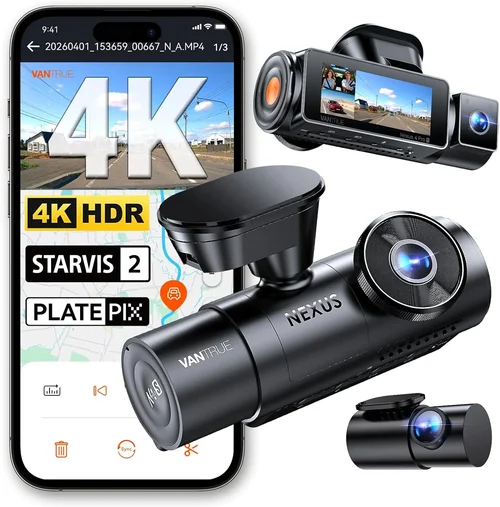
❌ Mistake: Choosing Based Solely on Price
Why it’s bad: Many buyers fall into the trap of selecting the cheapest option without considering long-term value. Low-priced dash cams often compromise on critical components like sensor quality, build materials, and software reliability, resulting in poor footage quality and frequent malfunctions.
What to do instead: Establish your budget first, then prioritize features based on your specific needs. A slightly more expensive model with better resolution, reliable build quality, and good customer support will ultimately provide better value and peace of mind than the cheapest available option.
❌ Mistake: Ignoring Local Climate Conditions
Why it’s bad: Indian weather presents unique challenges—extreme heat, monsoon rains, dust storms, and temperature fluctuations. Dash cams designed for temperate climates may fail or degrade quickly under these conditions due to inadequate thermal management, moisture resistance, or material limitations.
What to do instead: Research dash cam performance in similar climates or specifically look for models marketed for Indian/Eastern Hemisphere markets. Check specifications for operating temperature ranges and water resistance ratings. Models with aluminum or magnesium alloy housings tend to perform better in high-heat conditions.
❌ Mistake: Overlooking Storage Requirements
Why it’s bad: Assuming all dash cams use the same memory cards or that storage capacity remains constant regardless of video quality can lead to unexpected expenses. Higher resolution recording dramatically increases storage needs, and forgetting to replace or upgrade your memory card means losing recent footage when the card fills up.
What to do instead: Calculate your expected storage needs based on your driving patterns and resolution requirements. Factor in the cost of high-quality microSD cards (recommended brands include Samsung, SanDisk, and Lexar) and consider cameras with expandable storage or cloud backup options for important recordings.
❌ Mistake: Neglecting Installation Considerations
Why it’s bad: Poor installation leads to multiple issues: the camera may obstruct your view, wires may interfere with airbags or controls, adhesive mounts may fail in heat, and improper power connections can damage your vehicle’s electrical system or void warranties.
What to do instead: Choose a mounting location that doesn’t impede your view and won’t interfere with airbag deployment zones. Consider professional installation if you’re uncomfortable with wiring, especially for hardwired models with parking mode functionality. Ensure all cables are routed away from hot surfaces and moving parts.
❌ Mistake: Disregarding Legal and Privacy Concerns
Why it’s bad: Dash cams with audio recording capabilities raise privacy issues, both for you and others around you. In India, privacy laws vary by state, and recording conversations without consent could potentially violate local regulations. Additionally, sharing footage publicly without proper context may lead to defamation or other legal complications.
What to do instead: Understand local laws regarding audio recording and obtain consent when recording conversations. Use dash cams primarily for personal safety and evidence collection rather than public surveillance. Avoid sharing footage on social media without verifying its relevance and accuracy first.
❌ Mistake: Expecting Professional-Grade Performance from Budget Models
Why it’s bad: While some budget dash cams offer surprisingly good performance, they rarely match the advanced features, durability, and reliability of premium models. Expecting features like AI collision detection, military-grade shock resistance, or 4K recording from entry-level devices leads to disappointment and wasted investment.
What to do instead: Match your expectations to your budget and requirements. If you need advanced features, invest accordingly. For basic needs, focus on core qualities like reliable recording, decent night vision, and straightforward operation rather than gimmicky extras.
❌ Mistake: Skipping Firmware Updates and Maintenance
Why it’s bad: Dash cam manufacturers frequently release firmware updates to improve performance, fix bugs, and add new features. Neglecting these updates can leave your device vulnerable to known issues, reduce functionality, and potentially cause compatibility problems with newer memory cards or operating systems.
What to do instead: Regularly check the manufacturer’s website for firmware updates and follow their update procedures carefully. Keep your dash cam clean and free of dust, and test recording functionality periodically to ensure optimal performance throughout the device’s lifespan.
Budget Guidelines: How Much Should You Spend?
Entry-Level Range: ₹2,000 – ₹5,000
The entry-level segment offers reliable basic functionality for drivers seeking essential recording capabilities without breaking the bank. These models typically feature 720p or early-generation 1080p resolution, adequate low-light performance, and straightforward operation. While they may lack advanced features like GPS, Wi-Fi, or sophisticated parking mode, they fulfill the primary purpose of capturing clear road footage for accident documentation.
Recommended for: Occasional drivers, budget-conscious families, secondary vehicles, or those testing dash cam functionality before upgrading. Examples include basic single-lens models from established brands with proven track records in the Indian market.
Mid-Range Segment: ₹5,000 – ₹12,000
This sweet spot represents the best value proposition for most Indian drivers, offering significant improvements over entry-level models while remaining affordable. Mid-range dash cams typically deliver Full HD 1080p recording at 30fps, enhanced night vision capabilities, reliable loop recording, and often include useful features like G-sensor for incident detection, built-in GPS, and mobile app connectivity.
Recommended for: Daily commuters, small business owners, families with regular driving needs, and anyone seeking a balance between features and affordability. This category includes many dual-lens systems starting around ₹8,000, providing comprehensive coverage at reasonable prices.
Premium Segment: ₹12,000 – ₹25,000
Premium dash cams offer substantial upgrades in build quality, image processing, and feature sets compared to mid-range options. These models typically feature 2K or early 4K resolution, advanced HDR imaging, superior low-light performance, sophisticated parking surveillance with motion detection, cloud connectivity, and enhanced durability suitable for harsh Indian conditions.
Recommended for: Enthusiasts, tech-savvy drivers, professionals who drive frequently, and those prioritizing maximum reliability and image quality. Premium models often include professional-grade features like emergency SOS buttons, advanced voice commands, and seamless integration with smart home ecosystems.
Luxury Segment: ₹25,000+
The luxury segment represents the pinnacle of dash cam technology, featuring cutting-edge innovations that justify their premium pricing. These devices typically offer 4K recording with advanced stabilization, AI-powered collision detection, military-grade construction, multiple camera arrays, real-time streaming capabilities, and comprehensive vehicle integration systems.
Recommended for: Luxury vehicle owners, fleet managers, professional drivers, and technology enthusiasts who demand the absolute best performance and features. While overkill for casual drivers, these systems provide unmatched reliability, image quality, and advanced functionality for serious users.
Expert Tips for Getting the Best Deal
Timing Your Purchase Strategically
Awareness of seasonal sales cycles can save you significant amounts on dash cam purchases. Major shopping festivals in India—including Diwali (October-November), Republic Day (January), and Amazon Great Indian Festival (September)—often feature substantial discounts on electronics. Additionally, end-of-season clearance sales (around March and August) can provide excellent deals on last year’s models.
Consider waiting for new model releases, which typically trigger price drops on existing inventory. Most manufacturers announce new products 3-6 months before launch, giving retailers opportunities to clear stock. Sign up for email newsletters from major electronics retailers and dash cam manufacturers to receive advance notice of sales and exclusive promotions.
Choosing the Right Retail Channel
The Indian market offers multiple purchasing channels, each with distinct advantages. Authorized dealer stores provide professional installation, warranty assurance, and immediate availability but often have higher markups. Online platforms like Amazon, Flipkart, and specialized electronics websites offer competitive pricing, detailed product comparisons, and customer reviews but require careful verification of seller credibility and return policies.
Consider hybrid approaches: purchase online for the best selection and pricing, then schedule professional installation at an authorized service center. This strategy combines cost savings with quality assurance and proper setup.
Identifying Authentic Deals and Discounts
Be cautious of unrealistic discount percentages, as they may indicate counterfeit products or inflated original prices. Authentic deals typically reflect genuine manufacturing cost reductions or retailer margin adjustments rather than artificial price inflation. Compare prices across multiple platforms and check historical pricing data using tools like price tracking websites or browser extensions.
Bundle deals offering installation services, extra memory cards, or extended warranties often provide better value than standalone purchases. However, ensure bundled items meet your quality standards and aren’t simply adding unnecessary accessories to increase the total price.
Understanding Warranty Terms Thoroughly
Warranty coverage varies significantly between brands and models. Standard warranties typically range from 12-24 months, covering manufacturing defects and component failures. Extended warranty programs may add 1-2 years of coverage but often exclude accidental damage or wear and tear.
Pay attention to service network coverage—check if authorized service centers exist in your city or nearby locations. International warranty validity is crucial for travelers, while comprehensive coverage including labor costs and shipping fees adds significant value to premium purchases.
Evaluating Return and Exchange Policies
Reliable return policies provide essential consumer protection, especially for electronic products where functionality assessment requires testing. Ideal return windows range from 7-30 days, allowing sufficient time to verify performance and installation compatibility. Some retailers offer 30-day “no questions asked” returns, while others require original packaging and unopened status.
Understand restocking fees, which typically range from 5-15% of the purchase price. Clear return processes with prepaid return labels and prompt refund timelines significantly reduce the stress associated with product dissatisfaction or compatibility issues.
Testing Functionality Before Committing
Whenever possible, test dash cam functionality before making a final purchase decision. Many electronics stores display working models that allow you to evaluate image quality, interface responsiveness, and feature accessibility. Ask to review sample footage on the device and check if the included memory card meets your storage expectations.
If testing isn’t feasible, prioritize brands with strong reputations and positive customer feedback regarding ease of use and reliability. Watch video demonstrations and read detailed reviews focusing on real-world performance rather than marketing claims.
Negotiating Additional Benefits
Don’t hesitate to negotiate for added value beyond the base product price. Request free installation, complimentary memory cards, extended warranties, or accessory bundles during purchase discussions. Sales representatives often have discretion to provide these incentives to close deals, especially during slow periods or when competing against online competitors.
Bundle negotiations with complementary products like phone mounts, cable organizers, or car cleaning kits can create comprehensive solutions while reducing overall costs. Document all negotiated terms in writing to ensure they’re honored at delivery.
Considering Refurbished or Open-Box Options
Certified refurbished dash cams from reputable sellers can offer substantial savings while maintaining quality standards. These products undergo thorough testing, replacement of worn components, and come with full warranty coverage equivalent to new units. Open-box items—returned products in original condition—provide another cost-effective alternative with similar benefits.
Always verify refurbishment certification from the manufacturer rather than third-party sellers, and ensure all original accessories and documentation are included. Reputable refurbishers typically offer longer warranties than standard retailers for these products.

Frequently Asked Questions
Q: Do I really need a dash cam in India?
A: While not legally required, dash cams offer significant benefits for Indian drivers facing challenging road conditions. They provide objective evidence during accidents, help resolve insurance disputes, deter theft and vandalism, and promote safer driving behavior. Given India’s complex traffic environment, congested urban areas, and sometimes unpredictable road conditions, a dash cam represents a worthwhile investment for vehicle protection and peace of mind.
Q: What’s the difference between 1080p and 4K dash cams?
A: Resolution differences translate directly to image clarity and detail. 1080p (Full HD) provides excellent quality for most driving scenarios, capturing license plates, road signs, and facial details clearly. 4K resolution offers four times the pixels of 1080p, enabling much finer detail capture—particularly useful for identifying distant objects or reading small text. However, 4K requires significantly more storage space (approximately 4x the capacity) and processing power, resulting in higher costs and potentially shorter recording times.
Q: How often should I replace my dash cam’s memory card?
A: Memory card replacement frequency depends on several factors: resolution settings, recording duration, compression technology, and storage allocation settings. Generally, 64GB cards suffice for 720p recording (approximately 1 week of footage), while 1080p may last 3-5 days. High bitrate settings or continuous recording with advanced features reduce available storage time. Monitor your card usage regularly and replace before reaching full capacity to prevent loss of important recent footage.
Q: Can dash cams drain my car battery?
A: Modern dash cams consume minimal power—typically 1-2 watts during operation and less than 0.5 watts in standby. However, parking mode functionality can pose battery drain risks if not properly configured. Capacitor-based systems are safer than hardwired solutions with continuous power draws. To prevent battery drain, set appropriate parking mode sensitivity levels, use parking mode only when necessary, and consider installing a smart battery cutoff switch for automatic shutdown when charging is insufficient.
Q: Are dash cams legal in India?
A: Dash cams themselves are legal throughout India, as they record public road activity without violating privacy laws when used appropriately. However, audio recording capabilities raise legal considerations since Indian privacy laws vary by state and often require consent for recording private conversations. Always inform passengers when audio recording is active and avoid recording in private spaces or sensitive locations like inside vehicles during non-driving activities.
Q: How do I choose between single-lens and dual-lens systems?
A: Single-lens dash cams capture only the forward view and offer simpler installation, lower cost, and adequate coverage for most drivers. Dual-lens systems include both front and rear cameras, providing comprehensive coverage ideal for families, commercial vehicles, or those concerned about rear-end collisions or parking incidents. Consider your driving patterns, vehicle usage, and whether rear coverage addresses specific concerns before deciding between these configurations.
Q: What features should I prioritize when buying a dash cam for Indian roads?
A: For Indian driving conditions, prioritize resolution (minimum 1080p), night vision capability, build quality suitable for heat and humidity, reliable loop recording, and parking mode functionality. Additional valuable features include GPS tracking, Wi-Fi connectivity for easy file transfer, and robust customer support. Consider your specific needs—such as frequent long-distance driving, urban commuting, or vehicle security concerns—when selecting among these features.
Q: Can I install a dash cam myself, or should I hire a professional?
A: Basic dash cam installation is achievable for DIY enthusiasts with moderate technical skills. Simple adhesive-mounted models with USB power connections require minimal effort and knowledge. However, hardwired installations for parking mode functionality or complex dual-camera setups benefit from professional installation to ensure proper wiring, avoid electrical issues, and maintain warranty validity. Professional installation typically costs ₹500-₹1500 and provides peace of mind regarding safety and aesthetics.
Q: How do I access and manage my dash cam’s footage?
A: Footage access methods vary by model but commonly include direct viewing through the dash cam’s screen, computer connection via USB, or wireless transfer to smartphones using companion apps. Most dash cams organize recordings chronologically with timestamped files, making identification straightforward. Advanced models offer cloud storage integration, automatic backup to external drives, or mobile app features for remote viewing and clip sharing. Regularly backing up important footage prevents data loss from memory card corruption or accidental deletion.
Q: What maintenance does a dash cam require?
A: Routine dash cam maintenance is minimal but important for reliable performance. Clean the lens regularly with microfiber cloths to remove dust, fingerprints, and moisture. Check memory card health periodically and replace as needed. Update firmware when available to benefit from performance improvements and bug fixes. Verify that mounting adhesives remain secure, especially after exposure to extreme temperatures. Most importantly, test recording functionality monthly to ensure continued operation before relying on it for critical evidence.
Our Final Recommendations
Best for Budget-Conscious Buyers: VIOFO A119 V3
The VIOFO A119 V3 represents exceptional value for drivers seeking reliable performance without premium pricing. This dual-lens system delivers crisp 1080p recording from both front and rear cameras, featuring impressive night vision capabilities and robust build quality suitable for Indian conditions. With GPS tracking, built-in G-sensor, and reliable loop recording, it covers essential functionality at an accessible price point. The A119 V3’s popularity in the Indian market stems from consistent performance, straightforward operation, and widespread availability of compatible accessories.
Best Overall Value: BlackVue DR970X-2CH
BlackVue’s DR970X-2CH earns its position as the best overall value by combining professional-grade features with user-friendly operation. This dual-camera system offers stunning 2K front recording and 1080p rear capture, along with cloud connectivity for remote access and management. Advanced features like AI collision detection, parking mode with smart battery management, and reliable performance in extreme temperatures make it ideal for diverse Indian driving scenarios. While priced above entry-level options, the comprehensive feature set and proven reliability justify the investment for serious drivers.
Best Premium Option: Thinkware U1000
The Thinkware U1000 stands as the premium choice for discerning drivers demanding the highest image quality and advanced functionality. This flagship model delivers breathtaking 4K Ultra HD recording with advanced HDR imaging, providing unprecedented detail capture for accident reconstruction and evidence collection. Military-grade construction ensures durability in challenging Indian conditions, while sophisticated features like emergency SOS, voice commands, and seamless smartphone integration elevate the driving experience. Though at the upper end of the price spectrum, the U1000’s exceptional performance and comprehensive feature set make it the ultimate dash cam solution.
Best for Beginners: Rexing V1P Pro
New drivers will appreciate the Rexing V1P Pro’s intuitive design and reliable performance without overwhelming complexity. This single-lens system offers dependable 1080p recording with excellent low-light capability and straightforward operation through a simple interface. Built-in WiFi enables easy file transfer to smartphones, while the compact size fits unobtrusively on most dashboards. The V1P Pro’s combination of essential features, competitive pricing, and positive user feedback makes it an ideal introduction to dash cam technology for first-time buyers.
Best for Advanced Users: Garmin Dashcam Mini
Technology enthusiasts and advanced users will find the Garmin Dashcam Mini appealing for its compact design and integration with Garmin’s ecosystem of navigation and safety products. This pocket-sized camera delivers reliable 1080p recording with automatic incident detection and cloud storage capabilities. The Mini’s seamless compatibility with Garmin GPS devices creates a unified safety platform, while its discreet form factor minimizes visual distraction. For drivers already invested in Garmin’s technology suite or seeking a minimalist dash cam solution, the Mini offers sophisticated functionality in an unobtrusive package.
Best for Commercial Use: Nextbase 522GW
Business owners and fleet operators benefit from the Nextbase 522GW’s robust feature set tailored for professional applications. This dual-lens system provides simultaneous front and rear recording with impressive 1440p quality, along with Alexa voice control for hands-free operation. Cloud storage integration, incident detection, and reliable performance make it ideal for commercial vehicles requiring comprehensive documentation. The 522GW’s durability, advanced features, and professional-grade capabilities justify its position as the preferred choice for business-oriented dash cam needs.
Best for Luxury Vehicles: HP Autovision HV410
Luxury vehicle owners seeking premium aesthetics and performance will appreciate the HP Autovision HV410’s sophisticated design and advanced functionality. This dual-camera system offers 4K recording with exceptional image stabilization and HDR processing, ensuring crystal-clear footage in all conditions. The HV410’s sleek profile complements luxury interiors while delivering professional-grade performance. Integrated parking assistance, advanced safety alerts, and seamless smartphone connectivity create a complete premium driving ecosystem that matches the sophistication of high-end vehicles.
Best for Off-Road Adventures: Garmin VIRB XE
Adventure enthusiasts and off-road drivers will find the Garmin VIRB XE uniquely suited for extreme conditions. While technically a dash cam, this device functions as a versatile action camera with dash cam capabilities, featuring waterproof construction, rugged durability, and advanced stabilization. Its ability to record simultaneously from multiple angles and withstand harsh environments makes it ideal for mountain driving, rural exploration, or any scenario requiring robust performance beyond typical urban conditions.
Conclusion: Making the Right Choice
Selecting the optimal dash cam for your vehicle in India involves balancing multiple factors—technical specifications, budget constraints, feature requirements, and practical considerations unique to Indian driving conditions. Rather than pursuing the absolute highest-end model or settling for the cheapest available option, successful buyers focus on matching device capabilities with their specific needs, driving habits, and lifestyle requirements.
The Indian dash cam market continues evolving rapidly, with manufacturers introducing increasingly sophisticated features while maintaining accessibility for budget-conscious buyers. By understanding key technical aspects like resolution, storage management, and build quality, and by avoiding common pitfalls related to price-only decisions or ignoring local climate conditions, you can make an informed purchase that delivers lasting value.
Remember that a dash cam serves multiple purposes: evidence collection during accidents, deterrent against vehicle crimes, documentation for insurance claims, and simply promoting safer driving awareness. Regardless of your specific motivations, investing in quality dash cam technology represents a proactive step toward vehicle protection and personal safety on India’s challenging roads.
Before making your final decision, revisit your priorities: Are you primarily concerned with basic recording functionality, or do you need advanced features like parking surveillance, cloud connectivity, or professional-grade durability? Does audio recording matter for your use case, or would you prefer to prioritize video quality and storage efficiency? Understanding these fundamental questions will guide you toward the perfect dash cam solution that enhances your driving experience while providing essential protection for your vehicle and peace of mind for yourself and your passengers.
The journey to finding the ideal dash cam begins with research, continues with careful evaluation of your options, and culminates in confident purchase decision-making. Armed with the comprehensive insights provided in this guide, you’re now equipped to navigate the Indian dash cam market confidently and select a device that serves you reliably for years to come.