360° Dash Cam Purchase Guide
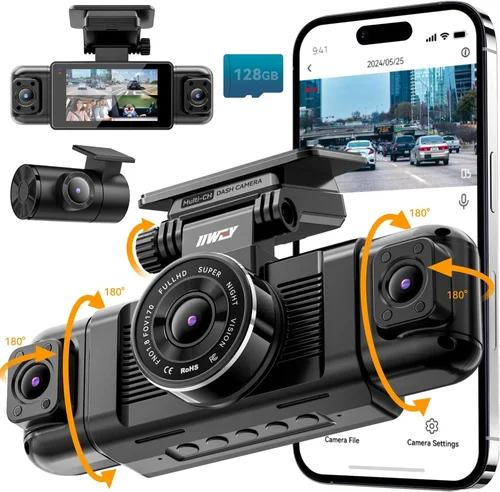
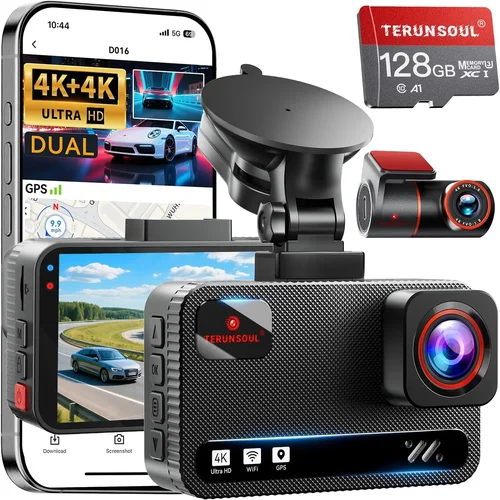
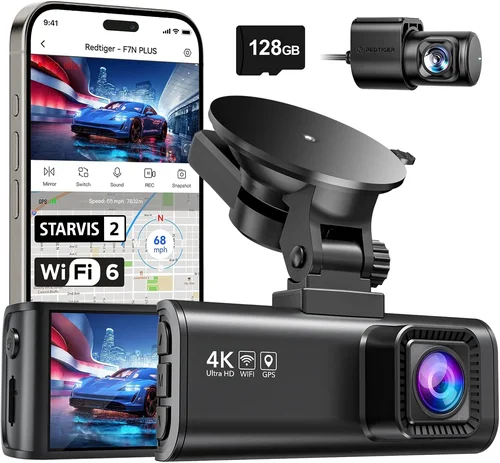
When it comes to protecting yourself on the road, having a reliable dash cam isn’t just convenient—it’s essential. In India’s bustling traffic conditions, unexpected incidents can happen in seconds. A 360-degree dash cam offers comprehensive coverage, capturing what happens in front, behind, and all around your vehicle. This level of surveillance provides unmatched peace of mind, especially when dealing with insurance claims, legal disputes, or even parking incidents. With the market flooded with options, choosing the right one can be overwhelming. That’s why we’ve created this detailed buying guide to help you navigate the complexities and find the best 360-degree dash cam for your car in India.
In this comprehensive article, you’ll learn how to evaluate dash cams based on performance, durability, features, and value for money. We’ll walk you through the key specifications that matter most, explain the differences between various types of 360-degree systems, and highlight common pitfalls to avoid. Whether you’re a first-time buyer or upgrading from a basic model, our expert insights will ensure you make an informed decision. From budget-friendly options to premium setups with advanced AI capabilities, we’ve got every need covered.
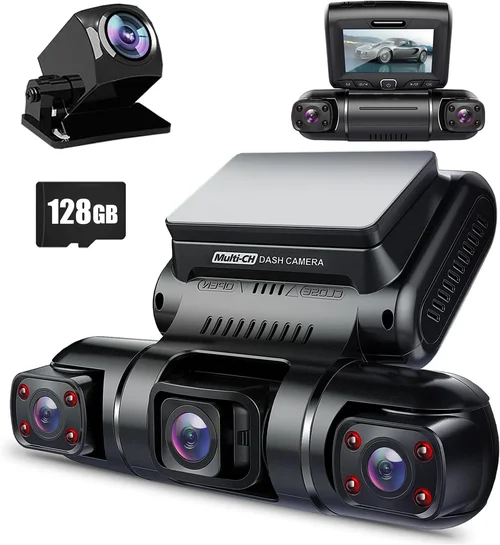
The Indian automotive accessory market has seen explosive growth in recent years, driven by rising awareness about road safety, increasing insurance fraud cases, and the popularity of ride-sharing platforms. As more drivers demand visibility and accountability, 360-degree dash cams have transitioned from luxury gadgets to practical necessities. However, not all systems deliver true 360-degree functionality. Many claim full coverage but only offer front and rear cameras without blind-spot monitoring or interior views. Understanding the nuances—like resolution, field of view (FOV), night vision, and connectivity—is crucial. This guide cuts through the noise and delivers actionable advice tailored specifically to Indian driving conditions, including monsoon rains, poor lighting, and chaotic urban traffic.

What to Look for When Buying Dash Cams
Budget & Price Range
Your budget sets the foundation for your entire purchase. In India, 360-degree dash cams range from affordable entry-level models under ₹10,000 to high-end systems exceeding ₹50,000. While it’s tempting to go for the cheapest option, remember that low-cost models often compromise on critical features like image quality, storage reliability, and build durability. Consider how much you’re willing to invest based on your usage frequency, vehicle type, and whether you drive long distances daily. For city commuters, a mid-range model might suffice, while commercial drivers or fleet operators should prioritize premium options with robust support and extended warranties.
Performance Specifications
The heart of any dash cam lies in its technical performance. Key metrics include video resolution (measured in megapixels), frame rate (FPS), sensor size, and compression technology. For clear footage, aim for at least 1440p resolution across all four cameras. Higher FPS ensures smoother motion capture during fast maneuvers or accidents. Look for sensors with good low-light sensitivity—essential for nighttime driving in India’s poorly lit areas. H.265 compression reduces file sizes without sacrificing quality, saving storage space. Additionally, check loop recording duration; longer intervals mean less frequent file overwrites during long drives.
Build Quality & Durability
A dash cam must withstand extreme temperatures, dust, moisture, and vibrations typical in Indian roads. Aluminum alloy housings offer better heat dissipation than plastic ones. Waterproof ratings (IP67 or higher) protect against rain splashes and humidity. Secure mounting brackets prevent detachment during sudden braking or pothole impacts. Thermal protection shuts off the device if internal temperature exceeds safe limits—critical during summer months when cars get scorching hot. Always opt for models tested under Indian climatic conditions; generic international products may fail prematurely due to voltage fluctuations or power surges common here.
Features & Functionality
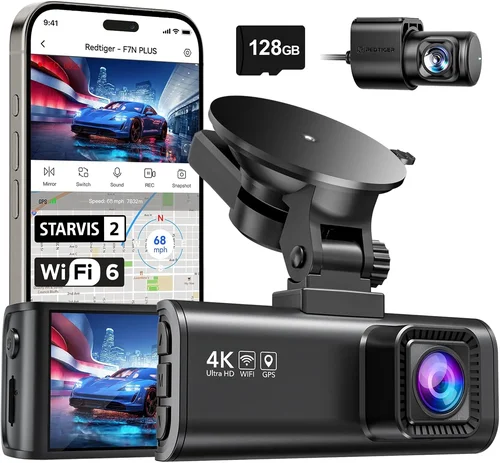
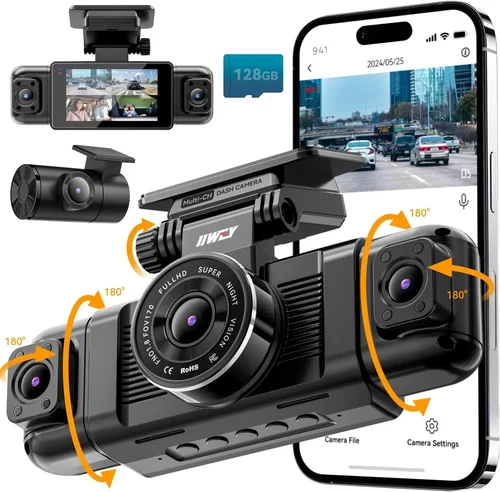
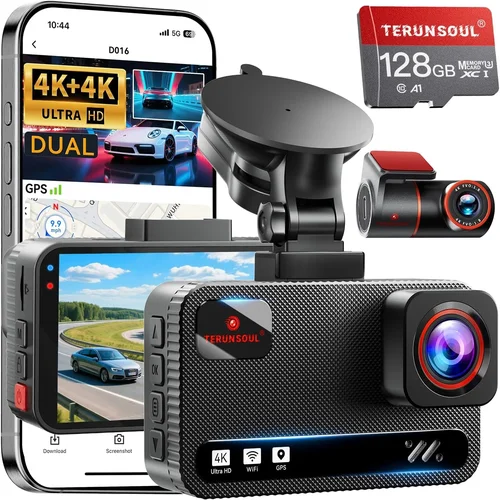
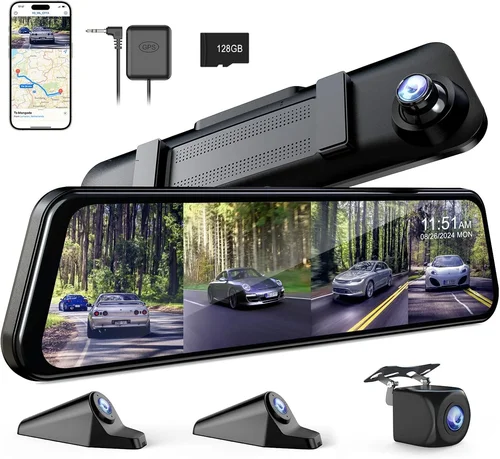
Modern 360-degree dash cams come packed with intelligent features. GPS tracking logs speed, location, and route history—useful for proving innocence in hit-and-run cases. G-sensor triggers automatic emergency recording upon collision detection. Parking mode uses motion alerts to record suspicious activity when your car is unattended. Wi-Fi and app integration allow remote viewing and live streaming via smartphone. Some models include voice commands, driver drowsiness alerts, or even dashcam-to-dashcam communication for fleet management. Prioritize features aligned with your primary use case: personal safety, fleet monitoring, or evidence collection.
Brand Reputation
Stick to established brands with proven track records in India. Companies like BlackVue, Garmin, Nextbase, and DigiCamControl have service centers, genuine spare parts availability, and responsive customer support. Avoid obscure Chinese brands offering flashy specs at rock-bottom prices—they often lack post-purchase assistance or software updates. Check user forums, YouTube reviews, and local dealer feedback before committing. Brands with ISO certifications and regional manufacturing facilities tend to offer better after-sales service and warranty fulfillment.
Warranty & Support
Reliable warranty terms are non-negotiable. Opt for minimum two-year manufacturer warranty covering both hardware and software defects. Free return policies within 7–14 days let you test the product risk-free. Ensure the brand offers doorstep pickup/delivery for repairs during warranty periods. Software updates should be free and regular—especially important for AI-based features like license plate recognition or facial detection. Local language support (Hindi, Tamil, etc.) and toll-free helplines add significant value for non-English speakers.
Size & Portability
Compact designs minimize visual distraction and maximize windshield visibility. Ultra-thin profiles (under 2 cm thick) reduce glare and wind noise. Low-profile mounts keep cameras flush with the dashboard. If you frequently switch vehicles, consider removable or wireless models. However, larger screens (3–5 inches) enhance usability but take up more space. Balance aesthetics with functionality—your dash cam shouldn’t obstruct your view or annoy passengers.
User Reviews & Ratings
Real-world feedback reveals hidden flaws. Analyze thousands of verified purchases on Amazon, Flipkart, and official websites. Pay attention to recurring complaints—poor night vision, short battery life, or unreliable cloud sync. Positive reviews highlighting ease of installation, clear audio, and responsive customer service are equally valuable. Cross-reference multiple sources to identify consistent patterns. Be wary of fake five-star ratings; look for detailed comments with photos or videos as proof.
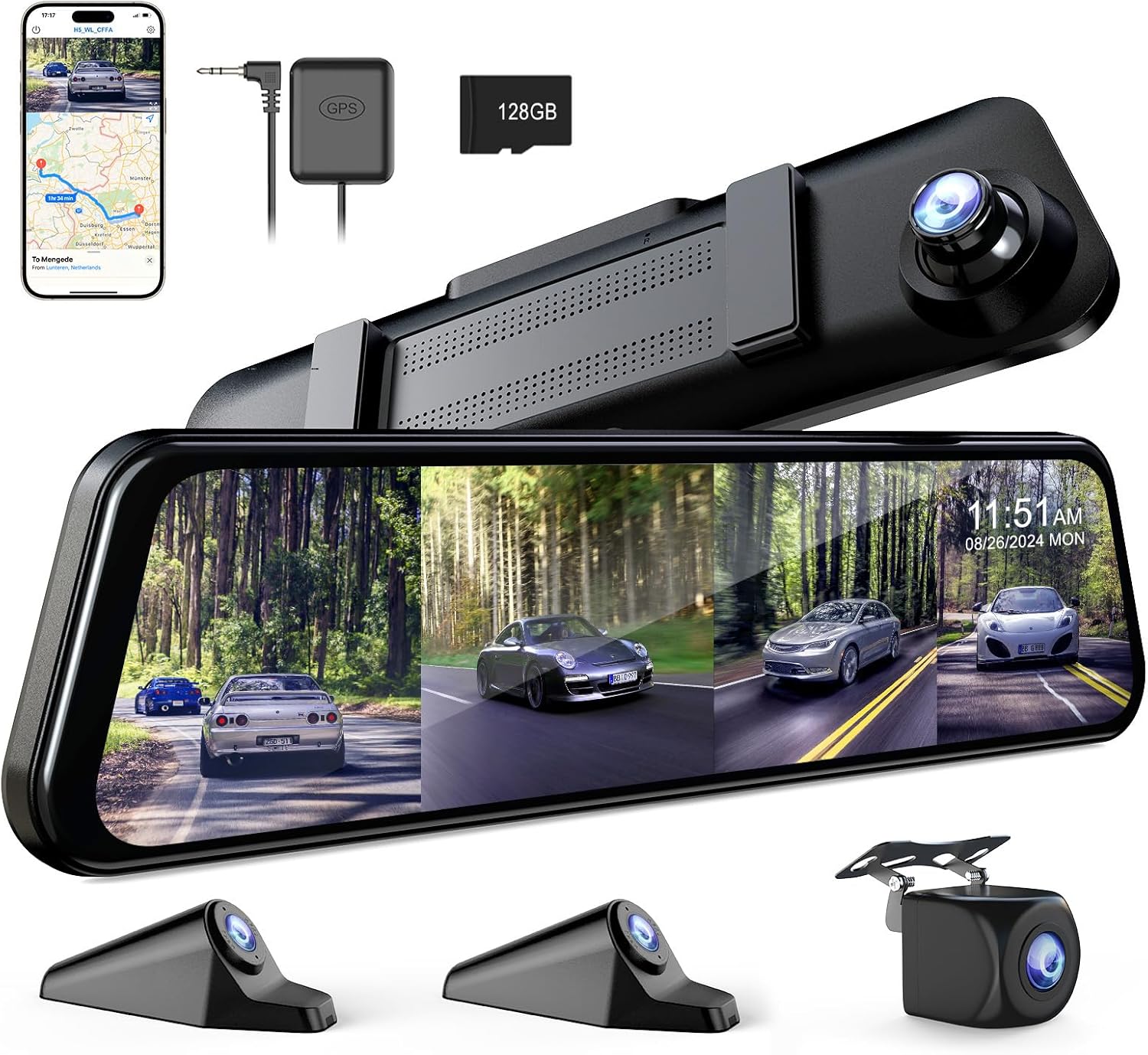
Different Types of Dash Cams
Common Buying Mistakes to Avoid
❌ Mistake: Ignoring Storage Requirements
Why it’s bad: Underestimating storage needs leads to constant overwrite cycles, missing critical events. A single 360-degree dash cam recording at 1440p generates over 1GB per hour. Without sufficient microSD cards or cloud storage, you’ll lose valuable footage.
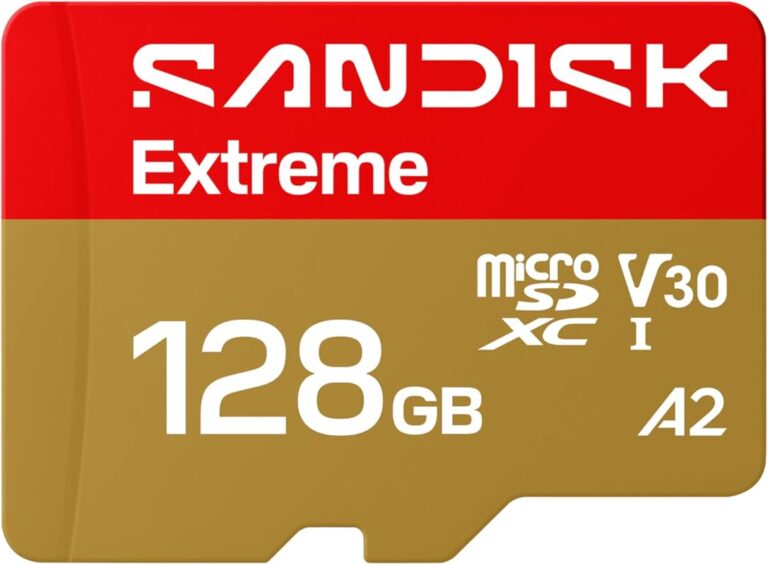
What to do instead: Calculate required capacity based on daily drive time. Use dual 128GB cards (one active, one backup). Enable cloud sync for automatic uploads. Choose cards rated UHS-I/U3 or higher for sustained write speeds.
❌ Mistake: Overlooking Night Vision Capabilities
Why it’s bad: Poor low-light performance renders nighttime footage useless. Most cheap models rely solely on infrared LEDs, which create grainy black-and-white images unsuitable for identifying details.
What to do instead: Prioritize CMOS sensors with f/1.8 aperture or wider lenses. Look for HDR (High Dynamic Range) support to balance bright headlights and dark shadows. Test sample clips from the seller before buying.
❌ Mistake: Choosing Based Solely on Resolution
Why it’s bad: High megapixels don’t guarantee clarity if other factors suffer. A 4K front camera paired with 720p side/rear units creates inconsistent footage. Processing power also matters—older chips struggle with multi-cam encoding.
What to do instead: Aim for balanced specs: 1440p front, 1080p sides/rear minimum. Verify chipset (e.g., Ambarella S6L vs. Novatek). Check frame rates—30fps standard, 60fps for slow-motion loops.
❌ Mistake: Skipping Compatibility Checks
Why it’s bad: Power adapters, cigarette lighter sockets, or OBD-II ports vary by region. Using incompatible cables causes voltage drops, brownouts, or even blown fuses—especially problematic during monsoons with electrical instability.
What to do instead: Confirm input voltage (12V/24V systems differ). Test with your car’s existing fuse box layout. Prefer models with flexible power options (hardwired + USB-C).
❌ Mistake: Neglecting Weather Resistance
Why it’s bad: Indian summers exceed 45°C, while monsoons bring heavy rain and humidity. Non-waterproof units develop condensation inside lenses, leading to blurry footage and corrosion.
What to do instead: Demand IP67 certification or equivalent. Apply anti-fog coating sprays post-installation. Avoid direct sun exposure; use sunshades or park in shade whenever possible.
❌ Mistake: Disregarding Software Usability
Why it’s bad: Complex menus frustrate users during emergencies. Poorly designed apps delay access to footage when needed most.
What to do instead: Download demo apps beforehand. Practice navigation offline. Prefer brands with intuitive interfaces (e.g., BlackVue Drive app vs. clunky Chinese alternatives).
Budget Guidelines: How Much Should You Spend?
Entry-Level (₹8,000 – ₹18,000)
This tier suits occasional drivers or those testing dash cams for the first time. Expect basic 1080p front/rear setups with limited FOV (120° max). Storage relies on single microSD cards (32–64GB). Features like parking mode or GPS may be absent. Build quality leans toward plastic, and night vision is mediocre. Ideal for hatchbacks or budget sedans where full 360° isn’t critical—but still valuable for accident prevention.
Mid-Range (₹18,000 – ₹35,000)
The sweet spot for most Indian motorists. Here, you’ll find true 360-degree coverage with 1440p front, 1080p sides/rear, and wide-angle lenses (150°+). Dual-channel storage allows simultaneous recording from multiple angles. Advanced features like G-sensor, loop recording, and mobile app control become standard. Brands like Viofo, Rexing, or Ewent offer excellent value here. Perfect for daily commuters, taxi drivers, or families wanting comprehensive protection.
Premium (₹35,000 – ₹60,000)
Designed for professionals, fleet owners, or tech-savvy users. These systems feature 4K ultra-HD fronts, starlight sensors for near-darkness clarity, and AI-powered object detection (pedestrians, animals). Cloud integration enables automatic backup to secure servers. Hardware includes metal housings, waterproof connectors, and extended warranties. Think BlackVue DR970X-2CH or Garmin Dash Cam 67W. Justifiable if you handle sensitive cargo, operate in high-risk zones, or require courtroom-ready evidence.
Luxury (₹60,000+)
Top-tier models with enterprise-grade capabilities. Examples include integrated dash cams with LTE connectivity, facial recognition, or even cabin monitoring with privacy filters. Some support multi-vehicle networks for fleets exceeding 50 cars. Luxury tiers also offer custom firmware, priority support, and lifetime software updates. Only recommended for commercial operations, luxury car collectors, or security-conscious individuals needing maximum redundancy.
Expert Tips for Getting the Best Deal
- Timing Matters: Shop during festive sales (Diwali, Republic Day) or end-of-season clearances (March/April). Retailers slash prices to meet targets, and online platforms offer cashback or exchange deals.
- Compare Retailers: Online stores (Amazon, Flipkart) provide price matching and easy returns. Offline electronics hubs (Croma, Reliance Digital) allow hands-on testing. Hybrid shoppers should check both for bundled offers.
- Spot Fake Discounts: Beware inflated MRPs. Compare historical pricing using tools like Keepa or Honey. If a ₹30,000 model suddenly appears for ₹15,000, it’s likely refurbished or counterfeit.
- Verify Warranty Coverage: Ask for physical warranty cards and registration links. Avoid sellers who refuse to share IMEI/serial numbers. Register your product immediately after purchase.
- Test Before Committing: Request in-store demos. Play sample footage at night, simulate rain effects, and check touchscreen responsiveness. Ensure all buttons work flawlessly.
- Leverage Exchange Offers: Old dash cams (even broken ones) can fetch ₹1,000–₹3,000 credit. Combine this with bank discounts (ICICI Axis offers 10% off via credit cards) for extra savings.
- Join Loyalty Programs: Brands like Nextbase run subscriber clubs with exclusive firmware updates and member-only deals. Sign up early for perks.

Frequently Asked Questions
Q: Do I really need a 360-degree dash cam in India?
A: Absolutely. Indian roads are unpredictable. Blind spots cause collisions, hit-and-runs are common, and parking damage is rampant. A 360-degree system captures incidents from all angles—proving your innocence or catching culprits. Even if you rarely drive at night, monsoon floods or sudden downpours create hazardous visibility issues best documented comprehensively.
Q: Can dash cams drain my car battery?
A: Yes, but minimally. Modern models use smart power circuits that draw only 0.5A–1A when idle. Always pair with a capacitor or supercapacitor (not lithium batteries) for true parking mode. Hardwiring via fuse boxes eliminates battery drain entirely. Never leave dash cams plugged into chargers—they’re not designed for continuous power.
Q: Are dash cams legal in India?
A: Yes, but with caveats. Recording outside your vehicle (e.g., private property) violates privacy laws. Interior recordings require consent under IT Act guidelines. Public roads, highways, and your own driveway are safe zones. Avoid pointing cameras at pedestrians or cyclists without purpose.
Q: How long do dash cam batteries last?
A: Most lack built-in batteries. They rely on constant car power. However, capacitors store enough energy for 2–5 minutes of emergency recording during ignition-off events. True battery backups are external accessories. Never assume internal batteries—they degrade quickly and aren’t replaceable.
Q: Can I use multiple dash cams in one car?
A: Technically yes, but impractical. Each camera needs independent power, storage, and processing. Overloading your car’s electrical system risks shorts. Professional setups use centralized NVRs (Network Video Recorders), but these exceed home-user budgets. Stick to manufacturer-recommended configurations.
Q: Will a dash cam work during monsoons?
A: Rain-resistant models handle light showers fine. Heavy downpours cause lens fogging and reduced visibility regardless of quality. Anti-fog coatings and hydrophobic lens films help. Park under cover when possible. Post-rain, wipe lenses gently with microfiber cloths—never paper towels.
Q: How do I recover deleted footage?
A: Immediately stop using the device. Deleted files remain until overwritten. Use data recovery software like Recuva or PhotoRec on your PC. For cloud-synced models (e.g., BlackVue Cloud), access footage instantly online. Always maintain redundant backups—never trust single storage points.
Q: Can dash cams record audio?
A: Yes, but regulations vary. Delhi’s traffic police banned audio recording in 2017 due to privacy concerns. Other states permit it unless used maliciously. Disable microphone if unsure. Most premium models let you toggle audio on/off via settings.
Our Final Recommendations
Best for Budget-Conscious Buyers
Viofo A119 V3 Dual Camera Kit: Priced around ₹12,990, this reliable 2K front/rear combo offers crisp daytime footage and decent night vision. Includes GPS, G-sensor, and loop recording. Compact design fits most sedans. Limited to two cameras, but perfect for basic 180° coverage plus rear view—ideal if full 360° seems excessive.
Best Overall Value
BlackVue DR970X-2CH: At ₹28,500, this Korean flagship delivers stunning 4K front, 1080p rear, and wide 150° FOV. Features cloud connectivity, parking mode, and thermal protection. Robust build withstands Indian summers. Slight learning curve for menus, but worth it for clarity and reliability.
Best Premium Option
Garmin Dash Cam 67W: Priced at ₹34,990, it combines sleek design with 1440p recording, voice control, and collision detection. Exclusive features like LiveTrack share your route with friends. Excellent customer support and seamless smartphone pairing make it ideal for luxury car owners.
Best for Beginners
Rexing V1P Pro Max: Under ₹15,000, this user-friendly model offers 2K front, 1080p sides/rear, and built-in Wi-Fi. One-touch parking mode and intuitive app interface simplify operation. Comes with two 128GB cards—ready to use out-of-the-box. Great starter kit for new drivers.
Best for Advanced Users
DigiCamControl 360° Quad System: Customizable open-source platform appeals to tech experts. Supports up to four cameras (sold separately), custom overlays, and FTP uploads. Requires manual setup but offers unparalleled flexibility for fleet managers or security professionals.
Conclusion: Making the Right Choice
Selecting the best 360-degree dash cam in India hinges on aligning features with your lifestyle, budget, and driving habits. Don’t chase specs blindly—focus on real-world performance: clear footage in rain and darkness, durable construction, and hassle-free support. Remember, a dash cam is an investment in safety, not entertainment. Start by listing your priorities: Is it for personal protection, commercial compliance, or evidence preservation? Then match those needs to the right category—entry-level, mid-range, or premium.
The Indian market rewards patience. Wait for seasonal sales, compare retailer policies, and leverage exchange programs. Avoid impulse buys based on flashy ads; instead, research relentlessly. Test demos, read verified reviews, and consult local forums. And above all, choose a brand you trust—because when trouble strikes, you’ll need someone reliable to back you up.
With this guide, you’re equipped to cut through the confusion and select a system that truly protects you. Drive safely, stay vigilant, and let technology work for your peace of mind.