How to Choose the Best Dash Cam for Car in India 2026
Why investing in a reliable dash cam has never been more important for Indian drivers, with rising insurance fraud, road rage incidents, and the need to protect yourself against false claims. In 2026, the market has evolved significantly—offering smarter features, better night vision, and seamless integration with smartphones. This guide cuts through the noise and gives you the tools to make an informed decision that matches your driving habits, budget, and safety expectations.
You’ll learn how to evaluate critical factors like video resolution, storage options, GPS tracking, and loop recording. We’ll also break down the most common pitfalls people face when shopping online, compare different types of dash cams available today, and share expert-level tips on where to buy and when to make your purchase. Whether you’re a daily commuter navigating Mumbai traffic or a weekend explorer heading to hill stations, this guide ensures you get a dash cam that truly enhances your driving experience.
The Indian dash cam market is now more competitive than ever. From affordable single-channel models under ₹3,000 to advanced dual-camera systems with parking mode and cloud connectivity, there’s something for every type of driver. However, with so many brands claiming “HD” or “AI-powered,” it’s easy to be misled. Our goal is to arm you with real-world insights so you can confidently choose a device that delivers clear footage, withstands Indian road conditions, and fits seamlessly into your car’s ecosystem.

What to Look for When Buying Dash Cams
1. Budget & Price Range
Why it matters: Your budget sets the foundation for everything else—features, build quality, and reliability.
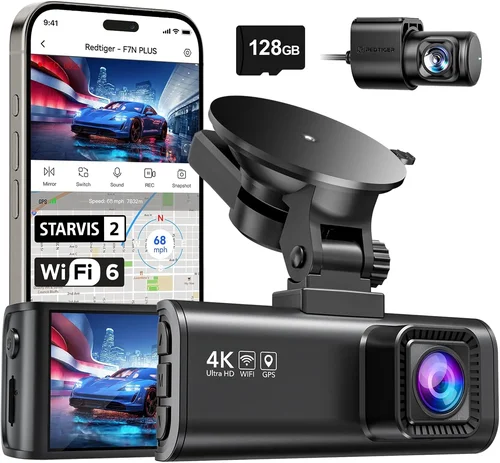
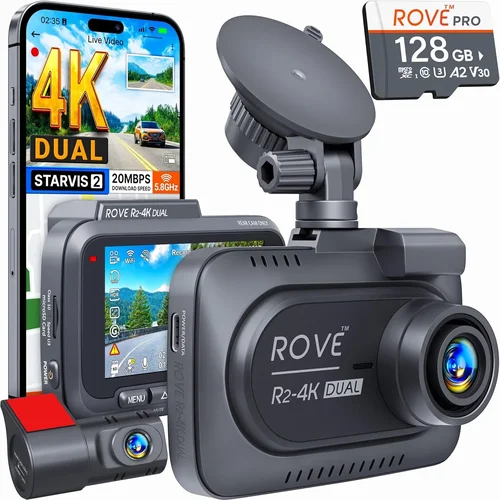
The price of a dash cam in India typically ranges from ₹2,500 to over ₹25,000. Entry-level models (₹2,500–₹5,000) offer basic 720p recording and loop recording but may lack night vision or G-sensor functionality. Mid-range units (₹5,000–₹12,000) often include 1080p or even 4K recording, built-in GPS, and parking mode. Premium models (₹12,000+) come with dual cameras, WDR (Wide Dynamic Range), Wi-Fi, and cloud storage integration.
For most Indian drivers, the sweet spot is between ₹6,000 and ₹10,000—where you get reliable performance without overspending. Consider long-term value: will this model last 2–3 years? Does it support firmware updates?
2. Performance Specifications
Resolution & Frame Rate: Look for at least 1080p Full HD at 30fps. While 4K is impressive, it increases file size and drains battery faster. For city driving, 1080p is sufficient. Avoid models that only offer 720p—they won’t capture license plates clearly.
Sensor Quality: CMOS sensors are standard. Larger sensors (like those from Sony Starvis) perform far better in low light. Always check if the brand specifies the sensor model.
Field of View (FOV): A wider angle captures more, but too wide distorts edges. Aim for 130°–150°. Anything above 170° often results in fish-eye distortion, making evidence hard to trust in court.
Night Vision: Essential for Indian roads where street lighting is inconsistent. Models with f/1.8 or lower aperture and WDR (Wide Dynamic Range) handle headlights and dark lanes much better.
3. Build Quality & Durability
Housing Material: Polycarbonate lenses resist scratches and impacts better than plastic. Check if the casing is rated IP65 or higher for dust and water resistance—critical in monsoon-heavy regions like Kerala or Assam.
Heat Dissipation: Dash cams left in parked cars can overheat. Look for designs with ventilation slots or heat-resistant materials. Avoid sealed units without airflow.
Mounting System: The suction cup or adhesive mount must stay secure through potholes and sudden braking. Tested mounts from reputable brands rarely fall off during rough drives.
Power Source: Hardwiring is ideal for permanent use, but many buyers opt for OBD-II ports or cigarette lighter adapters. Ensure compatibility with your car’s electrical system—especially if you have a compact hatchback with limited space.
4. Features & Functionality
G-Sensor (Impact Detection): Automatically locks footage during sudden stops or collisions to prevent overwrite. Critical for accident documentation.
Loop Recording: Overwrites old files when storage fills up, ensuring continuous coverage without manual cleanup.
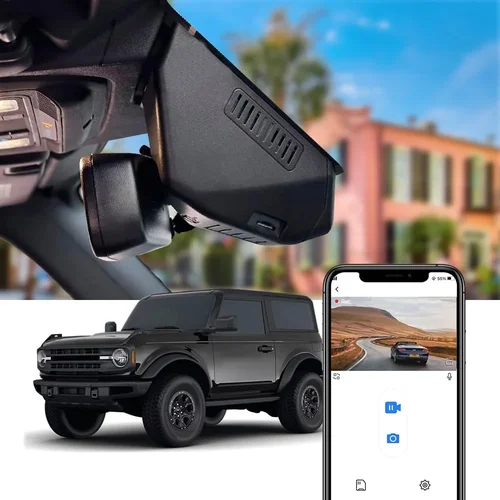
Parking Mode: Monitors your car while parked using motion detection or time-lapse recording. Some models draw power from the OBD port to avoid draining the battery.
GPS Tracking: Logs speed, location, and route data onto footage. Useful for verifying alibis or proving you weren’t speeding.
Wi-Fi & App Integration: Allows wireless transfer of clips to your phone via apps like Yoosee or Blackvue DrivePro. Enables cloud backup and remote viewing—great for monitoring parked vehicles.
Emergency Recording (Event Lock): Manually saves important moments by pressing a button. Combine this with G-sensor for dual-layer protection.
5. Brand Reputation
Why it matters: Established brands offer consistent software updates, responsive customer service, and genuine warranties.
Top-tier global brands like Garmin, BlackVue, and Thinkware dominate the premium segment. Indian players like DigiView and Viofo have gained trust through aggressive marketing and localized support. Avoid obscure Chinese brands selling on Amazon or Flipkart without verified reviews.
Check user forums, YouTube unboxings, and Reddit threads. A brand with thousands of 4-star+ ratings across platforms is generally safer than one with hundreds of mixed reviews and refund requests.
Also consider after-sales service: does the brand have service centers in major cities? Can you get replacement parts easily?
6. Warranty & Support
Minimum 1-year warranty: Should cover manufacturing defects and hardware failure. Some premium models offer 2–3 years.
Look for extended warranty plans or accidental damage coverage—especially valuable if you drive frequently through bumpy rural roads.
Customer support responsiveness is just as important. Brands offering live chat or quick email replies (within 24 hours) reduce frustration during setup or troubleshooting.
Some brands provide lifetime software updates—check if that’s included in the price.
7. Storage & File Management
MicroSD Card Compatibility: Most dash cams support up to 128GB cards. Class 10 or U3 rated cards ensure smooth 4K recording without dropped frames.
Auto-Formatting: Reliable models format new cards automatically upon insertion to avoid corruption.
File Organization: Clips should be timestamped and saved in folders by date. Searchable logs help locate specific incidents quickly.
Avoid models that require proprietary card formats—they lock you into expensive replacements.
8. Size & Portability
Compact Design: Smaller units (under 80mm wide) fit discreetly behind rearview mirrors without obstructing view.
Larger models may offer better cooling or extra buttons but can block peripheral vision—especially dangerous during lane changes on highways.
If you plan to move the dash cam between cars, prioritize lightweight, cable-managed designs.
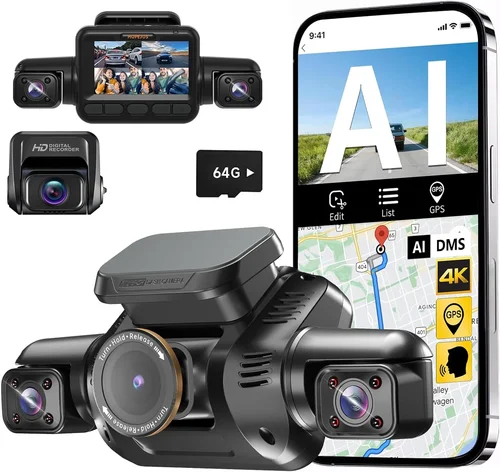
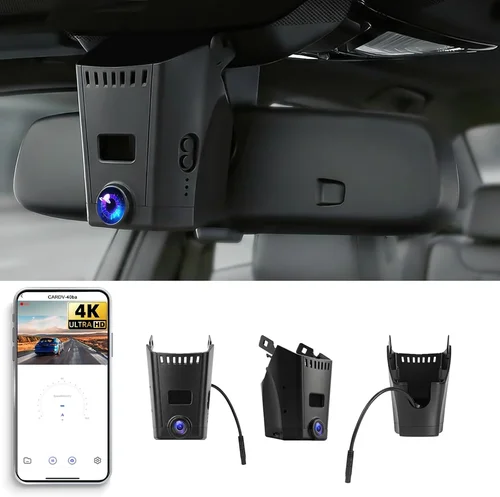
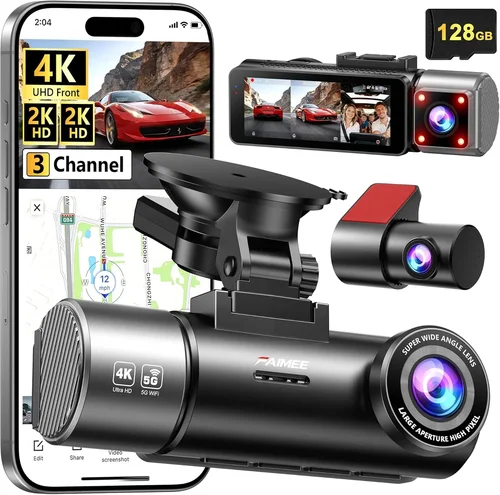
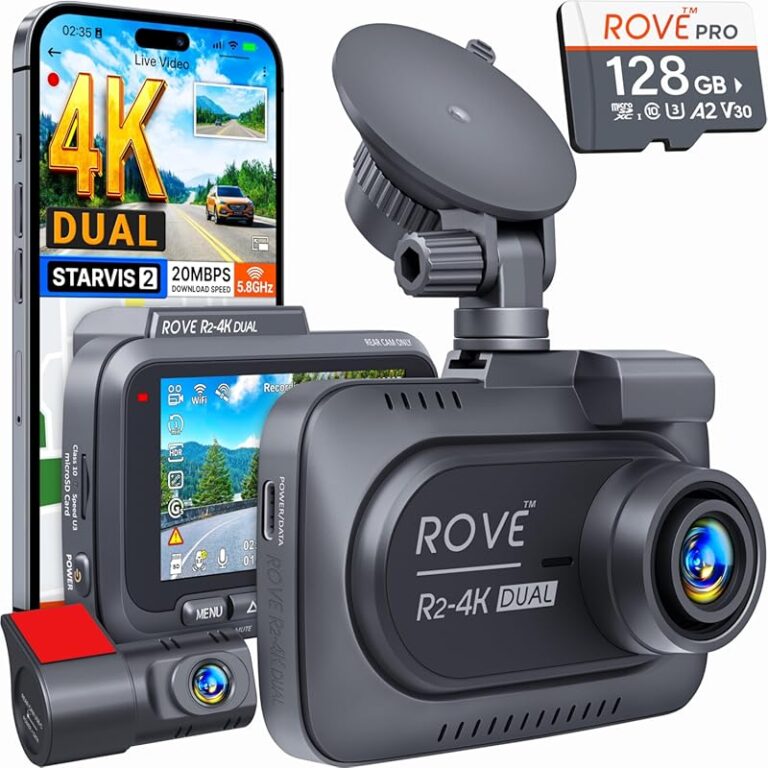
Different Types of Dash Cams

Common Buying Mistakes to Avoid
❌ Mistake: Choosing Based Solely on Price
Why it’s bad: A ₹2,500 dash cam may look tempting, but inferior sensors and lack of G-sensor mean critical footage gets overwritten or blurred.
What to do instead: Allocate at least ₹6,000 for essential safety features. Spend more if you drive long distances or park in high-theft areas.
❌ Mistake: Ignoring Night Performance
Why it’s bad: Indian roads are poorly lit at night. Without proper low-light capability, you lose half your coverage.
What to do instead: Prioritize models with f/1.8 lenses, WDR, and Sony Starvis sensors. Read night test videos before buying.
❌ Mistake: Skipping Parking Mode Testing
Why it’s bad: Many dash cams claim “parking mode” but drain batteries or fail to detect motion reliably.
What to do instead: Buy from brands with proven parking mode success stories. Hardwire or use an OBD-II power source to avoid battery drain.
❌ Mistake: Using Unreliable Storage Cards
Why it’s bad: Low-quality microSD cards corrupt files, causing loss of vital evidence.
What to do instead: Use branded cards (SanDisk Extreme, Samsung EVO Select) rated U3/A2. Format them monthly.
❌ Mistake: Overlooking Firmware Updates
Why it’s bad: Outdated firmware causes bugs, poor compatibility, or missing features.
What to do instead: Choose brands with regular update cycles. Subscribe to their newsletters for announcements.
❌ Mistake: Not Checking Mount Placement
Why it’s bad: A poorly placed unit blocks your view or falls off mid-drive.
What to do instead: Test mounting options in your car before finalizing. Use anti-glare positioning behind the mirror.
❌ Mistake: Buying Without Return Policy
Why it’s bad: If the device doesn’t work as expected, you’re stuck with it.
What to do instead: Only purchase from sellers with 7–15 day return windows. Amazon.in and Flipkart offer buyer protection.
Budget Guidelines: How Much Should You Spend?
Entry-Level: ₹2,500 – ₹5,000
This tier suits occasional drivers or those testing dash cam benefits. Expect 720p recording, basic loop recording, and minimal smart features. Ideal for students or seniors who drive short distances. Avoid if you commute daily or park outdoors regularly.
Mid-Range: ₹5,000 – ₹12,000
The sweet spot for most Indians. You’ll find 1080p/4K recording, GPS, G-sensor, and decent night vision. Popular choices include the Viofo A119 V3 and Z-Edge Z1 Pro. These handle urban driving, highway trips, and monsoon commutes effectively.
Premium: ₹12,000 – ₹20,000
For frequent travelers, fleet managers, or safety-conscious families. Features include dual cameras, Wi-Fi, cloud backup, and advanced driver assistance (like forward collision warnings). Brands like BlackVue and Garmin dominate here.
Luxury: ₹20,000+
Top-tier models with AI-powered object detection, 360° views, thermal imaging, and encrypted cloud storage. Rarely necessary unless you’re a commercial driver or invest heavily in asset protection.
Expert Tips for Getting the Best Deal
1. Time Your Purchase Strategically: Major sales occur during Republic Day (Jan), Independence Day (Aug), and festive seasons. Online platforms like Amazon and Flipkart run exclusive dash cam deals during these periods.
2. Compare Across Platforms: Check both Amazon.in and Flipkart—sometimes one offers free installation kits or extended warranties. Local electronics stores like Croma or Vijay Sales may provide hands-on demos.
3. Look for Bundled Offers: Many sellers include free microSD cards, suction mounts, or hardwiring kits. Value these extras—they can save ₹800–1,200.
4. Verify Seller Credentials: On e-commerce sites, stick to “Amazon Prime” or “Fulfilled by Flipkart” listings. Third-party sellers with low ratings often ship counterfeit products.
5. Test Before Committing: If buying offline, ask to test video playback and menu navigation. Ensure all buttons respond and settings adjust smoothly.
6. Negotiate Accessories: At physical stores, request additional mounts or cables as part of the package. Retailers often agree to sweeten deals.
7. Register Immediately: After purchase, register your product on the manufacturer’s website to activate warranty and receive update notifications.

Frequently Asked Questions
Q: Do I need a dash cam in India?
A: Absolutely. With rising road accidents, insurance disputes, and increasing demand for evidence-based claims, a dash cam protects you legally and financially. It’s especially useful in cities like Bengaluru, Delhi, and Mumbai where traffic is chaotic.
Q: Can a dash cam record while parked?
A: Yes, if it has parking mode. This feature uses motion detection or time-lapse recording to monitor your vehicle. However, it requires either an OBD-II power connection or hardwiring to avoid draining your car battery.
Q: What resolution should I choose—1080p or 4K?
A: For most Indian roads, 1080p is sufficient and more practical. 4K offers sharper detail but consumes more storage and battery. Unless you need extreme zoom or forensic clarity, stick with 1080p at 30fps.
Q: How much storage do I need?
A: One hour of 1080p footage takes ~500MB. A 64GB card holds ~20 hours; 128GB holds ~40 hours. For daily use, 64GB is enough if you delete weekly. Upgrade to 128GB if you enable parking mode.
Q: Will a dash cam affect my car’s resale value?
A: No—most buyers appreciate the added safety and evidence. Just ensure clean installation without visible wires. Hardwired systems look sleeker and last longer.
Q: Are dash cams legal in India?
A: Yes, completely legal. The Ministry of Road Transport allows dash cams as long as they don’t obstruct the driver’s view or emit distracting sounds.
Q: Which brands are trustworthy in India?
A: Garmin, BlackVue, Thinkware, and Viofo have strong reputations. Indian brands like DigiView and Xedge are gaining ground but lack global support. Avoid unknown “smart dash cam” brands on social media ads.
Q: Can I use the same dash cam in multiple cars?
A: Yes, if it supports removable mounts and flexible power sources. Look for models with universal suction cups and USB-C power inputs for easy transfers.
Our Final Recommendations
Best for Budget-Conscious Buyers
Viofo A119 Mini (₹4,999): Reliable 1080p recording, compact design, and excellent night vision. Includes GPS and G-sensor. Perfect for first-time buyers.
Best Overall Value
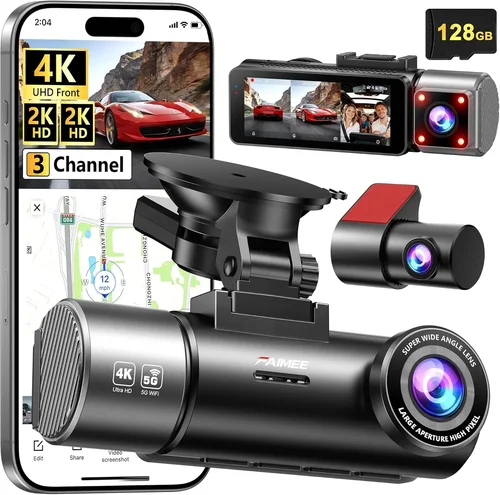
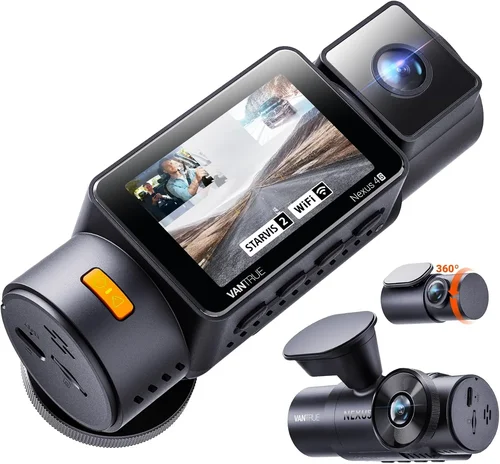
Z-Edge Z1 Pro (₹7,499): Dual-channel recording (front + cabin), 4K front camera, Wi-Fi app control, and built-in GPS. Handles everything from city drives to highway patrols.
Best Premium Option
Garmin Dashcam Pro (₹18,990): Military-grade durability, voice control, live streaming, and seamless Google Maps integration. Ideal for tech enthusiasts and professionals.
Best for Beginners
DigiView DV400 (₹3,799): Simple interface, plug-and-play setup, and reliable loop recording. Great for seniors or those new to dash cams.
Best for Advanced Users
BlackVue DR970X-2CH (₹22,500): Cloud connectivity, impact alerts, parking guard, and super-wide 150° FOV. Used by fleet operators nationwide.
Conclusion: Making the Right Choice
Choosing the best dash cam in India isn’t about picking the shiniest gadget—it’s about finding a reliable witness that stands by you when it matters most. By focusing on core factors like resolution, durability, and smart features, while avoiding common traps like low-cost compromises, you set yourself up for peace of mind on every journey.
Remember, the ideal dash cam balances your budget with your needs. If you’re a daily commuter, prioritize night vision and GPS. If you park in crowded markets, invest in parking mode and dual recording. And always buy from trusted sources with solid warranties.
In 2026, dash cams aren’t just accessories—they’re essential tools for modern drivers. Equip yourself wisely, install it correctly, and let technology do what it does best: protect you.