Best 4K Dash Cam Buying Guide
When it comes to protecting yourself on the road, a high-quality dash cam can be your most valuable ally. In recent years, 4K dash cams have revolutionized automotive safety technology, offering unprecedented video clarity that can make all the difference in accident reconstruction, insurance claims, or simply giving you peace of mind while driving. This comprehensive buying guide will walk you through everything you need to know about selecting the best 4K dash cam for your vehicle and specific needs.
Whether you’re a daily commuter concerned about liability protection, a parent documenting family road trips, or a professional driver who needs reliable evidence in case of disputes, understanding the nuances of 4K dash cam technology will help you make an informed decision. We’ll explore critical features like image sensor quality, recording capabilities, storage options, and smart functionality, while also providing practical advice on installation, maintenance, and troubleshooting common issues.
The market for 4K dash cams has become increasingly competitive, with manufacturers racing to deliver better image quality, smarter features, and more durable designs. However, this abundance of choices can also be overwhelming—which is why we’ve created this detailed guide. By the end of this article, you’ll have a clear understanding of what sets premium 4K dash cams apart from their lower-resolution counterparts and how to identify the perfect model for your budget and requirements.
What to Look for When Buying Dash Cams
1. Resolution and Video Quality
The primary reason most drivers upgrade to a 4K dash cam is the dramatic improvement in video clarity. While standard HD dash cams typically record at 1080p resolution, 4K models capture footage at 3840 x 2160 pixels—that’s nearly four times the detail of Full HD. This enhanced resolution means you can clearly read license plates, catch fine details of traffic violations, and maintain sharp focus even when zooming into footage later.
However, resolution alone doesn’t guarantee good video quality. The type of image sensor (typically CMOS), lens quality, aperture size, and image stabilization all play crucial roles. Look for dash cams featuring Sony STARVIS sensors, which are specifically designed for superior low-light performance—a critical factor since many incidents occur during dawn, dusk, or nighttime hours. A wide aperture (f/1.6 or lower) allows more light to hit the sensor, resulting in brighter, clearer footage in challenging lighting conditions.
Additionally, consider whether the dash cam offers HDR (High Dynamic Range) technology. HDR helps balance exposure between bright and dark areas of the frame, preventing overexposed headlights or underexposed shadows—common issues with standard dash cams during night driving.
2. Field of View (FOV)
Field of view determines how much of the road ahead and surroundings your dash cam can capture simultaneously. For 4K dash cams, a horizontal FOV between 120-150 degrees is generally recommended. This range provides excellent coverage of the road while still maintaining acceptable image quality across the entire frame.
A wider field of view captures more peripheral information but often results in some image distortion at the edges, known as “fisheye effect.” Modern dash cams use advanced lens correction algorithms to minimize this distortion, but it’s still something to consider if you plan to use the footage for legal purposes where image integrity matters.
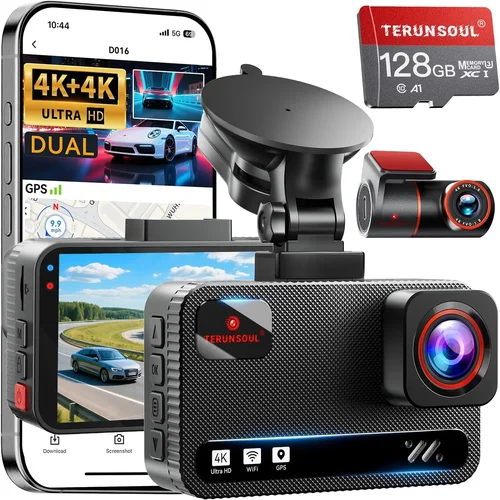
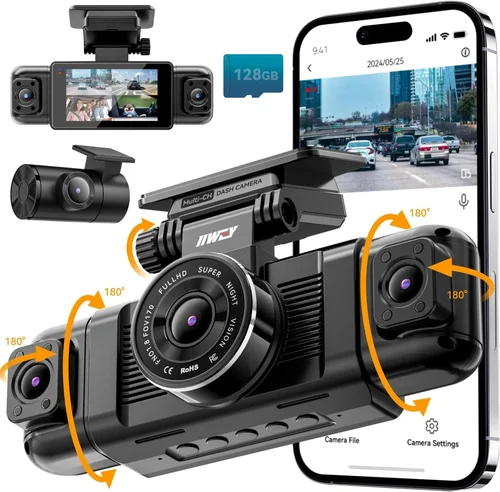
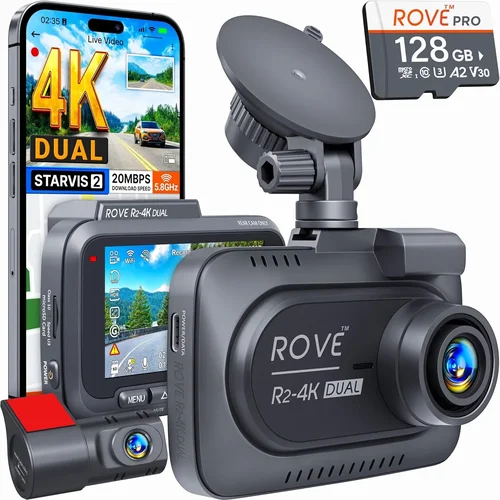
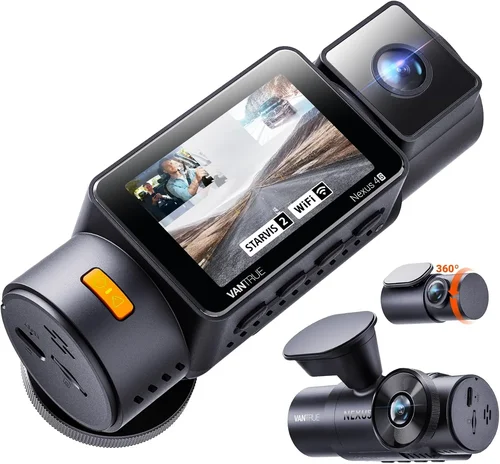
Some premium models offer dual-lens configurations with different FOVs—one main camera for forward-facing recording and an additional rear or interior camera for comprehensive coverage. If you frequently drive in heavy traffic or park in busy areas, having both front and rear recording capability significantly increases your protection.
3. Storage and Recording Management
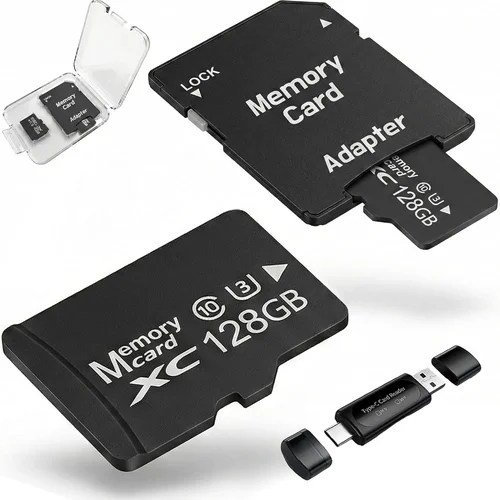
Storage capacity and management systems are critical components of any dash cam system. Most 4K dash cams use microSD cards ranging from 32GB to 512GB, with 128GB being the sweet spot for most users. Higher resolutions require more storage space, so a 4K dash cam will consume your card faster than its HD counterpart.
Loop recording is an essential feature that automatically overwrites older footage when the memory card fills up, ensuring continuous recording without manual intervention. However, you’ll want to configure your settings to preserve important clips. Many dash cams offer motion detection or impact-sensing technology that automatically saves triggered events to a separate protected folder, preventing them from being overwritten during loop recording cycles.
Consider whether the dash cam supports cloud storage or smartphone app integration for backing up critical footage remotely. Some advanced models allow automatic upload of incident videos to secure online servers, providing an extra layer of security against tampering or loss.
4. Night Vision Capabilities
Night driving presents unique challenges for dash cam operation due to low light conditions, glare from headlights, and reduced visibility. The best 4K dash cams incorporate multiple technologies to address these issues simultaneously. Beyond the previously mentioned STARVIS sensors and wide apertures, look for features like:
– WDR (Wide Dynamic Range) processing that balances exposure between bright and dark areas
– IR (Infrared) LEDs for enhanced night visibility when available light is insufficient
– Noise reduction algorithms that minimize graininess in low-light footage
– Automatic gain control that adjusts sensitivity based on lighting conditions
Testing dash cam performance at night is crucial—many manufacturers claim excellent low-light capabilities, but real-world performance varies significantly. Consider watching sample nighttime footage from different models before making your purchase decision.
5. Smart Features and Connectivity
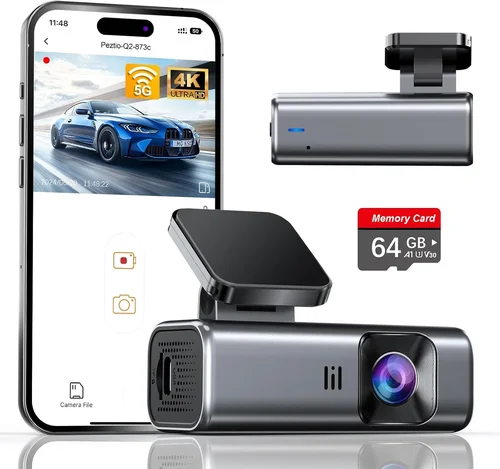
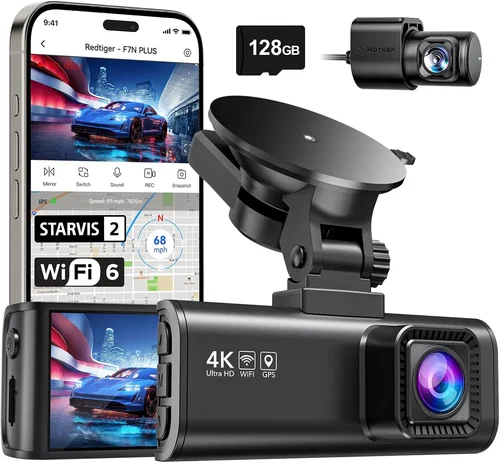
Modern 4K dash cams go far beyond simple video recording with integrated smart features that enhance usability and functionality. Wi-Fi connectivity enables wireless transfer of footage to smartphones via companion apps, allowing you to review clips, download evidence, or share content without removing the memory card.
GPS tracking adds valuable context to your recordings by embedding location data, speed readings, and direction information directly into the video file. This metadata proves especially useful for insurance claims, fleet management, or simply tracking your driving routes.
Built-in G-sensors detect sudden impacts or hard braking events, automatically locking relevant footage to prevent accidental deletion. Some models also offer parking mode functionality that continues monitoring when your vehicle is turned off, using motion or impact detection to record potential incidents.
Voice control capabilities and touchscreen interfaces represent the latest advancements in user experience, making it easier to operate the device while keeping your attention focused on the road.
6. Build Quality and Durability
Dash cams face harsh environmental conditions including extreme temperatures, vibrations, moisture, and direct sunlight exposure. Premium 4K models feature robust construction with shock-resistant housings, temperature-tolerant components, and weatherproof seals.
Consider the operating temperature range specified by the manufacturer—models rated for -20°C to 70°C can handle winter cold snaps and summer heatwaves without performance degradation. The lens should be made of high-quality glass rather than plastic to prevent yellowing over time and ensure consistent image clarity.
Mounting hardware deserves attention too—look for strong suction cups or adhesive mounts that maintain secure attachment through various weather conditions and driving scenarios. Quick-release mechanisms can simplify removal for cleaning or storage.
7. Ease of Installation and Use
While most dash cams claim “plug-and-play” simplicity, actual installation experiences vary widely among models. Simple cable routing, intuitive menus, and clear labeling contribute significantly to user satisfaction. Consider whether the unit requires external power sources, hidden wiring, or complex setup procedures.
Touchscreen displays offer convenience but may be difficult to operate while wearing gloves or during adverse weather conditions. Physical buttons provide tactile feedback but take up more dashboard space. Many users prefer hybrid interfaces that combine both approaches.
Mobile app integration enhances usability but introduces dependency on smartphone compatibility and battery consumption. Evaluate whether the app offers features you’ll actually use regularly versus those that add complexity without meaningful benefits.
Types/Categories Comparison
Different Types of Dash Cams
Common Buying Mistakes to Avoid
❌ Mistake: Prioritizing resolution over overall image quality
Many consumers assume that higher megapixels automatically mean better video quality, but this isn’t always true. A 4K dash cam with poor sensor technology, inadequate processing power, or inferior lens optics will produce grainy, washed-out footage regardless of resolution specifications. Focus on real-world performance metrics like low-light capability, color accuracy, and dynamic range rather than chasing pixel counts alone.
What to do instead: Research actual sample footage from different models, paying special attention to nighttime performance and color reproduction. Read professional reviews and watch unedited demonstration videos rather than relying solely on marketing claims.
❌ Mistake: Ignoring storage requirements and management
Assuming that any microSD card will work with your dash cam leads to compatibility issues and unexpected failures. Different devices require specific card speeds (UHS-I vs UHS-II) and capacities, while high-resolution recording demands faster write speeds to avoid dropped frames or interrupted recording.
What to do instead: Purchase dash cam-compatible memory cards from reputable brands, ideally those recommended by the manufacturer. For 4K recording, aim for Class 10/U3/V30 rated cards with minimum 100MB/s write speeds to ensure smooth performance.
❌ Mistake: Overlooking parking mode functionality
Skipping parking surveillance features means missing critical protection during extended periods away from your vehicle. Without proper parking mode setup, you won’t capture hit-and-runs, vandalism attempts, or unauthorized parking incidents that commonly occur overnight or during long stops.
What to do instead: Verify that your chosen dash cam offers reliable parking mode activation, either through impact detection or motion sensing. Ensure adequate power supply solutions exist for continuous operation when your car is turned off.
❌ Mistake: Choosing based solely on price
Budget constraints are understandable, but selecting the cheapest available option often results in disappointment. Low-cost 4K dash cams frequently suffer from poor build quality, unreliable firmware, limited feature sets, and subpar customer support—all factors that undermine their primary purpose as protective devices.
What to do instead: Establish a realistic budget range early and compare models within that bracket. Consider total cost of ownership including potential replacement parts, software updates, and warranty coverage rather than focusing exclusively on initial purchase price.
❌ Mistake: Neglecting installation considerations
Failing to account for mounting location, cable routing complexity, or power source availability can turn a supposedly simple installation into a frustrating ordeal. Poor placement affects video quality, obstructs driver visibility, or creates safety hazards during emergency situations.
What to do instead: Plan your installation strategy before purchasing—consider dash cam placement relative to airbags, windshield wipers, and other obstructions. Choose models with flexible mounting options and easy cable management systems to simplify the process.
❌ Mistake: Assuming all dash cams work equally well at night
Nighttime performance varies dramatically between models despite similar technical specifications. Some manufacturers exaggerate low-light capabilities through software enhancements that sacrifice realism for brightness, while others struggle with basic headlight glare management.
What to do instead: Test nighttime performance whenever possible, either through personal experience or by reviewing verified sample footage from trusted sources. Pay particular attention to how well each model handles common night driving scenarios like highway travel, residential streets, and urban intersections.
Budget Guidelines: How Much Should You Spend?
Entry-Level ($100 – $200): This category includes capable 4K dash cams that deliver solid video quality and essential features without breaking the bank. While they may lack advanced functionalities like GPS tracking or sophisticated parking modes, these models provide reliable protection for everyday driving needs. Look for units featuring decent low-light performance, stable mounting systems, and straightforward operation interfaces. Brands like Viofo, Rexing, and BlackVue offer respectable entry-level options in this price range that balance affordability with dependable performance.
Mid-Range ($200 – $400): Representing the sweet spot for most consumers, mid-range dash cams combine excellent 4K video quality with expanded feature sets. These models typically include dual-lens configurations, improved night vision capabilities, reliable parking mode functionality, and enhanced connectivity options like Wi-Fi and mobile app integration. Premium sensors, better build quality, and more robust firmware updates distinguish this tier from budget offerings. Many users find that spending around $300 provides the ideal blend of performance, features, and value proposition.
Premium ($400 – $800): High-end dash cams target enthusiasts, professionals, and those requiring maximum protection. These devices often feature triple-lens systems, enterprise-grade durability, advanced driver assistance features, and superior low-light performance. Expect premium materials, superior optical components, and comprehensive warranty packages. While the price point may seem steep, the enhanced reliability and additional capabilities justify the investment for serious users who depend on their dash cam for critical evidence collection.
Luxury ($800+): Ultra-premium models represent the cutting edge of dash cam technology, incorporating features typically found only in specialized security systems. These include AI-powered object recognition, facial detection capabilities, cloud-based storage solutions, and military-grade construction standards. Designed for corporate fleets, government agencies, or extreme driving conditions, luxury dash cams deliver unmatched performance but come with correspondingly high price tags that may not be necessary for typical consumer use.
Expert Tips for Getting the Best Deal
When to buy: Timing your purchase strategically can yield significant savings. Major holidays like Black Friday, Cyber Monday, and Prime Day often feature substantial discounts on electronics categories including dash cams. Additionally, new model releases typically prompt existing versions to drop in price, creating opportunities to acquire previous-generation hardware at reduced rates without sacrificing core functionality.
Where to buy: Online retailers generally offer broader selection, competitive pricing, and convenient home delivery options compared to brick-and-mortar stores. Amazon, B&H Photo, and Newegg consistently provide reliable service and return policies for dash cam purchases. However, physical retailers allow hands-on testing before committing to a purchase, which can be valuable for assessing build quality, interface intuitiveness, and overall user experience firsthand.
How to spot deals: Subscribe to manufacturer newsletters and retailer alerts to receive exclusive discount codes and early access to sales events. Price tracking tools monitor historical pricing trends to identify genuine bargains versus artificial markdowns. Bundle deals that include memory cards, accessories, or extended warranties often provide better overall value than purchasing items separately.
Warranty considerations: Comprehensive warranty coverage reflects manufacturer confidence in product reliability. Look for at least one-year standard warranties with options to extend coverage through additional purchase. Read warranty terms carefully regarding covered defects, exclusions for normal wear and tear, and claims procedures before making your decision.
Return policies: Flexible return windows provide peace of mind during the evaluation period. Most reputable sellers offer 30-day return policies, though some electronics retailers provide shorter timeframes. Verify restocking fees, return shipping costs, and condition requirements for returned items to understand your rights fully.
Testing before buying: Whenever possible, test dash cam performance under various lighting conditions including daylight, overcast skies, twilight, and complete darkness. Evaluate menu navigation, button responsiveness, and video playback functionality on-site. Ask store staff about recent software updates or known issues affecting current inventory models.
Additional accessories: Factor in the cost of essential accessories like high-quality microSD cards, protective cases, and professional installation services when calculating total ownership expenses. While optional extras may increase initial outlay, they often enhance longevity and usability beyond what the base unit provides alone.
FAQs Section
Q: Do I really need a 4K dash cam, or will HD suffice?
A: While 1080p resolution remains perfectly adequate for many driving scenarios, 4K offers tangible advantages including crisper detail for identifying license plates, improved zoom capabilities for reviewing distant events, and better overall image fidelity. For most drivers concerned about liability protection or wanting maximum evidence quality, the incremental improvement justifies the additional cost and storage requirements.
Q: What size memory card should I use with my 4K dash cam?
A: The optimal card size depends on your usage patterns and recording preferences. For typical daily driving with loop recording enabled, a 128GB card provides approximately 3-4 hours of continuous footage at 4K resolution. Larger capacities like 256GB or 512GB offer extended recording time but require more frequent file management. Always choose cards with U3/V30 speed ratings to ensure smooth 4K recording without dropped frames.
Q: How does parking mode work, and is it reliable?
A: Parking mode activates when your vehicle is powered off, using either motion detection or impact sensing to record potential incidents. Reliability varies between models based on sensor sensitivity, power source stability, and algorithm sophistication. Most quality dash cams offer adjustable sensitivity levels and configurable recording durations to balance protection against false triggers from passing vehicles or environmental factors.
Q: Can I install a dash cam myself, or do I need professional help?
A: DIY installation is feasible for most drivers with basic mechanical aptitude and patience. Simple models featuring magnetic mounts or suction cup attachments require minimal tools and technical knowledge. More complex installations involving hardwiring to your vehicle’s electrical system benefit from professional assistance to ensure proper connections and compliance with local regulations regarding aftermarket modifications.
Q: Will a dash cam drain my car battery?
A: Under normal circumstances, modern dash cams consume very little power—typically less than 2 watts during recording. However, prolonged parking mode operation combined with insufficient alternator charging during extended stops could theoretically lead to battery drain over several weeks. Using parking mode judiciously and connecting to a dedicated fuse tap rather than constant power sources helps mitigate this risk.
Q: Are there legal restrictions on dash cam usage?
A: Regulations regarding dash cam legality vary by jurisdiction. Most countries permit recording public roads for personal protection purposes, but restrictions exist regarding audio recording, privacy invasion, or sharing footage without consent. Research local laws before deploying your dash cam, particularly concerning recording inside vehicles occupied by others or capturing private property without permission.
Q: How long will recorded footage last on my memory card?
A: Recording duration depends primarily on resolution, compression settings, and card capacity. At 4K resolution with H.265 encoding (efficient compression), a 128GB card typically holds 3-4 hours of footage, while larger cards extend this timeline proportionally. Loop recording automatically overwrites oldest files when space runs low, ensuring continuous coverage without manual intervention.
Q: What happens if my dash cam stops working while driving?
A: Most modern dash cams feature fail-safe mechanisms including automatic shutdown during power interruptions to protect memory cards and internal components. Upon restart, the device resumes normal operation unless damaged. Regular software updates and proper maintenance help prevent unexpected failures during critical moments.
Final Recommendations
Best for Budget-Conscious Buyers: The Viofo A119 v3 represents exceptional value in the entry-level segment, delivering crisp 4K resolution with reliable performance at an accessible price point. Its compact design, intuitive controls, and solid night vision capabilities make it ideal for everyday drivers seeking dependable protection without excessive expenditure.
Best Overall Value: The Garmin Dashcam Mini strikes the perfect balance between price, performance, and features. Combining sleek aesthetics with robust functionality including voice control, GPS tracking, and cloud backup capabilities, this model appeals to users who appreciate premium touches without premium pricing.
Best Premium Option: For those demanding ultimate performance and reliability, the BlackVue DR970X-2CH stands out with its dual-lens configuration, superior low-light imaging, and comprehensive mobile app ecosystem. Professional-grade build quality and advanced security features justify its higher price tag for serious users requiring maximum protection.
Best for Beginners: The Rexing V1P Pro offers hassle-free operation with plug-and-play simplicity, automatic loop recording, and straightforward mobile app integration. Clear menus, responsive touchscreen interface, and reliable mounting system create a welcoming experience for first-time dash cam owners.
Best for Advanced Users: The Thinkware U1000 delivers enterprise-level capabilities including 4K resolution, built-in GPS, WiFi connectivity, and cloud storage integration. Advanced driver assistance features and customizable settings cater to experienced users who demand granular control over their recording parameters and data management workflows.
Conclusion: Making the Right Choice
Selecting the best 4K dash cam ultimately depends on aligning your specific needs, budget constraints, and usage patterns with available technology options. While technical specifications provide helpful guidance, real-world performance matters more than raw numbers on a spec sheet. Focus on models that demonstrate reliable operation across diverse driving conditions, offer practical features you’ll actually utilize, and provide peace of mind through durable construction and responsive customer support.
Remember that no single dash cam suits every situation—what works excellently for a commercial fleet operator might be unnecessarily complex for casual weekend drivers. Take time to evaluate your priorities: Is maximizing evidence quality your top concern? Do you need comprehensive parking surveillance? Are smart connectivity features essential for your lifestyle? Answering these questions honestly will guide you toward the optimal solution without getting distracted by marginally better specifications that don’t translate to meaningful improvements in your daily experience.
Investing in a quality 4K dash cam represents more than just purchasing another electronic gadget—it’s acquiring an essential tool for personal protection, financial security, and driving confidence. By approaching your decision thoughtfully and prioritizing proven reliability over fleeting technological trends, you’ll find a dash cam that serves you well for years to come while providing valuable documentation whenever the unexpected occurs on the road.