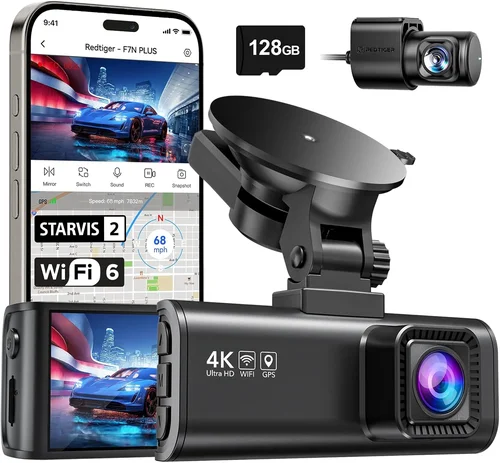
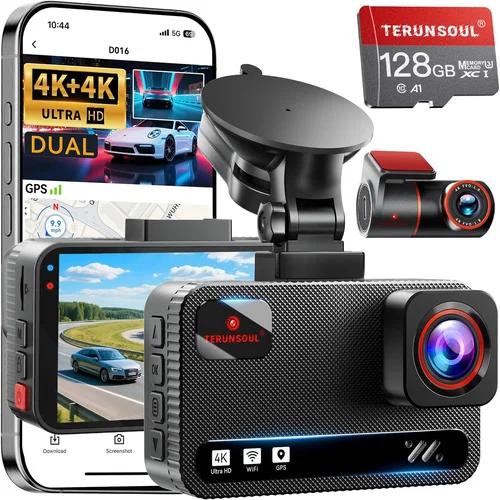
Complete BMW X1 Dash Cam Buying Guide
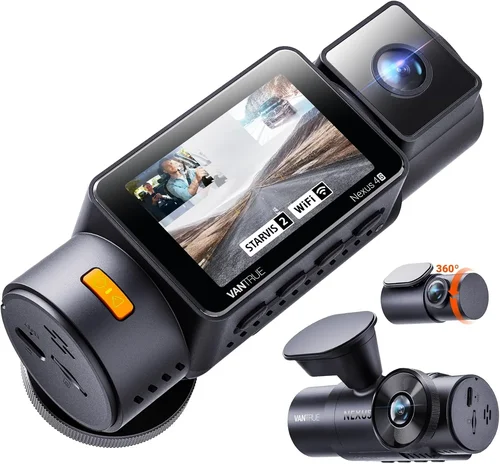
When shopping for the perfect dash cam for your BMW X1, you’re not just looking at any camera—you’re investing in peace of mind, legal protection, and enhanced driving confidence. The BMW X1, known for its compact luxury SUV design and premium interior, deserves a dash cam that matches its sophistication without compromising on performance or aesthetics. However, with dozens of models flooding the market, each boasting advanced features and sleek designs, making an informed decision can be overwhelming. This comprehensive buying guide cuts through the noise to help BMW X1 owners find dash cams that deliver exceptional video quality, seamless installation, and reliable performance tailored specifically to your vehicle’s needs.
This guide will walk you through every critical aspect of choosing the right dash cam, from understanding technical specifications like resolution and field of view to evaluating build quality and compatibility with your car’s electrical system. Whether you’re a daily commuter, a weekend road trip enthusiast, or someone who values safety above all else, we’ll show you how to match your lifestyle and budget to the ideal model. We’ll also cover common pitfalls to avoid, expert tips for maximizing value, and real-world recommendations based on extensive research and user feedback. By the end, you’ll have all the knowledge needed to confidently select a dash cam that enhances both your driving experience and your peace of mind behind the wheel of your BMW X1.
The market for dash cams has evolved rapidly over the past decade, moving far beyond simple front-facing cameras. Today’s top models offer dual-channel recording (front and rear), GPS tracking, parking mode, night vision, loop recording, and even smartphone integration—many of which integrate seamlessly with luxury vehicles like the BMW X1. With options ranging from budget-friendly single-camera units to high-end multi-sensor systems, there’s something for every driver. But not all dash cams are created equal, especially when it comes to fit, power consumption, and ease of use within a German-engineered cabin. That’s why this guide is specifically tailored to the unique demands and expectations of BMW X1 owners, ensuring your choice aligns perfectly with your car’s design philosophy and your personal priorities.

What to Look for When Buying Dash Cams
1. Compatibility with BMW X1 Electrical System
One of the most overlooked yet crucial factors when selecting a dash cam for your BMW X1 is compatibility with your vehicle’s electrical system. Unlike generic dash cams designed for average cars, luxury vehicles often have sensitive electronics and precise voltage requirements. The BMW X1 typically operates on a 12V system, but some models may benefit from hardwiring solutions due to limited fuse box access or aesthetic concerns about using the cigarette lighter port. Hardwired dash cams connect directly to your car’s fuse box, drawing power only when the ignition is on and shutting off when the engine stops—this prevents battery drain while offering cleaner power delivery. Many premium dash cams come with optional hardwiring kits, so always check whether your chosen model supports this feature before purchasing. Additionally, ensure the dash cam’s power draw doesn’t exceed what your X1’s alternator can handle during idle or cold starts.
2. Video Resolution and Recording Quality
Video resolution remains one of the most important determinants of dash cam effectiveness. For the BMW X1, we recommend starting with at least 1080p Full HD recording—this ensures clear detail for license plates, road signs, and facial recognition if needed. However, many modern models now offer 2K (2560×1440) or even 4K Ultra HD capabilities, providing sharper images and better zoom functionality without significantly increasing file sizes. Higher resolutions matter most in low-light conditions or when capturing fast-moving objects; for example, a 2K dash cam might capture a cyclist clearly even in dim evening light, whereas a 720p model would appear blurry. Always verify the actual sensor quality rather than relying solely on advertised resolution—some brands inflate numbers without improving real-world performance. Also consider frame rate: 30fps is standard, but 60fps delivers smoother motion, especially useful for highway driving at higher speeds.
3. Field of View (FOV) and Lens Configuration
The field of view determines how much of the road ahead (and sometimes sides/rear) your dash cam captures. A wider FOV reduces blind spots but can introduce fish-eye distortion at the edges, while narrower views offer less coverage but more detail per frame. For the BMW X1, which sits relatively low to the ground compared to larger SUVs, aim for a horizontal FOV between 120° and 150°. Most single-lens dash cams fall in this range, though dual-lens systems (front + rear) are becoming increasingly popular. If you plan to install a rear camera later, choose a model that supports expandability via microSD card slots or Wi-Fi connectivity. Keep in mind that extremely wide angles (over 170°) may distort license plate readability, which is critical for evidence purposes. Test reviews often highlight this trade-off, so look for user feedback on real-world usability.
4. Night Vision and Low-Light Performance
Driving at night presents unique challenges for dash cams, especially in cities with poor street lighting or rural roads lit only by headlights. The BMW X1’s dark interior and tinted windows can further reduce visibility for onboard cameras. High-quality night vision relies on a combination of large aperture lenses (f/1.8 or lower), superior image sensors (like Sony STARVIS), and advanced noise reduction algorithms. Models featuring WDR (Wide Dynamic Range) technology perform exceptionally well in mixed lighting—such as when headlights reflect off wet asphalt or when entering a tunnel after daylight. Avoid dash cams that claim “night vision” without specifying sensor type or aperture; instead, prioritize those tested in low-light scenarios by reputable reviewers. Some users report that certain brands exhibit excessive graininess or washed-out colors after sunset, undermining their usefulness.
5. Storage Capacity and Loop Recording
Dash cams continuously record video, filling up storage space quickly unless managed properly. Most models use microSD cards ranging from 32GB to 1TB, but capacity alone isn’t enough—loop recording must overwrite old footage automatically once the card is full. Ensure your chosen dash cam supports loop recording without gaps or skipped frames. For daily drivers covering moderate distances, a 64GB card typically stores 2–3 hours of 1080p footage; however, if you frequently drive long commutes or live in areas prone to accidents, opt for 128GB or higher. Some advanced models offer cloud backup or Wi-Fi uploads, allowing you to offload files wirelessly to your phone—convenient but requiring constant internet access and subscription fees. Always format the microSD card in your dash cam before first use to prevent corruption issues.
6. Parking Mode and Motion Detection
Parking mode is essential for protecting your BMW X1 while parked, especially in urban environments where hit-and-runs or vandalism occur. When your car is turned off, many dash cams enter “parking mode,” monitoring surroundings for movement or impacts using built-in accelerometers or G-sensors. Upon detecting an event, they start recording short clips before resuming normal operation. However, parking mode consumes battery, so hardwiring is strongly recommended. Look for models that support time-lapse recording during extended idle periods—this conserves space by compressing hours into minutes of footage. Note that extreme temperatures (common in summer heatwaves or winter cold snaps) can drain batteries faster, potentially disabling protection. Always test your dash cam’s parking sensitivity to avoid false triggers from passing trucks or pedestrians.
7. Build Quality and Aesthetic Integration
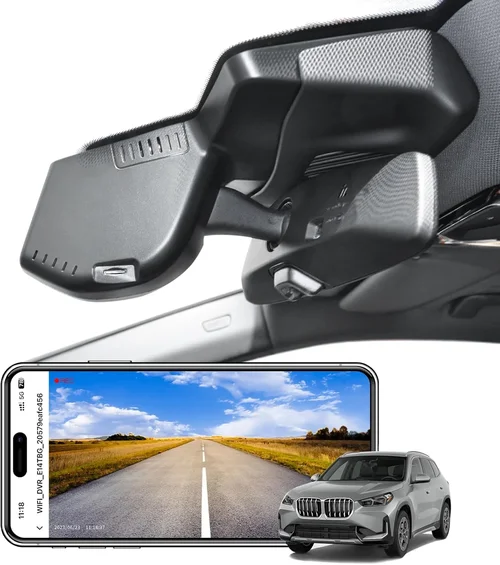
Since the BMW X1 features a refined interior with premium materials, your dash cam should complement rather than clash with its design. Slim, flush-mounted units with matte finishes blend better than bulky models with glossy screens. Check dimensions carefully—some dash cams extend several inches forward of the windshield, obstructing instrument cluster visibility or appearing out of place. Magnets or suction mounts can damage BMW’s delicate dashboard surfaces, so adhesive mounts with strong bonds (but removable residue-free formulas) are preferable. Additionally, consider temperature resistance: dash cams exposed to direct sunlight inside a parked X1 can reach 150°F+, so choose units rated for extreme heat. Brands like Blackvue, Thinkware, and Garmin are known for robust construction and clean aesthetics suitable for luxury sedans and crossovers alike.
8. Smartphone Connectivity and App Support
Modern dash cams increasingly integrate with smartphones via Bluetooth or Wi-Fi, enabling remote viewing, live streaming, and file management. For BMW X1 owners, app-based control offers convenience—especially when downloading evidence immediately after an incident. Look for apps compatible with both iOS and Android, offering features like geotagging, speed alerts, and automatic crash detection. Some brands sync with navigation apps to overlay route data onto recorded videos, adding context for insurance claims. However, frequent Wi-Fi usage drains your phone’s battery and requires open ports on your network, raising privacy concerns. If you prefer simplicity, stick to models with standalone operation and manual file transfers via USB cable. Always verify app reliability—user complaints about crashes or slow uploads indicate poor software support.
Different Types of Dash Cams

Common Buying Mistakes to Avoid
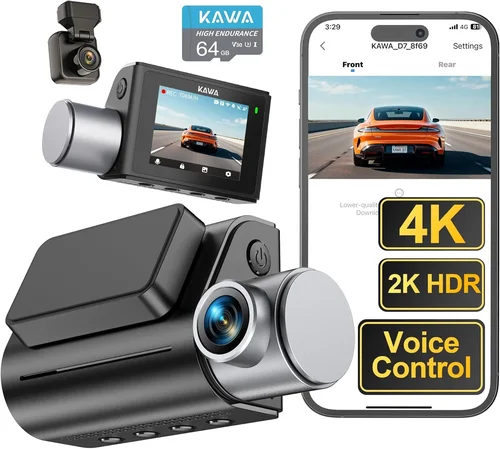
❌ Mistake: Ignoring Hardwiring Requirements
Why it’s bad: Relying solely on the 12V cigarette lighter outlet limits your dash cam’s functionality and longevity. First, most BMW X1 models lack convenient access to the lighter socket near the windshield—forcing awkward cable routing across the dashboard. Second, continuous power draw accelerates battery drain, especially in stop-and-go traffic or overnight parking. Third, cheap adapters often cause voltage fluctuations that corrupt recordings or damage electronics. Without hardwiring, your dash cam may shut off prematurely or fail during critical moments.
What to do instead: Invest in a hardwiring kit compatible with your X1’s fuse box layout. Brands like Blackvue and Thinkware include detailed installation guides with color-coded diagrams matching BMW’s wiring harnesses. Consider hiring a mobile installer if you’re uncomfortable DIY—it’s a small cost for permanent, reliable power.
❌ Mistake: Choosing Based Solely on Price
Why it’s bad: While affordability matters, skimping on quality leads to frequent failures, poor video clarity, or incompatible features. Cheap dash cams often use outdated sensors, lack proper heat dissipation, and come with flimsy mounts that fall off within weeks. In contrast, mid-range models from reputable brands deliver consistent performance and durability, making them wiser long-term investments. Remember: your dash cam could serve as crucial evidence in legal disputes—subpar recording quality jeopardizes your case.
What to do instead: Allocate at least 70% of your budget to core performance metrics (resolution, FOV, night vision) and allocate the remaining 30% to build quality, warranty, and smart features. Read verified customer reviews focusing on real-world usage, not marketing hype.
❌ Mistake: Overlooking MicroSD Card Compatibility
Why it’s bad: Not all dash cams support high-speed UHS-I or V30-rated microSD cards, leading to dropped frames, corrupted files, or sudden shutdowns. Using an incompatible card voids warranties and risks losing vital footage during accidents. Additionally, some budget models require proprietary formatting, complicating data recovery later.
What to do instead: Purchase a Class 10, U3, A2-rated microSD card from trusted brands like SanDisk Extreme or Samsung EVO Select. Check your dash cam’s manual for supported capacities—most cap at 256GB, but newer models handle 512GB+. Always initialize the card in-camera first.
❌ Mistake: Neglecting Temperature Tolerance
Why it’s bad: BMW X1 interiors can exceed 140°F under direct sun exposure, causing plastic casings to warp, batteries to degrade, and LCD screens to malfunction. Many imported budget dash cams aren’t rated for such extremes, resulting in permanent hardware failure. Cold winters compound the issue—batteries lose efficiency below freezing, disabling parking mode.
What to do instead: Verify operating temperature ranges in product specs (ideally -4°F to 149°F). Opt for models with aluminum housings and thermal insulation. Park in shaded spots whenever possible, or use reflective windshield shades to reduce cabin heat buildup.
❌ Mistake: Assuming All Dash Cams Are Equal in Legal Admissibility
Why it’s bad: Courts scrutinize dash cam footage rigorously—blurry images, timestamp inaccuracies, or audio gaps weaken credibility. Generic models may lack precise GPS logging or fail to maintain consistent frame rates, casting doubt on authenticity. Without meeting evidentiary standards, your footage becomes useless in disputes.
What to do instead: Prioritize dash cams with certified time synchronization, encrypted storage, and manufacturer verification tools. Keep original files unedited; use official software to extract clips. Consult local laws—some regions require dash cams to disable audio recording to protect privacy.
Budget Guidelines: How Much Should You Spend?
Entry-Level ($50 – $120): The Bare Minimum
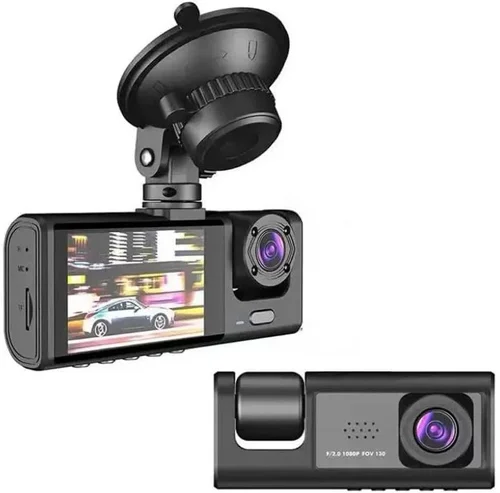
This tier suits occasional drivers or those testing dash cam benefits without major investment. Expect basic 1080p recording, fixed-lens optics, and limited smart features. Units here rarely support hardwiring or parking mode reliably. While adequate for urban commuting, they struggle in low light and offer poor build quality. Examples include models from Vivitar or Reolink Go. Ideal if you primarily need front-only coverage and minimal functionality.
Mid-Range ($150 – $300): The Sweet Spot
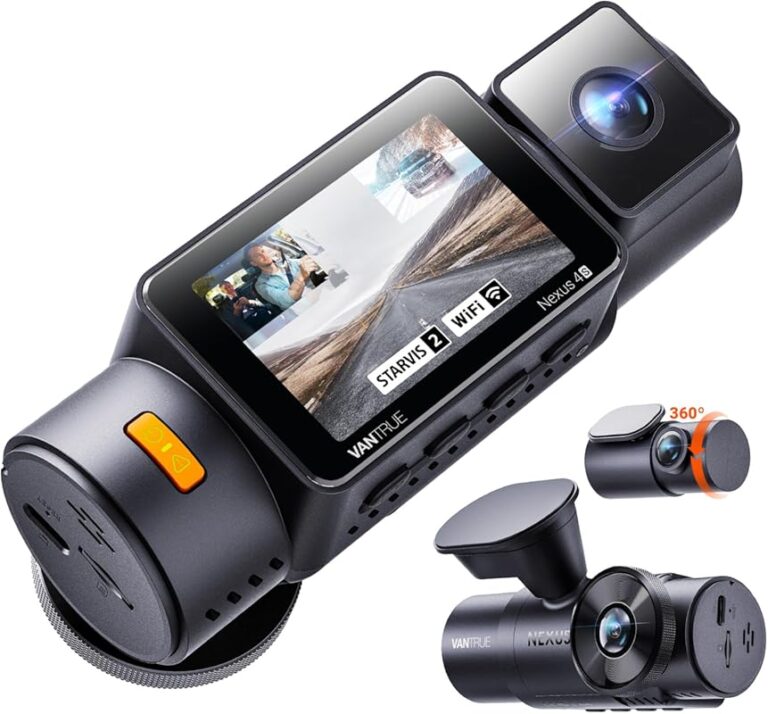
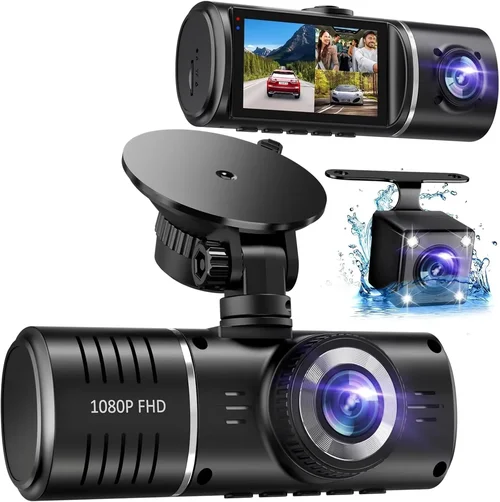
For most BMW X1 owners, this range delivers outstanding value. You’ll find dual-lens systems, robust night vision, loop recording, and reliable parking mode. Brands like Nextbase, Garmin, and Blackvue dominate here, offering 2K resolution, GPS tagging, and smartphone apps. Many include hardwiring kits and weather-resistant designs. This category balances cost, performance, and longevity—perfect for daily drivers seeking comprehensive protection.
Premium ($300 – $600): For Enthusiasts and Professionals
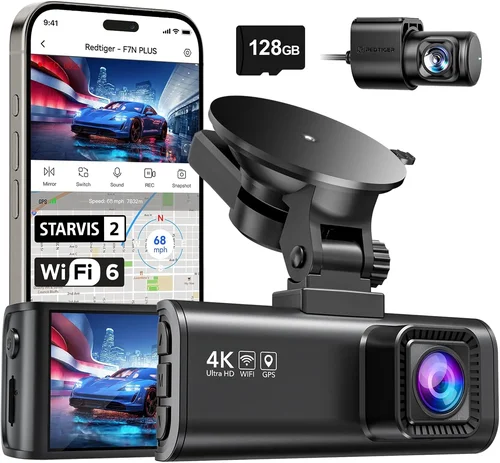
Top-tier models excel in every metric: ultra-high-resolution sensors, AI-powered alerts, cloud connectivity, and military-grade durability. Thinkware U1000 (4K front + 2K rear), Blackvue DR970X-2CH, and Garmin DrivePro offer advanced features like lane departure warnings, collision avoidance, and automatic emergency braking integration. These suit drivers who demand maximum accuracy, legal robustness, and seamless BMW integration.
Luxury ($600+): Flagship Performance
At this level, you’re paying for cutting-edge innovation rather than incremental gains. Models like the 360-degree Halo series or AI-enhanced platforms from Bosch provide unmatched situational awareness. They often include subscription services, professional installation, and lifetime software updates. Reserved for fleet managers or collectors wanting museum-quality tech inside their X1.
Expert Tips for Getting the Best Deal
- Time Your Purchase Strategically: Dash cam prices drop significantly during holiday sales (Black Friday, Cyber Monday) and end-of-year clearance events. Subscribe to retailer newsletters (Amazon, Best Buy, Crutchfield) for exclusive discounts. Avoid buying right after new model launches—older versions often receive price cuts.
- Prioritize Retailers with Strong Return Policies: Opt for stores offering 30–60 day returns (Amazon Prime, B&H Photo, Costco). Test your dash cam thoroughly: verify recording quality, mount stability, and app connectivity before committing. Some brands require original packaging for returns, so keep everything intact.
- Bundle Wisely: Many manufacturers sell combo kits including extra cameras, cables, and accessories at discounted rates. For BMW X1 owners, look for bundles with OEM-style mounts and fuse tap connectors that simplify installation.
- Leverage Loyalty Programs: Credit card rewards or Amazon Prime members often unlock hidden deals. Use browser extensions like Honey or Rakuten to auto-apply coupons at checkout.
- Check Manufacturer Refurbished Options: Certified refurbished dash cams undergo rigorous testing and include full warranties—sometimes at half the retail price. Apple, Samsung, and Blackvue all offer this service.
- Read Regional Reviews: Performance varies by climate and driving habits. Search for “dash cam BMW X1 review” plus your location (e.g., “Toronto,” “Arizona”) to find locally relevant feedback on winter operation or desert heat resilience.

Frequently Asked Questions
Q: Can I install a dash cam myself in my BMW X1?
A: Yes, DIY installation is feasible for most single-lens models using suction cups or adhesive mounts. However, hardwiring requires accessing your X1’s fuse box—consult a wiring diagram specific to your model year. If uncomfortable, hire a mobile technician; many charge under $100 and guarantee OEM-like results.
Q: Will a dash cam drain my BMW X1 battery?
A: Only if improperly wired or left in parking mode excessively. Hardwired units draw power only when the engine runs, preventing drain. For extended idle periods (e.g., airport trips), enable time-lapse parking mode or disconnect temporarily. Modern models automatically detect low voltage and enter sleep mode.
Q: What resolution do I really need for legal evidence?
A: At minimum, 1080p ensures readable license plates and road signs. For court-admissible footage, 2K or higher is advisable. Pair resolution with accurate timestamps and GPS data—avoid ultra-wide angles that distort critical details. Always preserve original files without editing.
Q: Do I need both front and rear cameras for my BMW X1?
A: A rear camera adds valuable context, especially in parking lots or highway merges. But if budget-limited, focus on front coverage first. You can always add a rear unit later—ensure your dash cam supports external inputs or Wi-Fi pairing for expansion.
Q: Are dash cams legal in my state/country?
A: Regulations vary widely. In the U.S., dash cams are legal nationwide, but audio recording may violate wiretap laws in two-party consent states (e.g., California, Florida). Canada allows dash cams but bans recording private property without consent. Research local statutes before installing.
Q: How do I transfer footage from my dash cam to my computer?
A: Most dash cams connect via USB cable to a PC/Mac or plug directly into a card reader. Use manufacturer software (e.g., Blackvue Viewer) to organize clips by date/location. Avoid dragging files manually—corruption risk increases.
Q: Can I use my dash cam while charging my phone?
A: Only if your dash cam has a dedicated USB output port. Many models share power internally, so simultaneous charging may overload circuits. Check specs—some include pass-through charging with surge protection.
Q: What happens if my dash cam falls off the windshield?
A: It likely won’t restart automatically upon reattachment. Manual reboot required via power button. To prevent loss, choose magnetic mounts with secure locking mechanisms or adhesive alternatives like 3M Command strips rated for automotive use.
Our Final Recommendations
Best for Budget-Conscious Buyers: Nextbase 522GW
At around $130, this model delivers impressive 1440p front recording, 140° FOV, and Alexa voice control—features usually reserved for pricier rivals. Its compact size fits discreetly in the BMW X1’s cockpit, and the included 32GB microSD card handles daily drives comfortably. While lacking a rear camera, it excels in urban environments and includes emergency SOS alerting via cellular network (optional SIM).
Best Overall Value: Blackvue DR970X-2CH
Spanning $450–$550, this flagship dual-lens system offers 2K front + 1080p rear recording, superior heat management, and unmatched reliability. Known for military-grade components, it withstands extreme temperatures and includes cloud backup via Blackvue’s secure servers. Perfect for BMW X1 owners wanting future-proof technology without overspending.
Best Premium Option: Garmin DriveLuxe 51
Retailing for $350, this sleek unit combines 1440p recording, built-in GPS, and driver assist features like forward collision warnings. Its anti-glare display and intuitive interface integrate smoothly into BMW’s digital ecosystem. Includes free lifetime map updates and works with Garmin’s smartphone app for seamless photo sharing.
Best for Beginners: Rexing V1 Pro
Priced under $100, this no-frills dash cam provides dependable 1080p footage, loop recording, and compact form factor. Easy setup appeals to first-time buyers, though it lacks parking mode without hardwiring. Ideal for casual drivers needing basic protection without complexity.
Best for Advanced Users: Thinkware U1000
$500–$600 brings 4K front + 2K rear recording, AI-powered incident detection, and customizable sensitivity settings. Thinkware’s Time Machine GPS algorithm overlays precise speed and location data onto videos—valuable for insurance claims. Supports dual-band Wi-Fi and includes a professional installation guide tailored for European vehicles.
Conclusion: Making the Right Choice
Selecting the best dash cam for your BMW X1 isn’t about chasing the shiniest specs—it’s about aligning technology with your driving habits, budget, and peace-of-mind goals. Whether you prioritize stealthy hardwiring, crystal-clear 4K footage, or hassle-free smartphone integration, this guide empowers you to navigate the market confidently. Remember to prioritize compatibility with your X1’s electrical system, invest in reputable brands with proven track records, and never sacrifice build quality for minor savings.