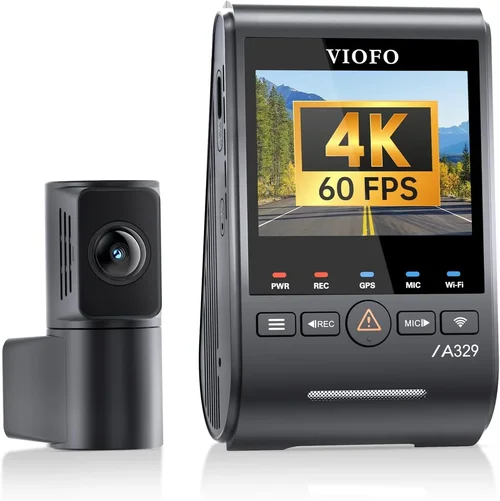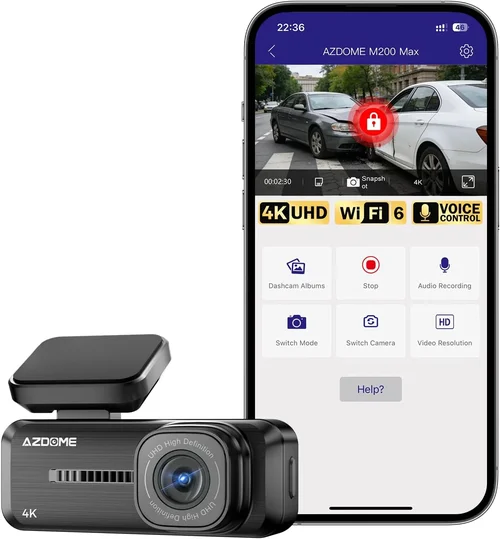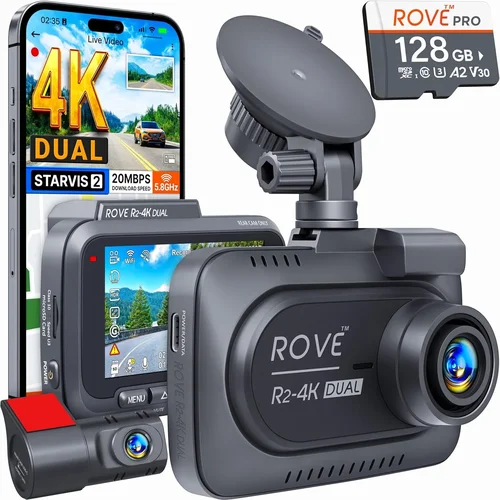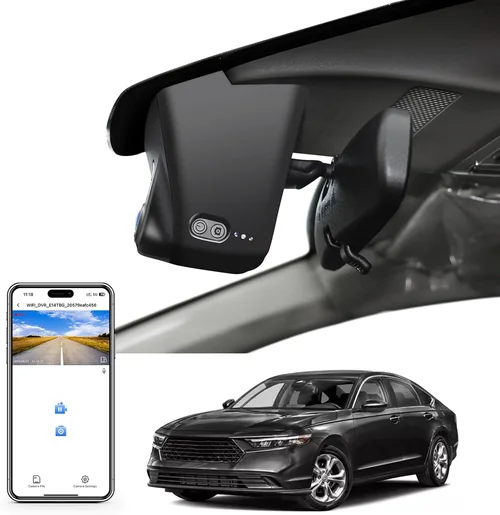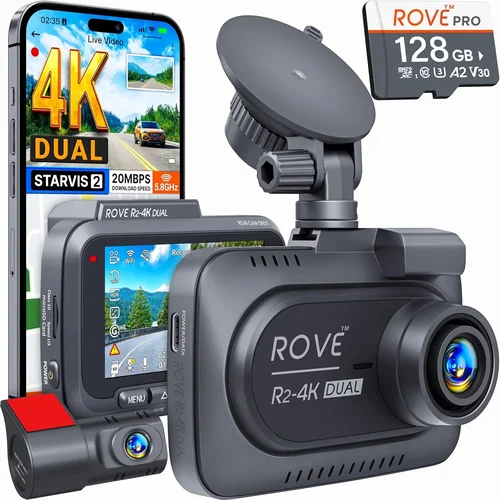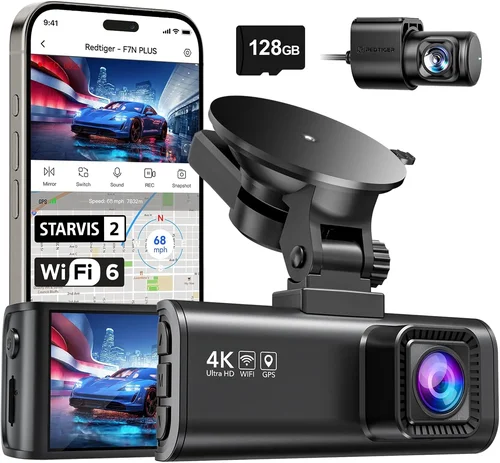
How to Choose the Best Dash Cam for BMW X3
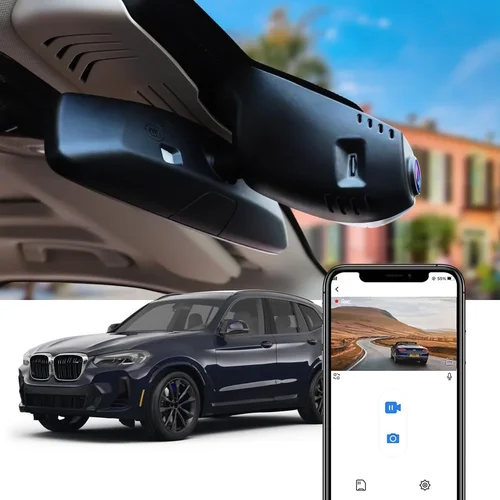
Choosing the right dash cam for your BMW X3 isn’t just about capturing road footage—it’s about protecting yourself, preserving evidence in case of accidents, and adding a layer of security to your driving experience. With so many options flooding the market, it can be overwhelming to determine which model will best suit your needs. This guide is designed to cut through the noise and provide you with expert insights tailored specifically for BMW X3 owners. You’ll learn how to evaluate key features like video quality, parking mode, GPS tracking, and compatibility with your vehicle’s interior design and dashboard layout.
The BMW X3 is a premium compact SUV known for its blend of performance, luxury, and advanced technology. As such, pairing it with a dash cam that matches its standards is essential. Whether you’re a daily commuter, an adventure seeker, or someone who values peace of mind while on the road, understanding what makes a dash cam ideal for the X3 will help you make a confident investment. We’ll walk you through everything from technical specifications to real-world usability, ensuring you choose a device that enhances your driving experience without compromising aesthetics or functionality.
Before diving into specific models, let’s explore the evolving landscape of dash cams. From basic loop recording systems to smart cameras with cloud connectivity and AI-powered alerts, the technology has come a long way. However, not all dash cams are created equal—especially when it comes to fitting seamlessly into a high-end vehicle like the BMW X3. Factors such as windshield visibility, power source integration, and ease of installation play critical roles. In this comprehensive guide, we’ll break down each of these elements so you can make an informed decision that aligns with both your budget and your expectations.

What to Look for When Buying Dash Cams
1. Budget & Price Range
One of the first decisions you’ll face is how much you’re willing to spend. Dash cams vary widely in price, from under $50 to over $400. While it might be tempting to go for the cheapest option, remember that low-cost models often lack essential features like night vision, G-sensor functionality, or reliable loop recording. For BMW X3 owners, where quality and aesthetics matter, investing in a mid-to-high-range model typically offers better value. Consider your priorities: if you only need basic recording, a budget model may suffice. But if you want advanced safety features or plan to use the footage for insurance claims, spending more upfront could save you headaches later.
2. Performance Specifications
The heart of any dash cam lies in its performance specs. These include resolution (measured in pixels), frame rate, sensor quality, and low-light sensitivity. Most modern dash cams offer Full HD (1080p) or 2K resolution, but higher resolutions like 4K are becoming more common. For the BMW X3, where you’re likely driving on highways and urban roads alike, crisp video clarity is crucial. Look for cameras with HDR (High Dynamic Range) support, which improves detail in bright sunlight or deep shadows. Frame rates should ideally be at least 30fps; anything below can result in choppy footage during fast movements. Additionally, consider the camera’s field of view (FOV). A wider angle captures more surroundings but may distort edges. Aim for between 130° and 160° for balanced coverage without excessive warping.
3. Build Quality & Durability
A dash cam is exposed to extreme conditions—direct sunlight, temperature fluctuations, vibrations from the road, and even accidental bumps inside the cabin. Given the BMW X3’s sleek interior and sensitive electronics, you need a device built to last. Opt for models made from high-grade materials like aluminum alloy or reinforced plastic. Check whether the lens is scratch-resistant and if the housing is dust- and water-resistant (IP rating). Many premium dash cams feature anti-glare coatings to reduce reflections off the windshield. Also, consider how securely the mount attaches to your dashboard. A wobbly camera won’t deliver stable footage and may fall during sudden stops or collisions.
4. Features & Functionality
Modern dash cams come packed with features that go beyond simple video recording. Here are some key functionalities to look for:
- Parking Mode: Allows the camera to monitor your vehicle while parked, triggering recording upon detecting motion or impact. Essential for overnight security.
- G-Sensor (Impact Detection): Automatically saves footage when sudden jolts occur, preventing overwrite loops.
- GPS Tracking: Logs speed, location, and direction—great for verifying routes or providing context in disputes.
- Wi-Fi & App Connectivity: Lets you view, download, and share clips directly from your smartphone via a companion app.
- Loop Recording: Continuously records, automatically overwriting old files once storage fills up.
- Time-Lapse Parking Mode: Records shorter intervals over hours or days to conserve space while still monitoring activity.
- Emergency Backup Power: Some models include capacitors instead of batteries, offering better longevity and performance in cold weather.
For BMW X3 drivers, integrating these features smoothly into your car’s ecosystem is vital. Ensure compatibility with your infotainment system if you prefer wireless setups.
5. Brand Reputation
Purchasing from a reputable brand reduces the risk of buying a faulty product or one that lacks customer support. Established manufacturers like BlackVue, Garmin, Nextbase, and VIOFO have years of experience in automotive electronics. They typically offer firmware updates, responsive service teams, and reliable warranties. Research user forums, professional reviews, and consumer reports before committing. Brands with poor track records may skimp on components or fail to honor warranty claims, leaving you stranded without recourse.
6. Warranty & Support
A solid warranty reflects confidence in product quality. Most dash cams come with at least a one-year limited warranty covering defects in materials and workmanship. Premium brands may offer two to three years, sometimes including international coverage. Always check what’s included—some warranties exclude damage from accidents or improper installation. Customer support is equally important. Test their responsiveness by contacting them with questions before purchasing. Email response times under 24 hours and multilingual support are good indicators of a company invested in customer satisfaction.
7. Size & Portability
The physical dimensions of your dash cam affect both aesthetics and usability. Since the BMW X3 has a refined interior, bulky cameras can look out of place. Compact designs (under 2 inches tall) integrate more discreetly under the rearview mirror. However, smaller size often means fewer ports or reduced battery life. If portability matters (e.g., moving the camera between cars), ensure it’s lightweight and comes with interchangeable mounts. Some users prefer dual-camera setups (front and rear), which require additional space but offer complete coverage.
8. User Reviews & Ratings
Real-world feedback from other BMW X3 owners can reveal hidden flaws or unexpected benefits. Pay attention to recurring complaints—such as short battery life, poor Wi-Fi connectivity, or difficulty accessing settings—and compare them across multiple platforms (Amazon, Reddit, specialized automotive forums). High ratings aren’t always enough; read detailed reviews that discuss long-term reliability. Also, note how frequently the manufacturer addresses issues through software updates. A model praised today might become obsolete tomorrow if the company stops supporting it.
Different Types of Dash Cams

Common Buying Mistakes to Avoid
❌ Mistake: Ignoring Compatibility with Your Car Model
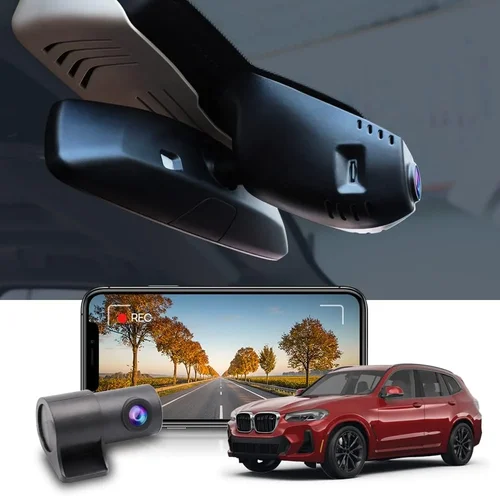
Why it’s bad: Installing a dash cam that doesn’t fit well or interferes with your dashboard controls can ruin the driving experience. The BMW X3 has a curved windshield and specific sun visor placement—some universal mounts don’t account for this.
What to do instead: Choose a model designed for European vehicles or confirmed compatible with BMW models. Read installation guides or consult with professionals before buying.
❌ Mistake: Overlooking Storage Requirements
Why it’s bad: Relying solely on internal memory limits recording time. Without sufficient storage, important footage gets overwritten too quickly, especially with high-resolution settings.
What to do instead: Invest in a dash cam that supports large microSD cards (64GB–256GB recommended) and offers cloud backup options. Set automatic deletion policies wisely.
❌ Mistake: Skipping Night Vision Capabilities
Why it’s bad: Poor low-light performance renders nighttime recordings useless. Many budget models struggle with glare from headlights or insufficient illumination.
What to do instead: Prioritize cameras with WDR (Wide Dynamic Range) or starlight sensors. Test sample videos online to assess night performance.
❌ Mistake: Not Testing Before Committing Long-Term
Why it’s bad: Buying based solely on marketing claims leads to disappointment. What works in ads may fail in real-world conditions—like extreme heat or frequent stop-and-go traffic.
What to do instead: Rent or borrow a dash cam for a week. Install it temporarily and drive your usual route to evaluate comfort, visibility, and usability.
❌ Mistake: Neglecting Firmware Updates
Why it’s bad: Outdated firmware causes bugs, crashes, or missing features. Manufacturers rarely push updates for older models, leaving them vulnerable.
What to do instead: Select brands known for regular updates. Subscribe to their newsletters or follow social media channels to stay informed.
❌ Mistake: Assuming All Dash Cams Have Parking Mode
Why it’s bad: Basic models lack power-saving modes, meaning they drain your car battery overnight. Without proper safeguards, you risk leaving your BMW X3 dead.
What to do instead: Verify that your chosen model includes hardwired kits or capacitor-based backup. Confirm energy-saving protocols during extended parking.
Budget Guidelines: How Much Should You Spend?
Deciding on a budget depends heavily on your usage patterns and desired features. Below is a breakdown of what to expect at each tier:
Entry-Level ($50 – $100)
This range suits occasional drivers who want basic protection without frills. Expect 1080p resolution, fixed lenses, and minimal extras like motion detection. Ideal for city dwellers with short commutes. Avoid if you drive long distances or park in risky areas.
Mid-Range ($100 – $250)
The sweet spot for most BMW X3 owners. Offers 2K/4K recording, dual cameras, GPS, and robust parking modes. Brands like Viofo A119 V3 or Nextbase 522GW fall here. Provides excellent value without breaking the bank.
Premium ($250 – $400)
For those wanting top-tier performance. Features include AI-powered alerts (lane departure, forward collision), superior night vision, and seamless app integration. Models like BlackVue DR970X-2CH excel in durability and cloud connectivity.
Luxury ($400+)
Reserved for professionals or serious collectors. Includes multi-camera setups, encrypted cloud storage, and OEM-level finishes. Think of it as an extension of your vehicle’s security suite.
Expert Tips & Pro Advice
When to Buy: Spring and early summer see fewer sales, but late autumn brings clearance events. Avoid buying immediately after new model releases unless you don’t mind paying premium prices.
Where to Buy: Online retailers like Amazon, Best Buy, and B&H Photo offer competitive pricing and fast shipping. Physical stores allow hands-on testing but may charge more. Check return policies—many online sellers accept unopened returns within 30 days.
How to Spot Deals: Use price-tracking tools like CamelCamelCamel (for Amazon) or Honey browser extensions. Sign up for brand newsletters to receive exclusive promo codes.
Warranty Considerations: Always register your product online to activate warranty coverage. Keep receipts and packaging until the warranty period ends.
Return Policies: Read fine print. Some dash cams are final sale due to hygiene concerns (touchscreen exposure). Others require original accessories for refunds.
Testing Before Buying: Visit local electronics stores that carry dash cams. Request to handle the unit and check button responsiveness, screen clarity, and weight.
Installation Help: While DIY is possible, hiring a professional ensures optimal positioning and wiring. Certified installers familiar with BMW models know how to route cables cleanly behind trim panels.

Frequently Asked Questions
Q: Can I install a dash cam myself in my BMW X3?
A: Yes, most dash cams come with adhesive mounts and wiring kits designed for DIY installation. However, routing wires along factory seams and connecting to fuse boxes requires care. If you’re uncomfortable cutting into insulation or accessing under-dash panels, consult a mechanic or automotive electrician.
Q: Will a dash cam interfere with my BMW’s sensors or cameras?
A: Generally, no. Modern dash cams operate independently and don’t communicate with your car’s onboard systems. Just avoid placing magnets near proximity sensors or blocking radar-based adaptive cruise control. Keep the lens clear of obstructions.
Q: Do I need a separate rear camera for my BMW X3?
A: It depends on your needs. Single-cameras suffice for urban driving where rear-end collisions are rare. But if you frequently reverse into tight spaces or travel on highways, a dual-camera system provides fuller situational awareness.
Q: How long does a dash cam battery last during parking mode?
A: Typically 1–3 hours, depending on model and settings. Capacitor-based units perform better in cold climates than lithium-ion batteries. Always hardwire to your car’s fuse box for continuous operation without draining the main battery.
Q: Can I use my dash cam footage for insurance claims?
A: Absolutely. Clear, timestamped footage strengthens your case by proving fault or documenting damages. Save clips securely—cloud platforms like Dropcam (by Wyze) or proprietary apps offer encrypted storage. Share only with authorized parties.
Q: Is it legal to record audio with my dash cam in the BMW X3?
A: Laws vary by region. In the U.S., two-party consent states (like California) prohibit recording conversations without permission. Check local regulations before enabling audio recording. Most dash cams default to video-only mode anyway.
Q: Should I choose a dash cam with or without Wi-Fi?
A: Wi-Fi adds convenience—you can instantly transfer clips or adjust settings via smartphone. But it also consumes power and introduces hacking risks. If you prioritize stealth and reliability, opt for Wi-Fi-free models with USB connectivity.
Q: How often should I replace my microSD card?
A: Every 6–12 months, depending on usage. Frequent recording fills cards faster. Format regularly using the dash cam itself (not your computer) to prevent corruption. Class 10 or UHS-I cards are recommended for smooth playback.
Q: Can I hide the wiring behind my BMW X3’s dashboard?
A: Yes, BMW interiors are designed for cable management. Use plastic clips and grommets to secure wires along factory pathways. Tuck excess length behind trim panels or under seats. Avoid sharp bends that could damage insulation.
Q: Are there dash cams specifically tested for BMW models?
A: Some brands partner with automakers for compatibility testing. While not universal, models like the Garmin Dash Cam 67W or BlackVue DR970X are praised by European drivers for fitment. Search forums like Bimmerpost.com for community recommendations.
Our Final Recommendations
Best for Budget-Conscious Buyers
If you’re looking for affordability without sacrificing core functionality, the Viofo A119 V3 stands out. Priced around $120, it delivers 2K recording, GPS, and a reliable G-sensor. Its compact size fits discreetly under your X3’s rearview mirror, and the build quality rivals pricier alternatives.
Best Overall Value
The Nextbase 522GW strikes the perfect balance between price and performance. At roughly $180, it includes Alexa voice control, emergency SOS alerts, and cloud backup. Owners praise its intuitive interface and consistent video quality—even in rain or darkness.
Best Premium Option
For those who demand excellence, the BlackVue DR970X-2CH is unmatched. Retailing near $400, it offers 4K front recording, dual cameras, and military-grade durability. Its cloud connectivity lets you live-stream footage or retrieve clips remotely—ideal for fleet managers or frequent travelers.
Best for Beginners
New to dash cams? Start with the Garmin Dash Cam Mini. Under $100, it’s plug-and-play, ultra-compact, and requires no monthly fees. Though lacking advanced features, it reliably captures Full HD footage and integrates smoothly with your X3’s aesthetic.
Best for Advanced Users
Power users craving customization will love the Thinkware U1000. With 4K resolution, super-wide FOV, and customizable event triggers, it’s a beast in performance. Priced at $350+, it’s worth every penny for tech-savvy drivers who treat their dash cam like a professional tool.
Conclusion: Making the Right Choice
Selecting the best dash cam for your BMW X3 ultimately hinges on aligning features with your lifestyle and priorities. Whether you prioritize discreet design, cutting-edge technology, or rugged reliability, there’s a solution tailored to your needs. Remember to weigh factors like video quality, parking surveillance, ease of use, and long-term support before making a purchase.
Don’t rush the decision—take time to research, compare, and test if possible. A dash cam isn’t just an accessory; it’s an investment in safety, peace of mind, and potential legal protection. By following this guide, you’re well-equipped to choose a device that complements your X3’s sophistication while delivering dependable performance mile after mile.
Ready to enhance your driving experience? Start by identifying your must-have features, set a realistic budget, and explore our top-rated recommendations. Your next drive just got safer—and smarter.