Ultimate Truck Dash Cam Buying Guide
Choosing the right dash cam for your truck isn’t just about recording the road—it’s about protecting yourself, your cargo, and your livelihood. As a professional driver, you’re exposed to unique challenges: long hours on the road, unpredictable weather conditions, and the constant risk of accidents or disputes with other motorists. A high-quality dash cam can be your most valuable piece of equipment, providing critical evidence in insurance claims, helping prevent false accusations, and giving you peace of mind during every mile.
This comprehensive guide will walk you through everything you need to know about selecting the best dash cam specifically designed for trucks. We’ll cover the essential features that matter most for commercial drivers, explain how to evaluate different models, and help you understand what sets professional-grade dash cams apart from consumer versions. Whether you’re hauling across state lines or navigating city streets, understanding your options will ensure you make an informed decision that delivers reliable performance when it matters most.
The market today offers more dash cam choices than ever before, ranging from basic entry-level models to sophisticated systems with multiple cameras and advanced safety features. While many consumer dash cams work well for personal vehicles, trucks require special considerations—larger windshields, higher mounting requirements, and the need for extended recording capabilities. This guide addresses those specific needs while also helping you understand the broader landscape so you can compare models effectively and avoid common pitfalls that could leave you under-protected on the highway.
## What to Look for When Buying Dash Cams
### 1. Resolution Quality and Video Clarity
For a truck driver, video resolution is arguably the most important specification. You need crystal-clear footage that can capture license plates, road signs, and potential hazards in detail. Most professional dash cams now offer at least 1080p Full HD resolution, but some models go beyond to 2K or even 4K recording. Higher resolutions provide significantly better image quality, especially important when you’re dealing with low-light conditions or trying to identify details from a distance.
Look for dash cams with superior low-light performance, as trucks spend considerable time driving at dawn, dusk, or in inclement weather. Models featuring Sony STARVIS sensors deliver exceptional night vision capabilities, capturing clear images even in near-total darkness. Additionally, consider whether the camera supports HDR (High Dynamic Range) technology, which helps balance bright headlights against dark road surfaces for more natural-looking footage.
Don’t overlook frame rate either—60fps provides smoother motion capture compared to standard 30fps, making it easier to analyze fast-moving incidents. When evaluating resolution, remember that megapixels alone don’t determine quality; lens optics, sensor technology, and image processing all play crucial roles in producing usable footage.
### 2. Field of View and Lens Specifications
A wide field of view (FOV) is essential for truck dash cams because larger vehicles have extensive blind spots and require broader coverage of the road ahead and surrounding areas. Most professional models offer between 120° to 170° FOV, with 150° being a sweet spot that captures adequate surroundings without excessive distortion at the edges.
The lens quality significantly impacts how much detail you can capture within that viewing angle. Aspherical lenses reduce barrel distortion and improve corner sharpness, ensuring license plates remain legible throughout the frame. Some premium models feature dual-lens setups—one forward-facing primary camera plus an interior cabin camera—that together provide complete situational awareness.
Consider the aspect ratio too: 16:9 widescreen formats maximize usable area while maintaining compatibility with modern displays and smartphones. When testing different models, pay attention to how the FOV performs in real-world scenarios rather than relying solely on manufacturer specifications, as actual coverage can vary based on windshield curvature and mounting position.
### 3. Storage Capacity and Loop Recording
Truck drivers generate massive amounts of footage due to long driving hours, making storage capacity a critical consideration. Most dash cams use microSD cards, typically ranging from 32GB to 256GB or more. For daily use, aim for at least 64GB—this provides several hours of recording at Full HD quality and allows for automatic overwriting of older files once space runs out.
Loop recording is non-negotiable for professional drivers. This feature automatically overwrites the oldest footage when storage fills up, ensuring continuous recording without manual intervention. However, some advanced models include event-triggered locking that prevents accidental deletion of important clips during emergencies or collisions.
Many dash cams support Class 10 or UHS-I/UHS-II microSD cards for reliable performance, though higher-end models may require specific brands or capacities for optimal functionality. Always purchase reputable card manufacturers like SanDisk Extreme Pro, Samsung EVO Plus, or Lexar Professional to avoid corruption issues. Consider investing in a dash cam with built-in GPS logging as well, as this adds location data to your recordings for enhanced context during incident reviews.
### 4. Power Supply and Installation Requirements
Power reliability is paramount for truck dash cams since interruptions can result in lost footage during critical moments. Hardwiring your device directly into the vehicle’s electrical system using a fuse tap kit ensures uninterrupted operation, but requires professional installation skills. Alternatively, OBD-II port power adapters offer simpler plug-and-play solutions, drawing power from the diagnostic port while maintaining easy removal for maintenance.
For trucks with multiple axles or specialized configurations, consider dash cams with flexible mounting options including adhesive mounts, suction cups, or magnetic bases. Windshield-mounted units should have anti-glare coatings to minimize reflections from dashboard instruments, while interior cameras need discreet placement away from distracting elements.
Battery backup systems are another valuable feature—they maintain power during brief outages and allow safe shutdown procedures to protect memory cards from corruption. Some models include capacitor-based power supplies instead of traditional batteries, offering longer lifespans and better temperature tolerance for extreme climate operation.
### 5. Night Vision and Low-Light Performance
Night driving accounts for a significant portion of truck routes, making night vision capability absolutely essential. Modern dash cams use several technologies to enhance visibility in darkness: infrared LEDs, enhanced sensors, and intelligent exposure controls work together to produce usable footage after sunset.
Sony STARVIS sensors are industry leaders in low-light performance, capturing detailed images even in pitch-black conditions without relying solely on external lighting. Look for models with adjustable IR illuminators that automatically activate when ambient light drops below certain thresholds. Some advanced units feature smart night vision modes that optimize color reproduction and contrast ratios specifically for nighttime scenarios.
Don’t assume higher megapixel counts automatically mean better night performance—sensor size and pixel density matter more than raw resolution numbers. Larger pixels gather more light, resulting in cleaner images with less noise. Additionally, check whether the dash cam includes WDR (Wide Dynamic Range) technology, which balances extremely bright headlights against darker backgrounds for more natural-looking recordings.
### 6. Durability and Weather Resistance
Truck dash cams face harsh operating environments—extreme temperatures, vibrations, dust, moisture, and chemical exposure from cleaning products all take their toll on electronic components. Professional-grade models must meet military-grade durability standards (MIL-STD-810G) with shock-resistant housings and sealed connectors that prevent water intrusion.
Operating temperature ranges should accommodate both scorching desert highways and freezing northern routes. Most reliable dash cams function between -4°F to 140°F (-20°C to 60°C), but verify specifications for your specific climate zone. Vibration resistance ensures stable footage during rough terrain or sudden stops, while anti-fog coatings prevent condensation buildup during temperature transitions.
Build materials matter too—aluminum alloy bodies dissipate heat better than plastic alternatives, while UV-resistant coatings maintain optical clarity over time. Always choose dash cams with IP67 or higher ingress protection ratings, indicating they’re dust-tight and capable of withstanding temporary immersion in water up to 1 meter deep.
### 7. Additional Features and Smart Capabilities
Modern truck dash cams offer far more than simple video recording. Advanced features can significantly enhance safety, convenience, and evidence collection. Driver assistance systems like lane departure warnings, forward collision alerts, and blind spot monitoring integrate directly with your dash cam to provide real-time feedback about potential hazards.
GPS tracking logs speed, location, and route data alongside your video, creating comprehensive incident reports for insurance purposes or fleet management. Wi-Fi connectivity enables wireless file transfer to smartphones or tablets for quick sharing and analysis. Cloud storage subscriptions allow secure remote access to footage from anywhere, eliminating the need to physically remove memory cards.
Emergency recording modes automatically detect impacts or sudden movements and lock those clips to prevent overwriting. Parking mode monitors your vehicle when unattended, triggering recording upon detecting motion or vibrations. Some models include two-way audio communication for driver-pedestrian interaction or emergency calls, while others feature voice commands for hands-free operation.
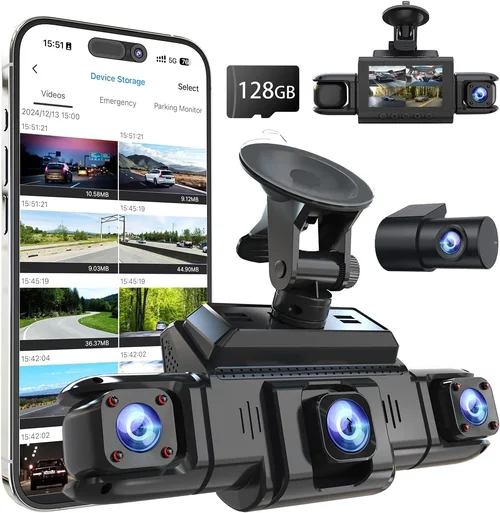
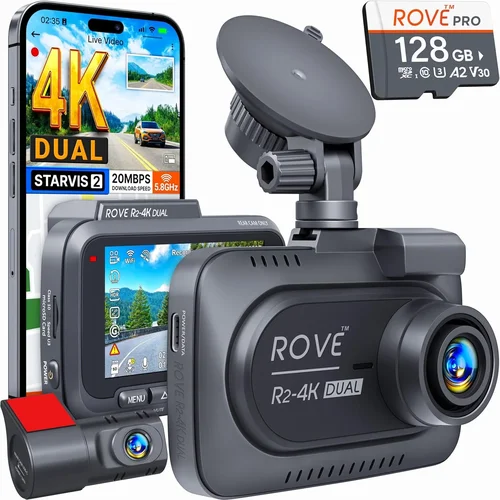
## Different Types of Dash Cams
## Common Buying Mistakes to Avoid
### ❌ Mistake: Prioritizing Price Over Performance
Many drivers make the error of choosing the cheapest available dash cam without considering whether it meets their specific needs. While budget constraints are understandable, skimping on critical features like resolution, night vision, or build quality can leave you vulnerable during important situations. A $50 dash cam might seem economical initially, but if it produces grainy footage that fails to capture license plates clearly or shuts down unexpectedly during long hauls, you’ve essentially wasted money while remaining unprotected.
Instead, approach your purchase strategically by identifying your must-have features first—resolution requirements, storage needs, and environmental conditions—then find the best model within your price range that delivers on those essentials. Sometimes spending 20% more upfront results in significantly better long-term value through improved reliability and reduced replacement frequency.
### ❌ Mistake: Ignoring Compatibility Issues
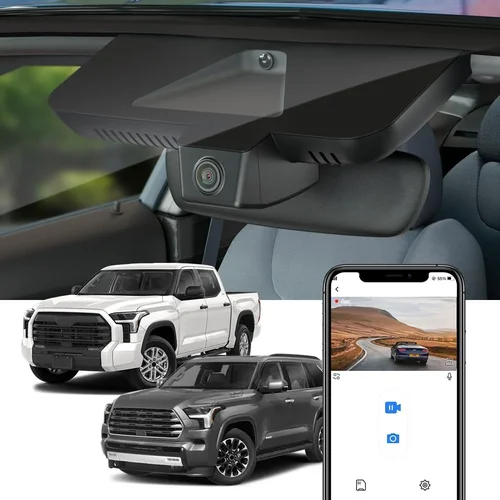
Not all dash cams work equally well with every vehicle type, especially larger trucks with unique windshield angles, sun visor obstructions, or electrical system configurations. Assuming universal compatibility leads to installation headaches, poor mounting stability, or even damage to your truck’s electronics. Some models require specific fuse taps or OBD-II adapters that may not be compatible with your truck’s make and model.
Before purchasing, research whether the dash cam brand has documented compatibility with your specific truck year, make, and model. Check forums, manufacturer websites, and professional installer recommendations for verified installations. If possible, test mount the unit temporarily to ensure proper positioning and cable routing before committing to permanent installation.
### ❌ Mistake: Overlooking Maintenance Requirements
Dash cams aren’t truly “set it and forget it” devices—they require regular maintenance to perform optimally. Neglecting tasks like cleaning lenses, checking storage capacity, or updating firmware can compromise footage quality and system reliability. Dust accumulation on lenses reduces visibility, while outdated firmware may contain bugs that affect recording stability or erase critical data.
Establish a simple maintenance routine: weekly lens cleaning with microfiber cloths, monthly checks of memory card health and available space, quarterly firmware updates, and annual inspections of mounting hardware integrity. Many professional drivers keep spare microSD cards readily accessible for quick swaps during cross-country trips, while cloud-connected models simplify remote monitoring and automated backups.
### ❌ Mistake: Choosing Based Solely on Marketing Claims
Manufacturers often emphasize flashy features like “4K recording” or “AI-powered analytics” without highlighting limitations like short battery life, complex interfaces, or proprietary software requirements. Relying exclusively on promotional materials leads to disappointment when real-world performance doesn’t match advertised expectations.
Always verify marketing claims through independent reviews, professional testing results, and user feedback from similar use cases. Look for third-party evaluations that measure actual video quality, boot times, file recovery success rates, and failure points under stress conditions. Remember that specifications represent laboratory conditions—real-world performance depends heavily on installation quality, environmental factors, and usage patterns.
### ❌ Mistake: Underestimating Storage Needs
Insufficient storage planning causes immediate problems: either running out of space mid-trip and losing recent footage, or carrying excessive heavy memory cards that degrade performance over time. Truck drivers generate enormous amounts of data—a single day of Full HD recording can consume 20-30GB depending on compression settings and event triggers.
Calculate your required storage capacity based on typical daily mileage, average recording duration, and desired retention period. For example, if you drive 8 hours daily at 60mph and want to keep 7 days of footage, plan accordingly. Factor in additional space for emergency events that get locked automatically. Consider dash cams with expandable storage options or cloud integration to manage growing data volumes without physical card swapping.
### ❌ Mistake: Skipping Professional Installation
DIY installation might save money initially, but improper wiring, unstable mounts, or incorrect settings create bigger problems later. Loose cables can rattle loose during bumpy roads, exposing wires to abrasion or pinch points. Incorrect fuse tapping risks electrical fires or dashboard warning lights. Suboptimal mounting positions cause glare, vibration-induced blur, or obstruction of critical views.
Professional installers understand truck electrical systems, have specialized tools for clean wire routing through firewall grommets, and know how to calibrate settings for your specific vehicle configuration. The modest cost difference between DIY and professional installation pays dividends through improved reliability, warranty compliance, and peace of mind knowing everything was done correctly from the start.
## Budget Guidelines: How Much Should You Spend?
### Entry-Level ($50 – $120)
For drivers seeking basic protection without breaking the bank, entry-level dash cams offer functional recording capabilities at affordable prices. These models typically deliver 1080p Full HD resolution with moderate night vision, loop recording, and simple mounting options. While lacking advanced features like GPS logging or driver assistance systems, they provide essential evidence collection for insurance claims and dispute resolution.
Expect limited storage capacity (32-64GB), basic motion detection, and straightforward user interfaces. Build quality may be compromised with plastic housings and lower-grade lenses, but many models still meet core requirements for occasional long-distance hauls. Ideal for drivers who prioritize affordability over comprehensive functionality or those testing dash cam benefits before committing to more expensive systems.
### Mid-Range ($120 – $250)
This price tier represents the sweet spot for most professional truck drivers, balancing performance, features, and reliability. Mid-range dash cams usually offer superior image sensors (Sony STARVIS), wider fields of view (150°+), enhanced low-light capabilities, and robust build quality suitable for demanding conditions. Many include dual-lens setups for front and interior cabin coverage, GPS tracking, and Wi-Fi connectivity for smartphone integration.
Storage capacity expands to 128-256GB, supporting longer recording sessions and more extensive event logging. Advanced models feature improved stabilization, better audio recording, and customizable recording modes tailored to different driving scenarios. Professional-grade materials and sealing provide better protection against dust, moisture, and temperature extremes compared to entry-level competitors.
### Premium ($250 – $400)
Premium dash cams target serious professionals who demand maximum reliability, advanced safety features, and comprehensive evidence collection capabilities. These systems often exceed military-grade durability standards, operate across extreme temperature ranges, and incorporate cutting-edge sensor technology for unmatched image clarity. Expect 2K or 4K recording, HDR support, intelligent parking modes, and sophisticated driver assistance algorithms.
Additional features include cloud storage integration, real-time telematics data streaming, multi-camera synchronization, and AI-powered incident detection. Premium models frequently come with professional installation services, extended warranties, and dedicated customer support teams. While the initial investment is higher, these systems provide superior ROI through reduced insurance premiums, improved safety records, and comprehensive legal protection.
### Luxury ($400+)
Luxury dash cam systems represent the pinnacle of automotive surveillance technology, combining industrial-grade hardware with intelligent software platforms. These high-end solutions offer simultaneous multi-angle recording (up to 6 cameras), 4K+ resolution with advanced HDR processing, and sophisticated analytics including facial recognition, gesture control, and predictive safety alerts.
Luxury models often integrate with existing fleet management systems, provide encrypted cloud storage with blockchain verification, and include redundant power supplies for mission-critical applications. Customizable firmware, API access for developers, and enterprise-grade security protocols make them ideal for large logistics companies or specialized transport operations requiring maximum accountability and data integrity.
## Expert Tips for Getting the Best Deal
### Time Your Purchase Strategically
Seasonal sales periods offer substantial discounts on dash cam systems. Black Friday/Cyber Monday typically provides the deepest savings, but other opportunities appear throughout the year including back-to-school promotions, end-of-quarter clearance events, and manufacturer rebate programs. Truck-specific retailers often run holiday specials aligned with shipping season demands, while online marketplaces host flash sales during major shopping festivals.
Avoid peak summer months when new models debut—retailers aggressively discount previous-generation inventory to clear warehouse space. Sign up for email newsletters from top brands and authorized dealers to receive exclusive coupons, early access to sales, and notification of limited-time bundle deals that include accessories like extra memory cards or professional installation services.
### Choose Authorized Retailers Carefully
Purchasing from unauthorized sellers risks receiving counterfeit products, voiding warranties, or getting stuck with incompatible components. Stick to reputable sources including manufacturer websites, authorized dealerships, established online retailers (Amazon, Best Buy, B&H Photo), and specialty automotive electronics stores. Verify seller credentials through Better Business Bureau ratings, customer review authenticity, and return policy transparency.
Authorized retailers provide genuine parts, legitimate warranties, and reliable technical support. They also stock complementary accessories like appropriate fuse taps, high-quality memory cards, and professional installation kits specifically validated for your truck model. When comparing prices, factor in shipping costs, warranty terms, and potential restocking fees—sometimes “free shipping” actually increases total cost through mandatory handling charges.
### Spot Hidden Deals and Bundles
Savvy shoppers recognize that the best values rarely appear as simple price reductions. Look for strategic bundling where manufacturers package complementary items at discounted rates—common combinations include dash cam + professional installation + extended warranty, or multi-unit fleet purchases with volume pricing. Subscription services sometimes offer hardware bundles with monthly software licenses for advanced analytics.
Also watch for trade-in programs where old dash cams or electronics get credited toward new purchases. Refurbished units from certified refurbishers often carry full warranties at significant discounts compared to new retail prices. Seasonal promotions targeting specific truck makes/models can yield surprisingly good deals when retailers clear out mismatched inventory.
### Understand Warranty Implications
Warranty coverage varies dramatically between brands and models—some offer limited 1-year protection while others provide lifetime guarantees on critical components. Read warranty fine print carefully: does it cover accidental damage? Does it require professional installation? Are consumables like memory cards included? International warranty validity matters if you frequently cross borders.
Extended warranty programs typically cost 15-25% of original price but can pay for themselves through improved resale value and reduced repair expenses. Some manufacturers include free replacement parts or loaner units during repairs, while others impose strict claim procedures that favor corporate customers over individual buyers.
### Leverage Return Policies Effectively
Most reputable retailers offer generous return windows—typically 30-60 days—giving you time to test dash cam performance under real-world conditions. Use this period thoroughly: install the unit properly, record sample trips, check file accessibility, verify GPS accuracy, and assess usability during various lighting conditions. Document any issues with photos or videos to strengthen return justification if problems emerge.
Know the retailer’s restocking fee structure before purchasing—some charge percentages based on condition, others flat rates regardless of item state. Return shipping costs may shift from free delivery to buyer responsibility after initial shipment. Keep original packaging and accessories to maintain full refund eligibility.
### Test Before Committing Permanently
If possible, arrange hands-on demonstration before final purchase. Many specialty automotive shops allow trial installations with loaner units, letting you evaluate performance during actual driving conditions. Online retailers sometimes partner with local installers offering showroom experiences where you can compare multiple models side-by-side.
Pay attention to real-world factors ignored in lab tests: how the unit handles vibration during rough roads, whether controls remain accessible while wearing gloves, and how intuitive the interface proves during high-stress situations. Request sample footage comparisons between different resolutions and settings to judge actual image quality rather than theoretical specifications.
## Frequently Asked Questions
### Q: Do I really need a dash cam for my truck, or is it just for insurance purposes?
A: While insurance companies increasingly recognize dash cam evidence as valuable documentation, the benefits extend far beyond legal protection. For truck drivers, dash cams provide real-time safety awareness, help resolve false allegations quickly, and serve as objective witnesses during disputes. Many professional drivers report improved defensive driving habits when aware they’re being recorded, leading to safer operation overall. Even without active incidents, having consistent documentation protects against fraudulent claims or staged accidents that occasionally target commercial vehicles.
### Q: How much storage do I actually need for daily truck use?
A: Storage requirements depend on several variables: recording resolution (1080p vs 2K vs 4K), compression efficiency, event-triggered locking frequency, and desired retention period. As general guidance, plan for 128-256GB minimum for Full HD recording covering 7-10 days of continuous operation. Calculate precisely by multiplying your average daily recording hours by 2GB per hour (conservative estimate). Include buffer space for emergency events that get automatically locked and preserved. Consider cloud storage subscriptions as alternatives to physical cards, particularly for fleet operators managing multiple vehicles remotely.
### Q: Can I install a dash cam myself, or should I hire a professional?
A: DIY installation saves money but requires electrical knowledge and patience. Basic models with OBD-II adapters offer simplest self-installation, while hardwired systems need fuse tapping skills and understanding of automotive circuits. Professional installation ensures proper wiring harness routing, secure mounting, and correct settings calibration—critical for reliable operation and warranty compliance. Evaluate your comfort level with automotive electronics; if uncertain, invest in professional service to avoid costly mistakes or fire hazards from improper connections.
### Q: What happens if my dash cam runs out of power or storage during a trip?
A: Modern dash cams handle these scenarios intelligently: loop recording automatically overwrites oldest footage when storage fills, preventing interruption of ongoing recordings. Hardwired systems draw continuous power from your truck’s electrical system, eliminating battery concerns. However, sudden power loss during critical events can corrupt files or prevent proper shutdown. Capacitor-based backup systems maintain minimal power for graceful exits, while GPS-enabled models log location data even during brief outages. Always carry spare memory cards and verify backup systems before long trips.
### Q: Are there privacy concerns with dash cam recordings containing other people?
A: Privacy regulations vary by jurisdiction regarding recording public spaces versus private property. In most countries, recording public roads where there’s no reasonable expectation of privacy is generally permitted for safety and evidence purposes. However, capturing identifiable individuals in private settings (home driveways, residential areas) may violate privacy laws. Many dash cams include geofencing features that disable recording in sensitive zones, while professional models offer automatic blurring of faces/license plates for compliant use. Consult local regulations before purchasing advanced recording capabilities.
### Q: How do I ensure my dash cam footage remains admissible in court?
A: Admissibility depends on chain-of-custody documentation, unaltered timestamps, and proper authentication procedures. Store original files securely without modification, maintain detailed logs of when footage was created and accessed, and use write-protected memory cards when transferring evidence. Professional-grade dash cams often include tamper-evident seals, cryptographic hashing, and centralized management systems that preserve integrity. When presenting in court, bring original hardware along with timestamped metadata showing continuous recording status throughout relevant timeframes.
### Q: Can I use one dash cam for multiple trucks, or do I need separate units?
A: While technically possible to move dash cams between vehicles, this practice creates logistical challenges and potential liability issues. Each truck has unique electrical configurations, mounting requirements, and calibration needs. Professional fleets typically assign dedicated dash cams to each vehicle for optimal performance, while independent contractors may prefer portable models with universal mounting systems. Cloud-connected dash cams simplify multi-vehicle management by centralizing footage access, but physical ownership of separate units ensures immediate availability during travel without internet dependency.
### Q: What maintenance schedule should I follow for my truck dash cam?
A: Establish a simple routine: weekly lens cleaning with microfiber cloths removes dust/oil smudges that degrade image quality; monthly verification of storage capacity and card health prevents unexpected data loss; quarterly firmware updates patch security vulnerabilities and improve functionality; annual inspection of mounting hardware ensures structural integrity. Test parking mode functionality seasonally as temperature extremes affect battery performance. Keep spare memory cards readily accessible for quick replacements during cross-country trips, and document any changes to your truck’s electrical system that might impact power supply reliability.
### Q: How do I choose between 1080p, 2K, or 4K resolution for my truck dash cam?
A: Resolution selection involves balancing image quality against storage requirements and processing capabilities. For most truck drivers, 1080p provides sufficient detail for license plate identification and incident analysis while keeping manageable file sizes. Upgrade to 2K if you frequently drive in challenging lighting conditions or require finer detail for cargo verification. Reserve 4K for specialized applications where maximum forensic detail outweighs massive storage demands—consider cloud storage subscriptions to offset bandwidth costs. Regardless of resolution, prioritize Sony STARVIS sensors and WDR technology over raw pixel counts for true night vision performance.
### Q: What’s the difference between capacitor-based and battery backup systems?
A: Capacitors store electrical energy electrostatically rather than chemically like batteries, offering several advantages for dash cams: longer operational lifespans (decades vs years), better performance in extreme temperatures, and no risk of leakage or swelling. During power interruptions, capacitors maintain sufficient charge for graceful shutdown procedures that protect memory cards from corruption. Traditional batteries suffer degradation from repeated charge/discharge cycles and become unreliable in cold climates common to truck operations. Most modern professional dash cams use capacitor-based systems exclusively for these reasons.
## Our Final Recommendations
### Best for Budget-Conscious Buyers
For drivers seeking reliable protection without excessive spending, the Viofo A119 v3 delivers exceptional value with its Sony STARVIS sensor, 1440p recording capability, and robust build quality typically priced under $150. This model features intelligent parking mode, GPS logging, and seamless smartphone app integration while maintaining competitive video quality for the price point. Its compact design fits most truck windshields without obstruction, and the included suction cup mount provides stable positioning even on rough terrain. While lacking advanced driver assistance features, the A119 v3 excels at delivering clear, usable footage for insurance claims and basic evidence collection.
### Best Overall Value
The Nextbase 522GW represents the perfect balance of performance, features, and reliability for professional truck drivers operating in varied conditions. Priced around $200, it offers 1440p recording with HDR support, superior night vision through its enhanced sensor technology, and comprehensive safety features including emergency SOS button, Alexa integration, and advanced driver assistance alerts. The included rear camera option easily converts to dual-lens configuration for complete coverage, while cloud connectivity simplifies file management across multiple devices. Its military-grade durability withstands extreme temperatures and vibrations common to commercial trucking, making it ideal for drivers prioritizing both functionality and longevity.
### Best Premium Option
For professionals demanding maximum performance and comprehensive protection, the Garmin DriveSmart 66 combines automotive navigation expertise with professional dash cam capabilities at approximately $350. This premium system features 1080p recording with superior low-light performance, built-in GPS with traffic incident avoidance, and seamless integration with Garmin’s ecosystem of driver safety tools. Its rugged construction meets IPX4 water resistance standards, while the large display provides excellent visibility during daytime operations. Advanced features include lane departure warnings, speed camera alerts, and voice-activated controls that minimize distraction during long hauls. The bundled cloud storage subscription enhances data accessibility and management for busy professionals.
### Best for Beginners
New truck drivers transitioning to dash cam technology benefit from the BlackVue DR970X-1CH‘s intuitive interface and reliable performance at around $180. This entry-level model offers 2K recording with exceptional clarity, built-in Wi-Fi for easy smartphone pairing, and robust parking mode functionality that activates upon detecting motion or impact. Its compact form factor minimizes windshield obstruction while the included magnet mount provides secure positioning without permanent modifications. The BlackVue Cloud service enables remote viewing and management from anywhere, giving beginners confidence in their system’s capabilities. With automatic firmware updates and responsive customer support, it eliminates technical barriers for those new to dash cam technology.
### Best for Advanced Users
Experienced professionals requiring comprehensive fleet management capabilities will appreciate the Thinkware U1000‘s dual-channel flexibility and advanced analytics at approximately $300. This high-performance system delivers 4K front recording alongside Full HD rear coverage, utilizing Sony STARVIS sensors for unmatched image quality in all lighting conditions. Its intelligent parking mode includes impact detection, motion activation, and time-lapse recording options tailored to specific operational needs. Advanced users gain access to detailed telematics data, customizable alert thresholds, and centralized management through Thinkware’s professional platform. The included super capacitor ensures reliable operation during power interruptions while the aluminum housing withstands demanding environmental conditions encountered in professional trucking operations.
## Conclusion: Making the Right Choice
Selecting the ideal dash cam for your truck represents more than a simple electronics purchase—it’s an investment in your safety, security, and professional reputation. By understanding your specific requirements, evaluating key performance indicators, and avoiding common purchasing pitfalls, you’ll equip yourself with reliable protection that delivers tangible benefits across every mile traveled.
Remember that no single dash cam suits every driver perfectly; prioritize features based on your unique operational patterns, environmental challenges, and budget constraints. Whether you’re navigating bustling urban centers, traversing remote rural routes, or facing extreme weather conditions, the right dash cam provides objective evidence, enhances situational awareness, and ultimately contributes to safer roads for everyone.
Take time to research thoroughly, consult experienced peers, and test potential solutions before committing to permanent installation. The modest effort spent selecting the appropriate dash cam today pays dividends through improved confidence, reduced insurance costs, and comprehensive legal protection when disputes inevitably arise. Your truck represents significant financial investment—ensure it’s protected by equally reliable technological safeguards that never blink or miss a critical moment on the road.