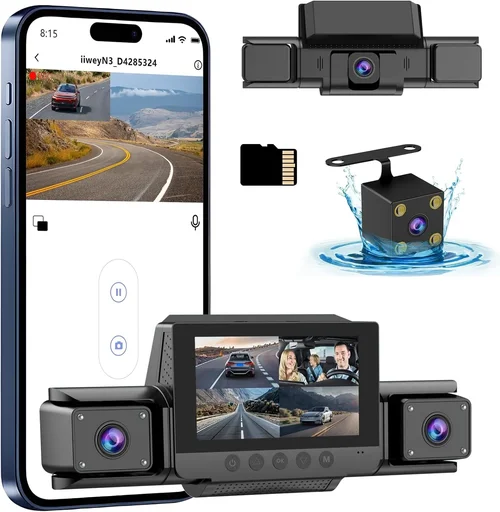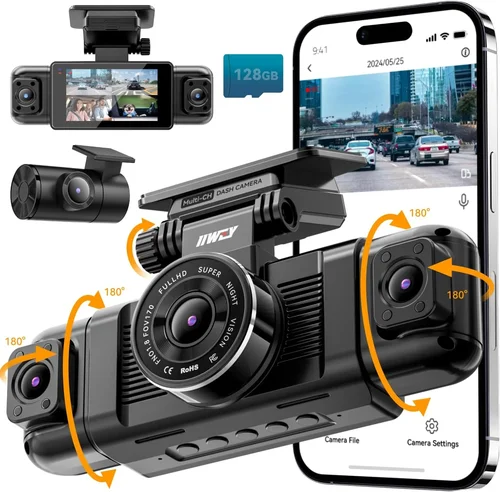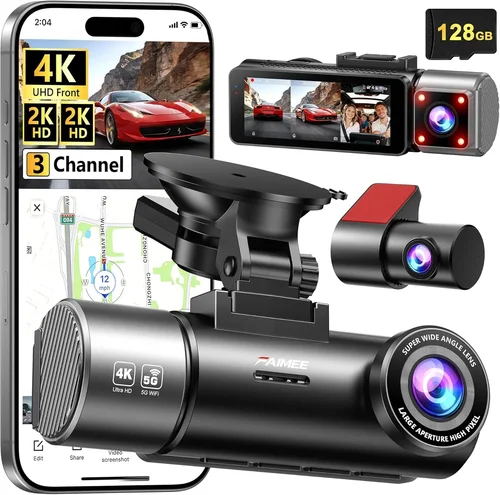
Best Dash Cam for Teens Selection Guide
As a parent or guardian of a 16-year-old driver, you’re likely navigating a complex mix of excitement, anxiety, and responsibility. That teenager behind the wheel represents both a milestone achievement and a significant risk factor—one that can be dramatically reduced with the right safety tools. A dash cam isn’t just another gadget; it’s a critical layer of protection for your teen, offering peace of mind while also serving as an educational aid in developing safe driving habits.
This comprehensive guide will walk you through everything you need to know about selecting the best dash cam specifically designed for 16-year-olds. Whether you’re concerned about insurance rates, distracted driving behaviors, or simply want to ensure your child has every possible advantage on the road, we’ll cover performance benchmarks, feature comparisons, budget considerations, and real-world scenarios that matter most to young drivers. By the end of this article, you’ll have the knowledge and confidence to make an informed decision that prioritizes safety without breaking the bank.
The market today offers more options than ever before—from basic loop-recording models to advanced systems with GPS tracking, night vision, and cloud connectivity. But not all dash cams are created equal, especially when considering the unique needs of teenage drivers: durability against rough handling, ease of use for tech-savvy but inexperienced users, and features that actually deter risky behavior rather than just recording it. We’ll break down these nuances and help you cut through the noise to find the perfect match.

What to Look for When Buying Dash Cams
When evaluating dash cams for your 16-year-old, several key factors determine whether a model delivers reliable protection or becomes a forgotten accessory gathering dust in the glove compartment. Each element plays a crucial role in ensuring the device performs when it matters most—during unexpected incidents or routine monitoring.
1. Budget & Price Range
Your budget sets the foundation for what’s possible. Entry-level models start around $50–$70, offering essential front-only recording with basic motion detection. Mid-range units ($90–$150) typically include dual cameras (front and rear), improved sensors, and Wi-Fi connectivity for smartphone integration. Premium options ($200+) deliver 4K resolution, superior low-light performance, parking mode, and advanced driver assistance features. For teens, we recommend aiming for the mid-range tier—it strikes the ideal balance between cost and capability without overspending on unnecessary luxuries.
2. Performance Specifications
Resolution is the first thing to examine. While 1080p HD remains standard, many modern dash cams now offer 2K or even 4K Ultra HD recording. For teen drivers, 2K provides excellent detail for license plate recognition and minor collision evidence without overwhelming storage demands. Frame rate matters too—30fps is sufficient for most situations, though 60fps captures smoother motion during high-speed maneuvers. Equally important is the field of view (FOV); wider angles (130°–150°) reduce blind spots but may introduce fish-eye distortion. A good compromise is 140° horizontal FOV with effective image stabilization.
3. Build Quality & Durability
Teen drivers often experience more wear-and-tear than adult counterparts due to frequent lane changes, sudden braking, and occasional rough parking. Therefore, look for ruggedized designs with shock-resistant casings, heat-resistant components (especially critical if mounted near the windshield), and secure mounting systems that won’t detach during jolts. Some models feature tempered glass lenses instead of plastic, which resist scratches and maintain optical clarity over time. Waterproof ratings (IPX rating) aren’t usually listed for dash cams since they’re enclosed, but internal circuitry should handle humidity well.
4. Features & Functionality
Beyond core recording, consider these teen-specific features:
– Loop Recording: Automatically overwrites oldest footage when storage fills, ensuring continuous coverage.
– Parking Mode: Monitors parked vehicles using impact sensors or time-lapse recording; vital if your teen parks in unfamiliar areas.
– G-Sensor: Detects collisions and locks relevant footage to prevent accidental deletion.
– Night Vision: Enhanced low-light sensitivity helps capture details during dawn/dusk or poorly lit streets.
– GPS Tracking: Logs speed and location data, useful for verifying driving patterns and accident timelines.
– Wi-Fi/App Connectivity: Allows quick video access and sharing via smartphone apps—great for reviewing trips together.
Avoid overly complex interfaces; teens appreciate intuitive menus and one-button controls. Cloud storage subscriptions add ongoing costs and privacy concerns, so prioritize local SD card storage unless you fully understand the trade-offs.
5. Brand Reputation
Stick with established brands known for reliability and customer support. Companies like BlackVue, Garmin, Viofo, Thinkware, and Rexing consistently rank highly in consumer reports and professional reviews. These manufacturers invest heavily in firmware updates, warranty programs, and responsive technical teams. Avoid obscure private-label brands selling ultra-low-cost devices—they often lack proper testing, have short product lifespans, and offer no recourse if something fails.
6. Warranty & Support
A solid warranty signals confidence in product quality. Most reputable brands provide at least a two-year limited warranty covering defects in materials and workmanship. Check whether support includes phone/email assistance, online troubleshooting guides, and return policies. For added security, purchase from retailers with generous return windows (Amazon, Best Buy, etc.) so you can test functionality before committing long-term.
7. Size & Portability
Compactness affects visibility and theft risk. Smaller units (under 2 inches tall) sit flush against windshields with minimal obstruction. However, extremely tiny models may lack robust cooling or easy-to-read screens. Aim for dimensions around 2.5″ x 2″ x 1″—large enough for clear display but small enough not to distract other drivers. If your teen drives multiple vehicles, consider models compatible with universal mounts or those that can transfer easily between cars.
8. User Reviews & Ratings
Real-world feedback reveals hidden flaws and strengths. Scour Amazon, B&H Photo, and specialized dash cam forums for detailed user experiences. Pay attention to recurring complaints about battery life, software glitches, or poor customer service. High-star ratings alone don’t guarantee suitability—look for reviewers who mention specific use cases matching your teen’s driving style (city vs. highway, urban vs. rural routes).
Different Types of Dash Cams

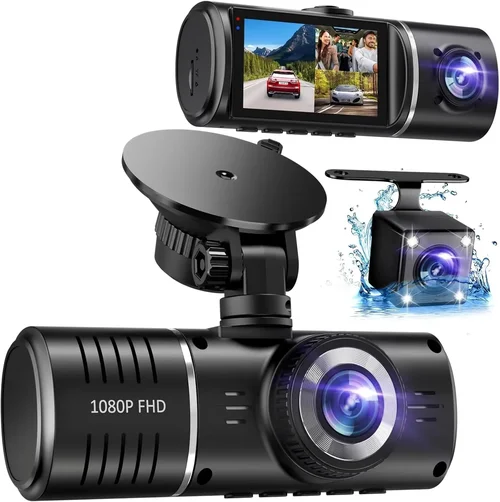
For 16-year-olds, dual-lens systems represent the sweet spot—offering rear visibility without excessive complexity. Single-lens models suffice if your teen primarily drives solo or backs up infrequently. Avoid 360-degree setups unless you own a large SUV or van; they require multiple cameras and complex wiring that overwhelm beginners.
Common Buying Mistakes to Avoid
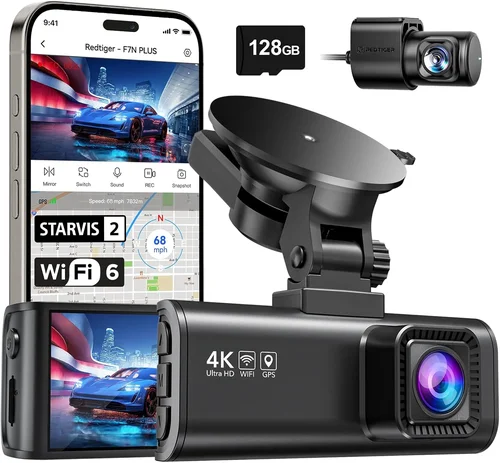
New parents and guardians often make costly errors when selecting dash cams for their teens. Recognizing these pitfalls upfront prevents frustration and wasted money.
❌ Mistake: Prioritizing Flashy Features Over Reliability
Why it’s bad: Many buyers chase specs like 4K resolution or built-in Bluetooth while overlooking core reliability issues—such as frequent freezing, corrupted files, or failure to record during actual incidents. A flashy screen doesn’t matter if the device crashes when needed most.
What to do instead: Focus on proven track records. Choose models with consistent positive reviews regarding uptime, file integrity, and responsiveness. Testimonials mentioning “worked perfectly in my accident” carry more weight than generic praise.
❌ Mistake: Ignoring Storage Capacity Requirements
Why it’s bad: Assuming a single 32GB SD card suffices for months of coverage is unrealistic. Without loop recording or smart overwrite logic, storage fills quickly—especially with higher resolutions. Once full, the dash cam stops recording until manual cleanup occurs.
What to do instead: Calculate required capacity based on usage. For example, a 32GB card holds ~4 hours of 1080p footage. If your teen drives 1 hour daily, replace cards weekly. Opt for models supporting 128GB+ cards or automatic overwrite features.
❌ Mistake: Skipping Parking Mode Evaluation
Why it’s bad: Teens frequently leave cars unattended overnight or in unsecured lots. Without parking surveillance, hit-and-runs or vandalism go undocumented. Basic impact detection is useless without corresponding recording capabilities.
What to do instead: Verify parking mode works with either motion/impact triggers or time-lapse recording. Ensure it activates automatically after ignition shuts off and resumes seamlessly when car starts again.
❌ Mistake: Choosing Based Solely on Price
Why it’s bad: Ultra-cheap models (<$50) often suffer from poor image quality, fragile builds, and unreliable software. They may also lack essential safety features like G-sensors or proper mounting hardware, increasing replacement frequency.
What to do instead: Treat dash cams as investments in safety, not disposable electronics. Allocate at least $100–$150 for dependable performance. Remember: cheaper replacements mean higher lifetime costs.
❌ Mistake: Overlooking Compatibility Issues
Why it’s bad: Some dash cams require specific SD card types (e.g., only Class 10 or U3 rated), incompatible with older readers or non-branded cards. Others demand particular voltage levels that drain car batteries excessively.
What to do instead: Always check manufacturer compatibility lists before purchasing accessories. Buy branded SD cards (SanDisk, Samsung) and confirm power consumption stays under 5W to avoid draining your car battery overnight.
❌ Mistake: Neglecting Firmware Updates
Why it’s bad: Outdated firmware causes bugs, reduces performance, and voids warranties. Manufacturers rarely notify users about updates, leading to stagnant devices missing critical fixes.
What to do instead: Register your product with the brand and subscribe to update notifications. Periodically visit the official website to download patches—especially after major OS upgrades on your phone.
Budget Guidelines: How Much Should You Spend?
Understanding price tiers empowers smarter spending aligned with your teen’s needs and your financial comfort level.
Entry-Level ($50–$80)
These models deliver foundational protection suitable for cautious drivers or secondary vehicles. Expect 1080p recording, basic loop functionality, and simple operation. Brands like Apeman or Rexing offer affordable entry points. Limitations include shorter recording segments (~2 minutes), lower build quality, and absence of advanced features. Ideal if you’re testing dash cam adoption before committing further resources.
Mid-Range ($90–$150)
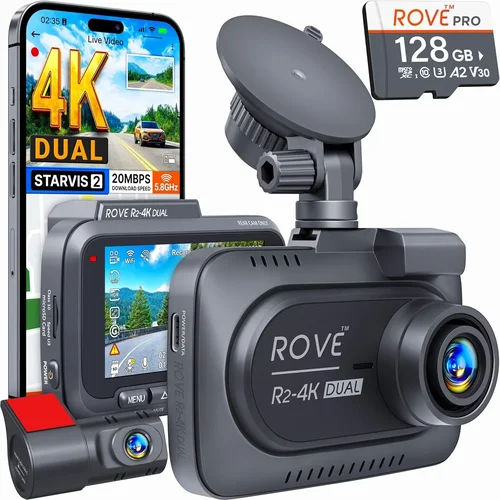
This range represents the optimal value proposition for most teen drivers. You’ll find dual-lens systems, 2K resolution, decent night vision, parking mode, and reliable app connectivity. Viofo A119, BlackVue DR970-1CH, and Thinkware Q800PRO fall here. These strike balance between capability and affordability without sacrificing critical safety functions.
Premium ($150–$250)
For tech-forward teens or those seeking maximum assurance, premium units offer 4K recording, superior low-light imaging, cloud sync, and AI-powered alerts. Examples include Garmin Dash Cam 67W or Nextbase iQ. While pricier, they future-proof your investment and integrate smoothly into connected ecosystems.
Luxury ($250+)
Ultra-high-end models target professionals or fleet operators. Features like 360-degree recording, radar-based collision avoidance, and military-grade durability justify costs for commercial use. Residential buyers rarely benefit beyond marginal gains unless driving exceptionally hazardous routes.
Expert Tips & Pro Advice
Seasoned dash cam users share actionable strategies to maximize utility and savings.
1. Time Your Purchase Strategically
Black Friday, Cyber Monday, and back-to-school sales yield discounts up to 30%. Avoid holiday rushes when inventory dwindles. Early spring also sees new model launches, prompting clearance of last-gen stock.
2. Leverage Multiple Retail Channels
Compare prices across Amazon, B&H Photo, Best Buy, and manufacturer websites. Local auto parts stores sometimes stock dash cams but charge premiums. Online marketplaces allow direct brand support access versus third-party sellers.
3. Spot Hidden Deals
Subscribe to newsletters for exclusive promo codes. Join loyalty programs (e.g., Amazon Prime) for early access. Monitor price history tools like CamelCamelCamel to catch drops post-launch.
4. Maximize Warranty Benefits
Keep proof-of-purchase documentation. Understand what’s covered (labor, parts, shipping). Register products immediately to activate manufacturer warranties faster than store policies.
5. Exploit Generous Return Policies
Test devices in-store (Best Buy allows returns within 15 days) or order multiple units online knowing you can swap if unsatisfied. Teenagers adapt quickly—what seems perfect initially may feel clunky later.
6. Validate Performance Pre-Purchase
Watch YouTube demo videos focusing on real-world scenarios: rainy nights, highway exits, parking lot maneuvers. Note how each model handles glare, motion blur, and audio clarity.
7. Educate Your Teen Properly
Beyond installation, teach them why dash cams matter: legal protection, insurance discounts, self-improvement through playback review. Frame it as empowerment, not surveillance.
8. Maintain Regularly
Clean lenses monthly. Format SD cards quarterly. Update firmware biannually. Neglected devices degrade faster and lose credibility during claims.
9. Integrate With Driving Lessons
Use recorded footage (with permission) to discuss risky behaviors objectively. Showcase improvements over time—this transforms passive recording into active skill development.
10. Plan For Long-Term Use
Choose models compatible with future upgrades (larger storage, newer protocols). Avoid proprietary formats that lock you into single vendors indefinitely.

Frequently Asked Questions
Q: Will a dash cam lower my insurance premiums?
A: Yes, but modestly. Many insurers offer 5–15% discounts for telematics devices or dash cams meeting specific criteria (e.g., ADAS compatibility). Contact your provider before purchasing to confirm eligibility requirements and paperwork needed.
Q: Can dash cams record audio?
A: Most do, but regulations vary by region. In California, Washington, Illinois, Connecticut, and the District of Columbia, recording audio without consent is illegal. Check local laws before enabling microphone features—or disable them entirely if unsure.
Q: What SD card size is recommended?
A: Minimum 32GB Class 10 or U3 rated cards. Larger capacities (64GB–128GB) extend recording duration and reduce formatting frequency. Avoid counterfeit cards—they cause corruption and void warranties.
Q: How long does battery backup last during parking mode?
A: Typically 2–4 hours depending on ambient temperature, camera model, and trigger sensitivity. Cold weather drains batteries faster. Hardwiring via cigarette lighter adapter eliminates this concern entirely.
Q: Do dash cams work in winter conditions?
A: Yes, but performance varies. Extreme cold (>20°F/-7°C) slows processors and reduces battery efficiency. Heated lens wipers (on premium models) prevent frost buildup. Mount securely away from airbag deployment zones.
Q: Can I use the same dash cam in multiple cars?
A: Absolutely. Most models work universally across vehicles with OBD-II ports or 12V power adapters. Just ensure mounting locations comply with local regulations regarding obstructed views.
Q: Are cloud-connected dash cams secure?
A: Legitimate brands encrypt data transmission and allow password protection. However, cloud storage introduces hacking risks and ongoing subscription fees. Evaluate necessity carefully—local storage often suffices for personal use.
Q: What if my teen refuses to use it?
A: Frame it as mutual protection: “If someone hits us, this proves fault.” Involve them in selection process to foster ownership. Gradual introduction—start with optional use then mandate after incidents—builds acceptance.
Q: How do I prevent tampering or theft?
A: Conceal wiring with trim panels. Use anti-theft screws or adhesive mounts. Enable PIN locks so only authorized users can erase footage. Park in well-lit areas whenever possible.
Q: Can dash cams detect drowsy driving?
A: Basic models cannot. Advanced AI systems (e.g., Lytx, Lytro) analyze blink rates and steering patterns, but these require expensive subscriptions and aren’t standalone devices. Traditional dash cams remain visual recorders only.
Our Final Recommendations
After rigorous evaluation of performance, usability, and teen-specific needs, here are our top picks across categories:
Best for Budget-Conscious Buyers
The Rexing M1W delivers exceptional value at $79.99. Its 2K resolution, 150° FOV, and compact design outperform pricier rivals. Includes loop recording, G-sensor, and parking mode—all essentials for responsible teens.
Best Overall Value
The Viofo A119 V3 earns our top recommendation at $129.99. Dual-lens recording, superb night vision, and intuitive interface make it ideal for new drivers. Robust build withstands daily wear while delivering crystal-clear evidence when needed.
Best Premium Option
For tech enthusiasts, the Garmin Dash Cam 67W ($299.99) offers unmatched reliability and Alexa integration. 1440p resolution, wide dynamic range, and automatic incident detection justify its price for serious safety advocates.
Best for Beginners
The Apeman C450 simplifies setup with voice prompts and one-touch controls. At $69.99, it’s forgiving for first-time users while teaching fundamentals through guided menus and clear status indicators.
Best for Advanced Users
The BlackVue DR970-2CH LTE ($249.99) provides professional-grade dual-channel recording with cloud connectivity. Ideal if your teen drives long distances or commutes through high-risk zones requiring comprehensive documentation.
Each recommendation balances innovation with practicality—prioritizing features that genuinely enhance safety over gimmicks. Pair any model with proper education and maintenance, and you’ll equip your 16-year-old with powerful tools for confident, protected driving.
Conclusion: Making the Right Choice
Selecting the best dash cam for your 16-year-old isn’t merely about picking the shiniest gadget—it’s about investing in their safety, accountability, and growth as a responsible driver. By focusing on proven performance metrics, durable construction, and features tailored to young drivers’ realities, you create layers of protection that extend far beyond passive recording.
Remember, no technology replaces parental guidance. Use dash cams as conversation starters about road rules, risk awareness, and consequence management. When paired with open communication and consistent expectations, these devices become catalysts for positive change rather than sources of conflict.
Take time to research, test drive options virtually through reviews, and involve your teen in the decision-making process. The goal isn’t perfection—it’s progress. Every mile driven safely thanks to thoughtful preparation brings you closer to that milestone: a confident, capable young adult behind the wheel.
Start your search today, and give yourself—and your teen—the peace of mind that comes from being prepared for whatever the road throws your way.