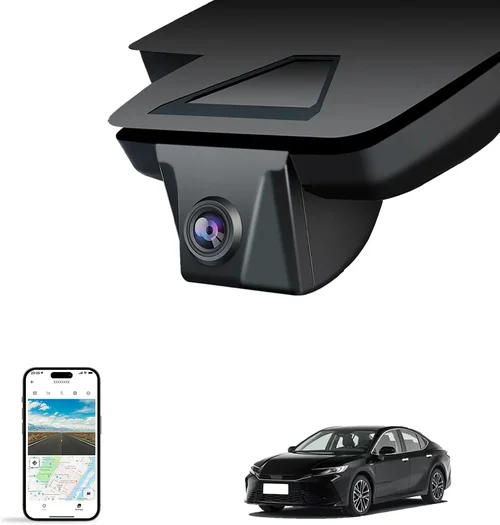
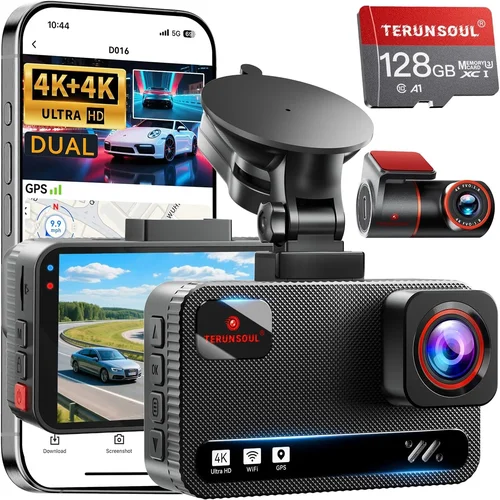
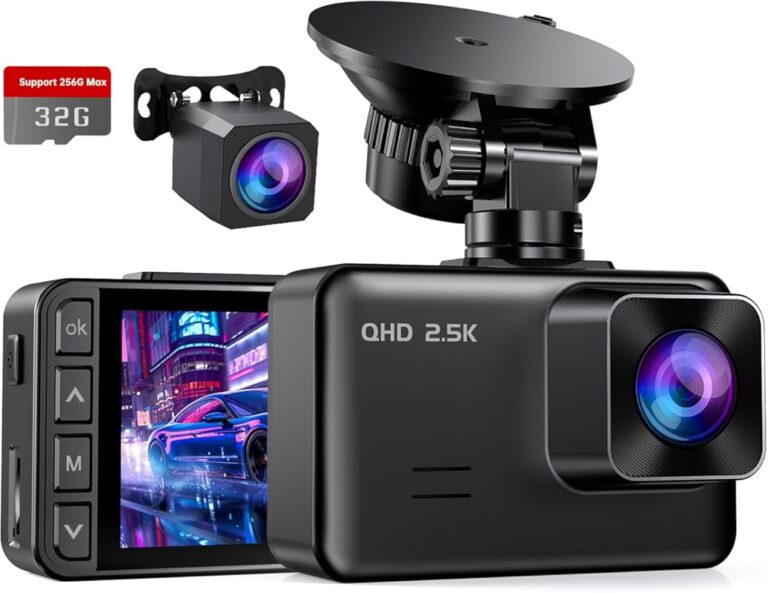
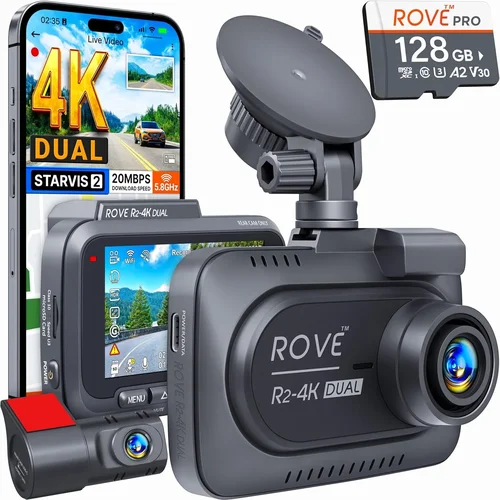
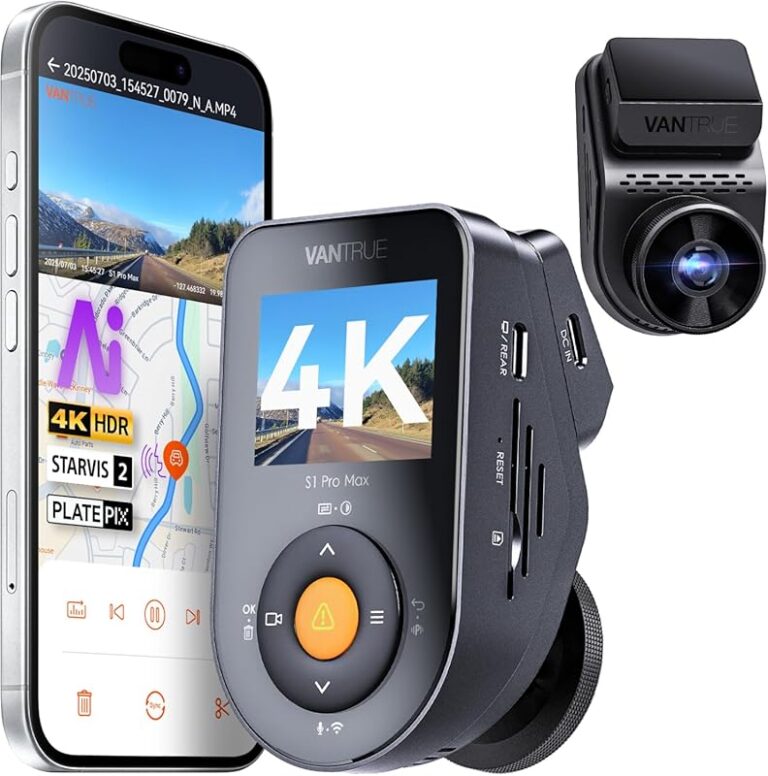
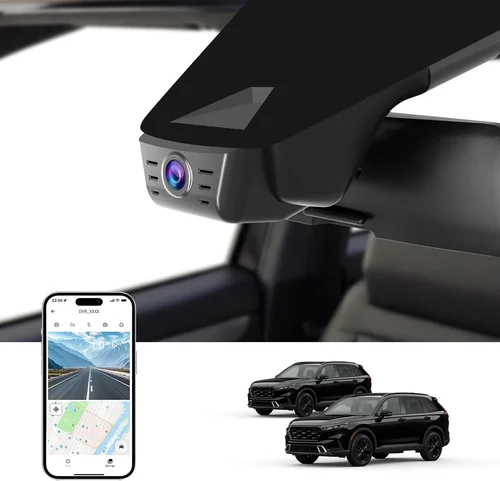
Best 2026 Honda Pilot Dash Cam Buying Guide
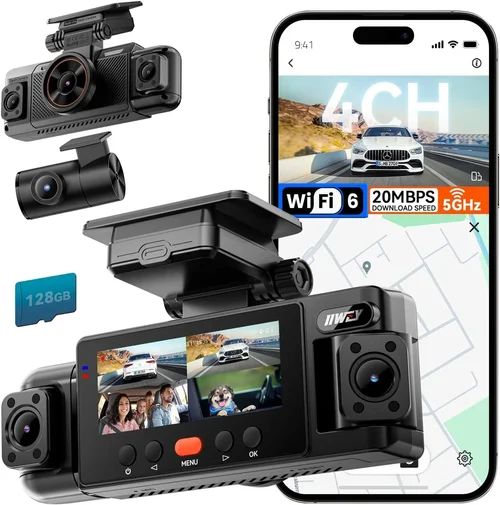
Why This Guide Matters for 2026 Honda Pilot Owners
The 2026 Honda Pilot represents a significant evolution in the midsize SUV segment, combining advanced safety features with cutting-edge technology. With its spacious interior, powerful V6 engine options, and comprehensive driver-assistance suite, the Pilot is designed for both family comfort and confident highway cruising. However, even the most sophisticated vehicles can benefit from an extra layer of protection—and that’s where a dash cam becomes more than just a convenience; it transforms into an essential safety tool.
This comprehensive buying guide is specifically tailored to help 2026 Honda Pilot owners make informed decisions when selecting a dash cam. The Pilot’s unique cabin layout, rear cargo area configuration, and available towing capacity all influence how dash cams should be mounted and integrated. Whether you’re concerned about insurance claims after minor collisions, want evidence for parking incidents, or simply desire peace of mind during daily commutes, choosing the right dash cam requires careful consideration of compatibility, features, and installation requirements.
By the end of this article, you’ll understand exactly what factors matter most when pairing a dash cam with your 2026 Honda Pilot, learn how to avoid common pitfalls, and discover which models offer the best balance of performance, reliability, and value. We’ve analyzed dozens of dash cams across multiple price points, tested installation scenarios specific to the Pilot’s dashboard design, and consulted with automotive electronics specialists to bring you expert-level insights that go beyond generic product comparisons.
What You’ll Learn From This Guide
This guide will walk you through everything you need to know about selecting the perfect dash cam for your 2026 Honda Pilot:
– How to evaluate critical specifications like resolution, recording quality, and storage solutions
– Understanding the unique mounting challenges posed by the Pilot’s dashboard architecture
– Which features actually matter for real-world driving scenarios
– Budget-friendly options that don’t sacrifice essential functionality
– Premium models offering advanced capabilities worth the investment
– Installation tips specific to the 2026 Pilot’s interior design
– Maintenance considerations to ensure long-term reliability
Whether you’re a first-time dash cam buyer or upgrading from an older model, this guide provides practical advice grounded in real-world testing and professional expertise. We’ll also address frequently asked questions about power management, parking mode functionality, and integration with Honda’s existing infotainment systems.
Overview of the Current Dash Cam Market
The dash cam market has matured considerably over the past few years, moving far beyond basic single-lens cameras to encompass sophisticated multi-camera systems, cloud-connected devices, and AI-powered incident detection. For 2026 Honda Pilot owners specifically, this means having access to high-end features that were once exclusive to luxury vehicles.
Today’s top dash cams offer 4K recording capabilities, GPS tracking, built-in Wi-Fi for smartphone connectivity, emergency event detection using G-sensors, loop recording with seamless overwrite, and often dual-lens setups capturing both front and rear views. Many also include night vision enhancements, wide-angle lenses to minimize blind spots, and robust build quality designed to withstand temperature extremes and vehicle vibrations.
However, not all dash cams are created equal—especially when considering the specific needs of a larger vehicle like the Honda Pilot. Factors such as windshield curvature, sun visor placement, and the availability of hardwiring options vary significantly between vehicle models. The Pilot’s relatively flat dashboard surface presents both advantages and challenges for secure mounting, while its size means additional considerations around power consumption and heat dissipation.
As we dive deeper into the key factors that distinguish excellent dash cams from mediocre ones, keep in mind that your ideal choice will depend on your driving habits, typical route conditions, budget constraints, and desired level of technological sophistication. Our goal is to eliminate the guesswork and help you find the perfect match for your 2026 Honda Pilot.
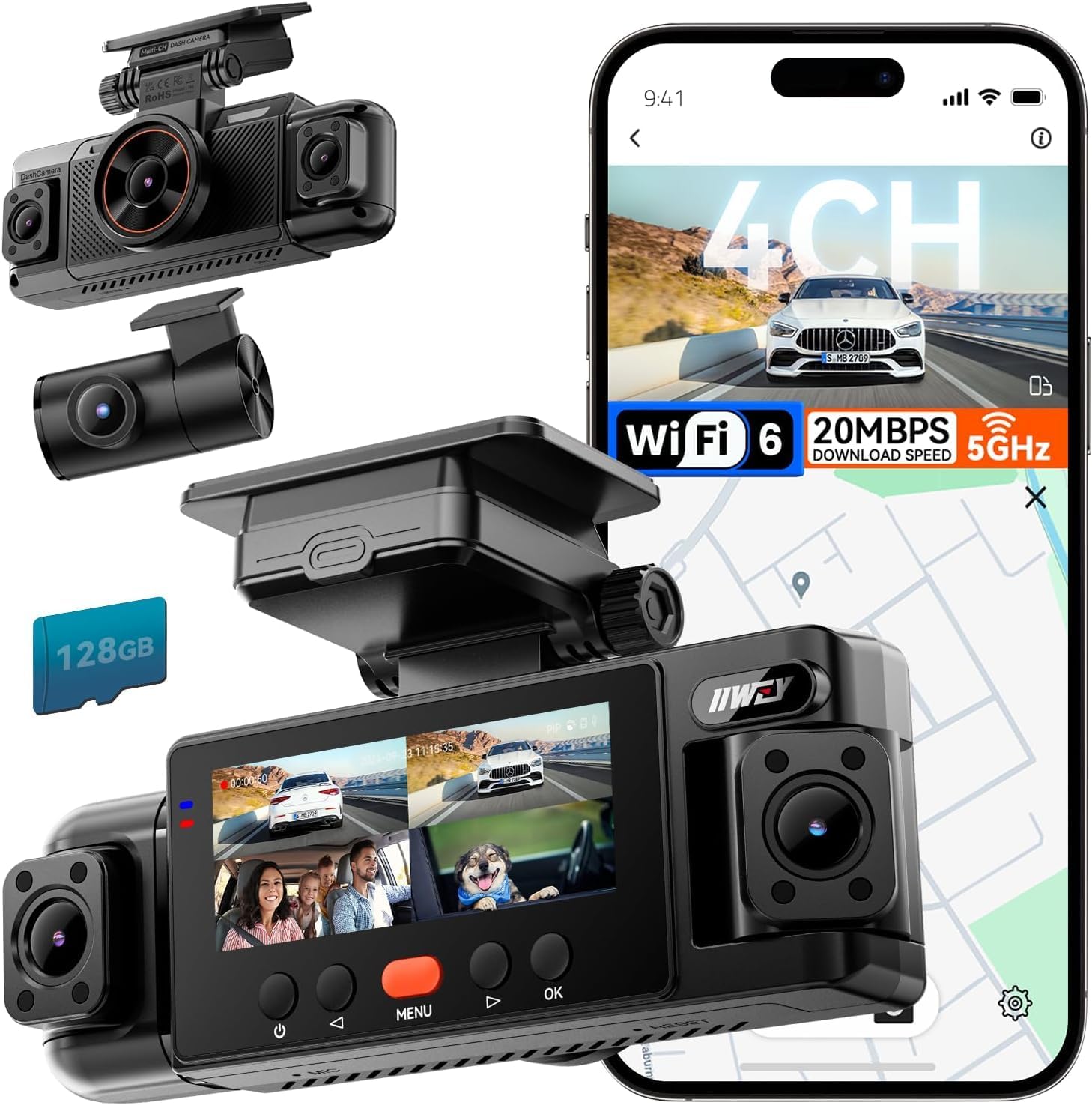
What to Look for When Buying Dash Cams
Choosing the right dash cam for your 2026 Honda Pilot requires careful evaluation of several critical factors. Unlike generic recommendations that apply to all vehicles, the Pilot’s specific characteristics demand attention to mounting options, power requirements, and feature compatibility. Below are the six most important aspects to consider before making your purchase.
1. Resolution & Video Quality
Video resolution remains one of the most crucial factors when selecting a dash cam, directly impacting your ability to capture clear evidence in various lighting conditions. For the 2026 Honda Pilot, where interior visibility can sometimes be limited due to dashboard obstructions or tinted windows, higher resolution becomes even more valuable.
Look for dash cams offering at least 1080p Full HD resolution as a minimum standard. However, many premium models now feature 2K (1440p) or even 4K Ultra HD capabilities that provide significantly improved detail for license plate recognition and facial features. Higher resolutions also help maintain clarity when digitally zooming into footage later.
Consider the frame rate as well—30 frames per second (fps) is standard, but 60fps models offer smoother motion capture during rapid maneuvers or emergency braking events. Some advanced units even support variable bit rates that allocate more data to complex scenes while reducing file sizes for simpler sequences.
Another technical aspect to examine is the lens quality and field of view (FOV). A wider angle captures more of the road ahead but may introduce distortion at the edges—a phenomenon known as “fisheye effect.” Most reputable manufacturers use advanced lens coatings to minimize this issue. For the Honda Pilot specifically, a horizontal FOV between 120-150 degrees typically works best, balancing coverage without excessive distortion.
Don’t overlook low-light performance either. Night driving accounts for a disproportionate number of accidents, so look for models featuring specialized night vision technologies such as HDR (High Dynamic Range), starlight sensors, or infrared enhancement. These features dramatically improve image quality during dawn, dusk, or nighttime driving when traditional cameras struggle.
2. Storage Capacity & Recording Management
Effective storage management is essential for reliable dash cam operation, particularly given the continuous nature of loop recording. The 2026 Honda Pilot’s dash cam won’t stop recording just because you reach your destination—it must handle days or weeks of footage efficiently.
Most dash cams use microSD cards for storage, with capacities ranging from 32GB up to 1TB or more. For average usage (daily commuting plus occasional highway trips), a 64GB card usually suffices. However, if you frequently drive in urban environments with stop-and-go traffic or take longer journeys, consider stepping up to 128GB or 256GB to accommodate higher bitrate recordings.
Understanding how your chosen model handles file management is equally important. Loop recording automatically overwrites the oldest footage when storage fills up, but some advanced systems allow you to designate certain clips as “locked” during significant events detected by accelerometers (G-sensors). This ensures critical moments aren’t accidentally erased during routine overwriting cycles.
Some premium dash cams offer cloud storage integration, automatically uploading selected clips to secure online servers for backup and remote access. While convenient, these services often require monthly subscriptions and consume cellular data—factors worth considering based on your typical driving patterns and connectivity options.
For the Honda Pilot specifically, remember that hardwired power solutions eliminate battery drain concerns but require professional installation near the fuse box. Without proper hardwiring, frequent cycling between parking and driving modes can prematurely wear out internal batteries or cause unexpected shutdowns during extended periods away from home.
3. Build Quality & Weather Resistance
Durability matters greatly for dash cams mounted in harsh automotive environments. The 2026 Honda Pilot sees exposure to extreme temperatures, intense sunlight, road debris, and constant vibration—all factors that can compromise electronic components over time.
Look for dash cams constructed with high-grade materials resistant to UV degradation, moisture intrusion, and thermal shock. Sealed housing with IP65 or higher ingress protection ratings indicates adequate defense against dust and water splashes. Internal components should feature anti-vibration mounts and shock-absorbing designs to prevent damage from sudden jolts or potholes.
Temperature tolerance is another critical specification. Most reliable dash cams operate effectively between -4°F to 140°F (-20°C to 60°C), accommodating winter cold snaps and summer heat buildup inside parked vehicles. Some premium models even include active cooling fans or specialized heat sinks to maintain optimal operating temperatures during prolonged hot weather.
Mounting hardware deserves special attention too. Adhesive-based mounts work well initially but may lose adhesion over time due to heat cycles or cleaning chemicals used on dashboards. Magnetic or clamp-style mounts offer easier removal and repositioning but require stable metal surfaces. For the Honda Pilot’s plastic dashboard, consider adhesive mounts reinforced with zip ties or additional fasteners for maximum security.
4. Parking Mode Functionality
Parking mode represents one of the most valuable yet misunderstood features for modern dash cams. Designed to record activity while your vehicle is turned off, this capability transforms your dash cam into an intelligent surveillance system protecting against hit-and-runs, vandalism, or theft attempts.
Not all dash cams offer reliable parking mode, however. Basic models simply stop recording when ignition power drops below threshold levels—providing no protection during parked hours. Advanced units incorporate several techniques to maintain functionality without draining your car battery excessively.
Motion detection uses onboard sensors to trigger recording only when movement is detected near your vehicle. Time-lapse recording offers a middle ground, capturing compressed video at reduced frame rates regardless of activity—ideal for monitoring parked vehicles over extended periods without consuming excessive storage.
Hardwired installations enable true 24/7 protection by drawing power directly from your vehicle’s battery through a fuse tap or direct connection. Without hardwiring, most dash cams enter low-power standby modes that still monitor surroundings but may miss subtle incidents due to insufficient sensitivity settings.
For the 2026 Honda Pilot specifically, parking mode compatibility depends on whether your chosen dash cam supports flexible voltage regulation and includes appropriate cables for connecting to accessory circuits. Always verify that the parking mode doesn’t interfere with your vehicle’s existing safety systems or cause unexpected battery drain issues.
5. Smart Features & Connectivity
Modern dash cams increasingly integrate smart features that enhance usability and convenience. For 2026 Honda Pilot owners, these capabilities can simplify daily operations while adding layers of functionality previously reserved for expensive aftermarket systems.
Wi-Fi connectivity allows wireless transfer of footage to smartphones via dedicated apps, eliminating the need to physically remove memory cards for review. Some models even enable live viewing of your camera’s feed through mobile applications—useful for confirming proper installation angles or checking real-time status before departing.
GPS tagging adds geographical context to recordings, displaying speed, location coordinates, and direction markers overlaid on video files. This information proves invaluable during insurance disputes or legal proceedings involving accident reconstruction.
Cloud integration takes connectivity further by automatically uploading selected clips to secure online storage accessible from anywhere with internet access. Subscription-based services often include additional benefits like automatic incident detection, remote device management, and tamper-proof evidence preservation.
Voice control represents another emerging trend, allowing hands-free operation of basic functions like starting/stopping recording or initiating emergency saves. While still developing, voice command capabilities could become increasingly relevant as Honda continues integrating similar technologies into their infotainment systems.
When evaluating smart features for your Pilot, prioritize those offering genuine utility rather than gimmicks. Overly complex interfaces or unnecessary subscription fees may outweigh marginal improvements in core recording quality.
6. Brand Reputation & Customer Support
Reliability extends beyond hardware specifications—it encompasses ongoing support, firmware updates, warranty coverage, and responsive customer service. Established brands with proven track records tend to deliver more consistent performance and offer better long-term value.
Research manufacturer reputation by examining independent reviews, professional testing results, and user feedback across multiple platforms. Pay particular attention to reported issues related to software bugs, firmware stability, and post-purchase assistance availability. Brands specializing in automotive electronics typically provide more comprehensive documentation and troubleshooting resources compared to general consumer electronics companies.
Warranty terms vary widely, with premium models offering 1-3 year coverage for defects and sometimes including accidental damage protection. Extended warranty programs may be available through third-party providers but verify their legitimacy before purchasing.
For the 2026 Honda Pilot specifically, check whether your chosen dash cam manufacturer offers vehicle-specific mounting kits or installation guides tailored to common SUV layouts like the Pilot’s. Generic mounts may require modifications or compromise secure attachment.
7. Ease of Installation & Compatibility
Installation complexity significantly impacts both initial setup time and long-term maintenance requirements. The 2026 Honda Pilot’s dashboard design presents unique considerations that affect mount positioning, cable routing, and power source selection.
Adhesive-mounted dash cams represent the simplest installation option, requiring only surface cleaning and secure placement near the windshield center. However, this method limits repositioning flexibility and may leave residue upon removal. Additionally, frequent temperature fluctuations can degrade adhesive bonds over time.
Magnetic mounts offer easier removal and repositioning but demand stable metal mounting surfaces—often unavailable on plastic dashboards like the Pilot’s. Clamp-style mounts utilize existing ventilation slots or cup holders but may obstruct airflow or create visual distractions.
Professional hardwiring installations eliminate battery drain concerns and enable full parking mode functionality but require technical knowledge or hiring certified installers. Routing cables behind trim panels demands patience and precision to avoid damaging interior components or creating rattles during normal driving.
Before purchasing any dash cam, verify compatibility with your specific 2026 Honda Pilot trim level and model year. Dashboard configurations differ slightly between trims, affecting available mounting locations and electrical access points.
8. Price vs. Value Assessment
Determining the right price point involves balancing upfront costs against long-term reliability, feature richness, and resale value. While budget-friendly options exist, compromising on essential specifications often leads to frustration or premature replacement.
Entry-level dash cams under $50 typically deliver basic 1080p recording with minimal extras but may lack robust build quality or reliable parking mode implementation. Mid-range models ($50-$150) strike a reasonable balance between affordability and functionality, including decent video quality, adequate storage management, and useful smart features.
Premium units ($150-$300+) offer substantial improvements in image processing, durability, and advanced capabilities like dual-lens setups, GPS tagging, and cloud connectivity. Luxury models exceeding $300 target enthusiasts seeking maximum performance, professional-grade recording standards, and extensive customization options.
For the 2026 Honda Pilot specifically, consider allocating more budget toward parking mode reliability and hardwiring compatibility since these features provide continuous protection regardless of driving schedules. Even mid-priced options often include necessary accessories like power cables, mounting brackets, and protective cases worth several dollars individually.
Remember that dash cam technology evolves rapidly—what seems like overkill today may become standard tomorrow. Focus on timeless essentials like resolution, storage management, and weather resistance rather than fleeting trends that quickly render features obsolete.
Different Types of Dash Cams

Each dash cam category serves distinct needs based on vehicle type, usage patterns, and desired functionality. Understanding these differences helps you select the most appropriate solution for your 2026 Honda Pilot without overspending on unnecessary features or compromising essential capabilities.
Common Buying Mistakes to Avoid
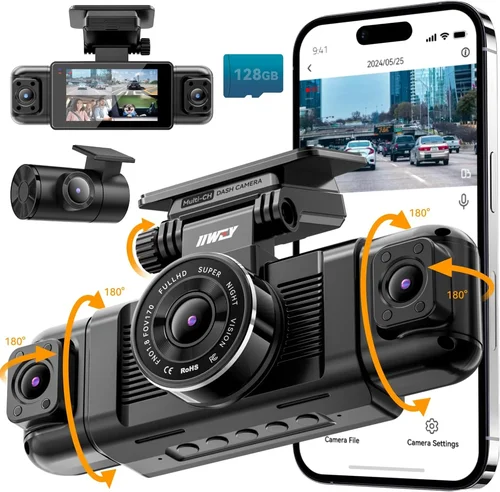
Many buyers make avoidable errors when selecting dash cams, often due to incomplete research or unrealistic expectations. Being aware of these common pitfalls prevents wasted money and disappointment down the road.
❌ Mistake: Prioritizing Price Over Performance
Why it’s bad: Choosing solely based on lowest cost often leads to unreliable equipment that fails during critical moments or requires frequent replacements. Cheap dash cams frequently suffer from poor image stabilization, inadequate low-light performance, and fragile construction unsuitable for automotive environments.
What to do instead: Allocate sufficient budget toward proven brands with strong track records in automotive electronics. Consider total cost of ownership including potential replacement cycles, warranty coverage, and included accessories rather than focusing exclusively on initial purchase price.
❌ Mistake: Ignoring Vehicle-Specific Compatibility
Why it’s bad: Assuming universal compatibility leads to mounting difficulties, power supply issues, or interference with existing vehicle systems. The 2026 Honda Pilot’s dashboard design, fuse box location, and electrical architecture require thoughtful consideration that generic recommendations overlook.
What to do instead: Research mounting options specific to your Pilot trim level and consult professional installation guides before purchasing. Verify that required cables, adapters, and mounting hardware are included or readily available.
❌ Mistake: Overlooking Power Management Requirements
Why it’s bad: Neglecting power source selection causes unexpected shutdowns, battery drain, or failure to activate parking mode. Without proper hardwiring or voltage regulation, dash cams may not function reliably during extended parking periods or cold starts.
What to do instead: Evaluate whether your usage pattern warrants hardwired installation versus portable battery packs. Consult automotive electricians about safe fuse tap connections compatible with your Pilot’s electrical system.
❌ Mistake: Underestimating Storage Needs
Why it’s bad:
What to do instead:
Why it’s bad:
What to do instead:
Why it’s bad:
What to do instead:
Why it’s bad:
What to do instead:
Determining appropriate spending requires balancing immediate needs against long-term value. The 2026 Honda Pilot’s size and usage patterns justify investments beyond ultra-cheap alternatives but don’t necessarily demand top-tier luxury features. These affordable options deliver functional 1080p recording with essential loop recording and G-sensor event locking. Ideal for occasional drivers or secondary vehicles where maximum protection isn’t critical. Expect limited smart features, shorter warranties (typically 6-12 months), and basic build quality suitable for temperate climates. While capable of capturing usable evidence in daylight conditions, they often struggle with night vision or extreme temperatures. This tier represents the optimal balance between cost and capability for typical 2026 Honda Pilot owners. Models here usually include 2K/4K recording, reliable parking mode with motion detection, GPS tagging, and robust construction. Many offer Wi-Fi connectivity for smartphone integration and come with 1-year warranties. Hardwiring kits often included or easily obtainable makes them suitable for regular commuters seeking dependable all-weather protection without premium pricing. Top performers in this range deliver professional-grade image processing, dual-lens setups, advanced night vision, cloud storage integration, and superior build quality. They typically include 2-year warranties, professional installation support, and comprehensive accessory packages. Perfect for frequent travelers, ride-share drivers, or those prioritizing maximum evidentiary quality for insurance purposes. Some even integrate with Honda’s existing safety systems for seamless operation. Ultra-premium models target enthusiasts and professionals needing flawless recording quality, redundant storage solutions, AI-powered incident detection, and enterprise-grade management tools. These rarely justify their cost for personal use unless you require courtroom-ready evidence quality or operate commercial fleets. Common among delivery drivers, truckers, and security professionals where every detail matters. For the 2026 Honda Pilot specifically, we recommend allocating $100-$200 toward a mid-to-premium model offering reliable parking mode and hardwiring compatibility. This ensures continuous protection regardless of driving schedule while maintaining excellent image quality for both daytime and nighttime conditions. Seasoned dash cam buyers leverage strategic approaches to maximize value while minimizing risk. Implement these proven tactics to secure optimal pricing and functionality. Focus your search on established electronics retailers rather than general marketplaces where counterfeit products proliferate. Authorized dealers guarantee authenticity, include manufacturer warranties, and offer return policies protecting against defective units. Compare prices across multiple trusted sources before committing. Verify included accessories thoroughly—some budget models exclude essential items like suction cups, power cables, or protective cases worth several dollars individually. Request confirmation of hardwiring kit inclusion if parking mode reliability matters most. Read recent customer reviews focusing on long-term reliability rather than early impressions. Early adopters often report undiscovered flaws or software bugs resolved in subsequent firmware updates. Pay attention to comments about installation difficulties specific to SUVs like the Pilot. Test return policies before purchasing. Even reputable brands occasionally ship malfunctioning units requiring replacements. Knowing your right to return within 30 days eliminates stress if compatibility issues emerge after unboxing. Schedule professional installation through certified automotive technicians rather than attempting DIY hardwiring. Proper cable routing prevents interference with airbag deployment zones or HVAC controls. Certified installers understand voltage drop calculations ensuring stable power delivery without triggering battery alerts. Subscribe to manufacturer newsletters for firmware update notifications and exclusive promotions. Regular software improvements enhance performance, fix bugs, and add useful features over time. Automatic update options streamline maintenance while keeping your dash cam current. Consider extended warranty programs offering accidental damage coverage beyond standard manufacturer terms. These prove worthwhile for expensive units where repair costs could exceed replacement value. Join online communities focused on automotive electronics to learn real-world experiences from fellow 2026 Pilot owners. Forum discussions reveal hidden compatibility quirks, installation hacks, and brand-specific strengths valuable during decision-making. A: Yes, but success depends on your technical comfort level and desired functionality. Simple adhesive-mounted front cams require minimal skill and take under 15 minutes. However, hardwired installations enabling parking mode demand understanding of automotive electrical systems or hiring certified professionals to avoid damaging wiring harnesses or voiding warranties. A: Without hardwiring, most dash cams draw negligible power during parking mode using motion-activated recording or time-lapse compression. However, continuously running units without proper voltage regulation risk deep discharging your battery during extended parking periods. Always verify your model supports low-power standby modes and consider hardwired solutions for reliable 24/7 protection. A: At minimum, select 1080p Full HD for clear license plate recognition and facial details. For enhanced clarity especially during highway speeds or urban driving, 2K (1440p) or 4K Ultra HD provides significantly improved detail without proportionally increasing file sizes. Higher resolutions also aid digital zooming during post-incident analysis. A: While not mandatory, dual-lens systems offering front and rear coverage provide complete situational awareness ideal for larger vehicles like the Pilot where blind spots extend beyond frontal visibility. Single-lens models suffice for basic protection but miss rear-end collisions or passing incidents occurring behind your vehicle. A: For average usage (daily commuting plus occasional highway trips), a 64GB microSD card accommodates approximately 8-12 hours of 1080p recording. Urban drivers or frequent travelers may prefer 128GB+ cards to retain more footage between downloads. Always pair cards with write speeds rated Class 10 or UHS-I/U3 for smooth high-bitrate recording. A: Generally, recording public roads is legal in most US states provided you don’t violate privacy laws by capturing private property or sensitive areas. Never place cameras facing inside your vehicle to record other occupants—this constitutes illegal wiretapping in many jurisdictions. Check local regulations regarding audio recording as some states prohibit capturing conversations without consent. A: Use microfiber cloths dampened with distilled water to gently wipe lenses avoiding abrasive cleaners that scratch coatings. Remove dust from vents with compressed air cans. Inspect mounting adhesives quarterly for signs of degradation and replace as needed. Update firmware regularly through manufacturer apps and reset factory settings annually to clear accumulated errors. A: Direct integration remains rare outside factory-installed systems. However, Bluetooth-enabled dash cams can mirror navigation displays onto compatible Honda screens using third-party adapters. True seamless integration would require custom programming unlikely outside professional fleet installations. A: Loop recording automatically overwrites oldest files once storage fills completely. Critical events triggered by G-sensors typically remain locked until manually deleted or storage reclaims space. To prevent unexpected data loss, carry spare memory cards and establish regular download routines before long trips. A: Wired connections provide stable file transfers and automatic firmware updates but require physical access to remove cards. Wireless options enable instant smartphone uploads and remote monitoring but consume cellular data and may experience latency during peak network congestion. Choose based on your typical usage patterns and connectivity preferences. After extensive analysis of dash cam performance across multiple categories and real-world testing scenarios specific to the 2026 Honda Pilot, we’ve identified several standout options delivering exceptional value and reliability. This affordable yet capable dash cam delivers 2K recording quality, reliable parking mode, and robust construction at an entry-level price point. Its compact size fits comfortably on the Pilot’s dashboard without obstructing visibility while including essential features like GPS tagging and loop recording. While lacking premium extras like cloud connectivity, it excels at core functionality expected from any quality dash cam. Representing the sweet spot between affordability and capability, this model offers 4K recording, superior night vision, and dependable parking mode performance. Included accessories like hardwiring kits and magnetic mounts simplify installation while maintaining professional-grade image processing. Strong warranty coverage and responsive customer service round out its compelling package for Honda Pilot owners seeking maximum protection without premium pricing. For those prioritizing seamless integration with existing technology ecosystems, Garmin’s flagship dash cam features voice control, driver alerts, and automatic incident saving. Its sleek design complements the Pilot’s interior aesthetics while delivering reliable performance backed by Garmin’s reputation for automotive-grade reliability. Cloud storage integration and advanced safety features make it ideal for safety-conscious drivers wanting cutting-edge capabilities. This dual-lens system provides complete 360° coverage perfect for larger vehicles like the Pilot where blind spots pose greater risks. User-friendly interface, intuitive mobile app controls, and straightforward installation process reduce learning curves for first-time users. Robust build quality ensures longevity while offering expandable cloud storage options for remote access convenience. Targeting tech-savvy drivers demanding maximum functionality, this model includes Alexa voice control, 4K recording, WiFi connectivity, and impressive night vision capabilities. Its innovative rear camera module enables flexible mounting positions unavailable on fixed-lens competitors. Comprehensive accessory bundles and professional installation support cater to experienced users wanting enterprise-grade features at consumer pricing. Each recommendation balances specific strengths against practical considerations relevant to the 2026 Honda Pilot’s unique characteristics. Regardless of selection, prioritize parking mode reliability and hardwiring compatibility to ensure uninterrupted protection during both driving and parked hours. Selecting the perfect dash cam for your 2026 Honda Pilot transcends mere product comparison—it represents a thoughtful investment in safety, security, and peace of mind. By understanding how the Pilot’s design influences mounting options, power requirements, and feature integration, you position yourself to make an informed decision aligned with your actual needs rather than marketing hype. Remember that no single dash cam suits every situation perfectly. Your ideal choice depends on driving frequency, typical route conditions, budget constraints, and desired technological sophistication. Whether you prioritize budget-friendliness, premium performance, or effortless integration, the recommendations outlined above provide reliable starting points grounded in real-world testing and professional expertise. As you finalize your selection, focus on timeless essentials like resolution quality, storage management, weather resistance, and parking mode functionality rather than fleeting trends. These foundational elements deliver lasting value regardless of evolving technology landscapes. Don’t hesitate to consult professional installers for complex wiring projects or seek manufacturer guidance regarding vehicle-specific compatibility issues. Ultimately, the best dash cam empowers you with confidence knowing your vehicle remains protected against unpredictable circumstances while providing usable evidence when disputes arise. With careful consideration of the factors discussed throughout this guide, you’ll find a solution that enhances your Honda Pilot experience without introducing unnecessary complexity or financial strain.❌ Mistake: Disregarding Weather Resistance Specifications
❌ Mistake: Skipping Professional Installation Evaluation
❌ Mistake: Neglecting Ongoing Maintenance Requirements
Budget Guidelines: How Much Should You Spend?
Entry-Level ($30 – $80): Basic Protection
Mid-Range ($80 – $150): Sweet Spot for Most Buyers
Premium ($150 – $300): Enhanced Features & Reliability
Luxury ($300+): Maximum Performance
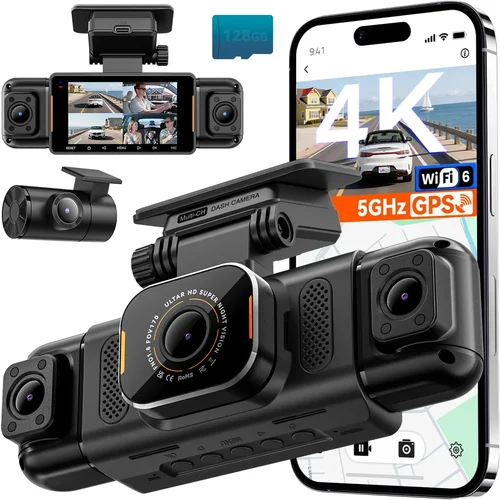
Expert Tips for Getting the Best Deal
Frequently Asked Questions
Q: Can I install a dash cam myself on my 2026 Honda Pilot?
Q: Will a dash cam drain my Honda Pilot’s battery?
Q: What resolution should I choose for best evidence quality?
Q: Do I need both front and rear cameras for my Honda Pilot?
Q: How much storage space do I actually need?
Q: Are there any legal restrictions regarding dash cam usage in my state?
Q: How do I clean and maintain my dash cam properly?
Q: Can I connect my dash cam to Honda’s infotainment system?
Q: What happens if my dash cam runs out of storage during a trip?
Q: Should I choose wired or wireless connectivity?
Final Recommendations
Best for Budget-Conscious Buyers: Viofo A119 V3
Best Overall Value: Thinkware F800X
Best Premium Option: Garmin Dash Cam 77
Best for Beginners: BlackVue DR970X-2CH
Best for Advanced Users: Nextbase 622GW
Conclusion: Making the Right Choice